What Causes It Around Here
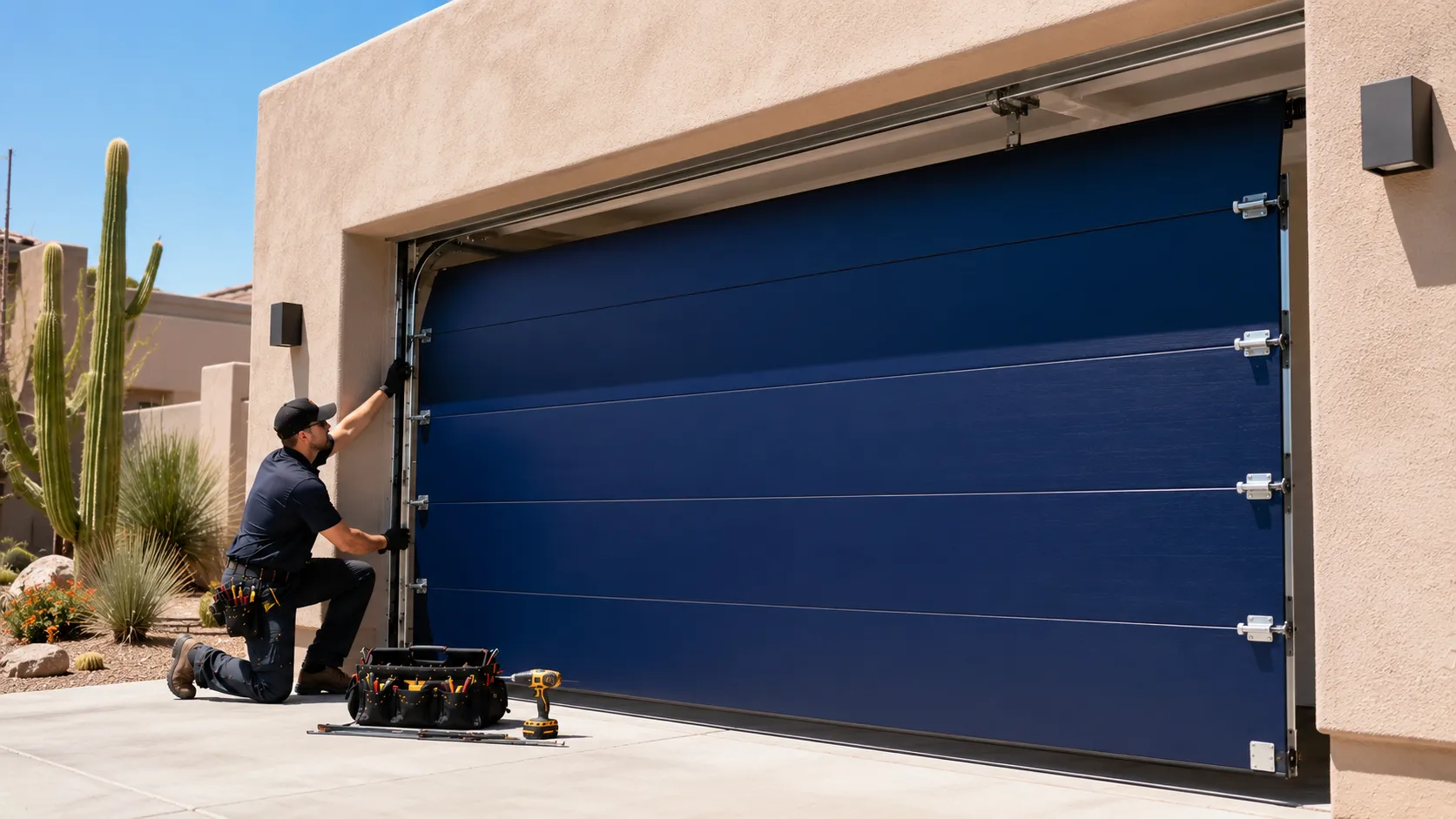
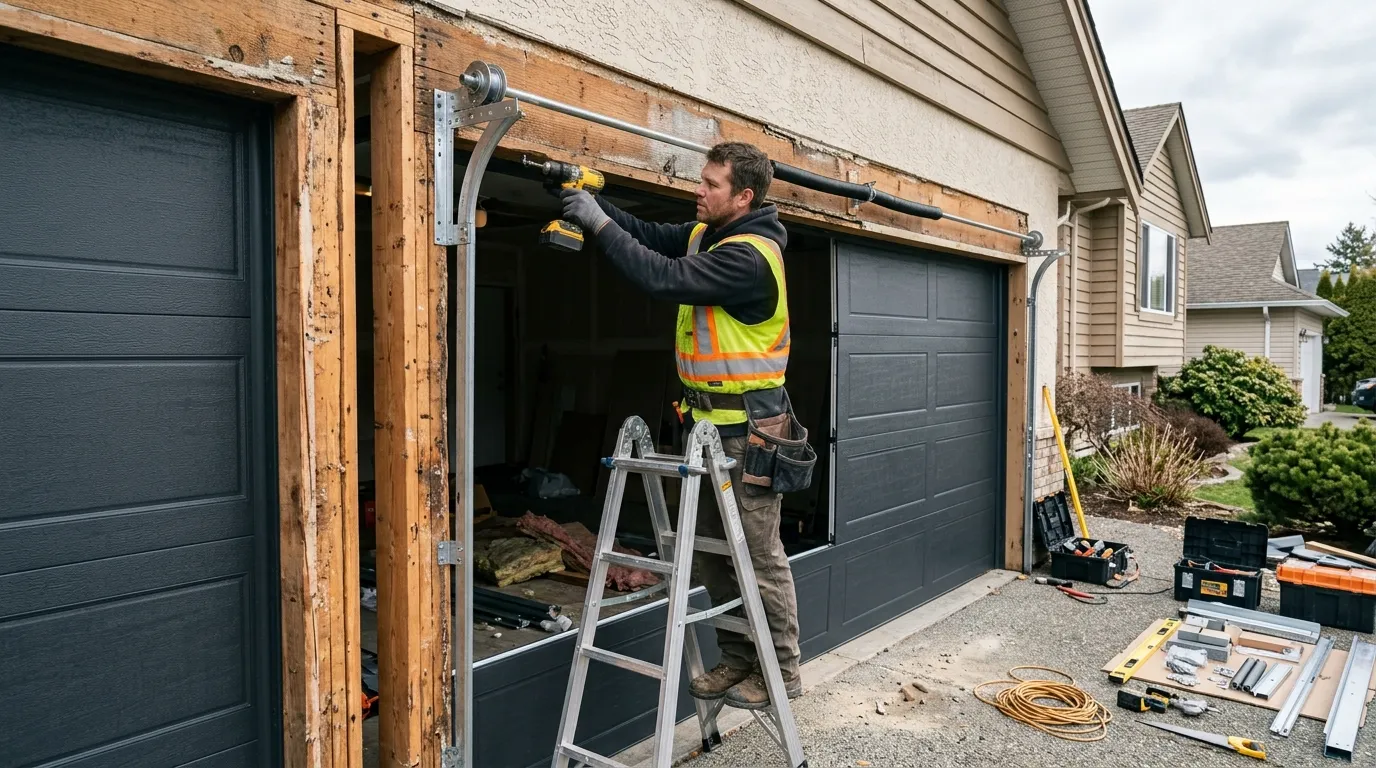
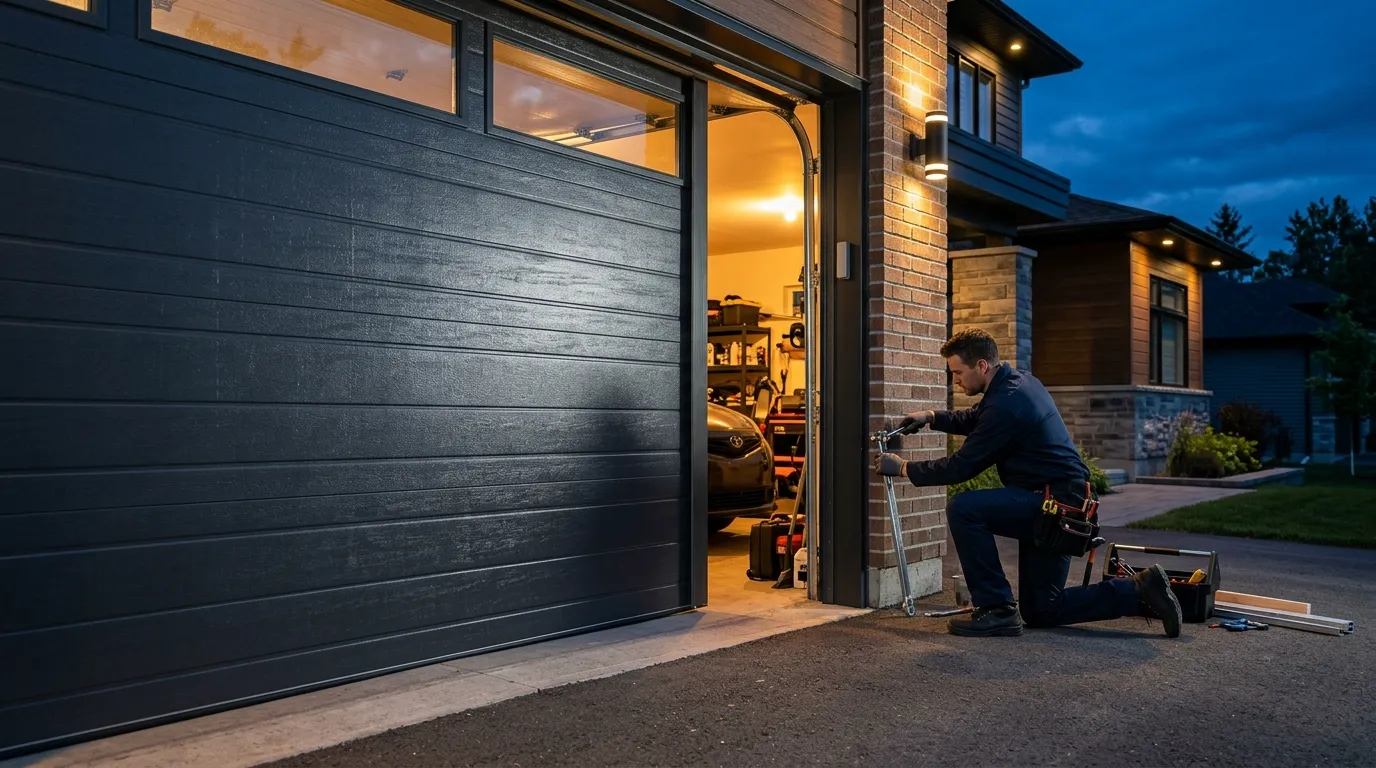
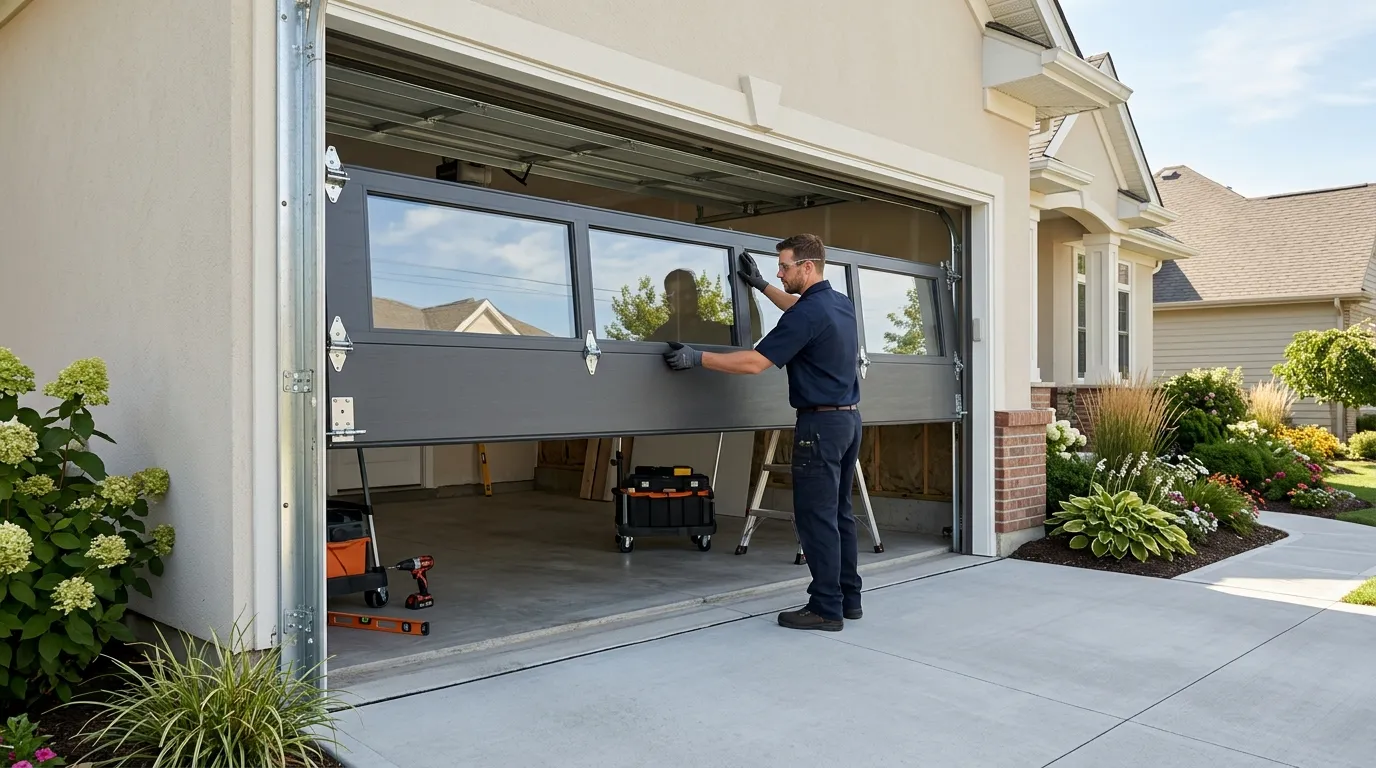
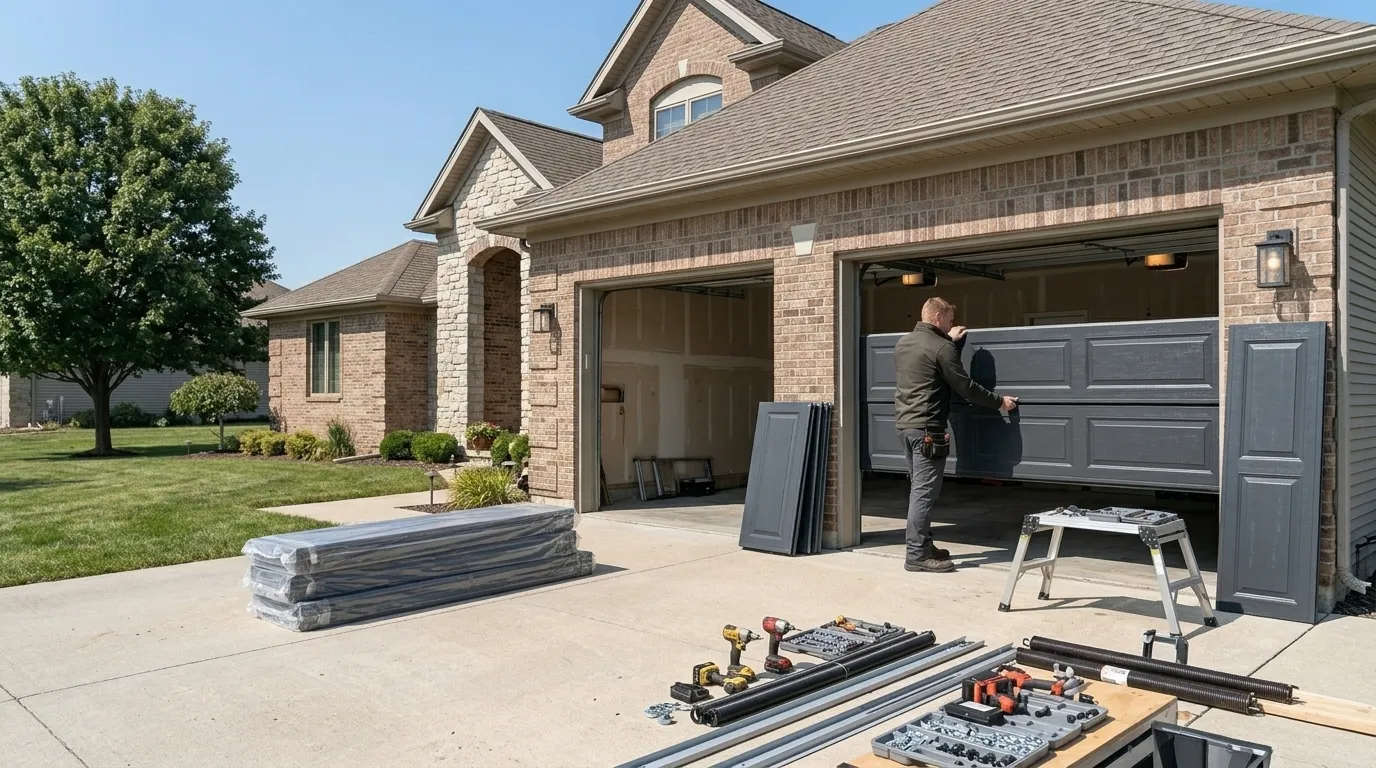
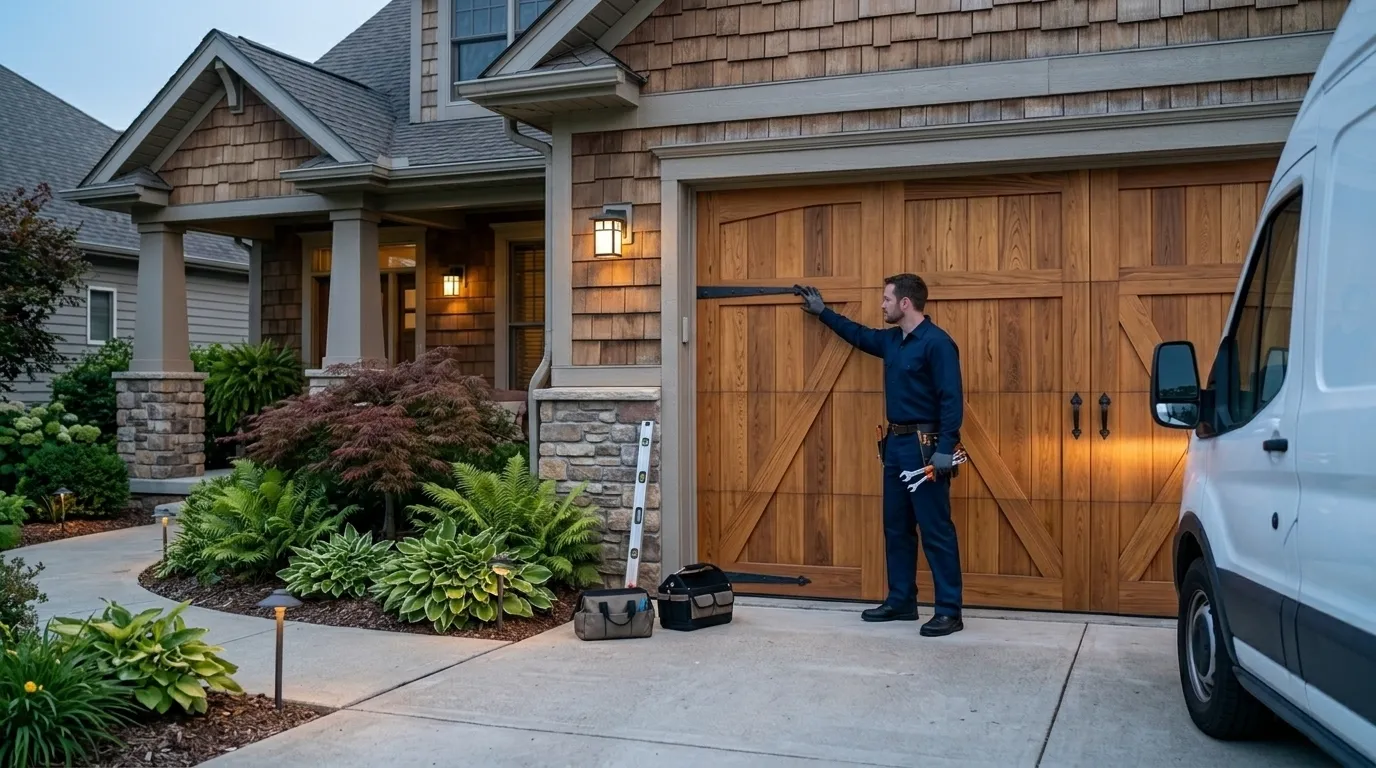
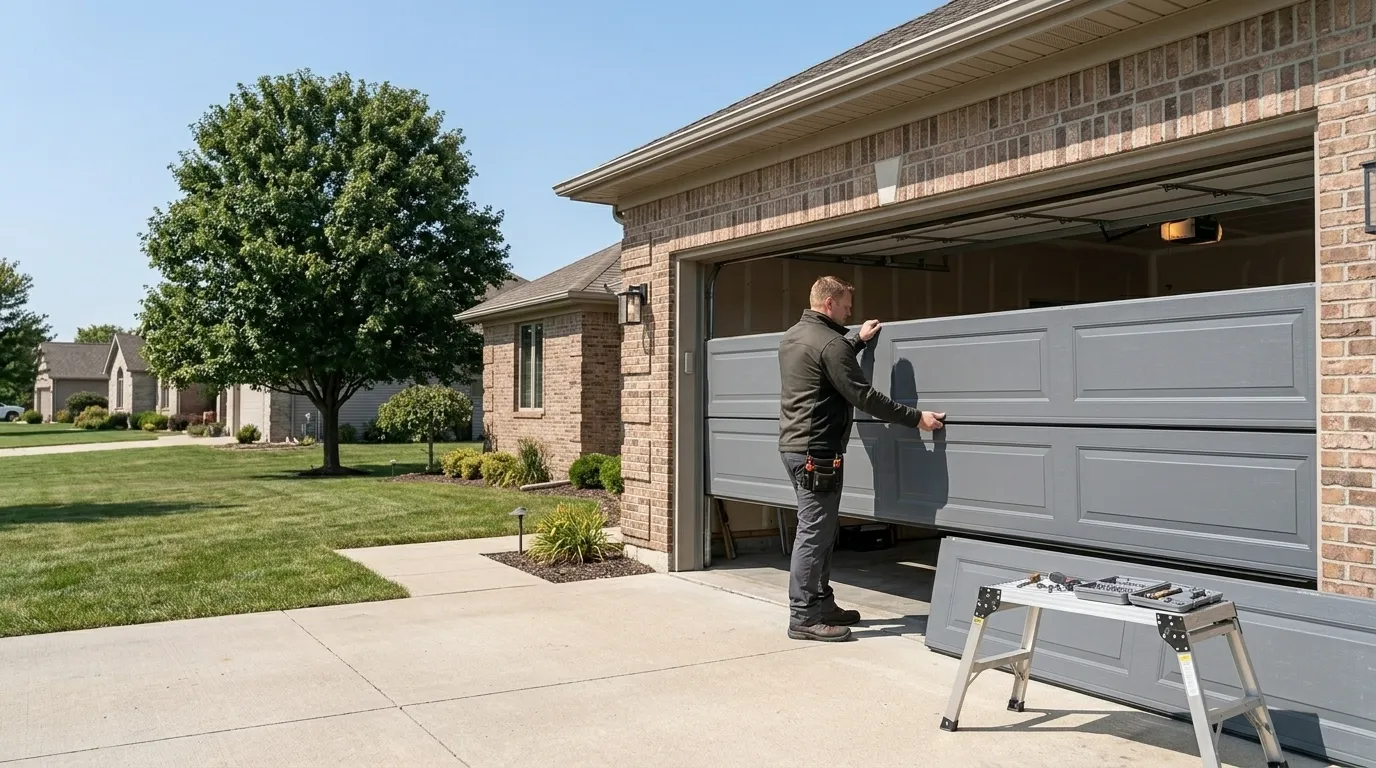
Two things drive most commercial door calls in this part of the North Shore corridor: age and cold. Housing in the area was mostly built between 1938 and 1996, with the bulk of it clustering in the 1960s and 70s, and the commercial and light-industrial buildings along the same stretches went up in that same window. That means a lot of steel sectional doors, roll-up hardware, and torsion setups that were installed once and never fully modernized. Add in a climate that sits in the cold-moderate band, and you get metal that contracts hard every winter, lubricant that thickens or dries out, and springs carrying tension they were never designed to hold at 10 degrees. On a warehouse or loading dock door that opens and closes dozens of times a day, that stress compounds fast. We also see a lot of doors sized for delivery trucks and forklifts, which means bigger springs, heavier cable, and openers that were never meant for residential duty cycles. When one of those parts starts to go, it usually goes on the coldest week of the year, not the mildest one. That's not bad luck. It's the predictable result of decades-old hardware meeting a Midwest winter on a door that gets used all day, every day.
How We Fix It
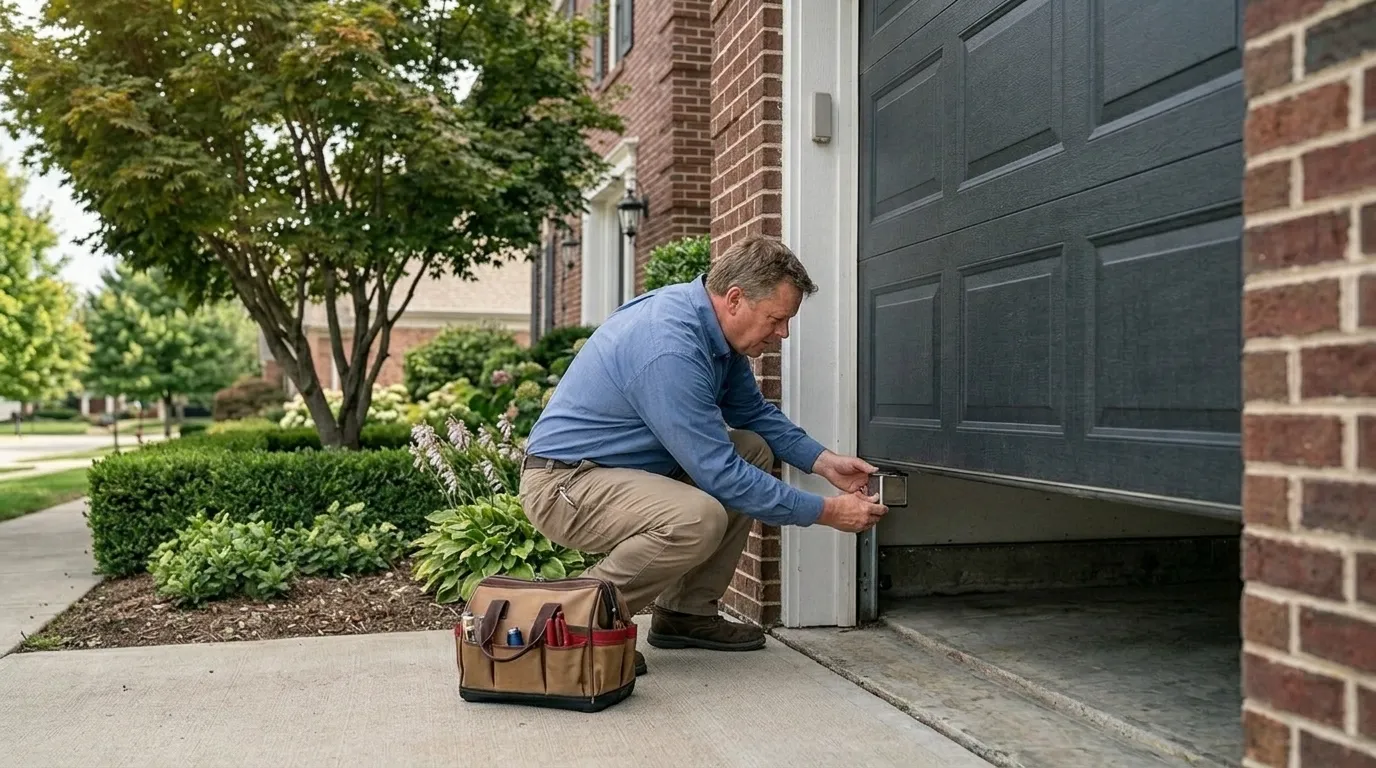
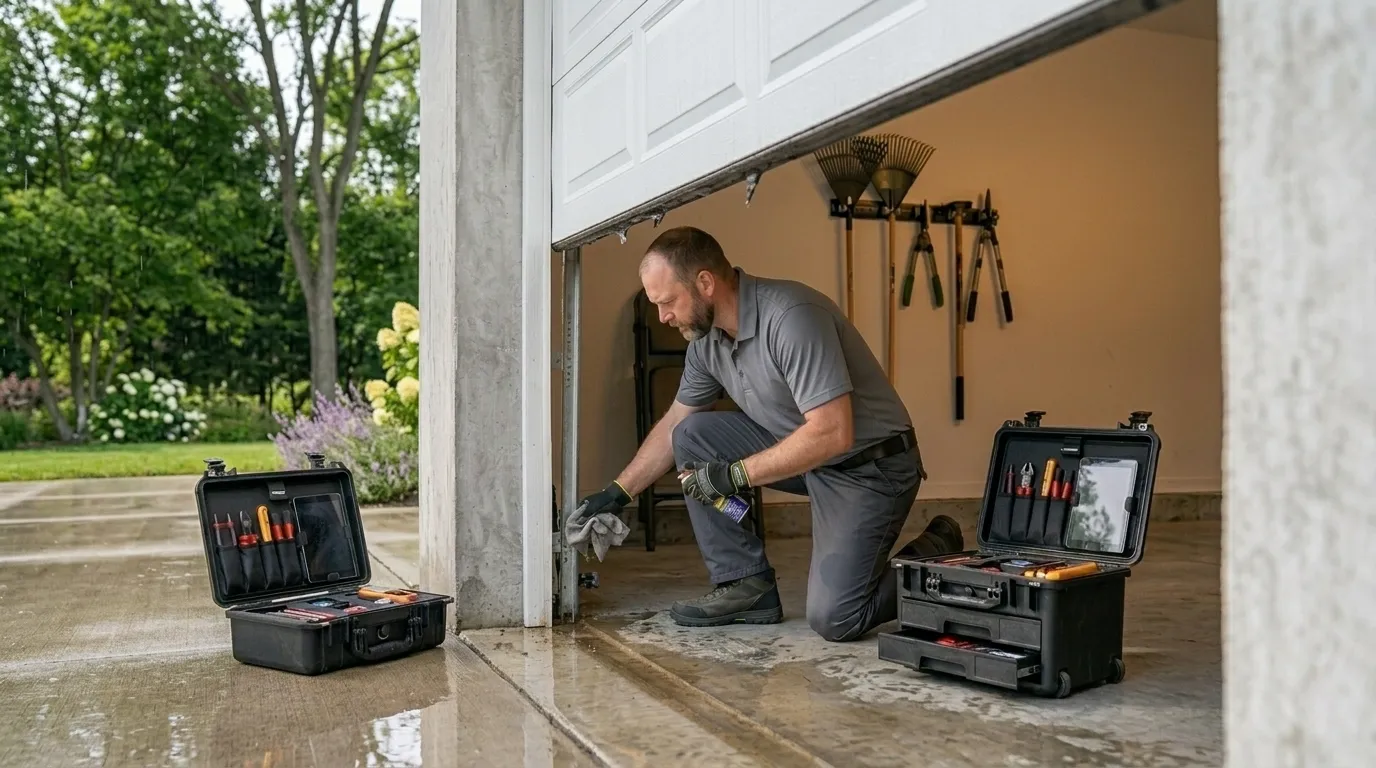
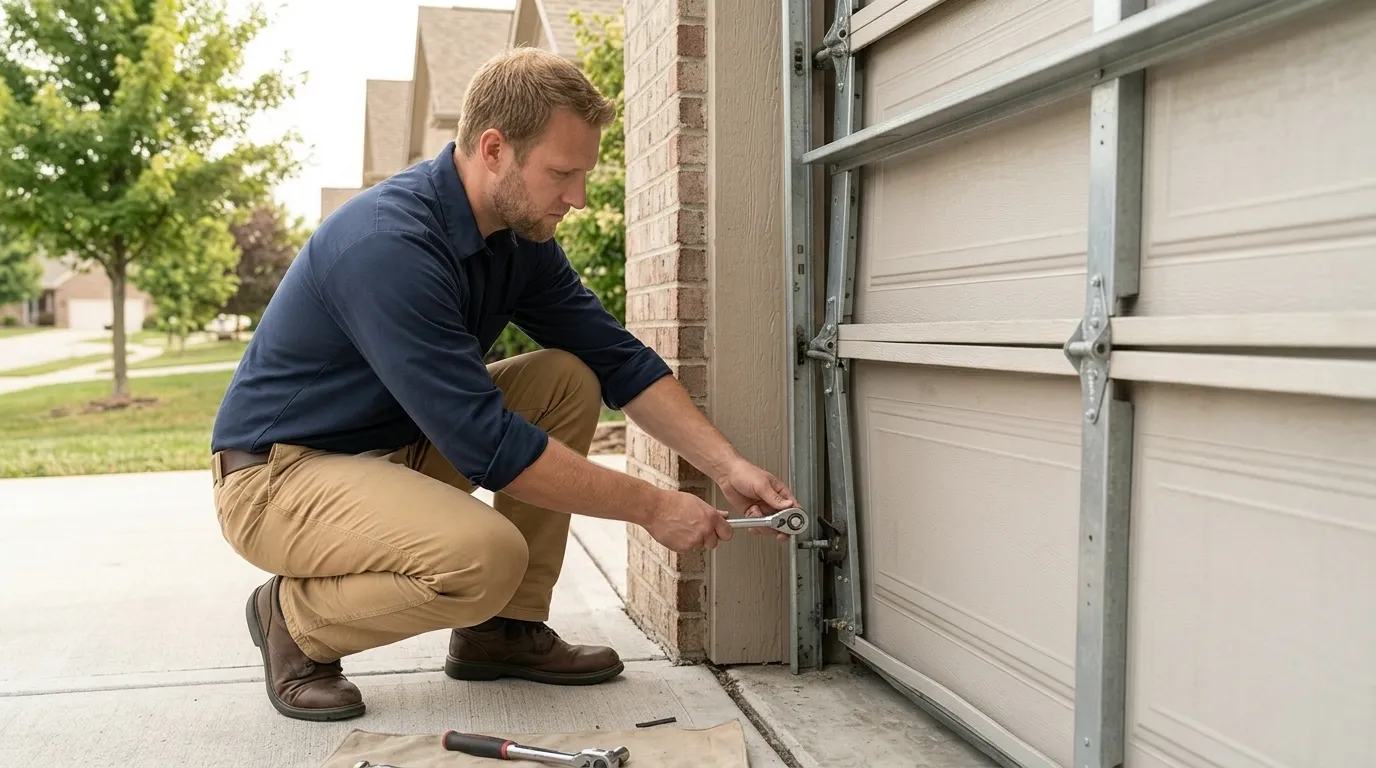
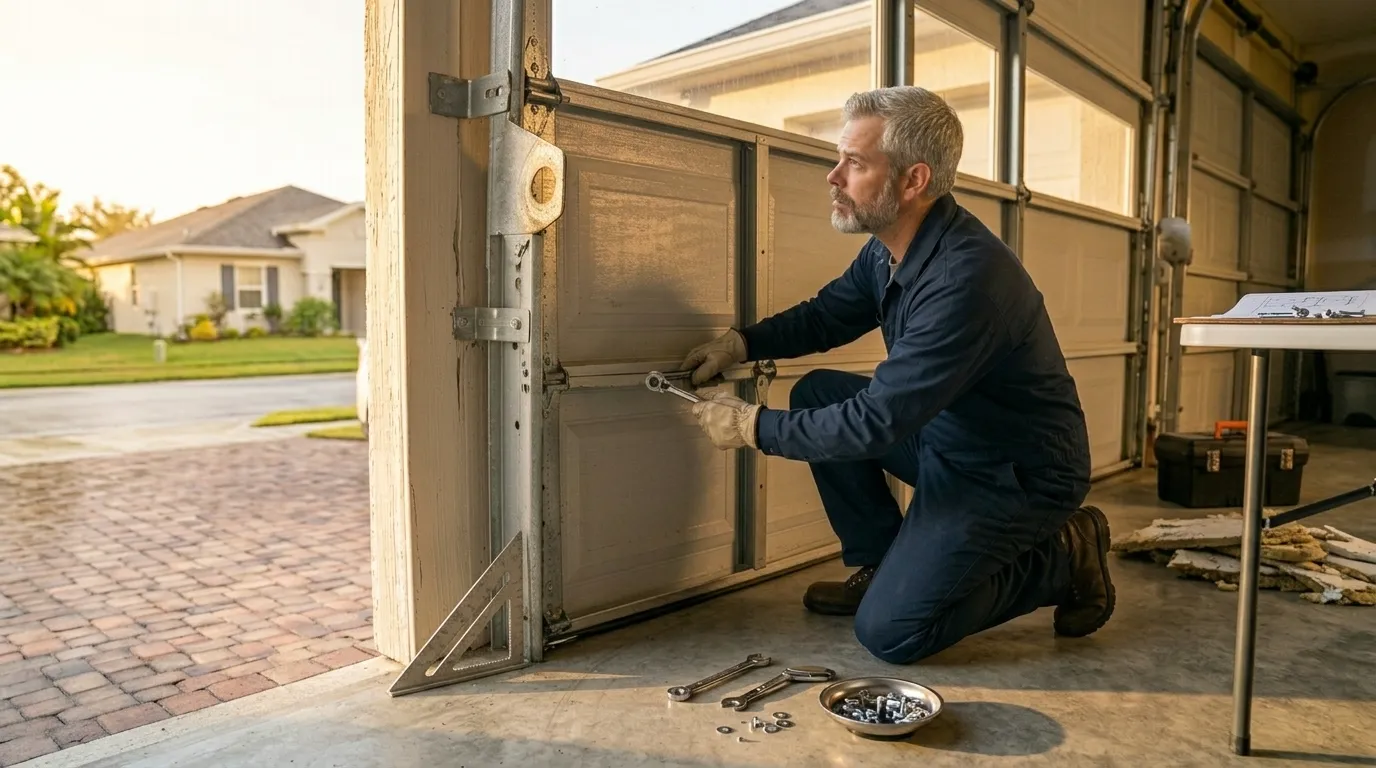
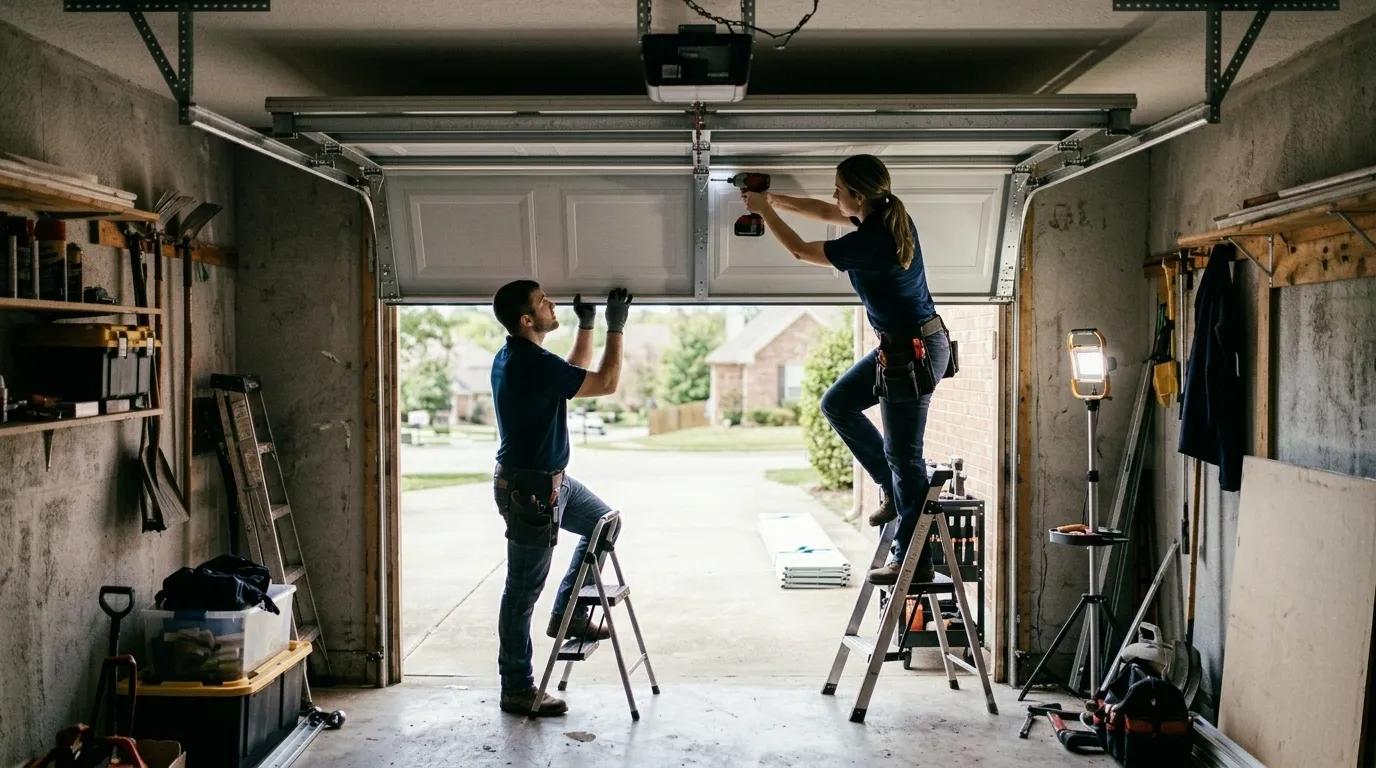
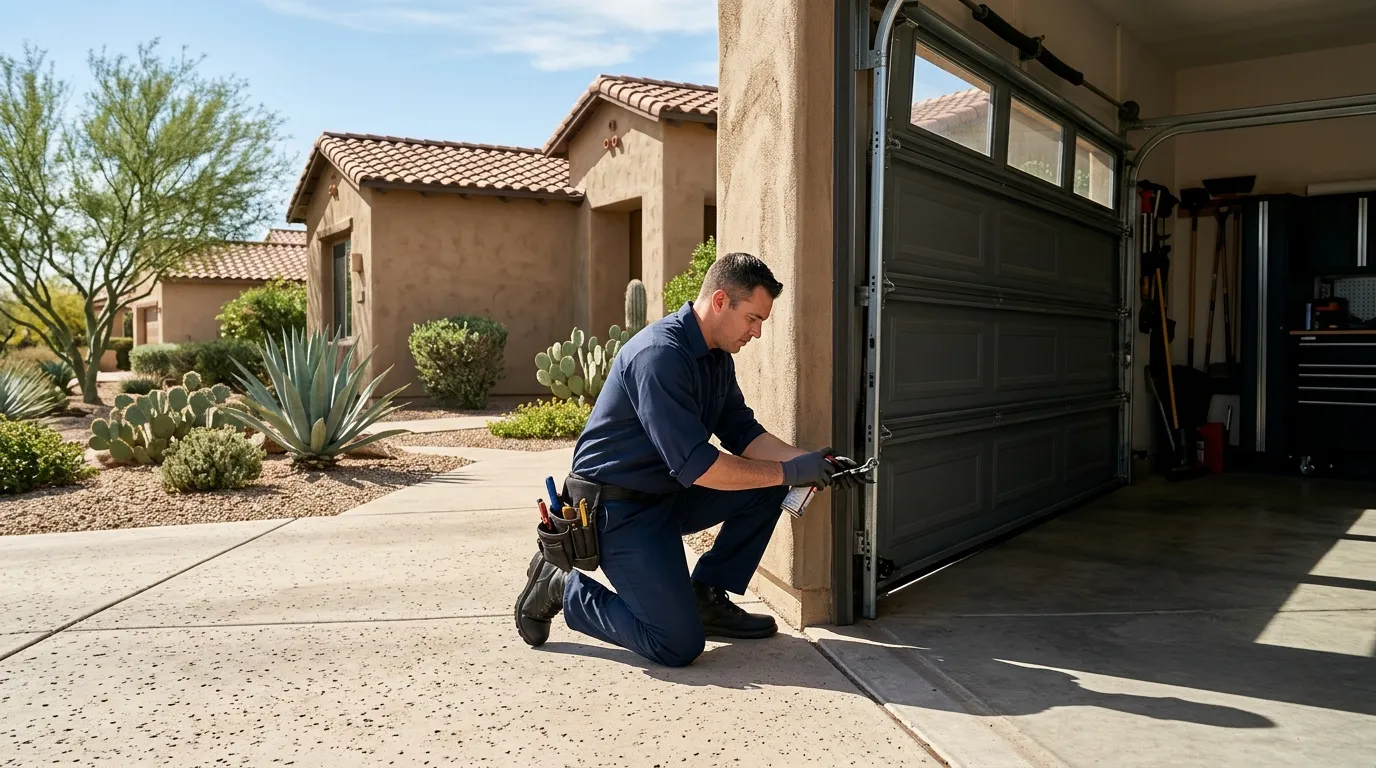
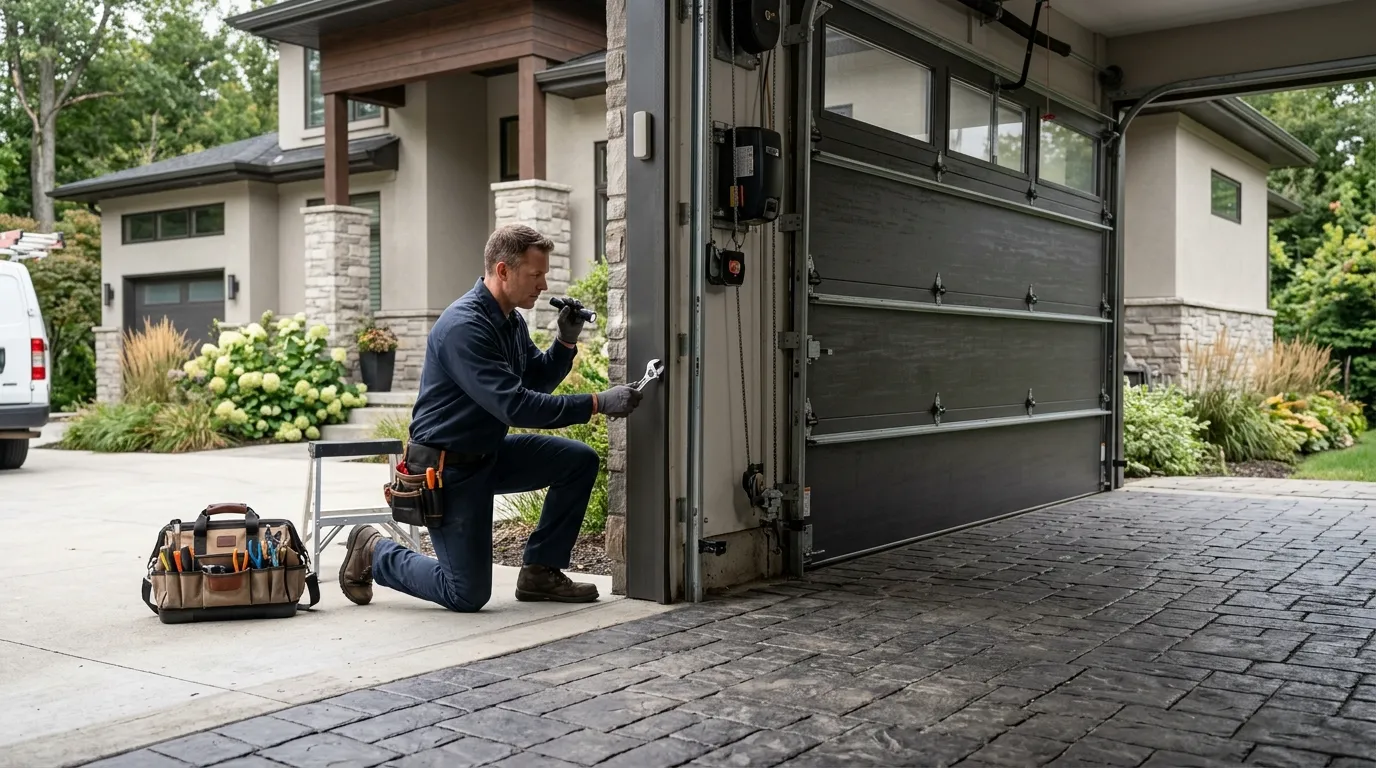
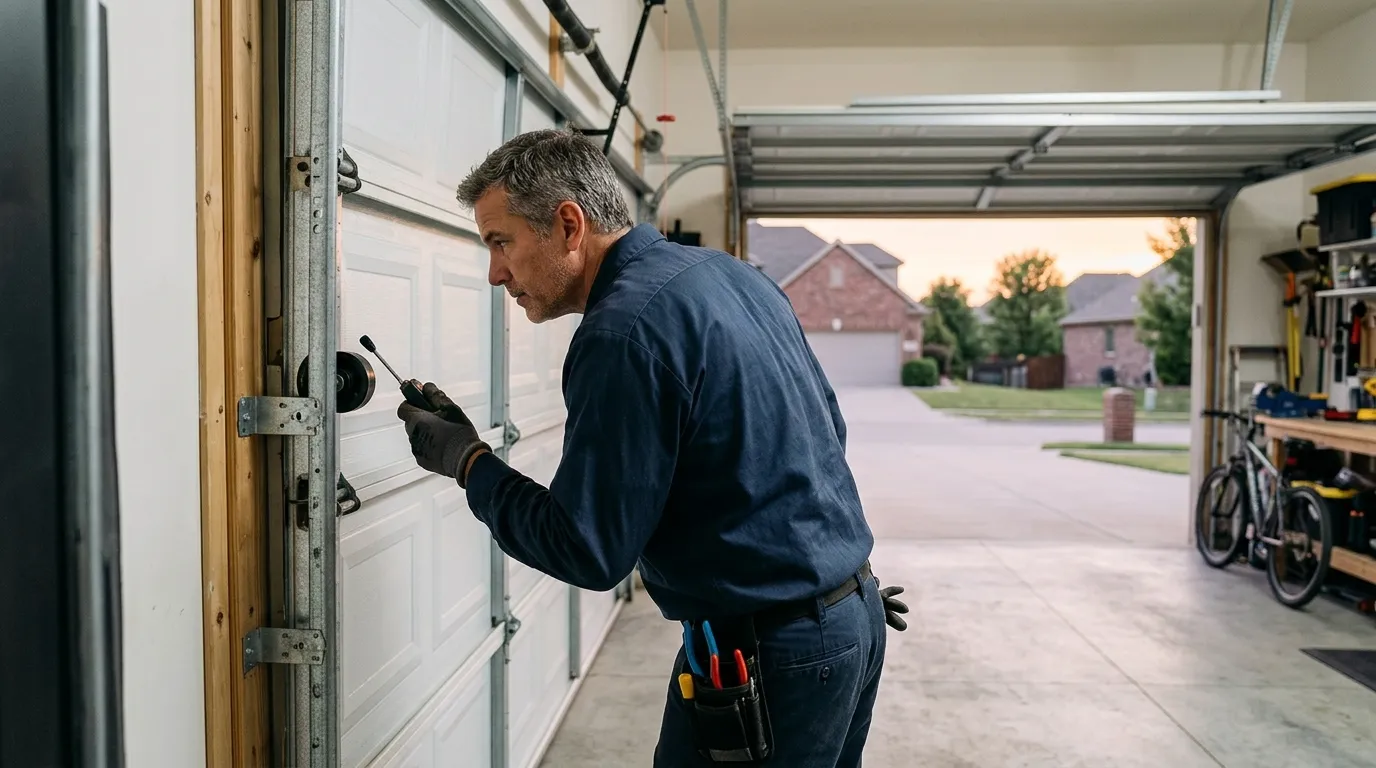
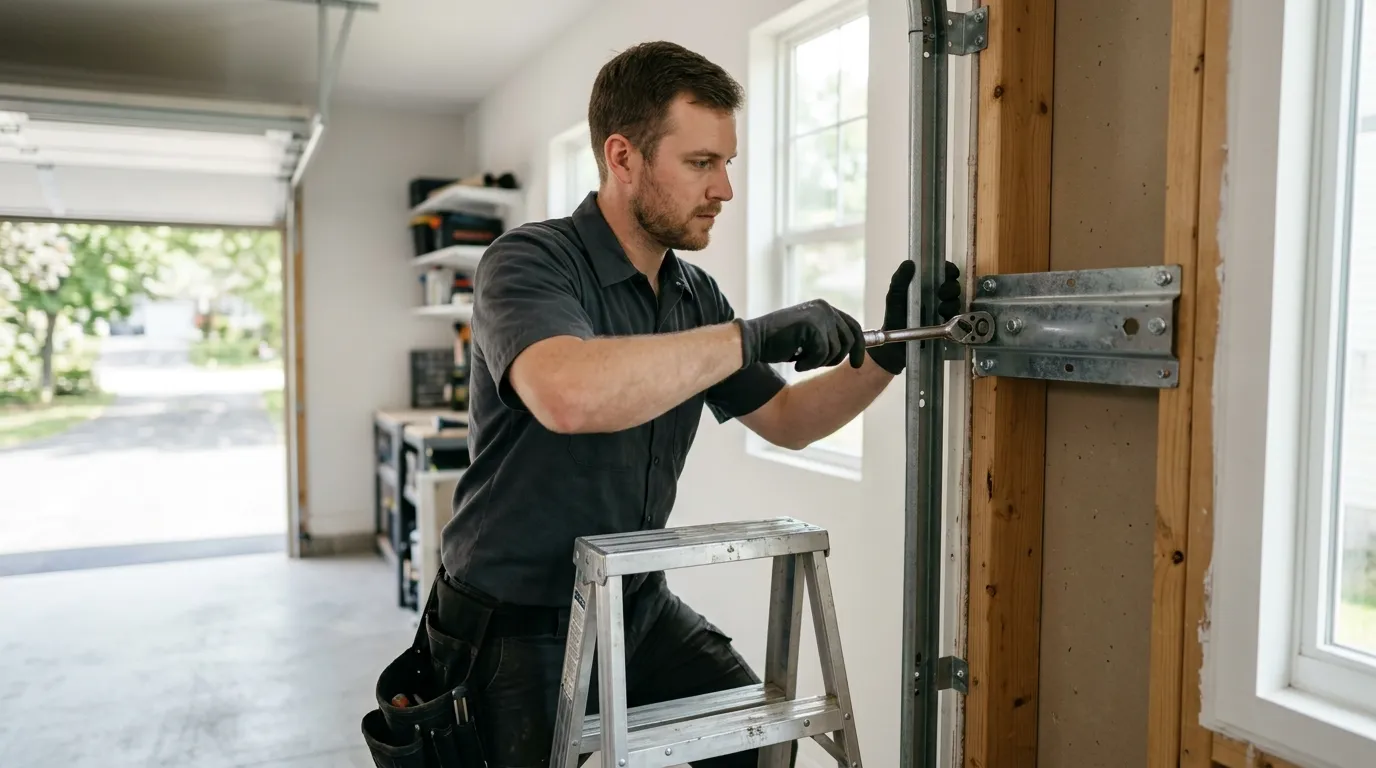
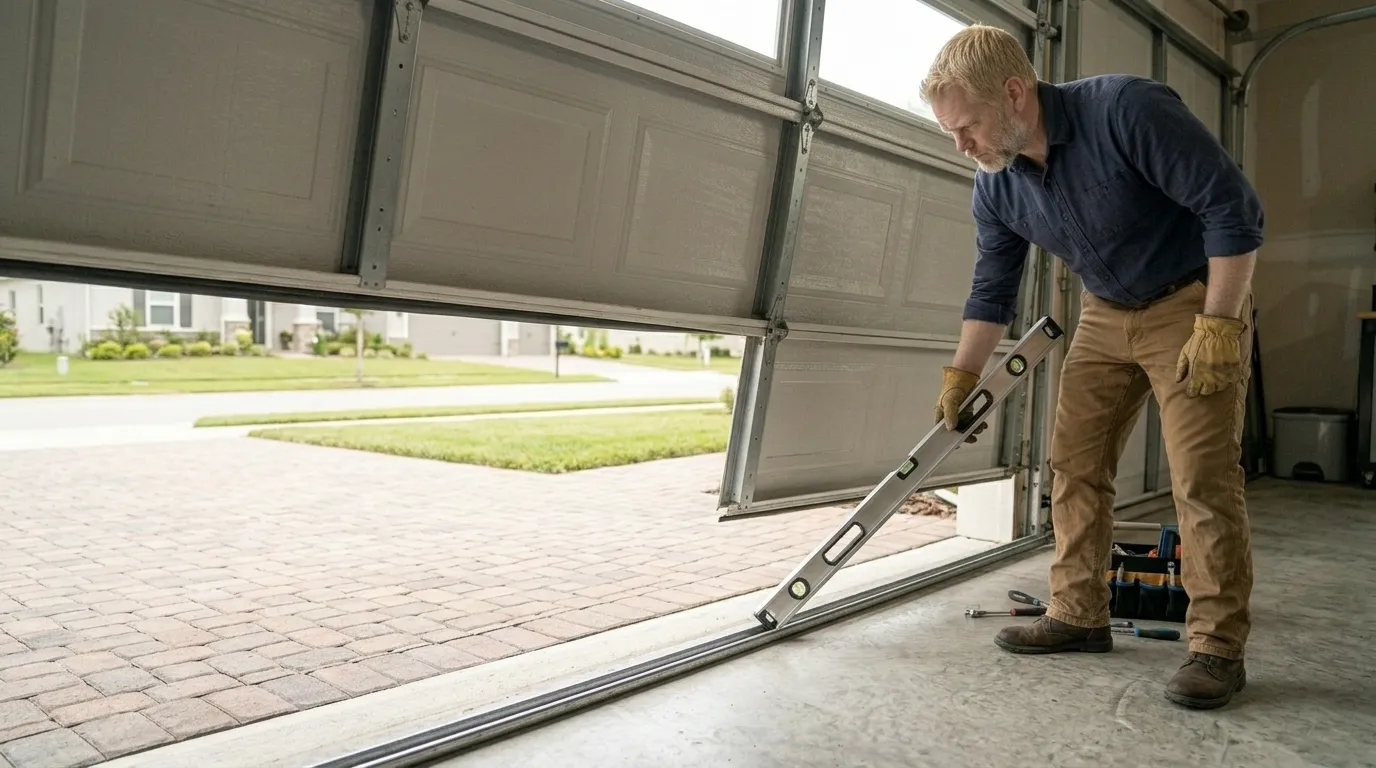
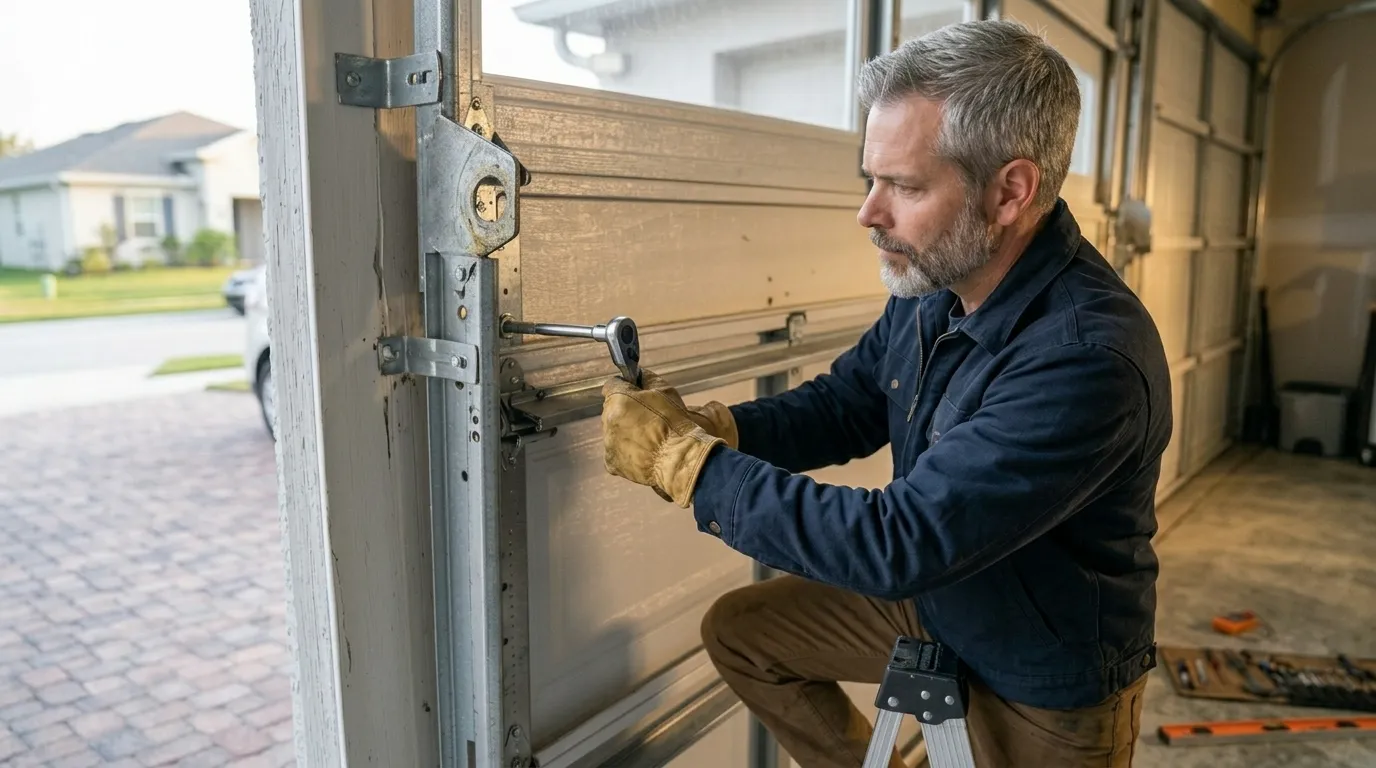
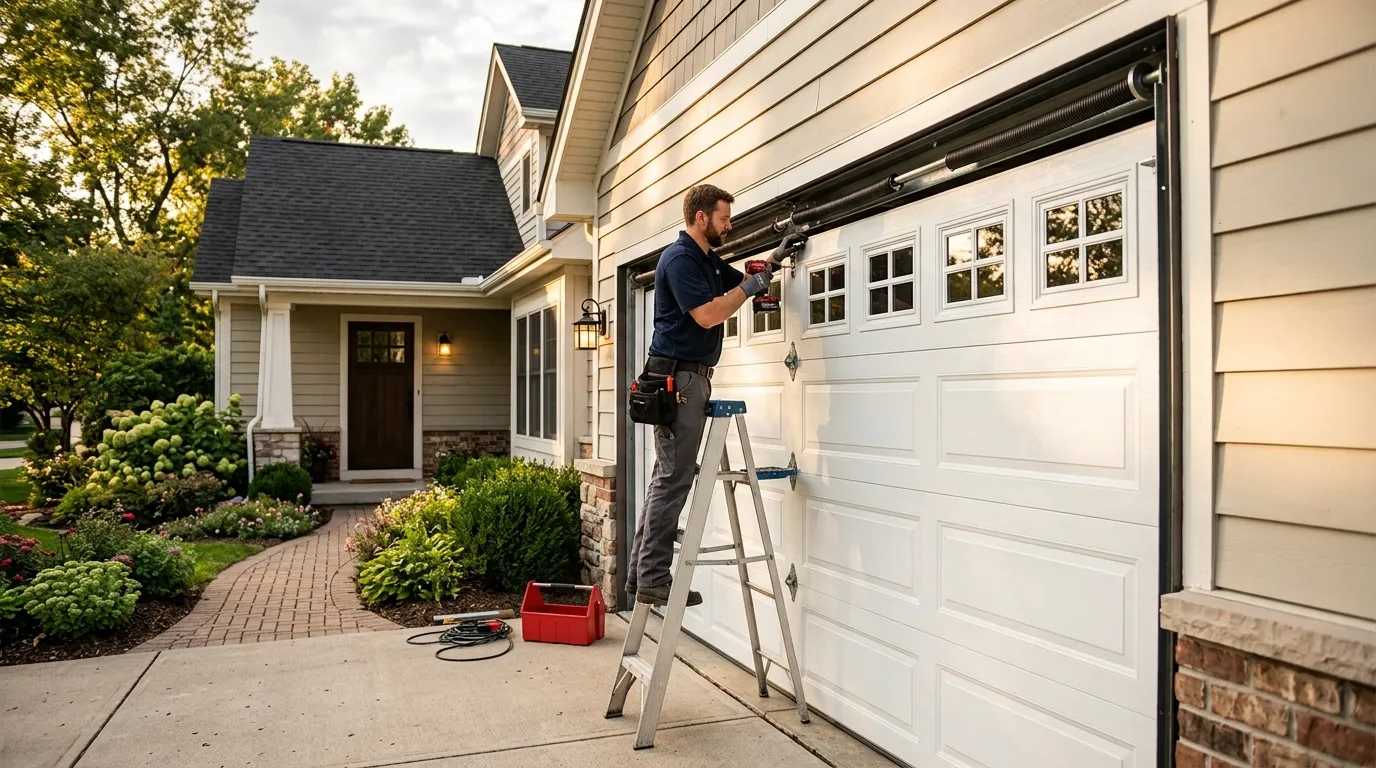
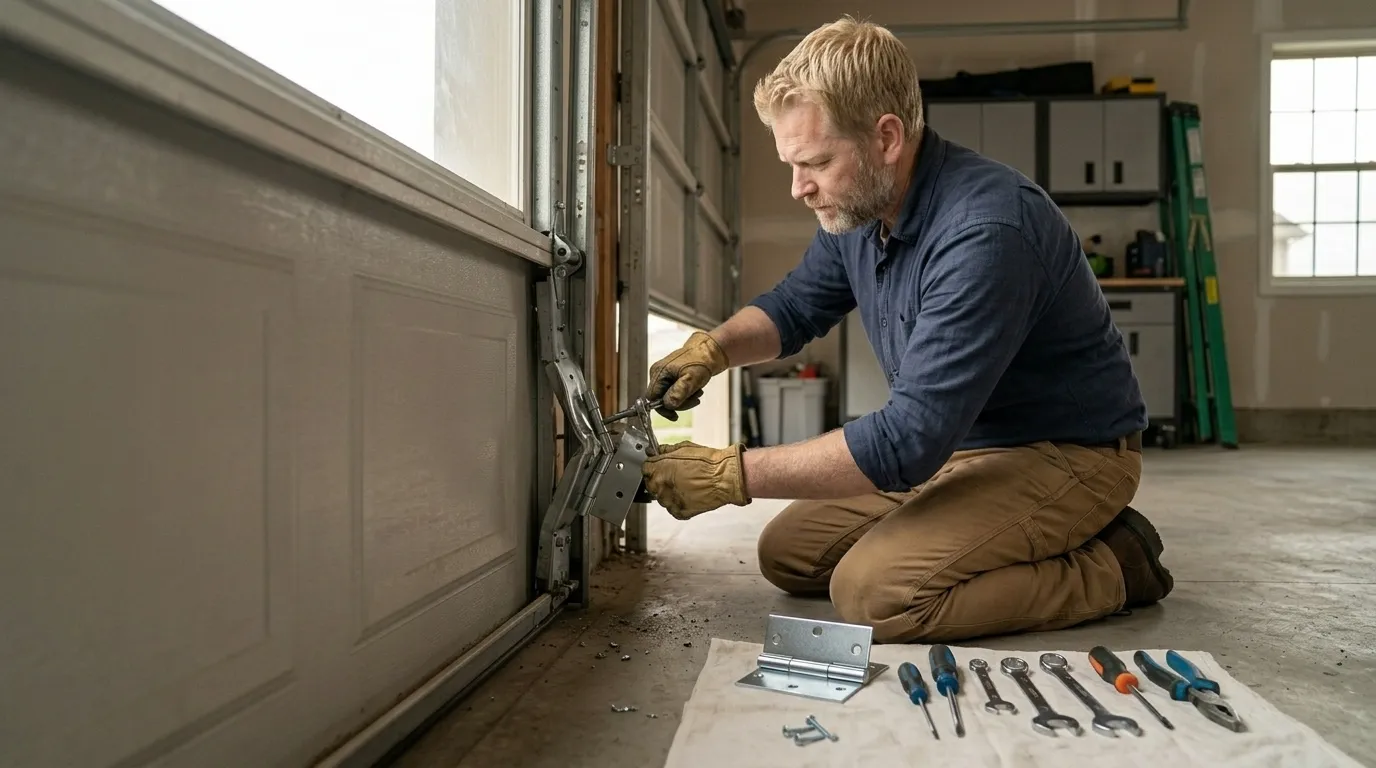
We start by running the door manually, listening for where the resistance or noise is coming from, and checking the obvious wear points - cables, rollers, hinges, track alignment - before we touch a spring. On a commercial door under real tension, we don't guess at spring size; we measure the door, the drum, and the existing wind and match it, because an undersized spring on a heavy door is a comeback call waiting to happen. If the opener is the problem, we check the logic board, the limit settings, and the safety sensors before swapping anything, since a lot of
How It Shows Up
placeholder