What Causes It Around Here
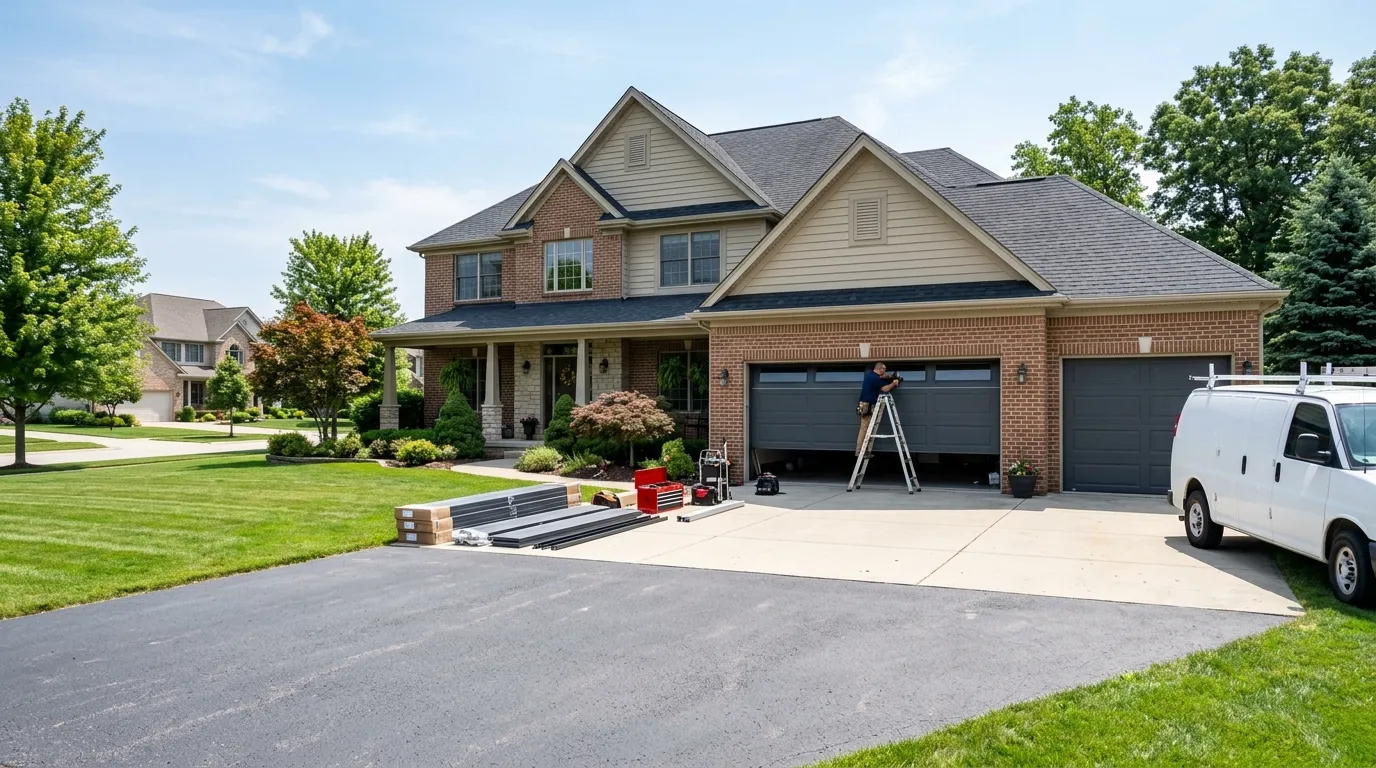
Morton Grove houses were mostly built between 1938 and 1996, with the median home going up around 1963, and that puts a lot of garages here on their second or third opener rather than a first. A 1960s ranch garage was framed for a chain-drive unit that's since been swapped once or twice, and the wiring, the wall button, and the travel limits often don't match the opener currently bolted to the ceiling. That mismatch is where half our service calls start.
The other half comes from the climate band itself, which sits cold and moderate through the winter. Garage openers work harder in cold garages because grease in the drive gear thickens, the logic board reads voltage differently below freezing, and a belt or chain that's slightly loose in July turns into one that skips teeth in January. On a detached garage with no heat source, that swing hits every winter, not just the bad ones.
sits about a mile from Morton Grove, and the housing pattern doesn't change much crossing that line - which is exactly why we see the same failure modes on both sides of it: worn drive gears, tired capacitors in the motor, and limit switches that were set for a door that's since been rebalanced or replaced.
How We Fix It
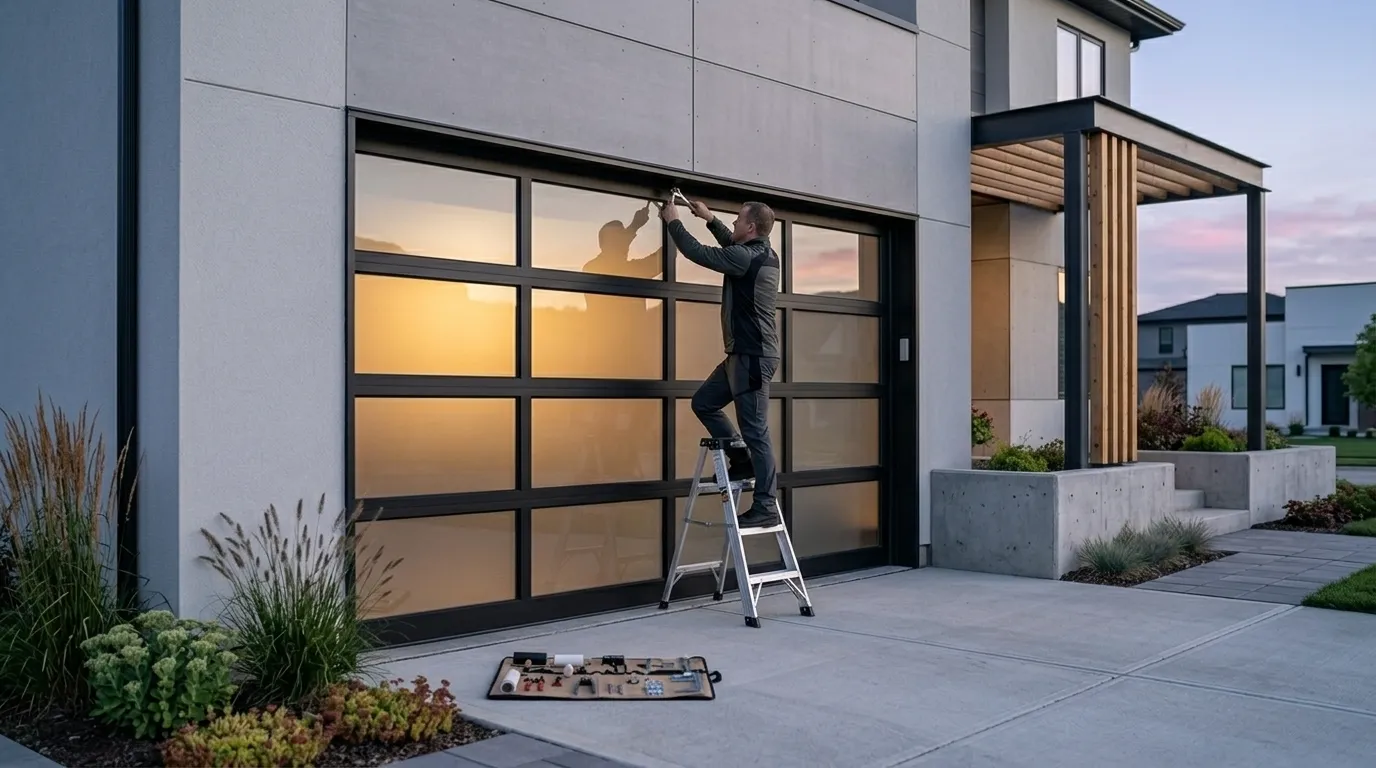
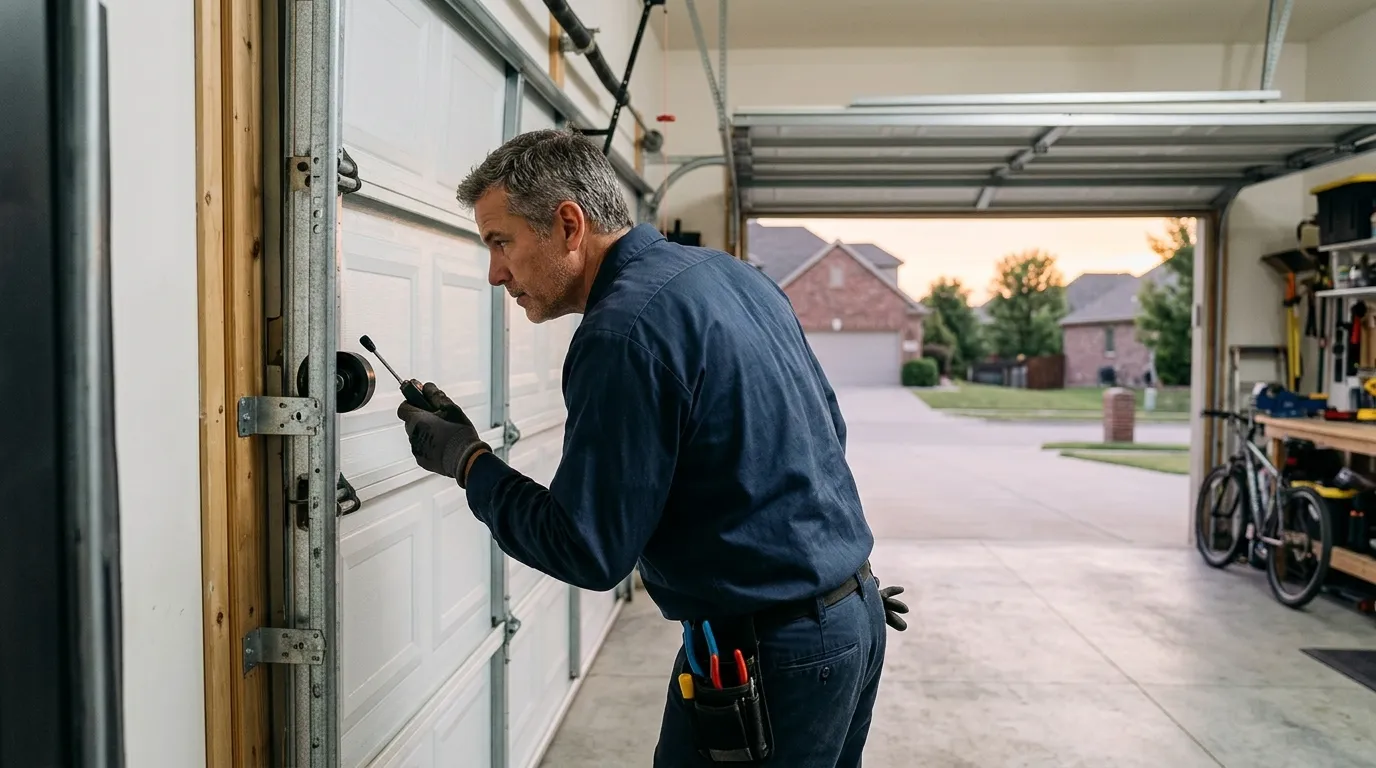
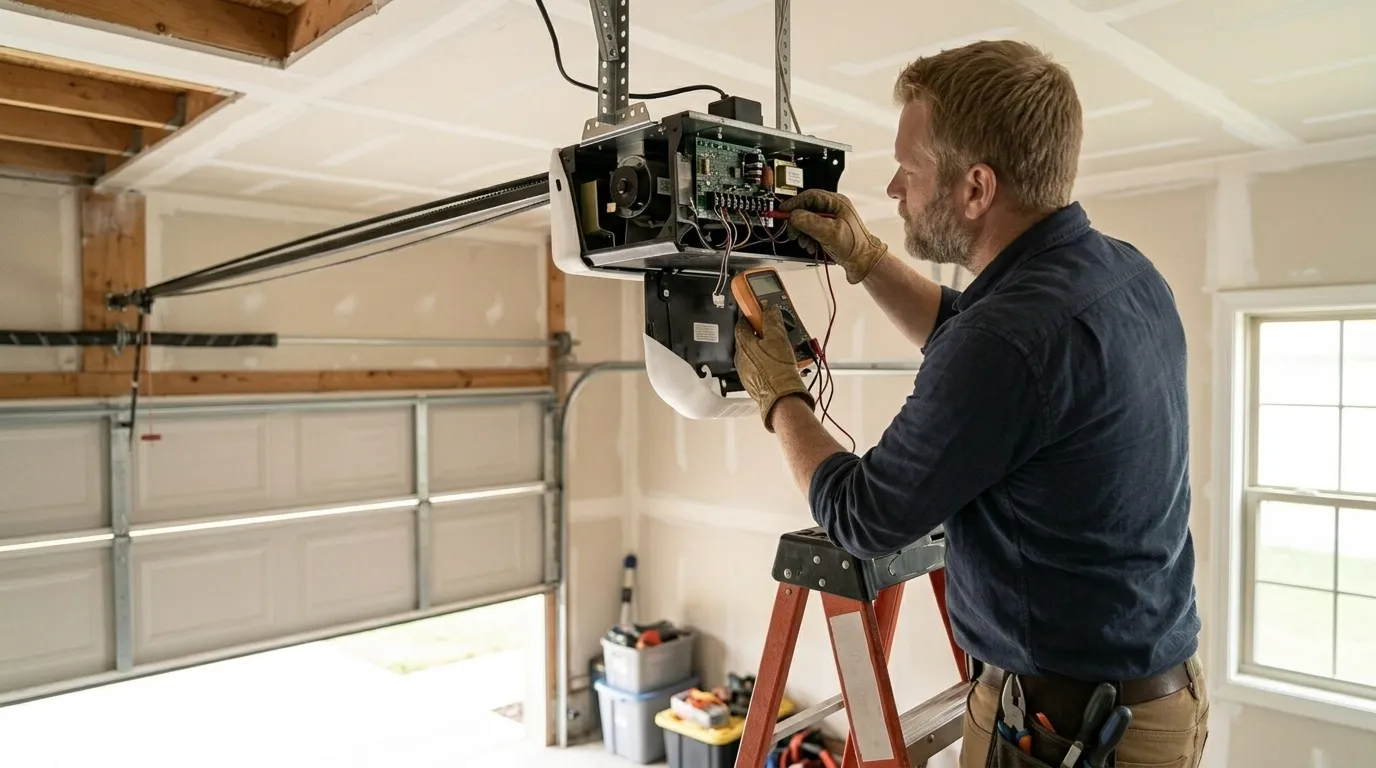
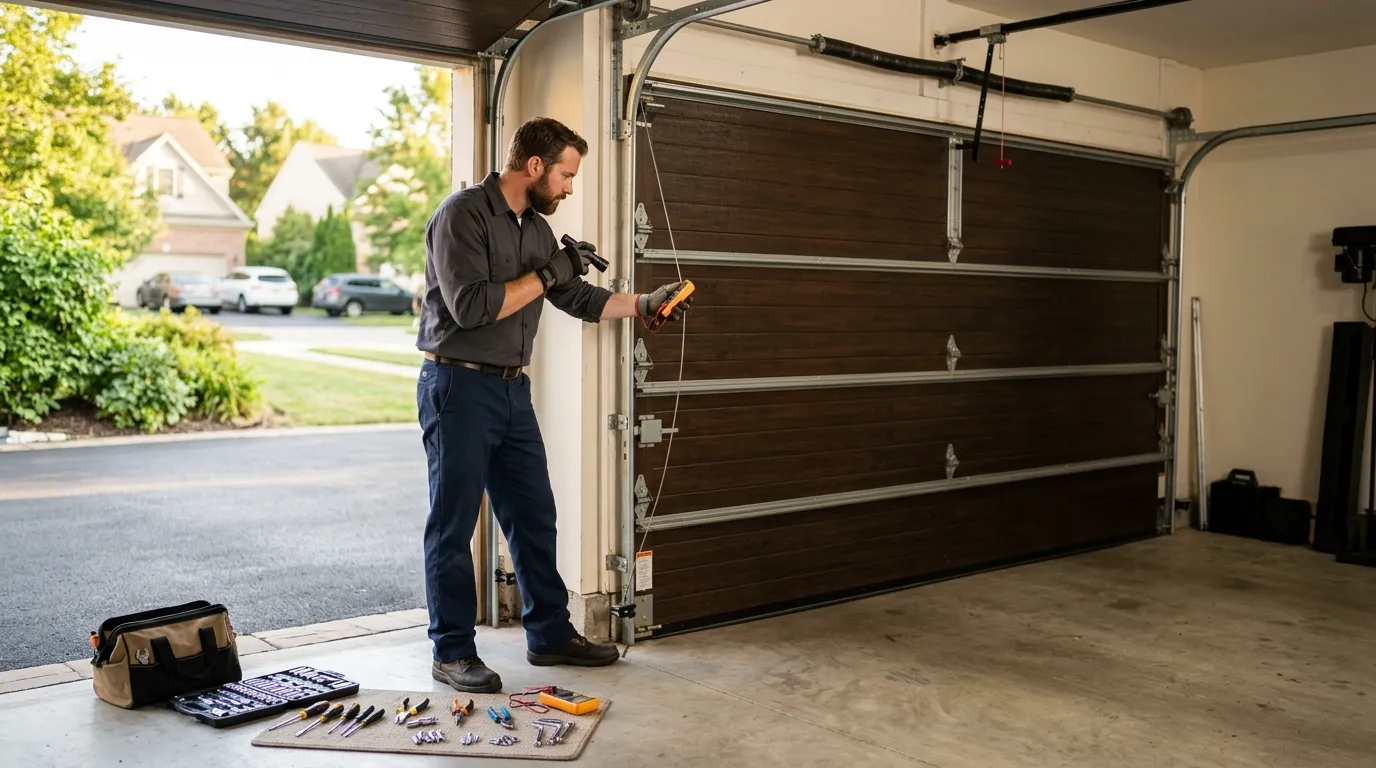
We start at the wall button and the sensors, not the motor, because a blinking light or a door that reverses for no reason is more often a dirty photo-eye lens or a loose low-voltage wire than a burned-out motor. Once those check out clean, we open the housing and test the capacitor, the drive gear, and the logic board under load, since a component can read fine at rest and fail the second the door takes weight.
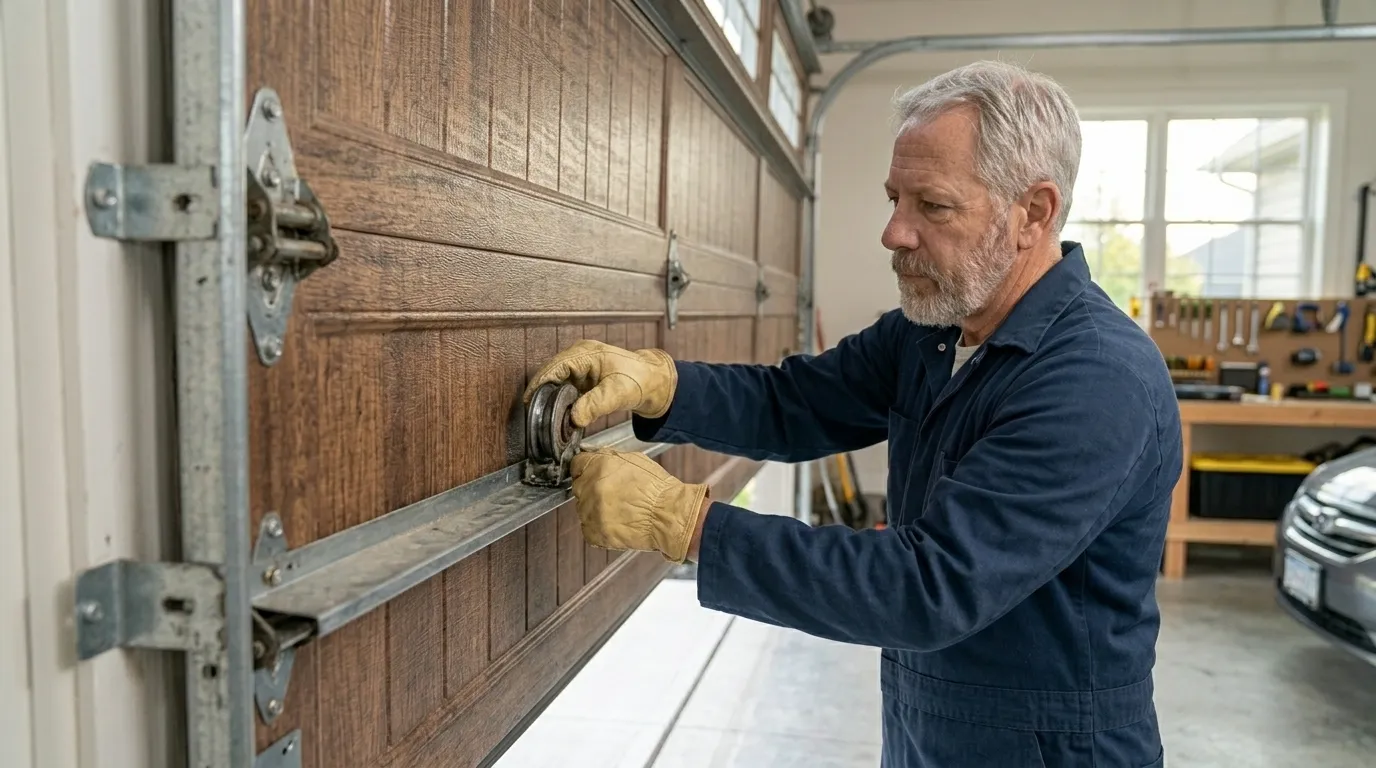
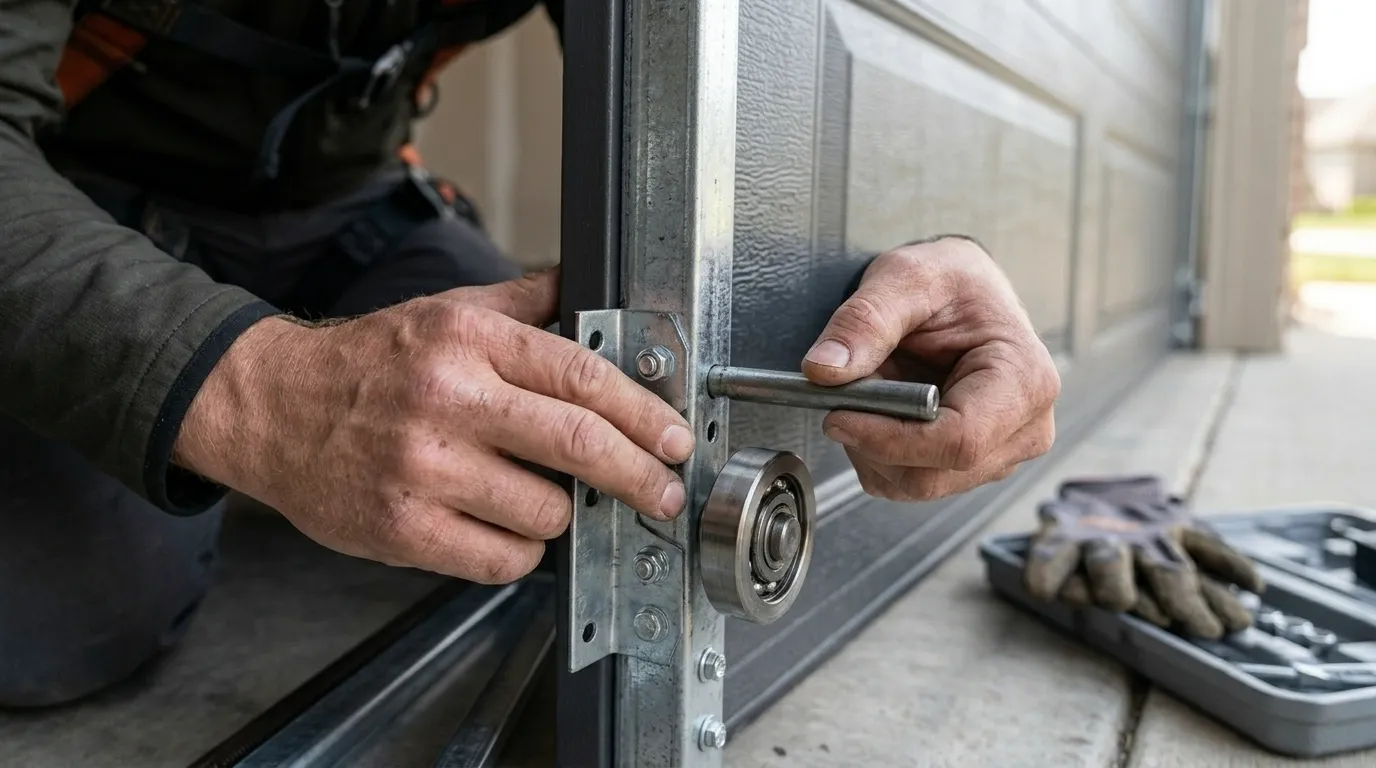
If the drive gear is stripped - common on chain and screw-drive units that have been running for years without lubrication - we replace it and regrease the rail while we're in there. If the board has failed, we match the replacement to the existing brand and wiring where a compatible part exists. What we don't do is swap in a universal opener and call it a repair when the housing, the rail length, or the mounting doesn't fit the garage it's going into - that's a replacement job, and we'll say so before we start.
How It Shows Up
The most common version: you press the remote or the wall button and nothing happens - no hum, no light, no motion. That's usually a dead capacitor or a tripped breaker rather than the motor itself. Close behind it is a door that starts to open, stalls partway, and reverses - a limit switch or a sensor problem more often than a spring issue, though the two get confused constantly by homeowners troubleshooting on their own.
In winter you'll hear it before you see it: a grinding or straining sound from the motor as it works against thickened grease and a slightly tight chain, sometimes followed by the opener tripping its internal overload and shutting down mid-cycle. A remote that used to work from the driveway and now only works standing at the door usually points to a failing antenna or logic board rather than the remote's battery. Any of these is worth a call before the opener quits completely and leaves the door stuck.