What Can Go Wrong
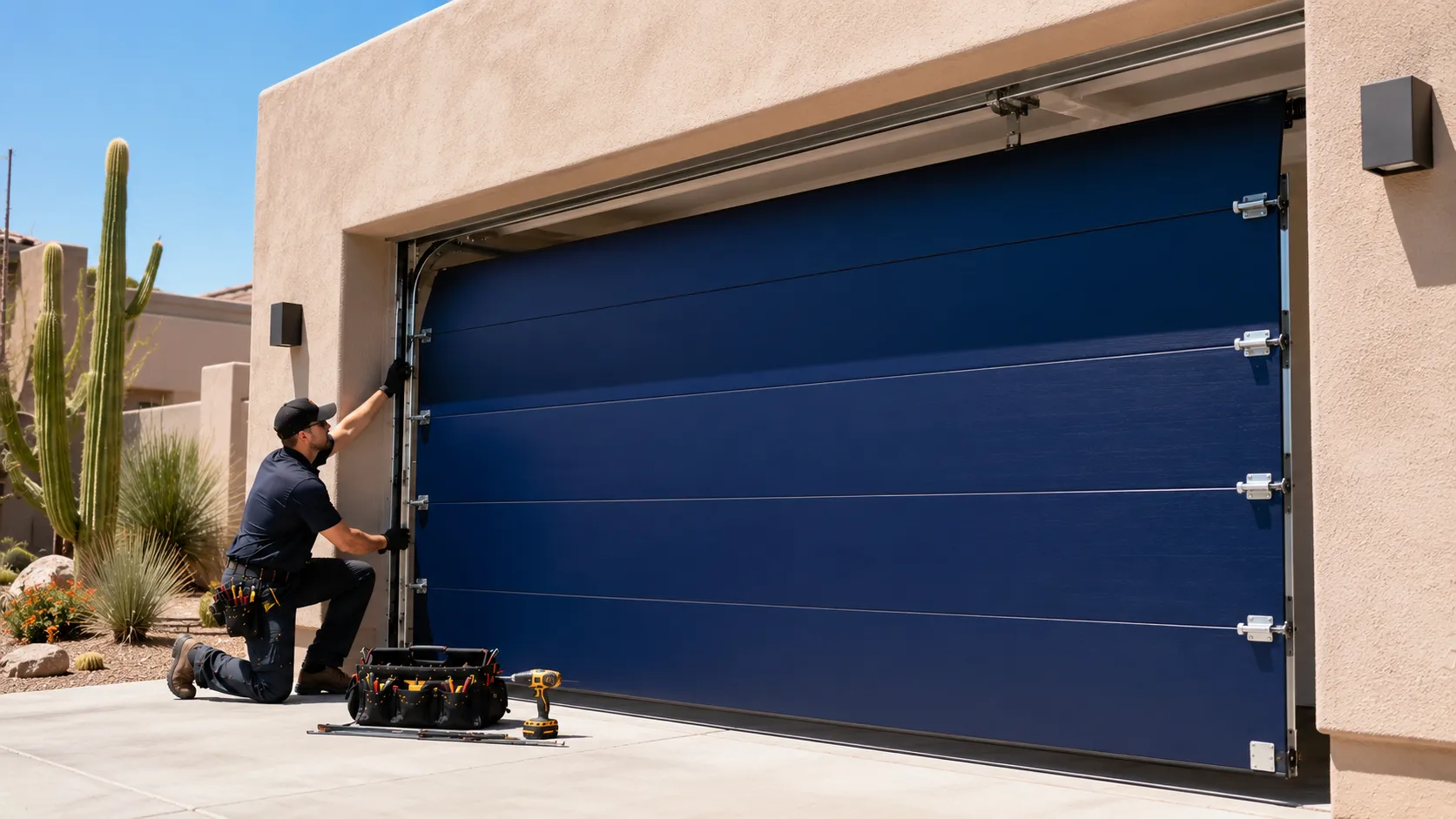
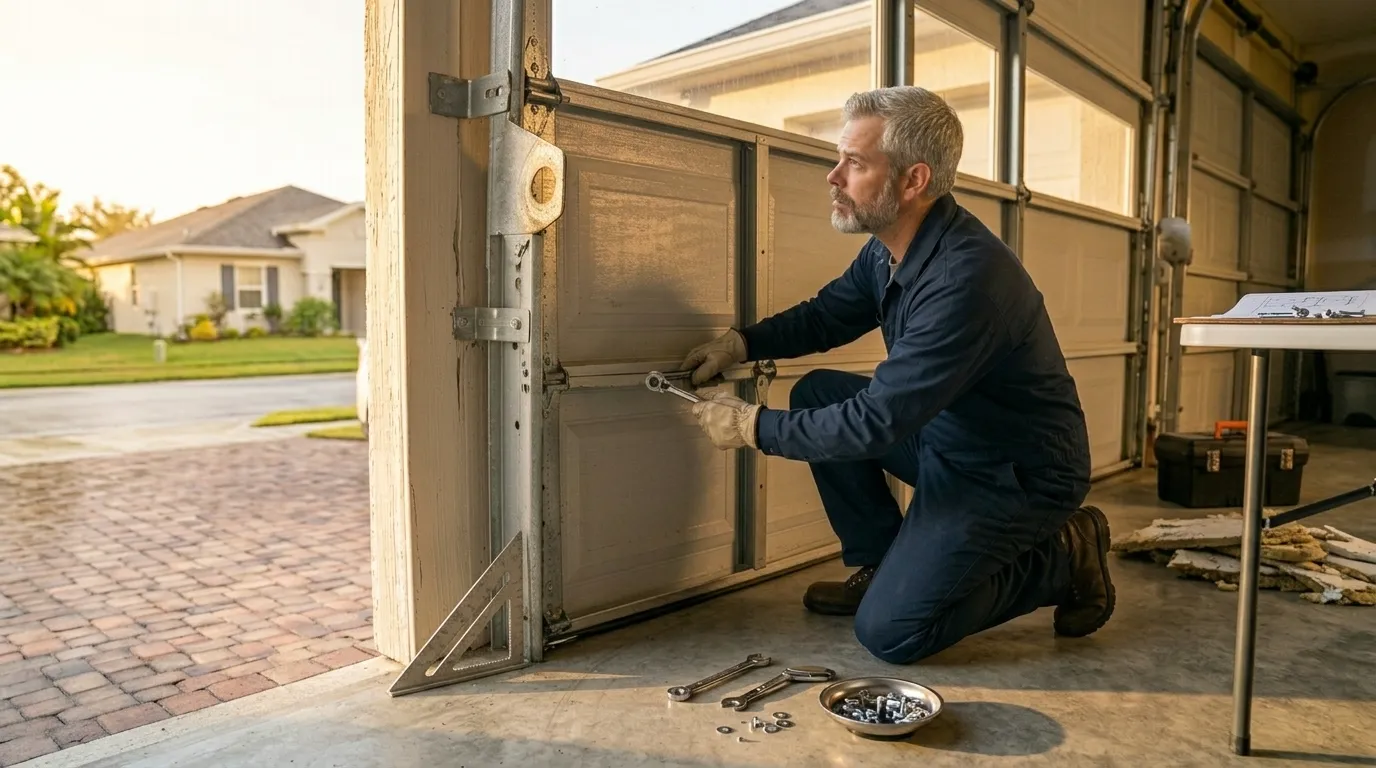
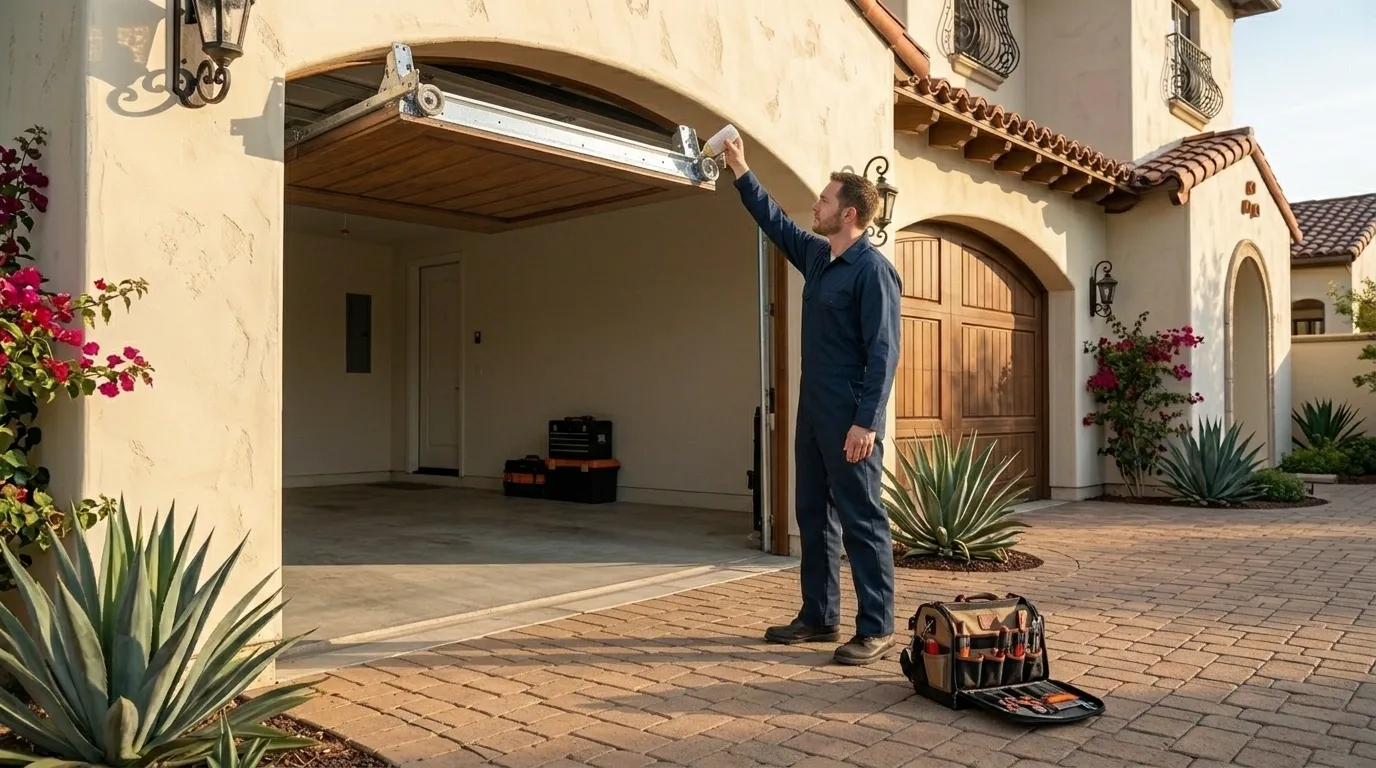
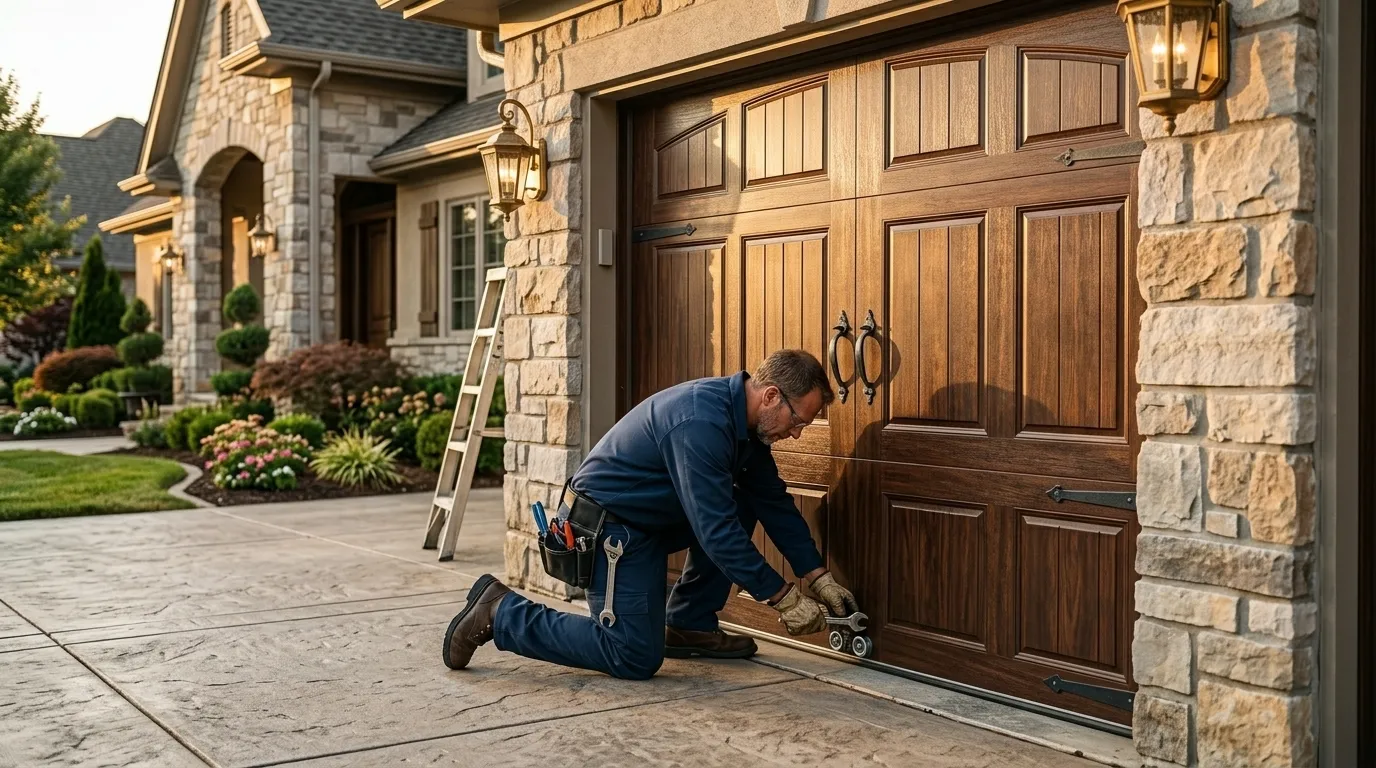
La Grange's homes went up mostly around 1951, which puts this town ahead of the service area's overall median build year of 1963 and well inside the older end of the 1938-1996 range we work across. That decade-plus gap matters on a garage door. A house built in 1951 was almost never built with an attached garage in mind, so a lot of these doors were added later, on framing that wasn't planned for a torsion spring's load or an opener's weight. We see brackets mounted into jambs that were never meant to carry them, tracks bolted to studs that have shifted over seventy years of freeze-thaw, and springs sized for a lighter door than what's hanging on them now. On top of that, La Grange sits in the same cold-moderate climate band as the rest of the area, so steel hardware on an older wood-framed opening takes more expansion and contraction cycles over its life than newer construction does. The result is springs that fatigue early, cables that fray at odd points, and rollers that wear unevenly because the track was never quite square to begin with.
How It Shows Up
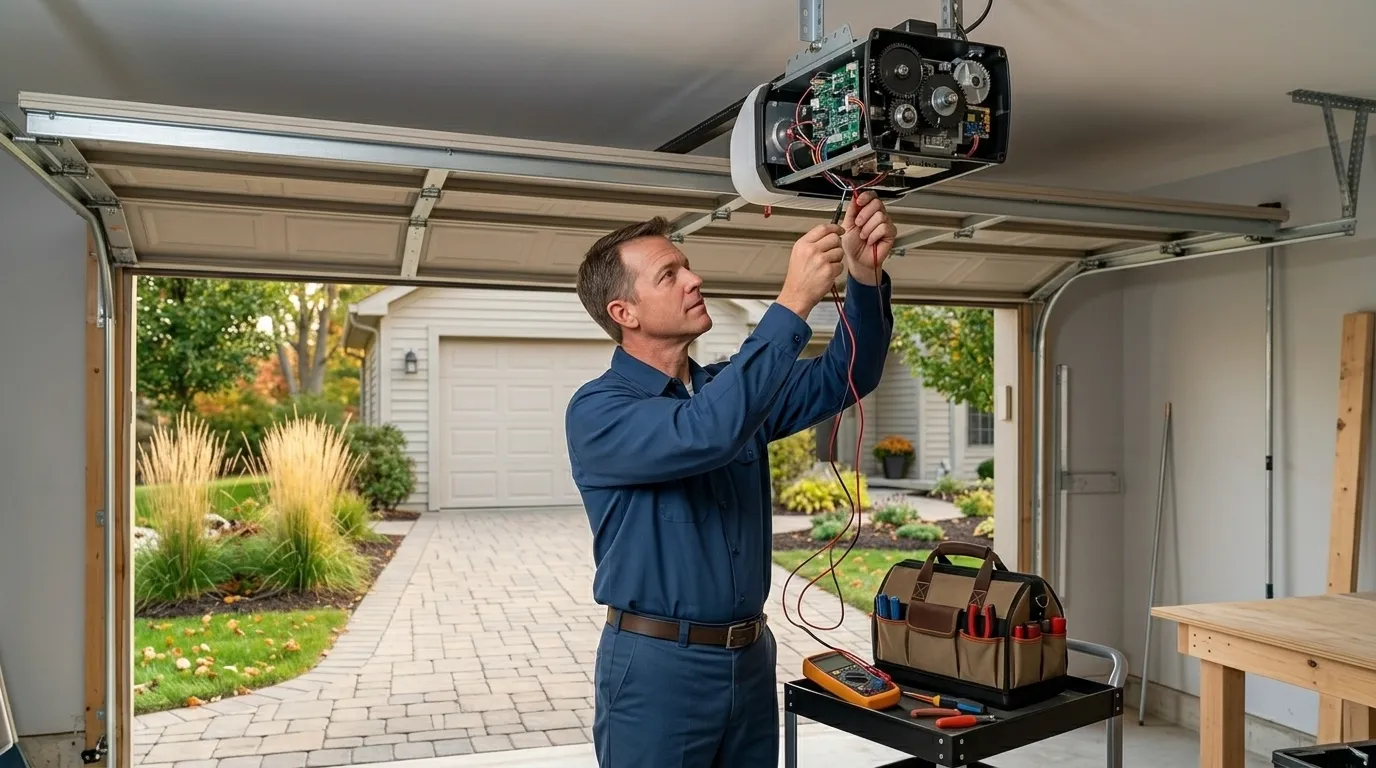
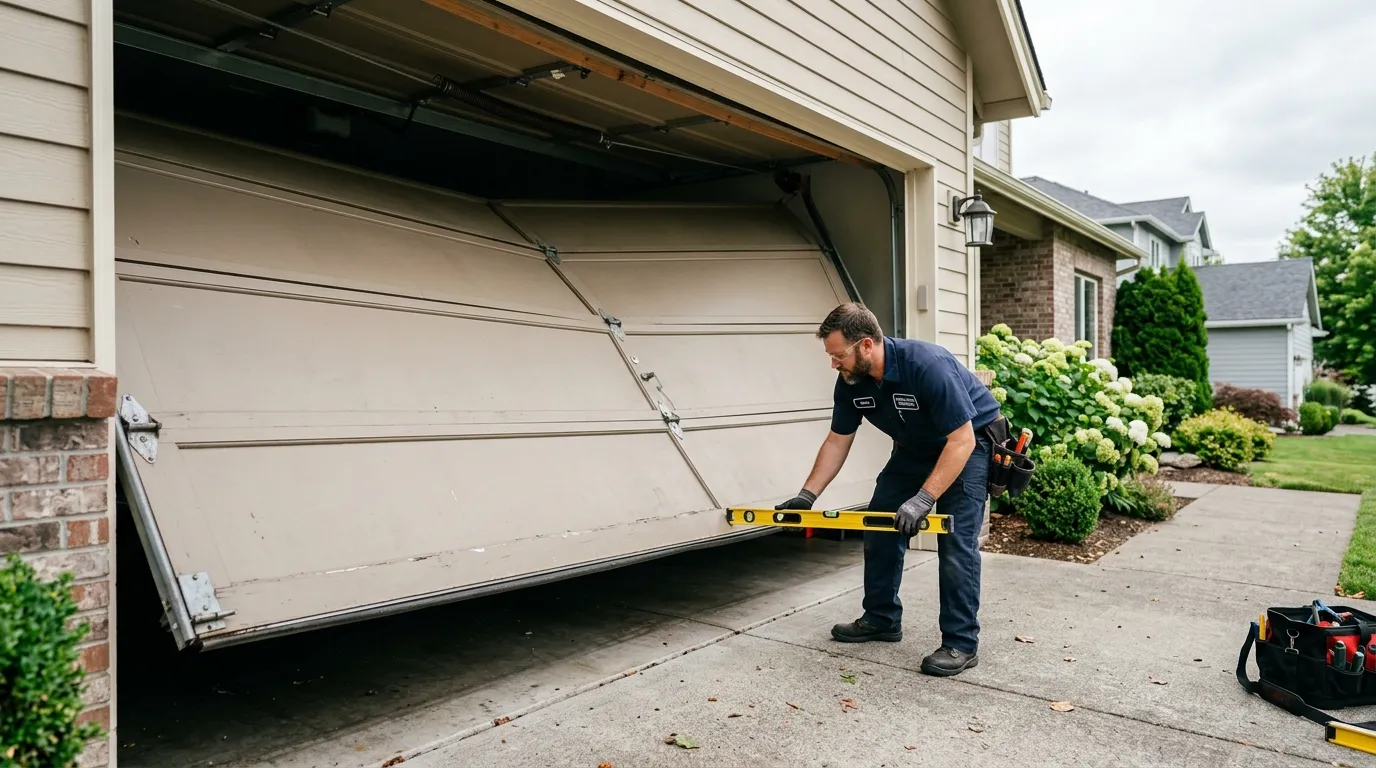
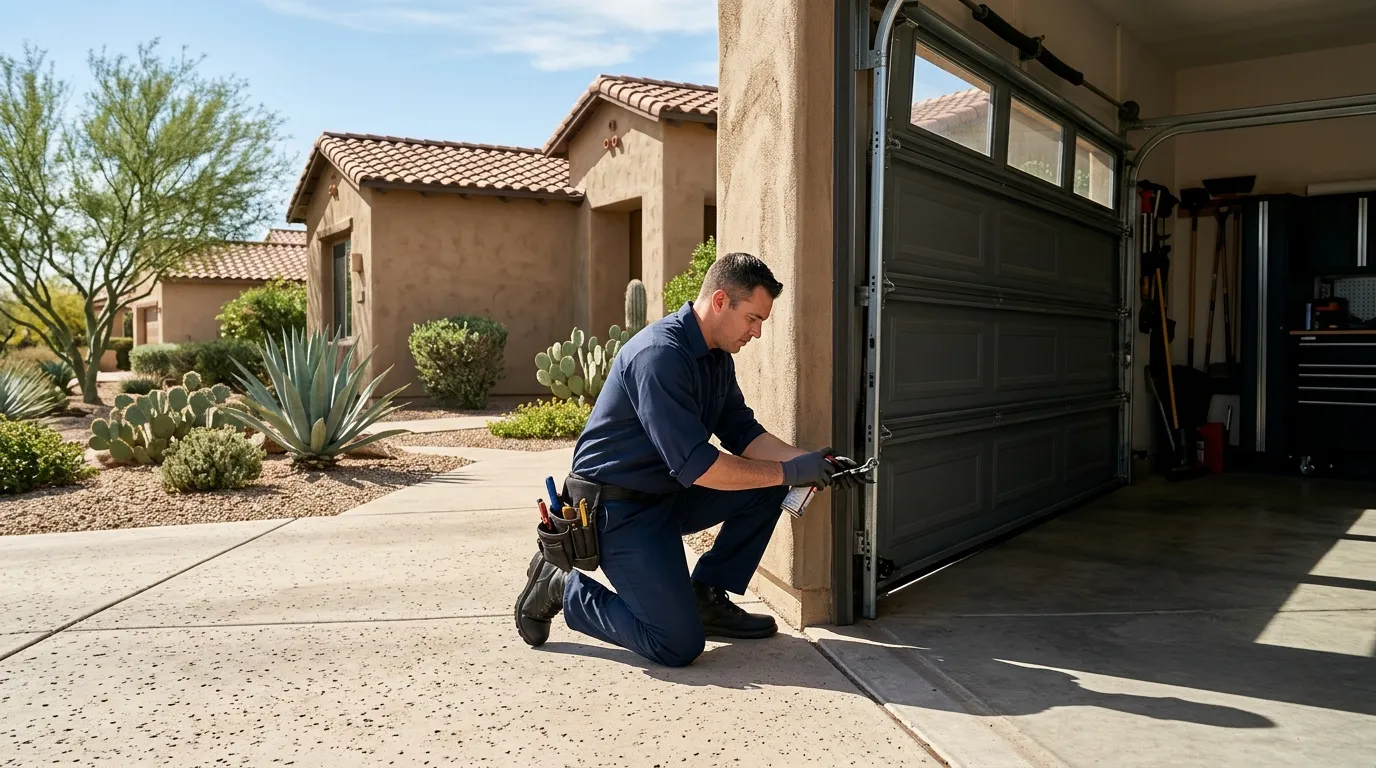
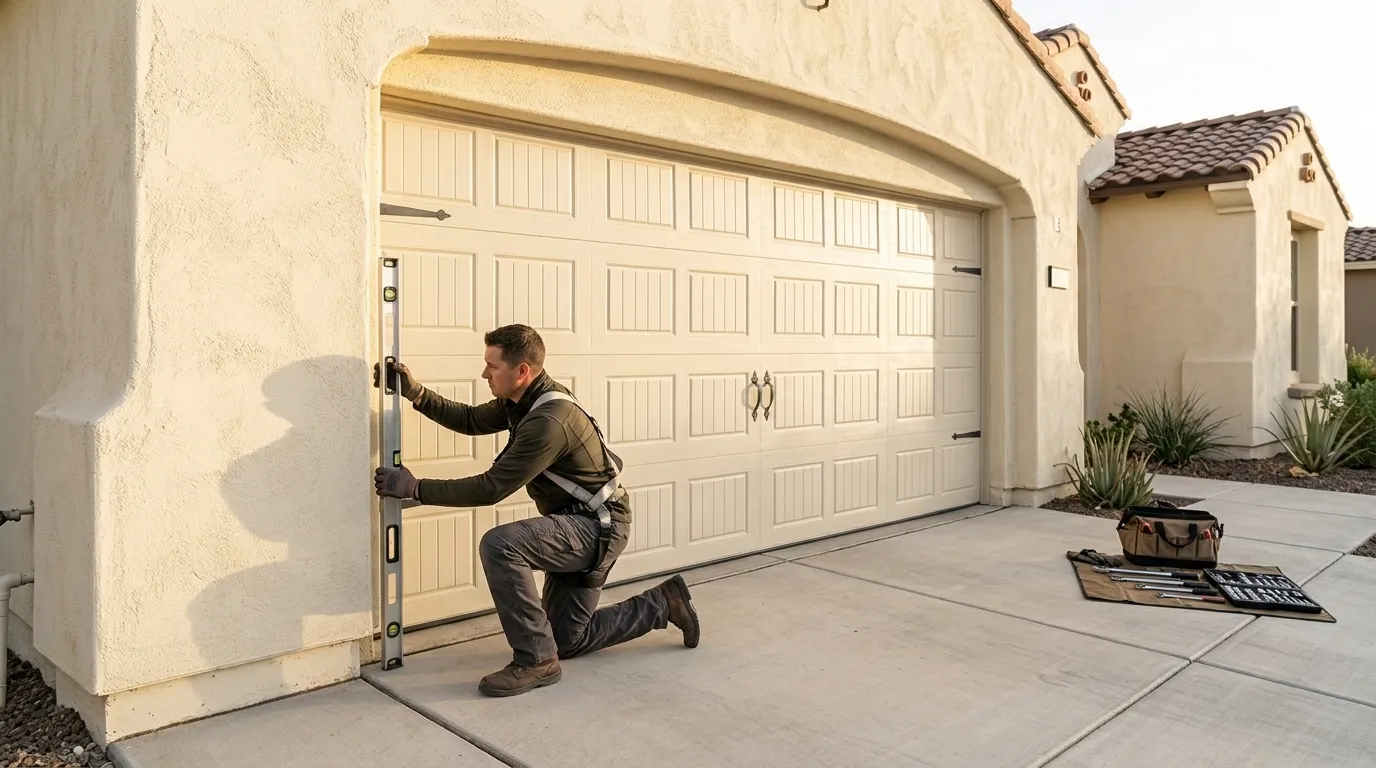
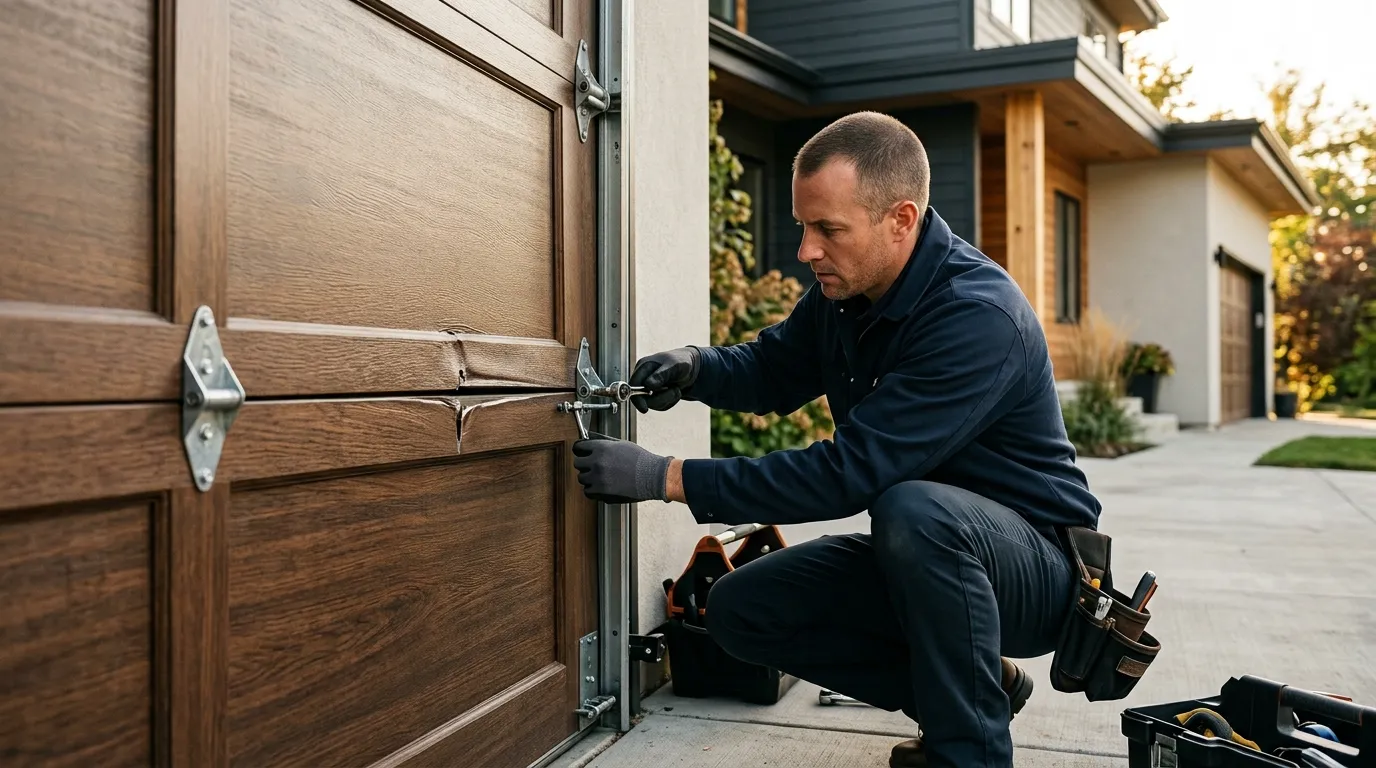
On a lot of these calls, the owner tells us the door has gotten heavy to lift by hand, or the opener strains and reverses partway up. That's usually a spring that's lost tension gradually, not a spring that snapped outright - and on a door installed decades after the house itself, tension calculations from the original install may never have accounted for the actual door weight. Other calls come in as a door that binds on one side only, which on La Grange's older stock is often a track that's racked slightly out of plumb rather than a bent section. We also hear about openers that click but don't turn, which points to a worn gear or a failing capacitor more than anything structural. Given the income level in this area (median household income here runs to $154,556, notably above the wider service area's $105,995), we get more calls where the owner wants the fix done right the first time rather than patched cheap - which changes what we recommend, not what's actually broken.
How Long It Takes
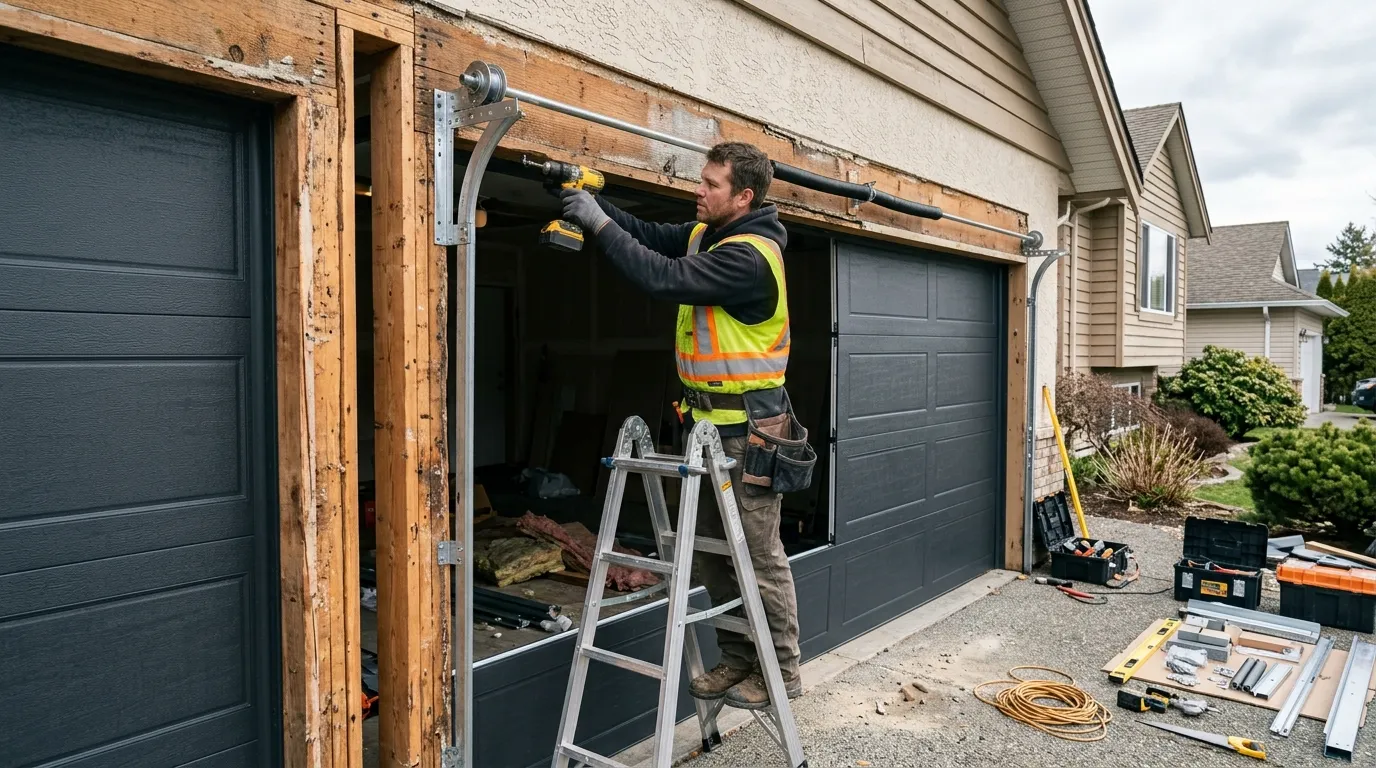
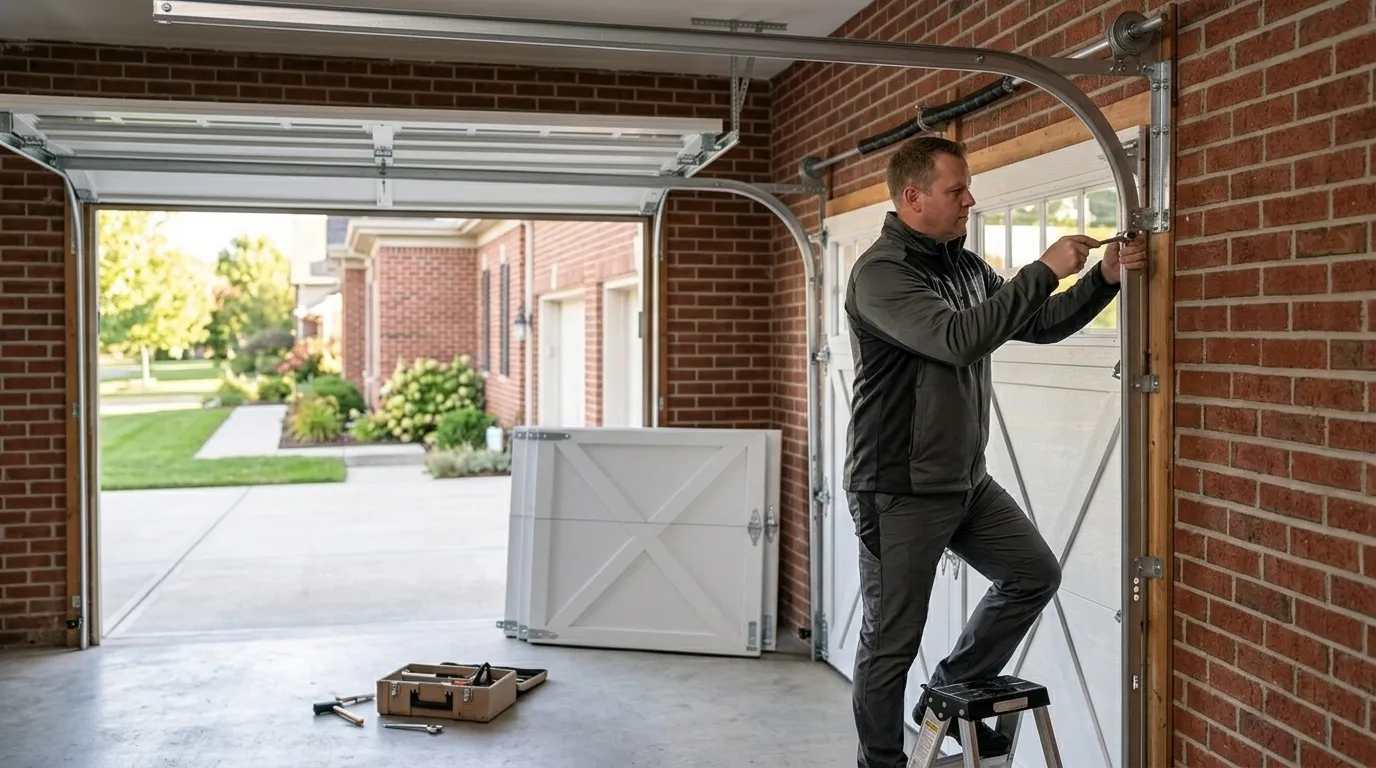
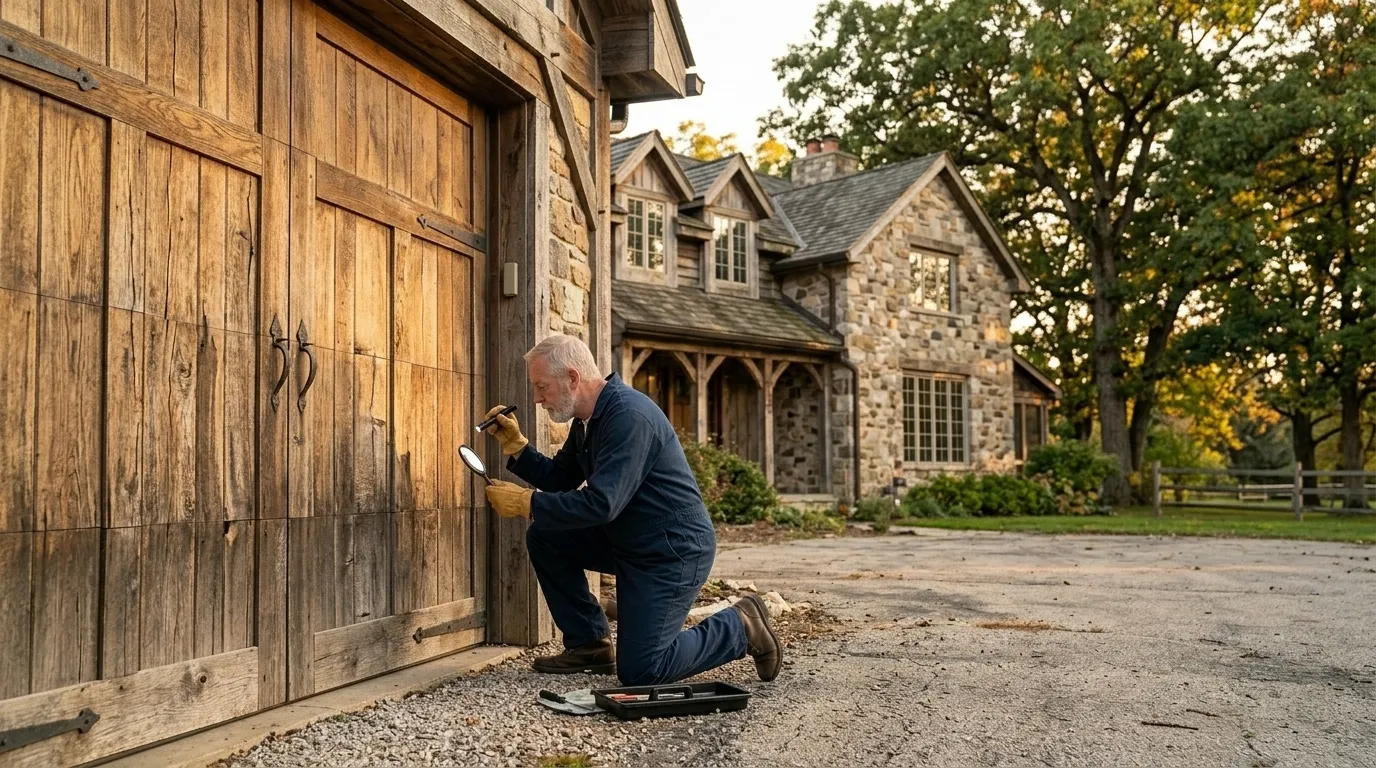
A straightforward spring replacement or cable swap on one of these doors runs about the same as anywhere else once we're on site - the extra time here is built into the 17-mile trip from Morton Grove, so we schedule the visit with that travel window in mind rather than promising a same-hour arrival. Where La Grange jobs run longer than a newer-stock town is diagnosis, not repair. On a door added to a house built around 1951, we often spend more of the visit confirming what's original, what's a later retrofit, and whether the track alignment is a symptom of settling or just age. Once that's sorted, the repair itself - spring, cable, roller, or opener part - takes the same hour or two it would take on any door of that type. Full opener replacement or a track rebuild on a badly out-of-square opening takes longer, and we'll tell you that on the phone before we drive out, not after we've started.