How It Shows Up
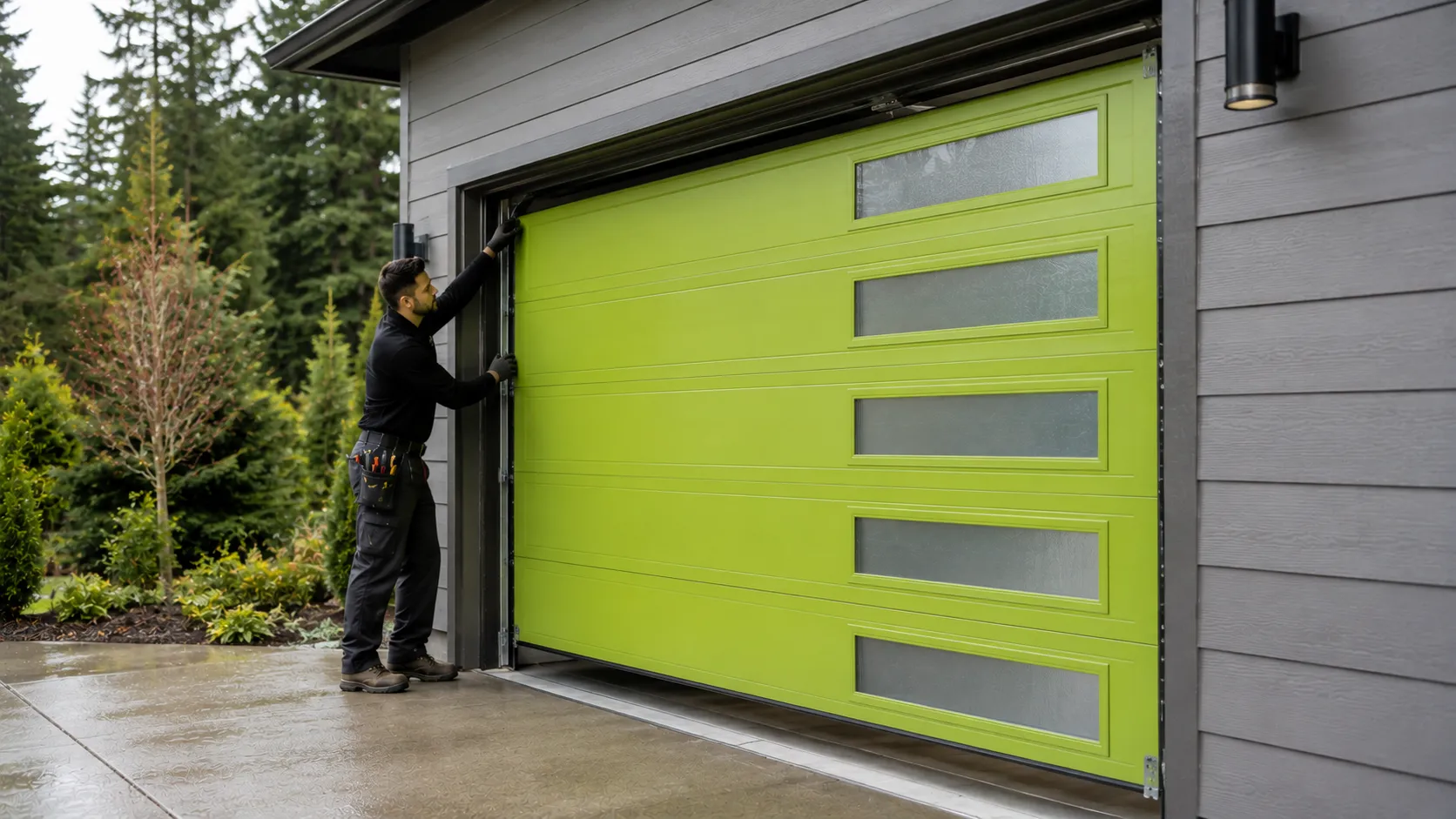
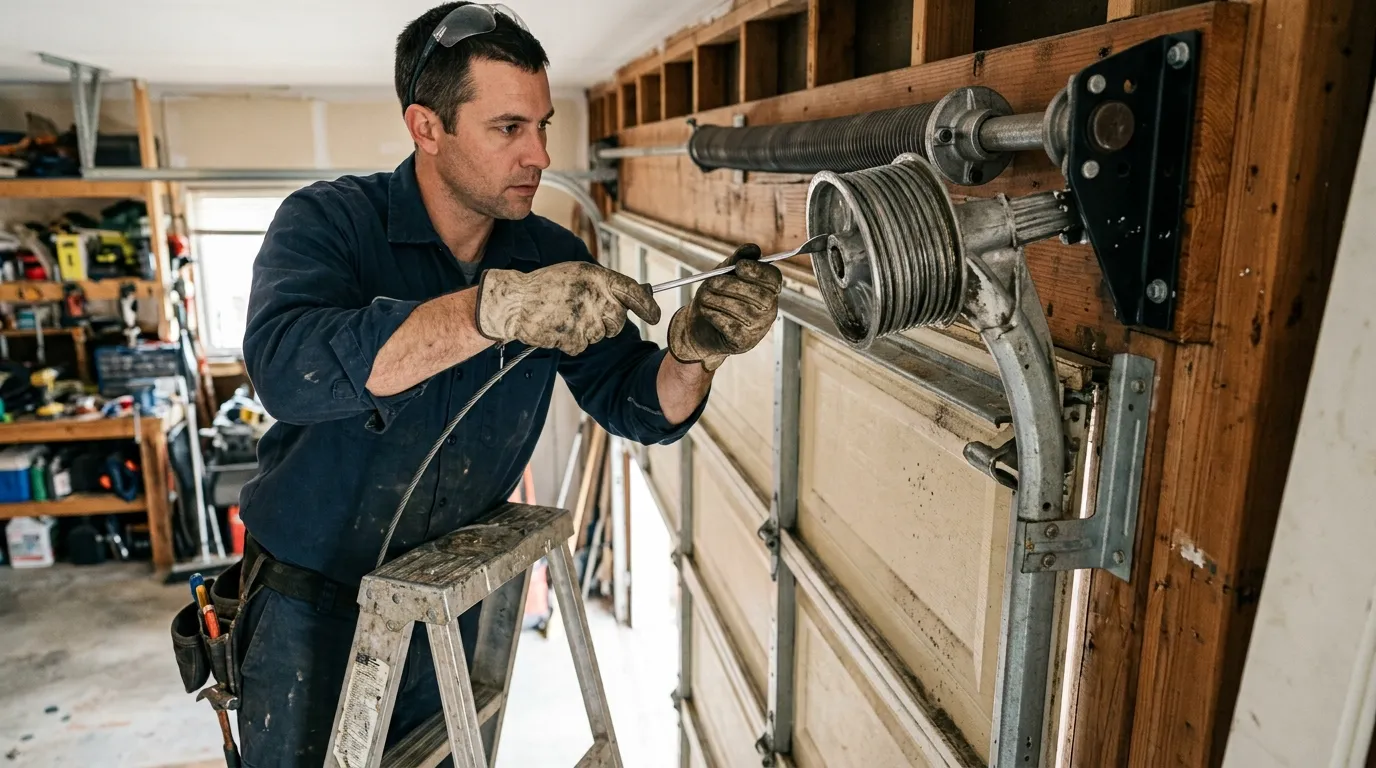
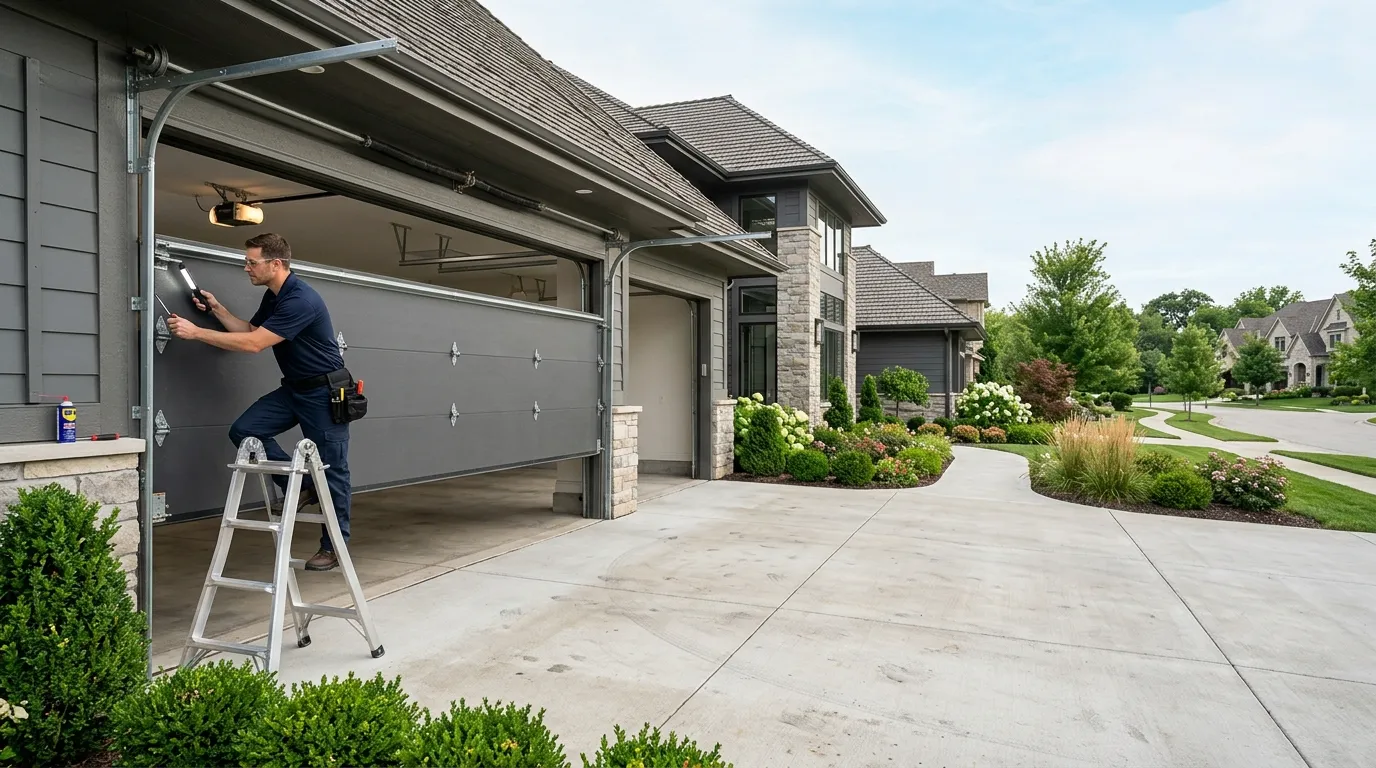
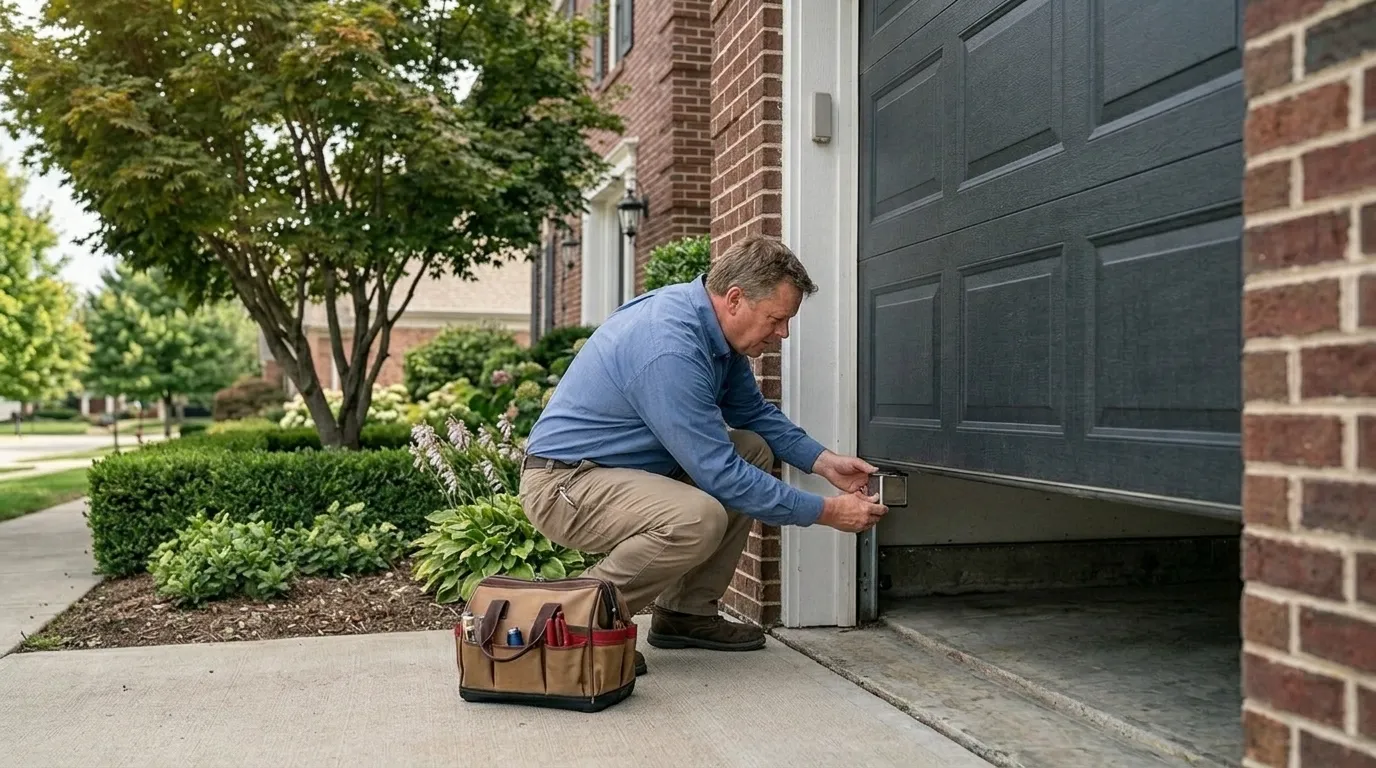
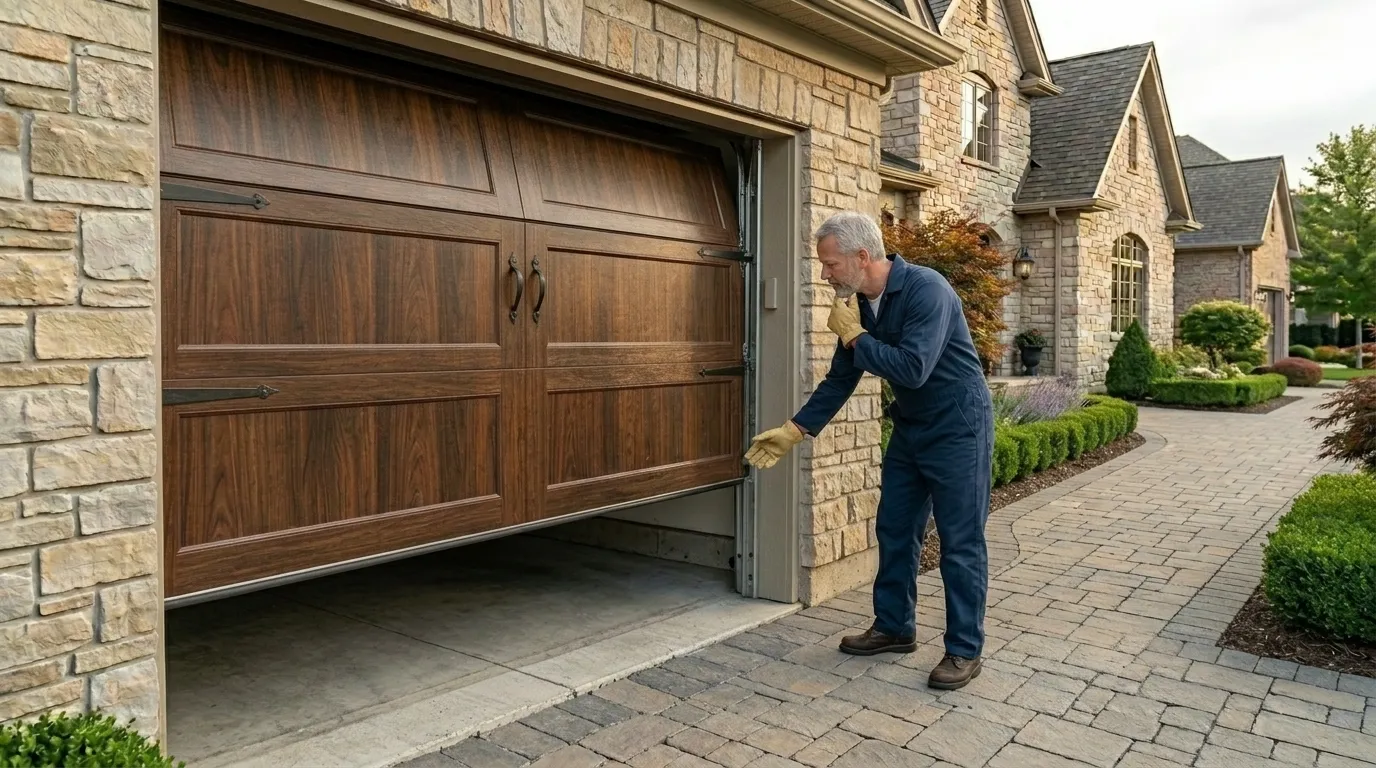
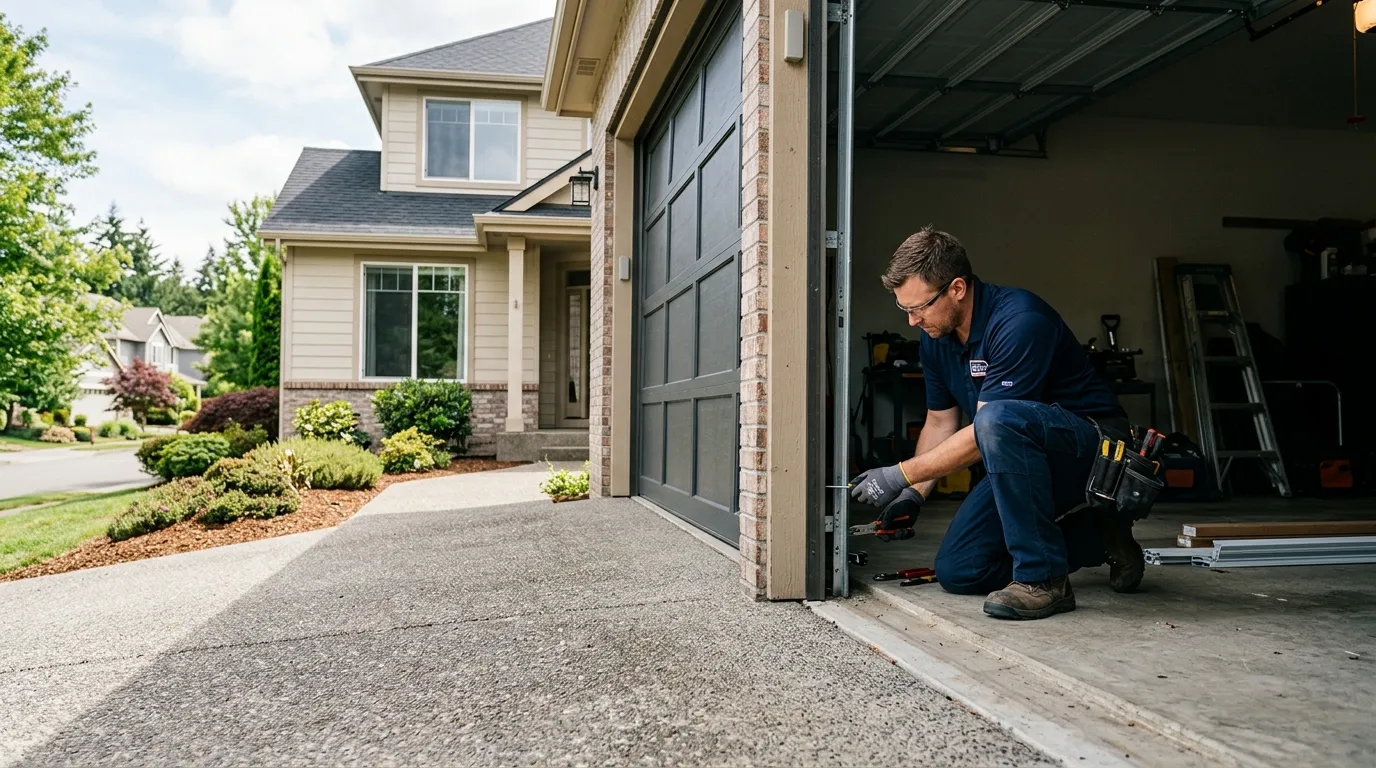
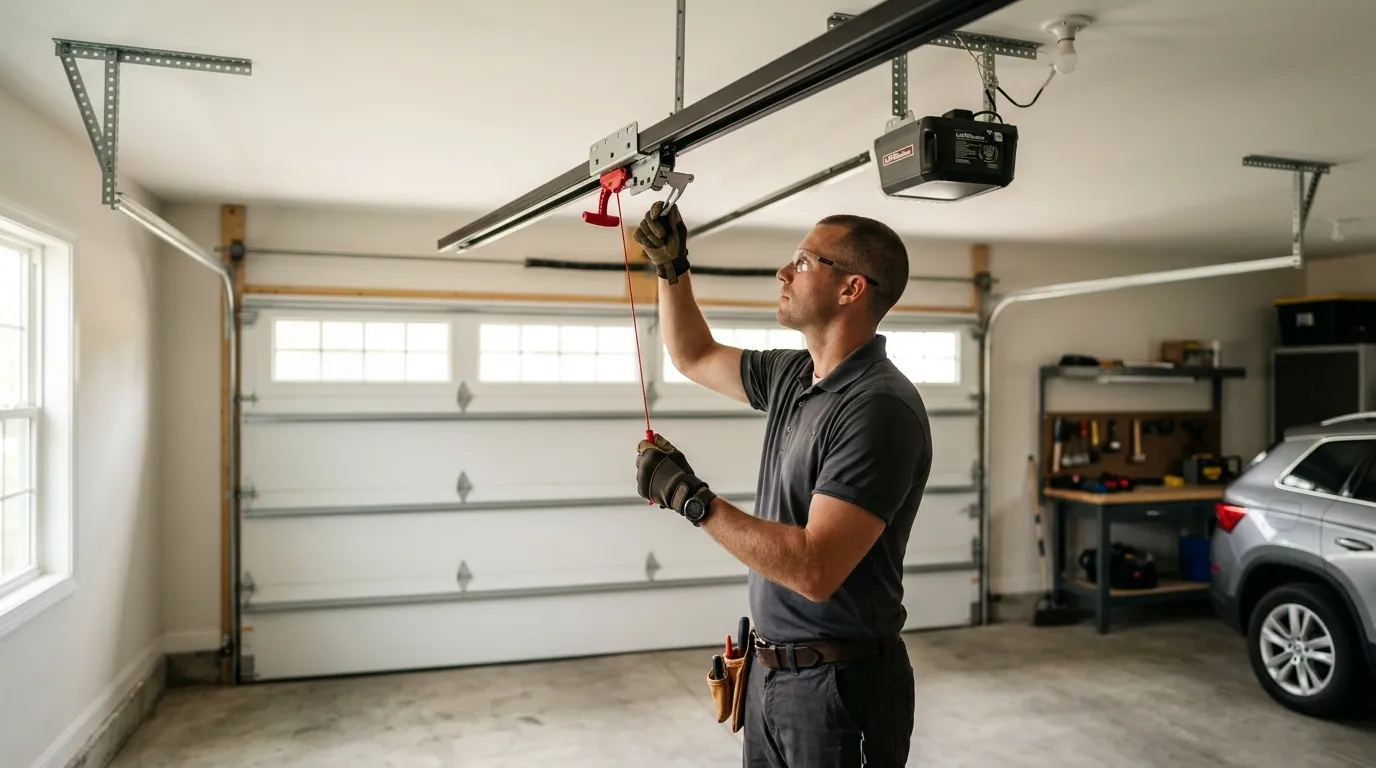
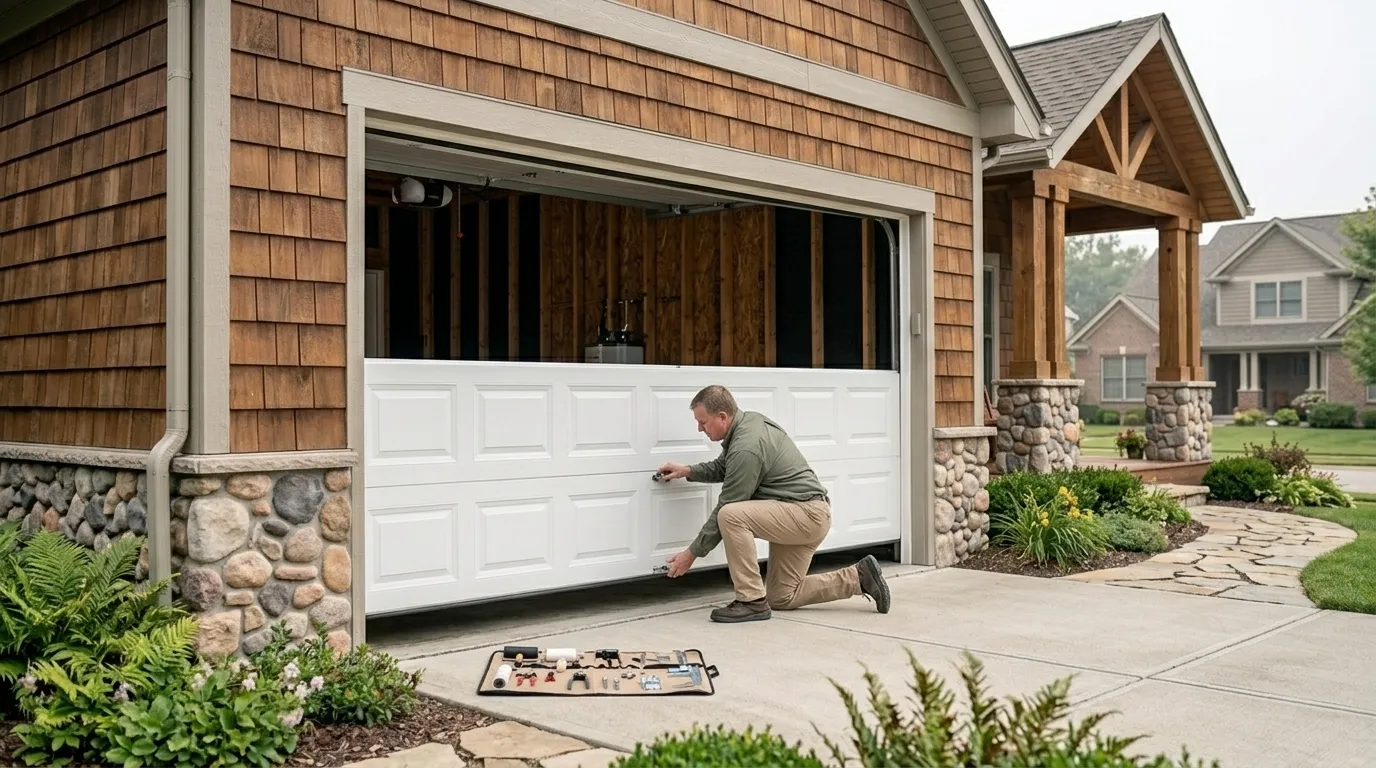
The typical Villa Park house went up around 1958, which puts most garages on the early end of the torsion-spring era, right when builders were switching over from the older extension-spring setups mounted along the horizontal track. That means a fair number of doors here still run on the original torsion tube and end bearing plate, or on a replacement spring sized decades ago for a lighter door than what's hanging on the track now. When that spring goes, you hear it before you see it - a bang from the garage, sometimes loud enough that people think something fell. After that the door either won't budge or the opener strains and reverses partway up, because the opener was never built to lift a door on its own. If you notice the door feels heavier than it used to, or one side of the door sits lower than the other when it's open a foot, that's the spring losing tension before it snaps outright, and it's worth a call before it goes all the way.
The Cost of This Job
We don't quote a number sight unseen, because a single torsion spring on a standard door and a matched pair on a heavier insulated door are two different jobs, and houses in this part of the Chicago area run both. Villa Park's roughly 8,400 households sit at a median income a bit below the wider service area's $105,995, which is one reason we walk people through torsion versus extension spring replacement rather than defaulting to whichever is easiest to sell. The area's winters put real stress on spring steel - cold temperatures make the metal more brittle right when the door gets used the most, hauling in from a cold car - so this isn't a repair to defer once it starts. What we can tell you without seeing the door: the spring itself is a small part of the bill, the labor and the winding time are where the job's cost really sits, and a same-day fix beats letting a stuck door sit open or unusable for days.
What Can Go Wrong
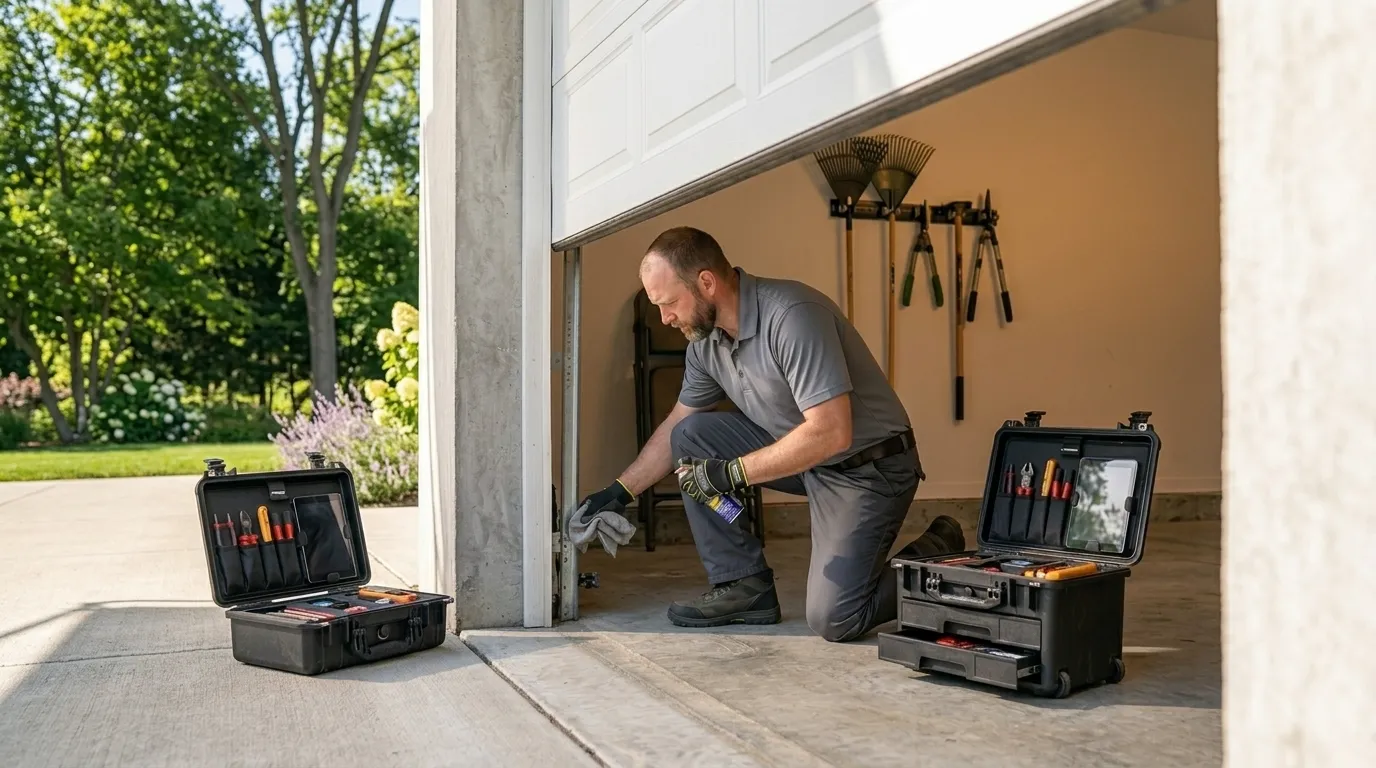
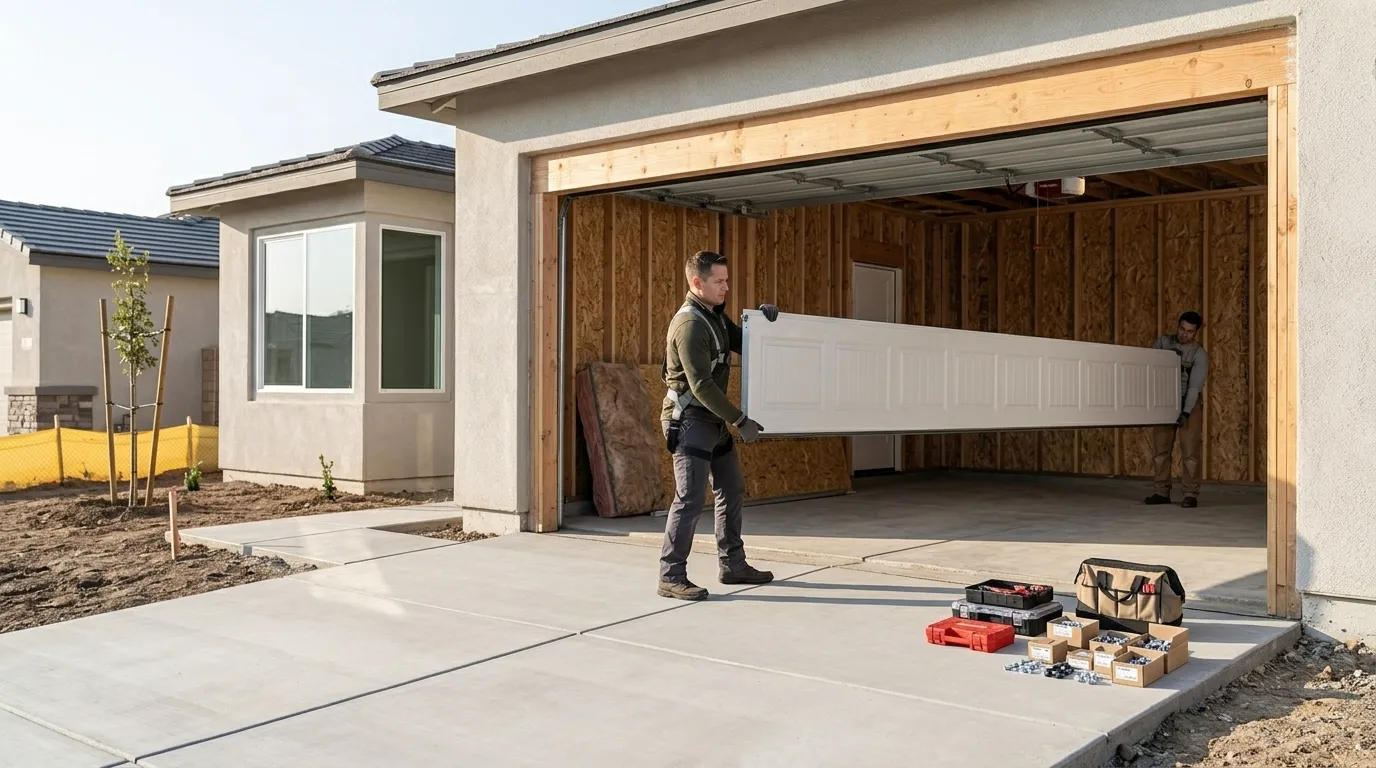
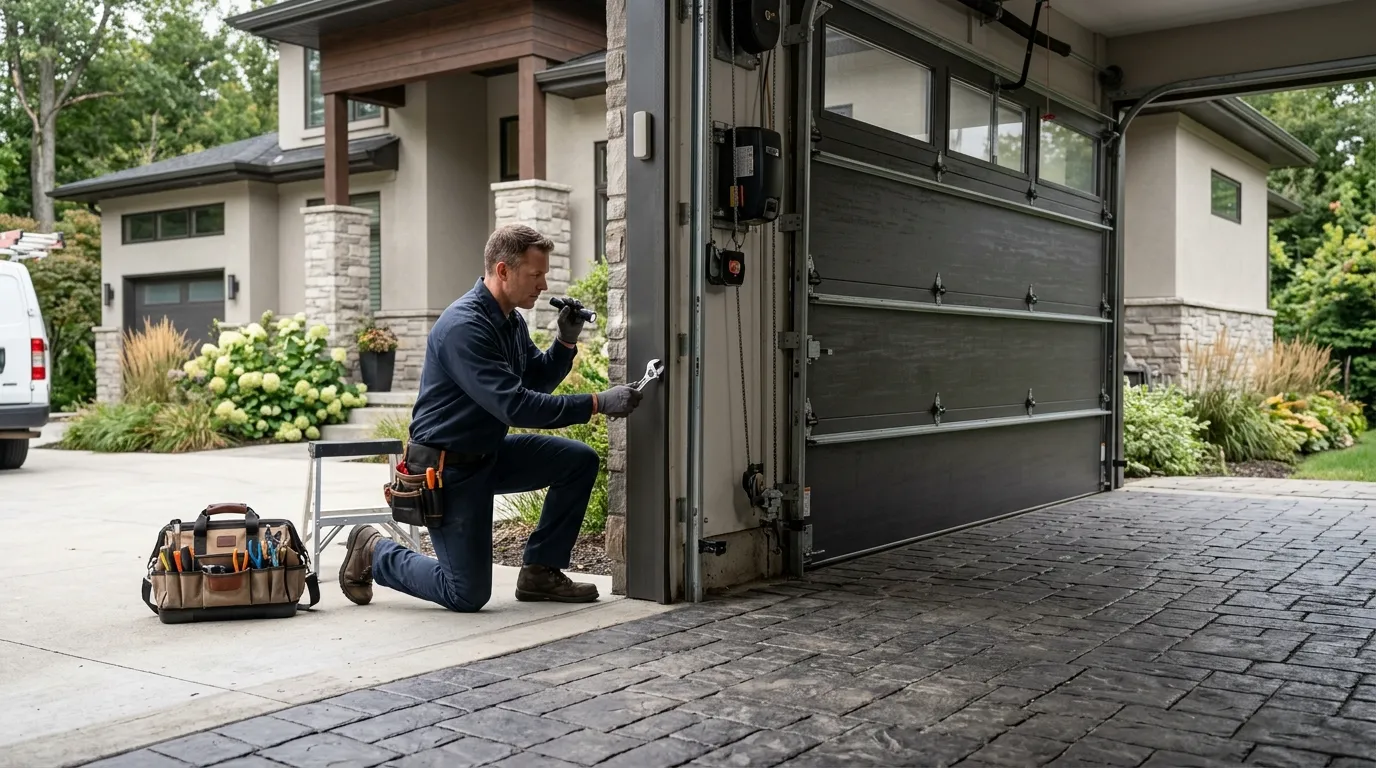
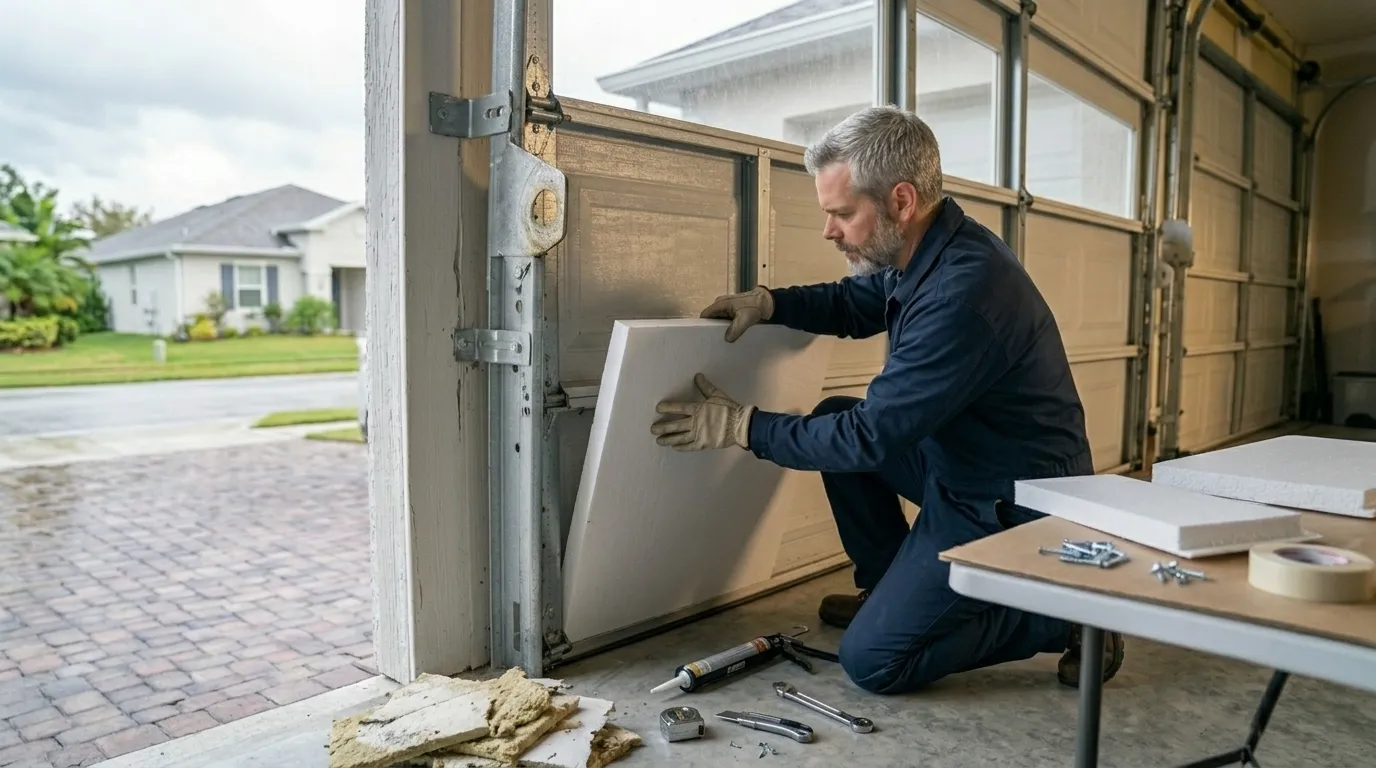
On a house from the late 1950s, the spring almost never fails alone. Cable strands fray at the same rate the spring loses temper, and a worn cable that lets go right after a spring replacement is one of the more common comeback calls in older housing stock like this. Bearing plates on original hardware seize up from age, not use, so a spring swapped onto a frozen bearing will bind and wear out again in a fraction of the time it should last. And on doors that have had one spring replaced before but not the other, mismatched springs put uneven pull on the torsion shaft, which shows up later as a door that drifts to one side. None of this means the whole door needs replacing - most of it is a hardware inspection at the same visit, not a second trip. But we'll say plainly when a door's track and drums are worn enough that sinking more money into hardware from 1958 doesn't make sense next to a new door section.