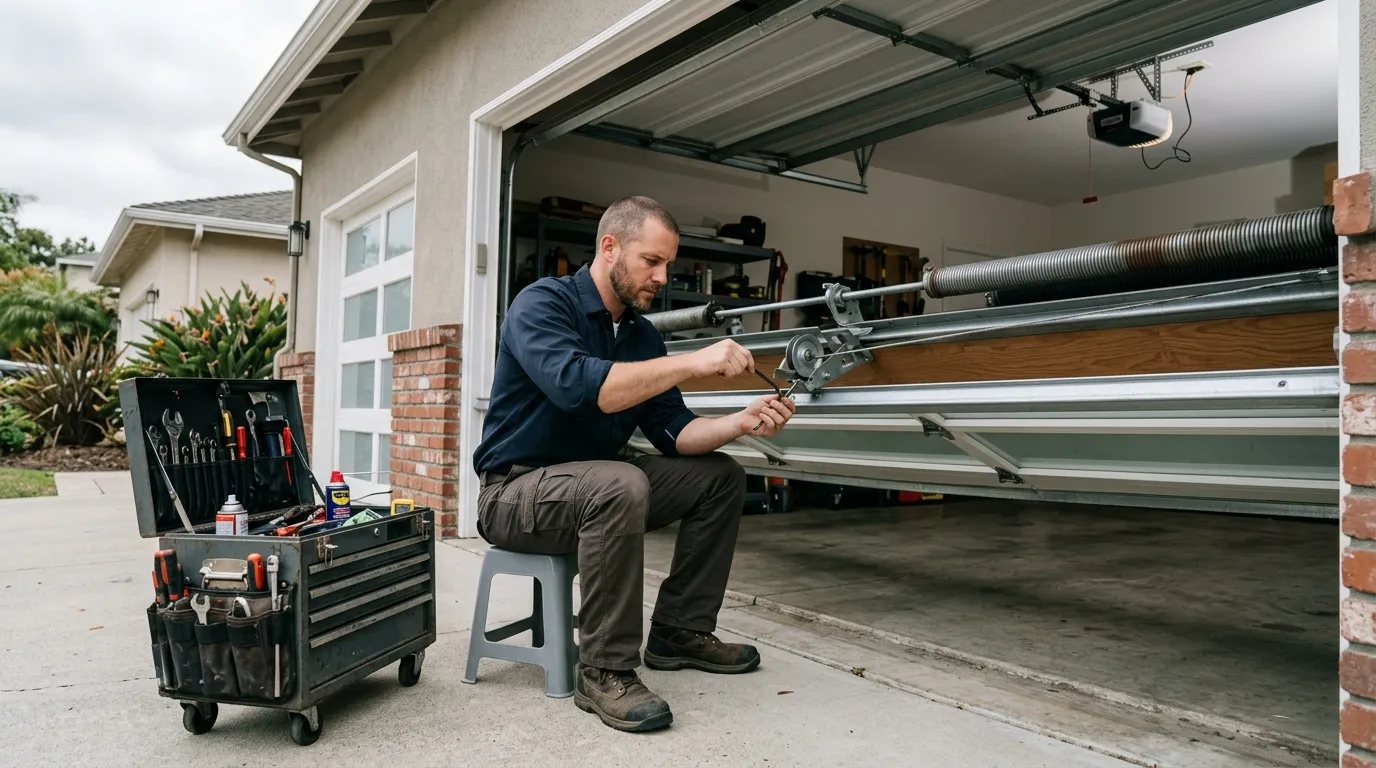
What Is on the Truck
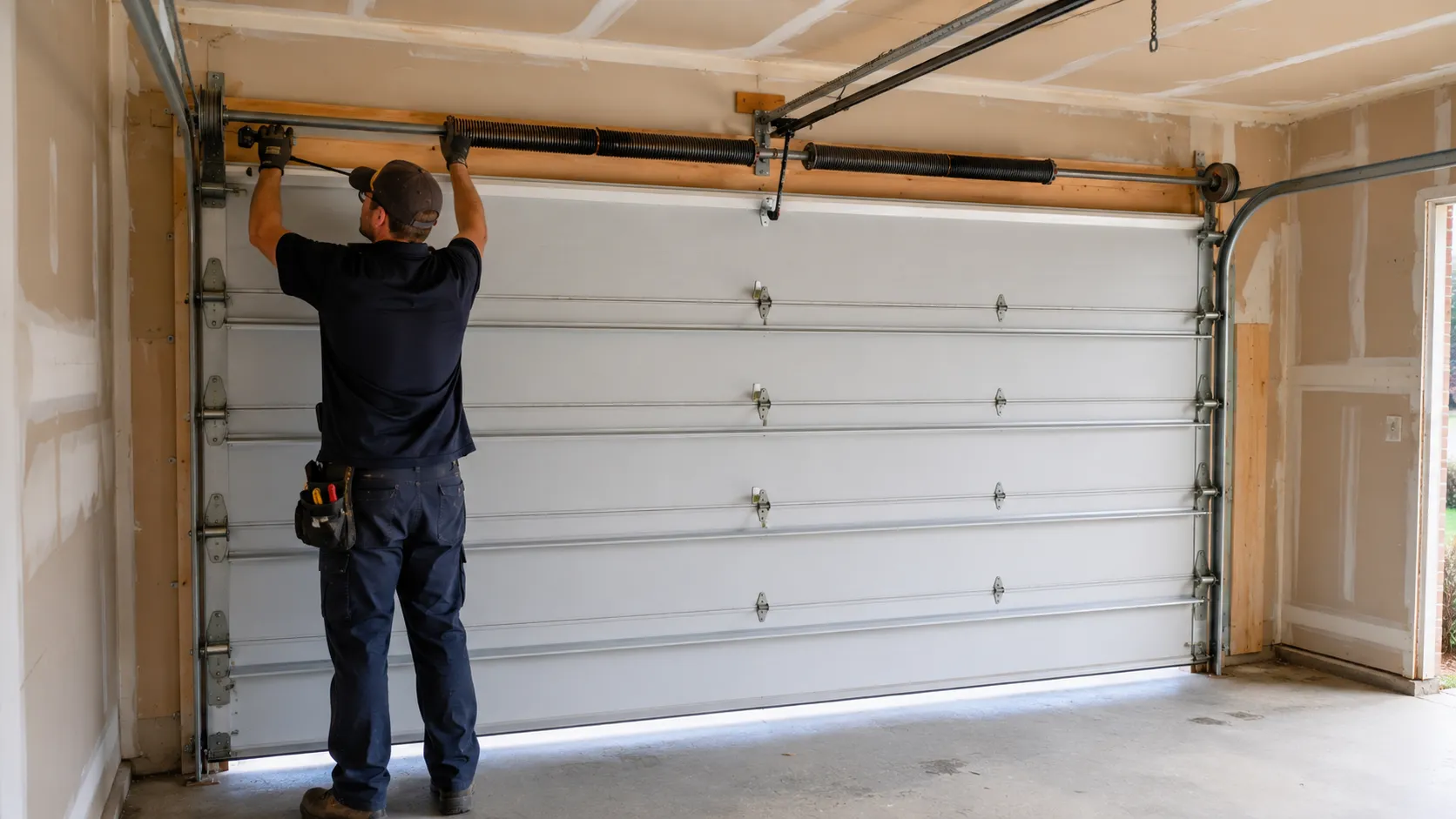
The call we get most out of Hinsdale isn't a snapped torsion spring - it's a frayed or popped lift cable on a door that's heavier than the cable was ever sized for. A lot of these houses swapped their original steel door for a thicker insulated one at some point, and nobody upgraded the cable gauge or the drum to match. The old 1/8-inch cable keeps doing a job it was never built for, and it wears through at the drum end first, usually where it wraps.
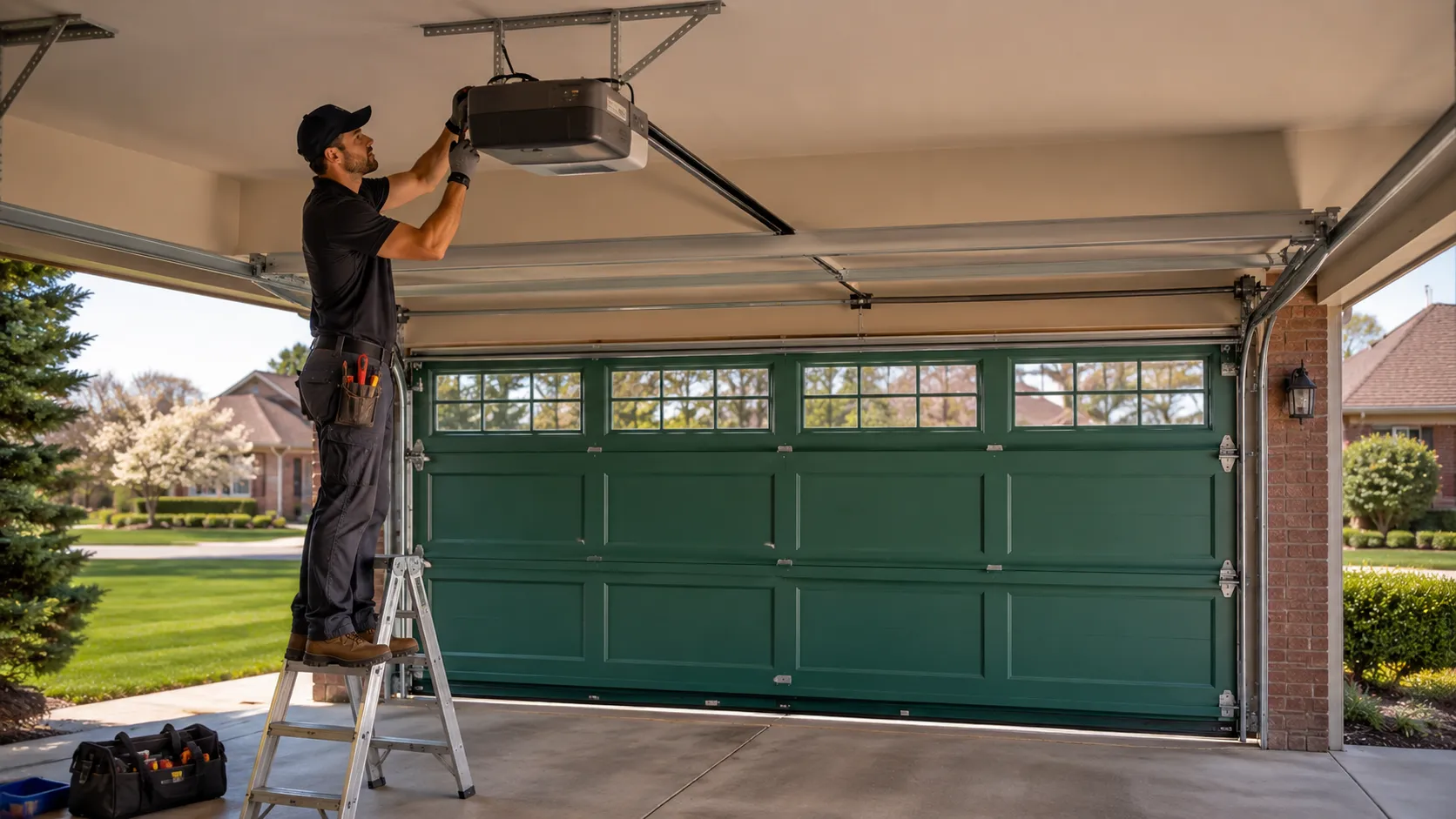
Hinsdale's housing stock centers on 1979, which is newer than the 1963 median across the rest of the territory we run out of Morton Grove. That gap matters here: a door installed new in the late 1970s is now well past the point where the original galvanized cable is original at all - it's been replaced once, maybe twice, often with whatever gauge was on the truck that day rather than what the door actually calls for. We carry both standard and heavier-gauge lift cable, extension-spring cable clips, and drum sets sized for the wider double doors we see more often on this side of the territory, because guessing at the counter isn't an option once we're already 18 miles from the shop.
What Causes It Around Here
This area sits in a cold, moderate climate band, and that matters for cable the same way it matters for springs - steel strand contracts in the cold, and repeated contraction against a drum edge is exactly the kind of fatigue that starts a fray. Combine that with the heavier insulated panels common on Hinsdale's larger doors, and you get cable working harder in colder conditions than the original 1979-era hardware was speced for.
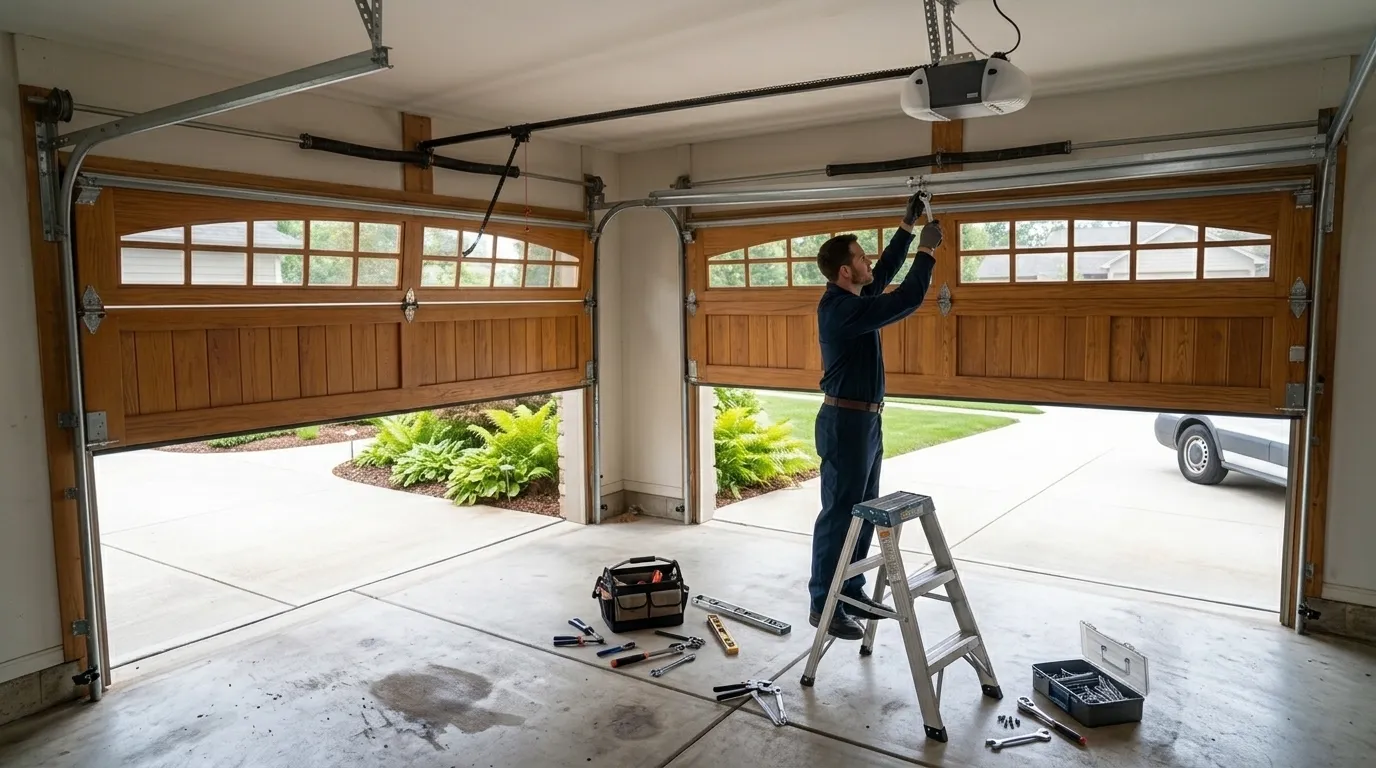
Median household income in this pocket runs above $250,000, and it shows up in the doors themselves - custom widths, real wood or heavy composite faces, double-cable setups on wide doors rather than the single-cable single-car doors that dominate older, denser blocks elsewhere in the territory. More cable, more weight per cable, more places for one strand to go first. We also see a fair number of extension-spring systems on detached garages here rather than torsion units, and those pulley-and-cable setups fray at the pulley wheel long before the spring itself gives out.
How It Shows Up
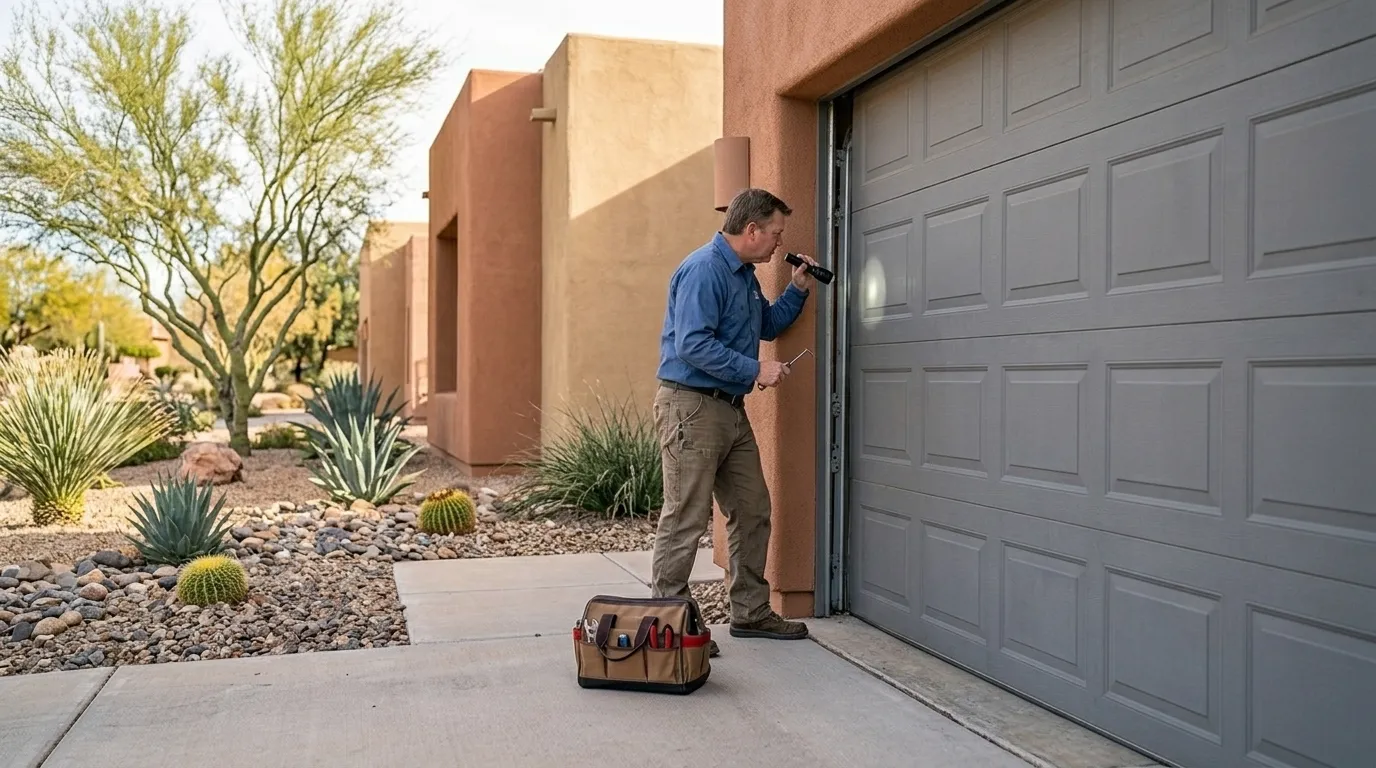
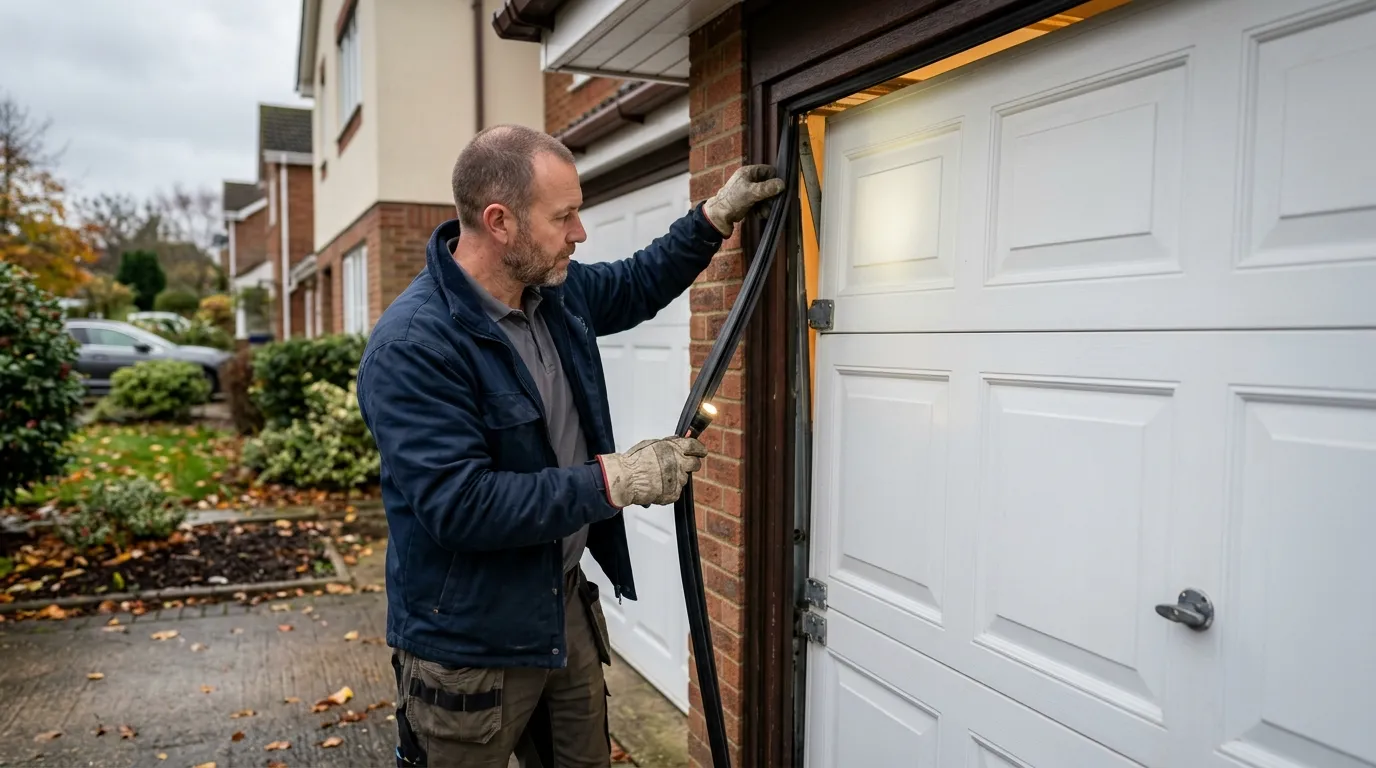
A cable going bad rarely fails without warning, though the warning is easy to miss if the door still opens most of the time. Look for a door that hangs crooked in the frame, higher on one side than the other, or a door that jerks partway through its cycle instead of moving smooth. If you see loose strands sticking out from the cable near the bottom bracket or the drum, that's not cosmetic - that's the cable telling you it's close to done.
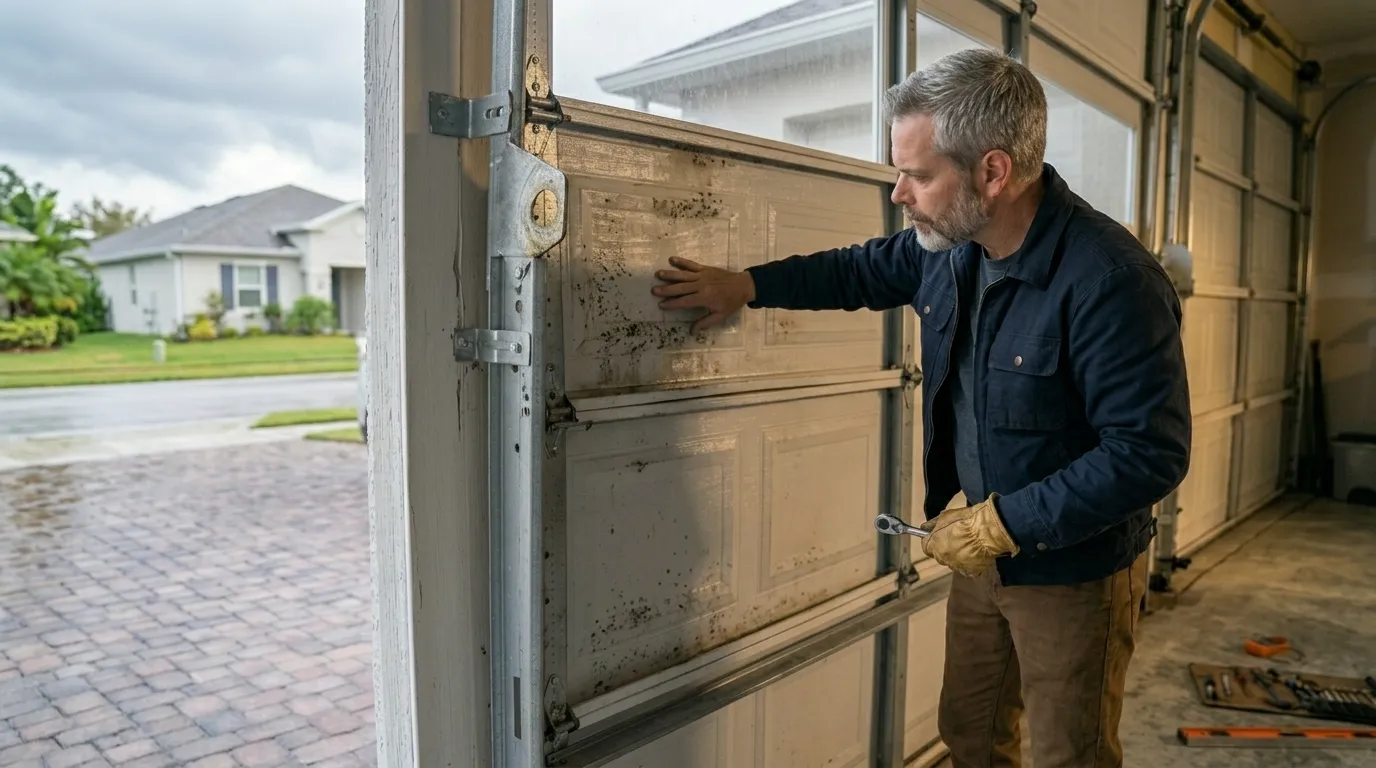
On wider double doors, a cable that's starting to go often shows up first as one side dragging slightly, because the door isn't lifting evenly anymore. If a cable snaps outright, the door usually drops fast on that side and can jam at an angle in the track, sometimes bending the track itself. Don't try to force it back down or up once that happens - that's when a bent track turns a cable job into a track-and-cable job.