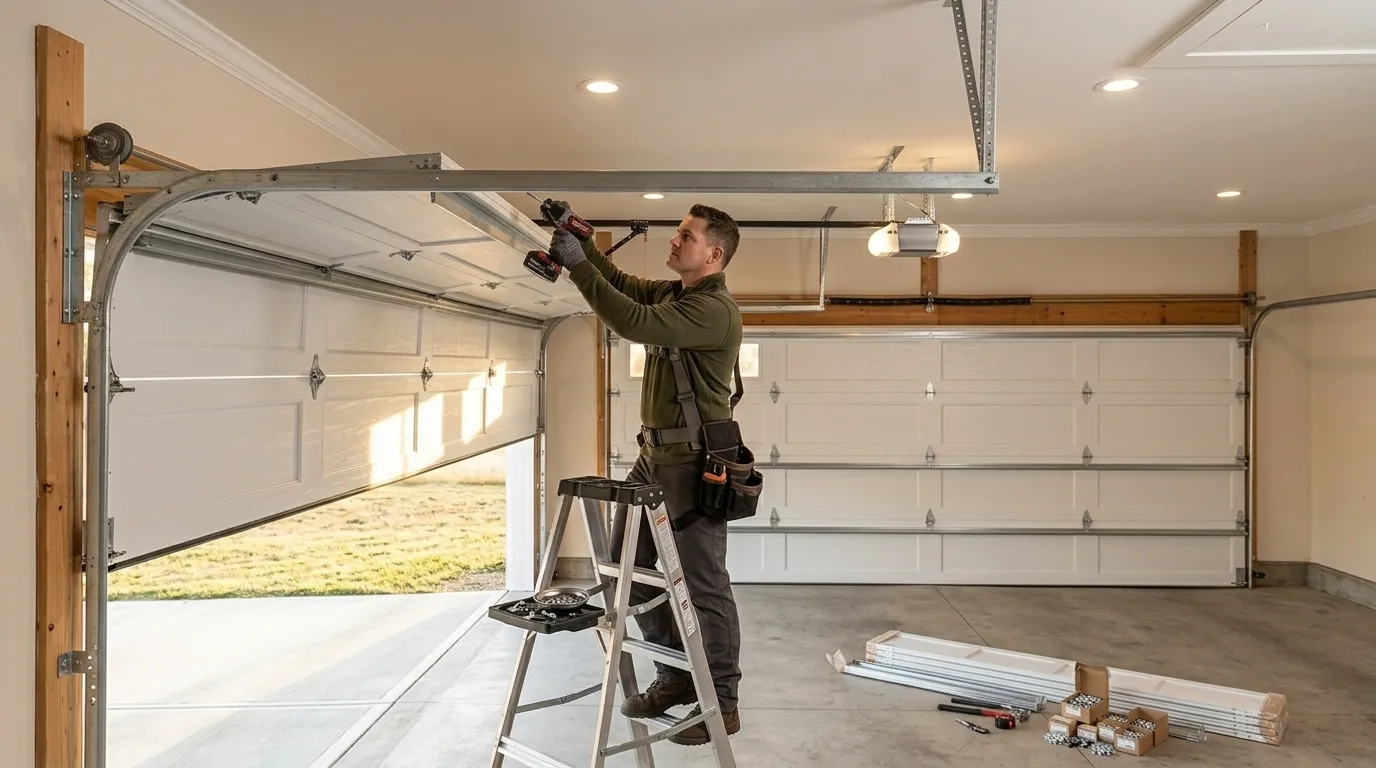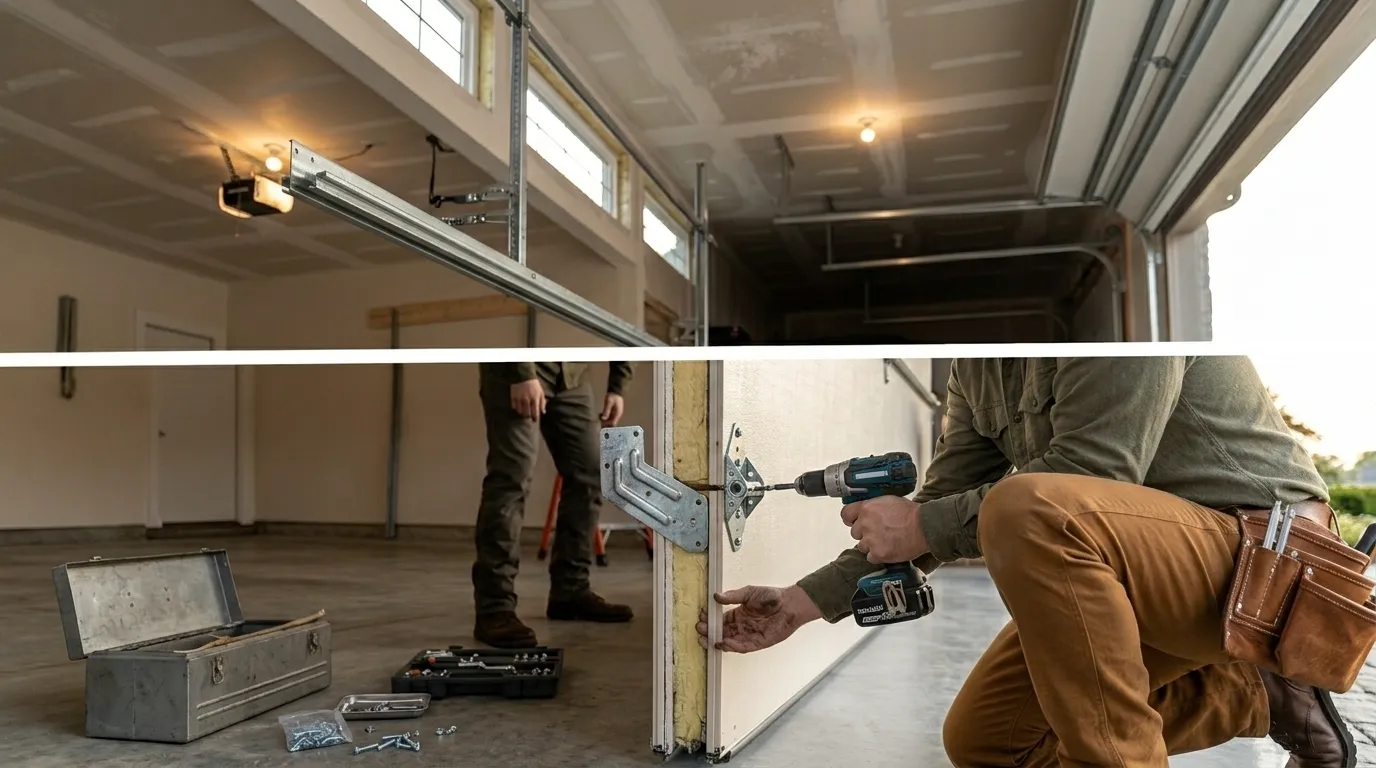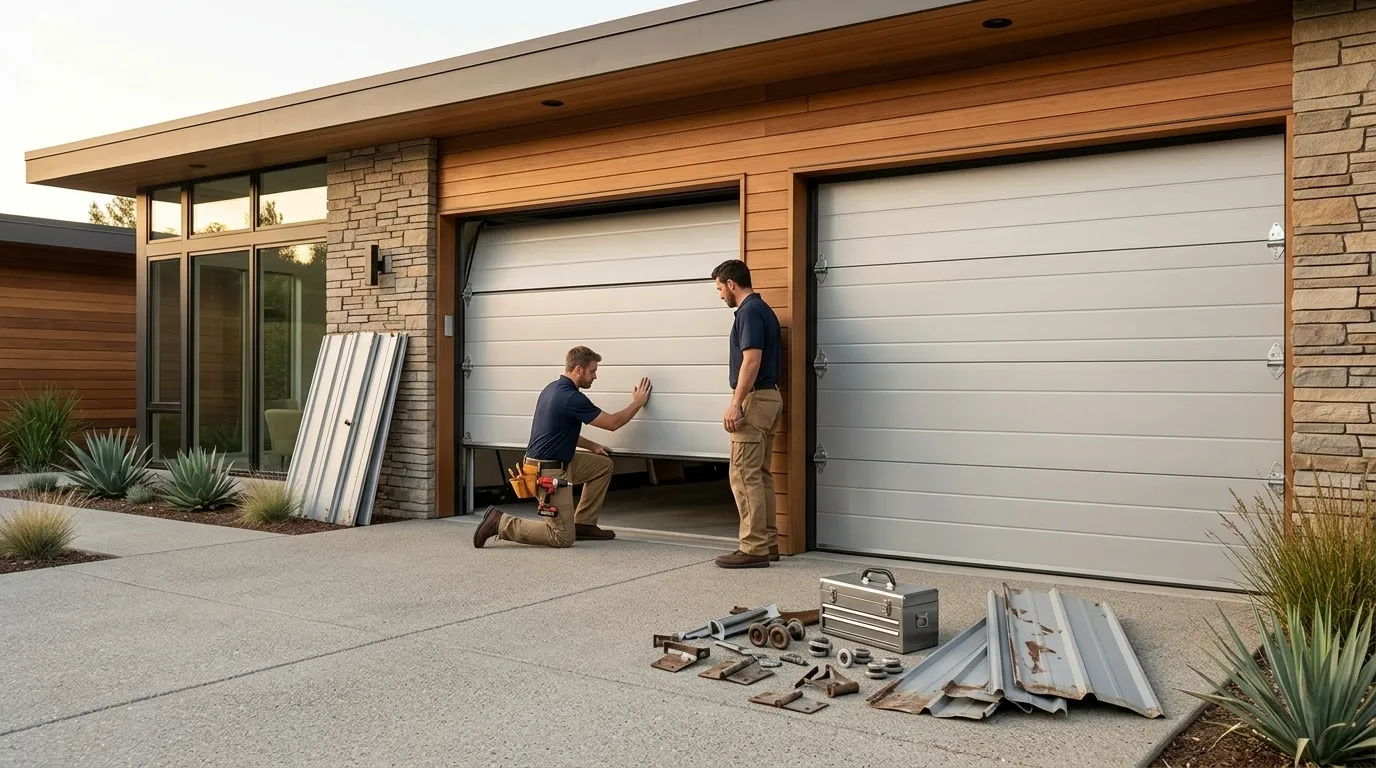
What Is on the Truck
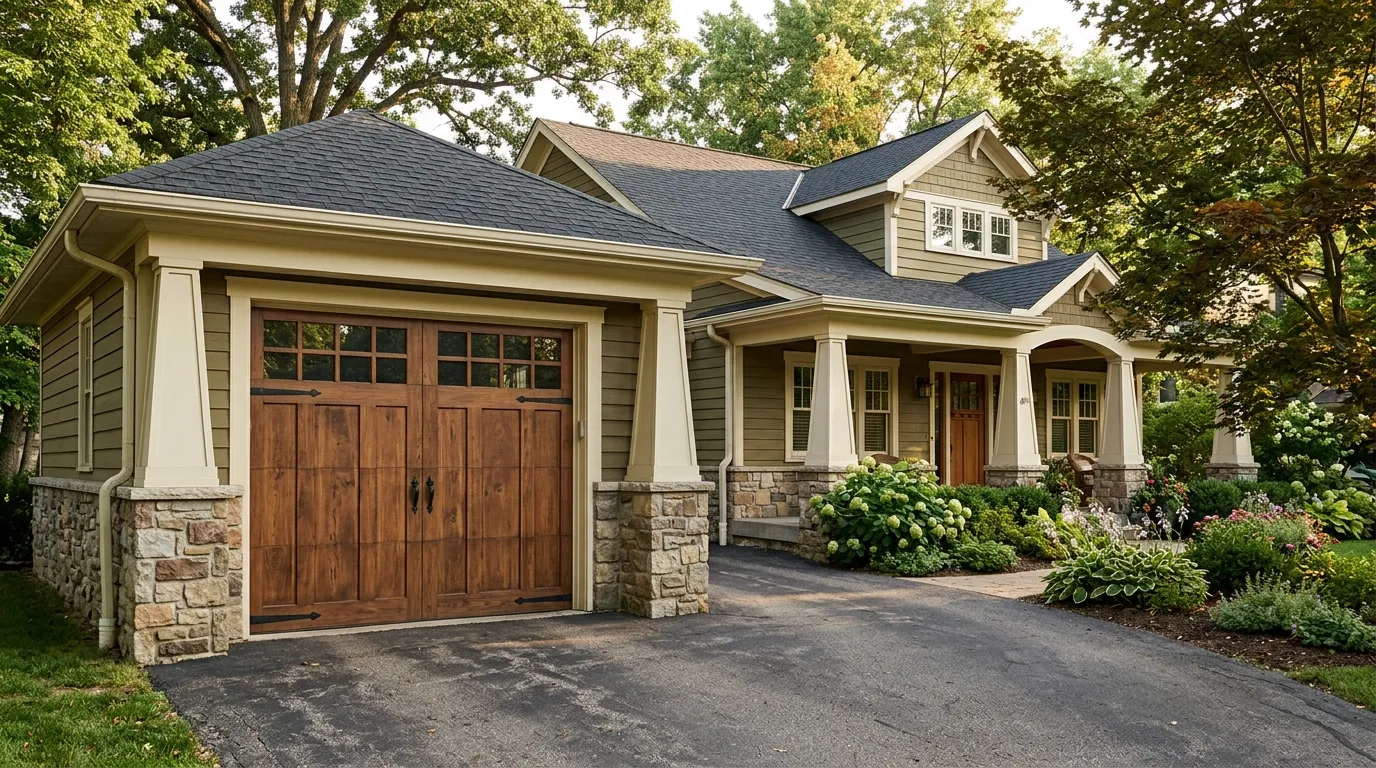
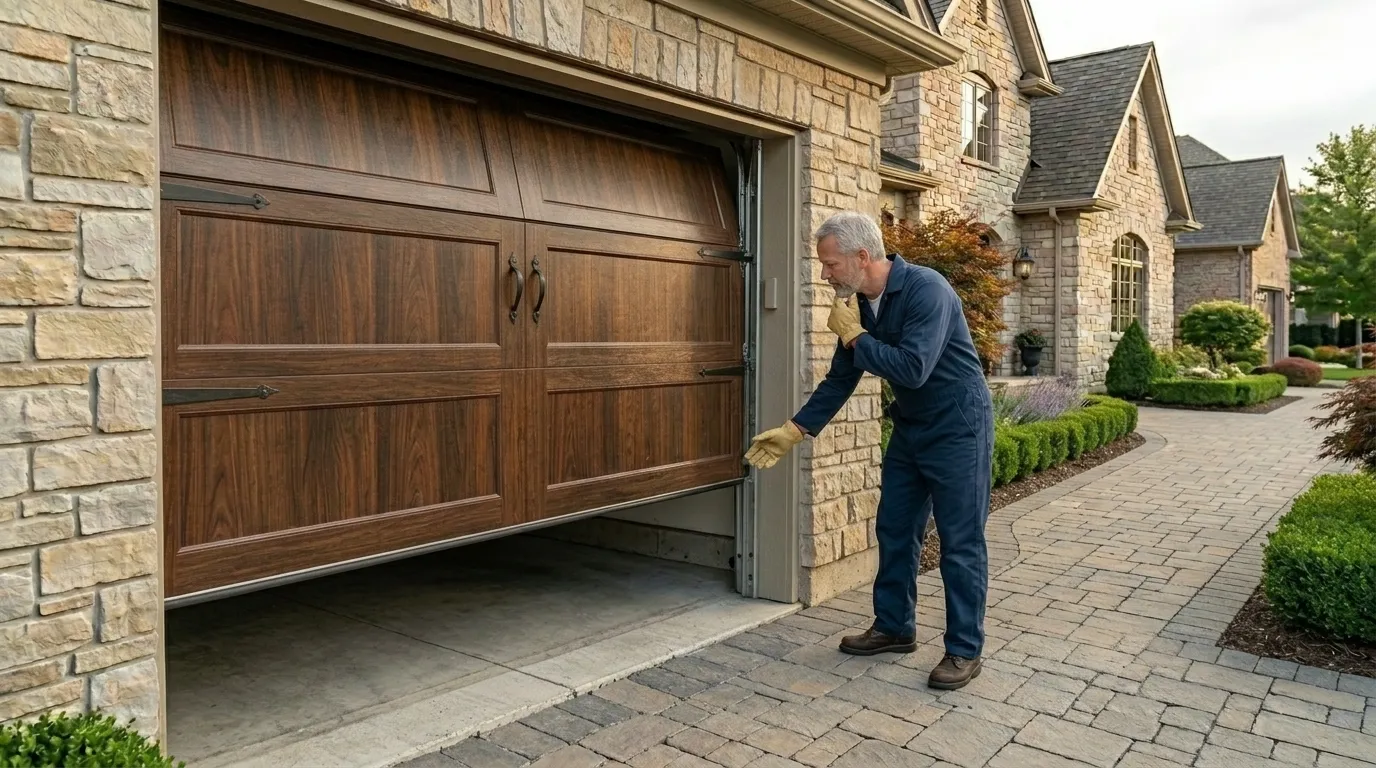
Hinsdale's median household income sits at $250,001, more than double the $105,995 median across the rest of the service area we cover from Morton Grove. That number matters before we ever talk about springs or rollers, because it changes the math on repair versus replace. On a lot of the houses we work in farther from Hinsdale, a cracked panel or a worn opener gets patched because a full swap isn't in the budget. Here, that calculation flips faster. If a door is loud, the panels are dented, or the opener is on its second or third repair, replacement often pencils out sooner than it would elsewhere, because the cost of a new door and opener is a smaller share of what the house is worth.
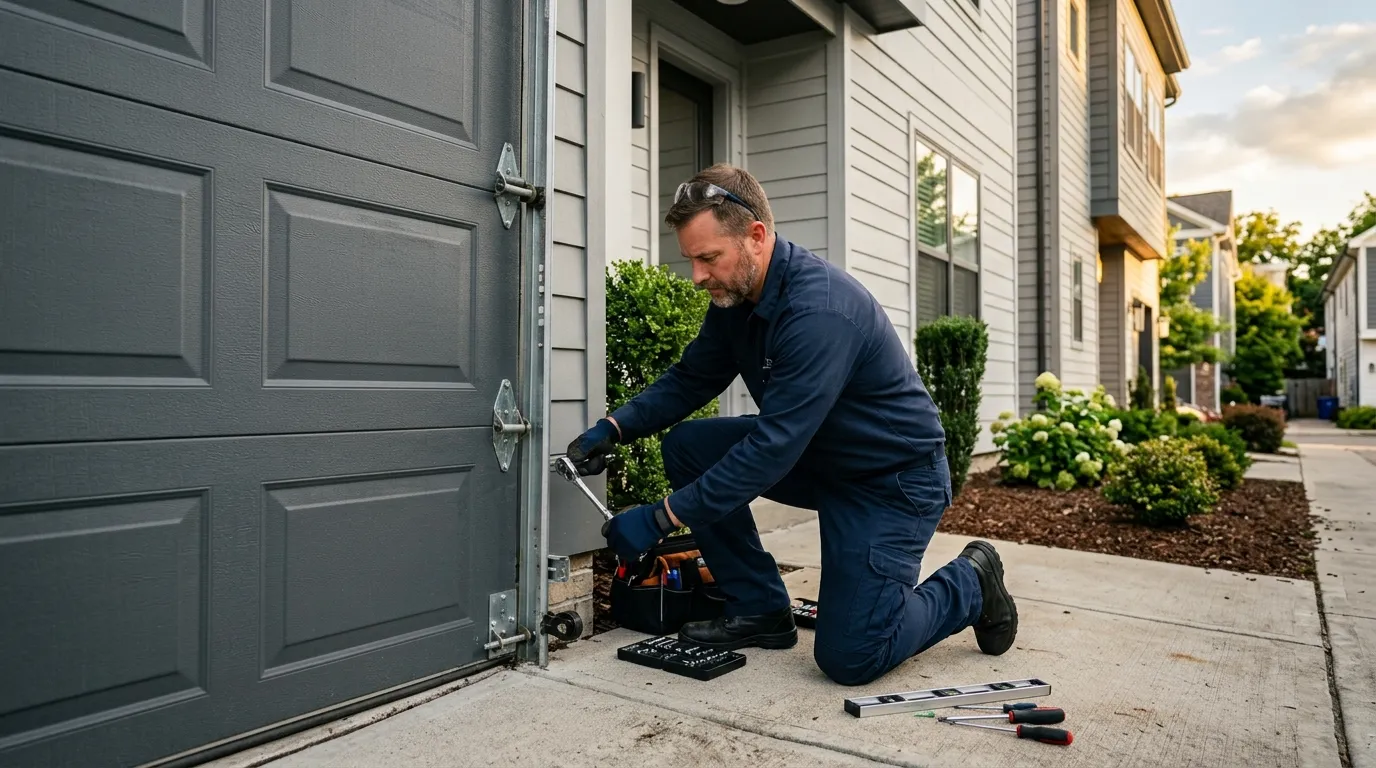
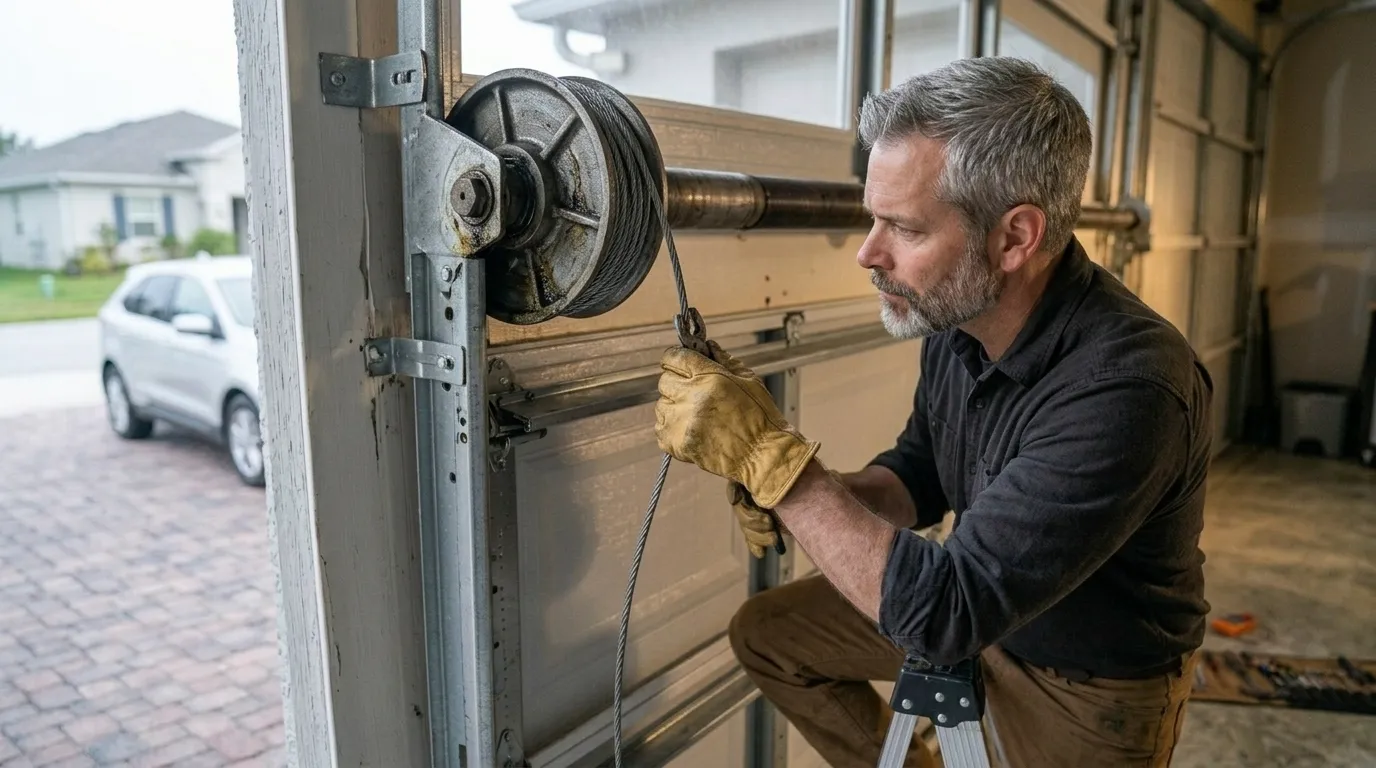
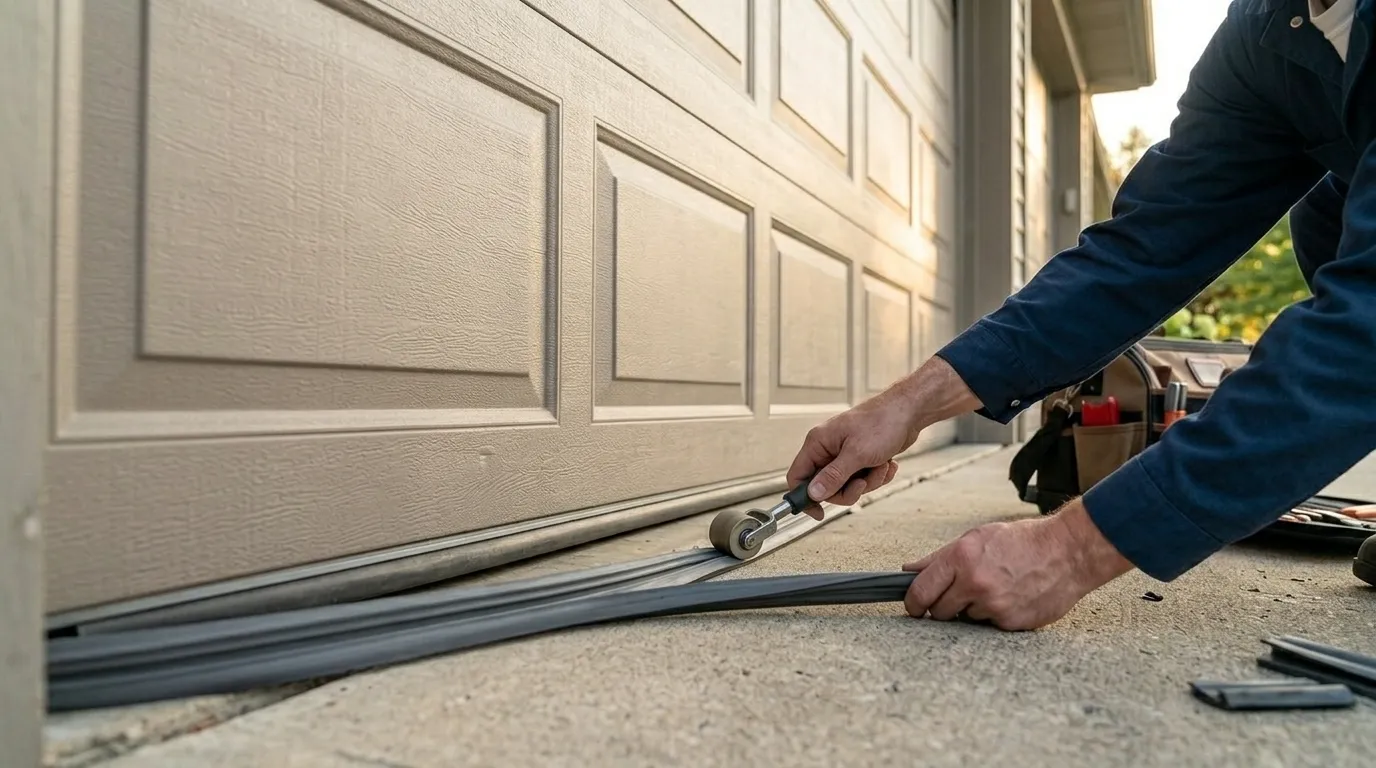
That said, the truck still carries what a working torsion spring, a cable, or a section repair needs. Not every call in Hinsdale is a replacement call. Plenty of doors here just need a spring swapped or a track re-aligned, and we'd rather fix what's fixable than sell a door nobody needs yet.
What Causes It Around Here
Hinsdale's housing stock is newer than a lot of what we see closer to Morton Grove, with a median year built around 1979. That's still 45-plus years of Illinois winters on the same torsion spring and the same steel track, and this whole region sits in a cold, moderately harsh climate band that puts real stress on hardware twice a year - once when it gets cold enough that spring steel loses some flex, and again in the thaw when moisture gets into anything not sealed well.
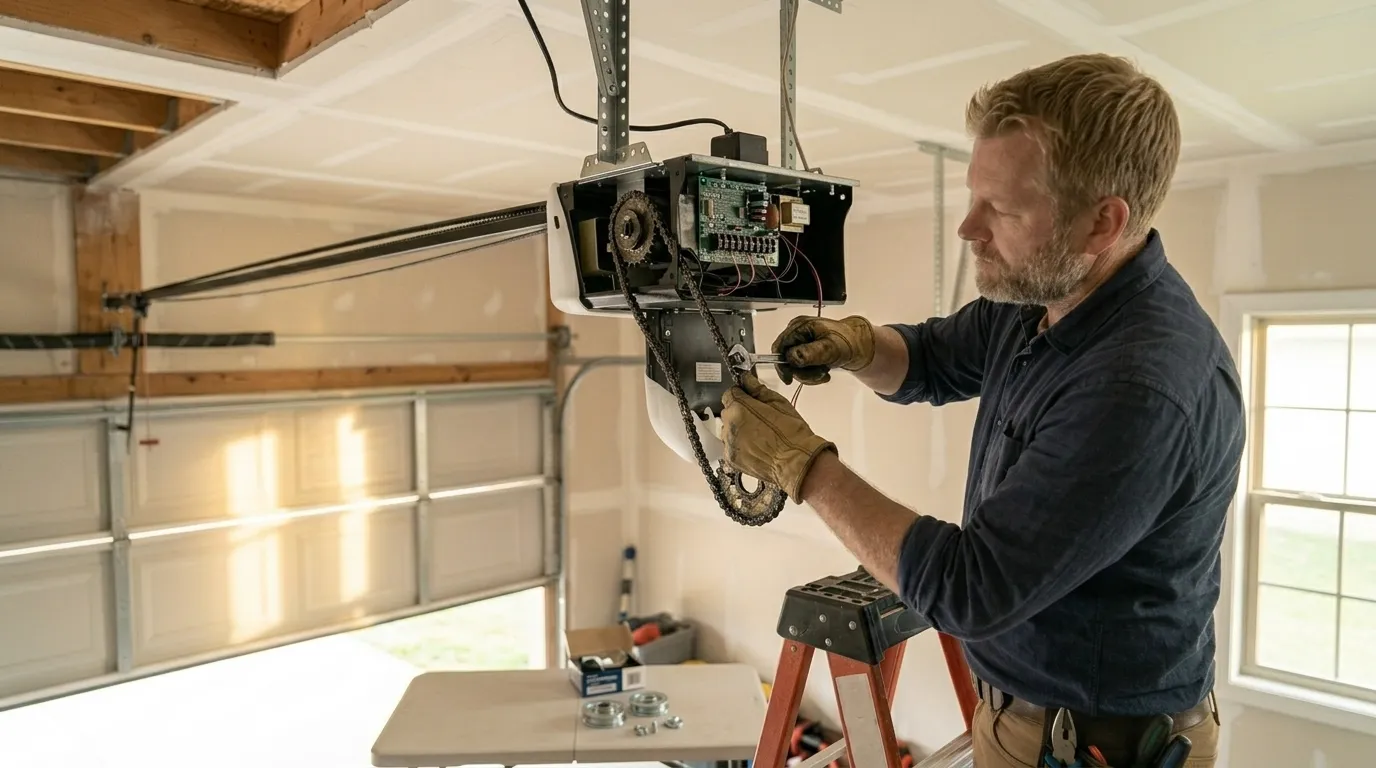
Doors from that era typically came with steel torsion springs and either chain-drive or early belt-drive openers, depending on when the house was built or the door was last replaced. Compare that to older pockets of the service area, where houses built in the 1940s through 60s still run one-piece doors on side-mounted hardware - Hinsdale mostly skipped that generation, so what fails here tends to be spring fatigue and opener circuit boards rather than obsolete track hardware.
How It Shows Up
The most common call from Hinsdale is a door that won't open, full stop - usually a torsion spring that's finally given out after years of cold-weather cycling. Second most common: an opener that runs but the door barely moves, which is often the motor working overtime against a spring that's lost tension without fully breaking.
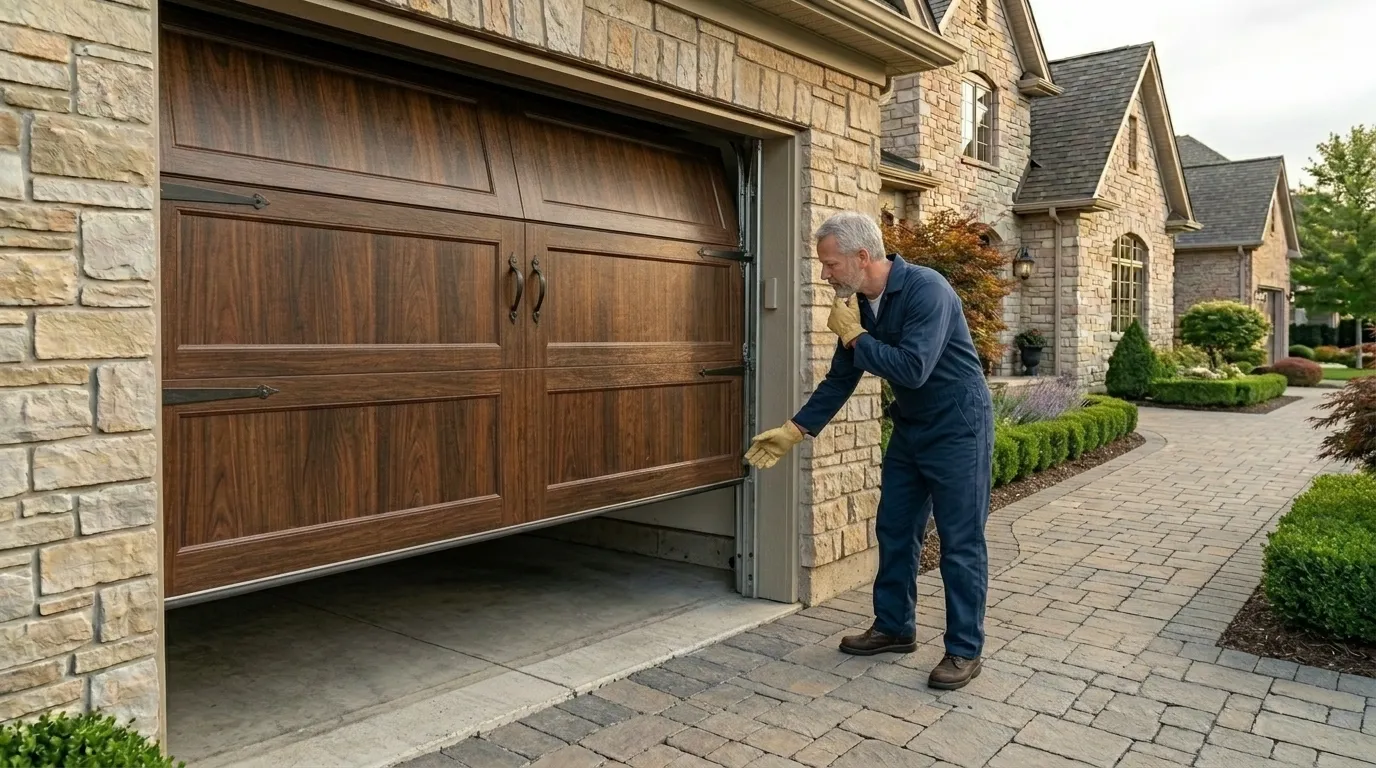
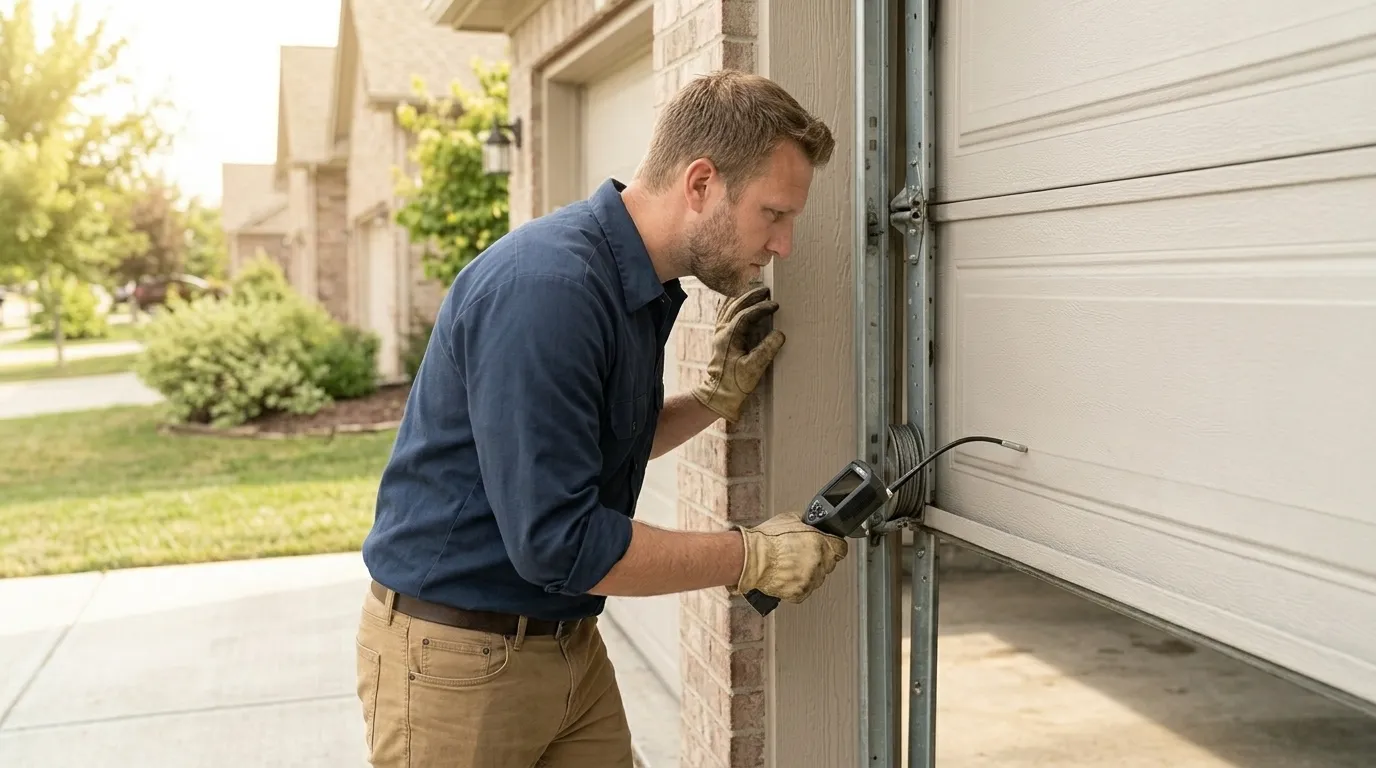
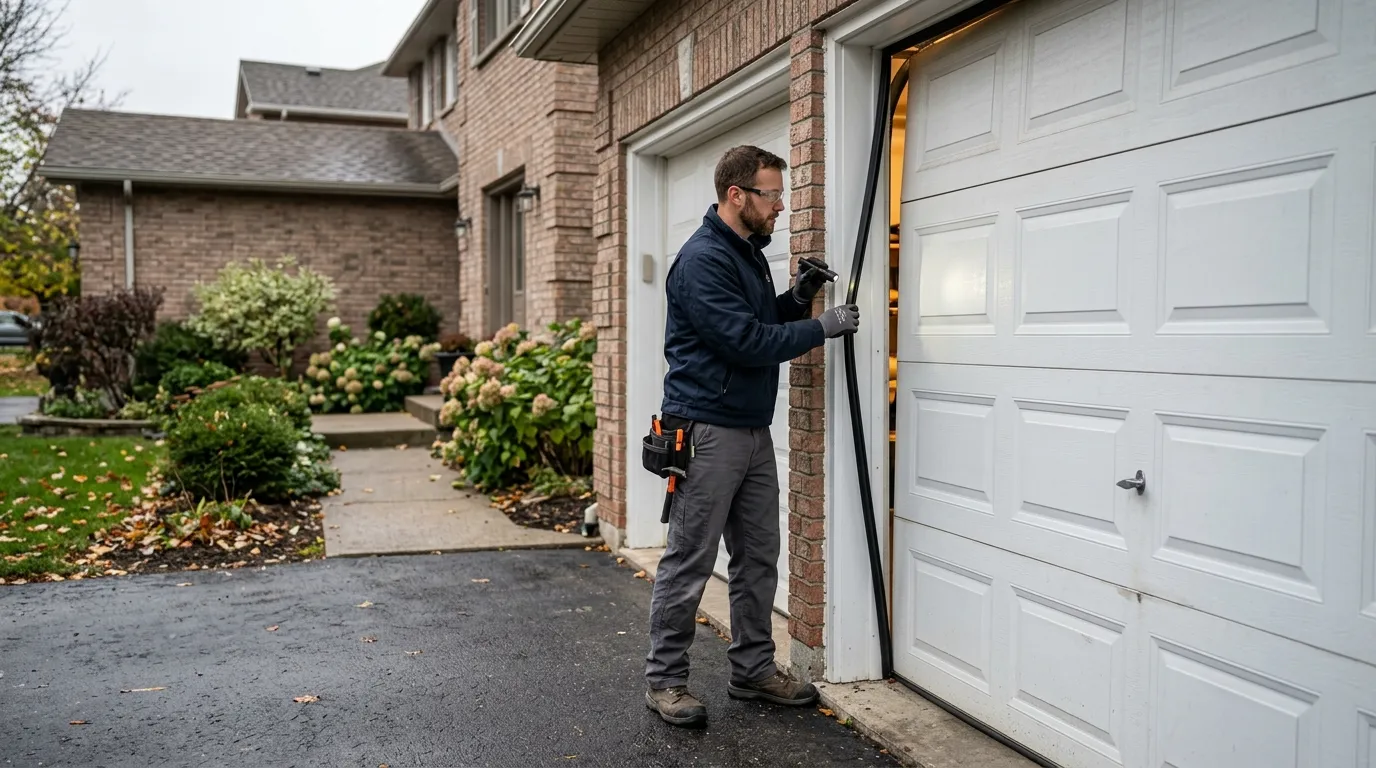
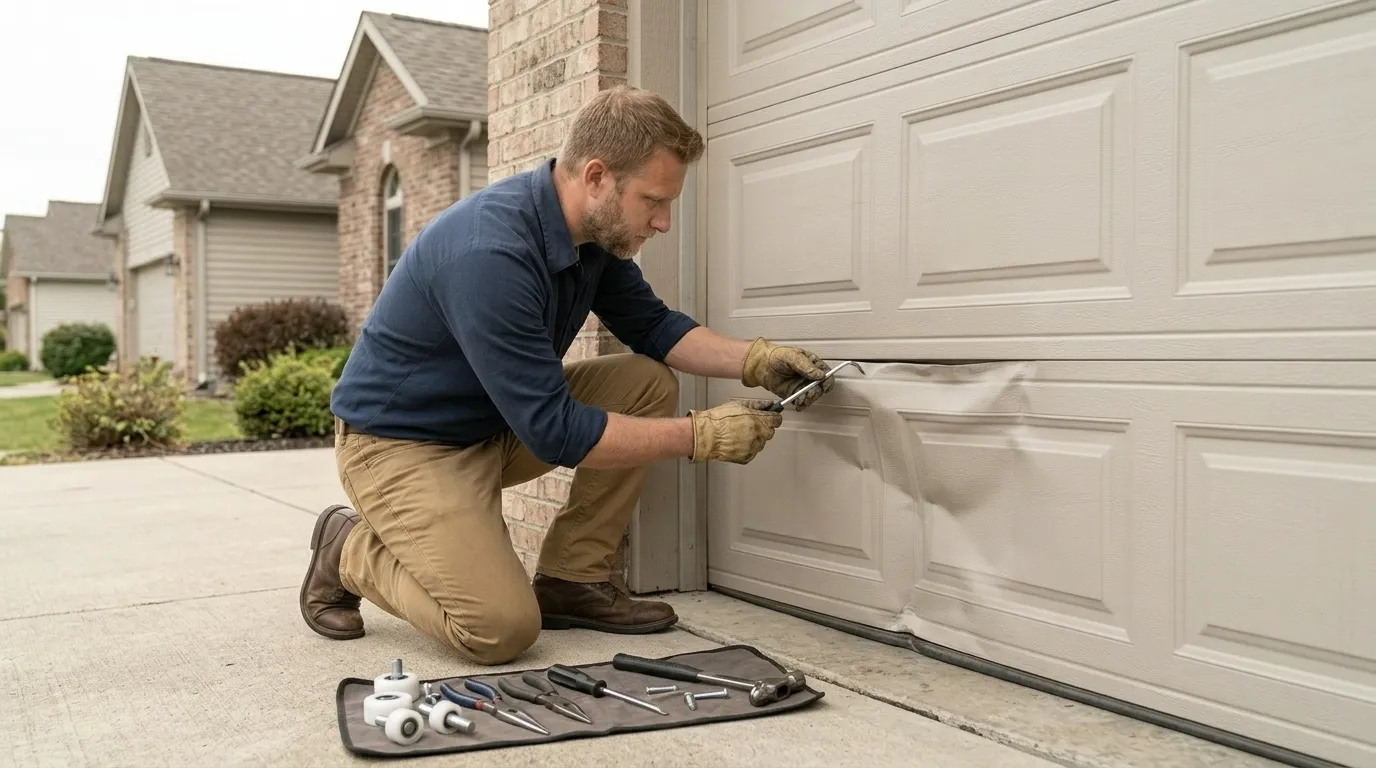
A scraping or grinding noise on the way up usually points to a roller that's worn through its bearing, not a spring problem, and it's a cheaper fix if you catch it before the roller seizes and starts pulling on the track. Doors that reverse partway back down almost always trace to a misaligned photo-eye sensor near the bottom of the track, especially after any nearby work has bumped the bracket. None of these need a full replacement - they're targeted repairs, and we'd rather tell you that up front than sell more than the door needs.