What Is on the Truck
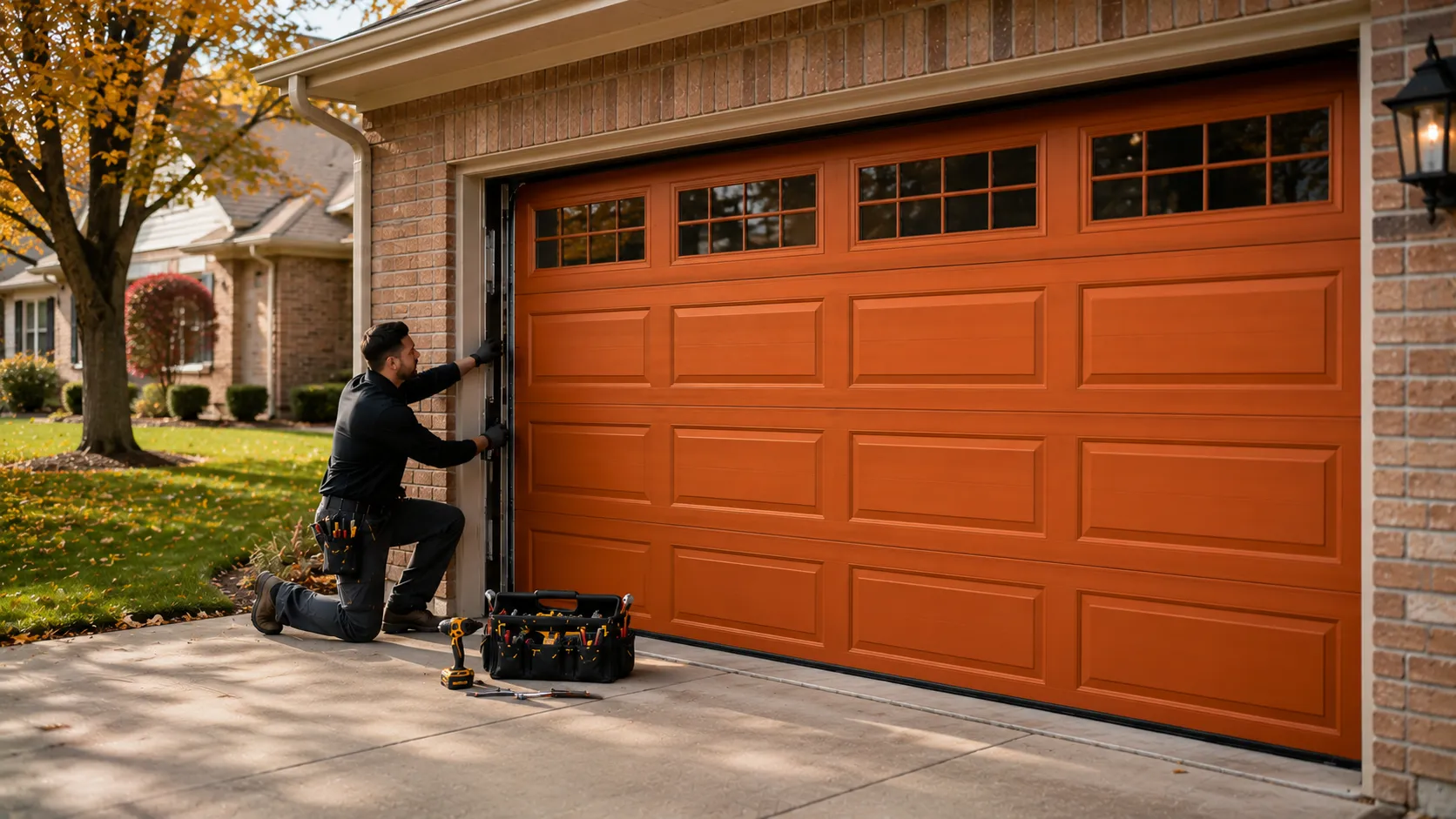
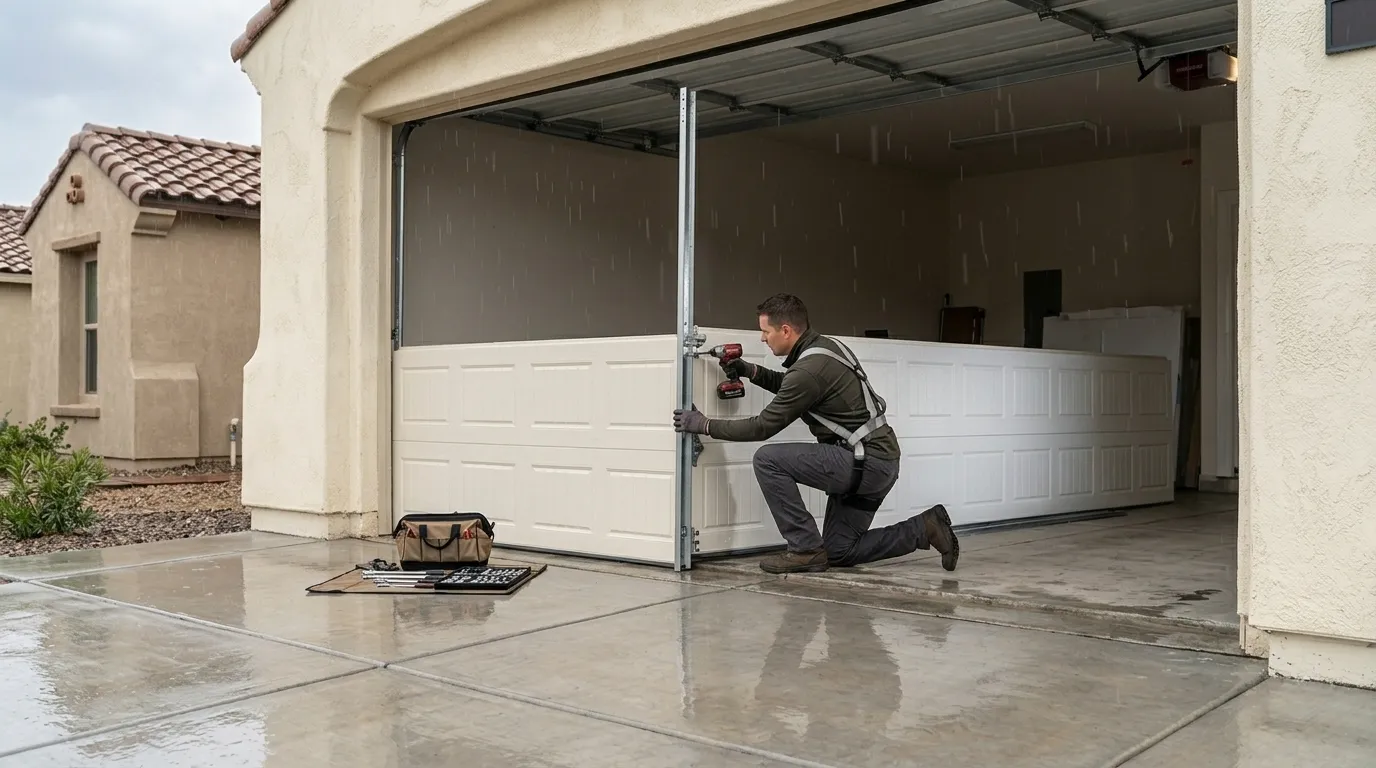
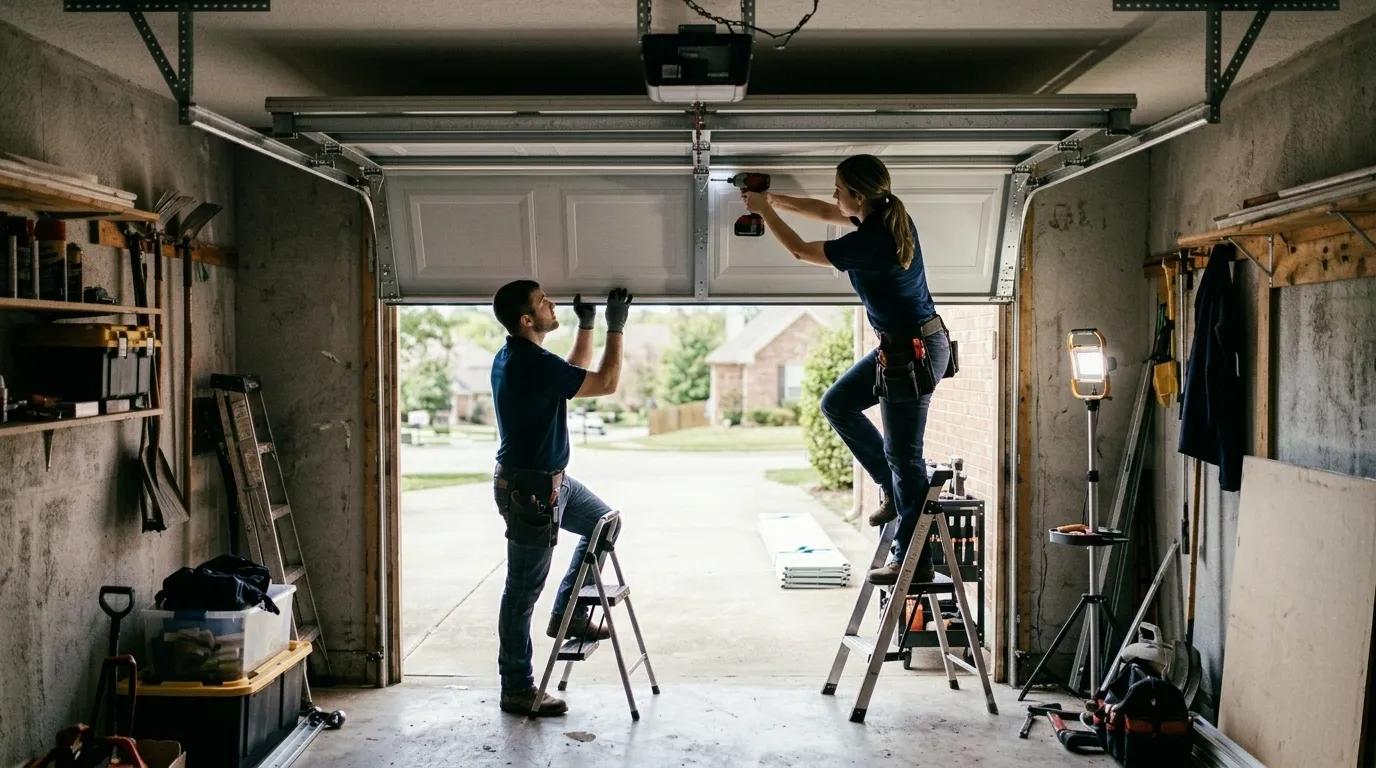
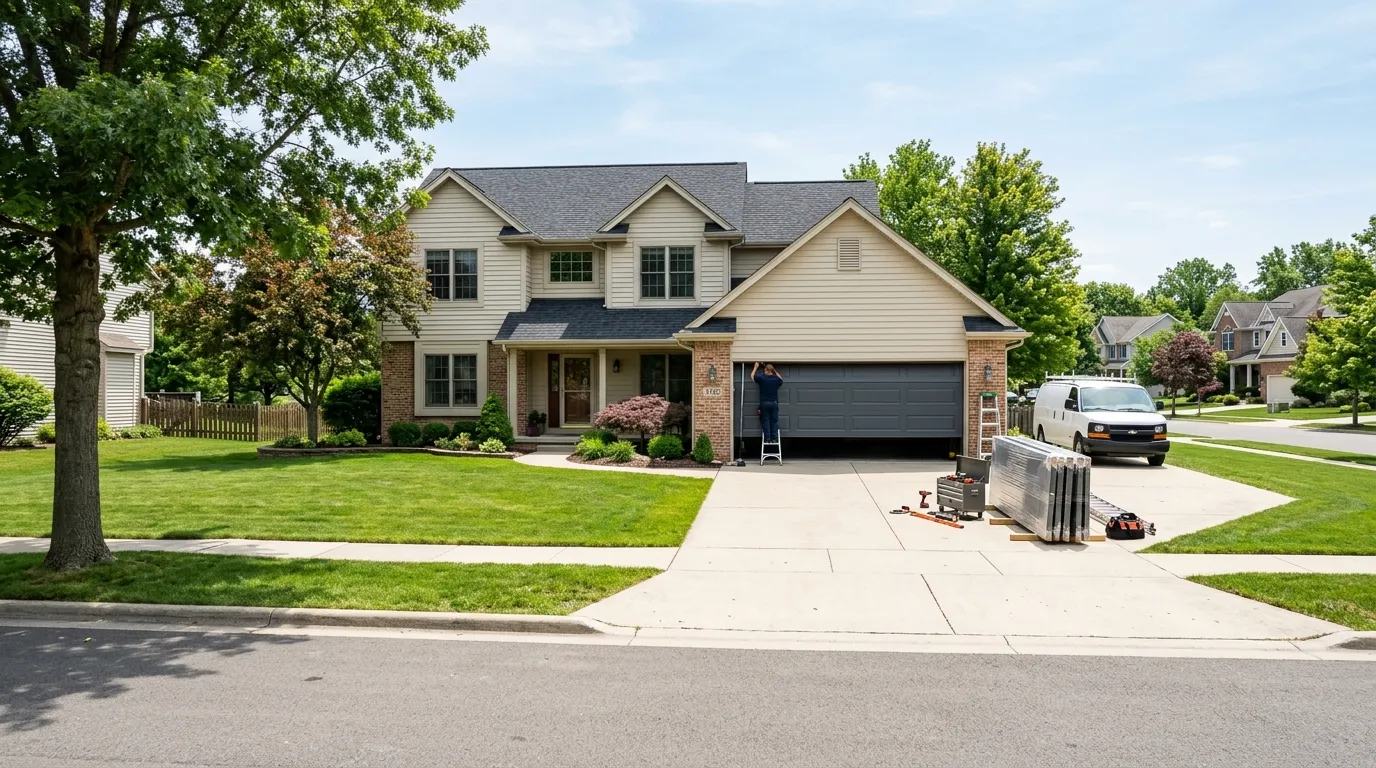
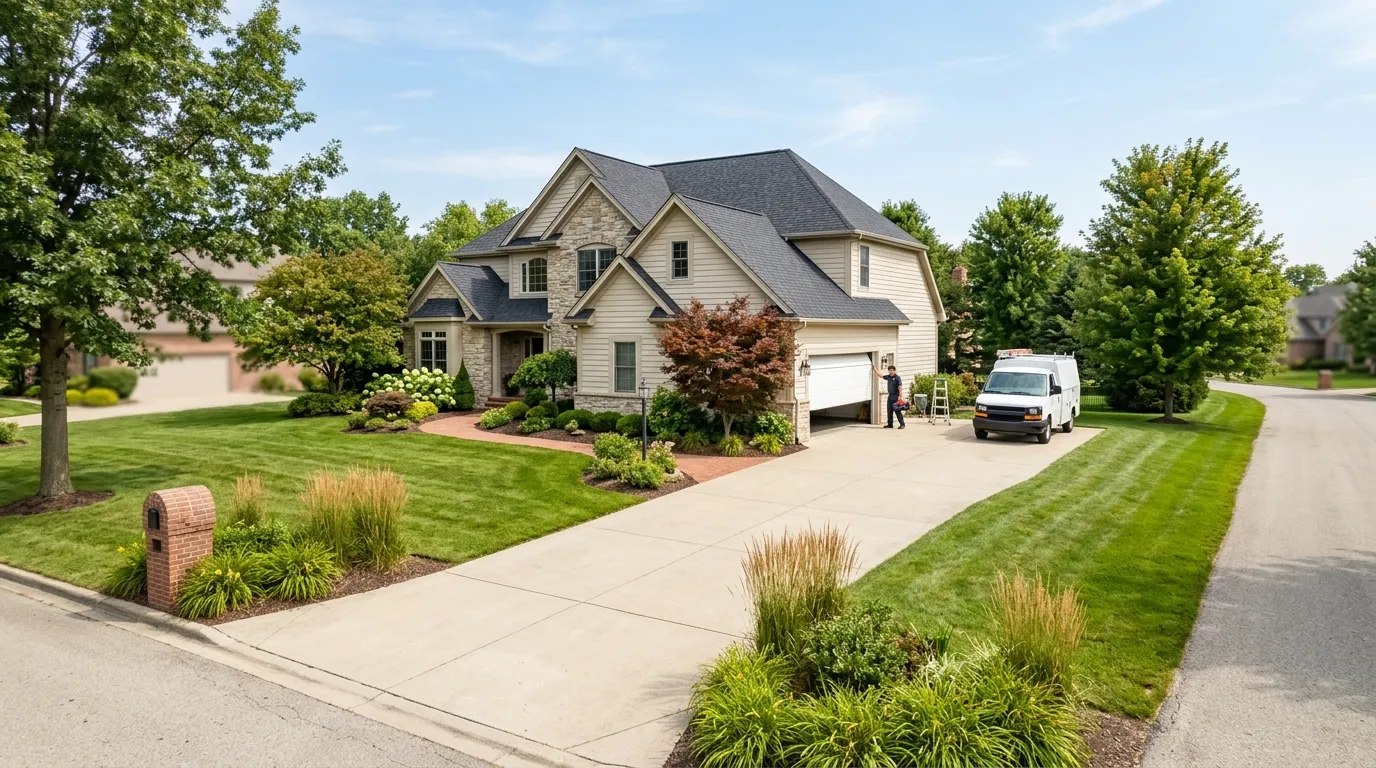
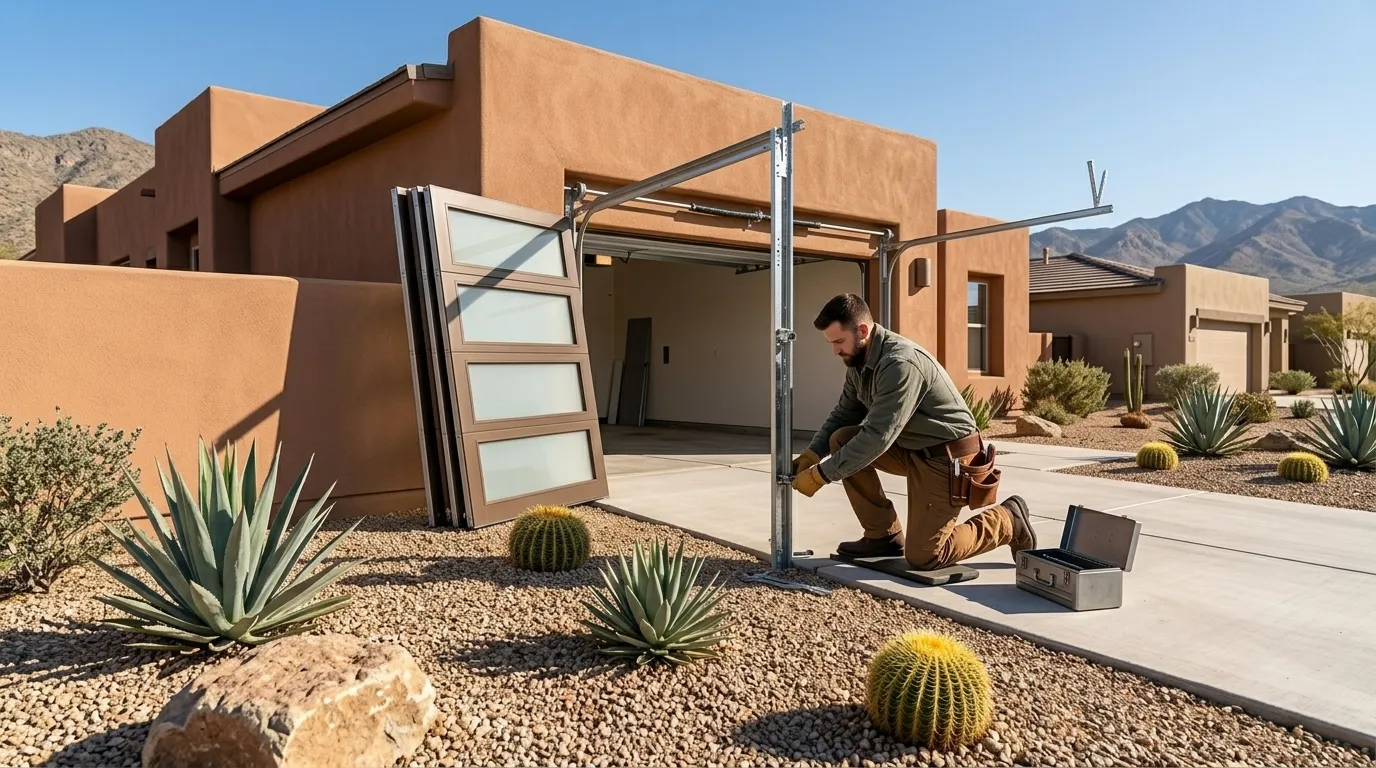
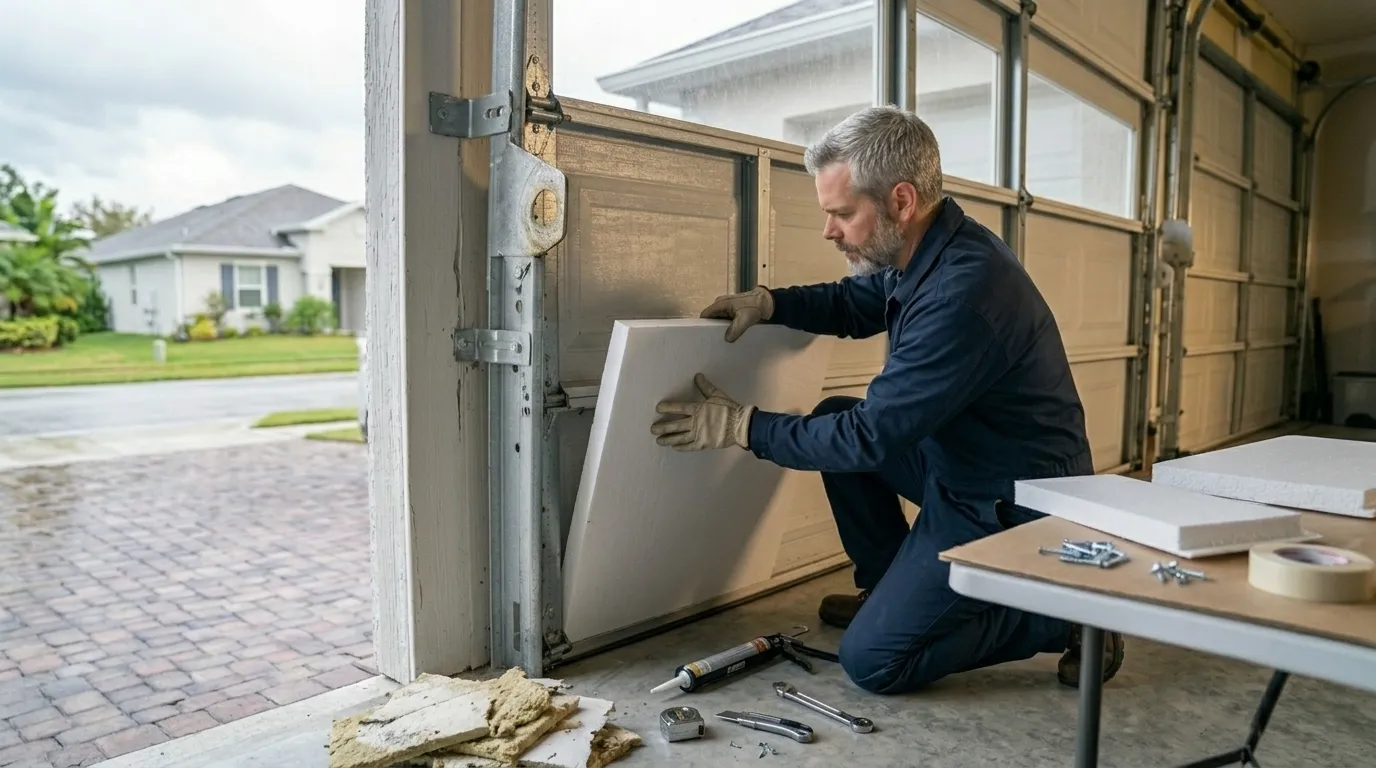
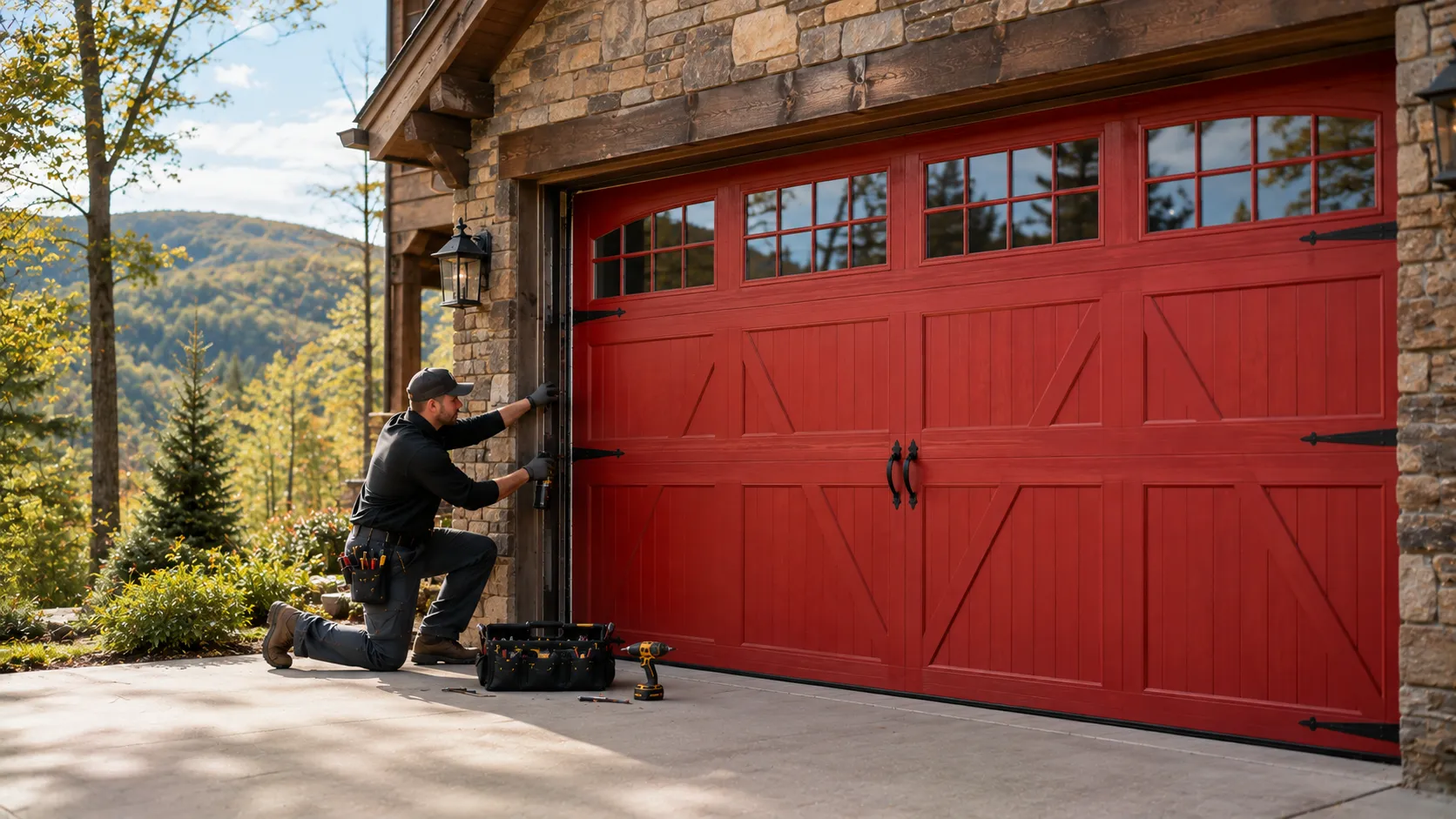
The drive out to Hinsdale from our Morton Grove shop runs about 18 miles, so a spring call here isn't a same-block job - it's a planned trip, and we load the truck for what Hinsdale actually has rather than guessing on the way. That matters because Hinsdale's housing stock skews newer than a lot of the towns we cover closer to home; the area median year built across our whole service territory sits around 1963, but Hinsdale's own median is 1979. That's a meaningful gap. Doors from the late 1970s and 1980s came standard with heavier torsion springs on wound steel shafts rather than the lighter side-mount extension setups you still find on the 1940s and 50s housing stock elsewhere in the territory. We stock torsion springs in the wire sizes that match that era, plus the standard extension pairs for the handful of older properties mixed into the newer subdivisions. We don't carry every obscure spring size on the truck - some low-headroom or oversized commercial-style springs need an order, and we'll tell you that up front on the phone rather than promise something we can't hand you that day.
Because the trip out is real mileage, we try to diagnose as much as we can before we leave the shop - spring type, door weight, whether it's one spring or two - so the visit isn't wasted on a guess.
What Causes It Around Here
This whole area sits in a cold-moderate climate band, and torsion springs lose tension gradually with repeated cold-to-warm cycling - the steel fatigues faster with big temperature swings than it does in a mild climate. On a door installed around 1979 or later, that's roughly four-plus decades of seasonal cycling on the same spring if nobody's replaced it, and most residential torsion springs aren't built to last that long regardless of climate.
Household income across our territory runs a median of $105,995, but Hinsdale's own median is well above that, north of $250,001. That doesn't change the physics of a spring, but it does mean we see more owners here choosing full torsion conversions or dual-spring upgrades rather than a bare minimum fix - house value and garage door condition tend to track together in a market like this.
How It Shows Up
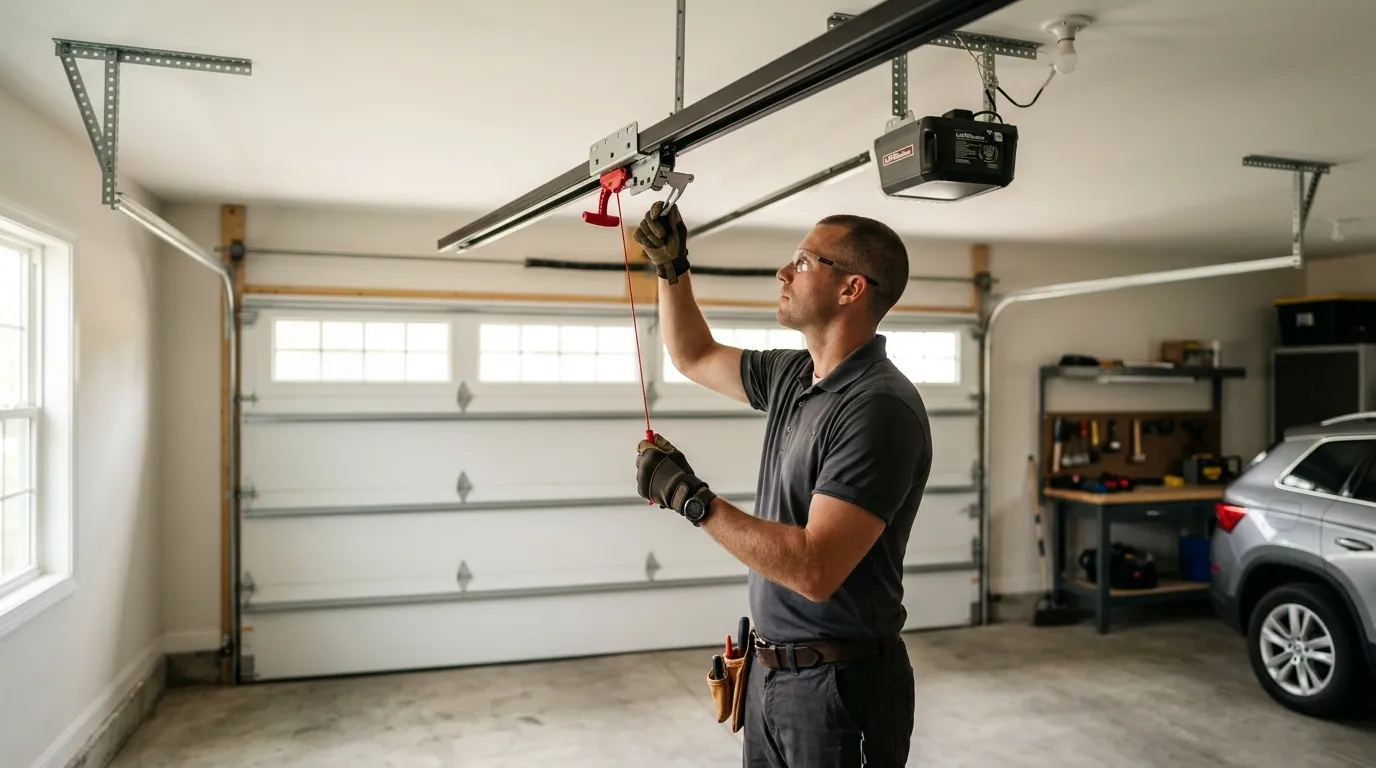
The classic sign is a door that won't budge with the opener running, or one that slams down hard on the last foot of travel instead of settling. If you hear a loud bang from the garage and the door won't lift by hand afterward, that's almost always a broken torsion spring, not an opener problem - don't keep hitting the remote button, since that just burns out the opener motor trying to lift dead weight.
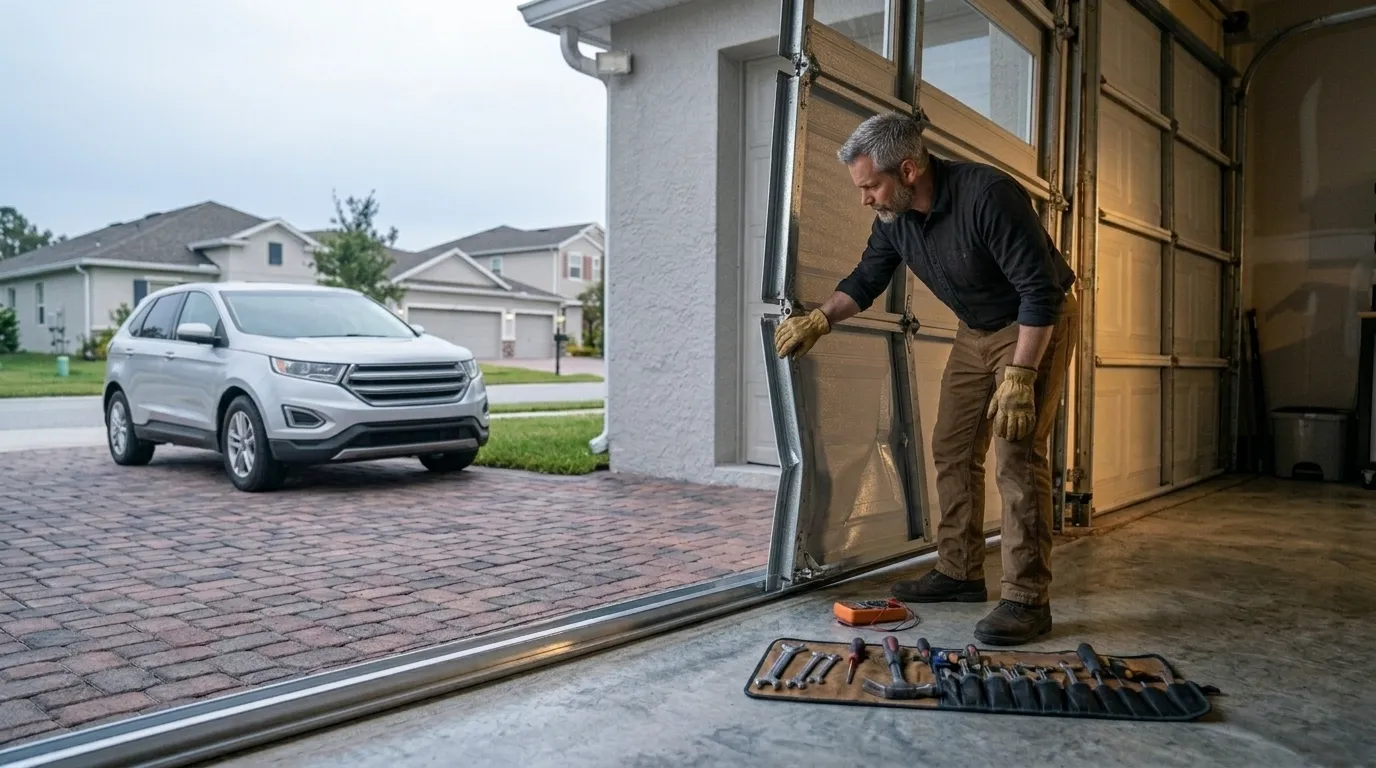
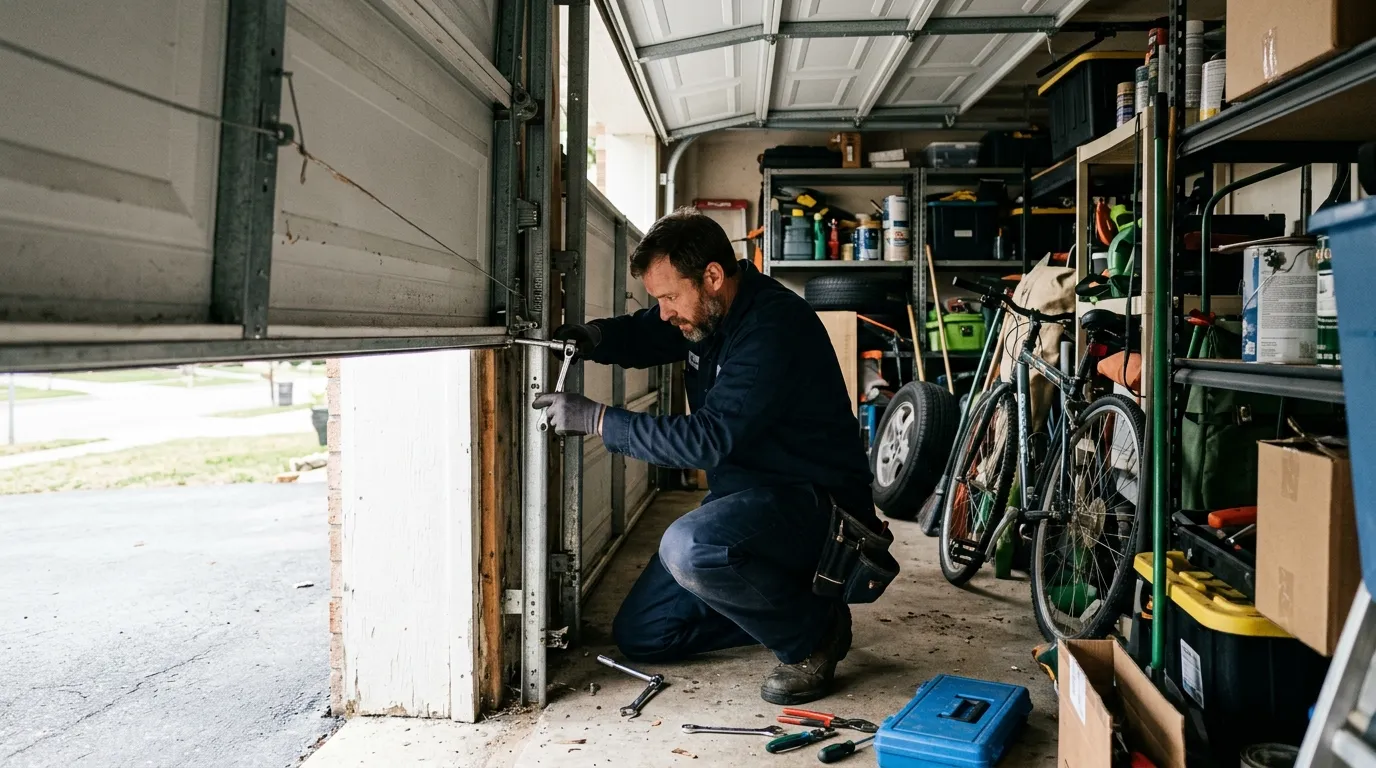
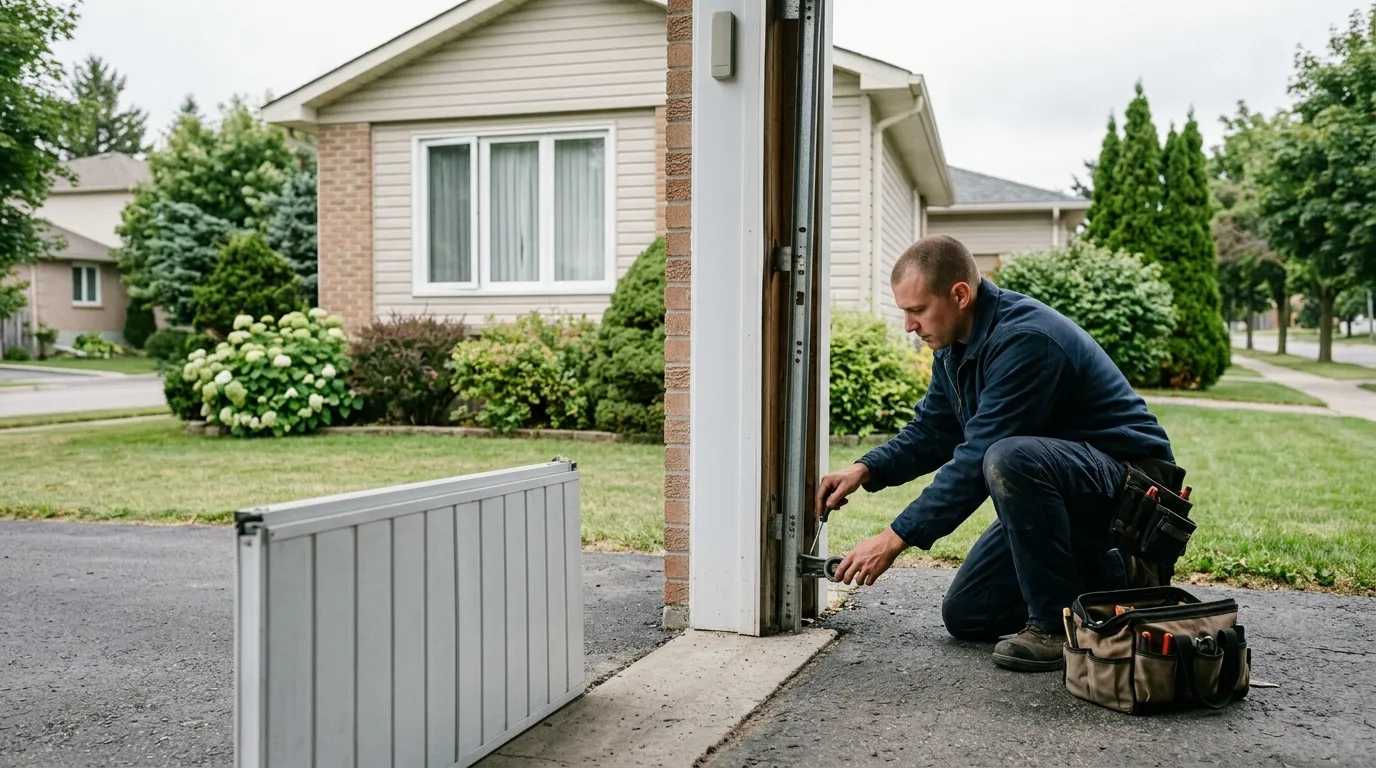
On older extension-spring setups, the failure is quieter: one side sags, the door goes up crooked, and a cable can jump the track. Either way, once a spring's gone, the door is genuinely dangerous to operate by hand - a wound torsion spring under tension can cause a real injury if it's handled wrong.