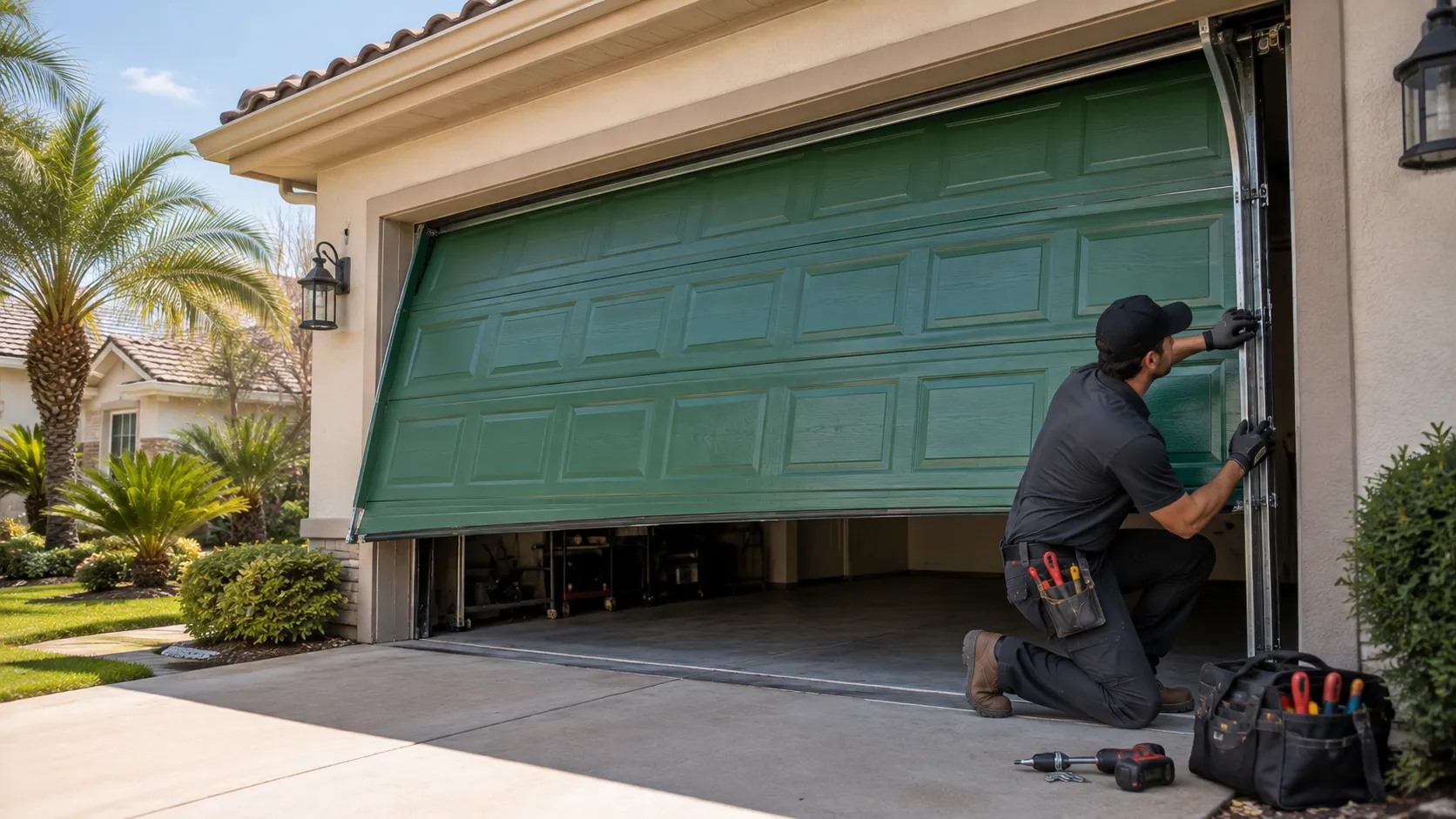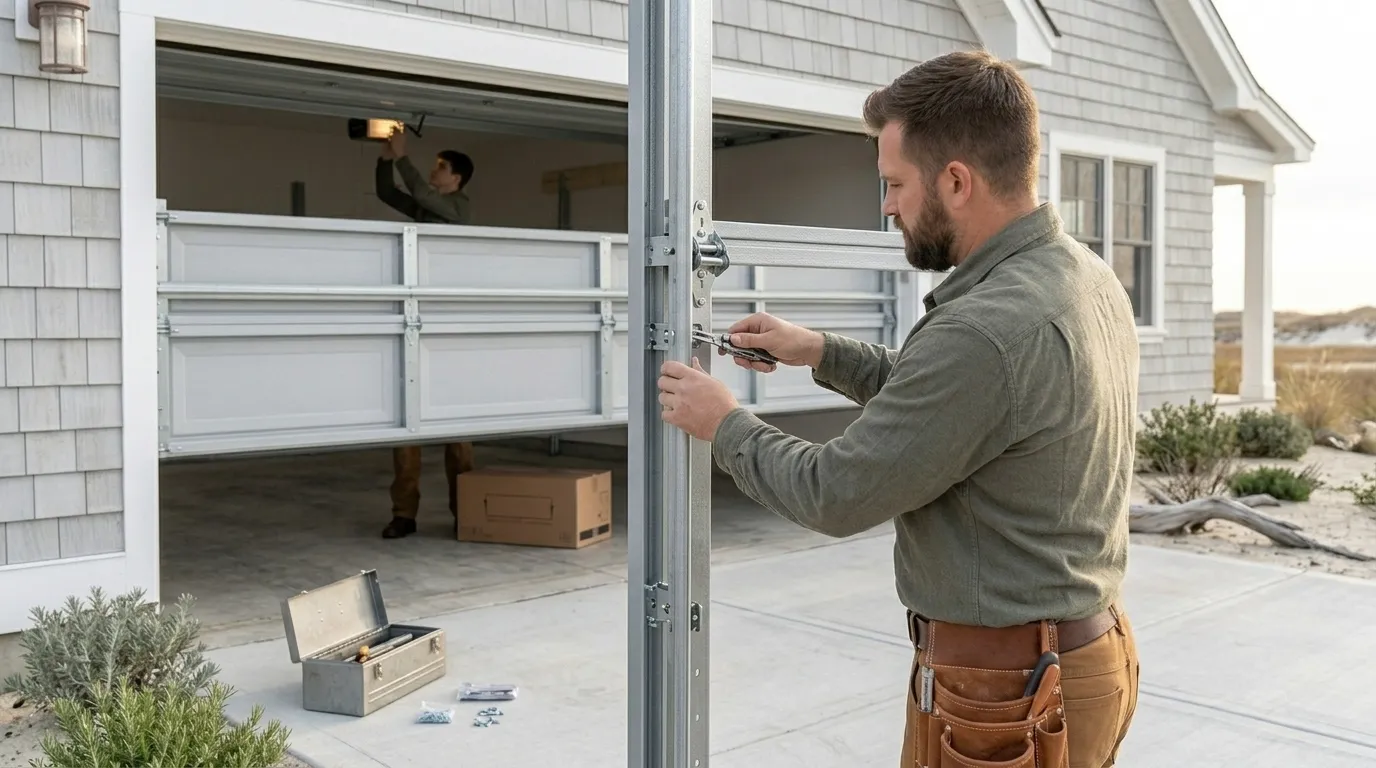
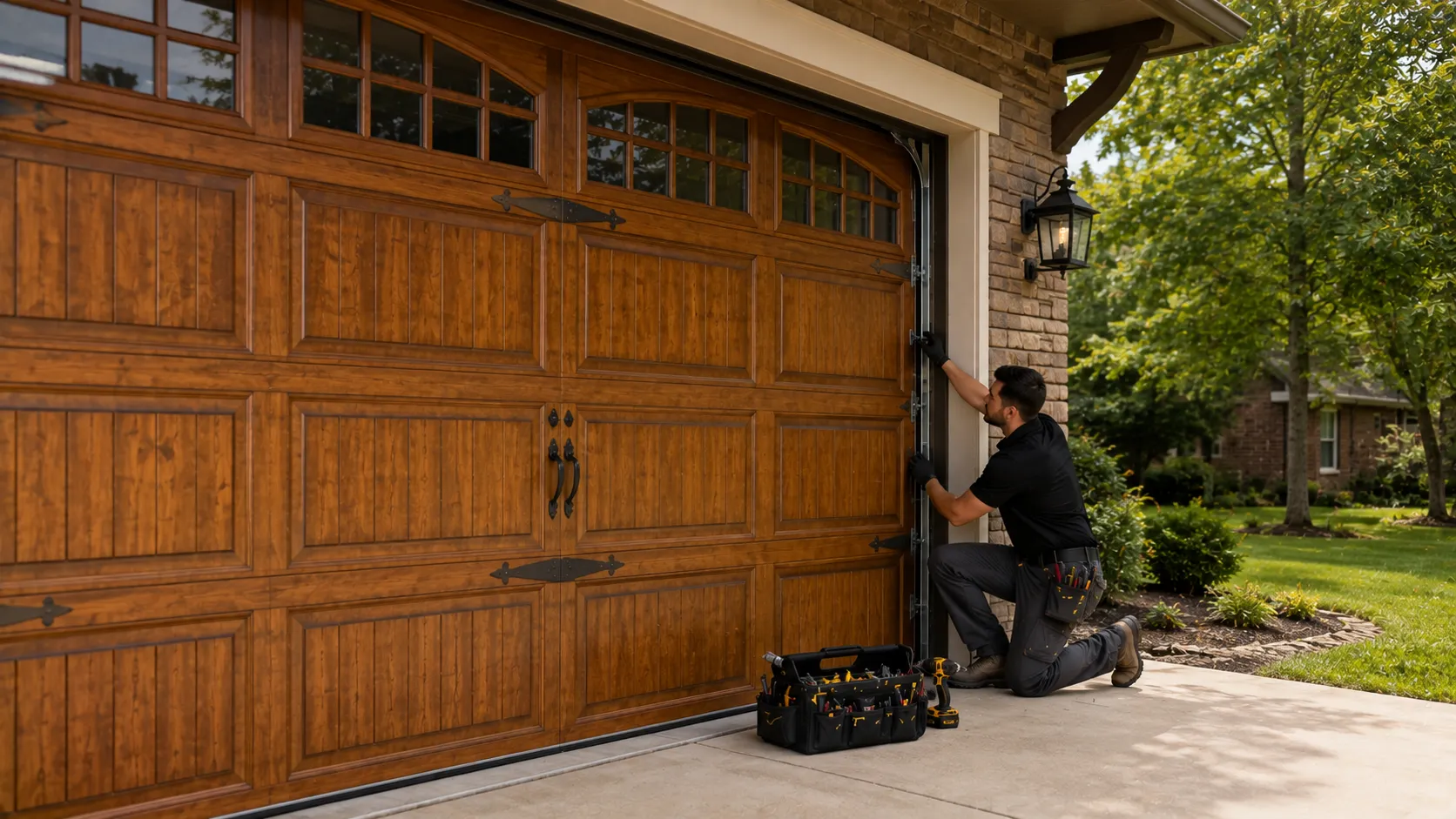
What Is on the Truck
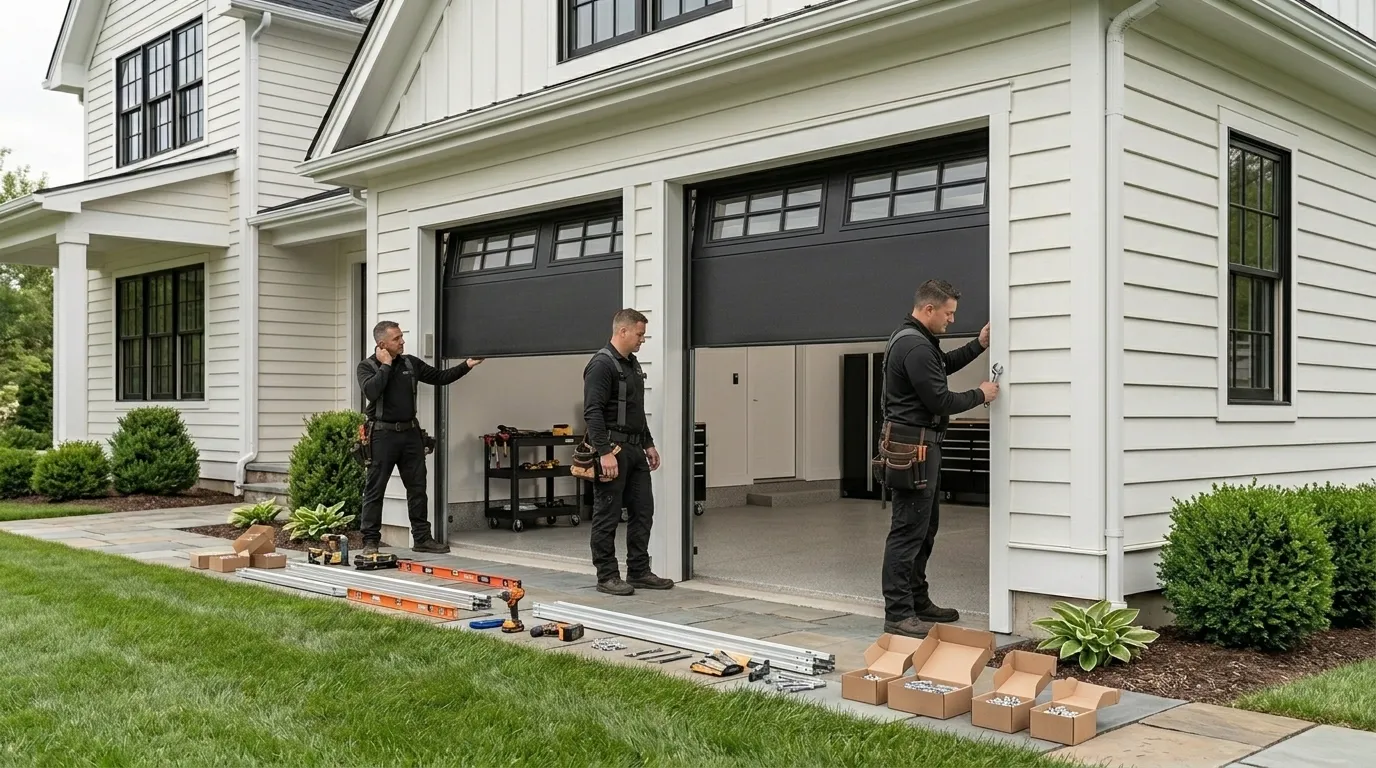
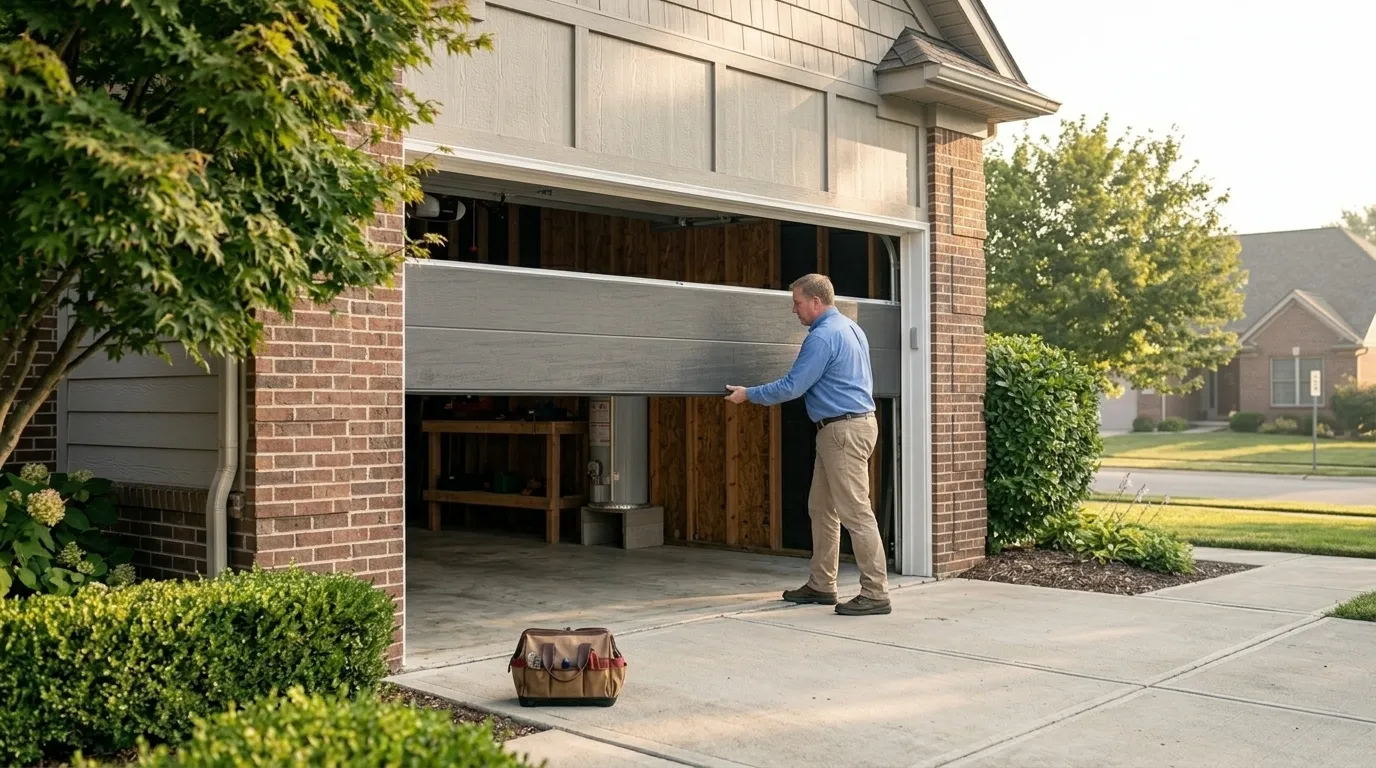
Hinsdale is a smaller town than most of what we cover - about 5,640 households total, not the sprawl of a 60,000-household suburb. That matters for what we load before we head out the 18 miles from Morton Grove. A town this size doesn't generate the volume of any one fault; it generates a mix, so the truck carries a wide spread of springs, cable, and opener boards rather than a deep stack of one part. Where Hinsdale differs most from a lot of our other stops is the build date. Median year built here runs around 1979, a good sixteen years newer than the 1963 median across the wider service area we work. That later construction era generally means opener-assisted doors and factory torsion setups rather than the older side-mount hardware you find in the 1940s-through-60s pockets we also service. We still bring the older parts because the area isn't uniform, but the newer hardware is what we expect to see first at a Hinsdale address.
What Causes It Around Here
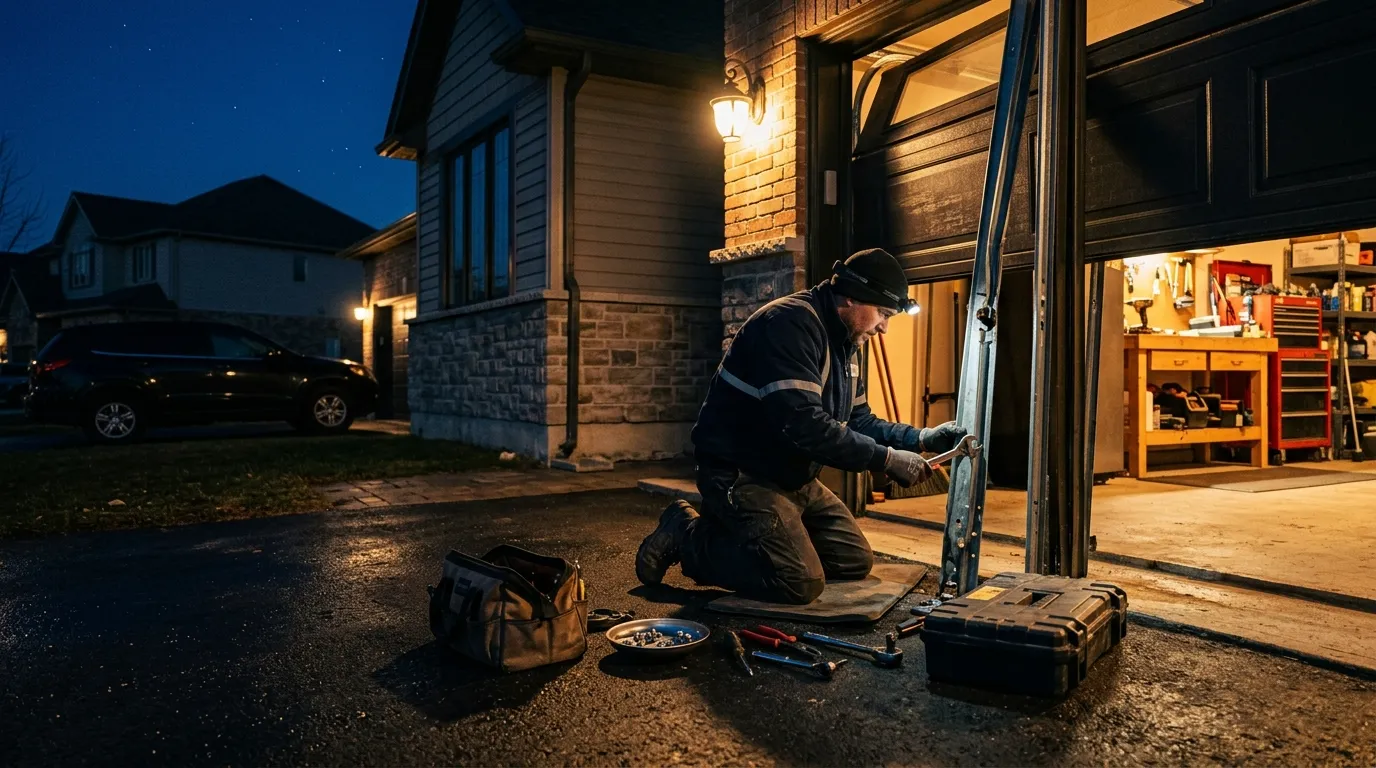
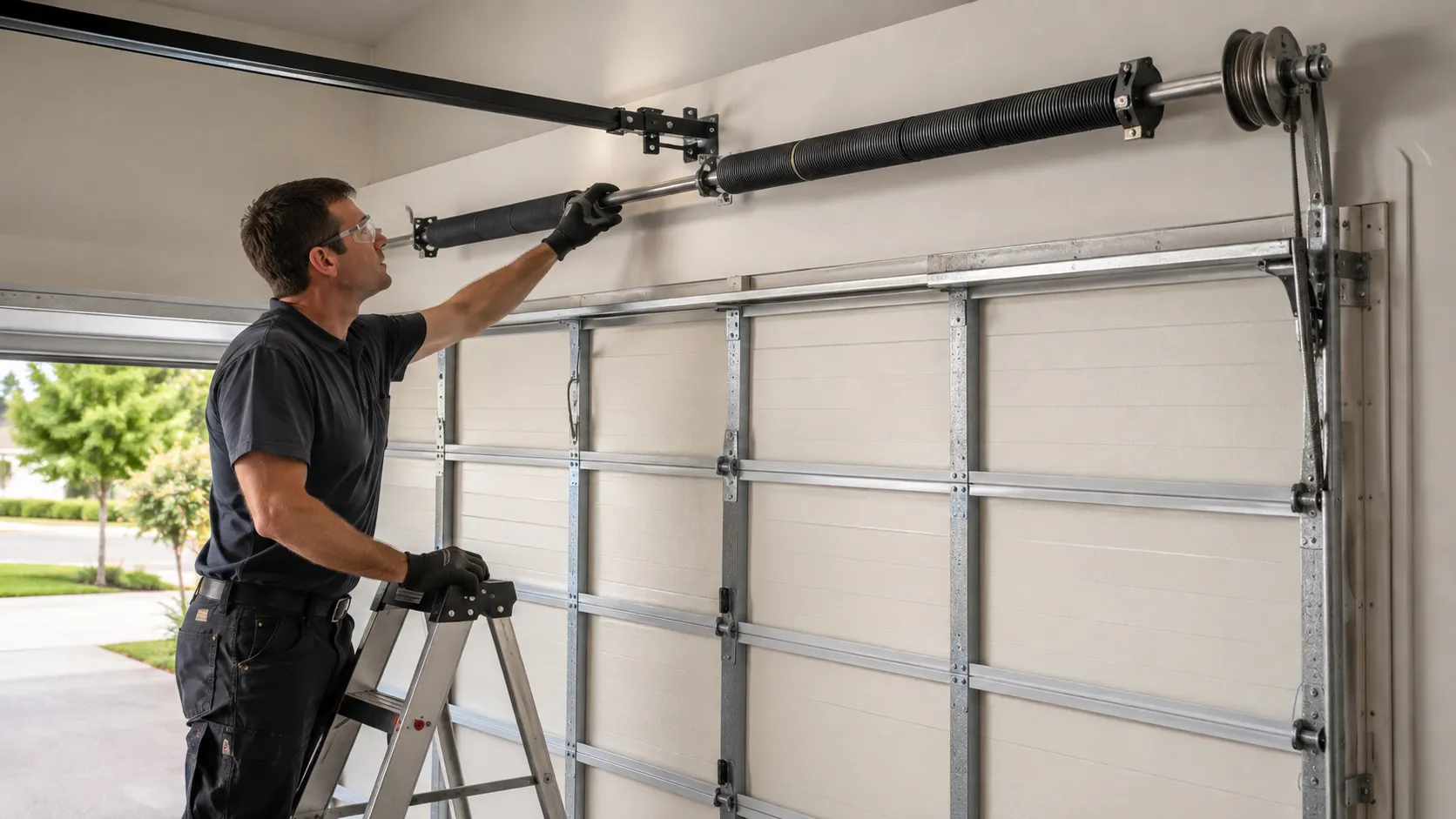
The service area sits in a cold, moderate climate band, and that's the same for Hinsdale as it is everywhere else we cover. Winter cold makes steel springs more brittle right when the door gets used hardest - cold mornings, a car that needs to get out. That's a wear pattern, not a Hinsdale-specific event; we're not claiming a storm or a freeze happened here, just that the seasonal swing is part of the region's baseline stress on hardware. Layer that on top of the 1979-era median build and you get a specific profile: factory torsion springs original or near-original to houses now pushing 45 years old, reaching the end of their rated cycle count right around when the cold makes a weak spring fail outright instead of just squeaking. Newer opener boards in these houses also mean logic-board failures and sensor misalignment show up more than the manual, cable-drum trouble that's common in the pre-1960s stock elsewhere in the territory.
How It Shows Up
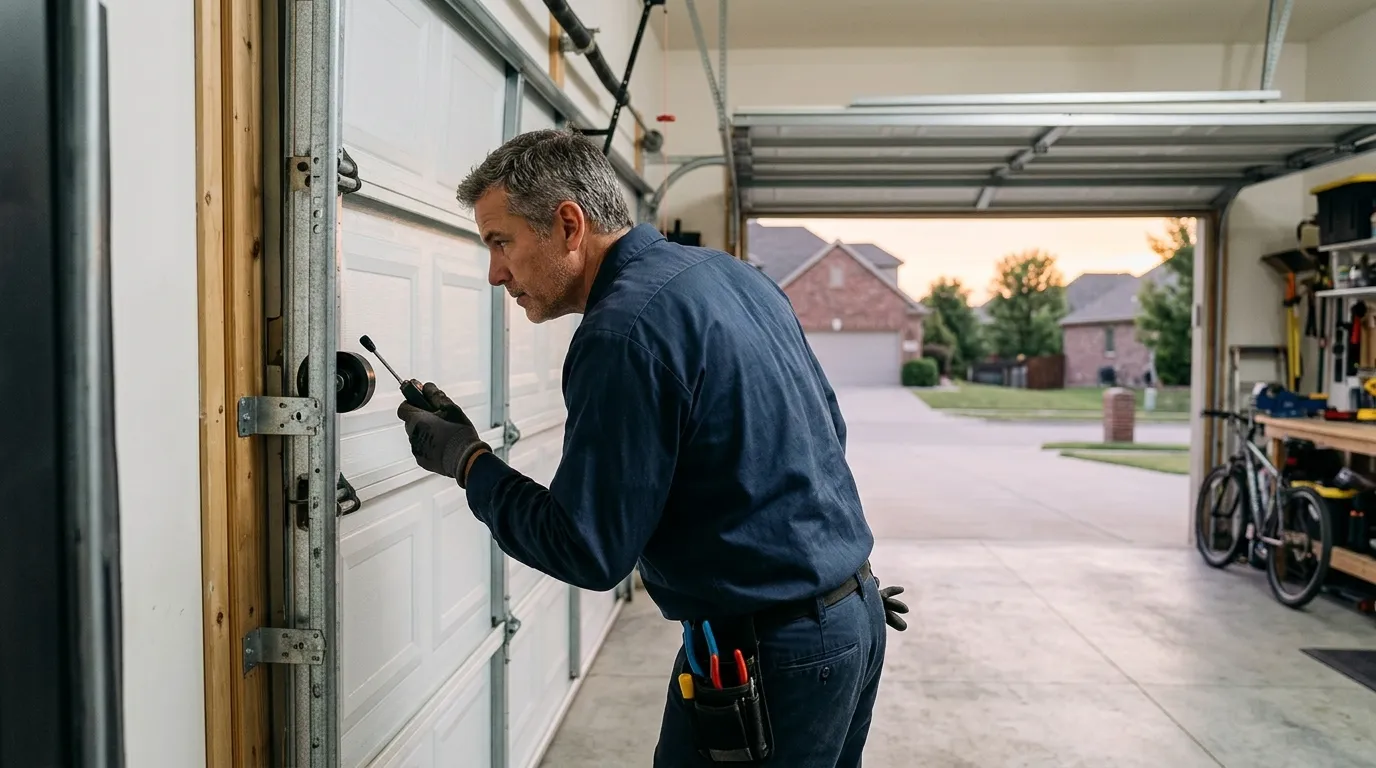
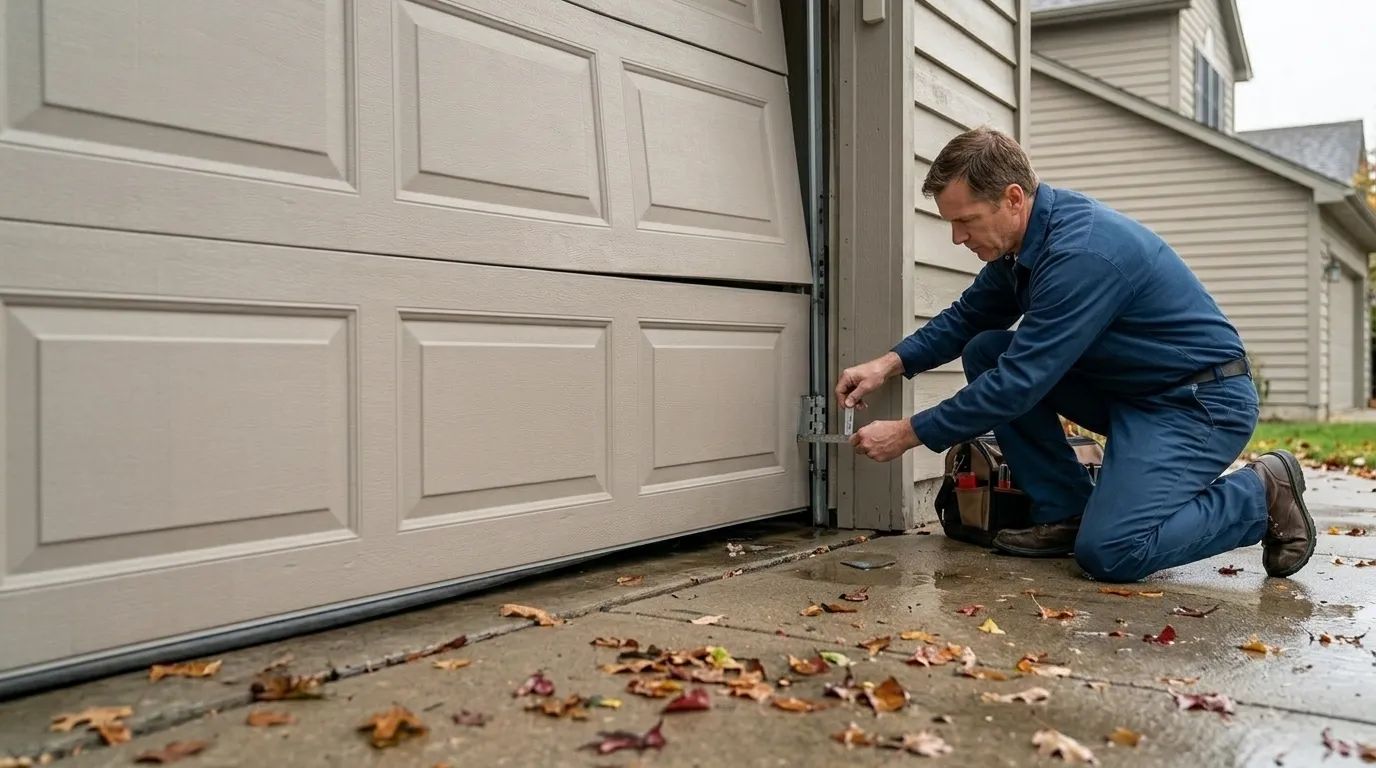
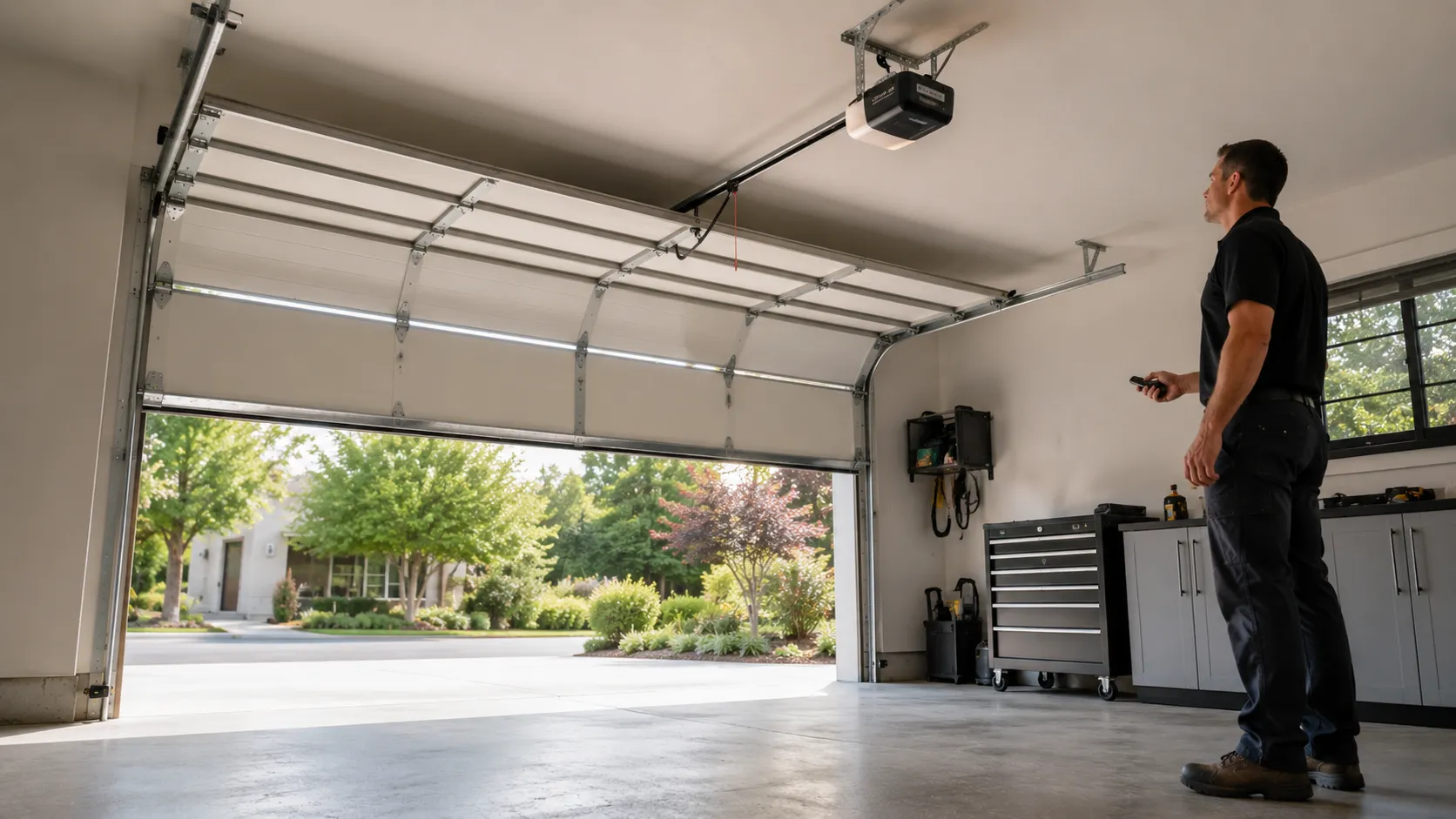
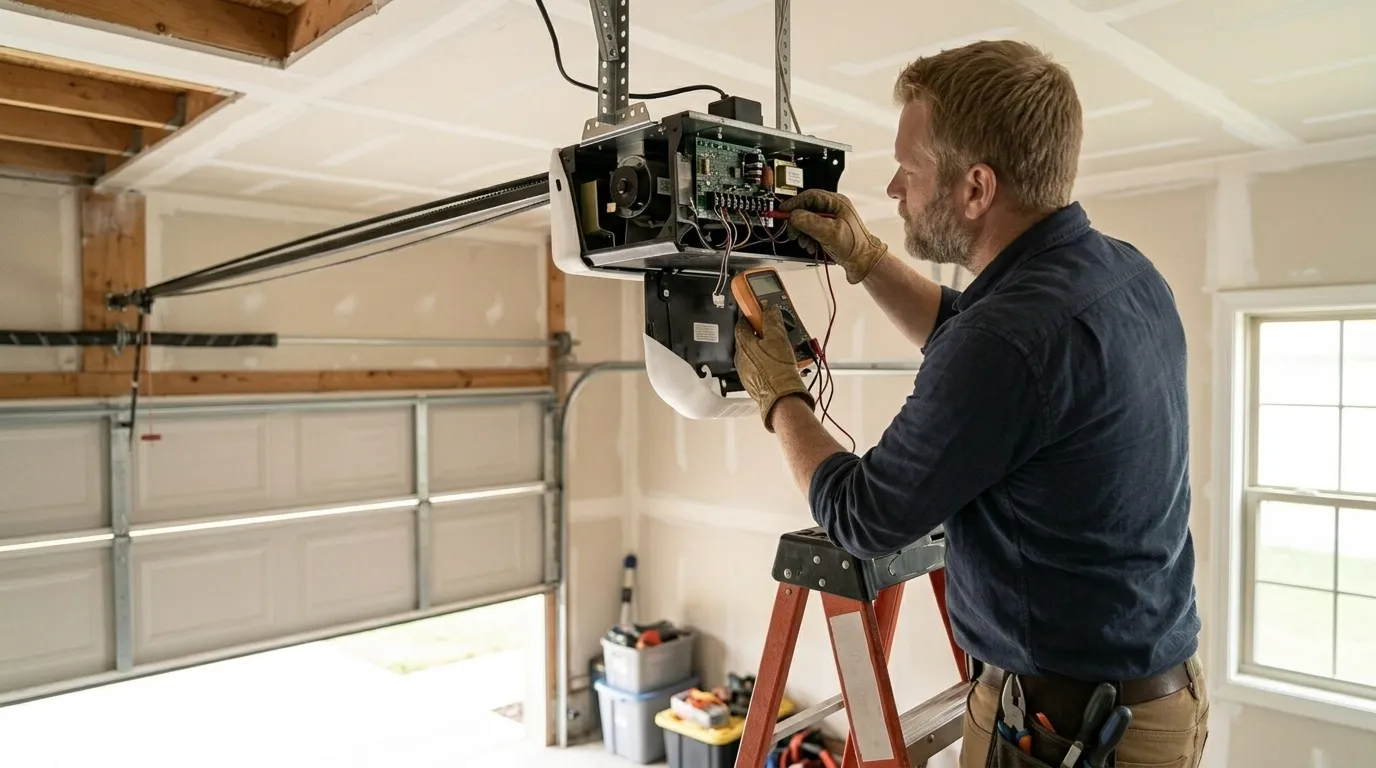
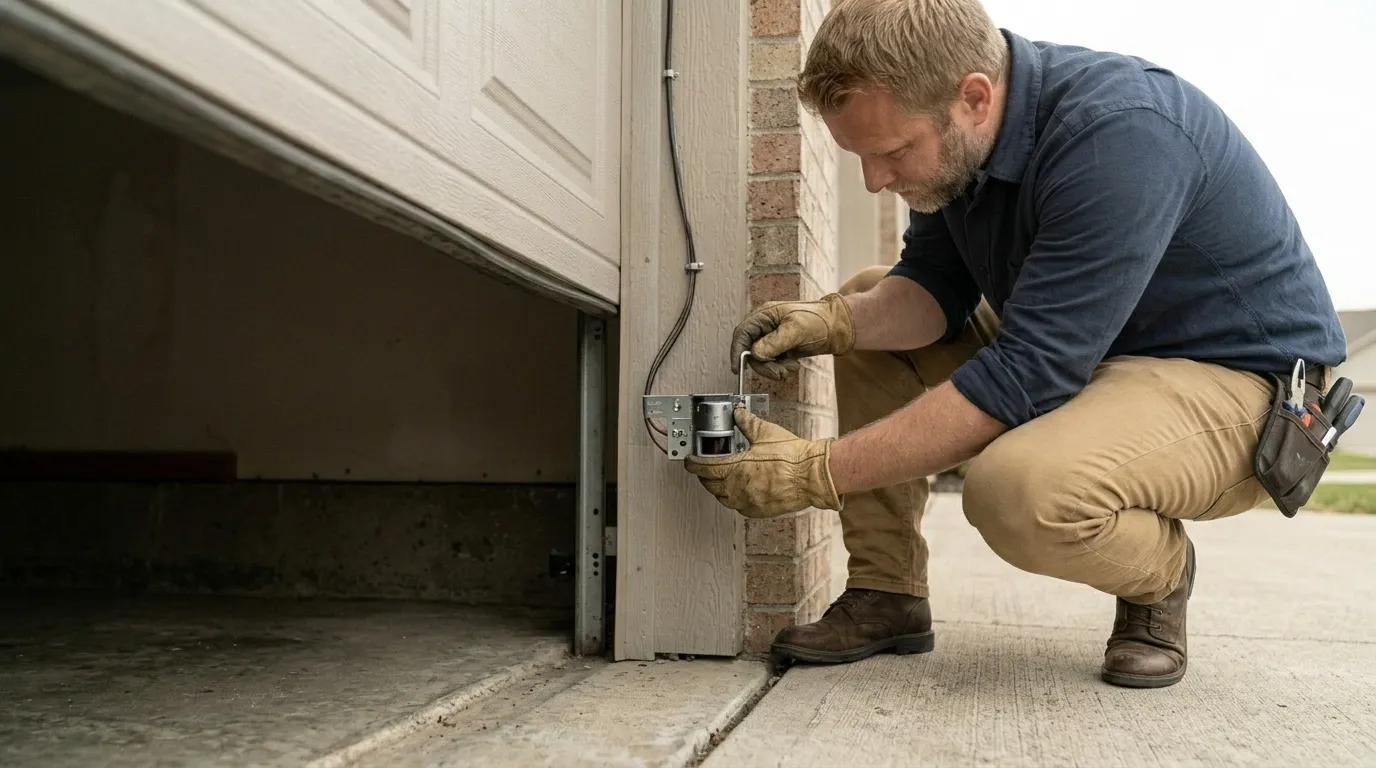
On a torsion setup - the more common find in Hinsdale given the build era - the door usually goes quiet and heavy at once. The opener hums, the door doesn't move, and if you pull the release cord the door won't stay up on its own. That's a broken or badly weakened torsion spring, not an opener problem, even though the opener is what you hear straining. A second pattern in newer builds is the door reversing on its own partway down, or refusing to close at all - that's usually a photo-eye sensor knocked out of alignment or a logic board losing track of position, both more common on the opener-integrated doors that came standard once garages here started being built with automatic openers already wired in.