What Is on the Truck
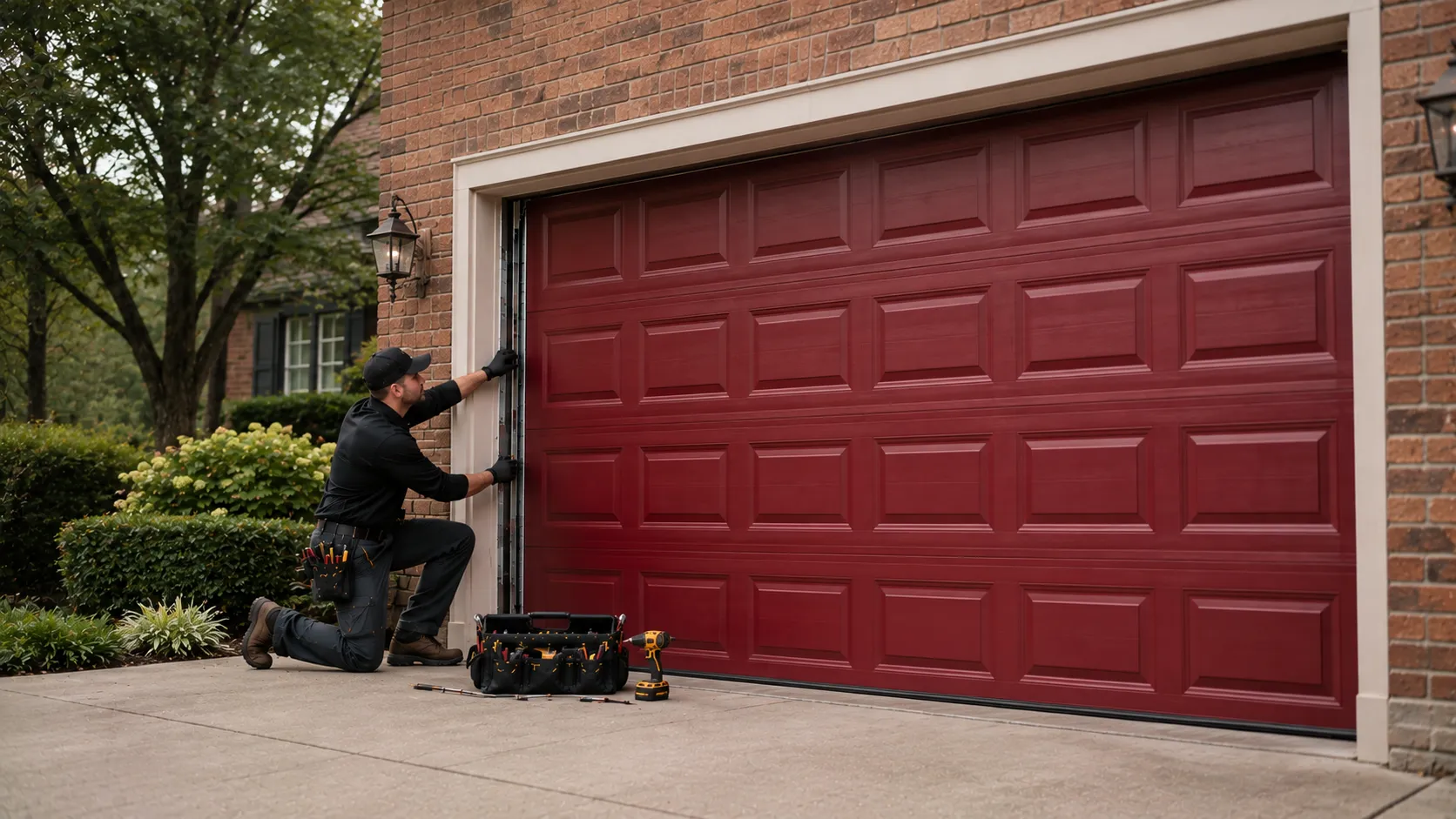
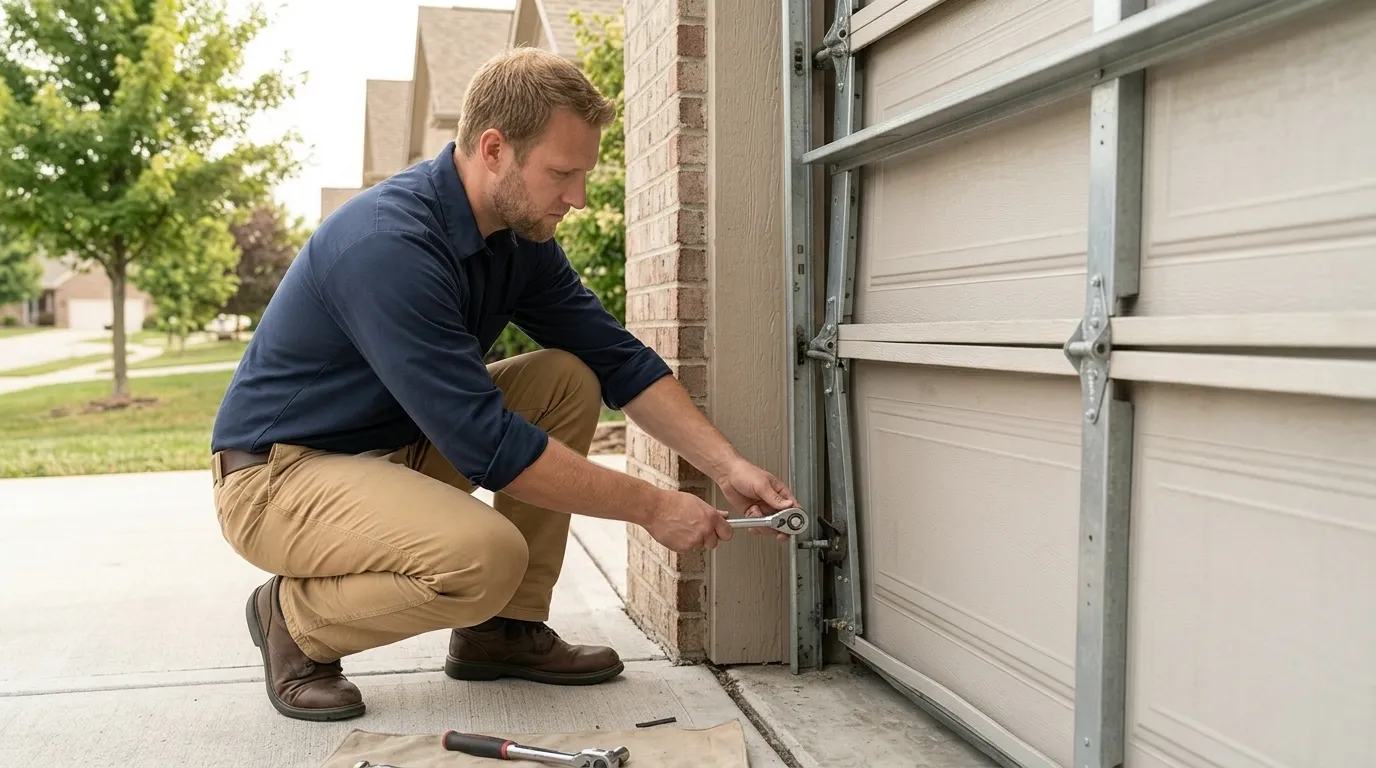
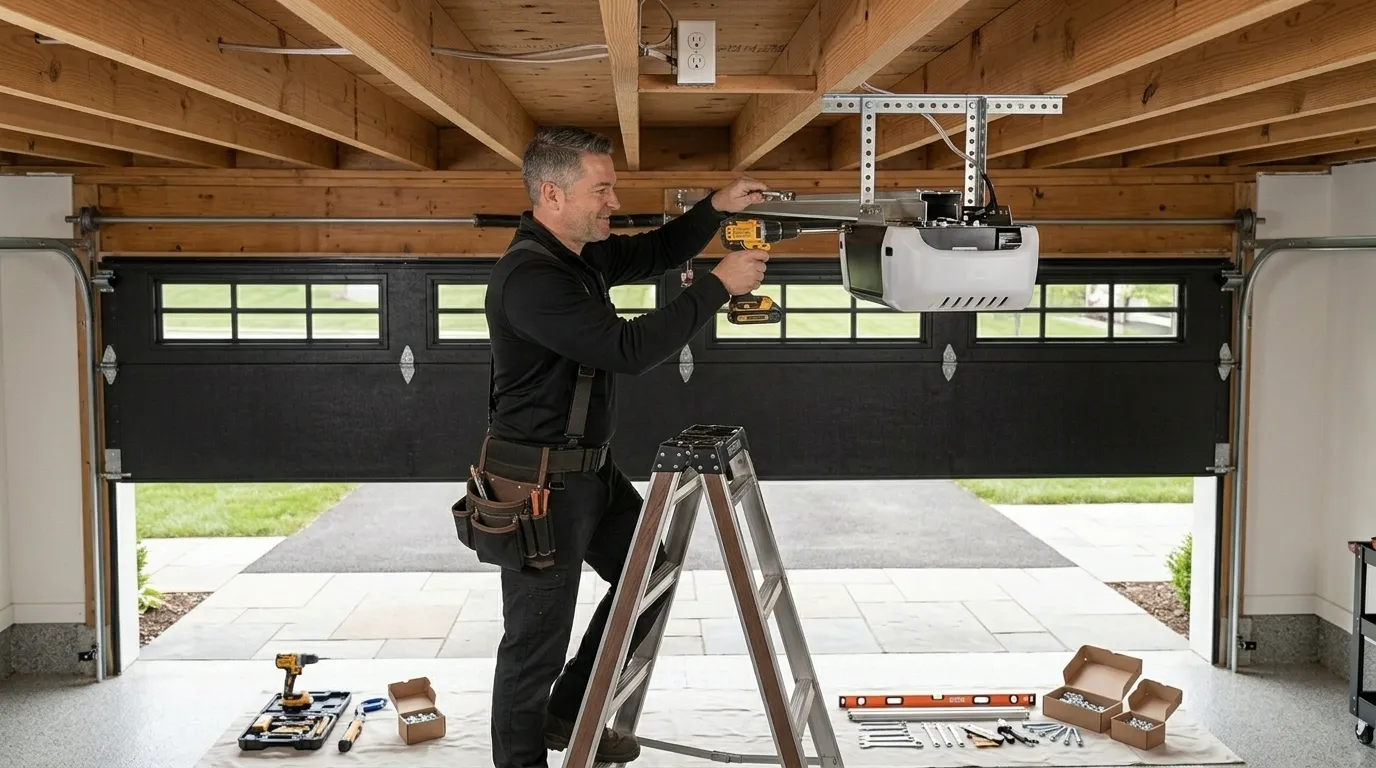
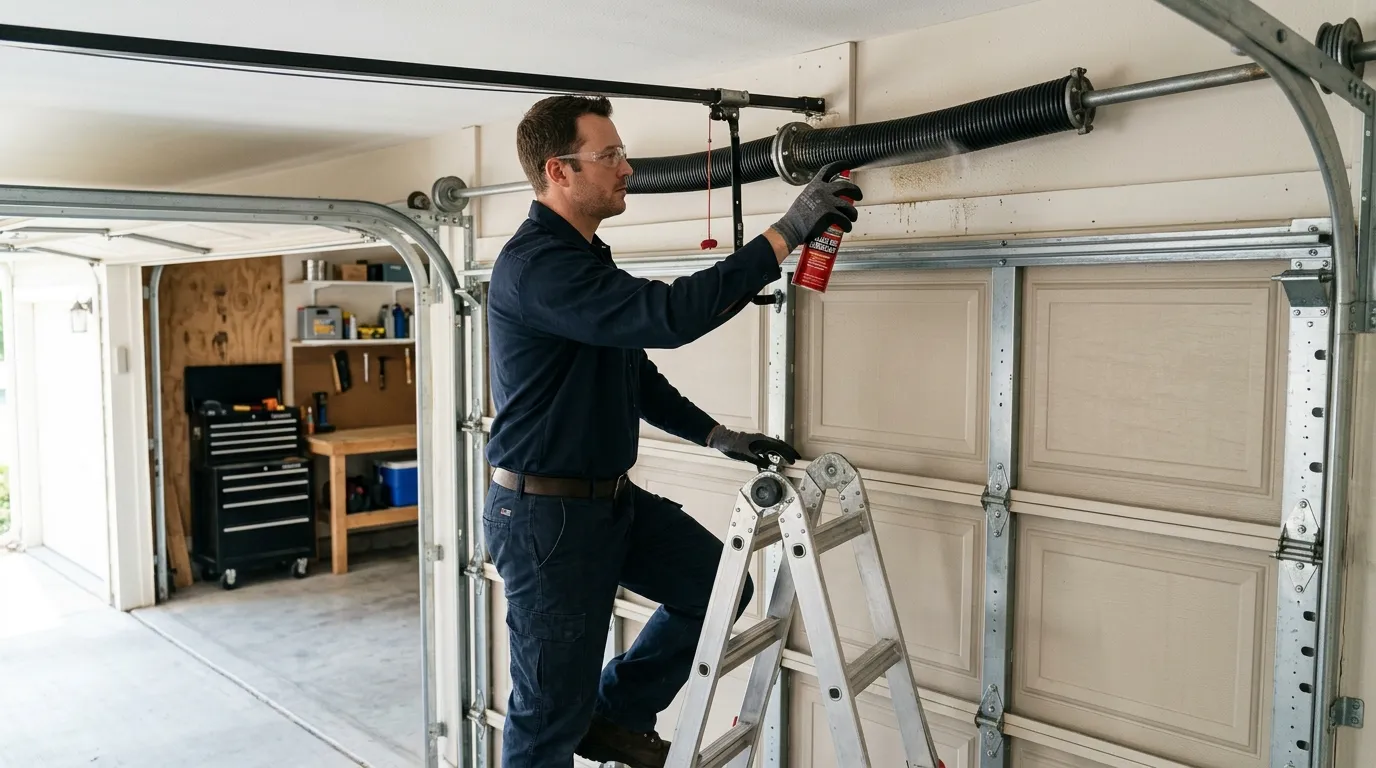
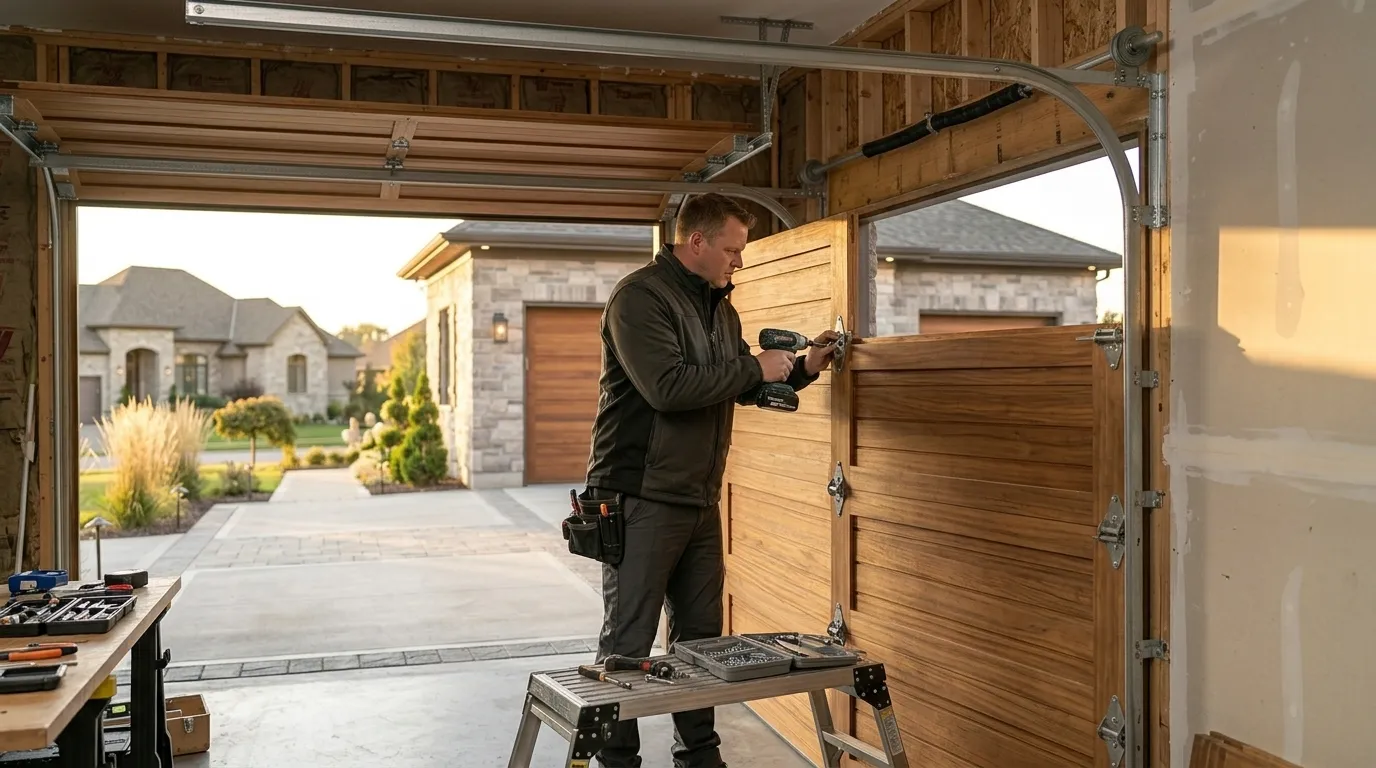
Hinsdale's commercial buildings mostly went up around 1979, which is newer than the bulk of the service area we cover from Morton Grove, where the median build year runs closer to 1963. That gap matters on a service call. A door installed in 1979 is old enough that its original torsion springs, jamb brackets, and cable drums are almost certainly still in place - nobody replaces hardware that hasn't broken yet - but it's also on the newer edge of what still uses drum-style spring systems instead of the wound-shaft setups on older stock elsewhere in the area. We carry spring cable in a range of wire gauges and drum sizes for that reason, plus jackshaft and trolley operators sized for the sectional steel doors common on buildings from that era. We don't stock every commercial opener control board on the truck; if your building runs an older proprietary system, we may need to order the part and come back for a second visit.
What Causes It Around Here
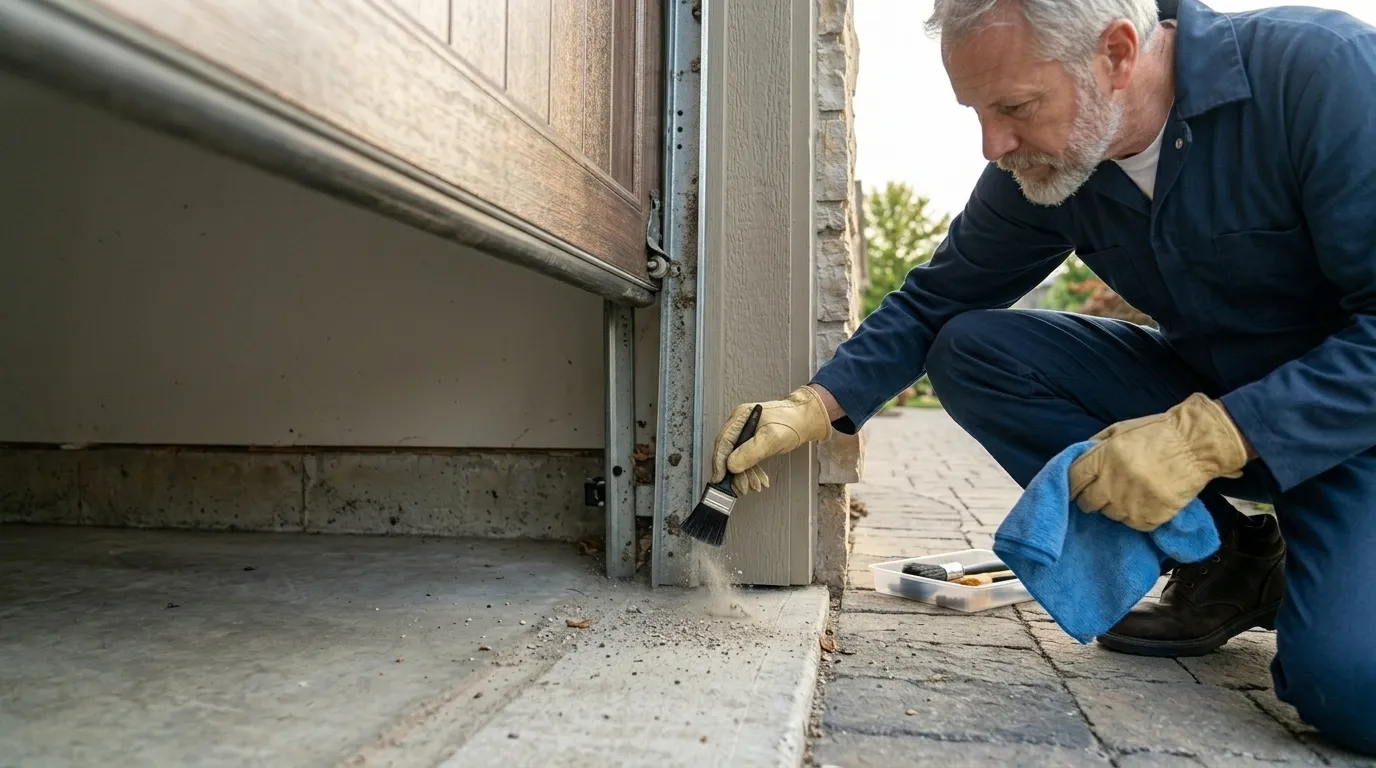
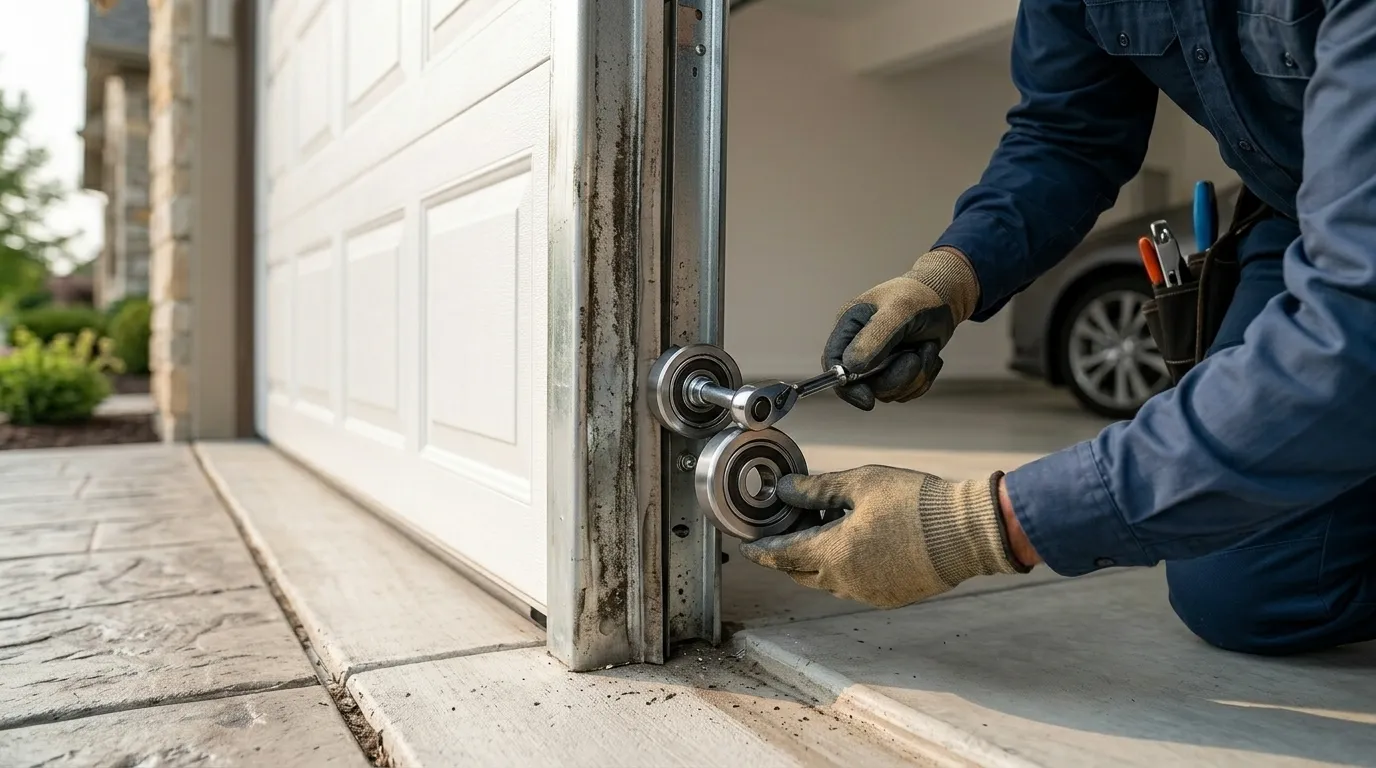
Cold-moderate winters put steady stress on commercial doors regardless of build year, but a door installed near 1979 has had roughly four and a half decades of freeze-thaw cycling on its original springs and rollers, and that's the failure point we see most on calls into this part of the area. Steel rollers on their original stems seize up in cold weather and start grinding on the track edges. Torsion springs that have never been replaced lose tension unevenly, which shows up as a door that racks to one side on the way up. On a commercial door that cycles a dozen times a day, that wear compounds faster than it would on a house door that opens twice.
How It Shows Up
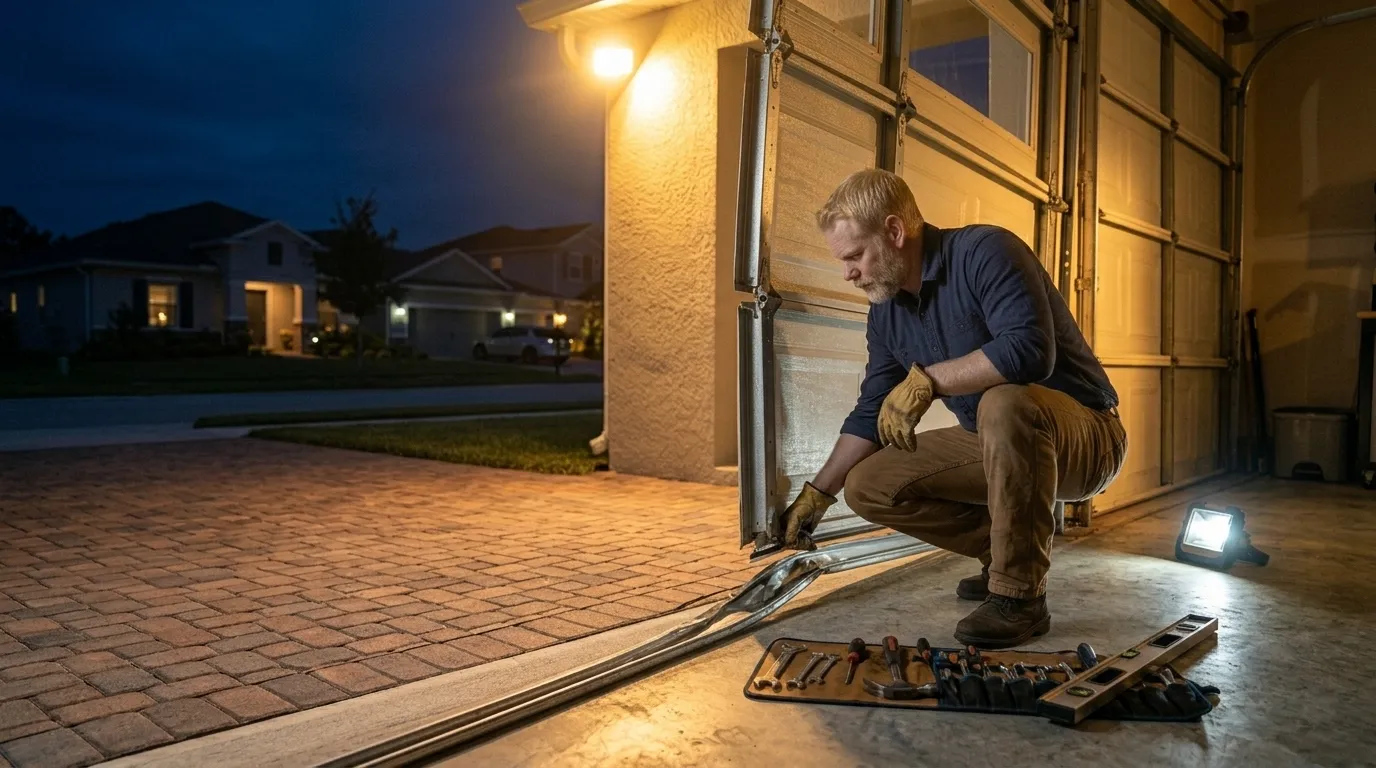
The door starts hesitating a few inches off the floor, then reverses on its own - that's usually the opener sensing resistance from a spring that's lost balance. On buildings with a jackshaft operator, you'll hear a grinding or clicking near the shaft before the door slows down noticeably. Cables under a rolled-steel door can start showing frayed strands near the drum, which is worth catching before one snaps and drops the door mid-cycle. None of this is exotic; it's just what four-and-a-half decades of daily cycling on original hardware looks like once it starts giving out.