How Long It Takes
Westchester has 7,084 households, which tells you something about the kind of commercial work that comes out of here: it's a small footprint compared to the 236,623 households across the whole territory this company covers, so the call volume from any one strip mall or warehouse row in town is light and irregular rather than constant. We don't keep a crew or a truck stationed in Westchester. Every job starts with a 14-mile drive out from Morton Grove, and we won't pretend that distance disappears or promise a fixed arrival window here that we can't back up everywhere else we go. What we can tell you is that a stuck commercial door - one blocking a loading bay or a shop front - gets bumped ahead of routine work once we know about it. If you're weighing whether to wait for a scheduled slot or call now, call now; a door that's already jammed rarely improves on its own overnight.
What Causes It Around Here
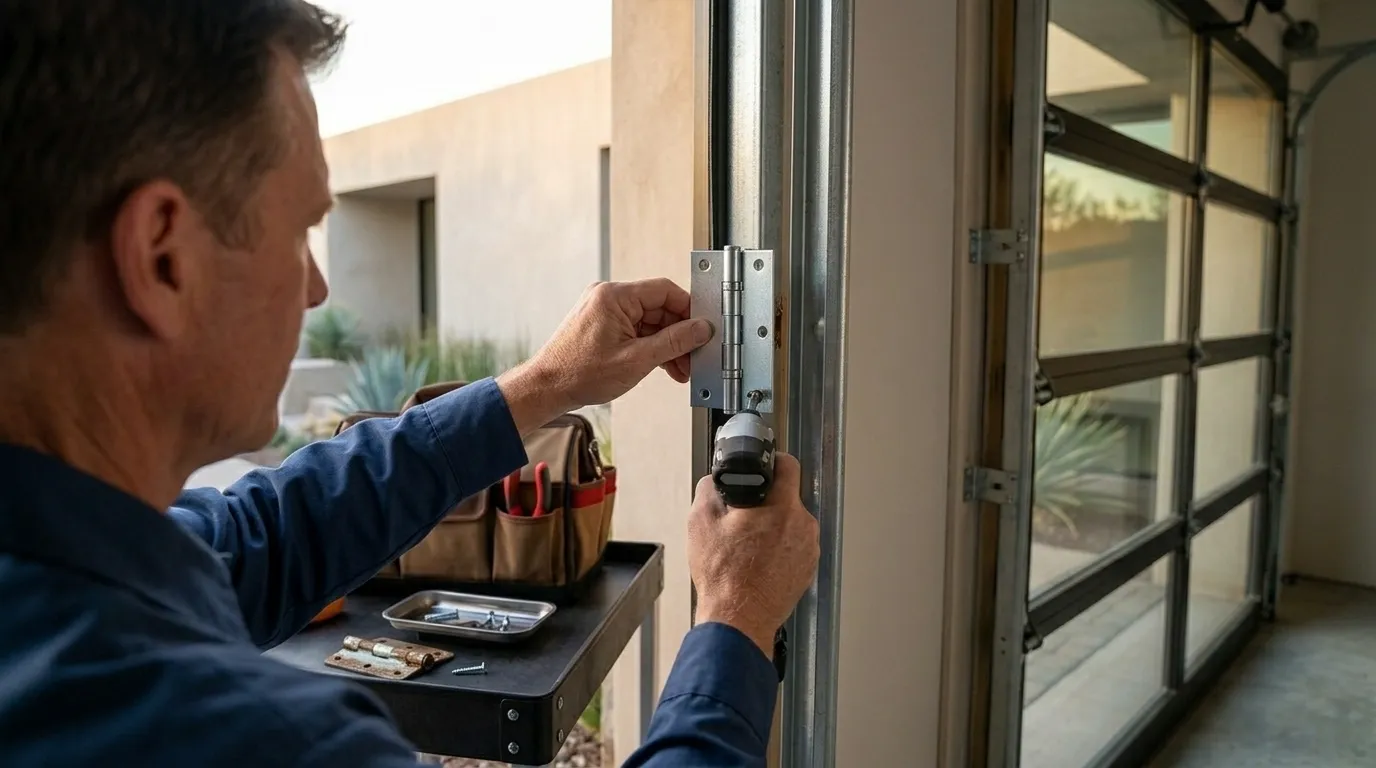
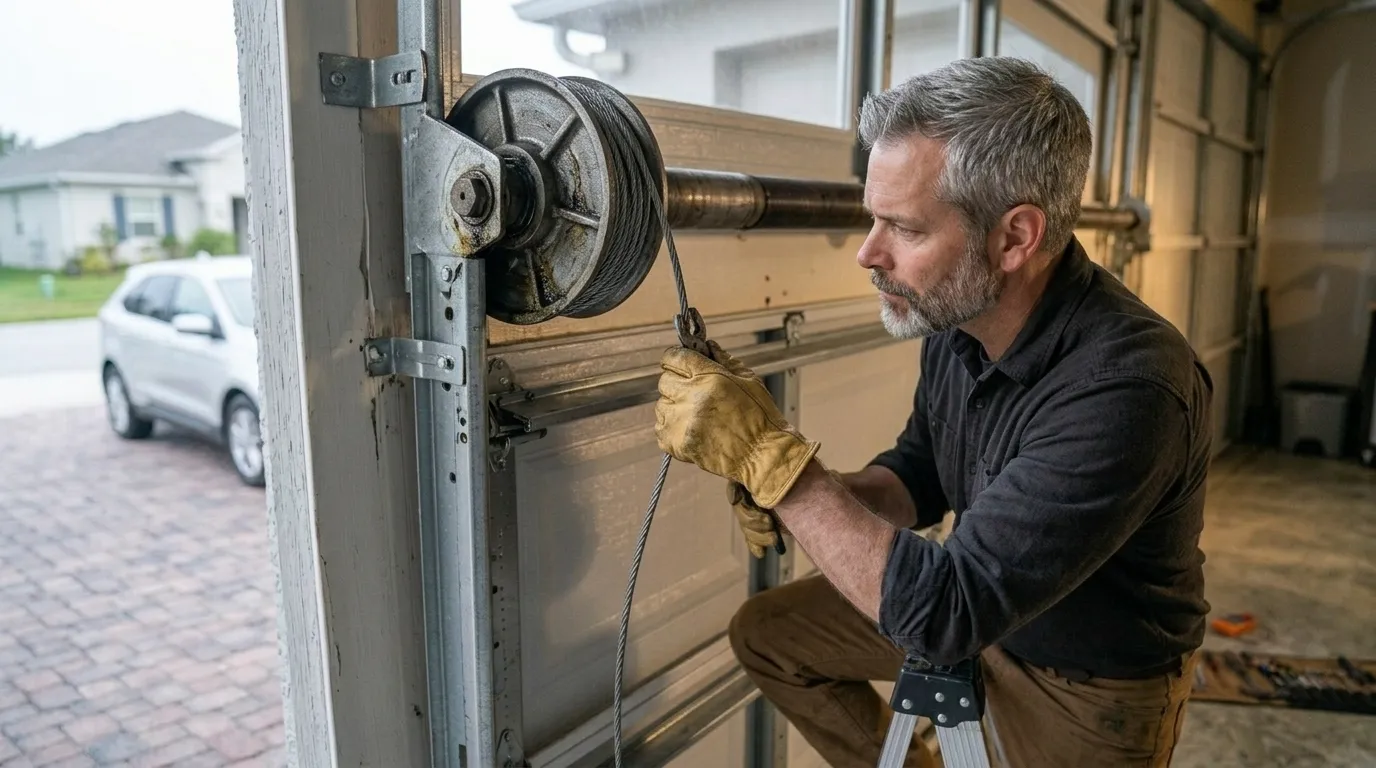
The area around Westchester built out with a median home year of 1957, six years ahead of the 1963 median across the wider territory, and the commercial buildings that went up alongside those houses in the same stretch of the 1950s and early 1960s tend to carry doors and drive hardware from the same generation of construction. That means steel sectional doors on older extension-spring or early torsion setups, sometimes retrofitted with a chain-drive opener bolted on later rather than designed in from the start. Westchester is one of roughly 62 named communities this company covers that were mostly built out in the 1960s and 70s, but its own stock runs a touch older than that average, which shows up as more of the original hardware still hanging on past its expected life. Add the cold-moderate climate band this whole area sits in, and you get the usual pattern: galvanized coating worn through on cables and springs from seasonal temperature swings, panels that have taken a winter's worth of contraction and expansion, and hinges that have loosened from years of that cycle rather than from one bad storm.
How We Fix It
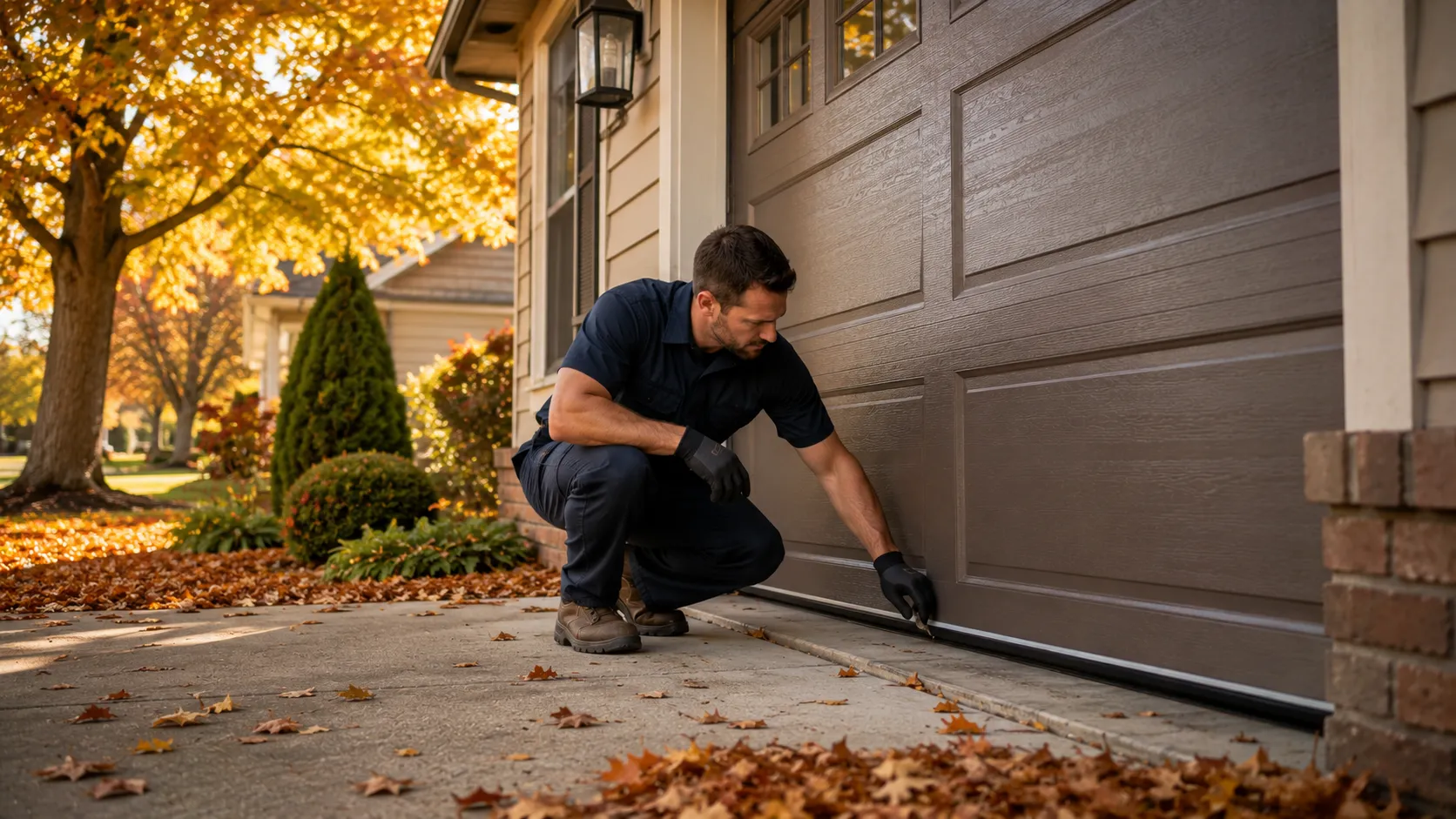
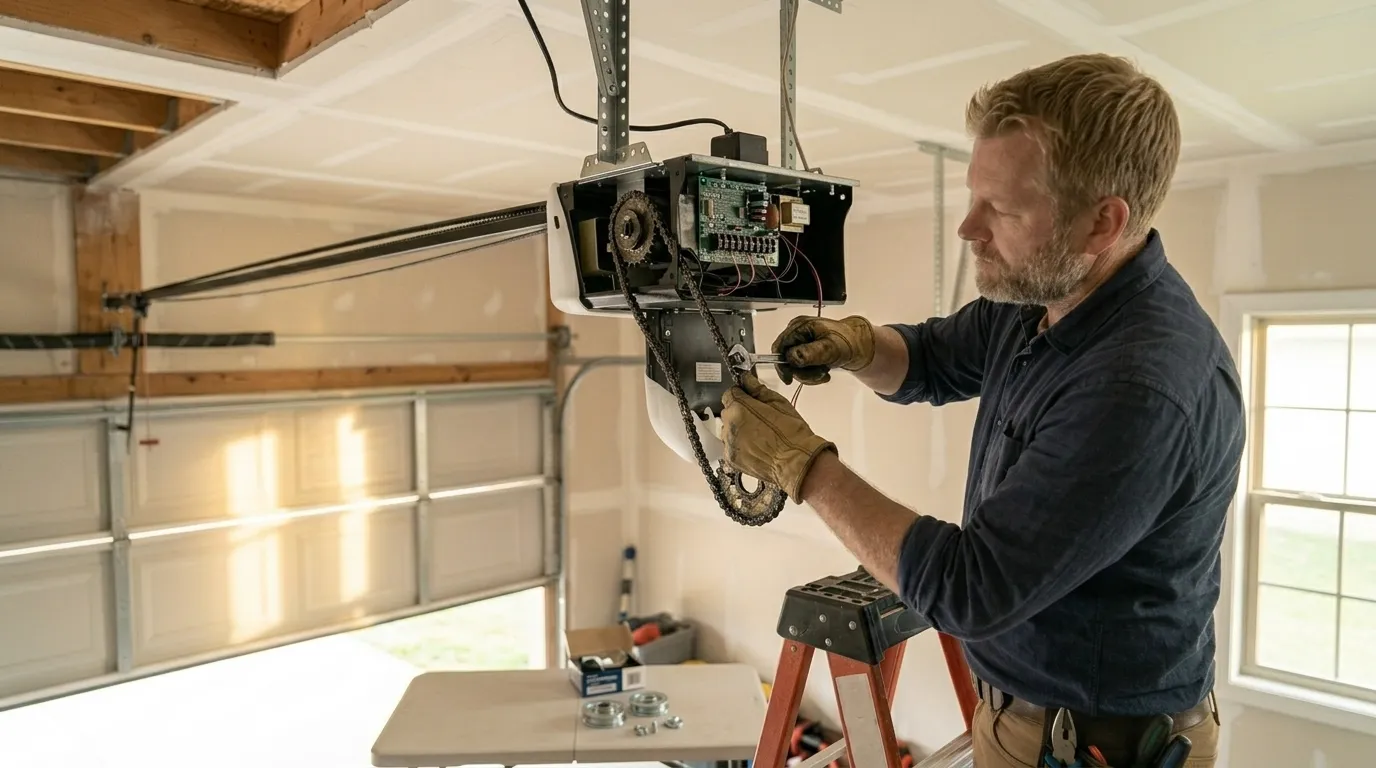
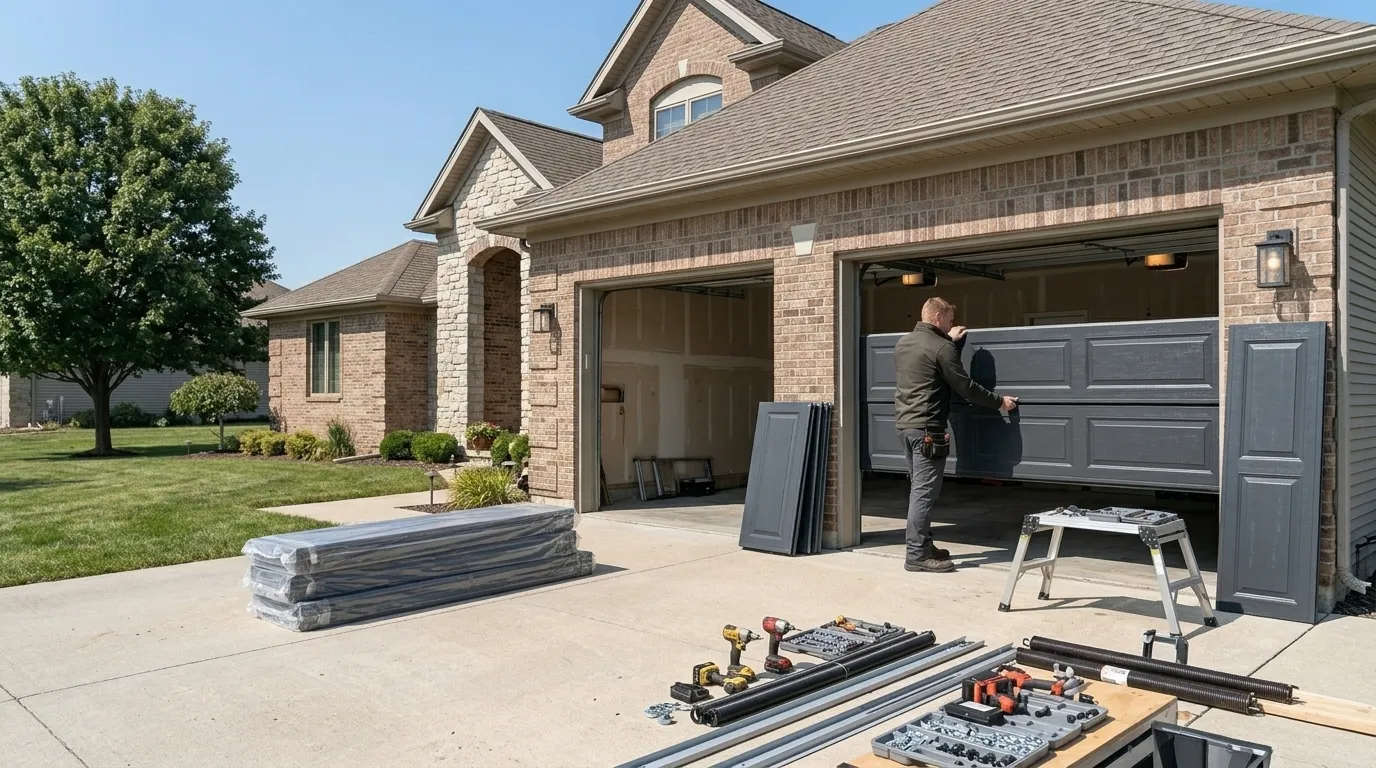
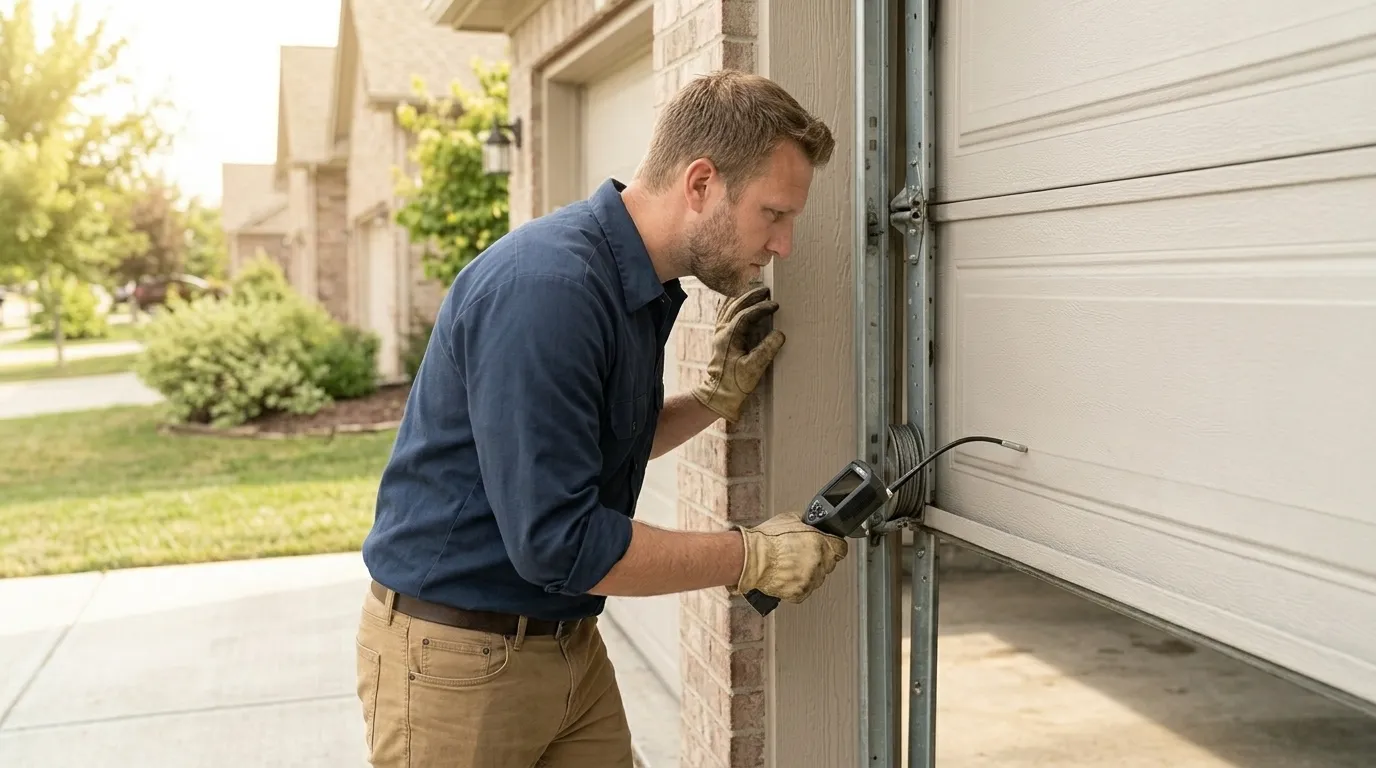
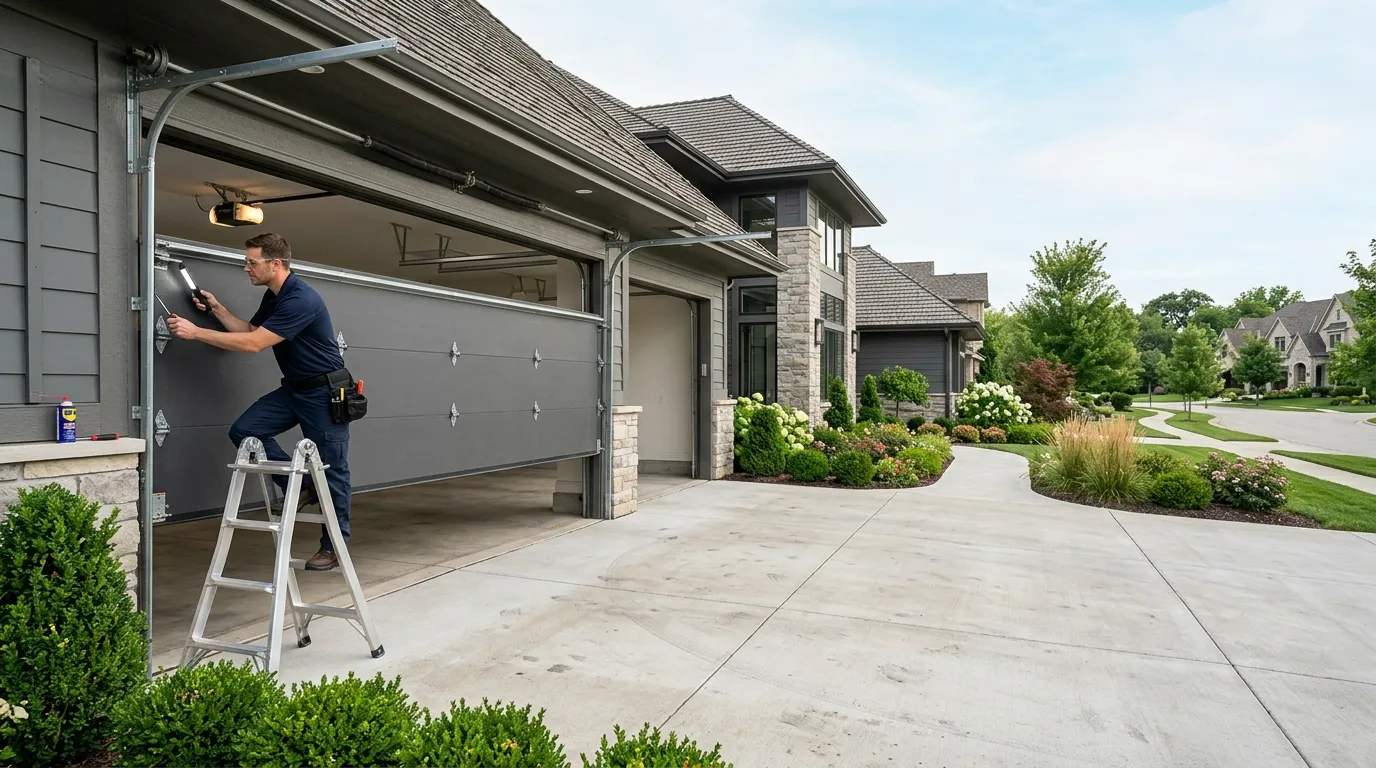
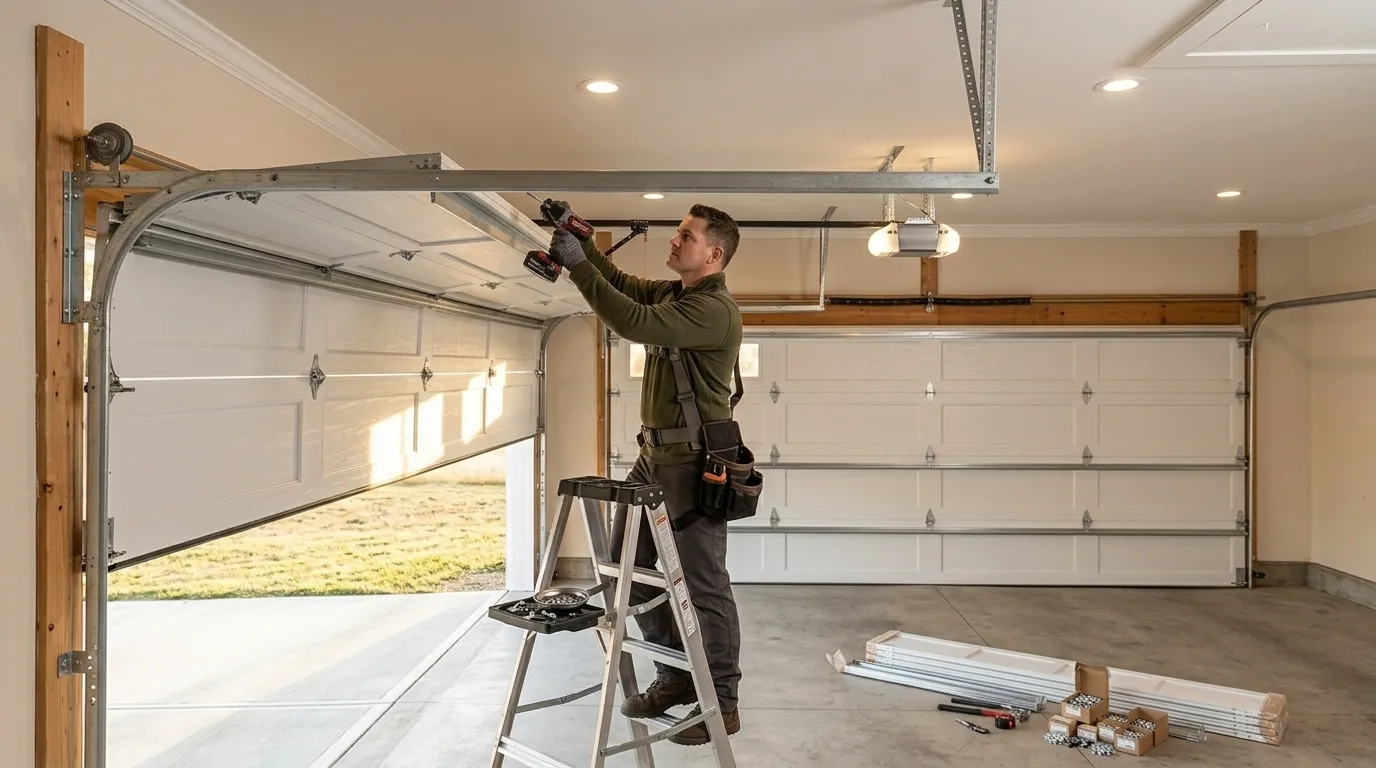
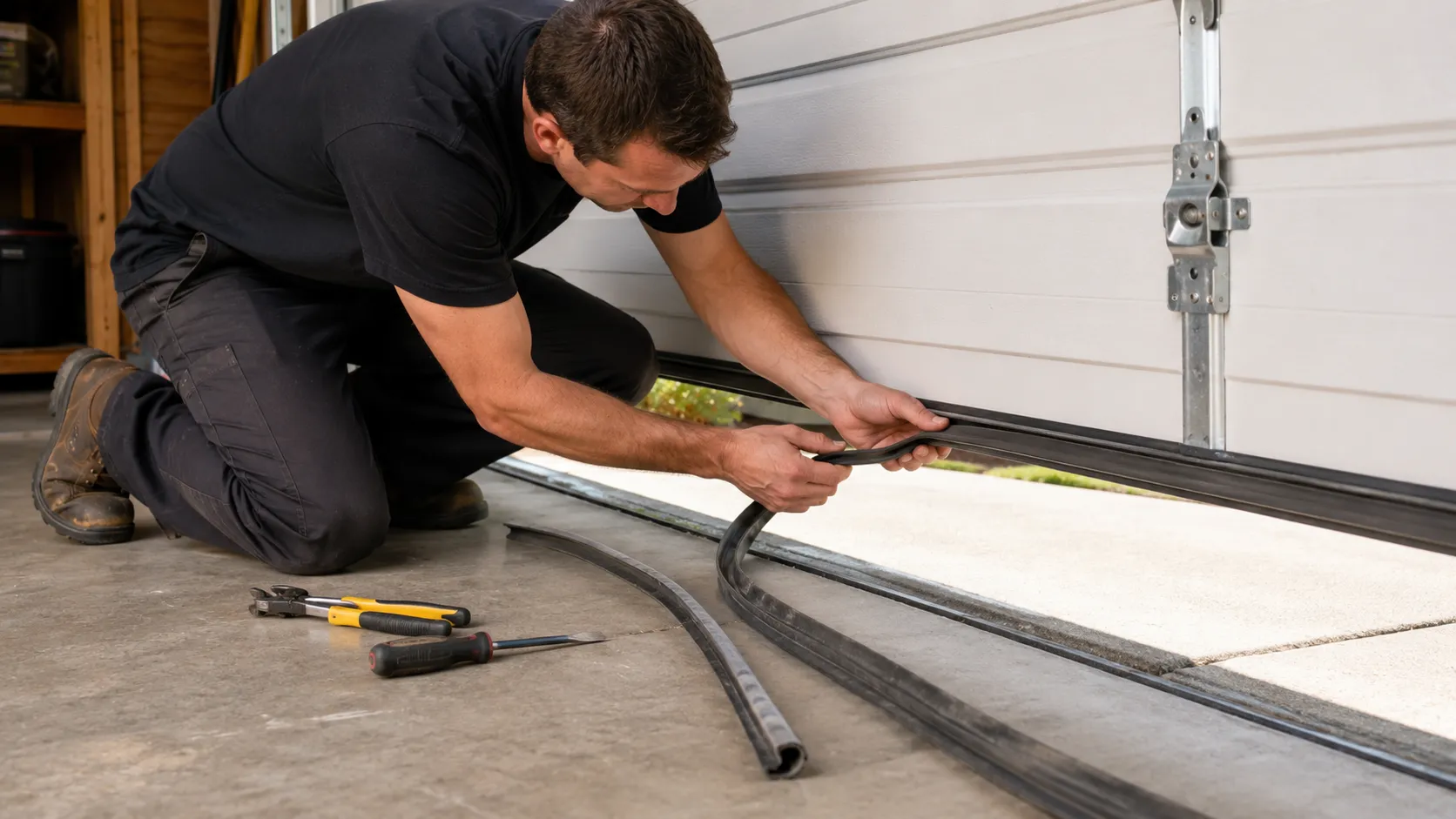
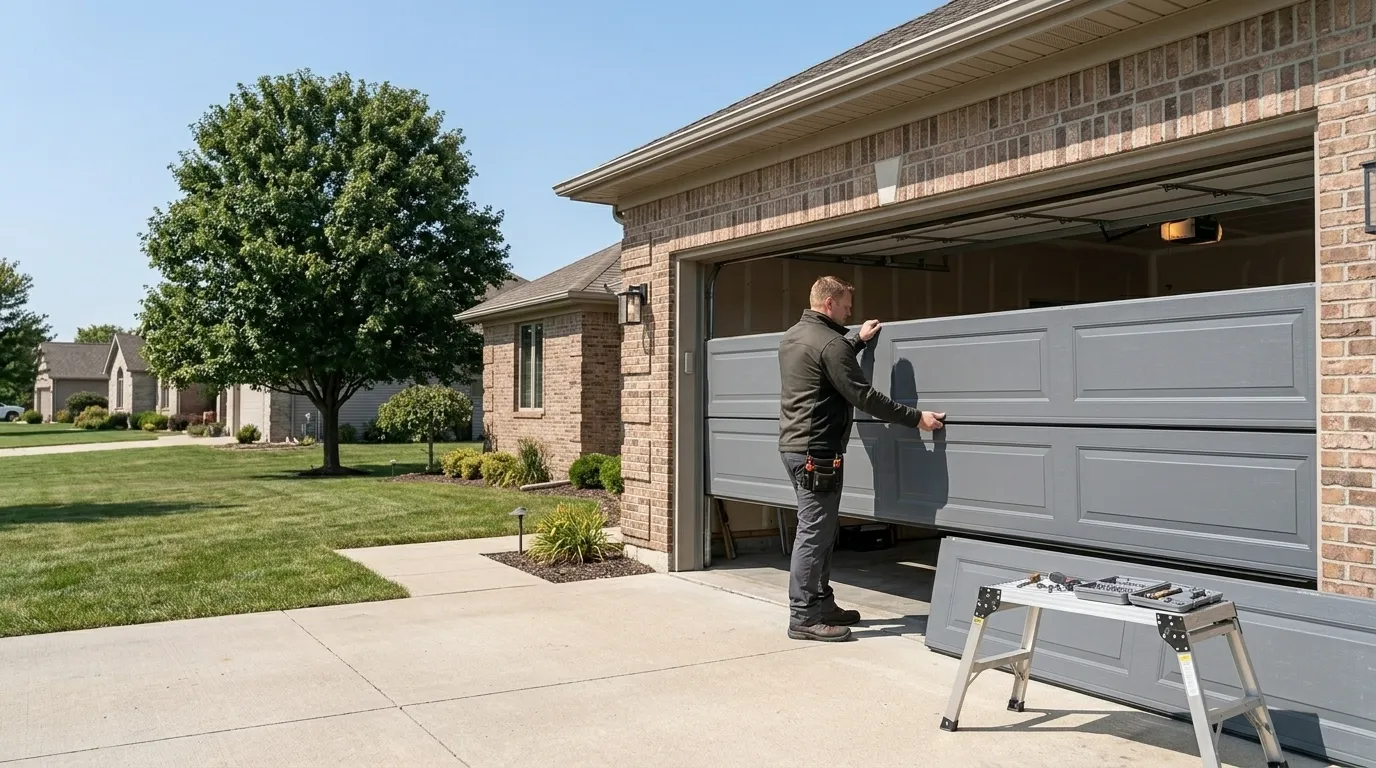
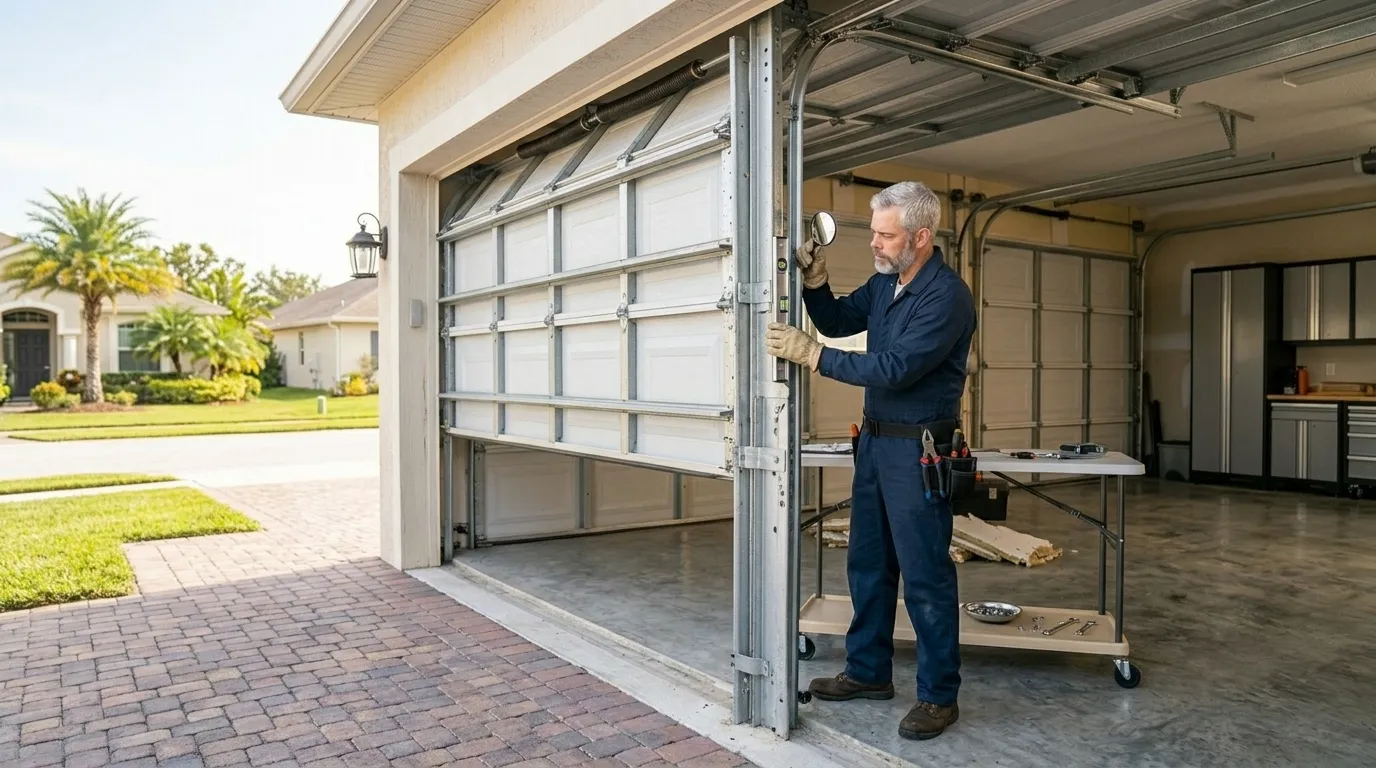
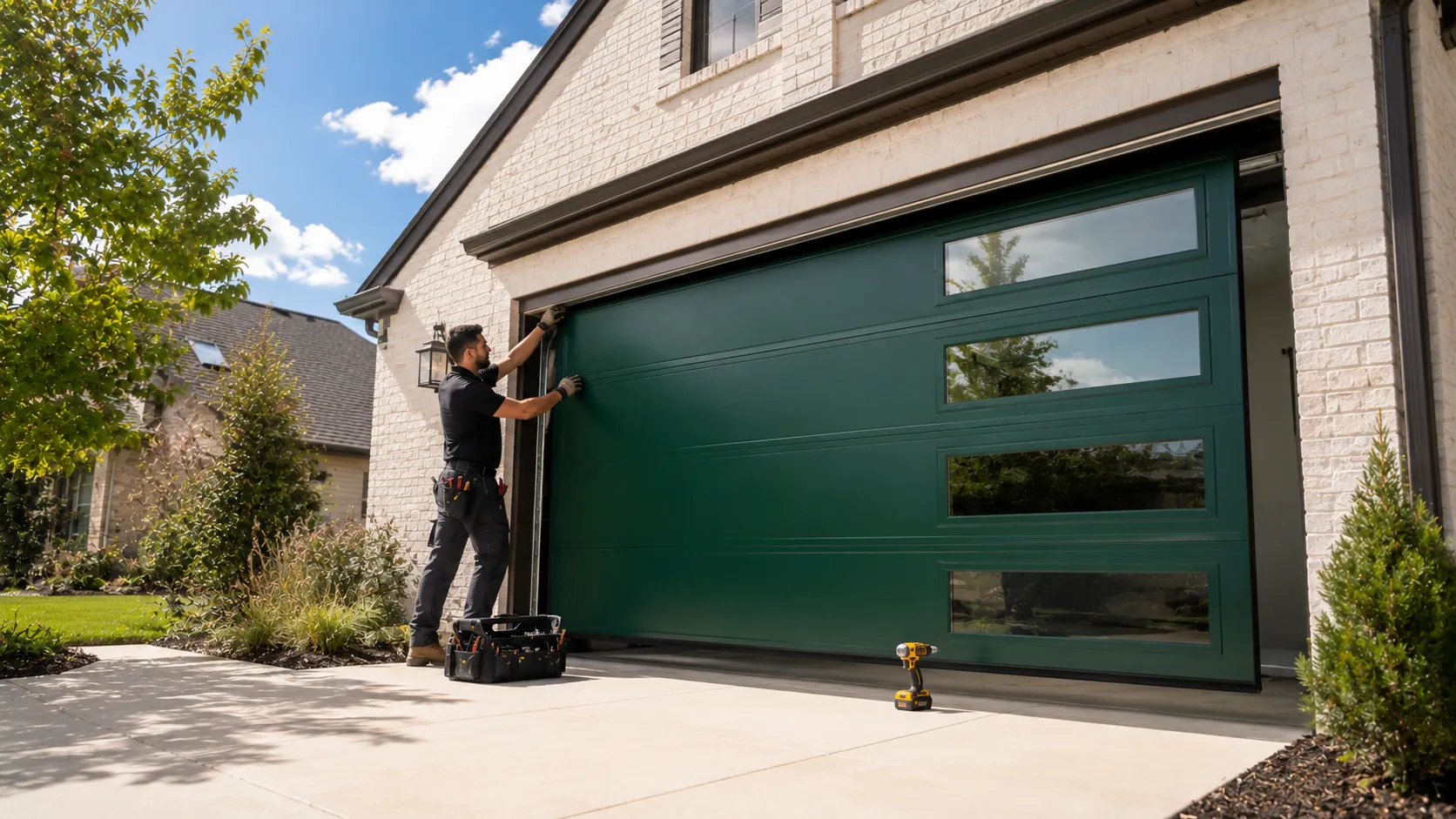
We start by identifying what generation of hardware is on the door - torsion or extension spring, chain or belt or direct drive opener, and whether the track and rollers match the original install or were swapped at some point. On a commercial door that's been running daily for decades, we're checking cycle count against wear before we touch anything, because a door that's due for replacement doesn't need a patch that costs almost as much and buys six months. For a repair, that usually means matching spring wind and cable gauge to the door's actual weight rather than a generic size, since undersized replacement parts are a common shortcut that fails again within a year. We test the opener's force settings and safety reverse before we leave, because a door that closes without stopping on an obstruction is a liability for any business, not just a repair callback waiting to happen.