How Long It Takes
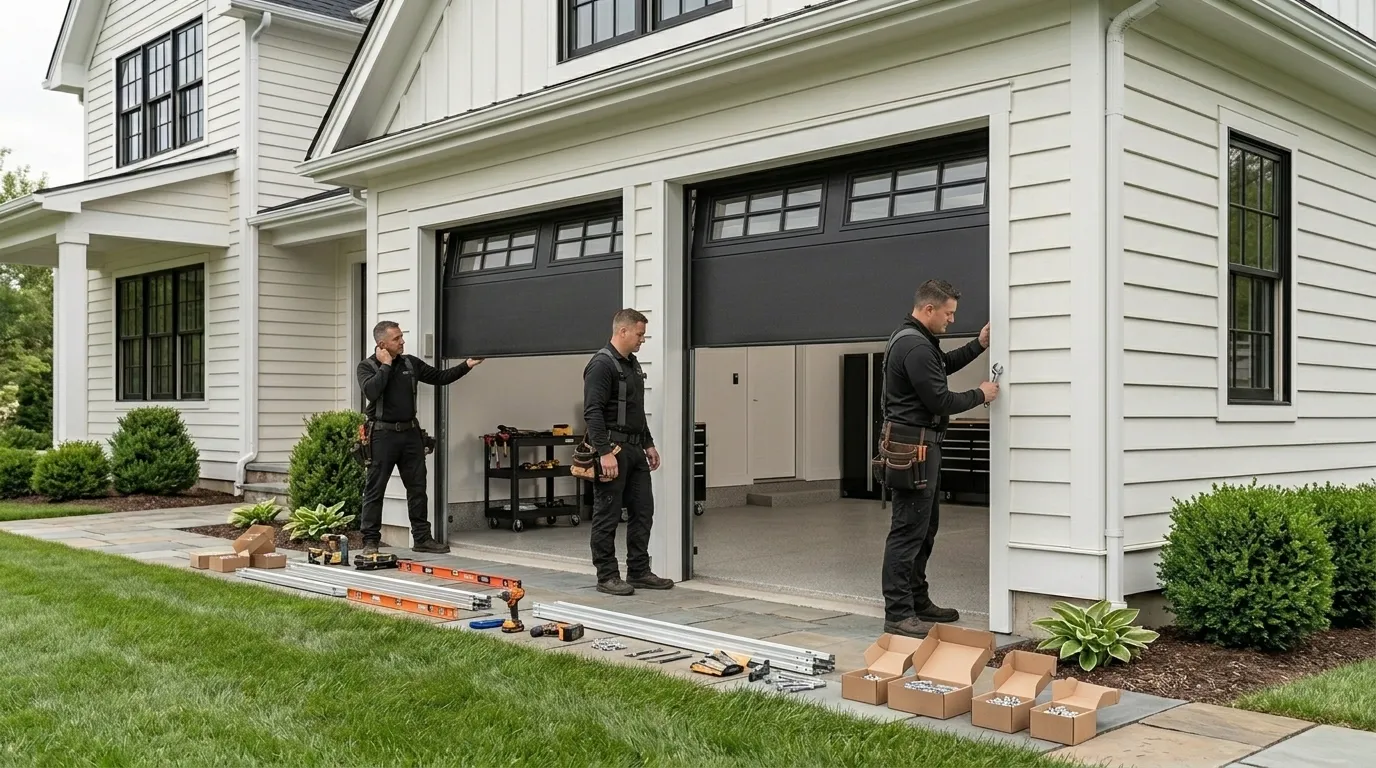
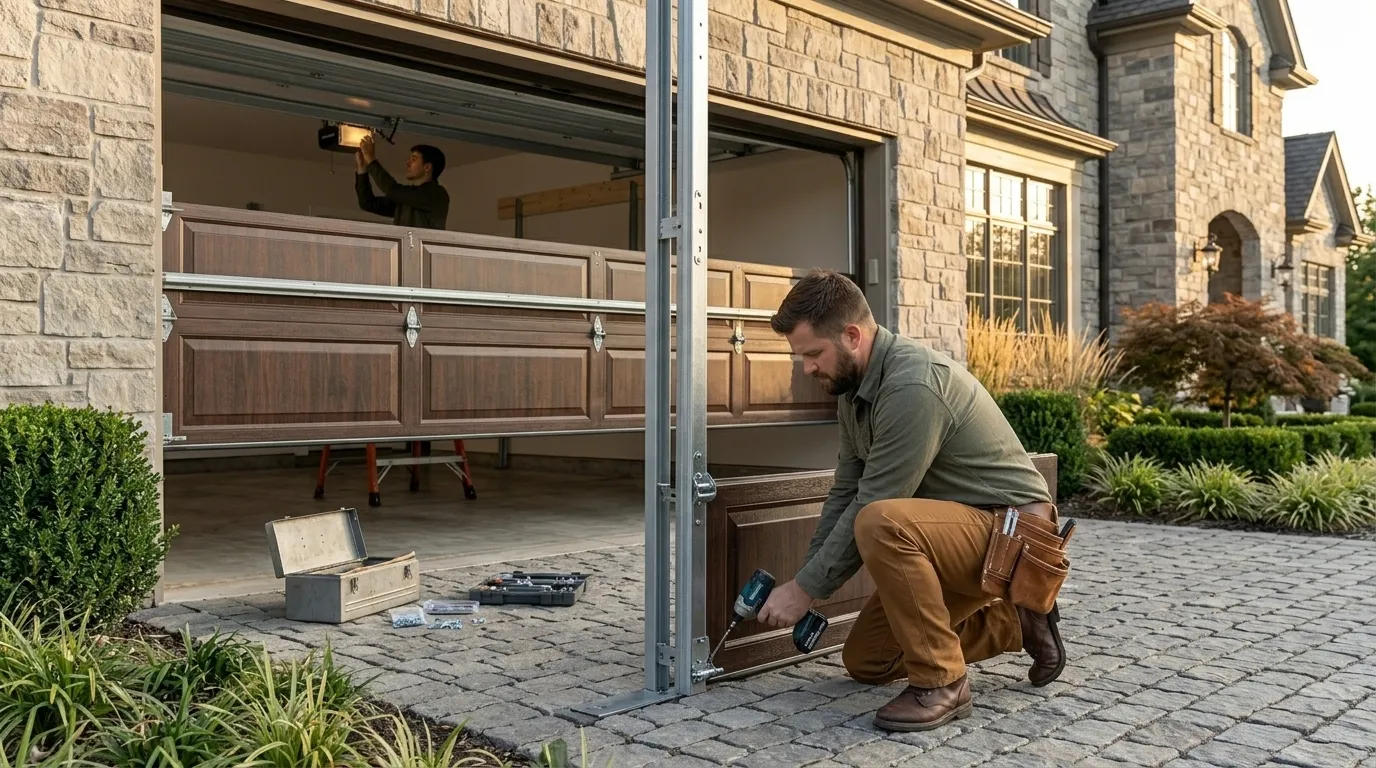
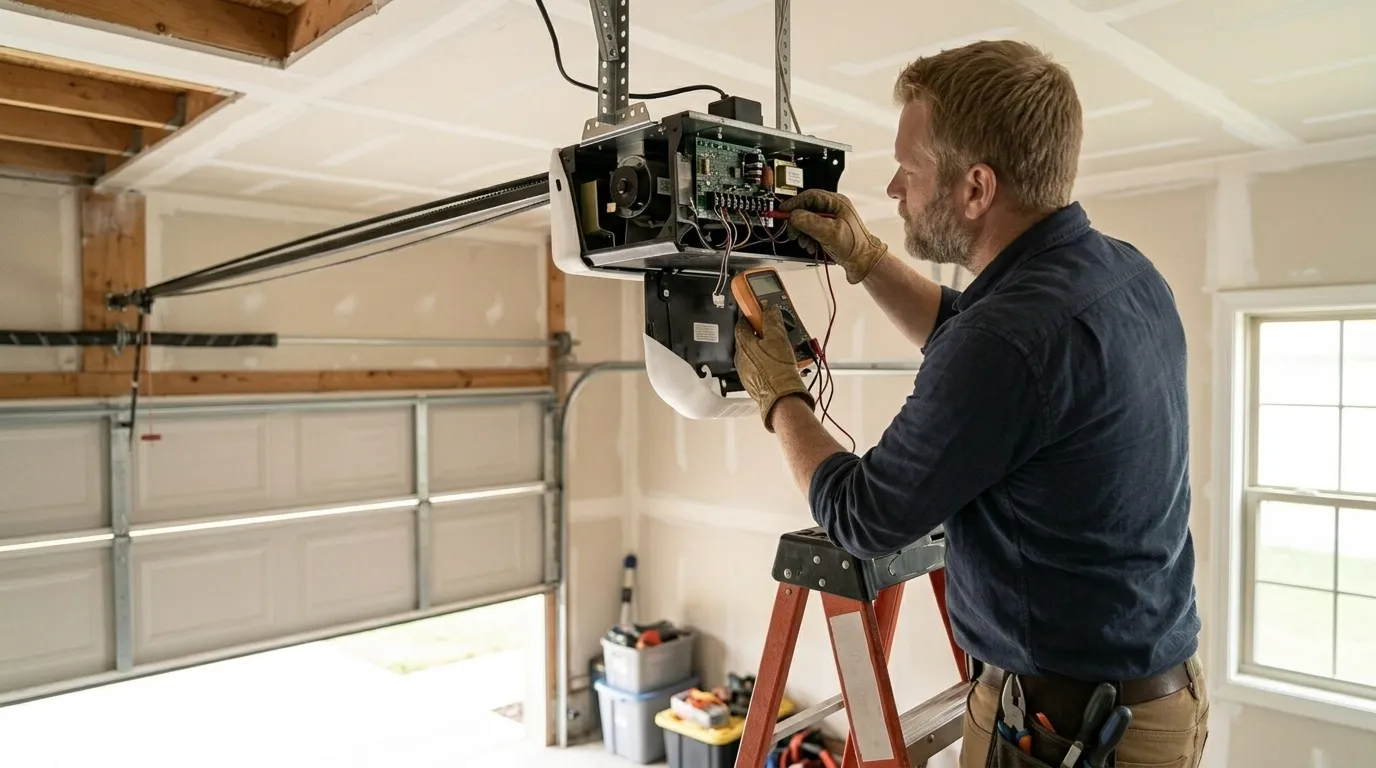
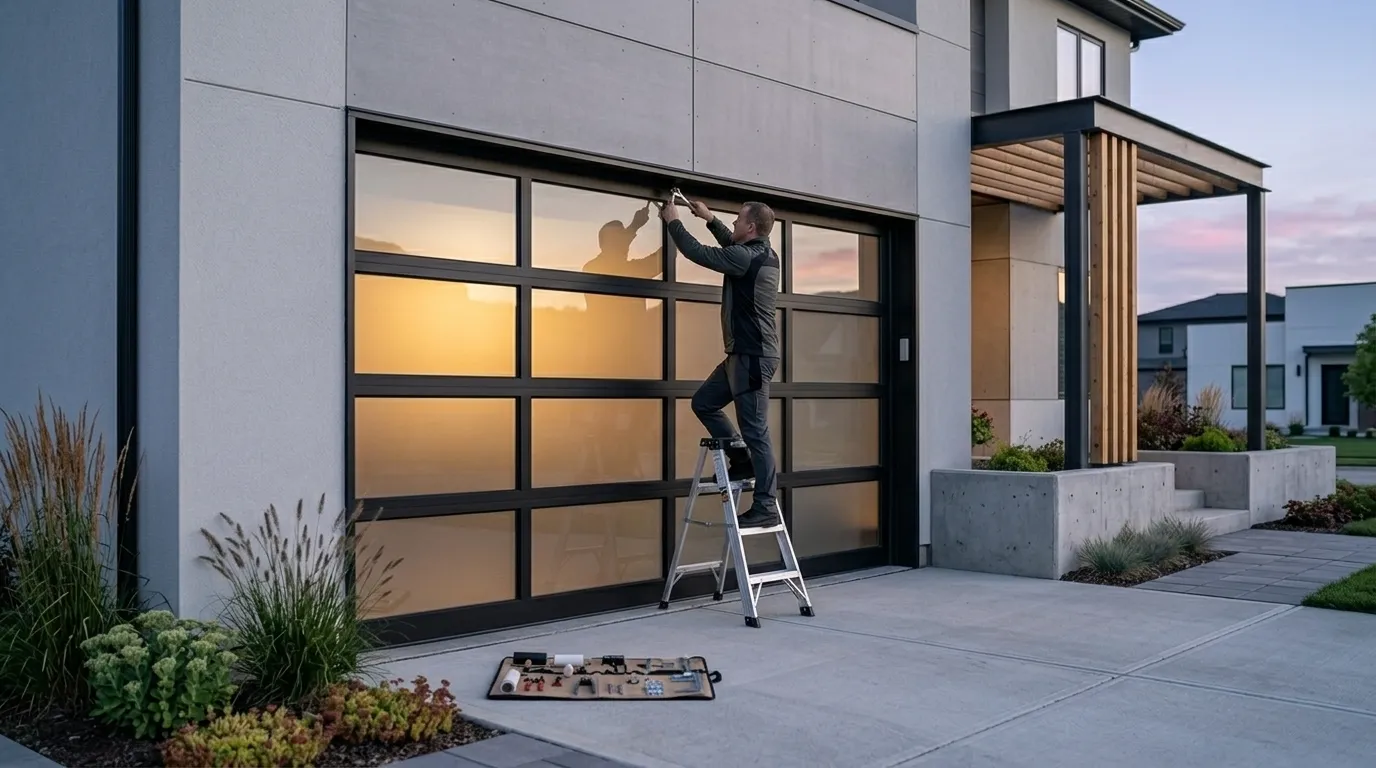
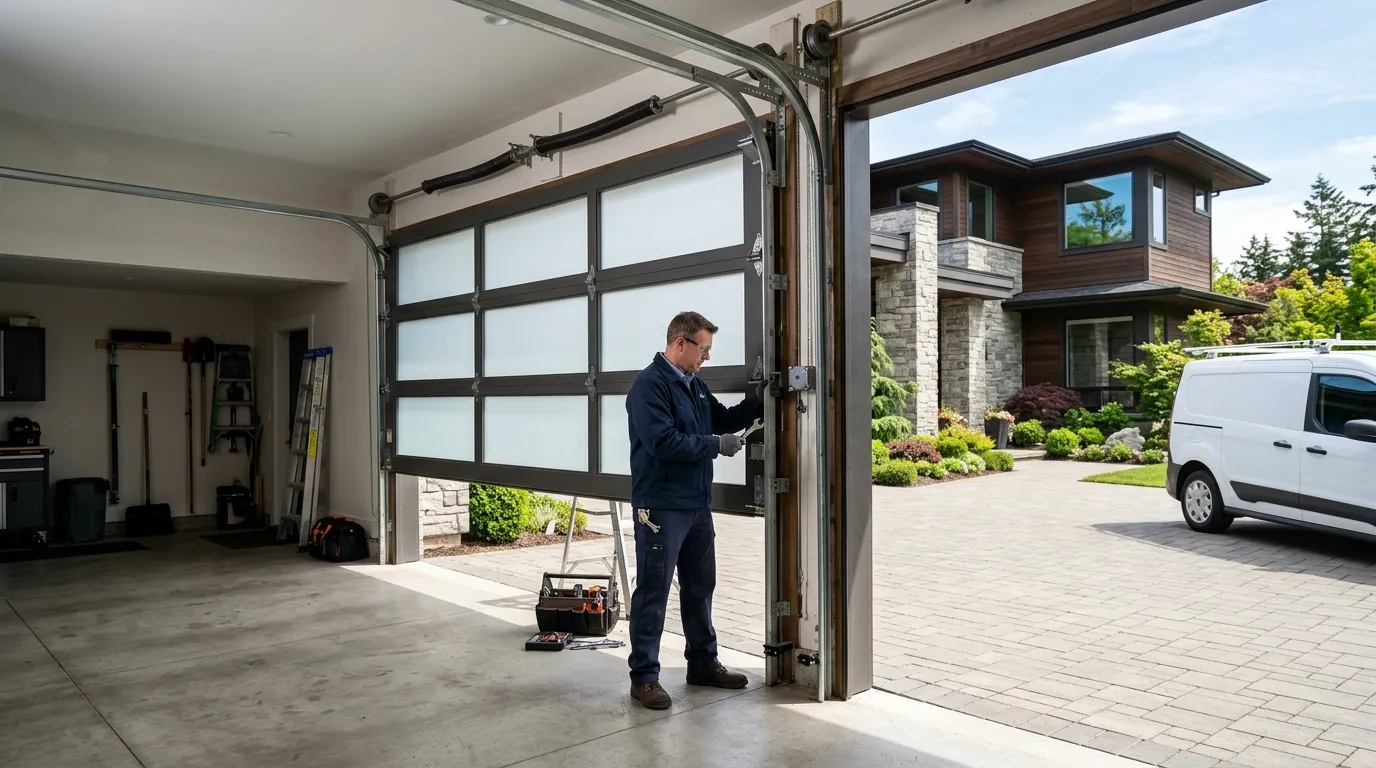
A torsion spring job on a standard double door usually runs under an hour once the truck is on site, but Westchester adds a wrinkle the newer suburbs don't have: the median house here went up around 1957, six years ahead of the 1963 median across the wider service area. That means a bigger share of doors still carry the original spring winding cones and the older-style center brackets, and those take a few extra minutes to inspect before we touch a wrench to them, because the mounting hardware wasn't standardized the way it is on anything built after the 1970s. We're driving the 14 miles out from Morton Grove, so the clock on any job includes that leg - we don't quote a same-hour arrival because we're not sitting in Westchester waiting for a call. Once we're there, a single broken spring on a door that's otherwise sound is a same-visit fix. Two springs, a bent shaft, or a cracked drum from a spring that let go and hammered the bottom bracket - that adds time, sometimes a return trip for a part we don't carry stock of on the truck.
What Causes It Around Here
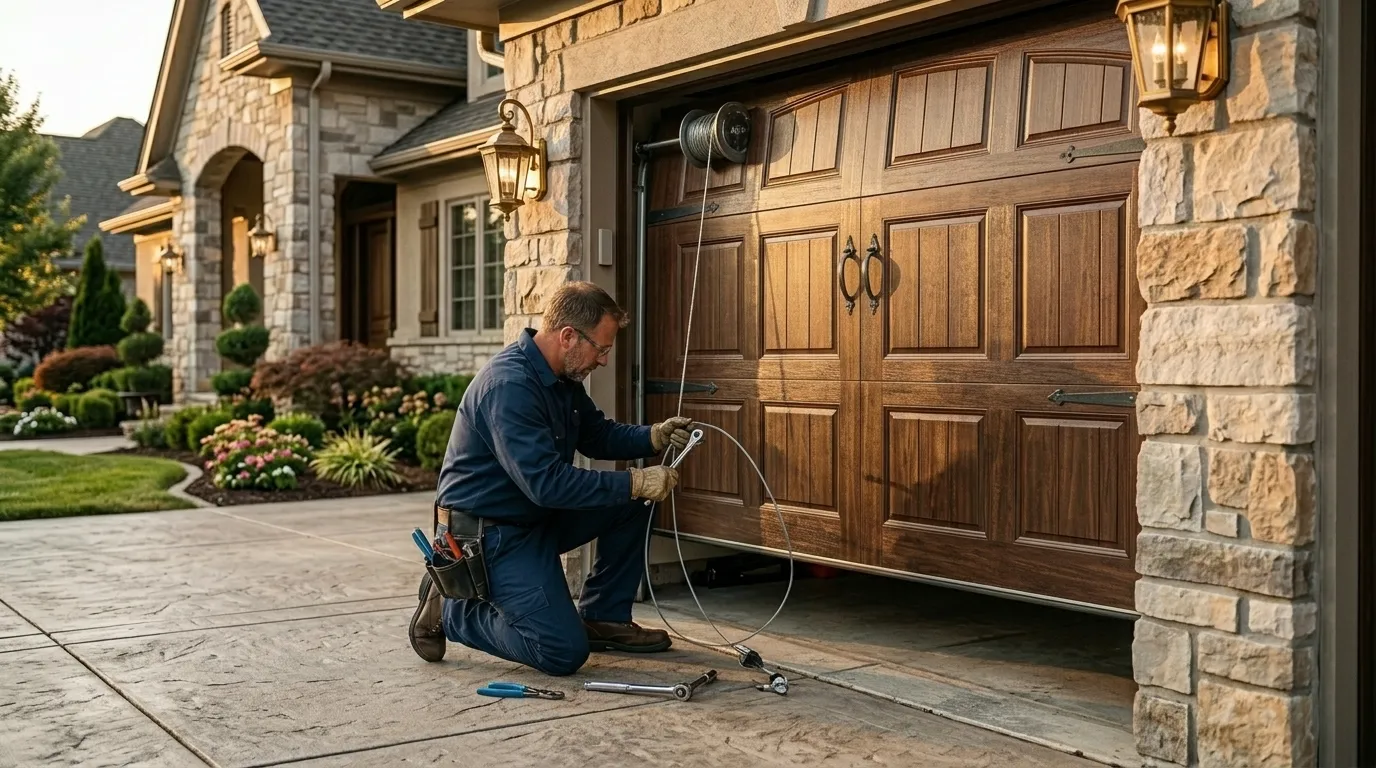
Springs fail from cycle count and from cold, and Westchester's older housing stock gets hit by both. A door built for a house from 1957 has likely had at least one prior spring replacement by now just from age, and if it hasn't, that spring is overdue and running on borrowed cycles. The climate here is cold-moderate, meaning steel contracts through repeated winter swings, and a spring already near the end of its rated life is the one that snaps on the coldest morning of the year, not in July. We see this pattern across the older pockets of the service area generally, but it shows up earlier in Westchester's stock than in the newer subdivisions built after 1970, simply because the springs are older on average. Household count here is modest - around 7,084 - so this isn't a high-volume corridor for us, but the failure pattern is consistent enough that we know what we're looking at before we open the truck door.
How We Fix It
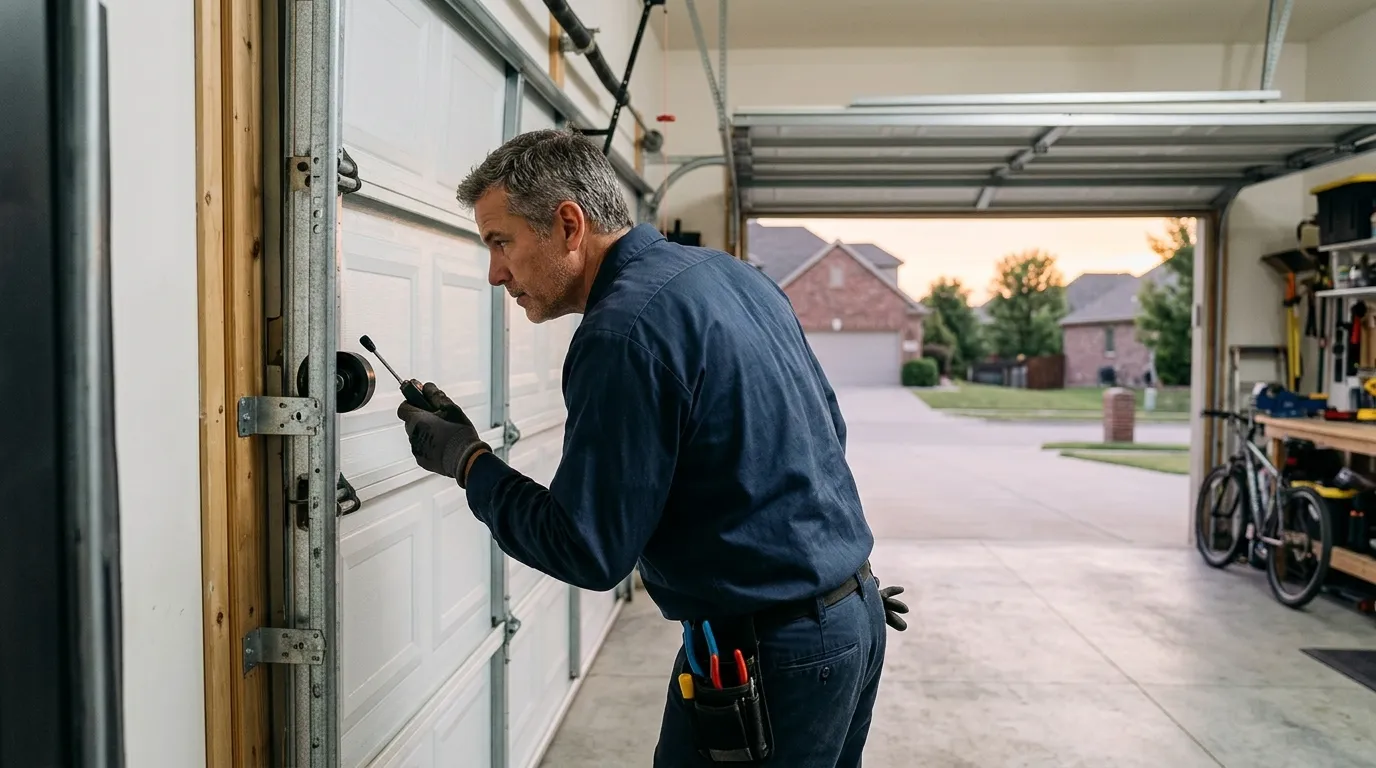
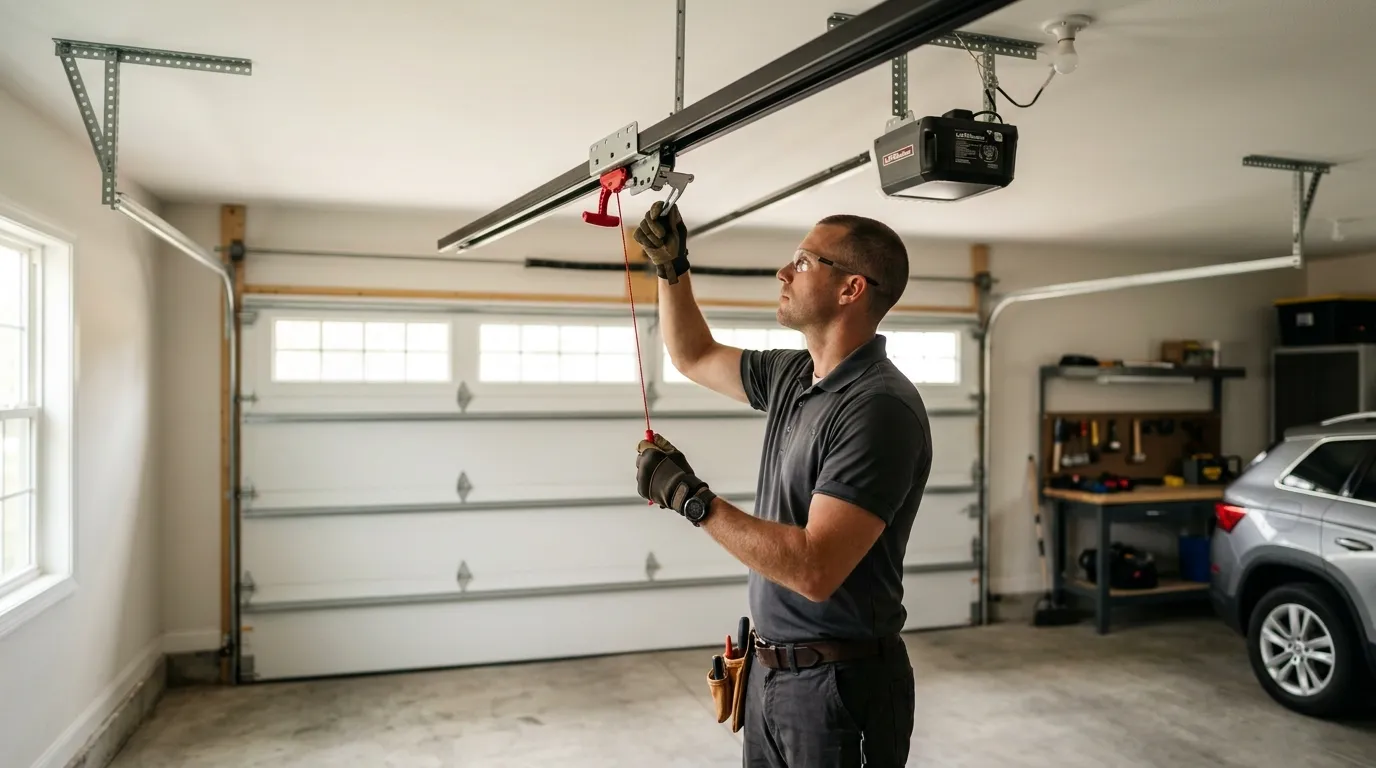
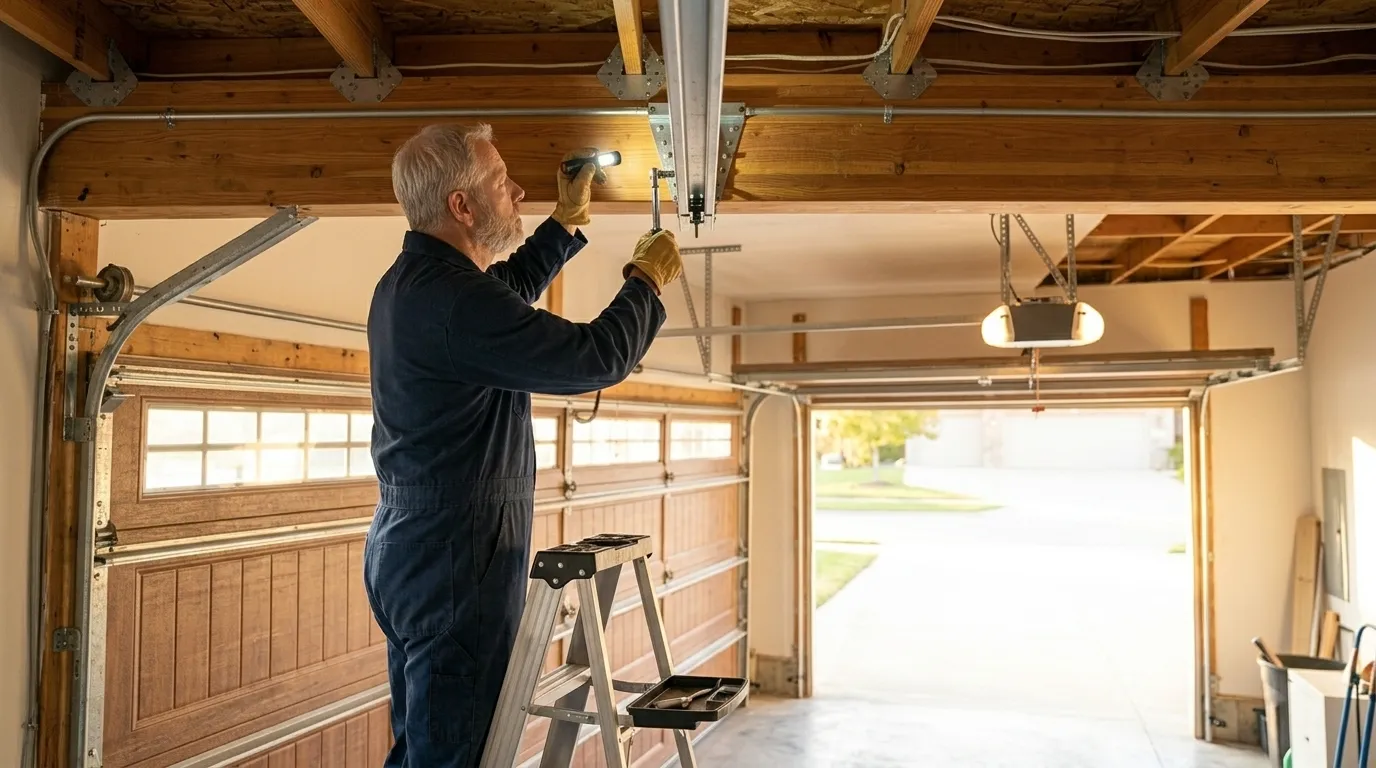
We match the spring to the door's weight and cycle life, not just to whatever wire gauge is currently hanging in the tube - a lot of failures we see are from a previous repair that used an undersized spring to save money. On the older brackets common to Westchester's 1950s-era doors, we check the center bearing plate and both end bearings while the spring's off, because that hardware wears at the same rate the spring does and replacing one without the other is how you get a callback in six months. We balance the door after the new spring's on - lift it to waist height, let go, and it should hold. If it drifts, the spring's wound wrong or the door's out of balance for another reason, and we don't leave until that's sorted. Median household income in the broader service area runs just over $105,000; Westchester's is close to that at roughly $103,561, and we quote the same spring pricing across that range - we don't price by zip.