
How Long It Takes
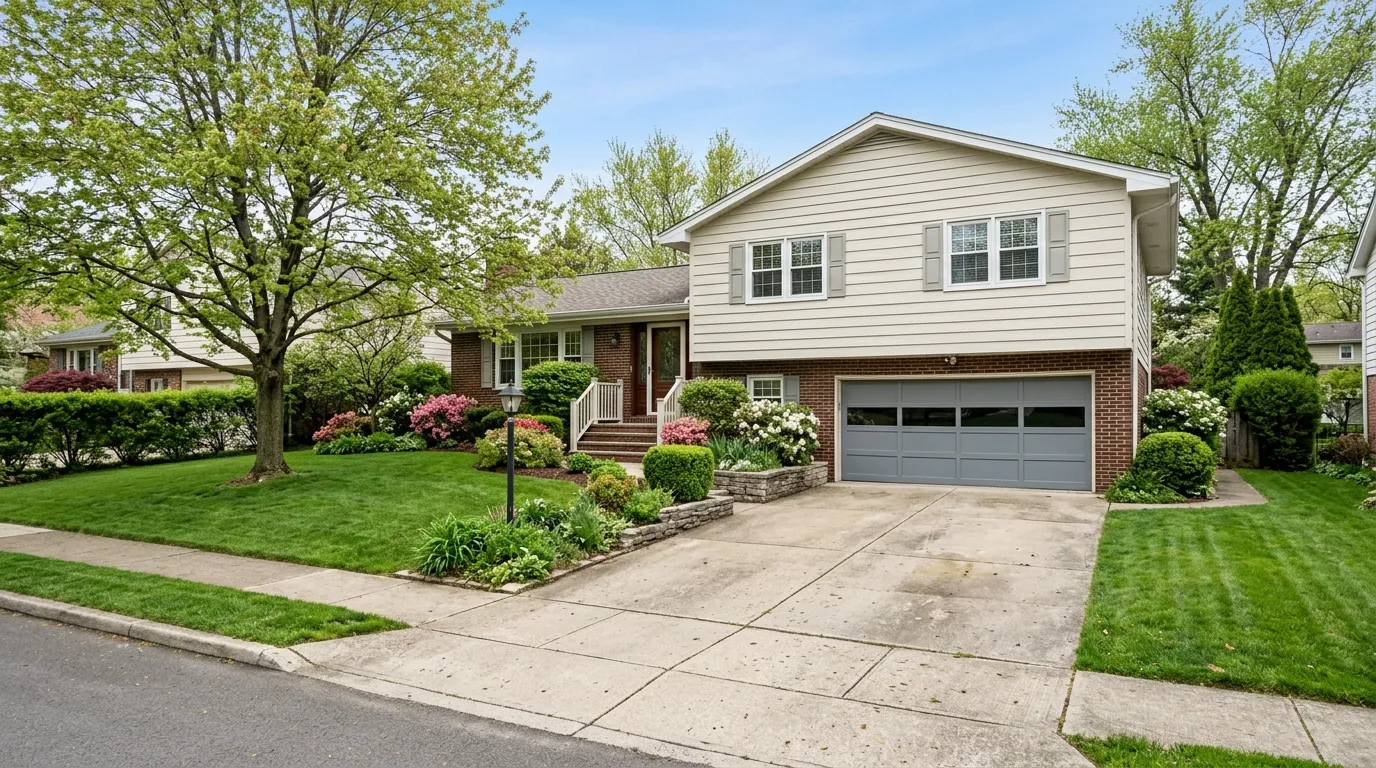
A Westchester house built around 1957 usually came with a single steel door, 16 gauge or so, hung on hardware that was standard for the era but hasn't been made the same way in decades. The door itself is often a single 8-by-7 or 9-by-7 opening - smaller than what gets built today - which matters when a spring or track needs replacing, because the fix has to work with the original opening rather than a modern oversized one. We travel the 14 miles from Morton Grove to reach Westchester, and once we're on-site, most spring, cable, or opener repairs on a door of this age and size are done in the same visit. What takes longer is when a panel is bent or a track has pulled loose from the jamb - those jobs sometimes need a second trip if a part has to be ordered to match the older opening dimensions. We'll tell you on-site which category your job falls into, not after we've already loaded the truck back up.
What Causes It Around Here
Cold-climate winters put steady strain on garage door hardware that's already 60-plus years old, and Westchester's housing - mostly from the late 1950s based on what we see on these calls - is at the point where original springs, rollers, and cables are past their expected life even without a hard freeze pushing metal to contract and expand. In a moderate-cold climate band like this one, the freeze-thaw cycle each winter is what finally snaps a spring that's been fraying for a season or two, or seizes an opener chain that hasn't been lubricated since installation. We also see track misalignment on these older single-car openings more than on newer double-door setups, simply because the narrower track has less tolerance for a bent bracket or a settled slab.
How We Fix It
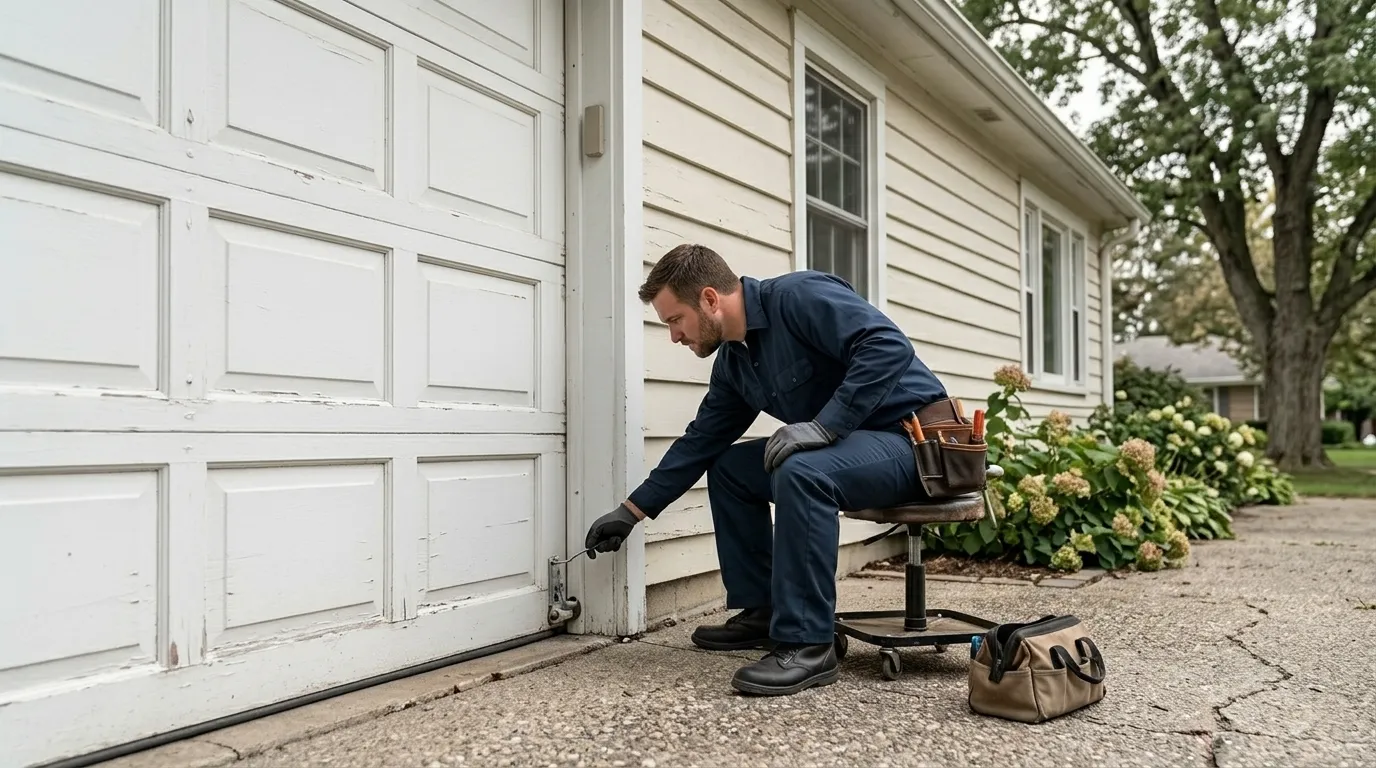
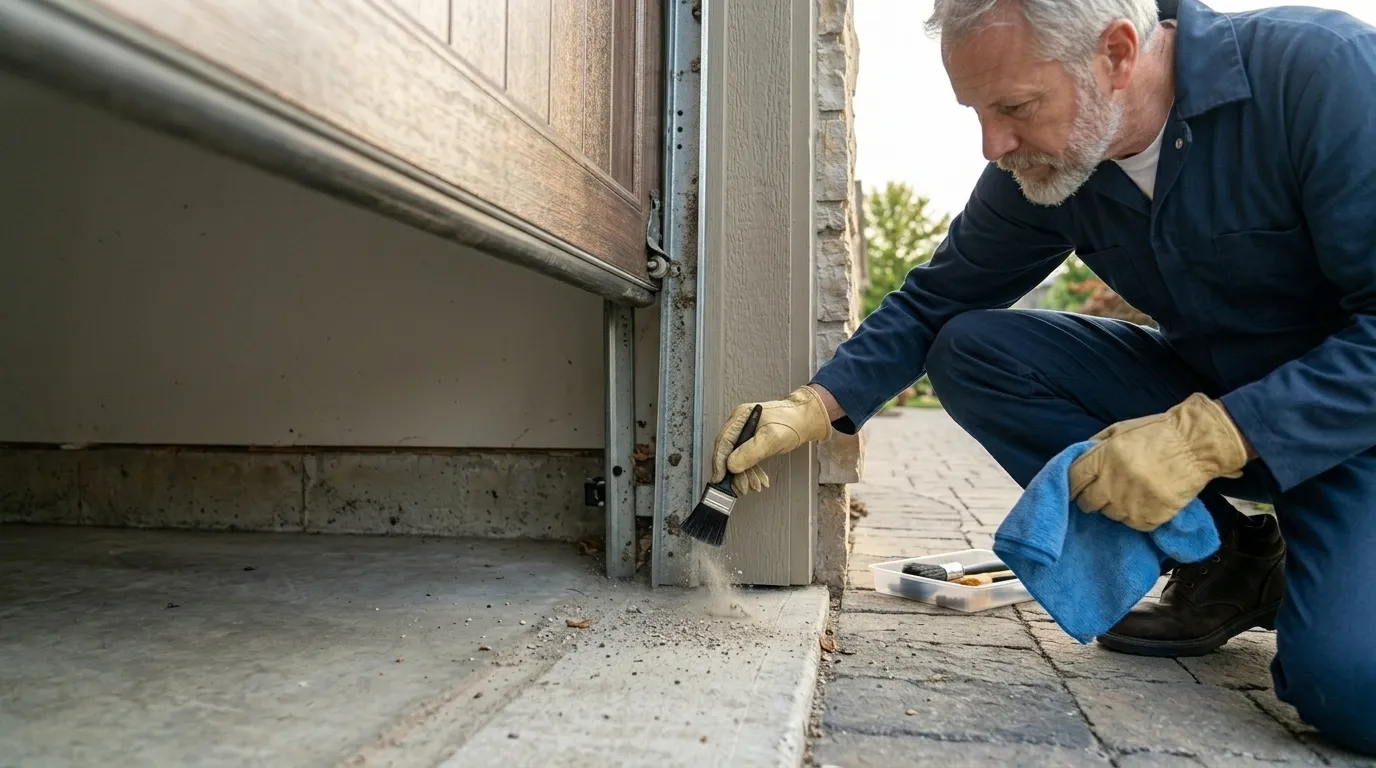
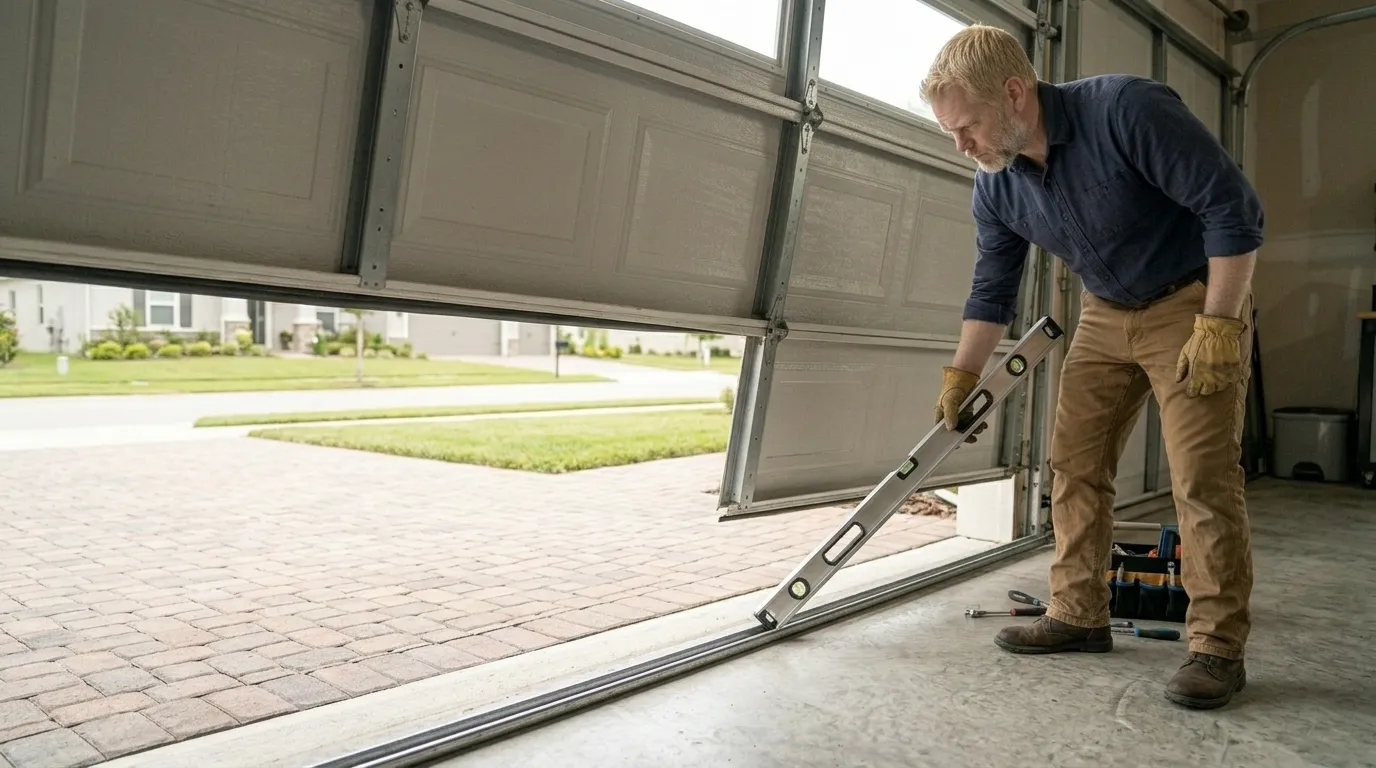
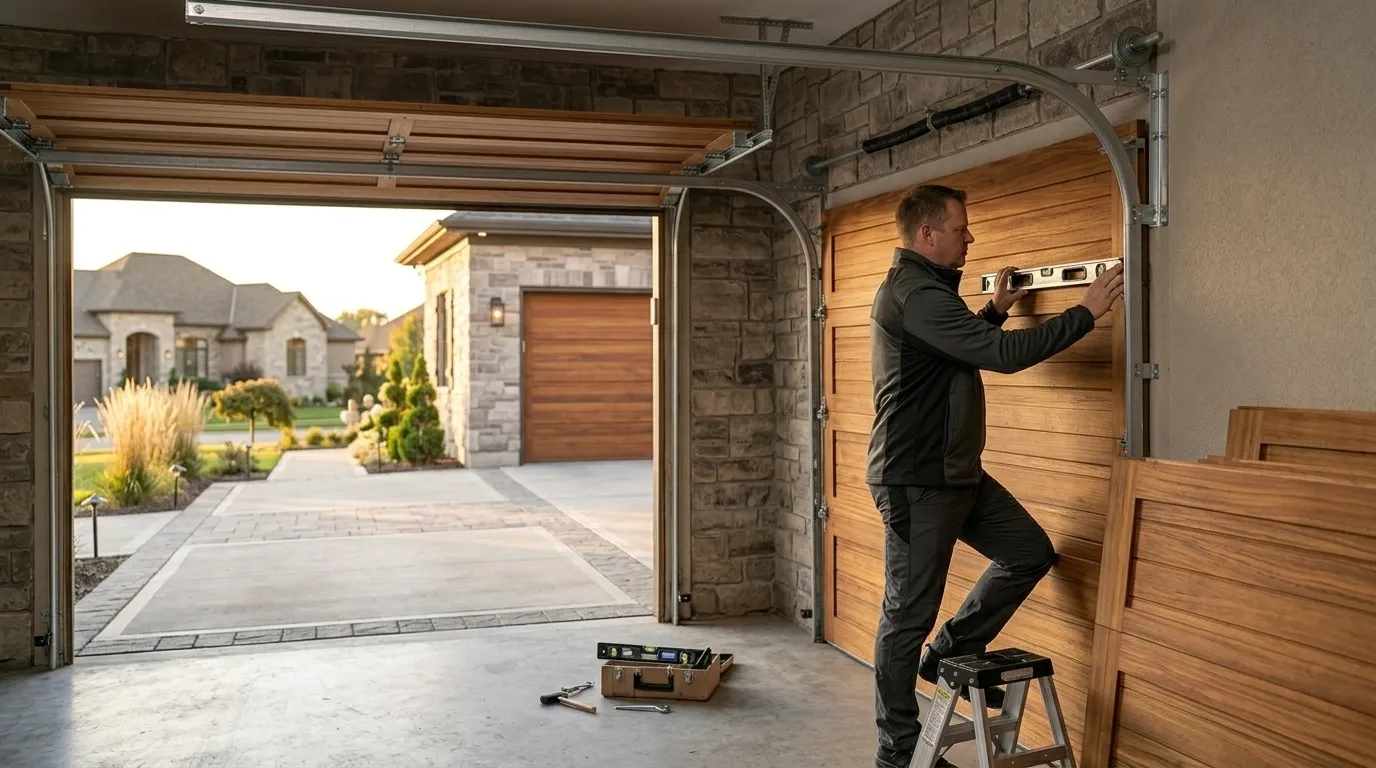
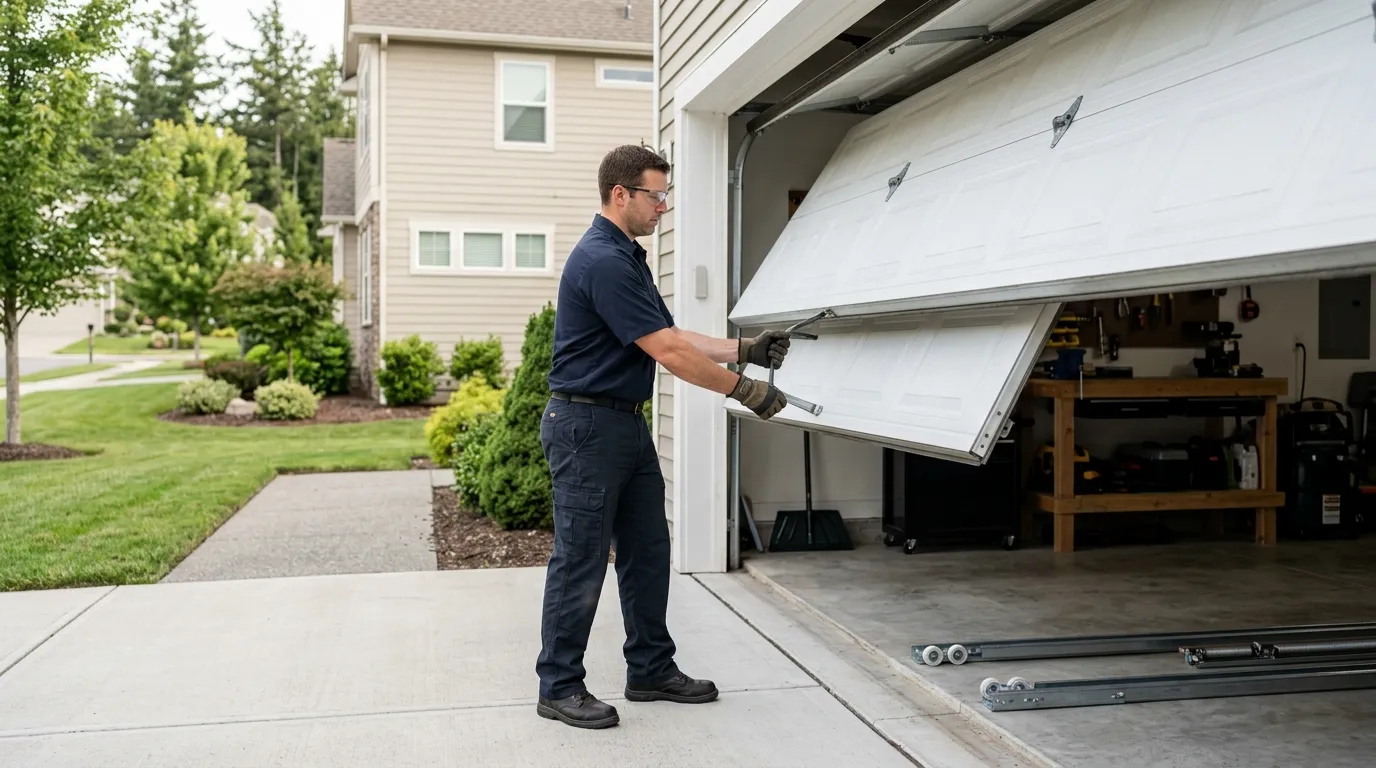
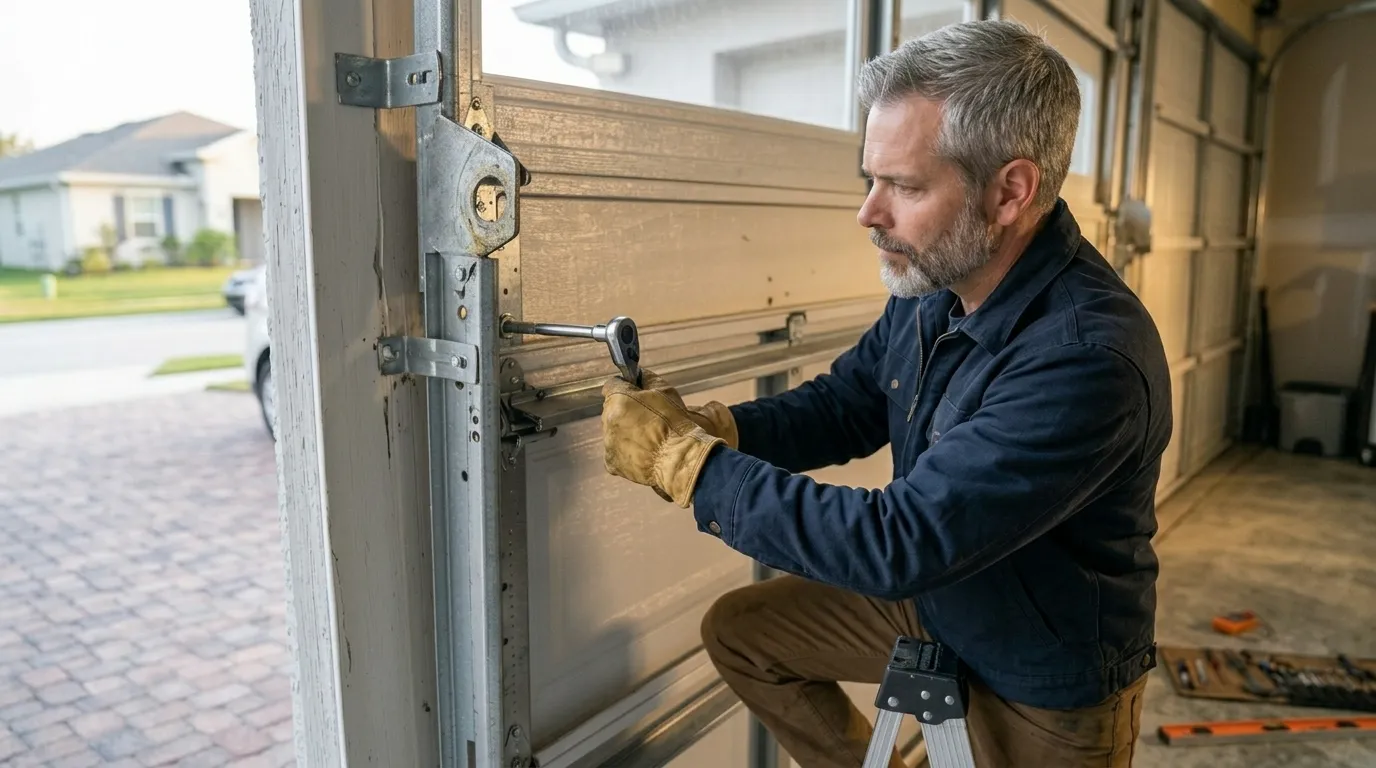
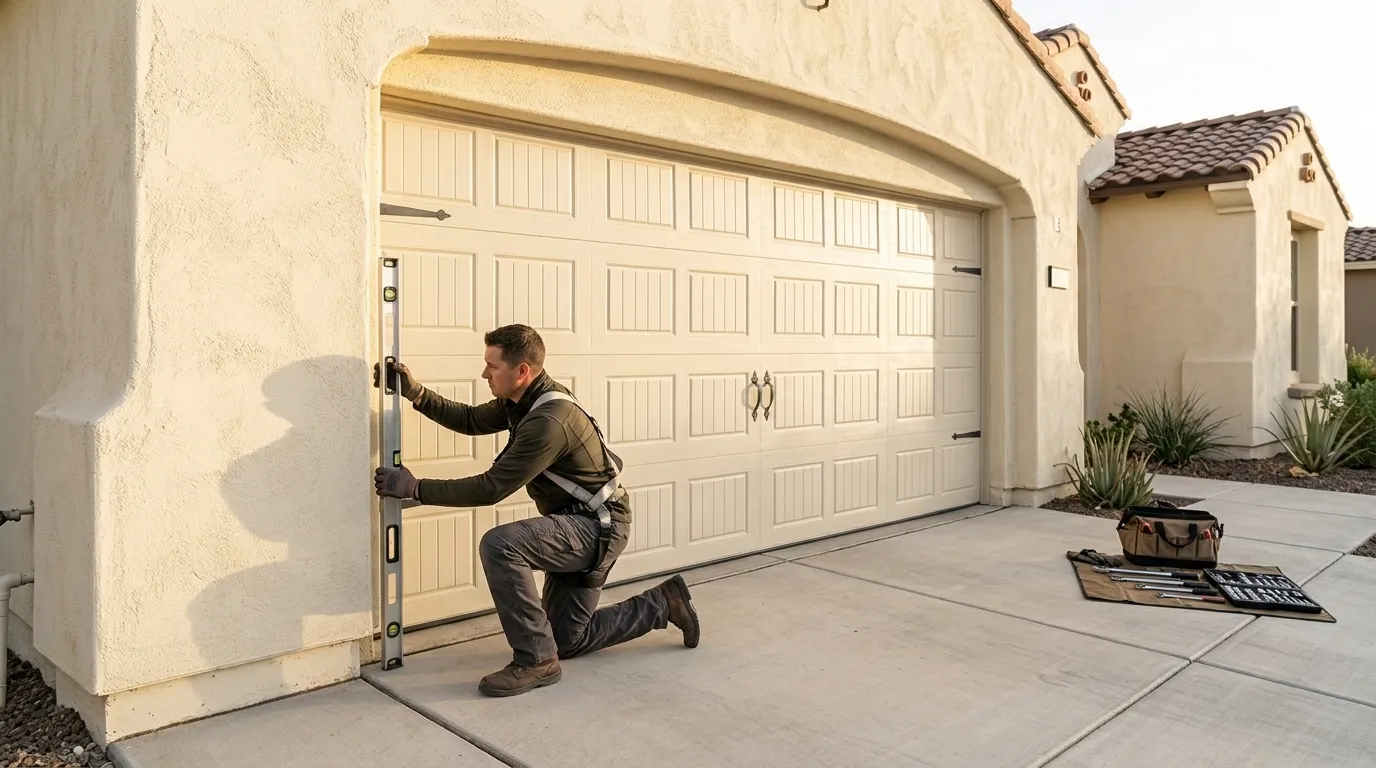
We start by identifying whether the door and hardware are original to a 1950s build or have been partially replaced somewhere along the line - that changes what parts we bring in on the second trip if one's needed. For a broken torsion spring, we match the wind and wire gauge to the door's actual weight and size rather than guessing off a chart built for modern doors. For track and roller issues, we re-square the track to the jamb before replacing anything, because on a house this age the opening itself may have shifted slightly over sixty-plus years, and skipping that step means the new roller wears out just as fast as the old one did.