How Long It Takes
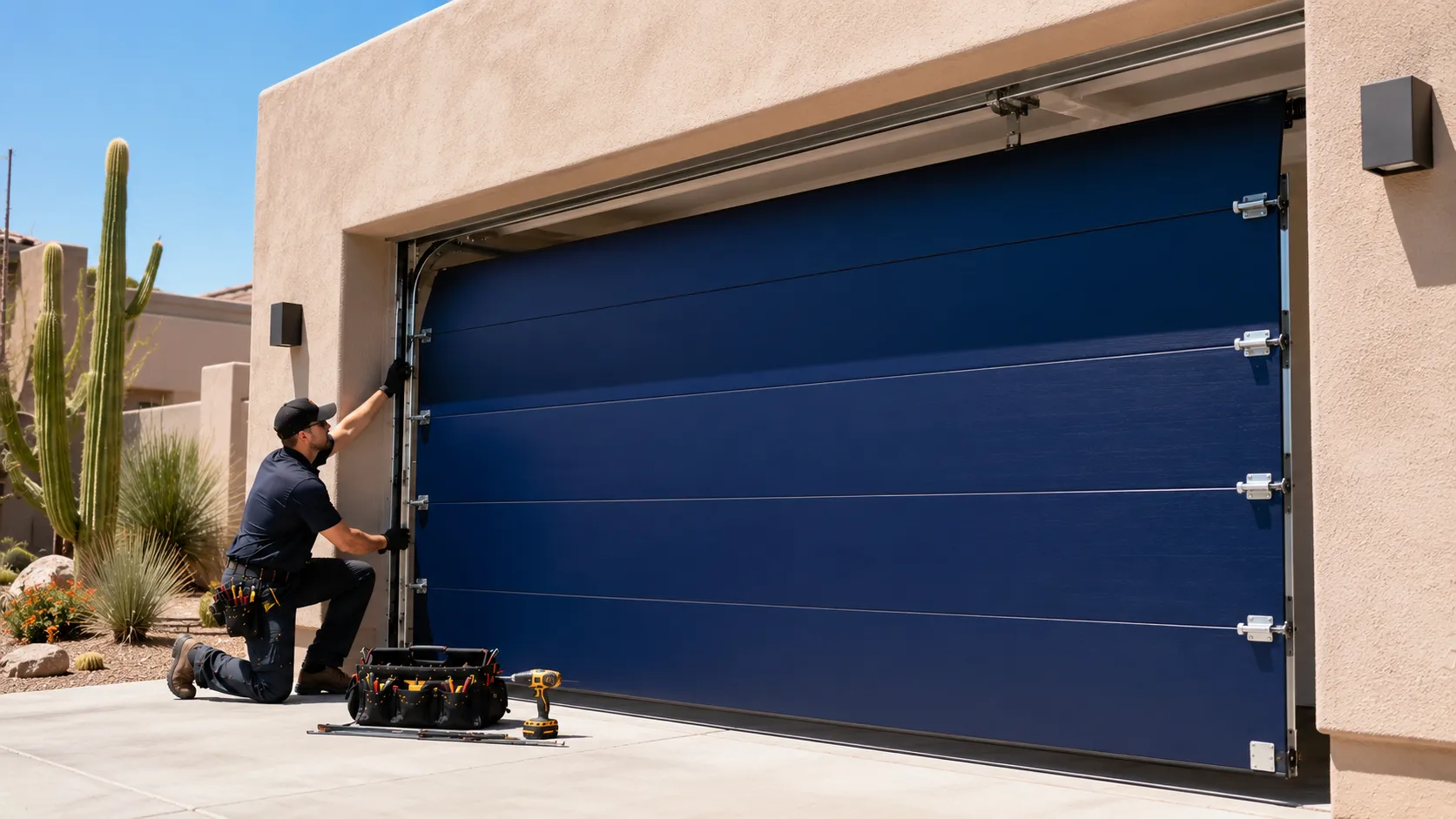
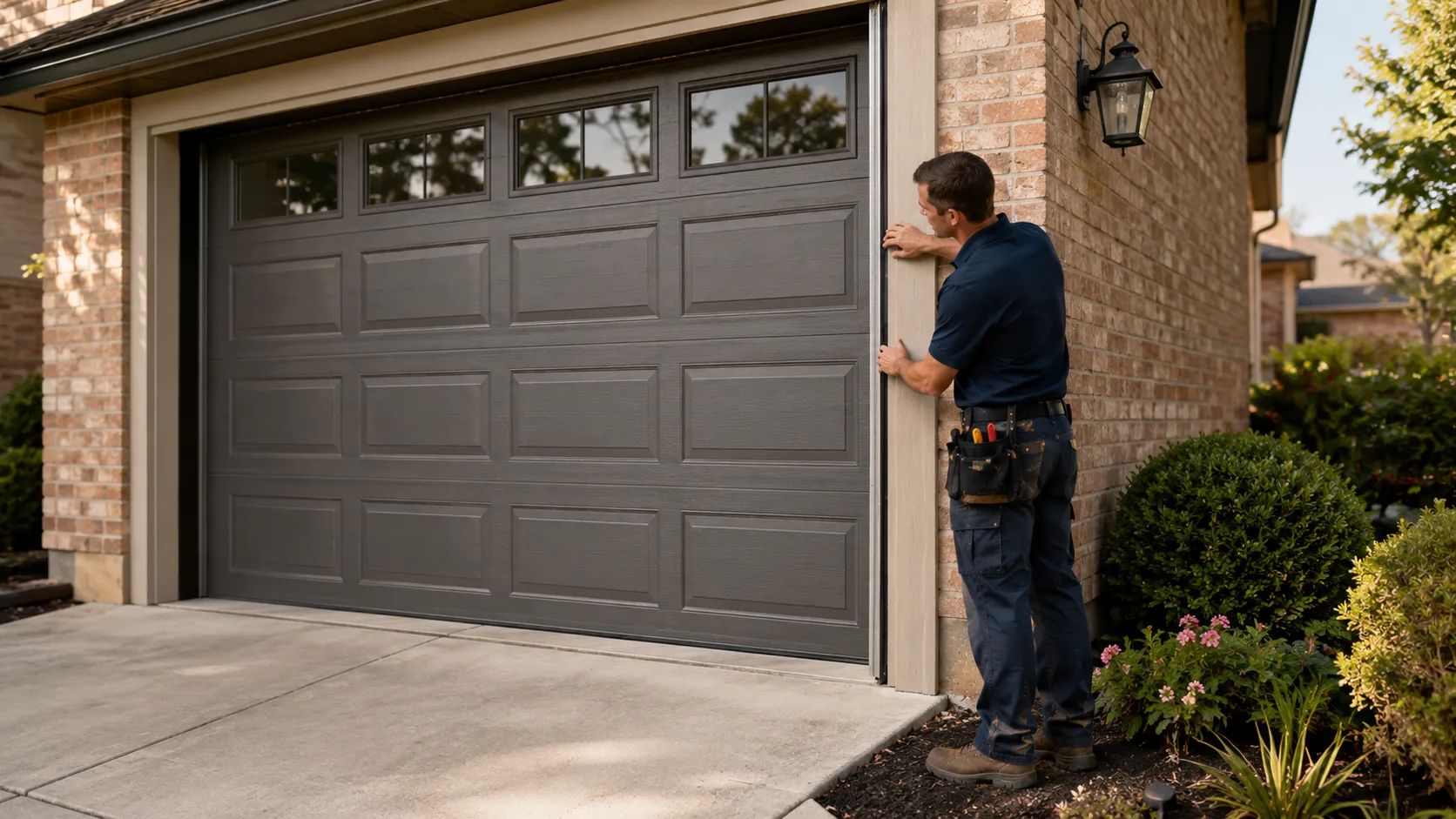
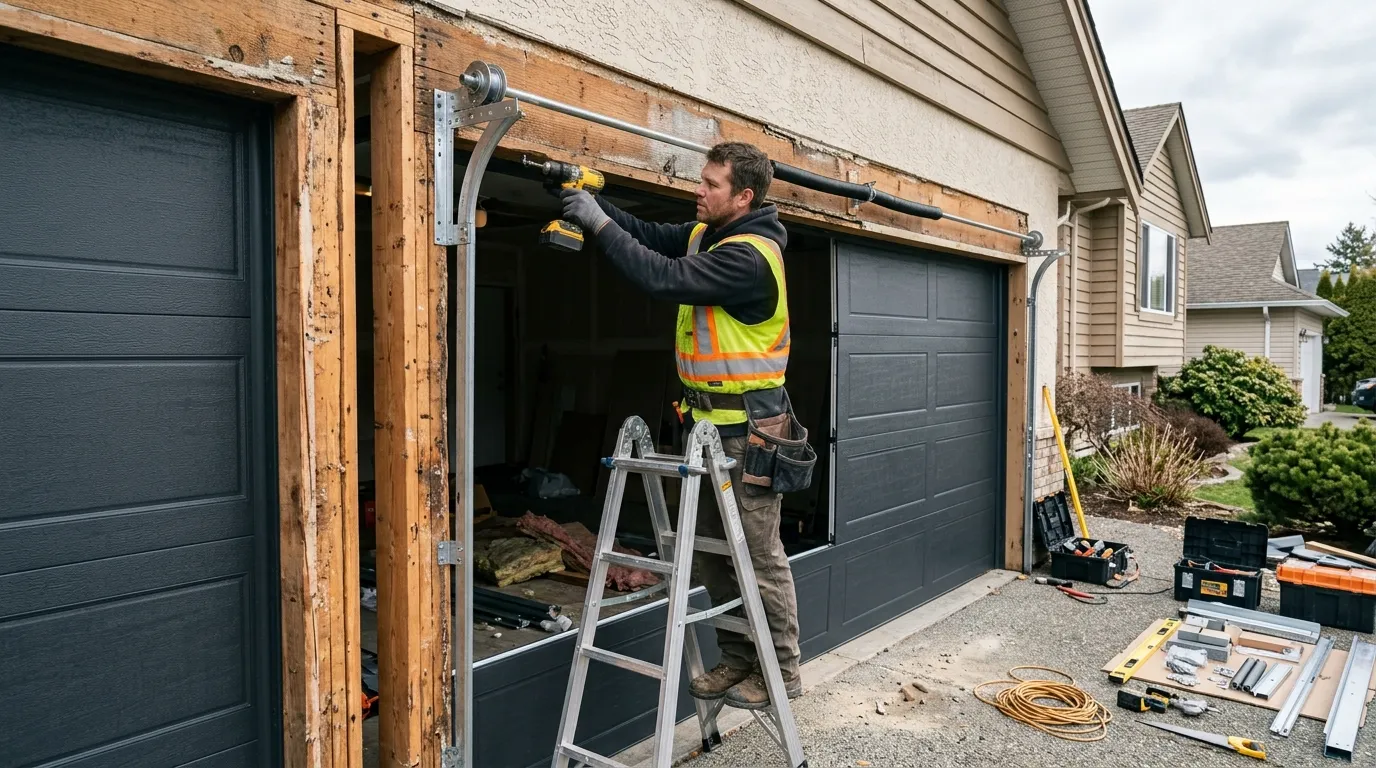
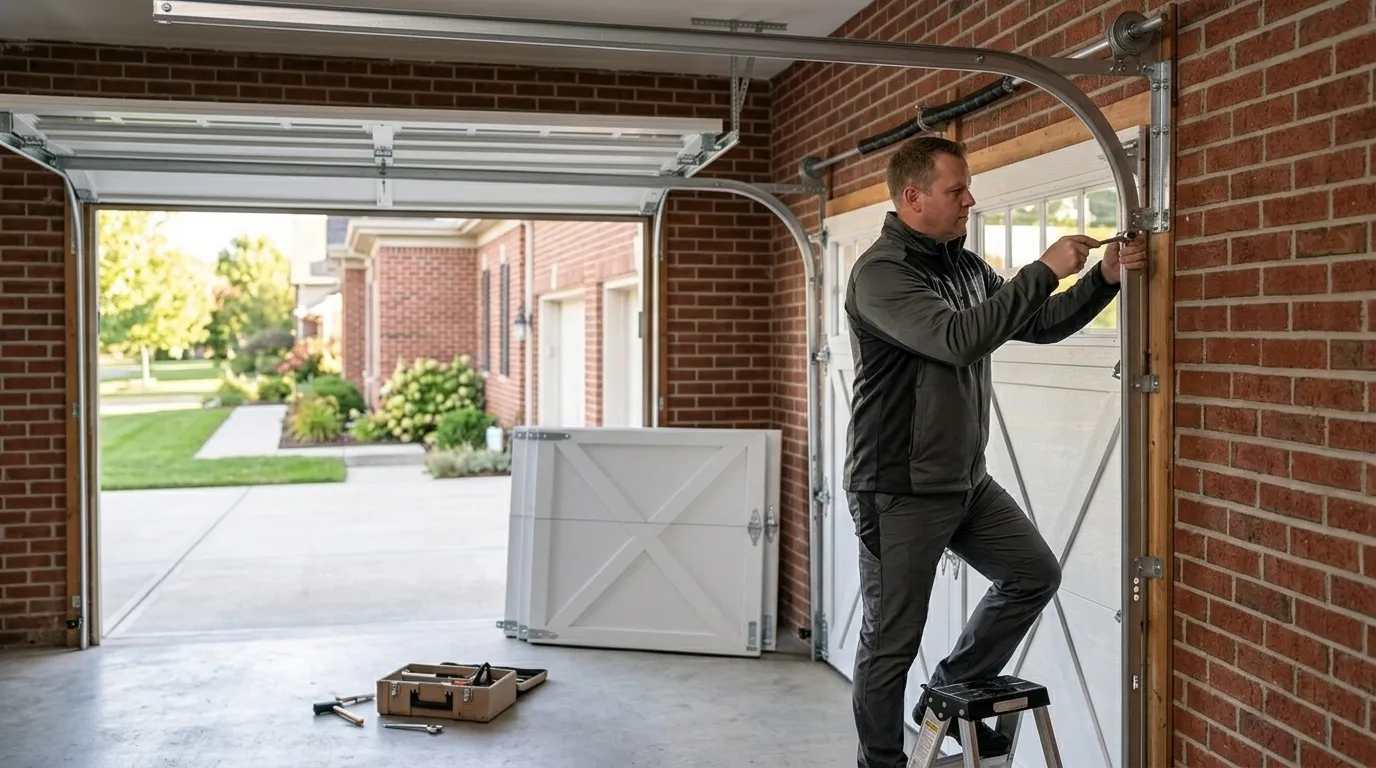
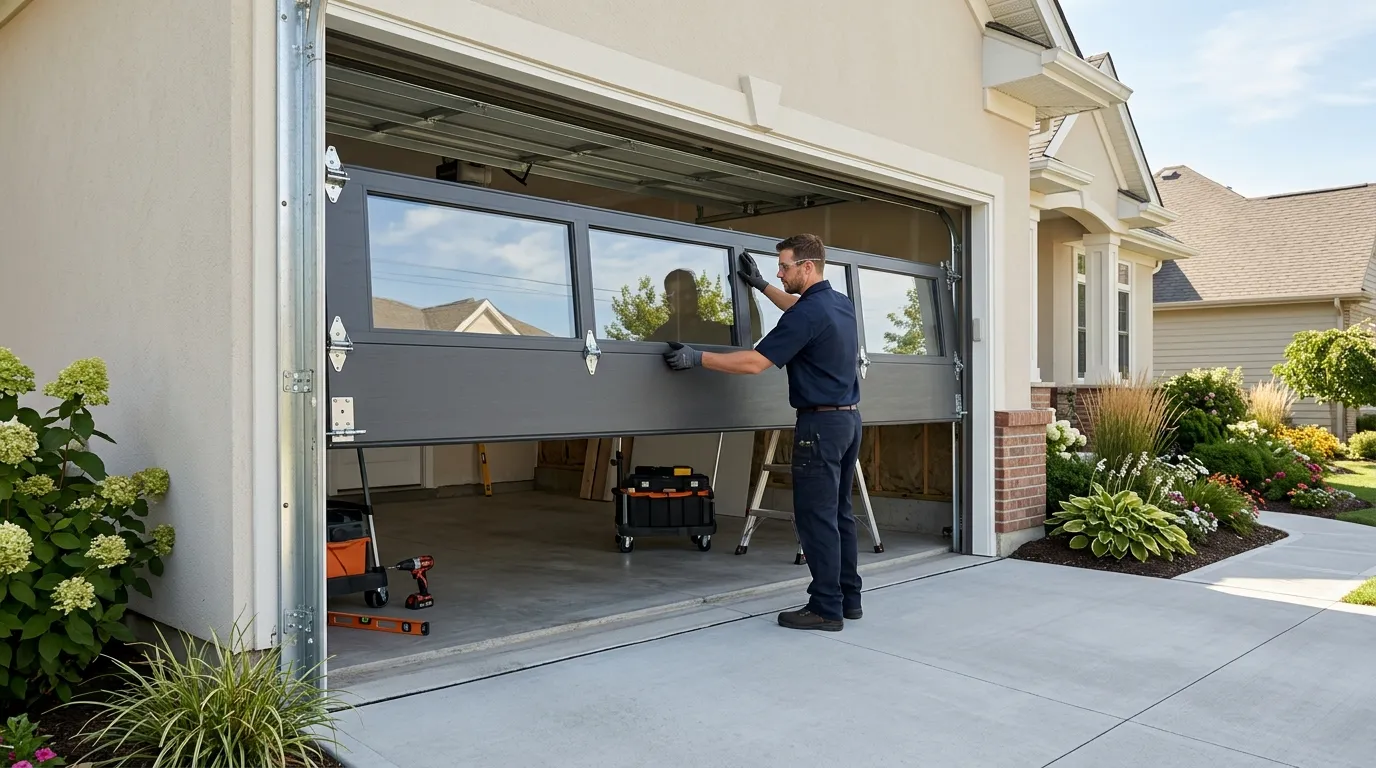
Most of Westchester went up around 1957, which puts the bulk of the town's garages a decade or so ahead of the newer construction you'll find closer to the lake. That matters for a new door install because the rough opening was framed for a lighter wood door, not the heavier steel and insulated sections that are standard today. A straightforward swap, same size opening, standard track, usually runs a few hours once we're on site. Where the opening has settled or the jamb has shifted over sixty-plus years, we spend extra time squaring the frame before the door goes in, which adds to the job. We travel from our Morton Grove shop, about 14 miles out, so we schedule the day around drive time and try to give you one visit that covers measuring and install rather than two separate trips. If your opener wiring or header needs work beyond the door itself, we'll tell you before we start, not after we've opened the box.
What Causes It Around Here
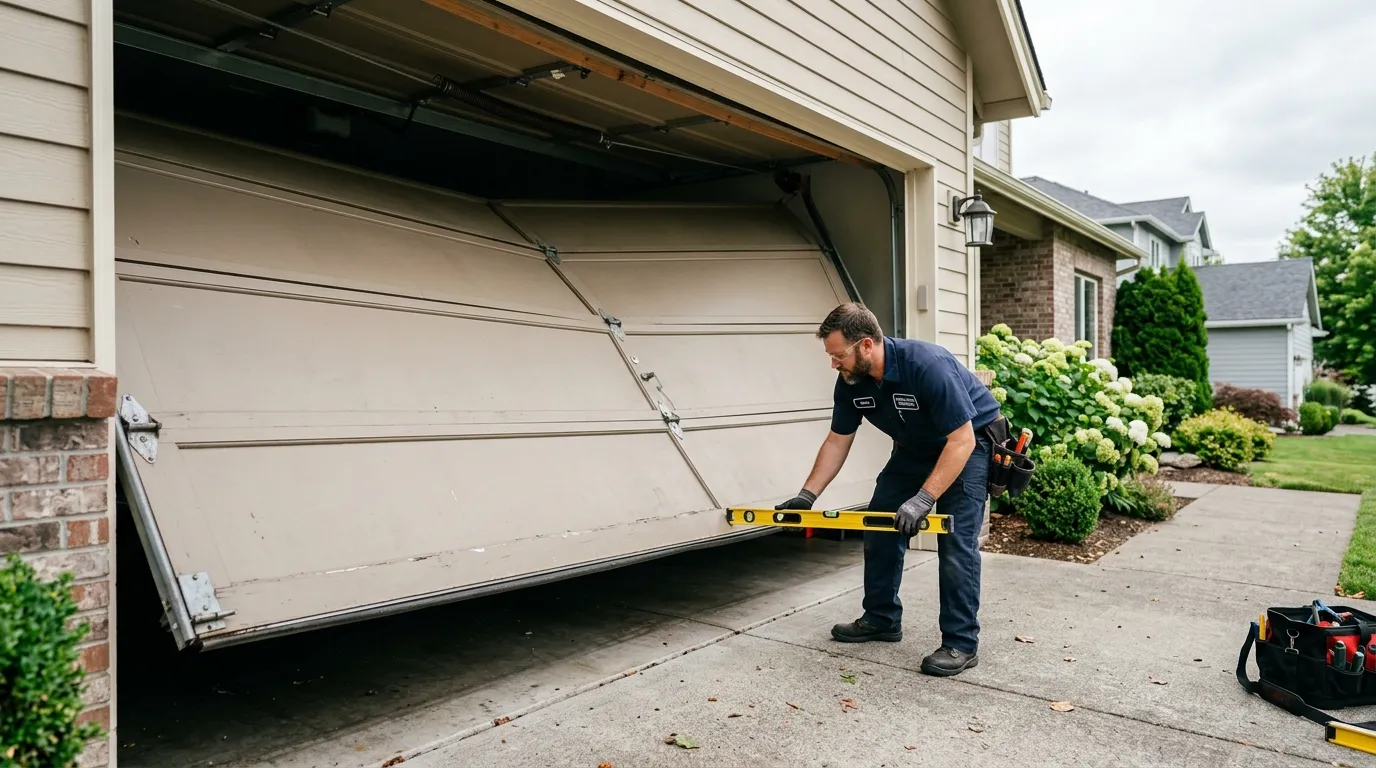
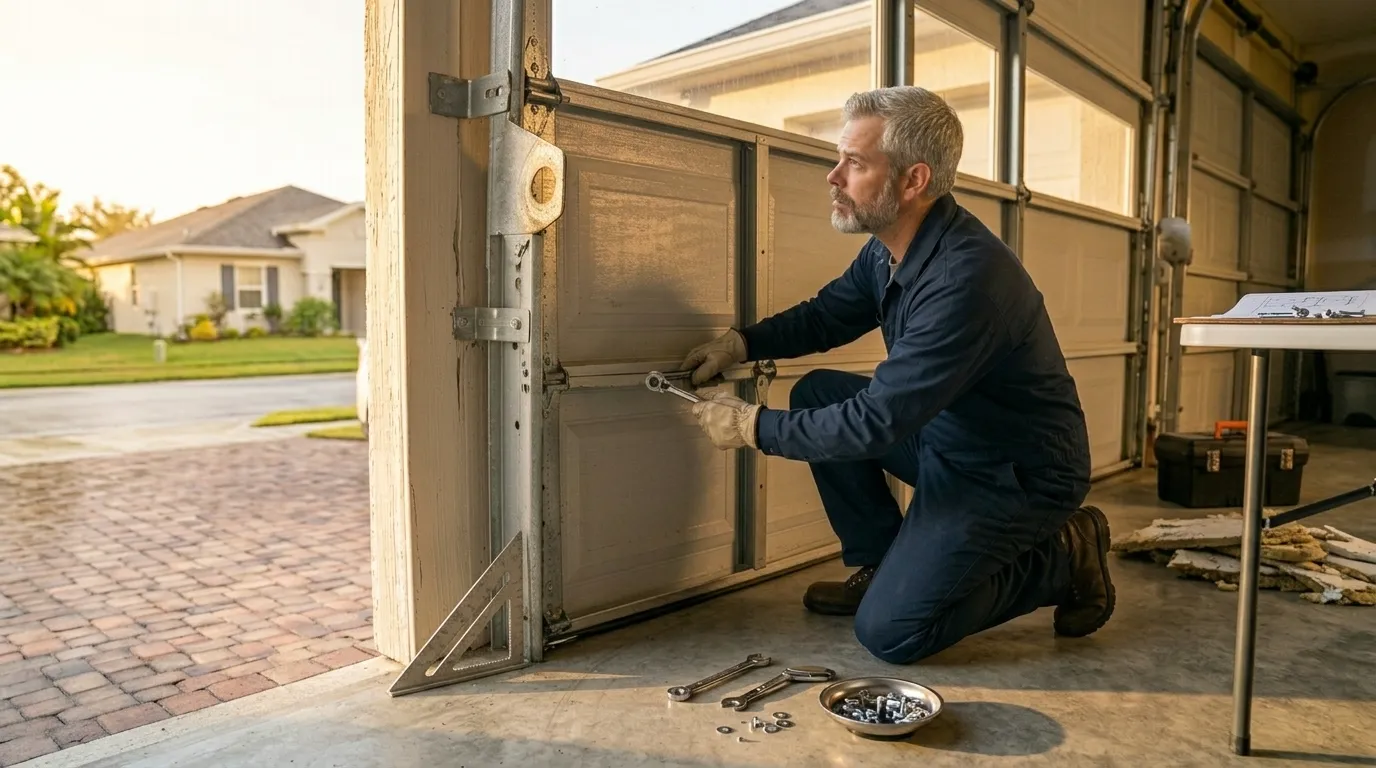
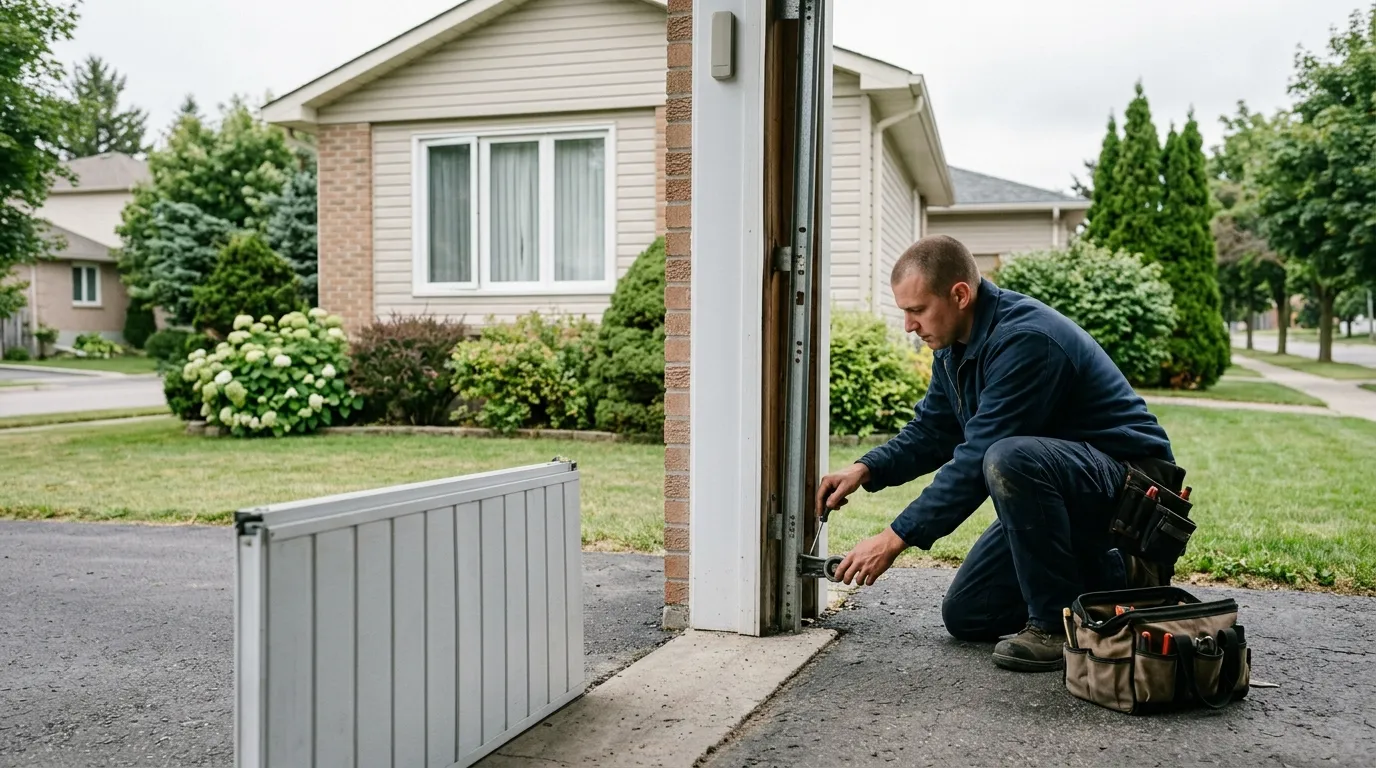
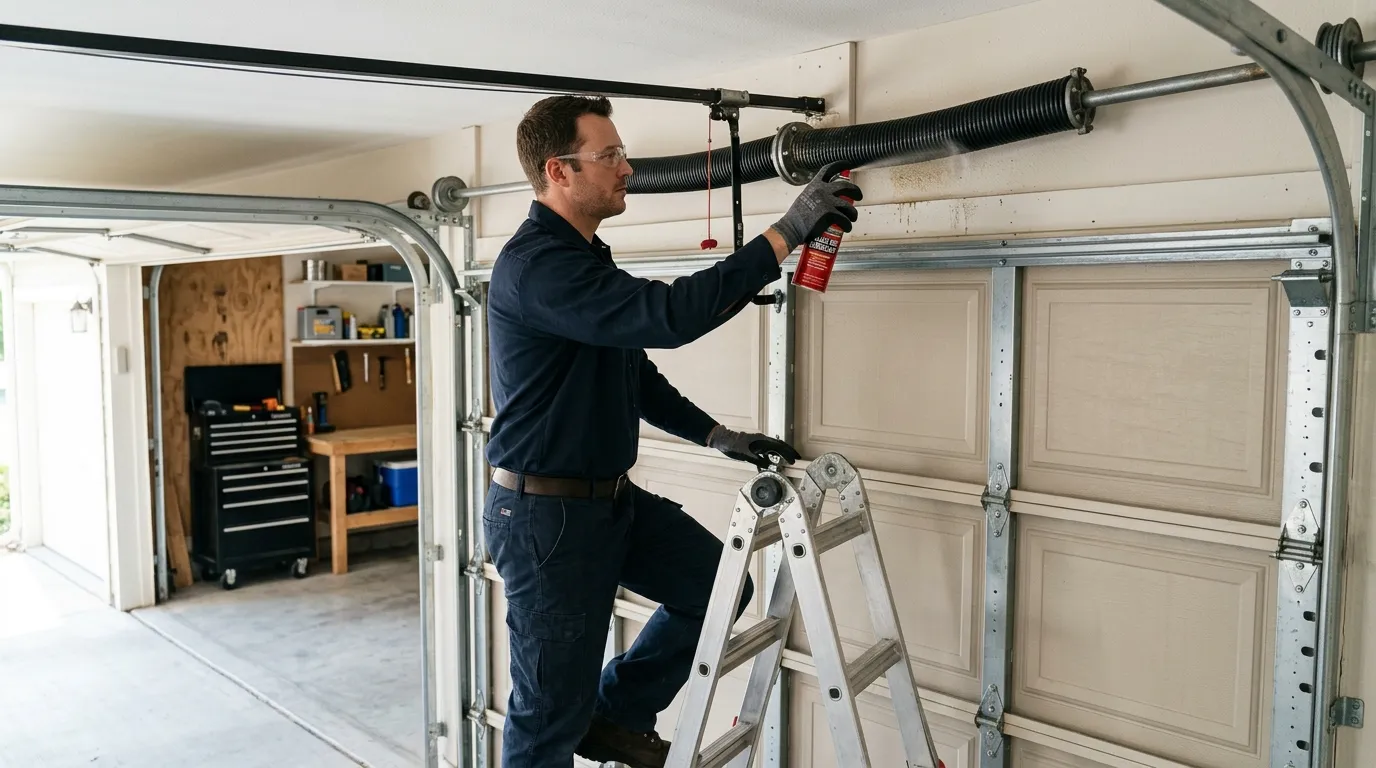
With a median build year of 1957, a lot of Westchester garages still have the original wood jambs and, in some cases, hardware that predates the double-torsion-spring setup you'd see on a house built after 1980. Wood swells and shrinks with the cold-moderate winters here, and after decades of that movement, tracks that were plumb when installed are no longer plumb now. That's the single biggest reason a new door install here isn't a drop-in job: the opening has to be checked and often re-shimmed before a new door will run true. Income levels in the area ($103,561 median) mean most owners are choosing mid-to-upper-tier insulated steel doors rather than the cheapest option, which is the right call given how much a door has to fight seasonal temperature swings in an unconditioned garage.
How We Fix It
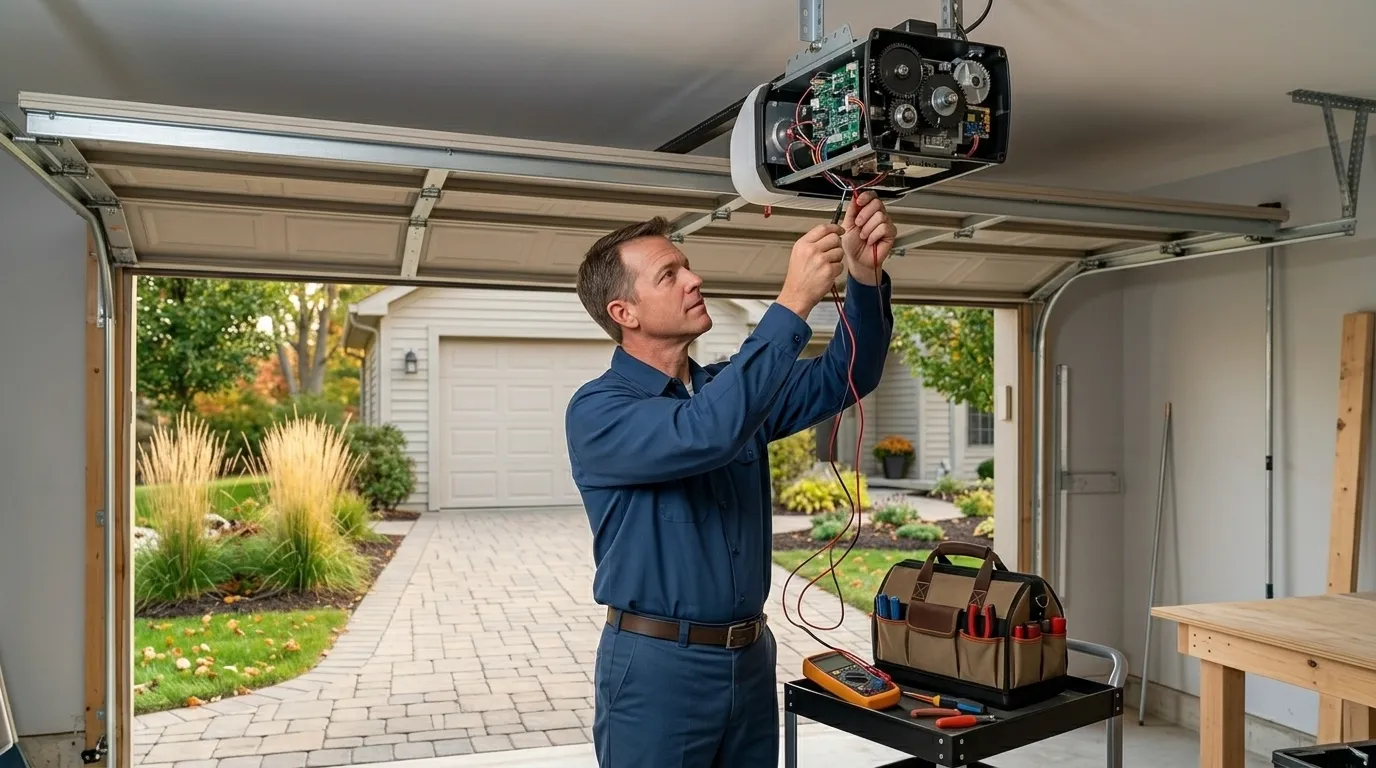
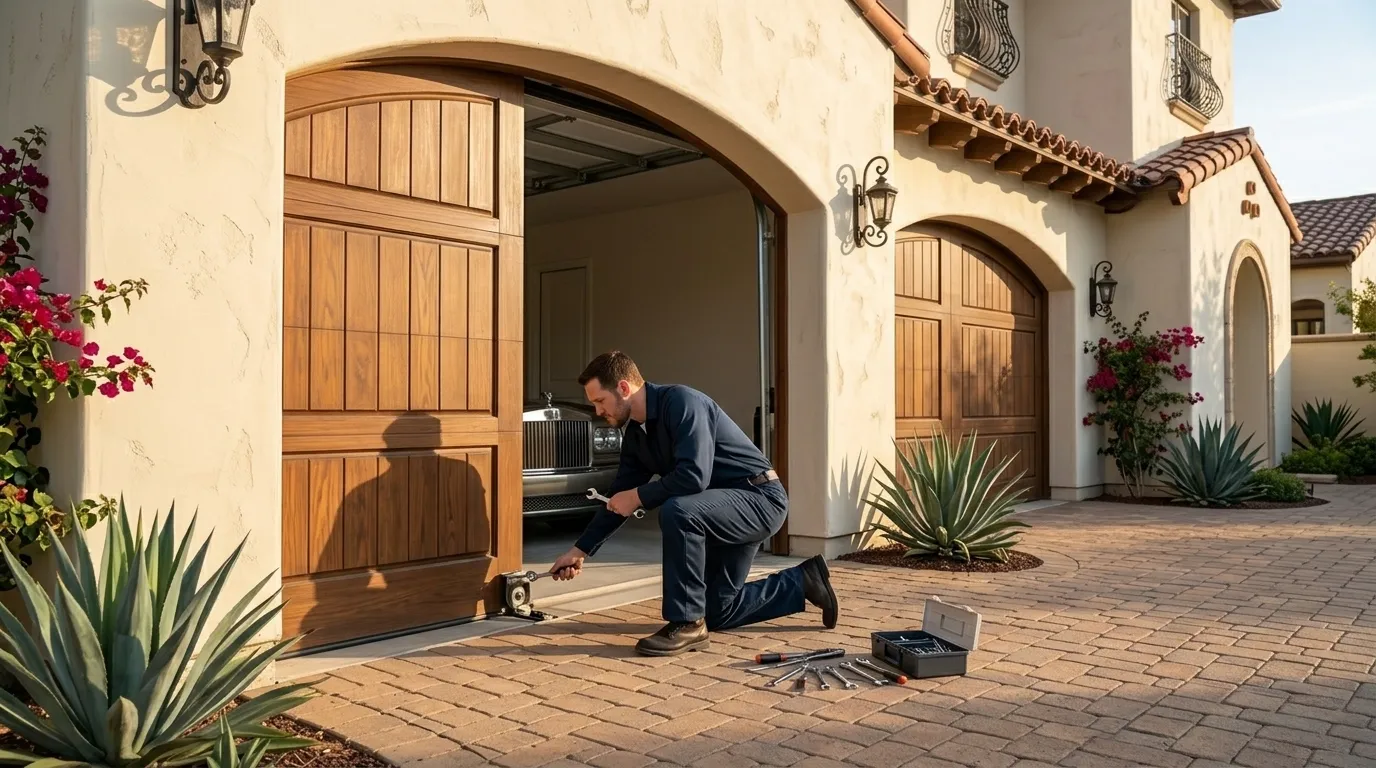
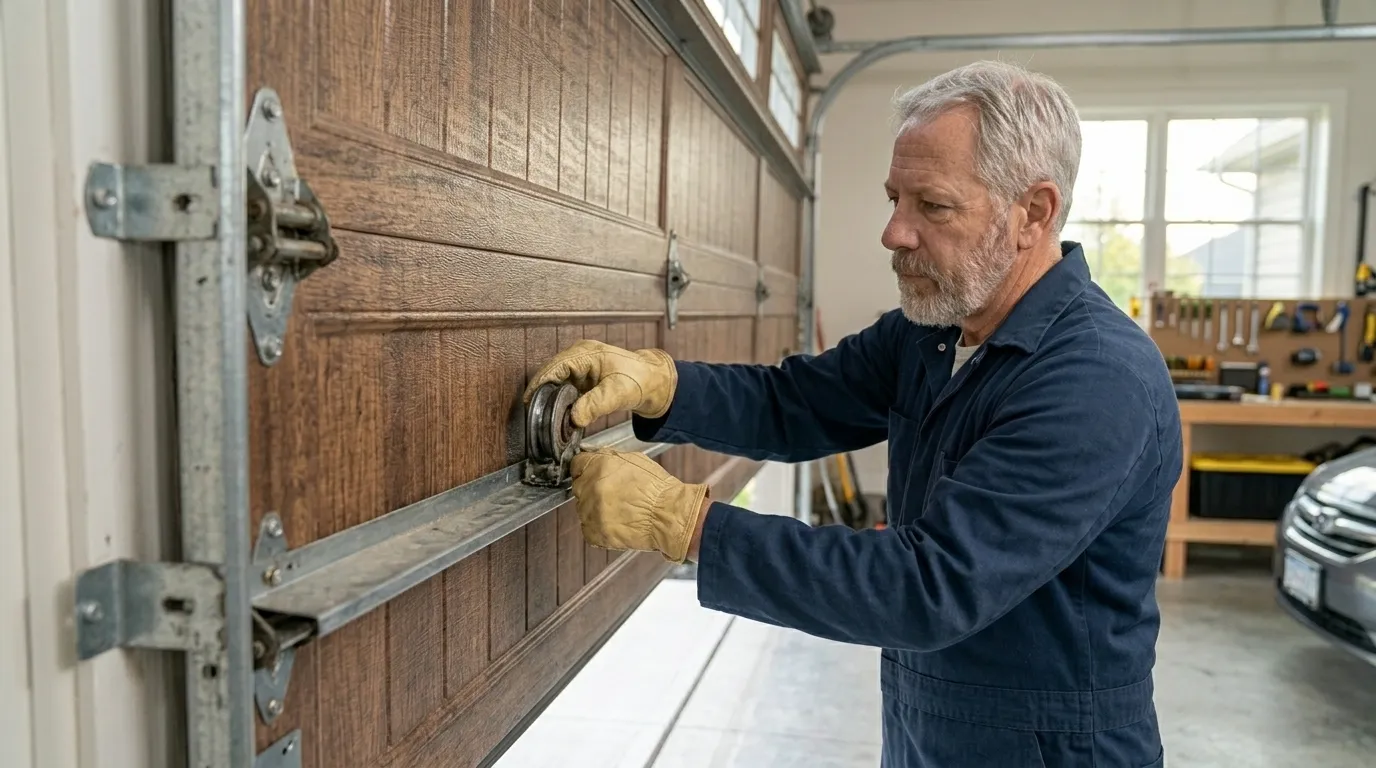
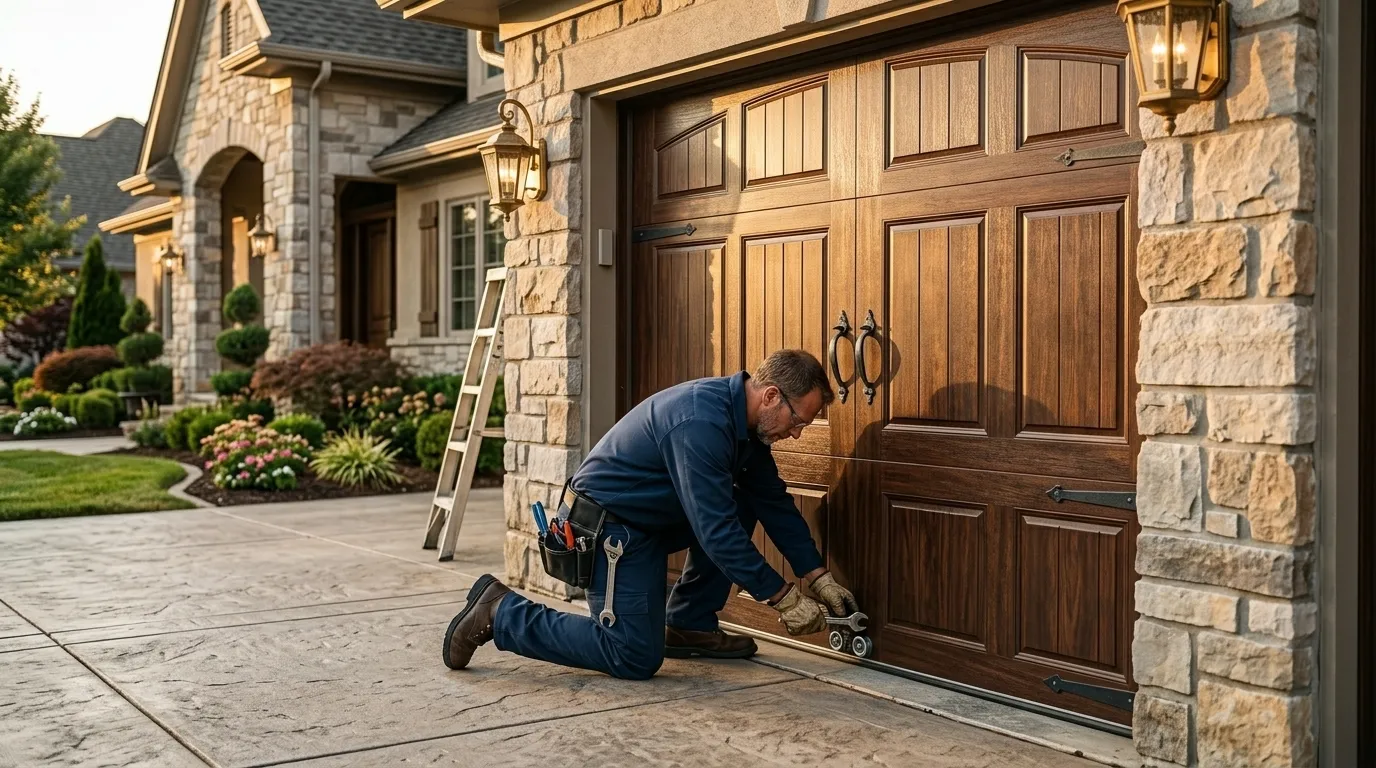
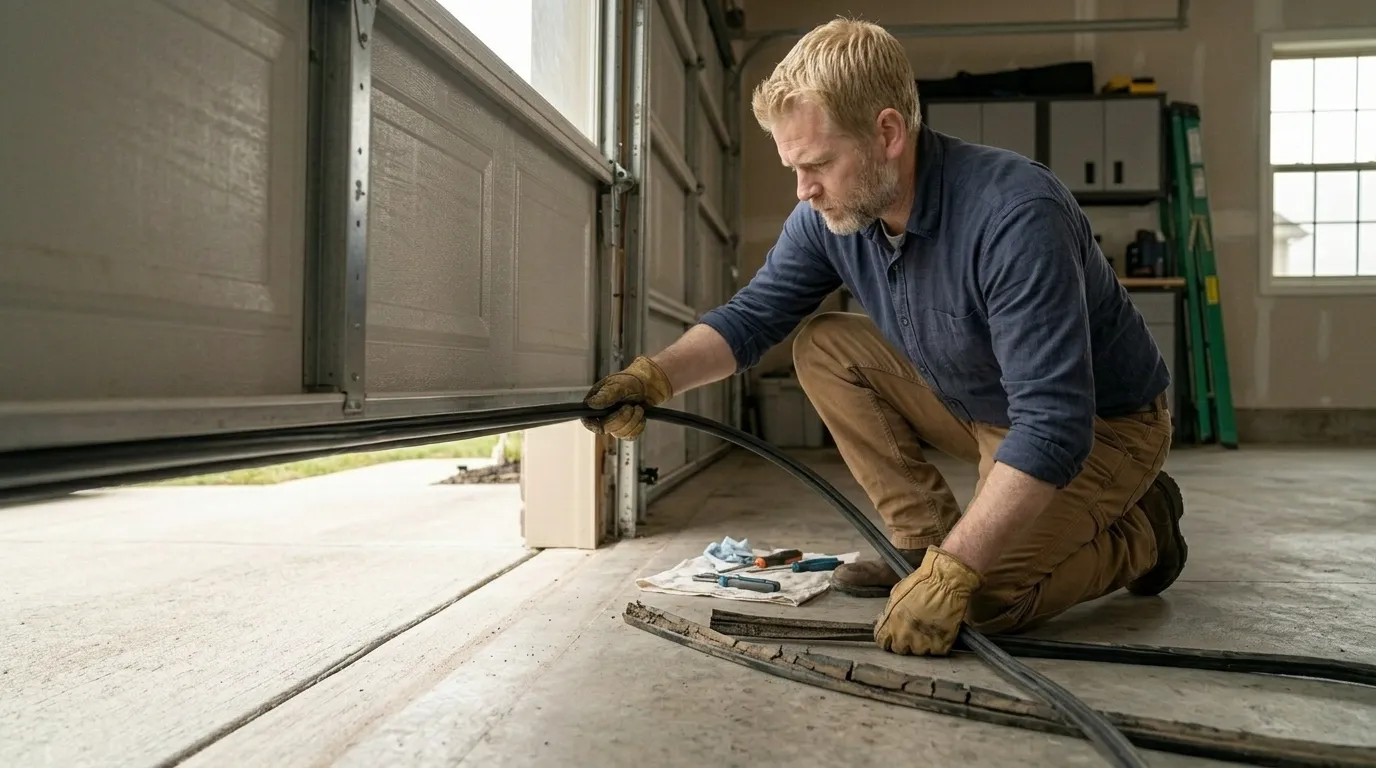
We start by pulling the old door and checking the opening for square before anything new goes in a house from this era. If the jamb has shifted, we shim and re-anchor the track mounts rather than bolting a new track to an out-of-plumb frame, which is a shortcut that shows up as noise and premature wear within a year or two. From there it's a standard sequence: new track, new springs sized to the door weight, new cables, and the opener mounted and travel-limited to the new door's actual clearance, not the old door's numbers. We test the balance by hand before we ever power the opener, because a door that isn't balanced will burn out an opener motor early no matter how good the opener is. Cleanup and haul-away of the old door and hardware is part of the job, not an add-on.