How Long It Takes
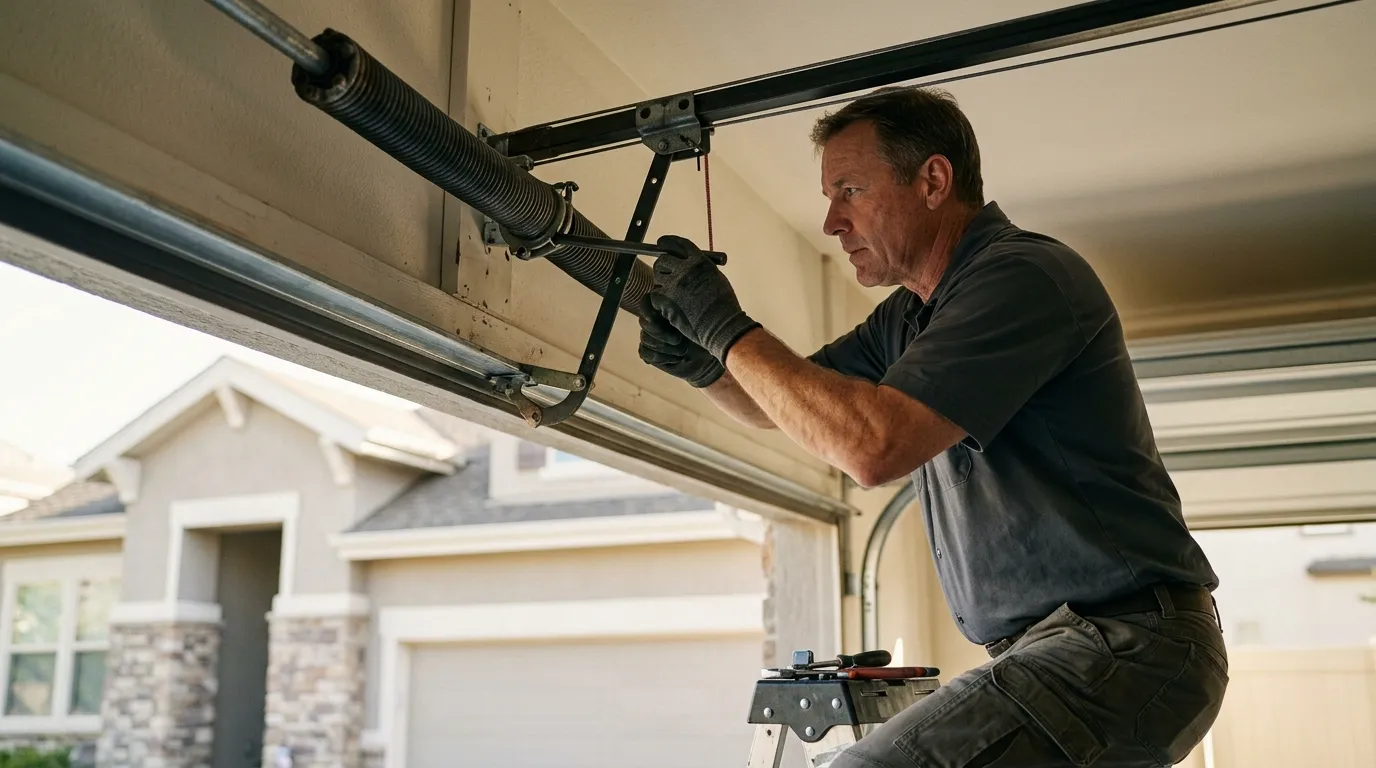
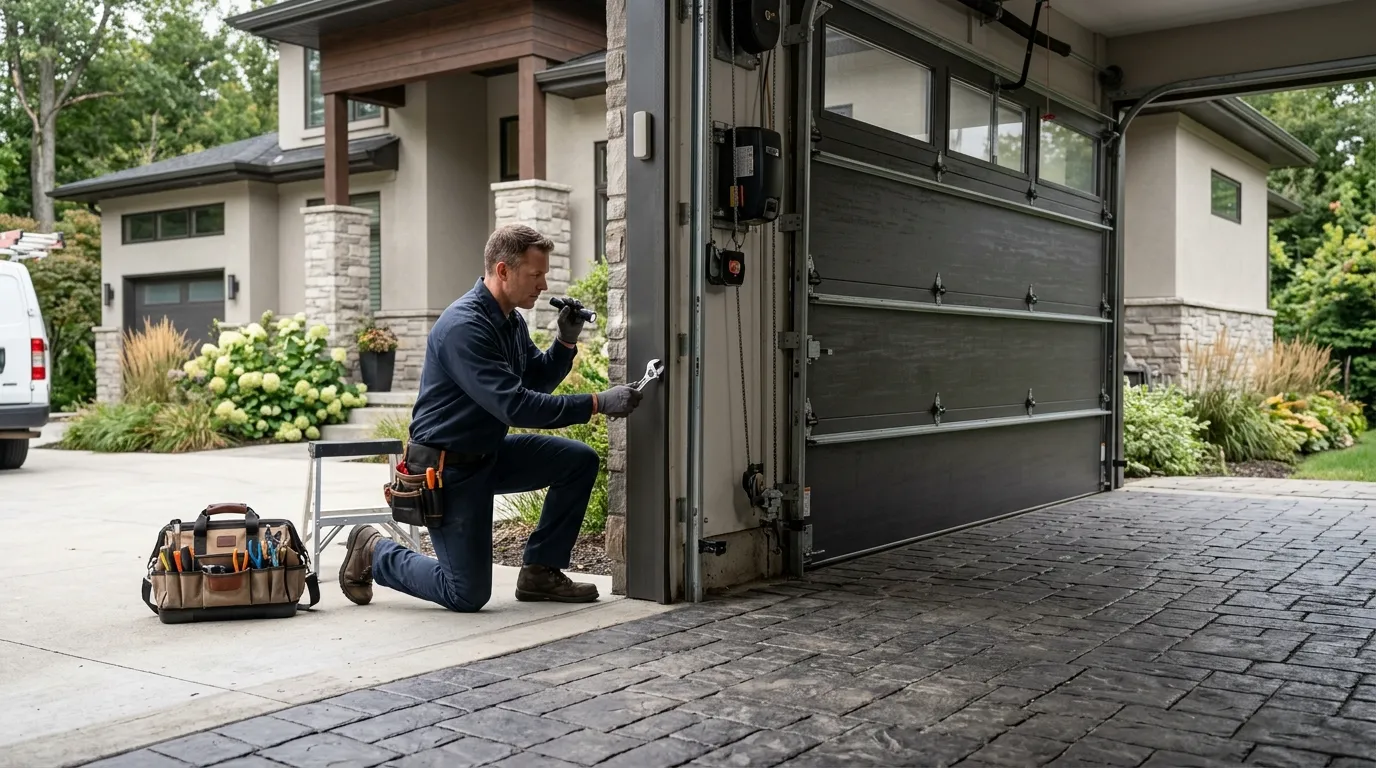
A snapped cable on its own is usually a same-visit fix once a truck is on-site: cut the old cable off the drum, wind on a new one, re-tension, test. What slows the job down in Winnetka is what's underneath the cable. With a median build year of 1938, a lot of these houses still carry their original extension-spring setup, cables running over pulleys rather than wound on torsion drums. Those pulleys wear grooves over sixty-plus years, and a cable that's frayed from riding a worn pulley usually means the pulley gets replaced too, not just the cable.
That adds maybe twenty minutes to the visit, not a second trip. What does turn into a second trip is when the drum itself has hairline cracks from age, or the track has enough rust that the door won't ride straight even with a fresh cable. On a house this old, that's not rare. We'd rather tell you that up front than have the door back off its track a week later.
We're coming from Morton Grove, about 5 miles out, so factor that into scheduling rather than expecting a walk-up response window.
The Cost of This Job
We don't have a set price to quote here without seeing the door, and on a house from 1938 the honest answer is that cost depends more on what's around the cable than the cable itself. A clean cable-only swap on hardware that's otherwise sound is the cheap end of the job. A cable replacement that also needs a new pulley, a re-set drum, or a matched pair of aged extension springs costs more, because you're not just replacing one part, you're bringing a sixty-plus-year-old system back into balance.
Winnetka's median household income sits well above the wider Morton Grove service area's, and the houses we see here tend to have kept their original hardware rather than having it swapped out piecemeal over the decades, which cuts both ways: original parts sometimes mean nothing's been bodged, but it also means everything's the same age and due at once. We'll tell you on-site which side of that you're on before doing the work, not after.
What Can Go Wrong
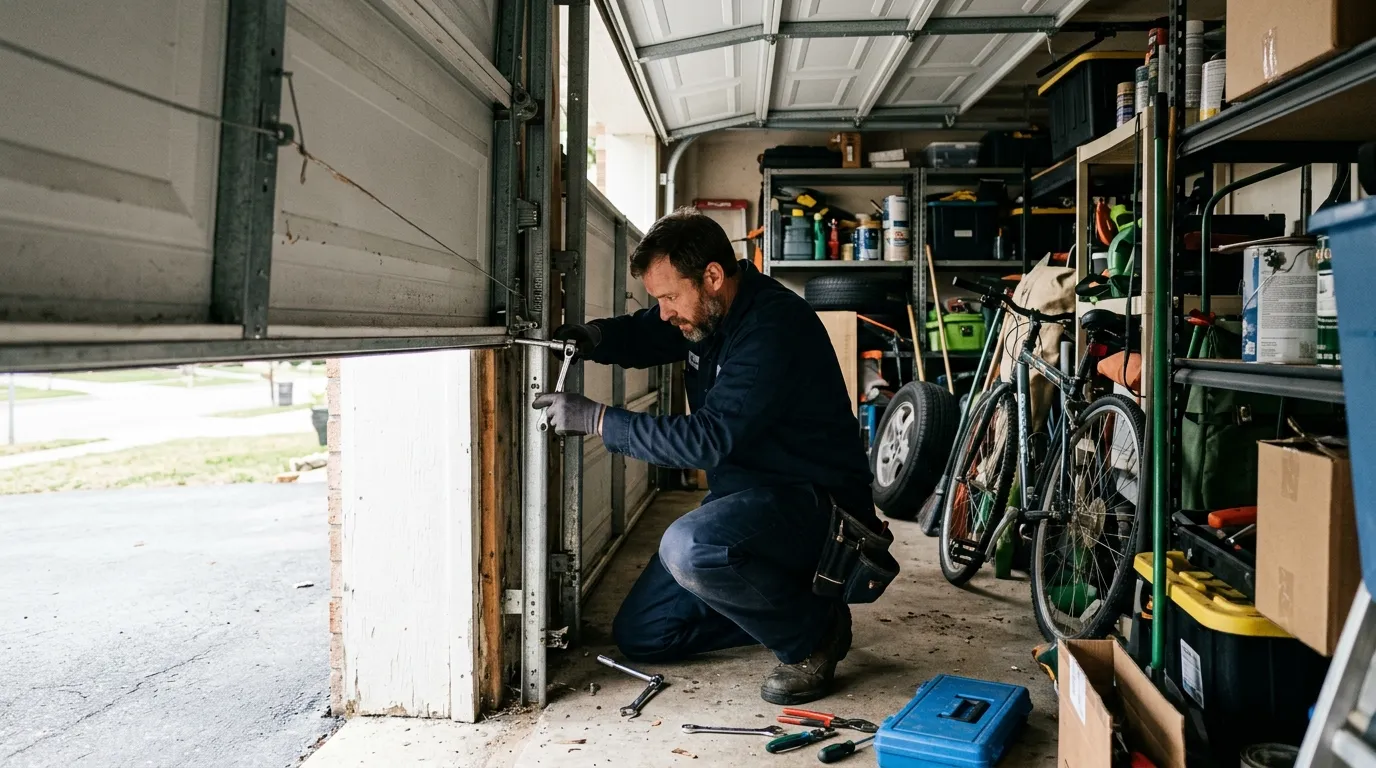
The failure we see most in this part of the service area is a cable that's stayed on the drum just long enough to fray unevenly, then lets go while the door's mid-travel, dropping one side faster than the other. On a heavy older wood door, that uneven drop can rack the frame or bend a track, turning a cable job into a track and roller job.
The other pattern tied to the 1938-and-earlier build era: extension springs that have never been replaced. A cable failing on a system with a tired spring sometimes means the spring itself let go first and took the cable with it. We check both when we're already there, because replacing a cable and leaving a spring that's about to go does the homeowner no favors.
One limit worth naming: if the drum or track is cracked or badly rusted, we'll say so and recommend replacing that section rather than patching a cable onto hardware that's not going to hold it for long. Sometimes the door is closer to full replacement than repair, and we won't sell you a cable fix if that's the case.