How Long It Takes
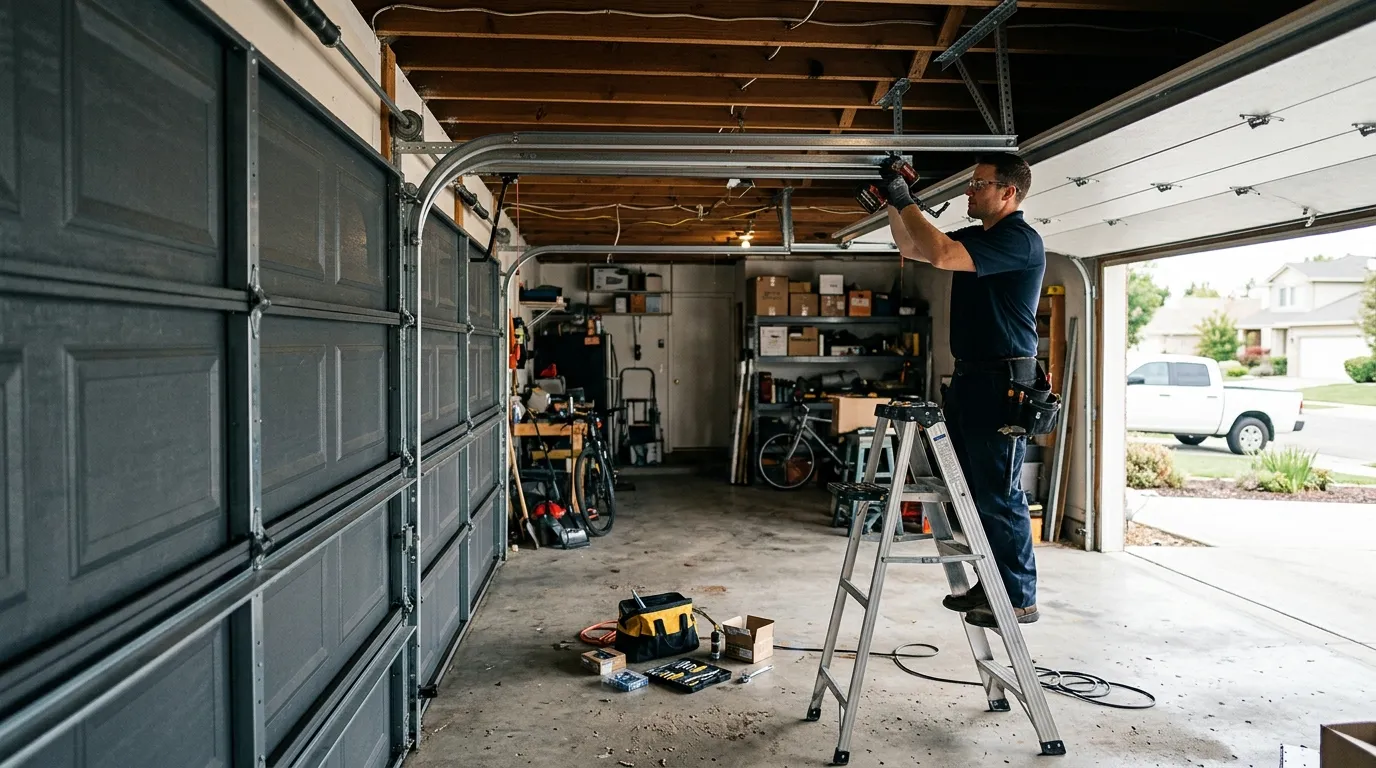
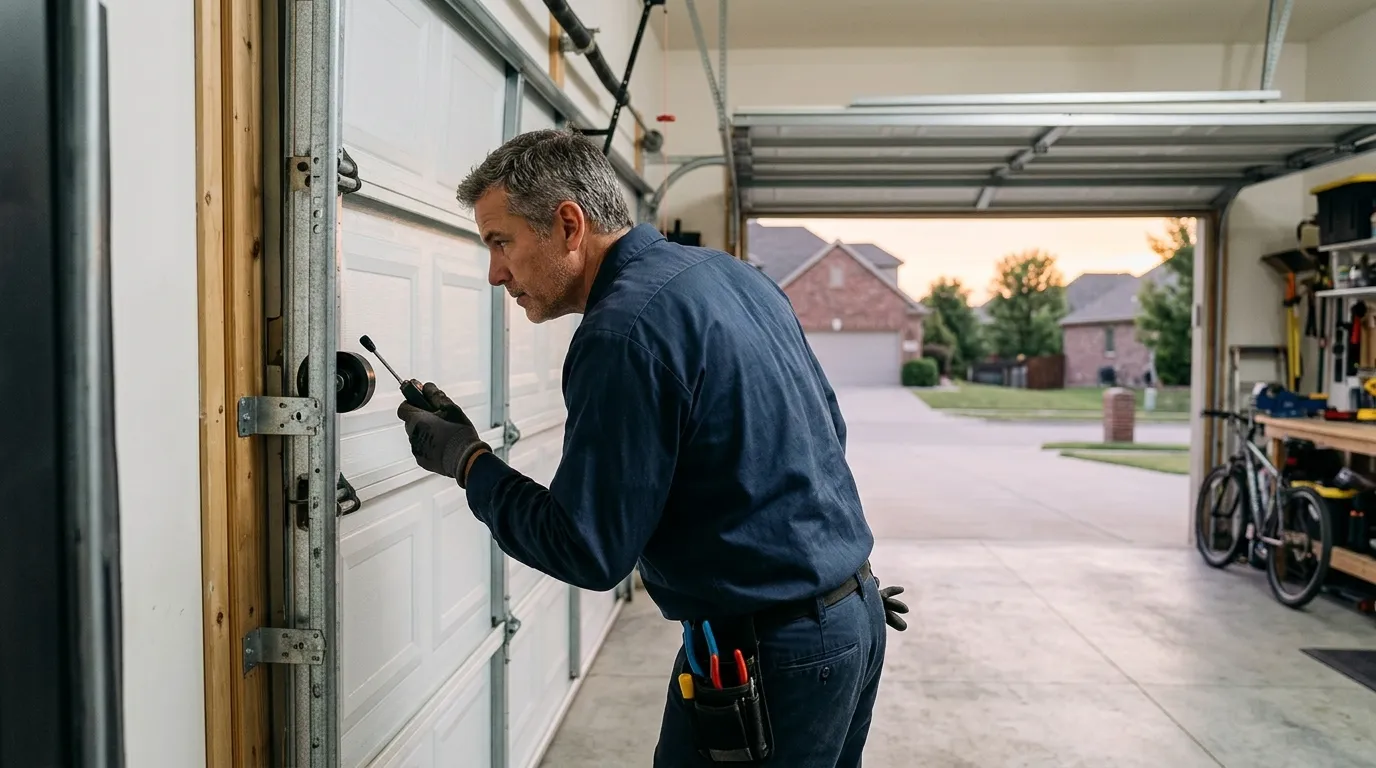
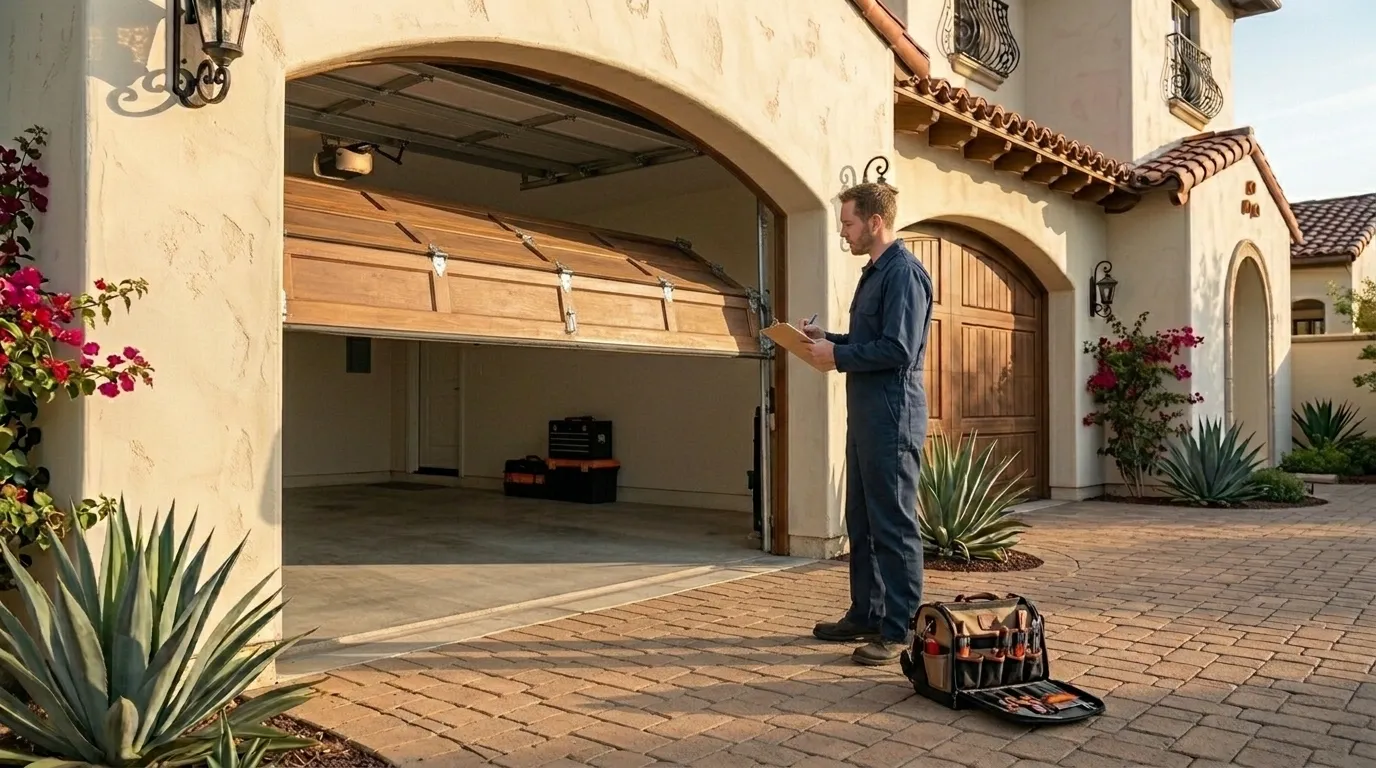
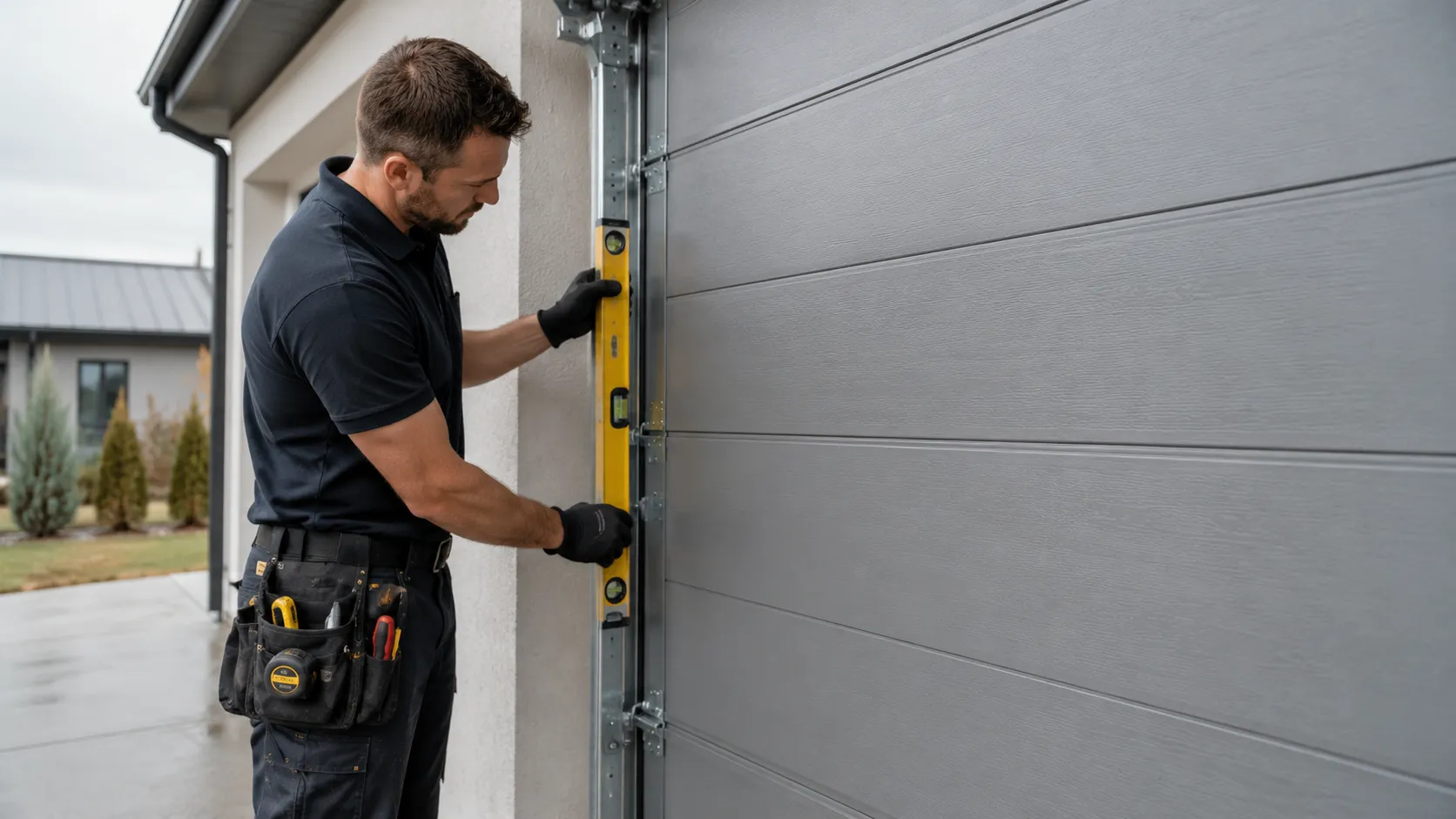
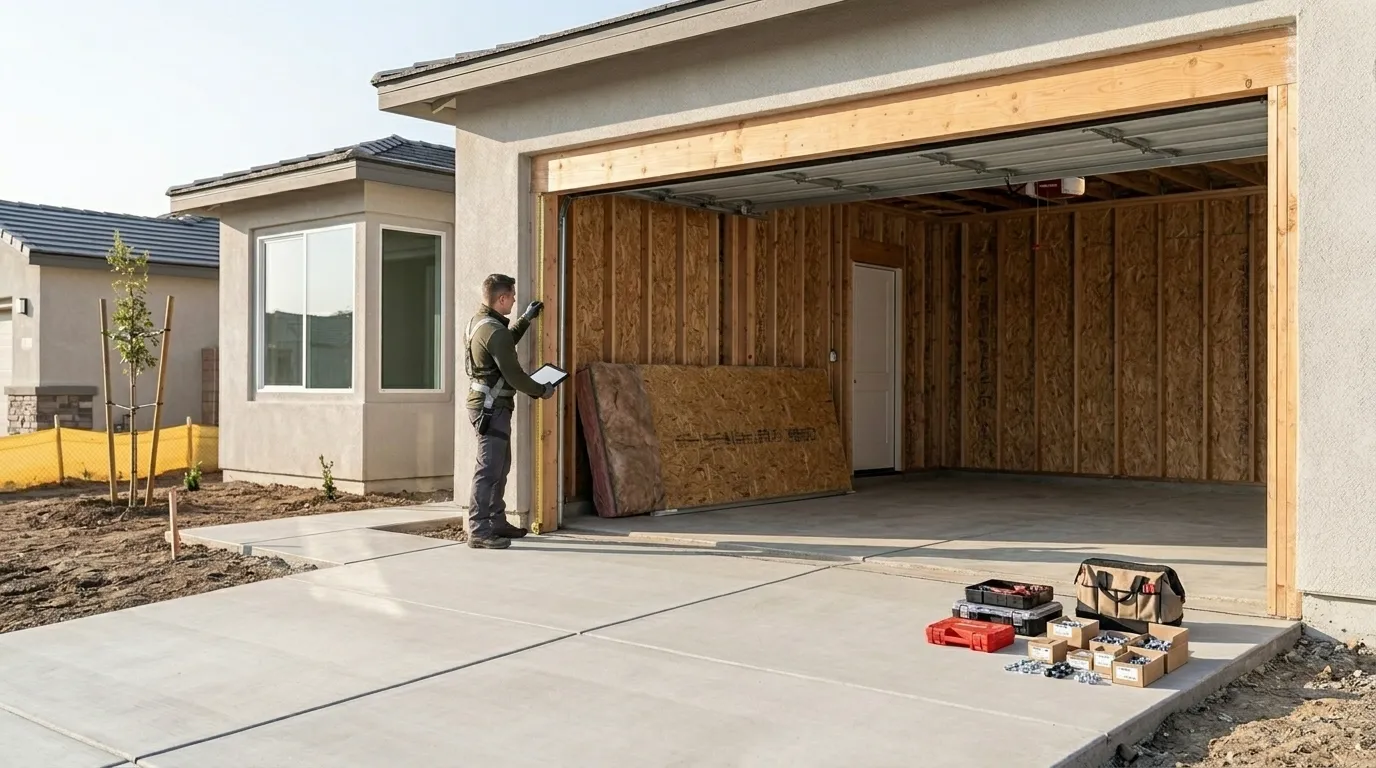
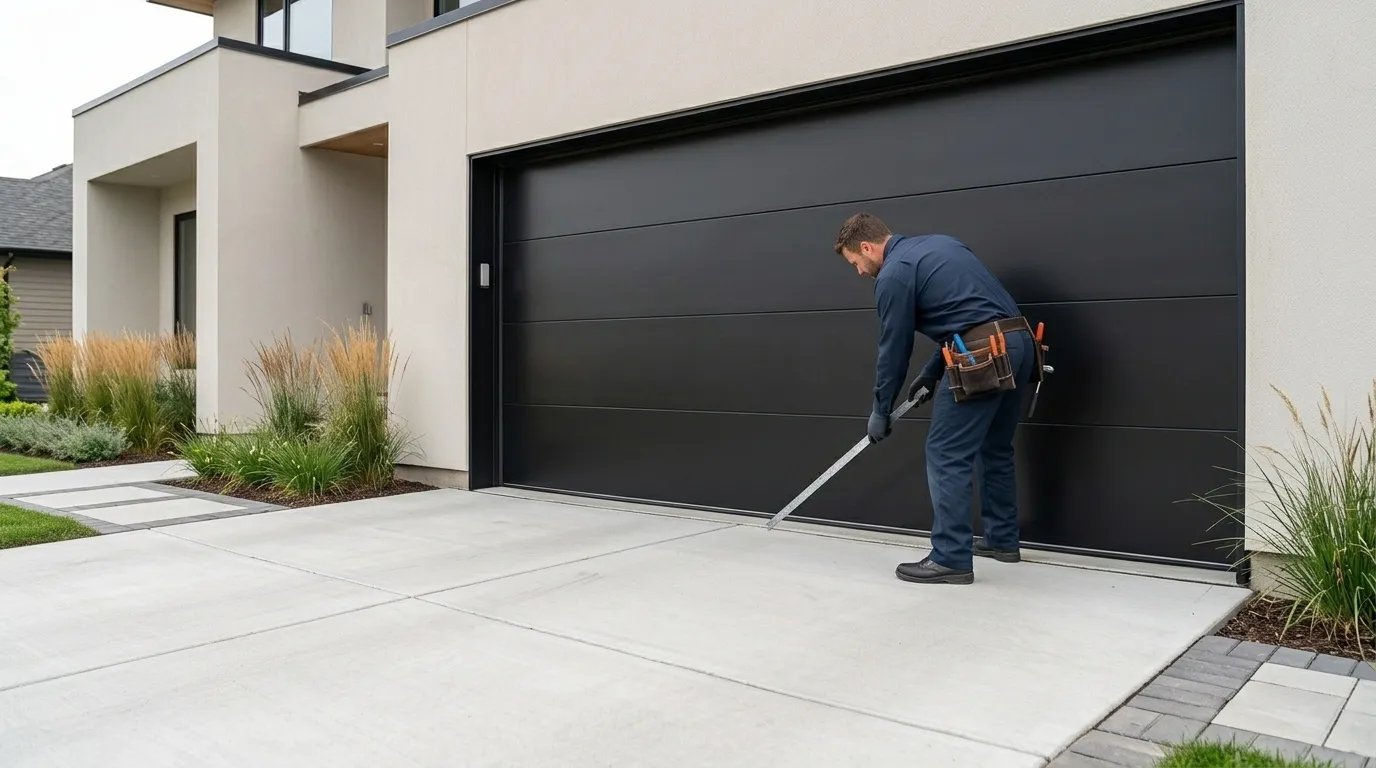
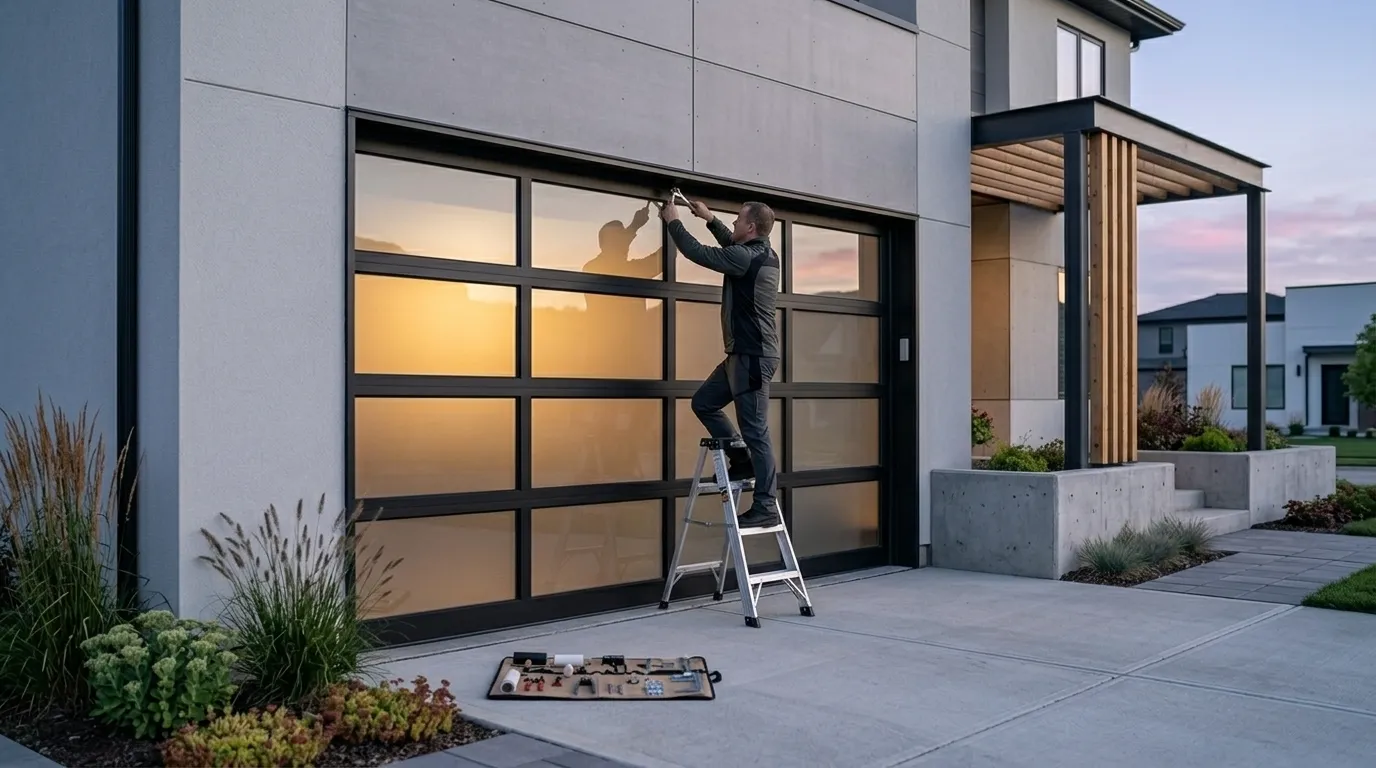
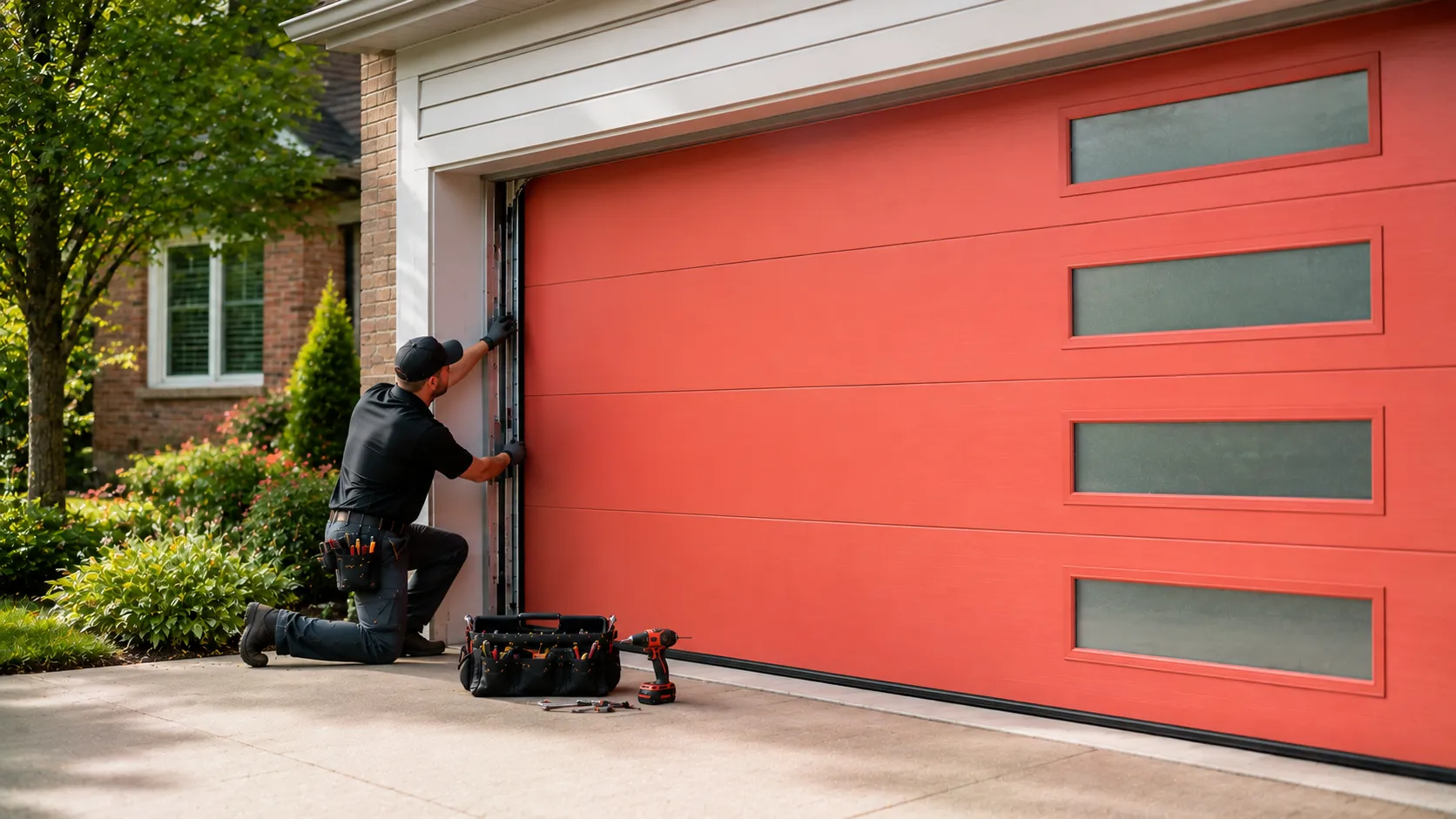
Winnetka's housing stock runs older than most of the towns we cover from Morton Grove. Across the wider service area the median build year lands around 1963, but Winnetka's own median sits at 1938 - a quarter century earlier. That gap changes the job before the crew even opens a toolbox. Older openings are often framed to dimensions nobody manufactures a stock door for anymore, so the first visit is measuring, not installing. On a straightforward swap where the rough opening matches a current standard size, we're in and out in half a day. On a house from the 1930s with a jamb that's shrunk, settled, or was never square to begin with, plan on a second visit or extra time on-site for trim and jamb work before the new door goes in. We come from Morton Grove, about 5 miles out, so we schedule the full day rather than splitting a job across two short trips. If your opening needs custom sizing, we'll tell you at the estimate, not after the door shows up and doesn't fit.
The Cost of This Job
We don't have a Winnetka-specific price list to hand you here, and giving you a number without seeing the opening would be a guess dressed up as a quote. What does affect the number: Winnetka's older housing stock means a higher share of non-standard openings than in newer subdivisions, and a custom-sized door costs more than an off-the-shelf one - sometimes substantially more, since it's built to order rather than pulled off a shelf. Winnetka's median household income runs well above the wider service area's $105,995, and higher-end insulated doors and heavier-gauge steel are common asks in this range. None of that is a reason to assume the job will be expensive - plenty of Winnetka homes have already had openings updated to standard sizes over the years - but it's why we measure first and quote second rather than quoting off a phone call.
What Can Go Wrong
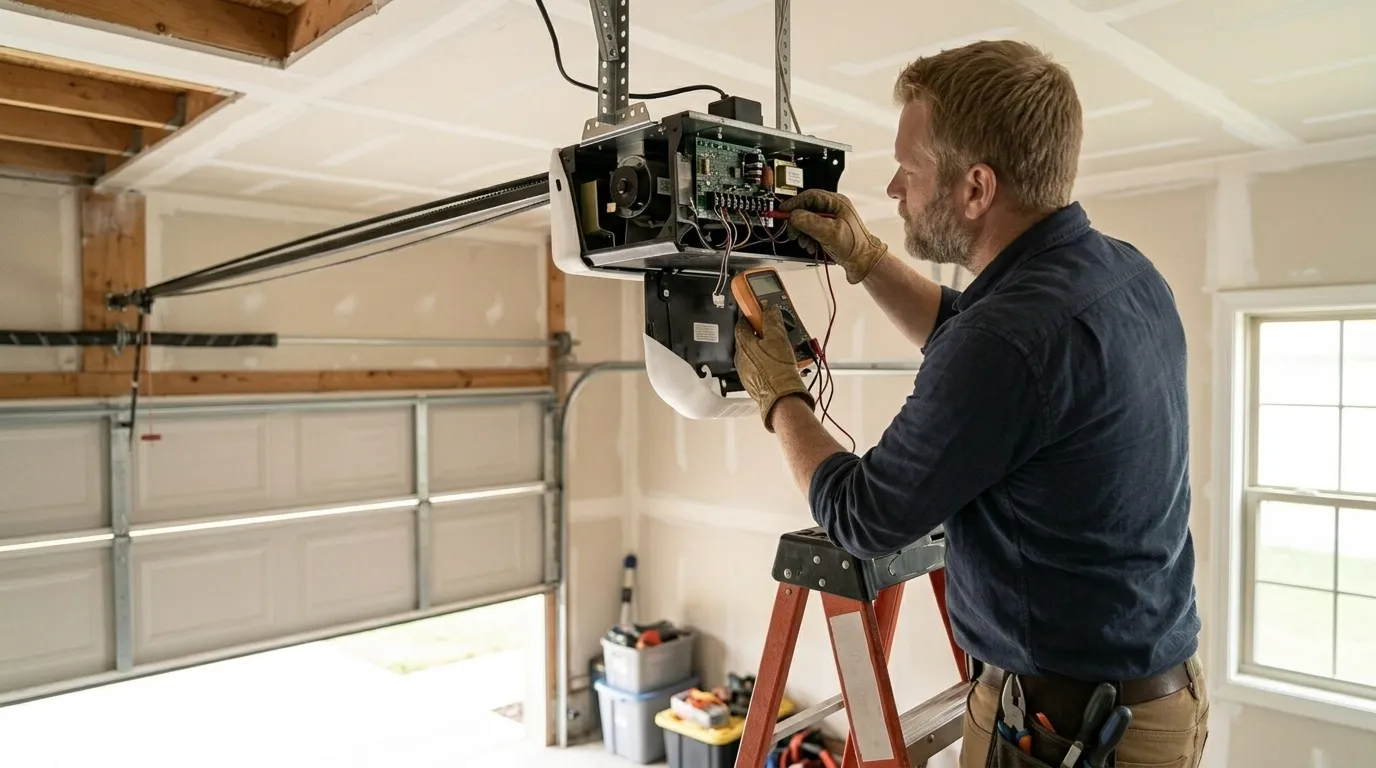
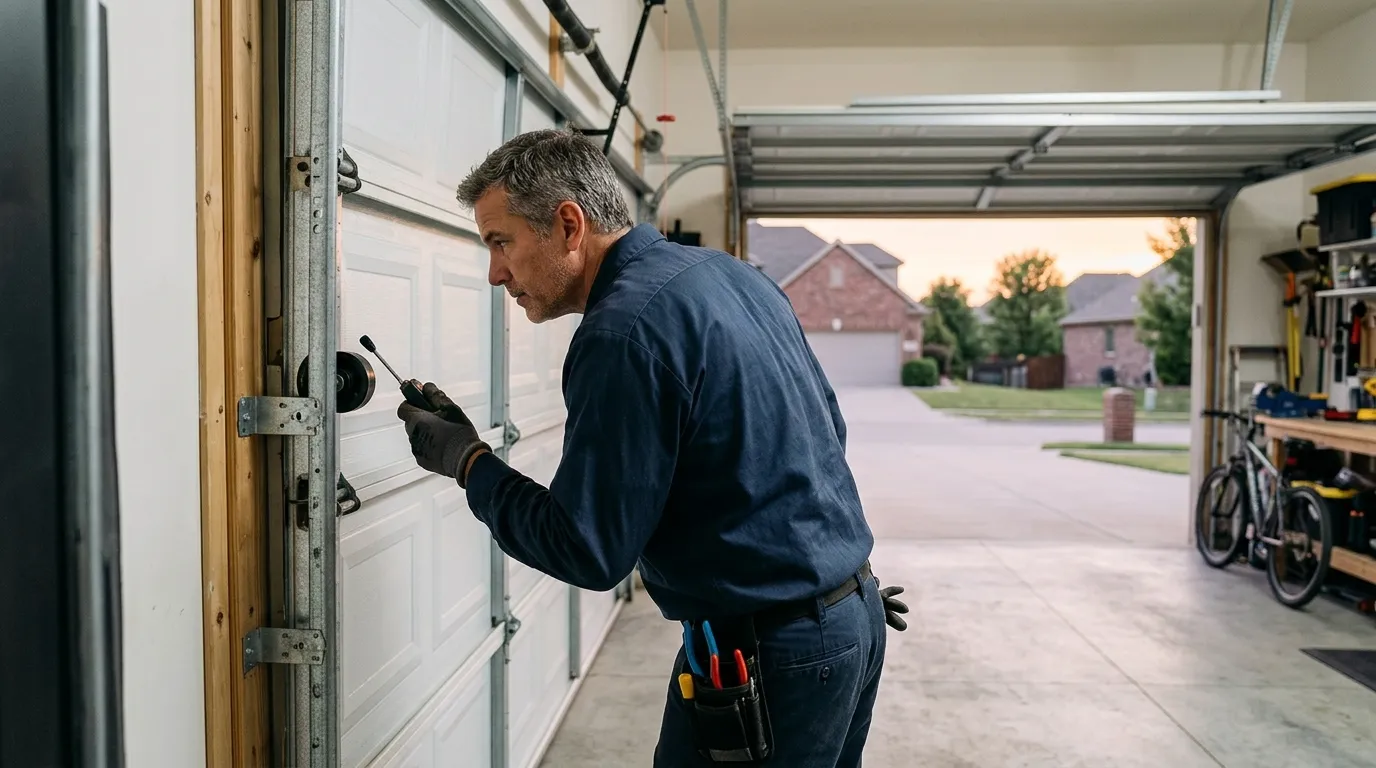
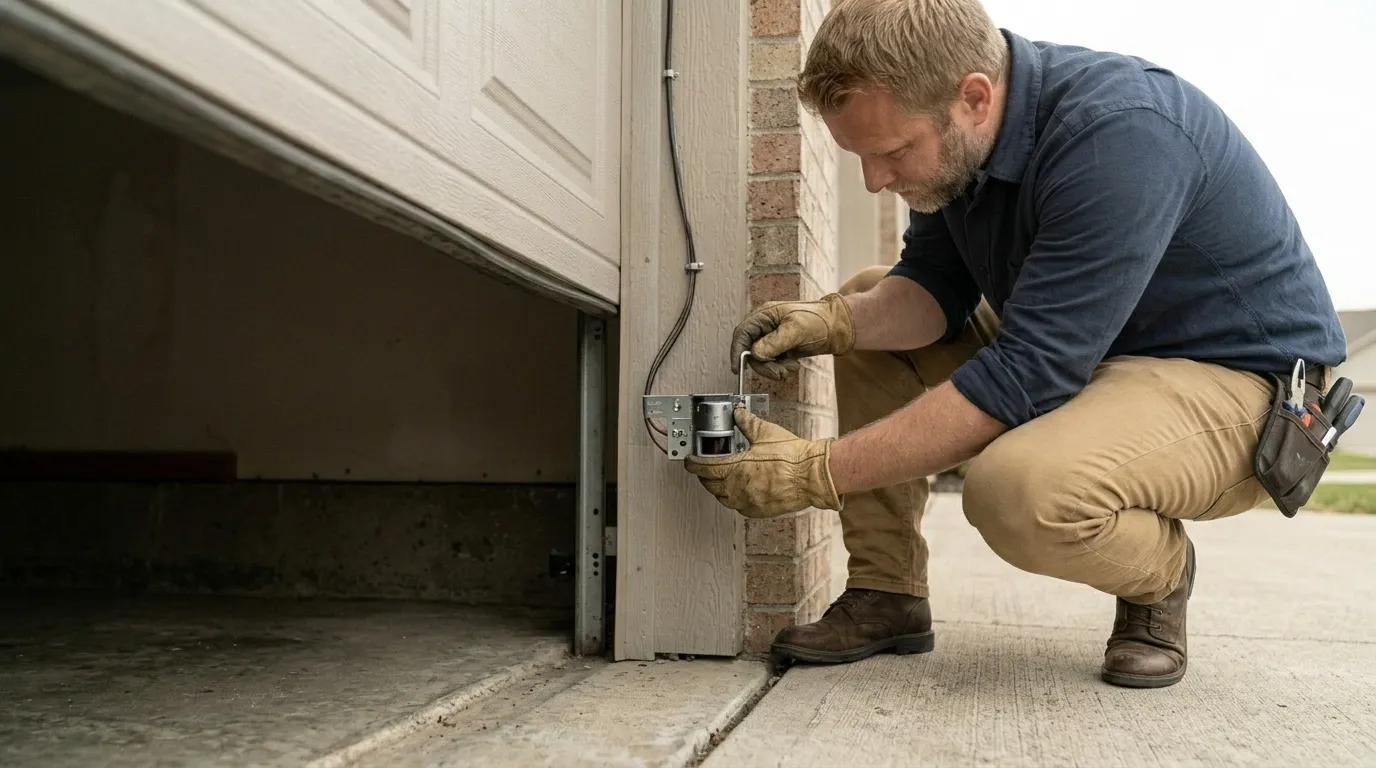
The failure we see most on older construction is a header that was never sized to carry a heavier insulated door, or an opener bracket mounted to framing that's since dried out and loosened. On a house built when the property was, that's not a defect, it's just eighty-plus years of a house doing what wood does. Cold winters here mean an uninsulated original door has likely been fighting condensation and drafts for decades, which is often the real reason a homeowner calls for a replacement in the first place, not a broken spring. The other thing that goes wrong is mismatched expectations on lead time: a custom-width or custom-height door isn't something we carry on the truck, and if your opening doesn't match a standard size, the door itself has to be ordered before we can put a date on the calendar.