How Long It Takes
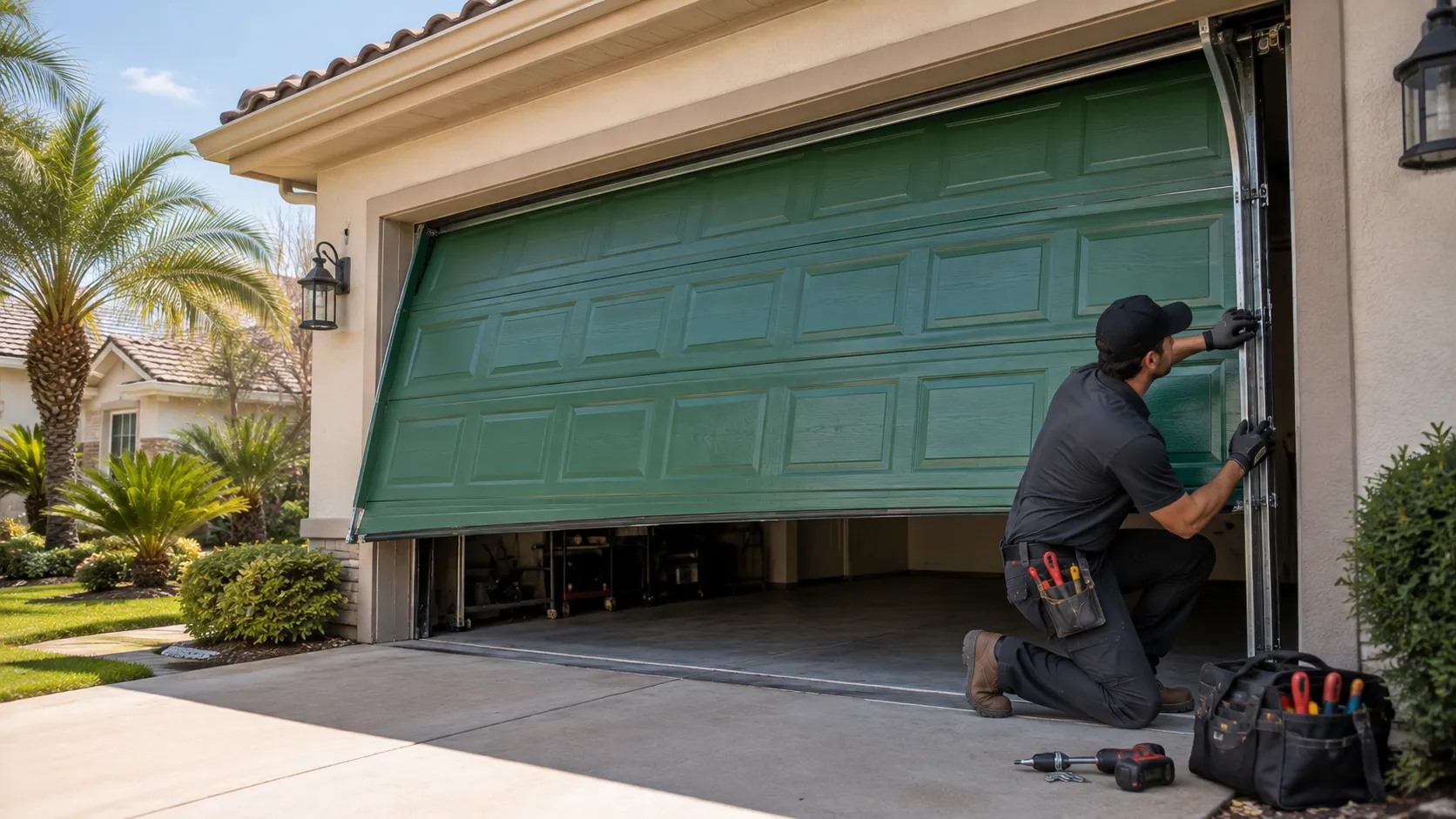
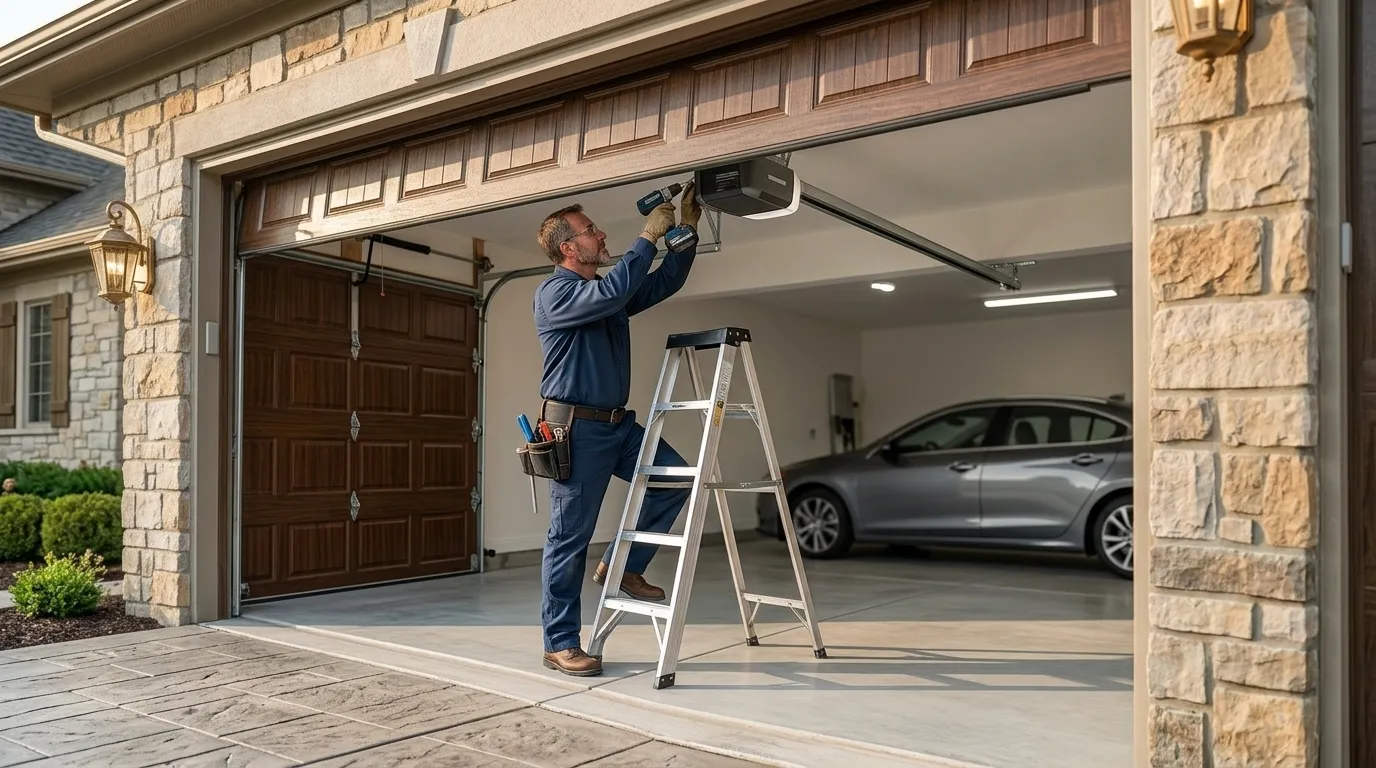
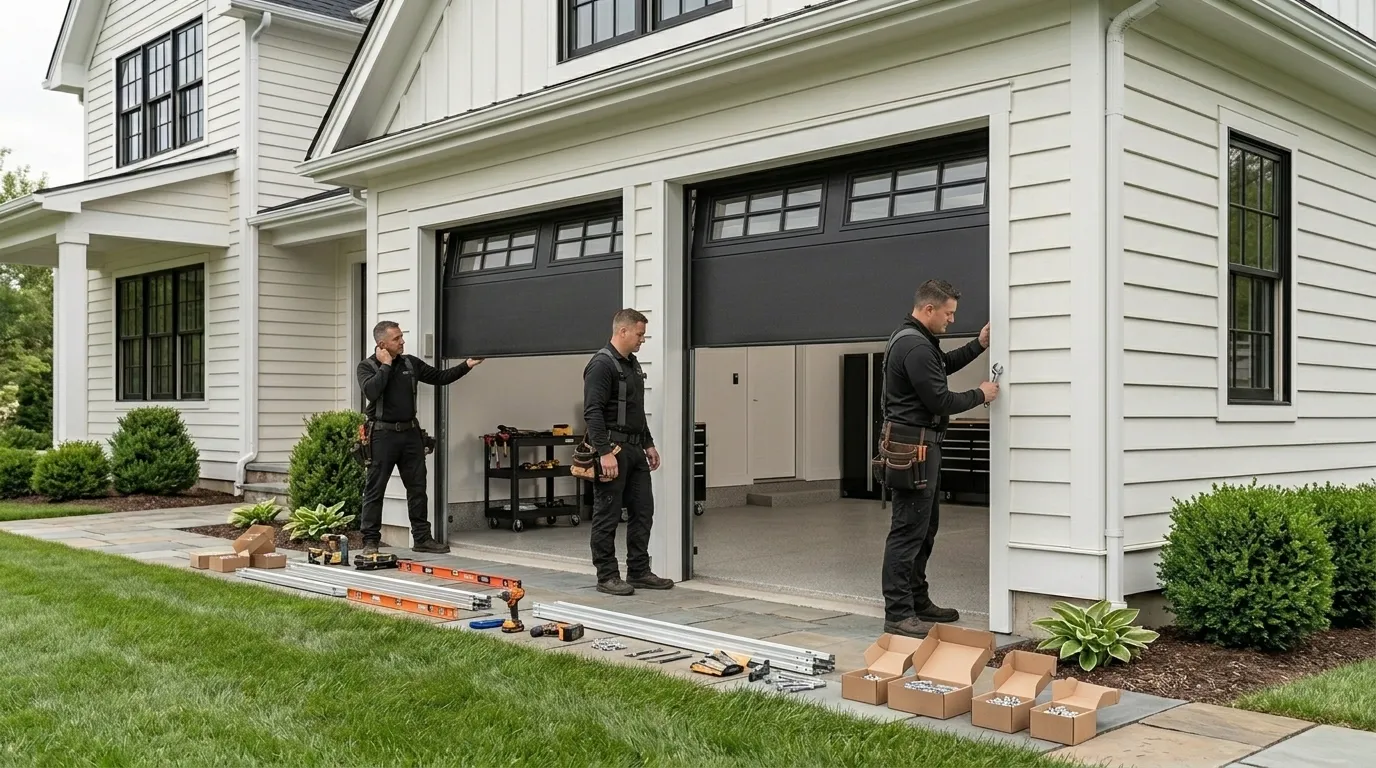
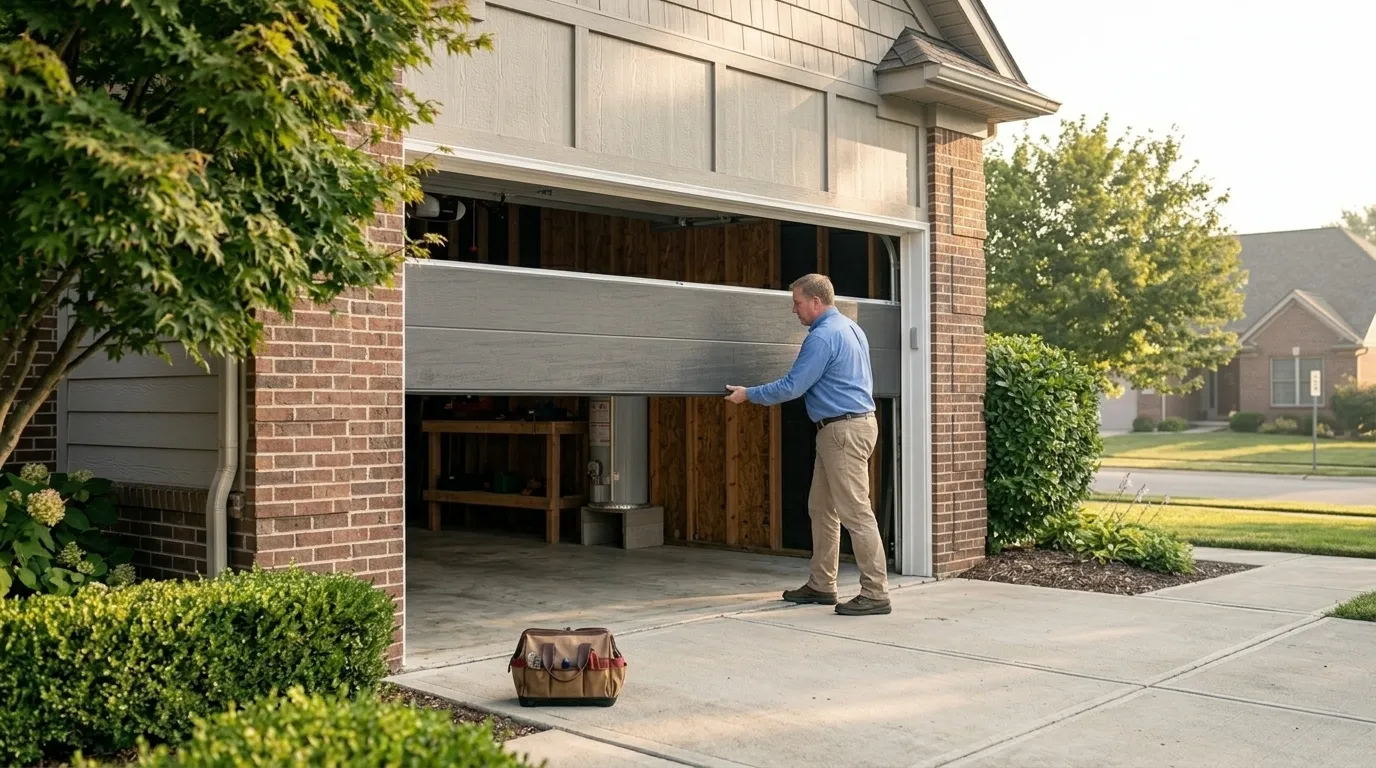
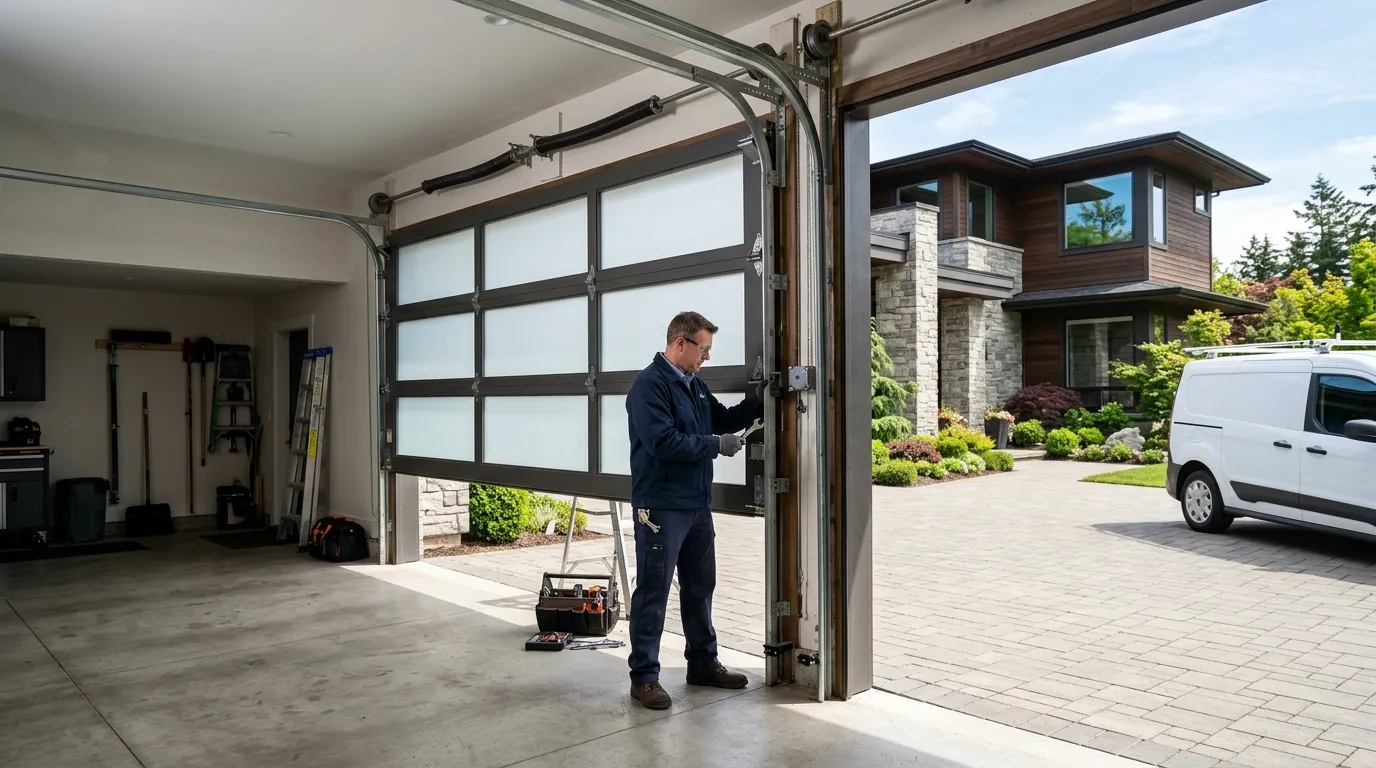
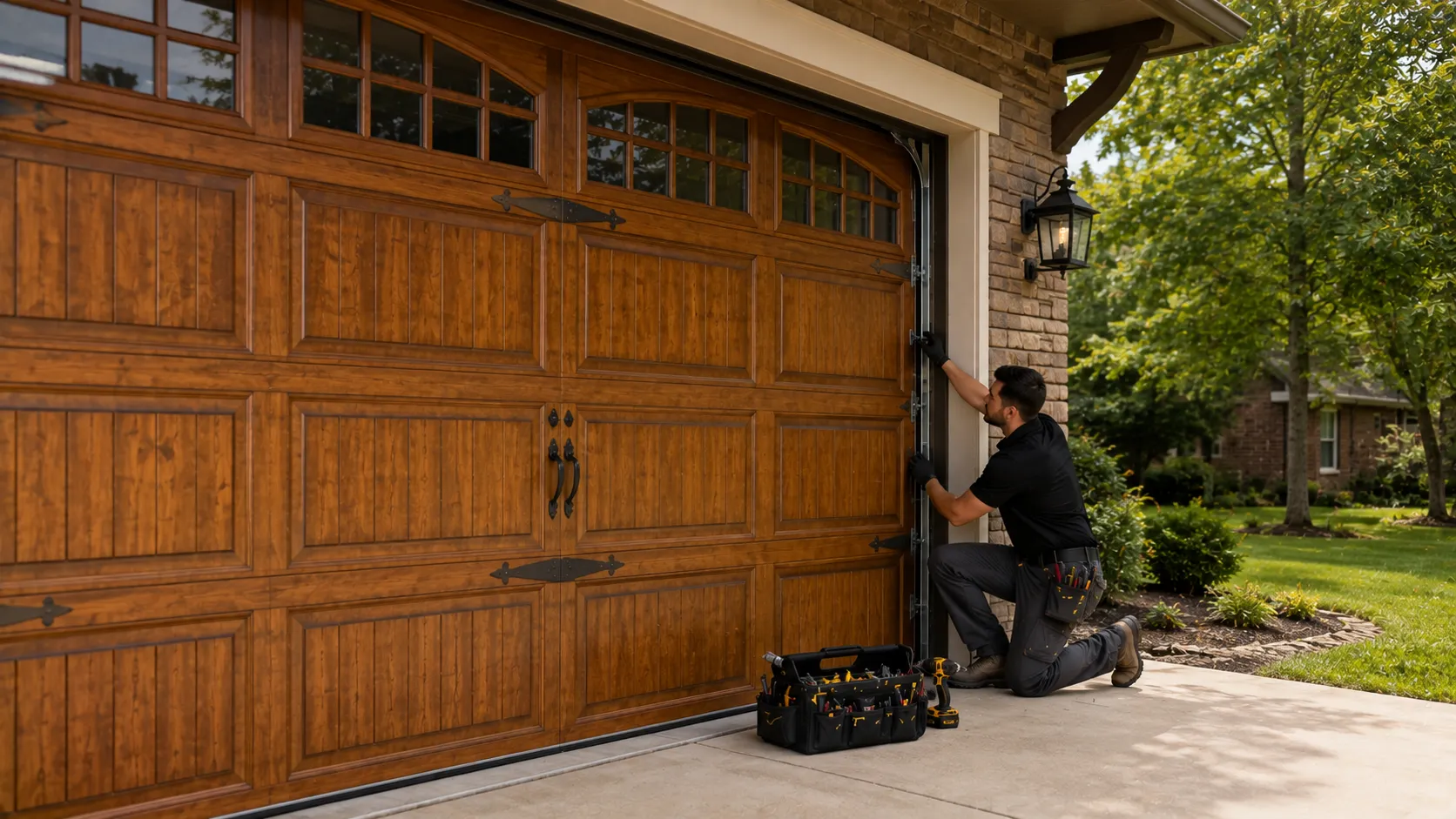
We drive the 5 miles from Morton Grove to reach Winnetka, and that part of the job is quick. What takes longer is the door itself. Winnetka's housing stock centers on 1938, the oldest median build year anywhere in this company's service area, which runs from 1938 up through 1996 with a service-wide median of 1963. A house built in that era often still has its original jamb framing and header height, neither of which match the standard sizes on the shelf today. If your opening is narrower or taller than modern stock, we measure twice before we order anything, and that ordering step adds days, not hours. A straightforward spring swap on a newer door might be done in one visit. A replacement on a house from the 1930s usually means a return trip once the correct panel arrives. We tell you which kind of job you have before we start, not after.
The Cost of This Job
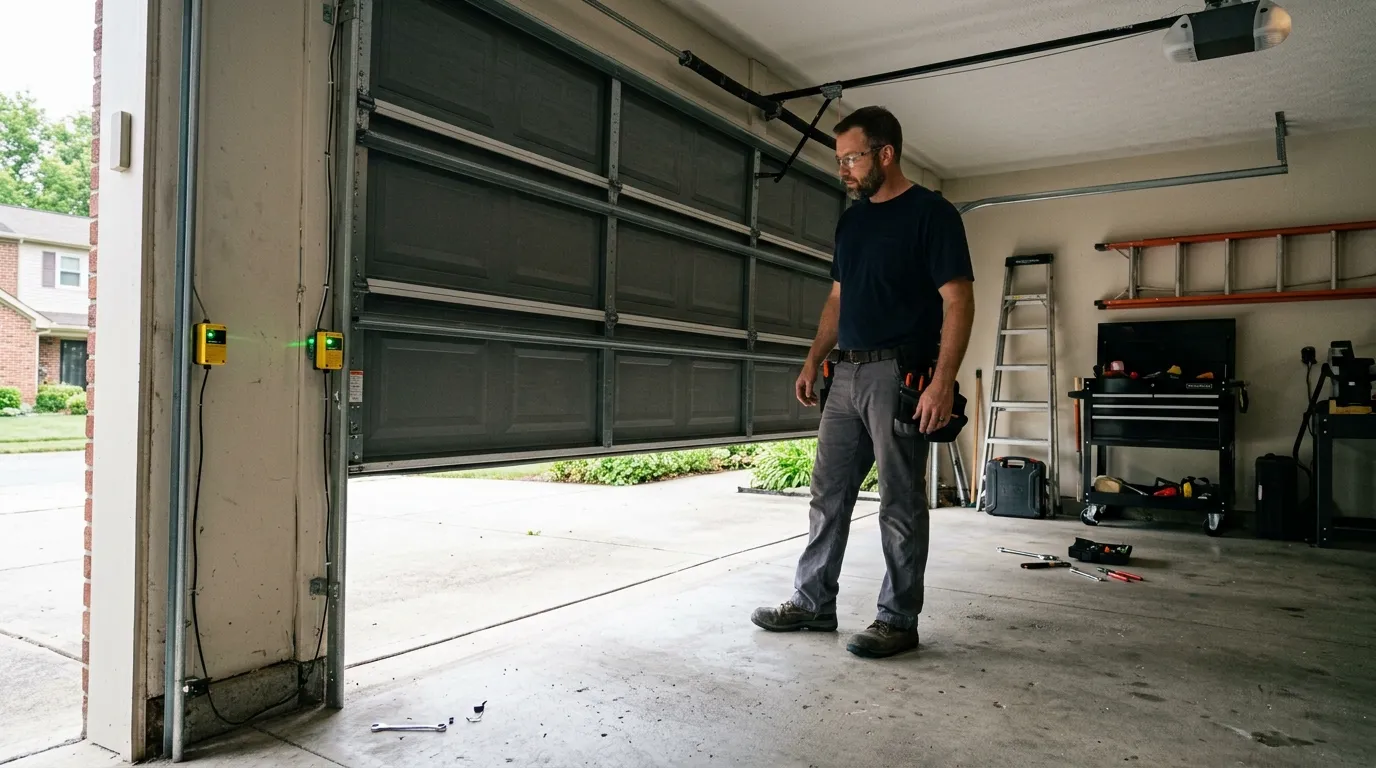
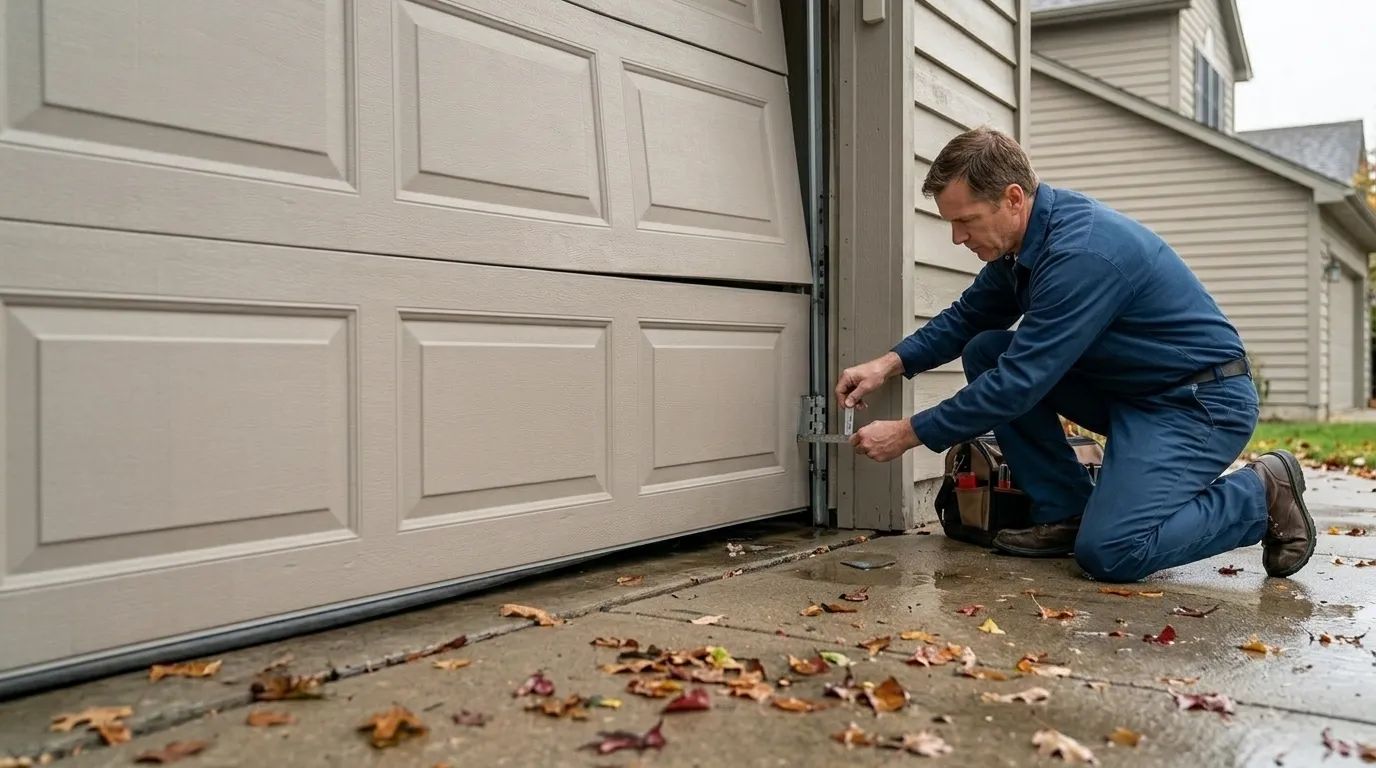
Winnetka's median household income is $250,001, more than double the $105,995 average across the rest of the service area we cover. That number matters for one decision: repair or replace. On a house with a door dating close to 1938, the parts that fail first, drums, non-standard track brackets, obsolete opener mounts, often cost nearly as much to source and fit as a new door costs to install outright. At that income level, most homeowners we work with in Winnetka choose replacement once we're past a second repair on the same original door, rather than keep chasing parts for hardware that isn't made anymore. We don't have a set price to quote here since it depends entirely on door size and what's original versus already replaced, but we'll tell you plainly when a repair is throwing good money after bad.
What Can Go Wrong
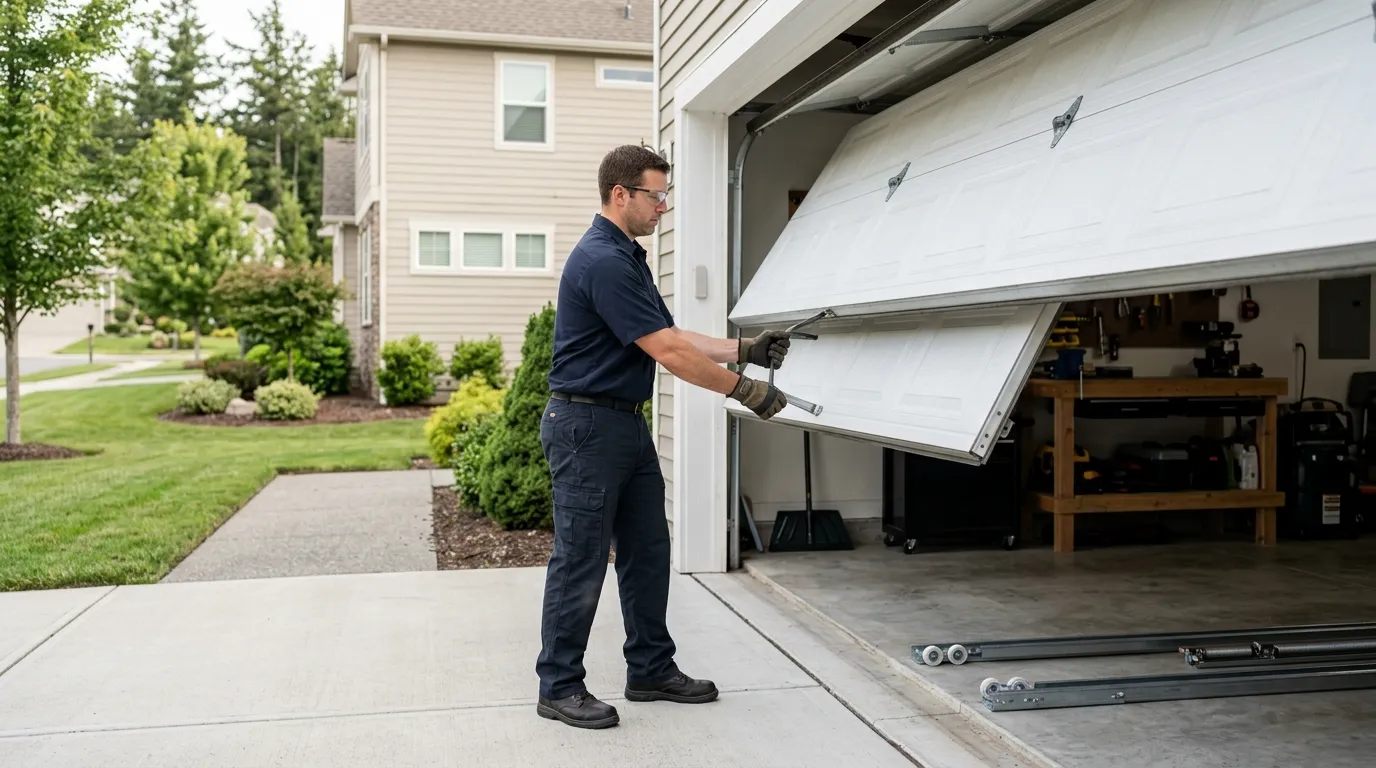
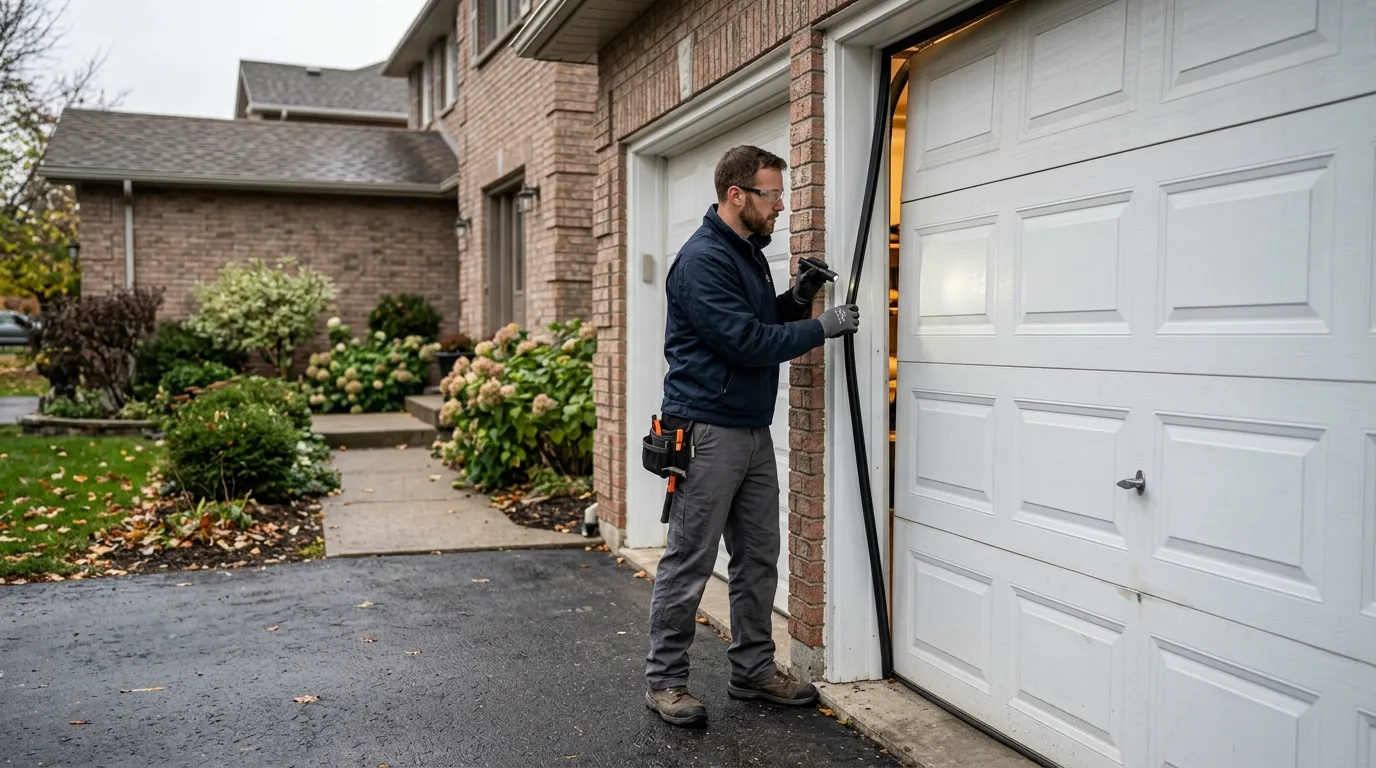
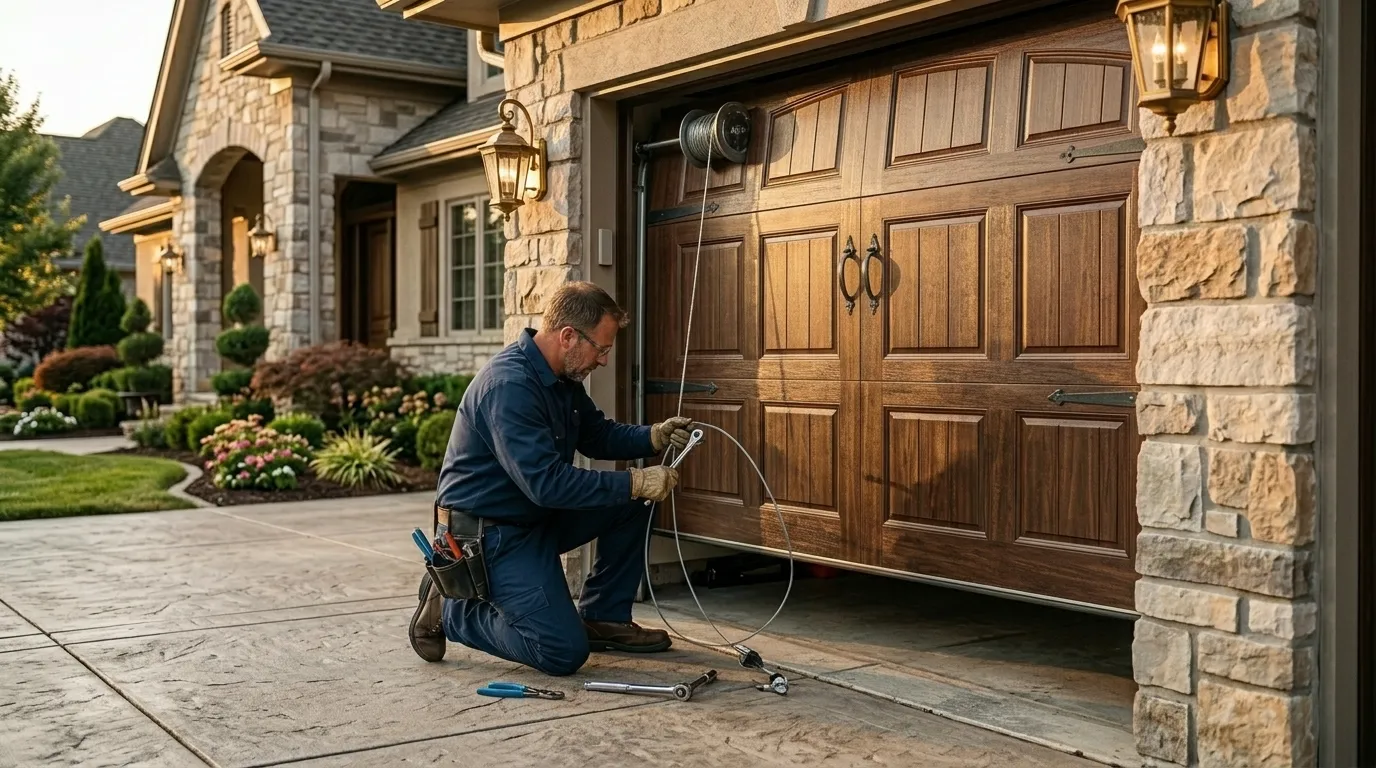
The service area sits in a moderate cold climate, and Winnetka's older housing stock feels that more than newer construction does. Original 1938-era doors often lack the insulation and modern weatherseal that keep a garage above freezing, so cables and springs sitting in an unheated space see more temperature swing over a winter than the same parts would in a newer, better-sealed structure. Steel hardware contracts in the cold, and on hardware this old, that contraction shows up as a cable jumping its groove or a bracket working loose at the weld. We also see openers original to a much older door struggling to lift a heavier replacement panel once one gets installed without upgrading the motor to match. None of this is unique to any one house, but it shows up more often in Winnetka's older stock than it would somewhere with newer average construction.