How Long It Takes
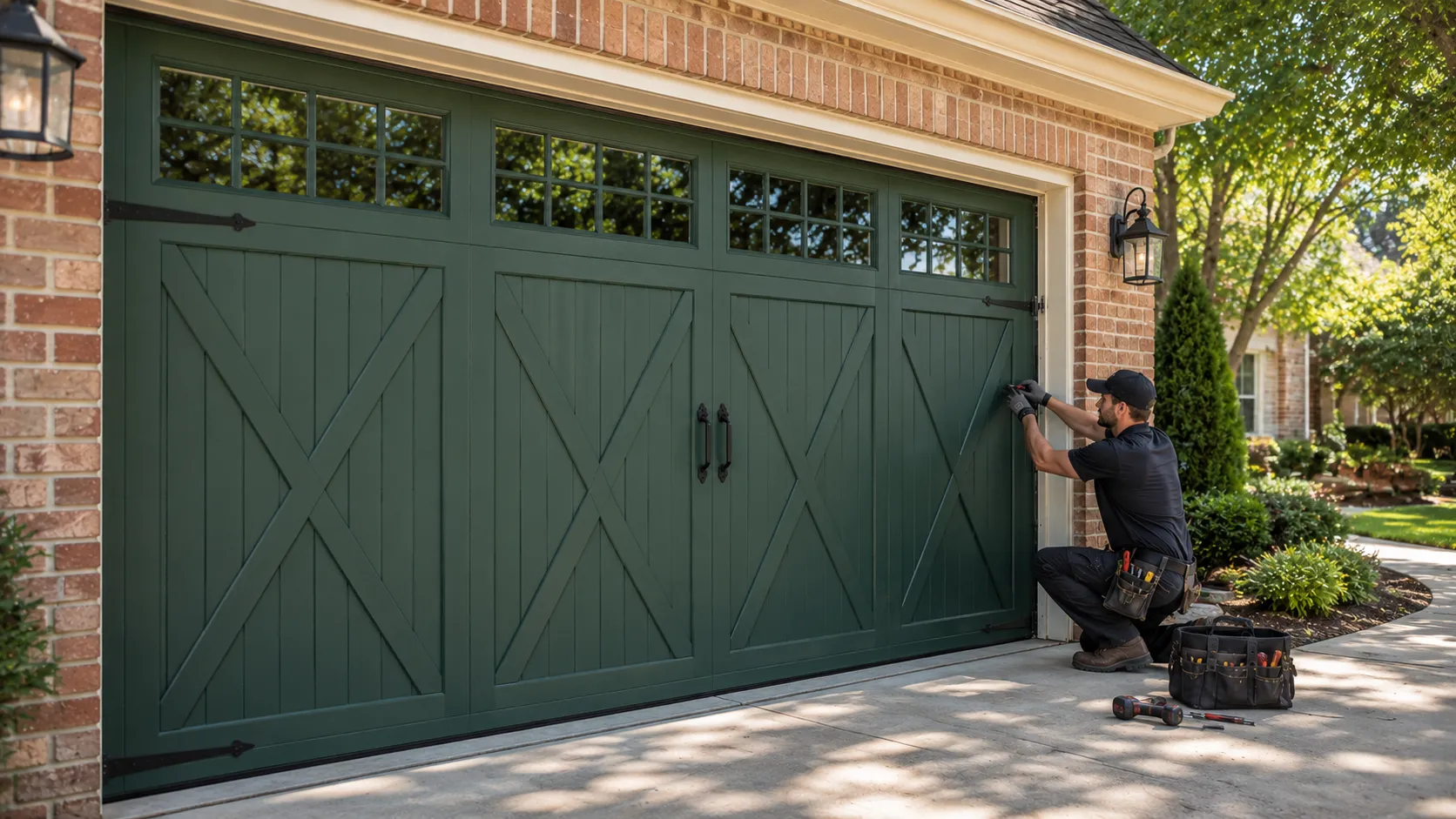
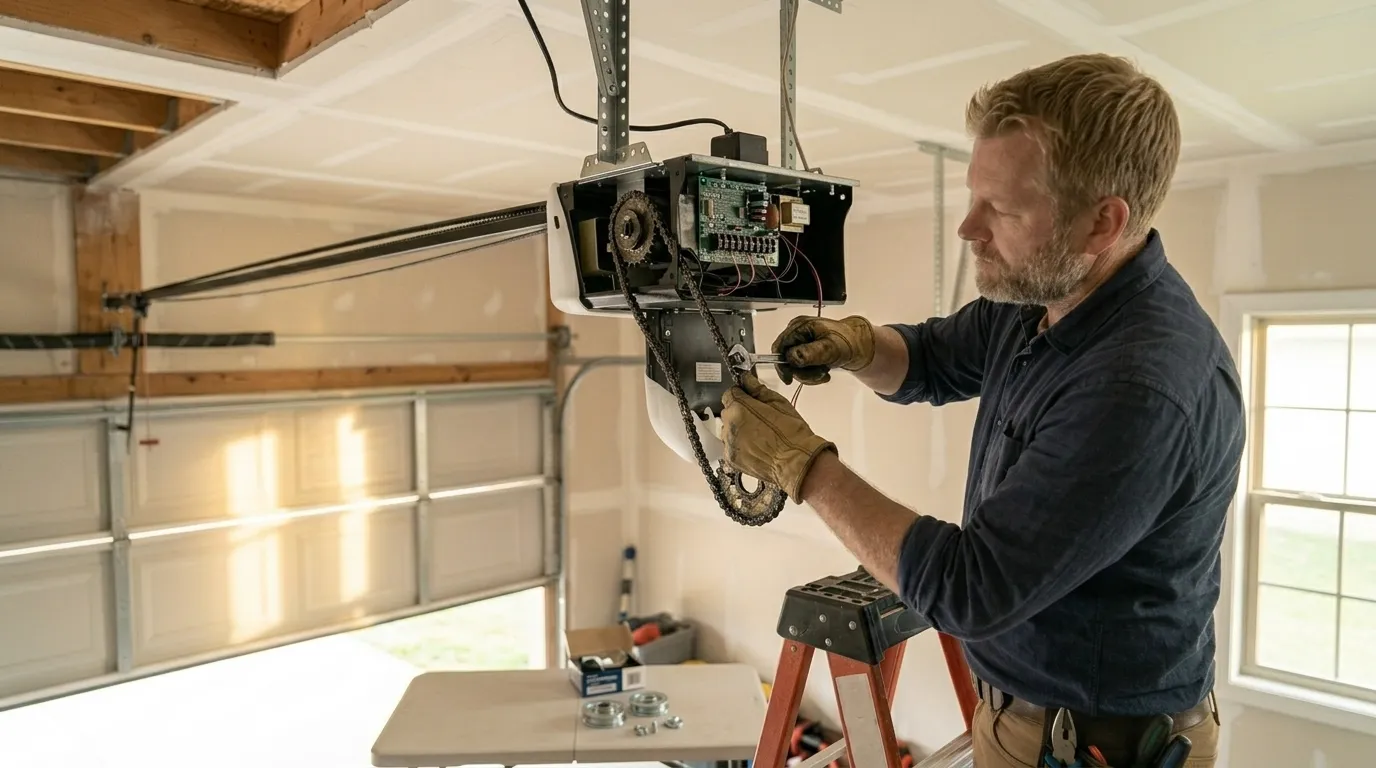
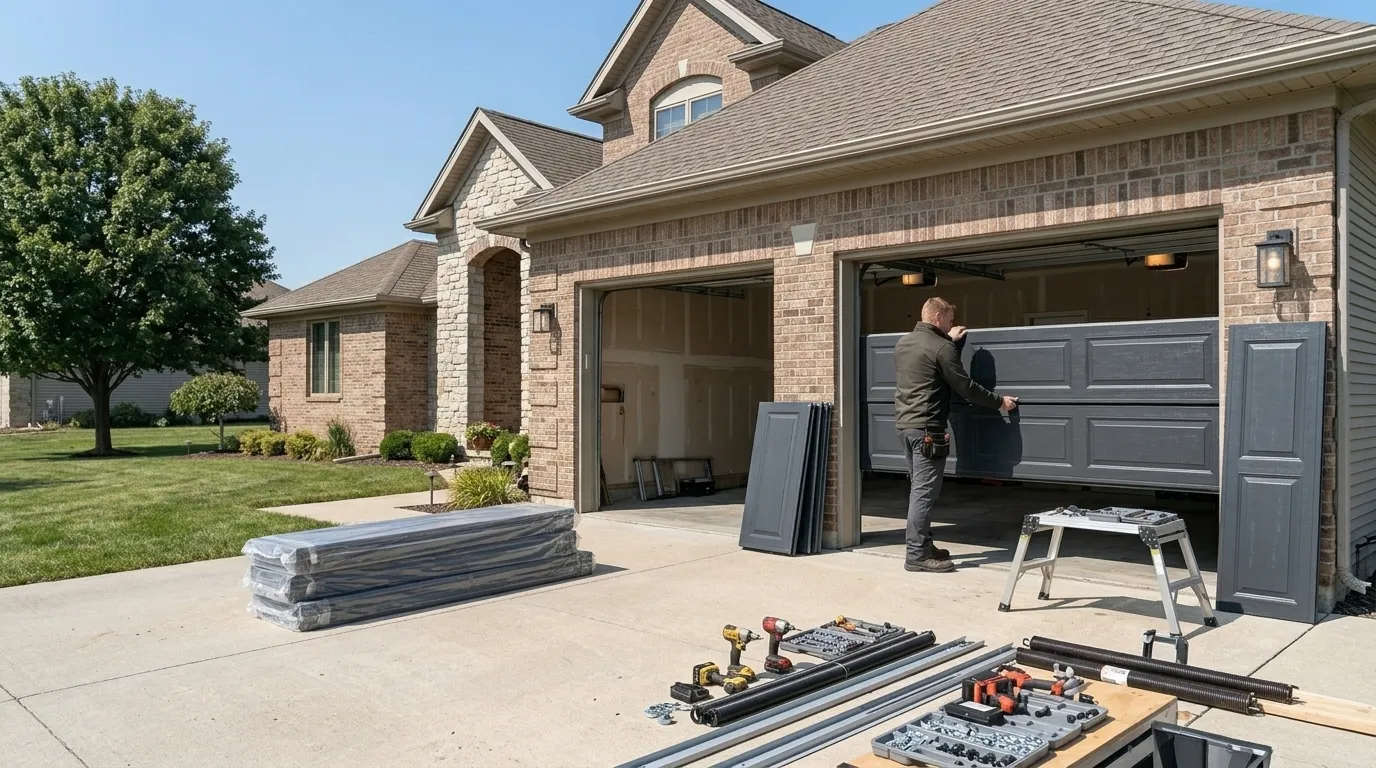
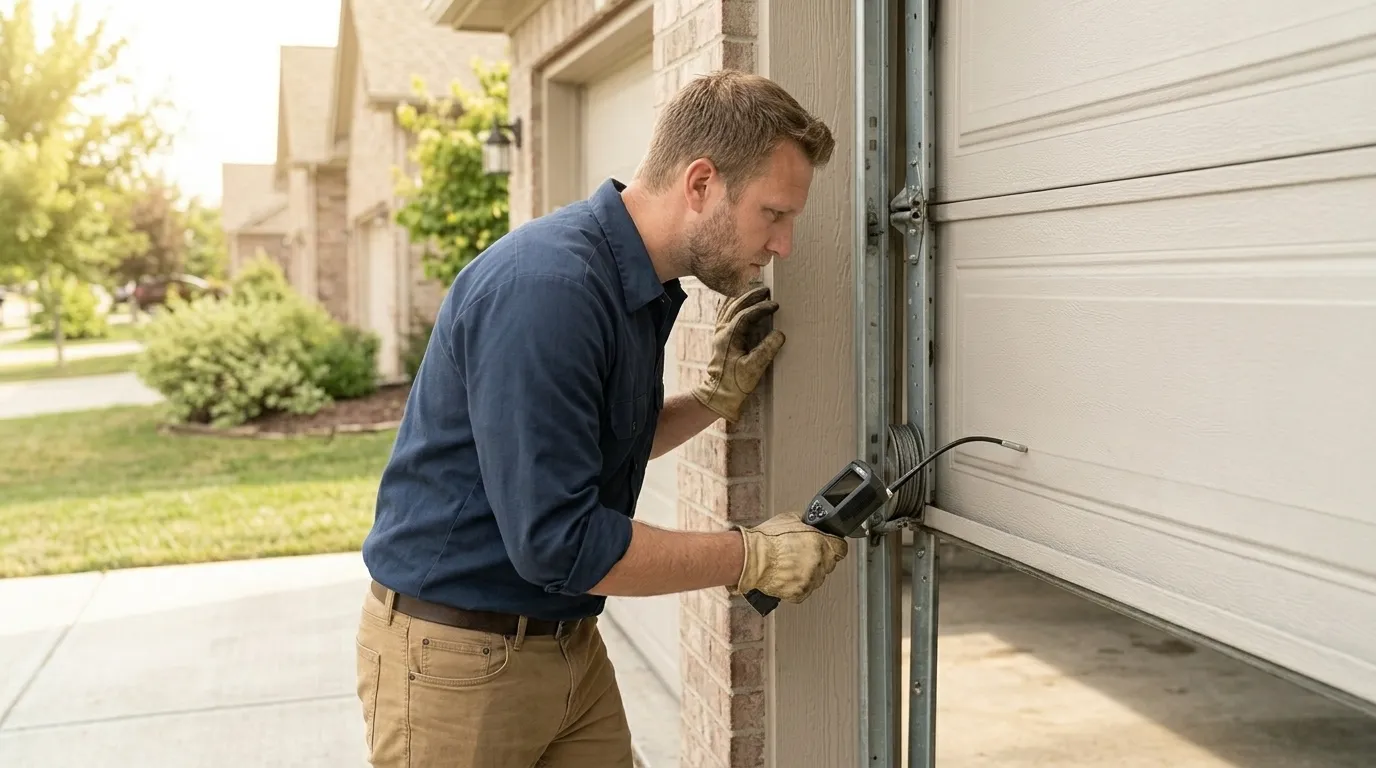
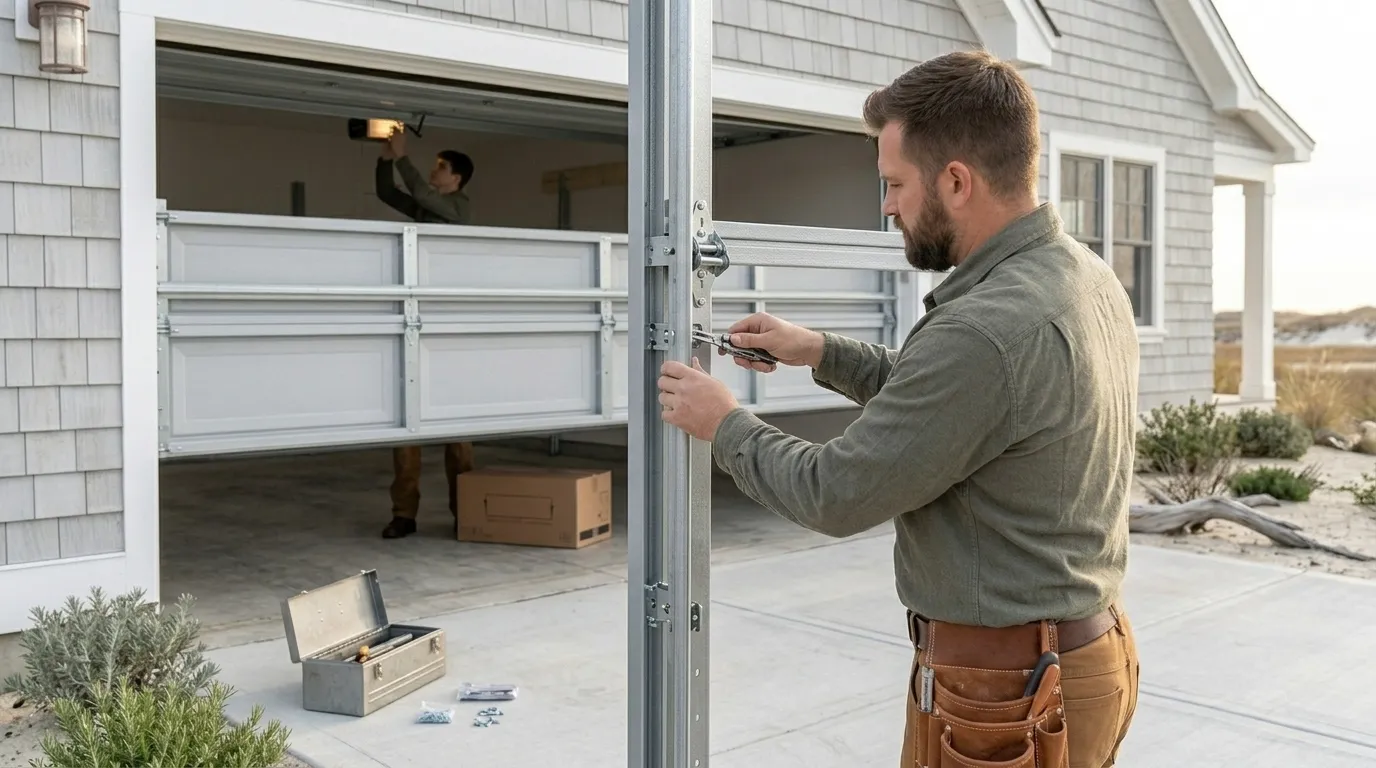
Winnetka's median build year sits at 1938, well ahead of the 1963 median across the rest of the service area we cover. That matters for an opener call because a house from that era often has a garage that was added or converted decades after the house itself went up, which means the wiring run to the opener, the header clearance, and even the door track can be non-standard sizes that a stock opener bracket doesn't fit cleanly. On a straightforward job - a dead logic board, a worn drive gear, a remote that's stopped pairing - we're usually done inside a couple of hours once we're on site. What slows things down in a town like this is diagnosing a fault that's tangled up with old house wiring or a header that was never built for a modern opener's mounting plate. We travel the 5 miles out from Morton Grove for every call, so we plan the visit around what you tell us on the phone, but we won't quote a fixed time before we've seen the unit. Older houses hide older problems, and pretending otherwise just means a second trip.
The Cost of This Job
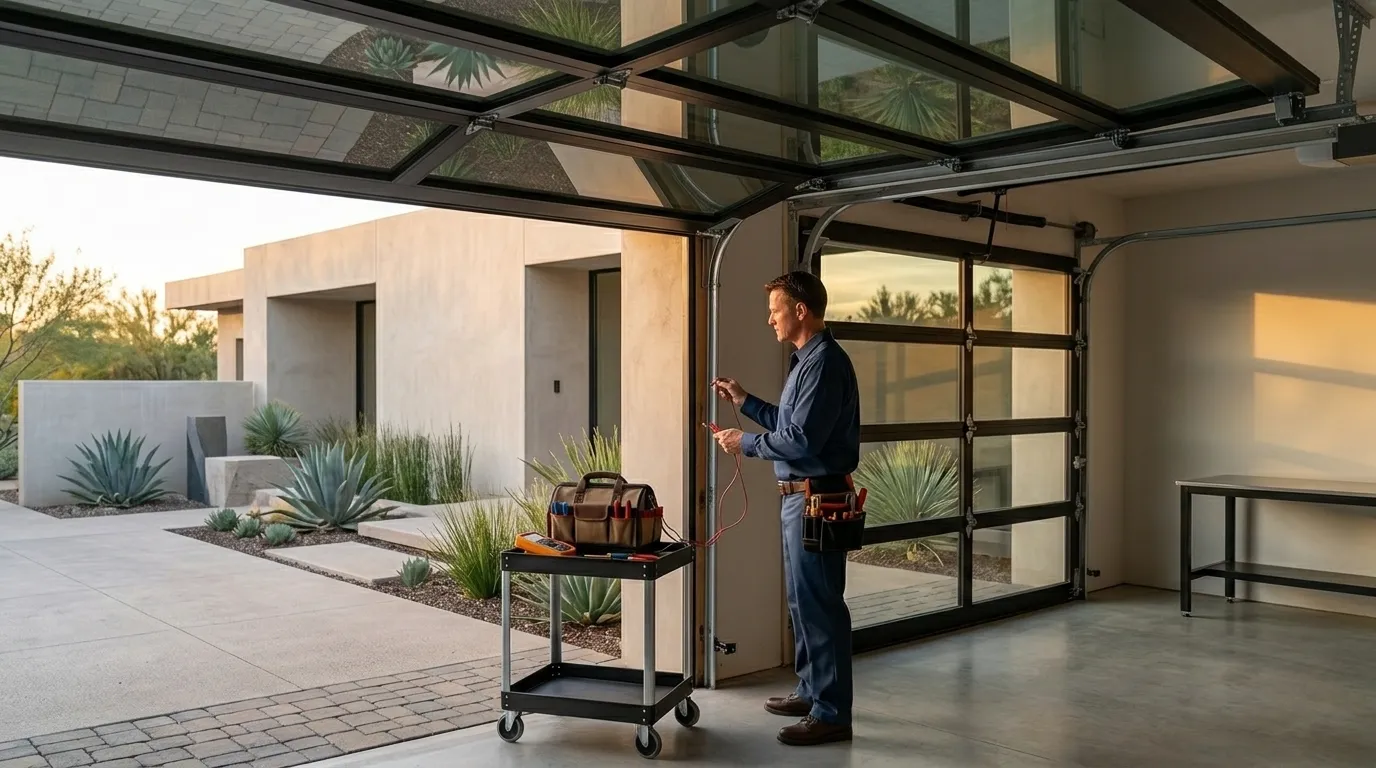
We don't have a fixed price to quote here - opener repair cost depends on what's actually broken, and on a house built in 1938 the fault is more often tied to old wiring or an odd header mount than to the opener unit itself, which changes the labor involved. What we can tell you is that Winnetka is a small pocket by household count - 4,268 households - compared to the 120,486 owner-occupied houses across the whole area we serve from Morton Grove, so we're not running a dedicated crew through town daily. Every visit is planned around the 5-mile drive from our shop. That doesn't change the price of parts, but it's worth knowing when you're scheduling: same-day isn't guaranteed just because the distance is short.
What Can Go Wrong
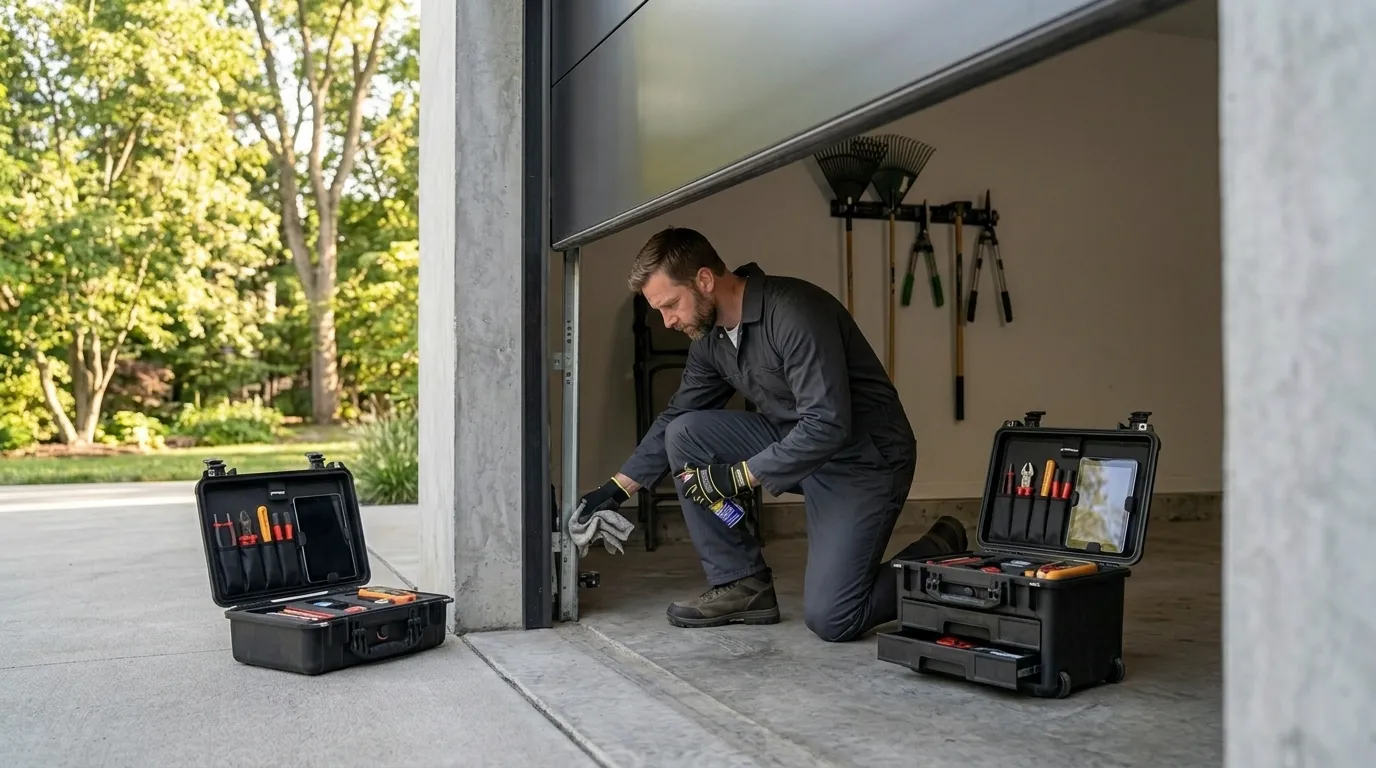
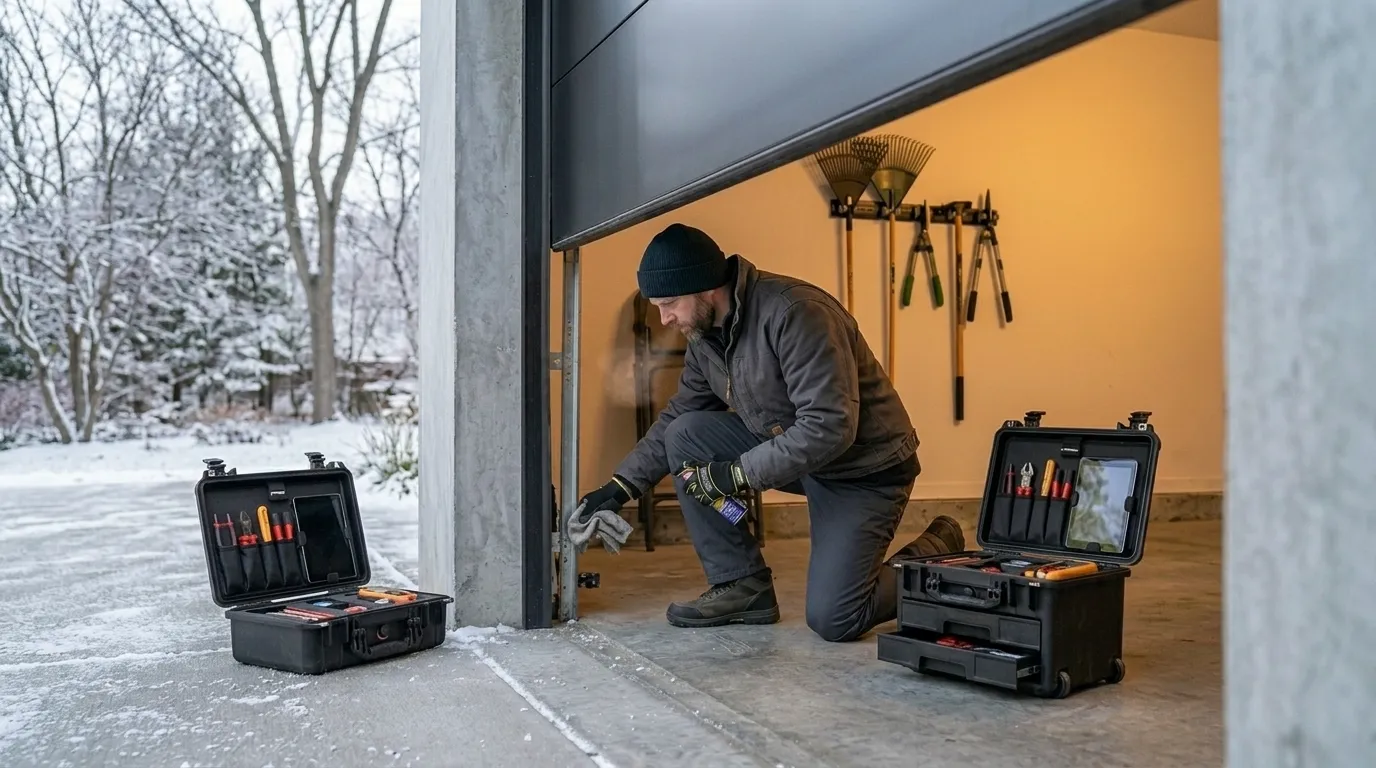
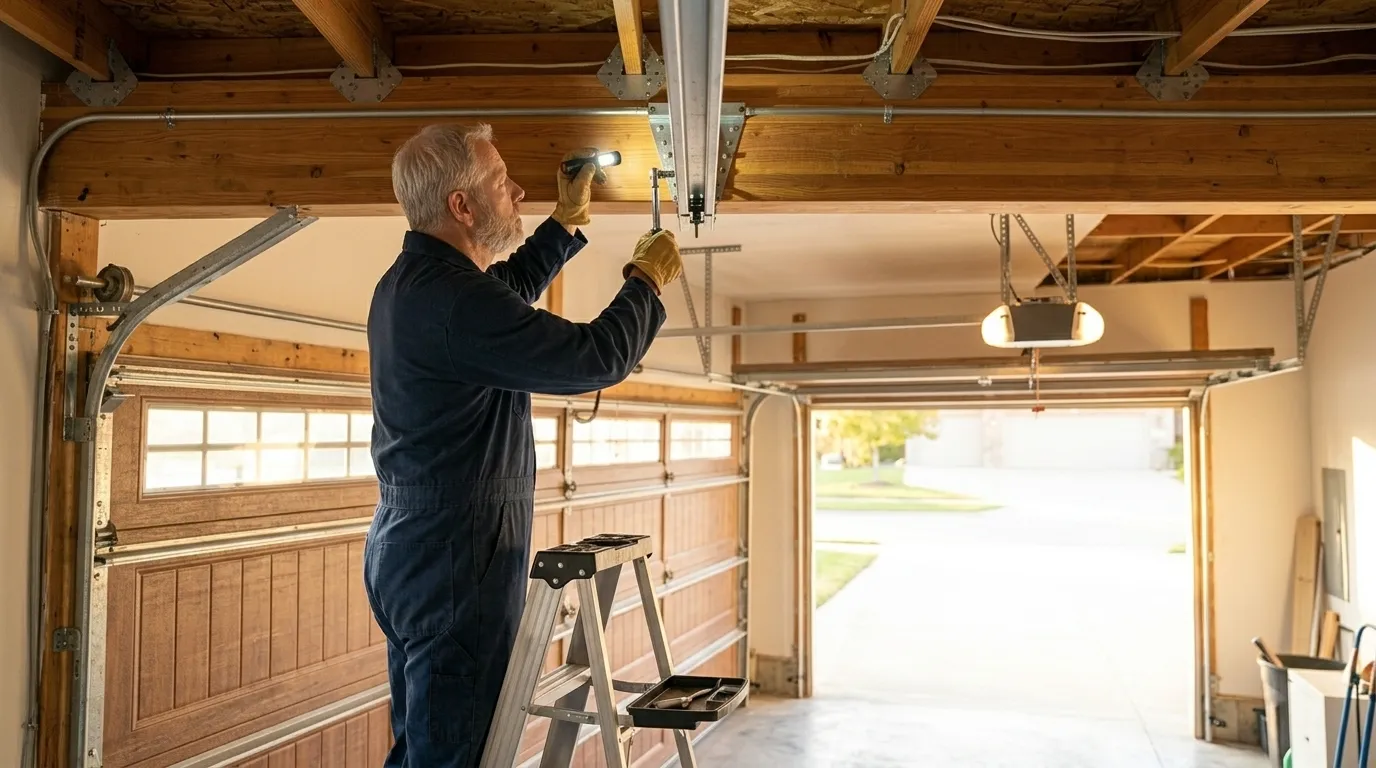
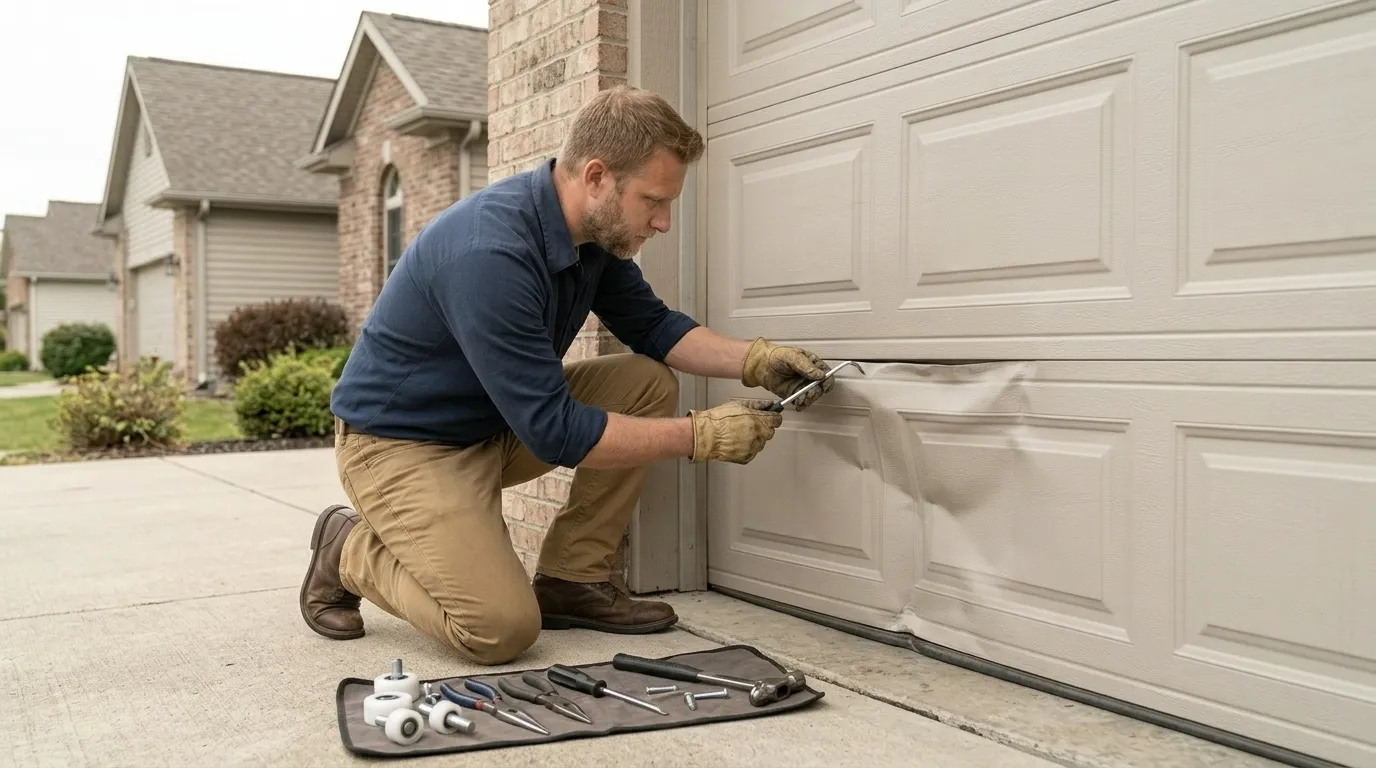
On houses from Winnetka's era, the opener problems we see most are drive gear failure from age, logic boards that have simply outlived their expected life, and mounting brackets that were never square to begin with because the garage predates the opener by decades. Cold-band winters add a second layer - grease stiffens, chain drives lose tension, and a marginal capacitor that limped through fall gives up on the first hard freeze. The failure mode that costs the most to ignore is a door that reverses unexpectedly on a worn opener; that's a safety issue, not a convenience one, and it's the one thing we won't leave half-fixed. If the opener itself is original to a 1938-era conversion, replacement is often the honest answer over another repair - we'll say so rather than patch a unit that's going to fail again in six months.