How Long It Takes
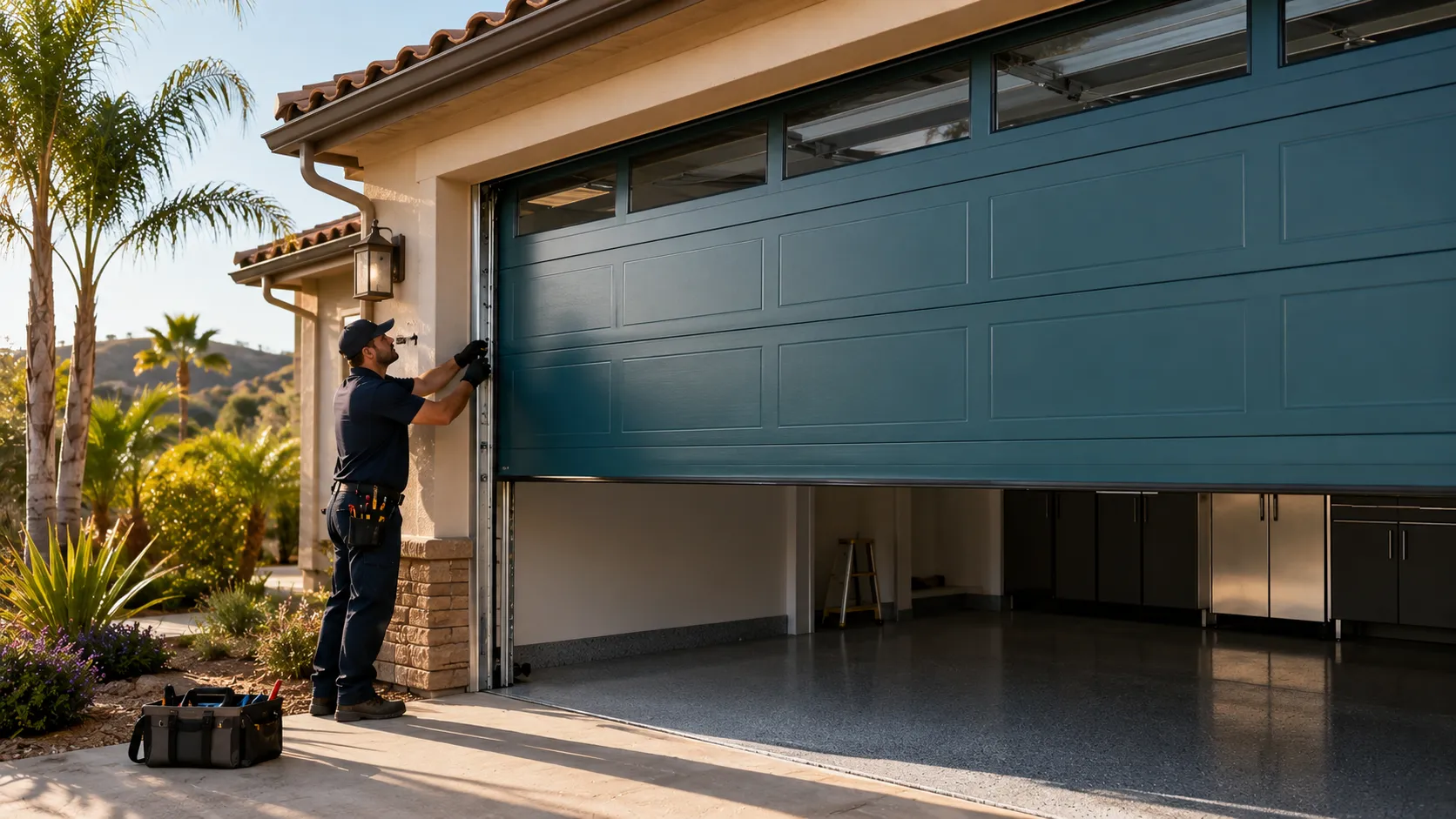
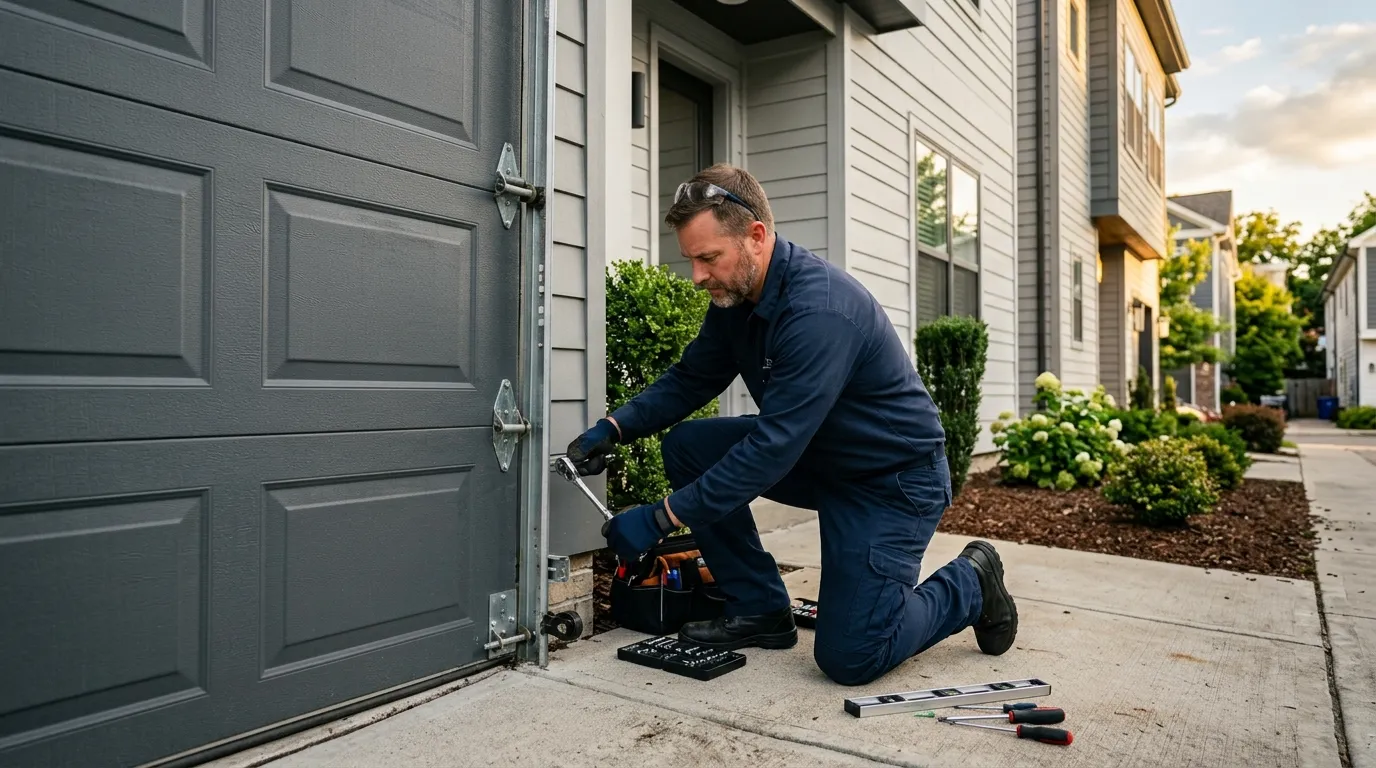
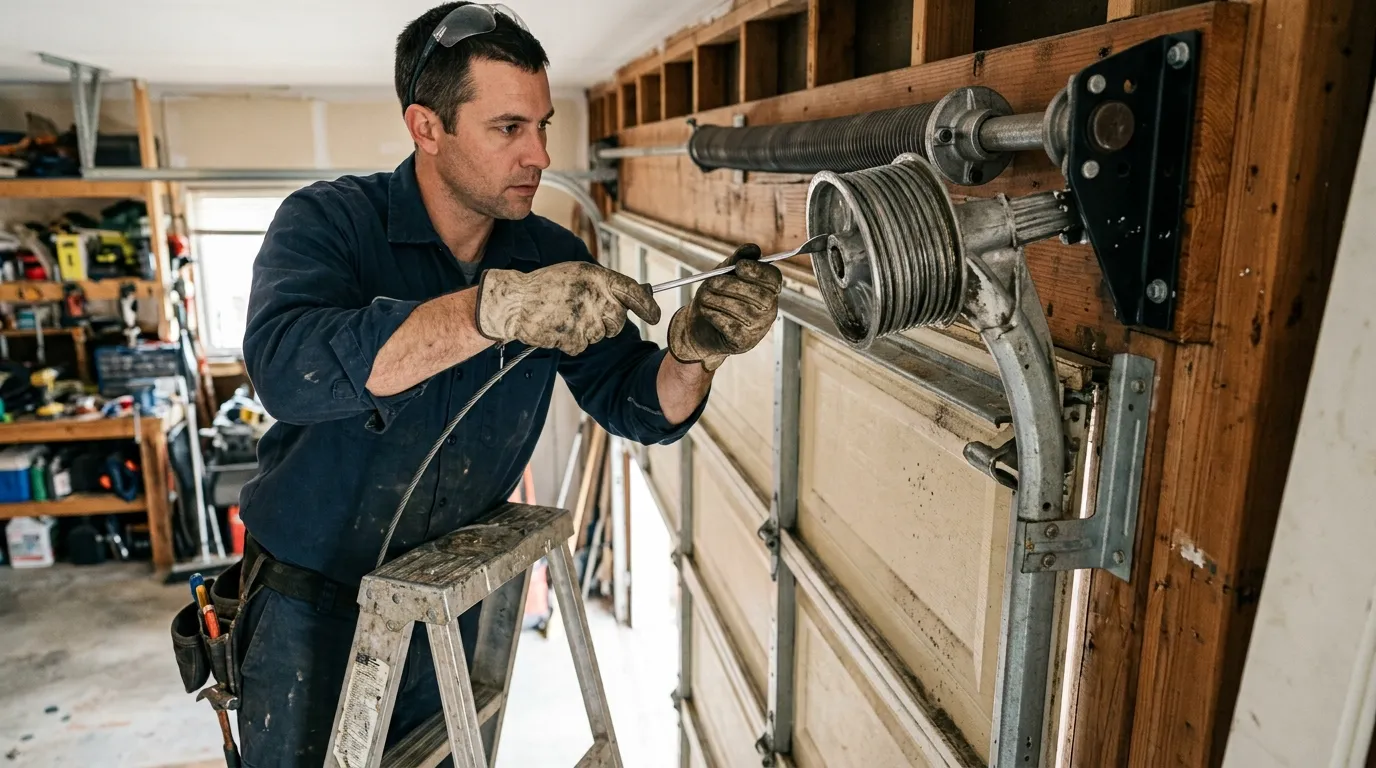
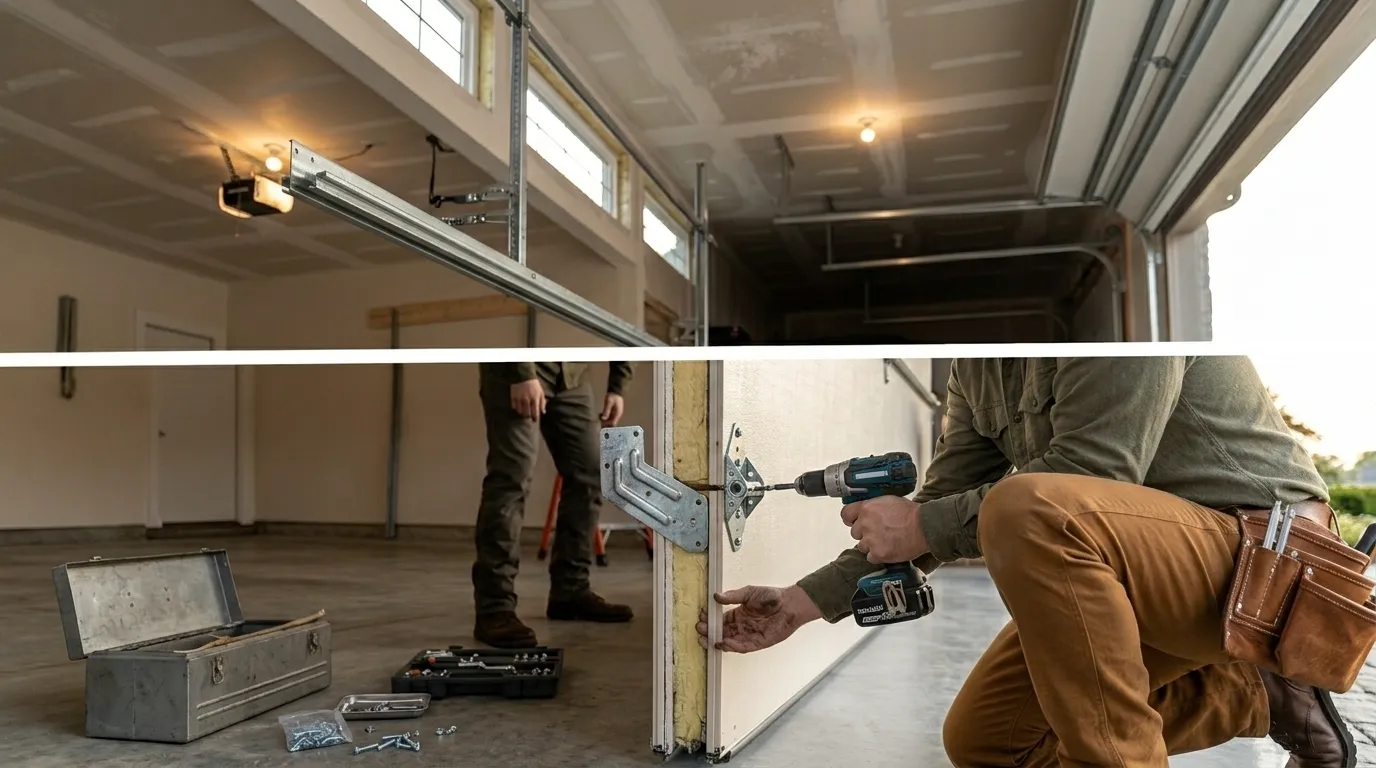
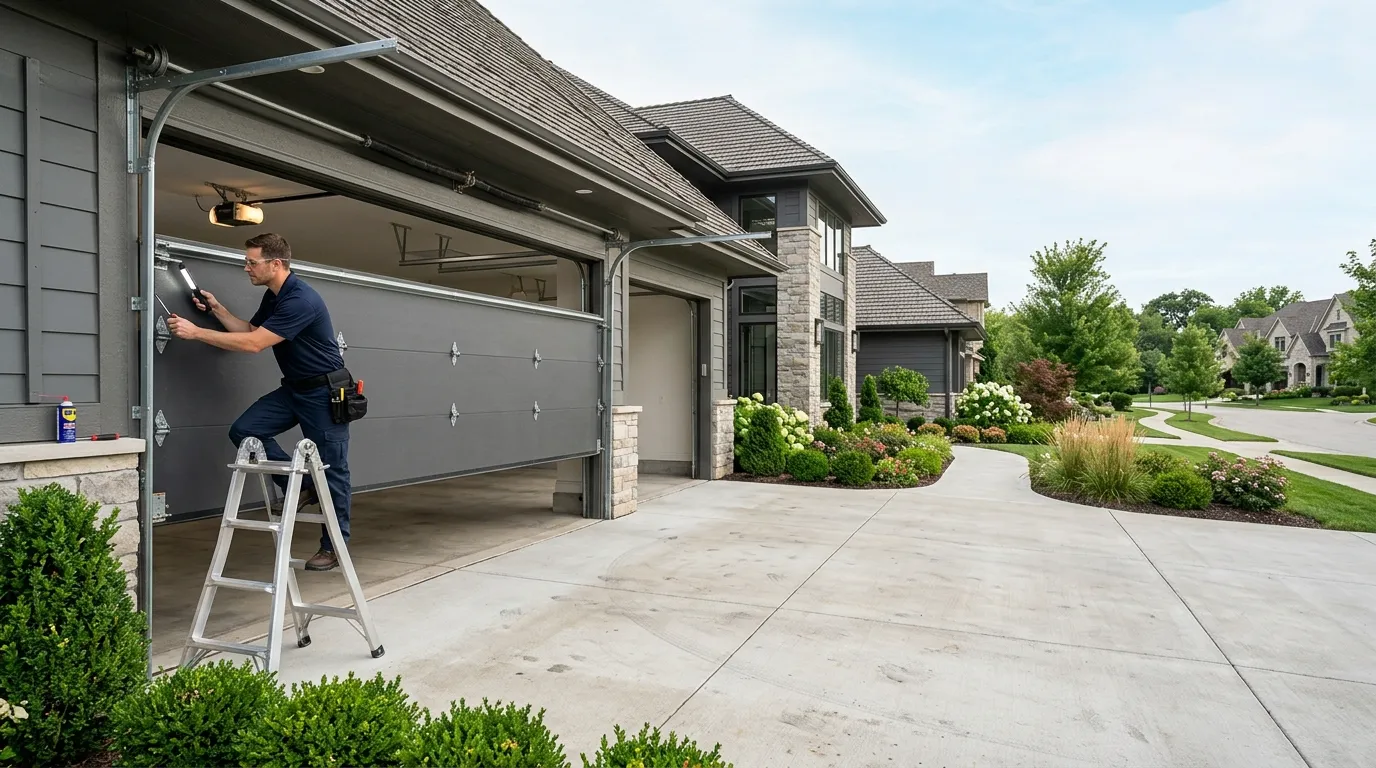
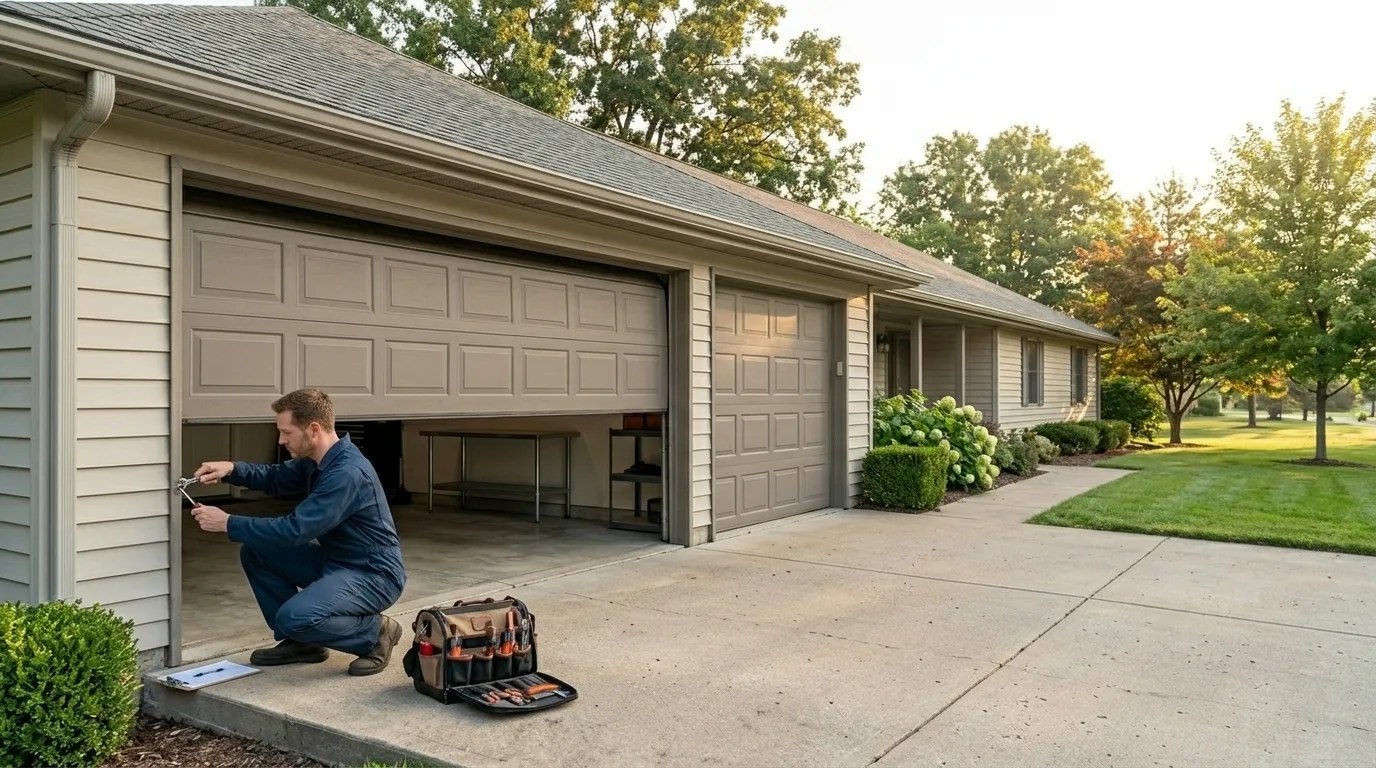
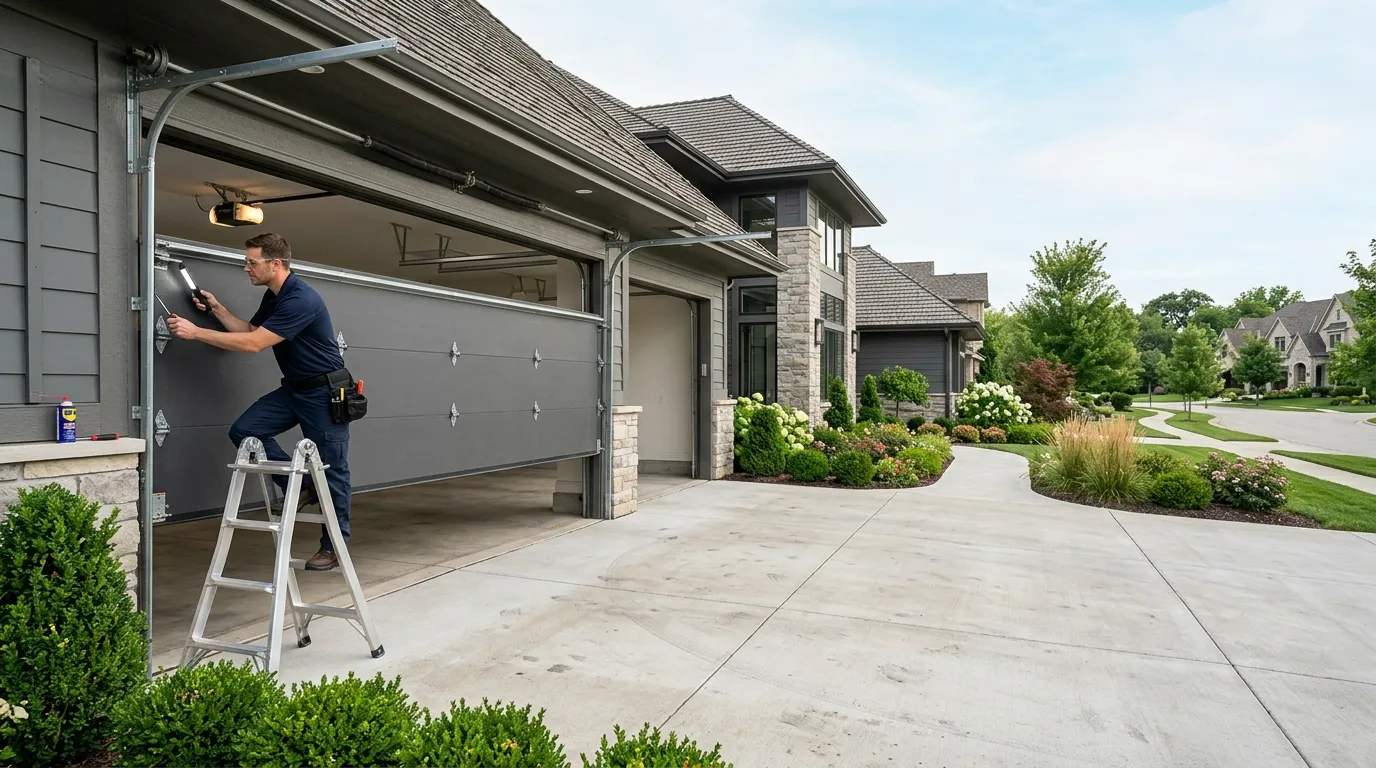
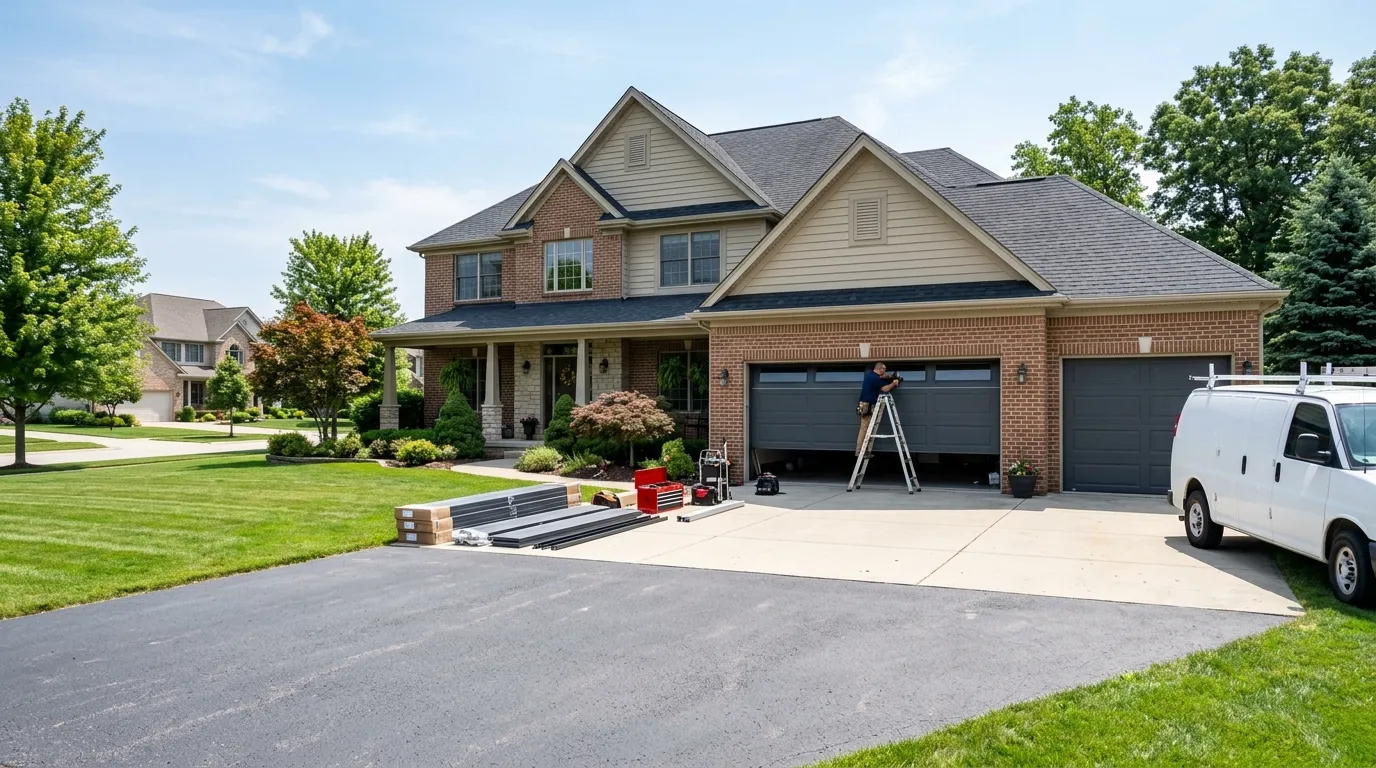
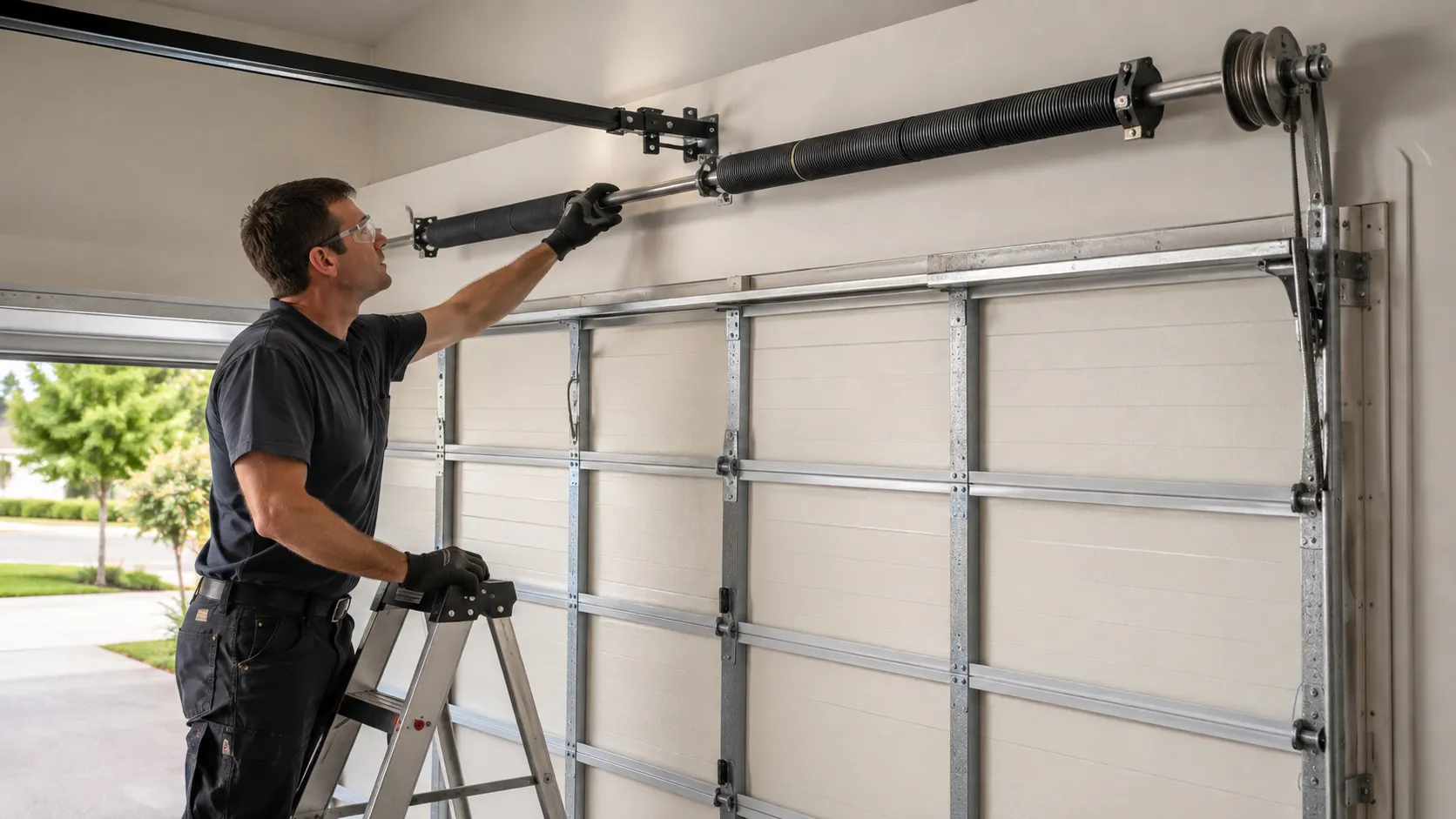
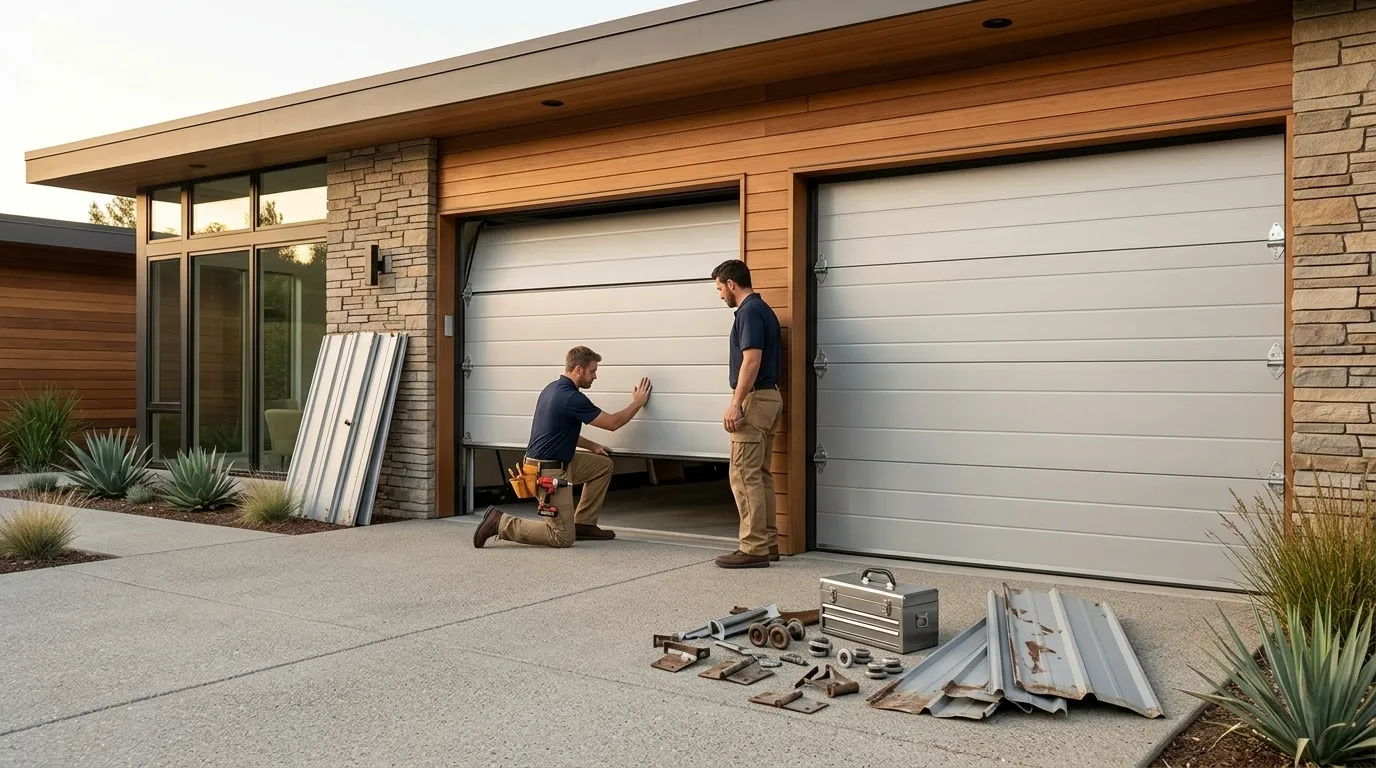
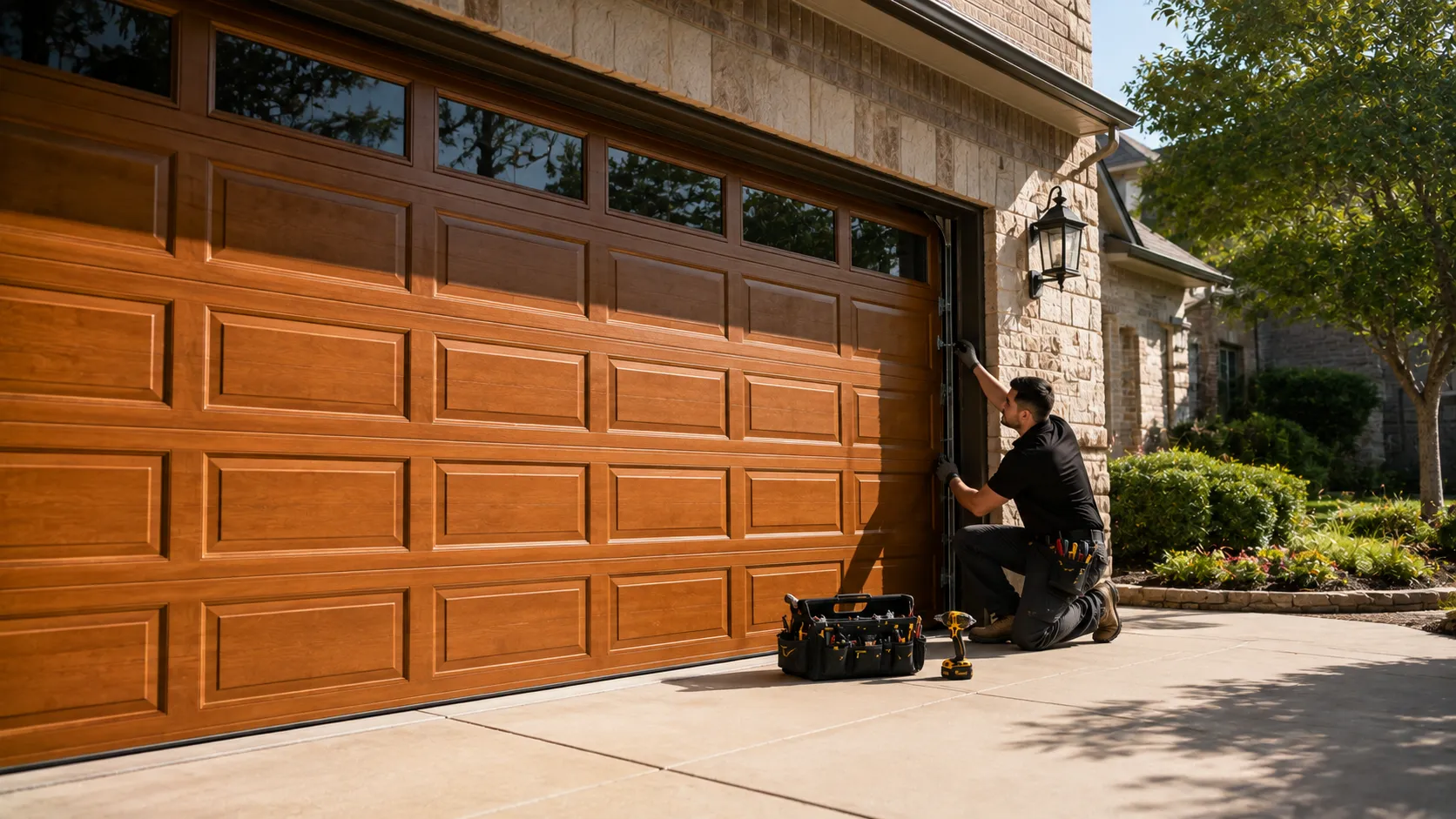
Winnetka is a five-mile run from our shop in Morton Grove, which is a short drive compared to some of the other towns we cover - nothing that adds real time to the day once we're loaded and moving. The job itself is where the clock actually runs. A straightforward torsion spring swap on a standard double door takes about an hour once the truck is parked and the door is up on the vise grips. Winnetka is different from a lot of the area, though, because the housing here runs older than most of the towns on our route - median build year 1938, well ahead of the 1963 median across the wider service area. Older doors sometimes carry spring sizes or anchor brackets that aren't stocked on the truck as a rule. If we hit one of those, we're honest about it on the spot: sometimes that means a second trip once the right part is in hand, rather than forcing a mismatched spring onto old hardware and calling it fixed. That's the one real limitation worth naming up front, and it has nothing to do with the drive.
We'd rather tell you that before we start than leave you with a door that binds in six months.
Most of the actual delay on any Winnetka call traces back to the door's age, not its address.
The Cost of This Job
We don't have a set price to quote here without seeing the door, since a spring job on a 1938-era house can run differently than on a newer build depending on what hardware is actually behind the bracket. What we can say is that Winnetka's median household income runs well above the wider service area's figure of $105,995, and in practice that shows up in the choice homeowners make once we're on site: more often than not, folks here opt for a full torsion spring pair replacement rather than patching one side, even when only one spring has broken. It costs more up front but means you're not calling us back in a year for the second spring, which is usually the weaker one by then anyway. If a door's cables, drums, or track are also worn, we'll say so plainly rather than padding the job - sometimes the honest number is smaller than what a homeowner expects, and sometimes the door's age means more than the spring needs attention.
What Can Go Wrong
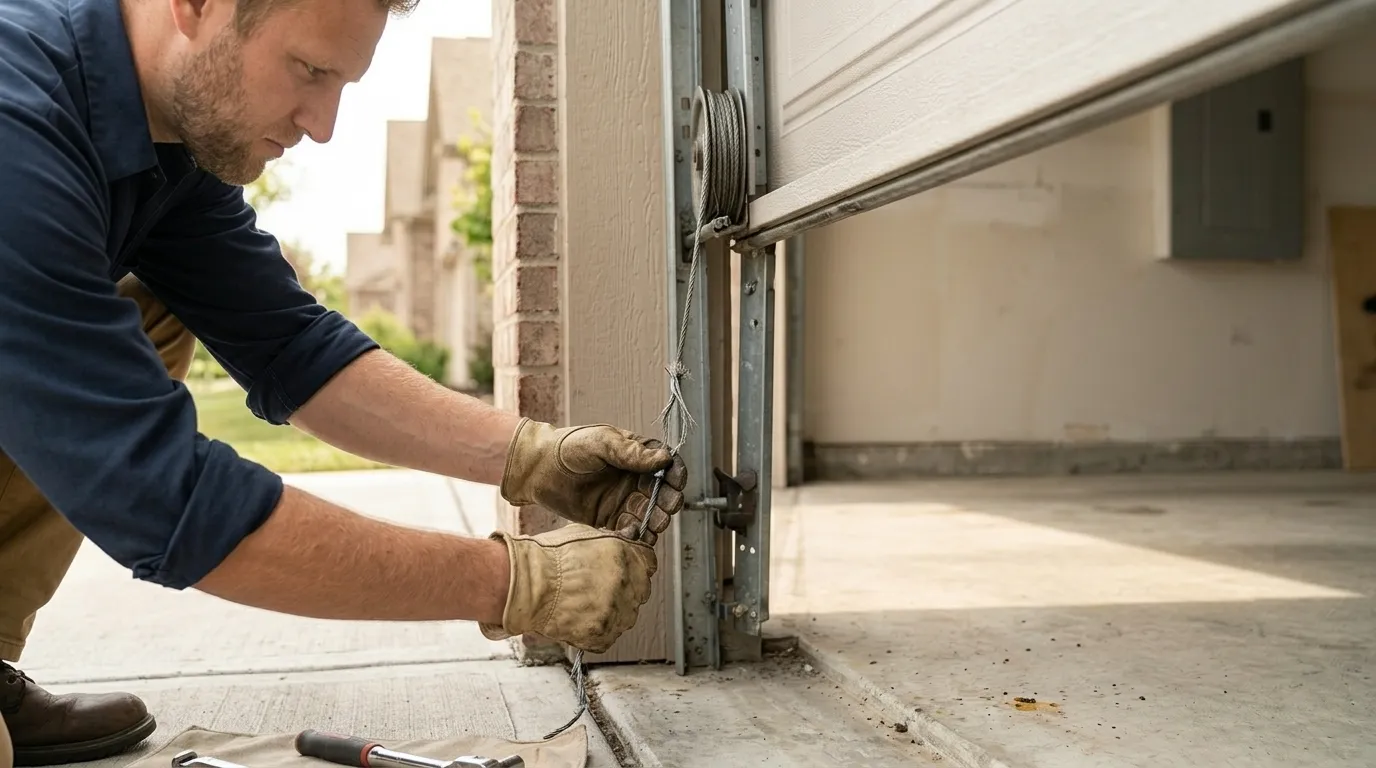
The area sits in a cold, moderate climate band, and cold matters more to spring steel than most people think - repeated freeze-thaw cycles fatigue the coil faster than a similar door would wear in a milder climate, and a spring that's already near the end of its life tends to let go on the first hard cold snap of the season. On Winnetka's older housing stock we also see anchor brackets and end bearing plates that have been painted over or rusted into place for decades, which turns a routine spring swap into a slower job of freeing hardware without cracking it. Extension springs on older doors, if they're still original, sometimes lack the safety cable that's now standard - if that spring fails, it can whip loose inside the garage. None of this is unique to any one house, but it shows up more often on doors from this era than on anything built in the last thirty years. The one thing we won't do is force a modern torsion kit onto an anchor point that wasn't built for it - if the bracket needs replacing first, we'll say so before we touch the spring.