How We Fix It
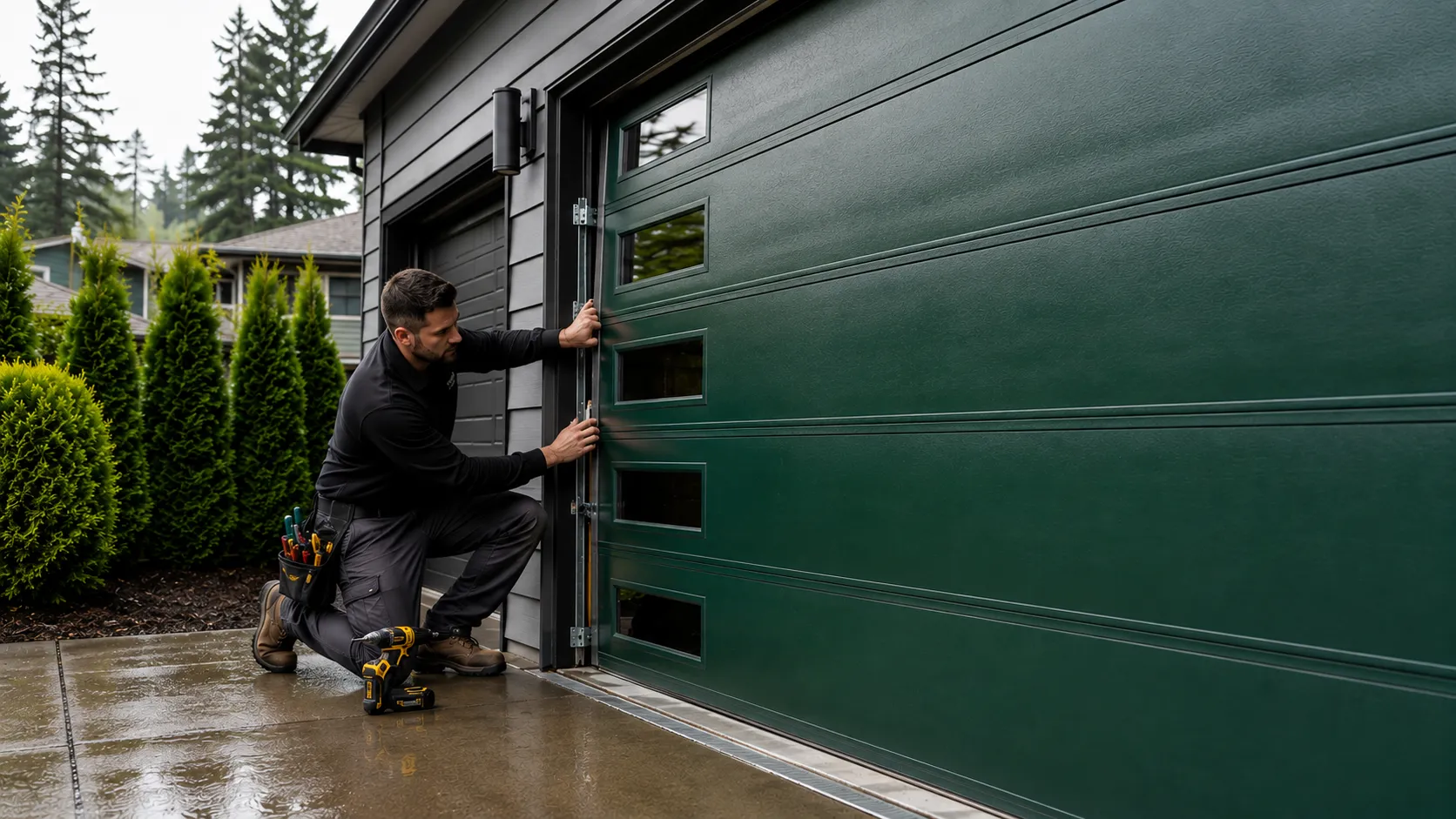
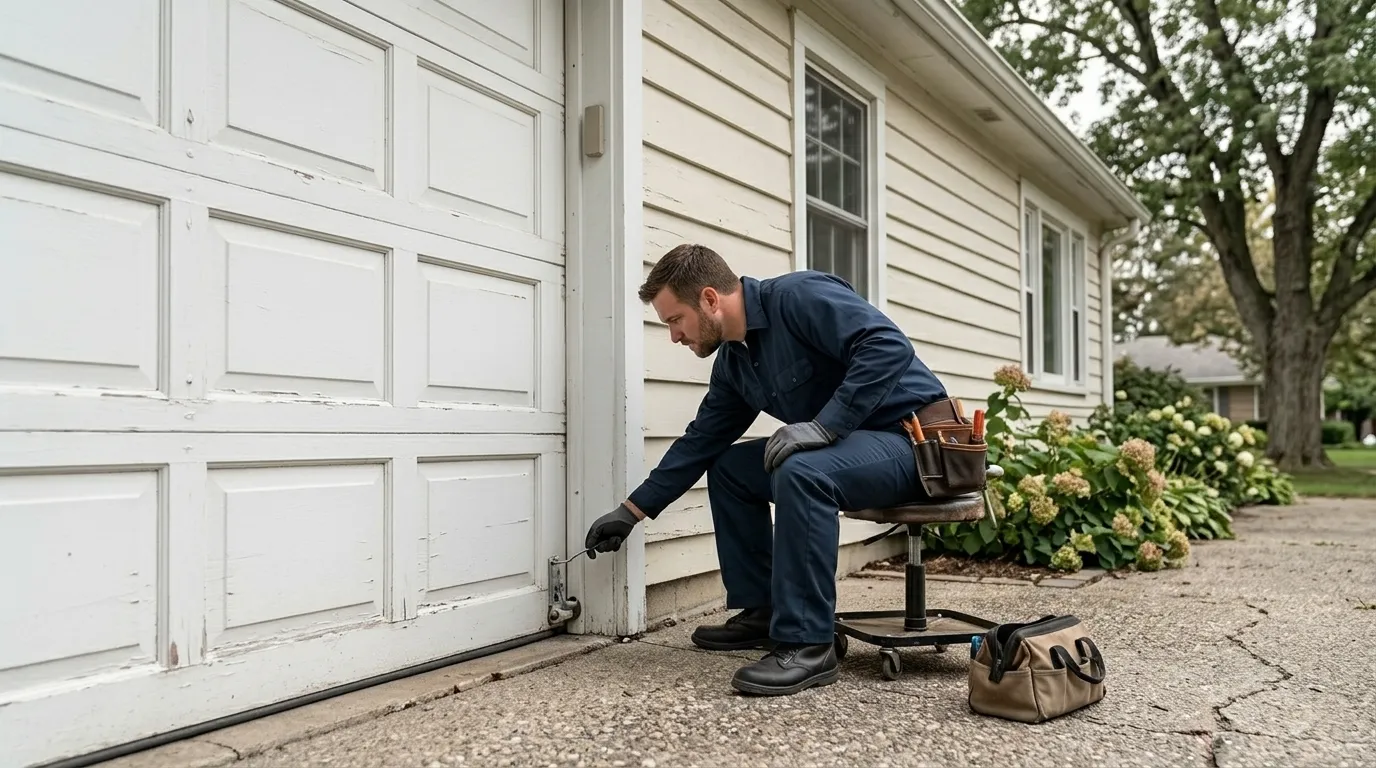
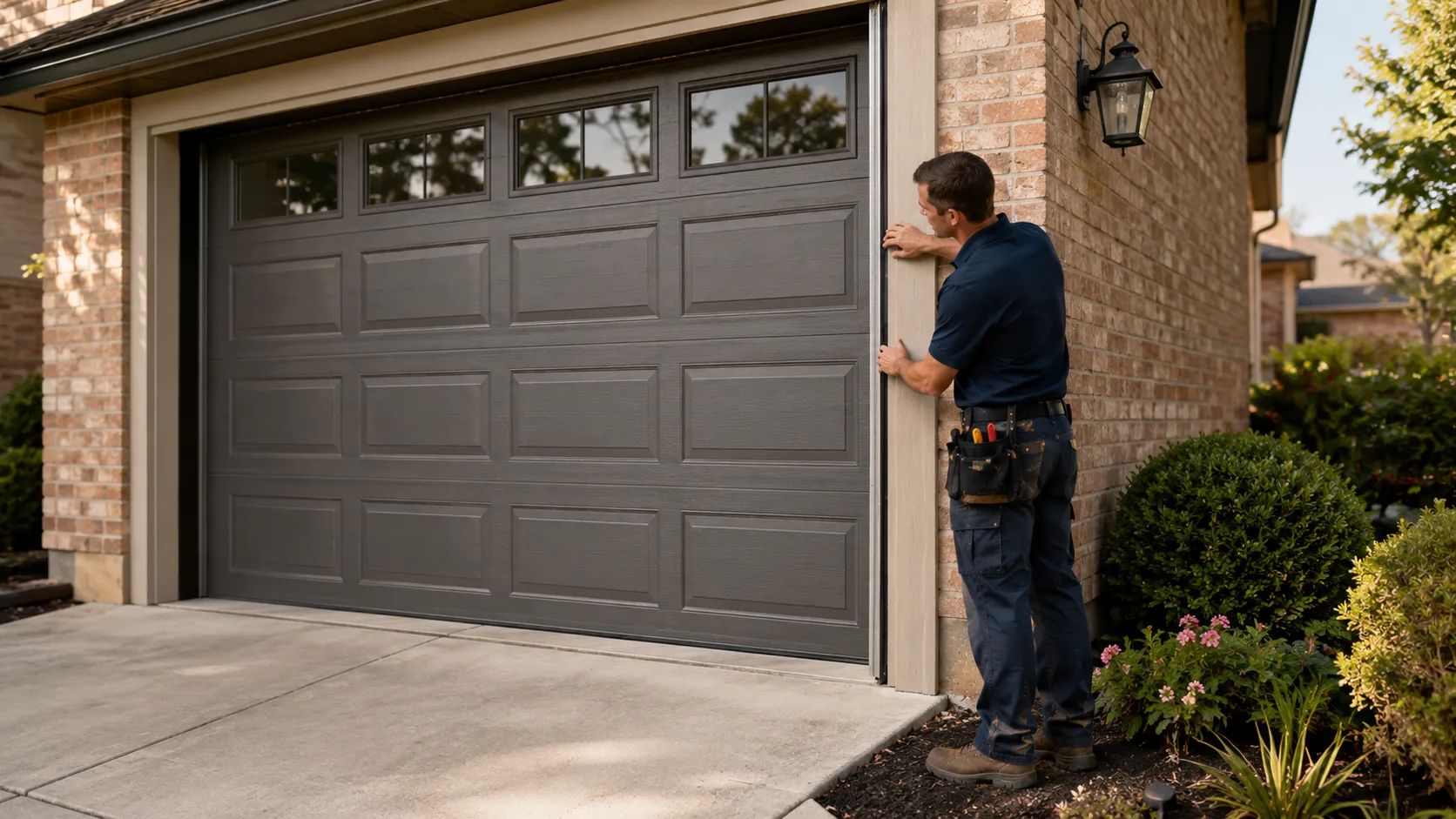
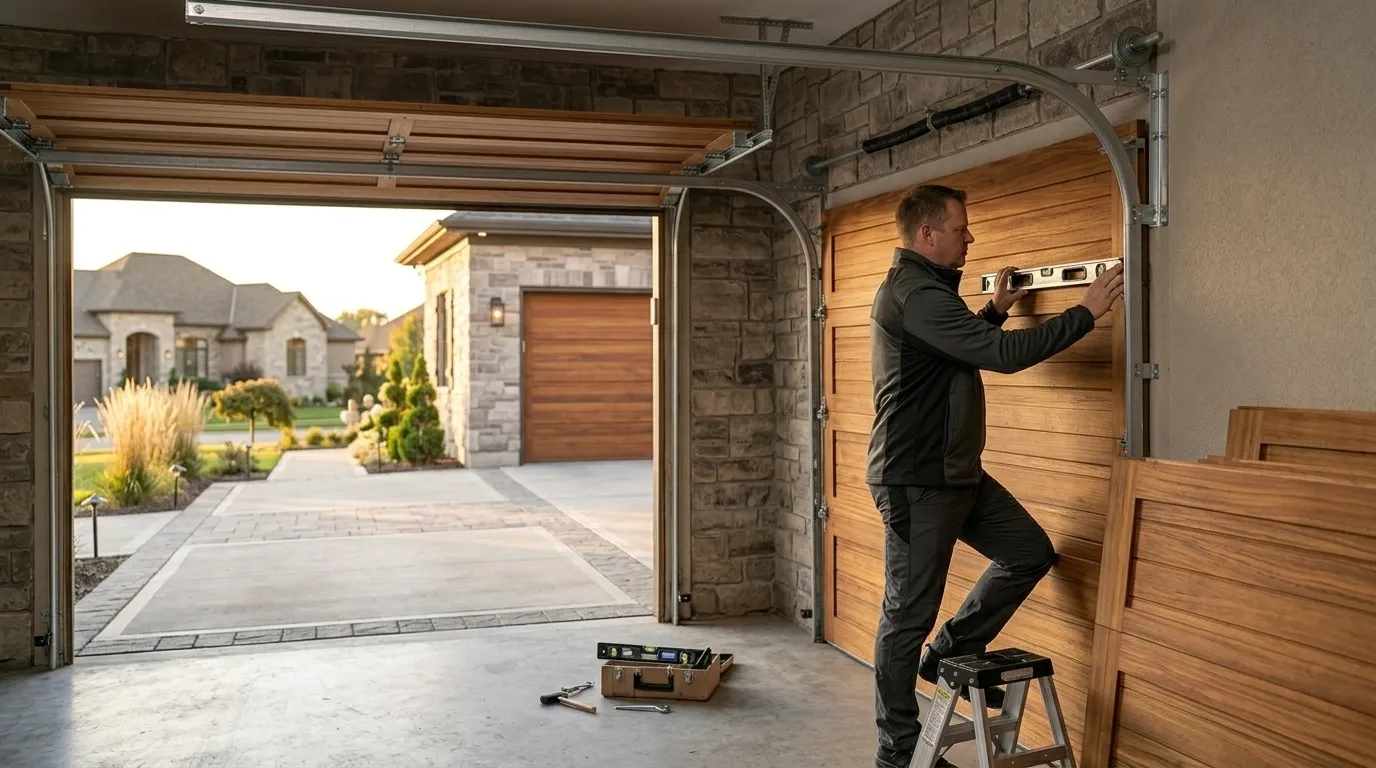
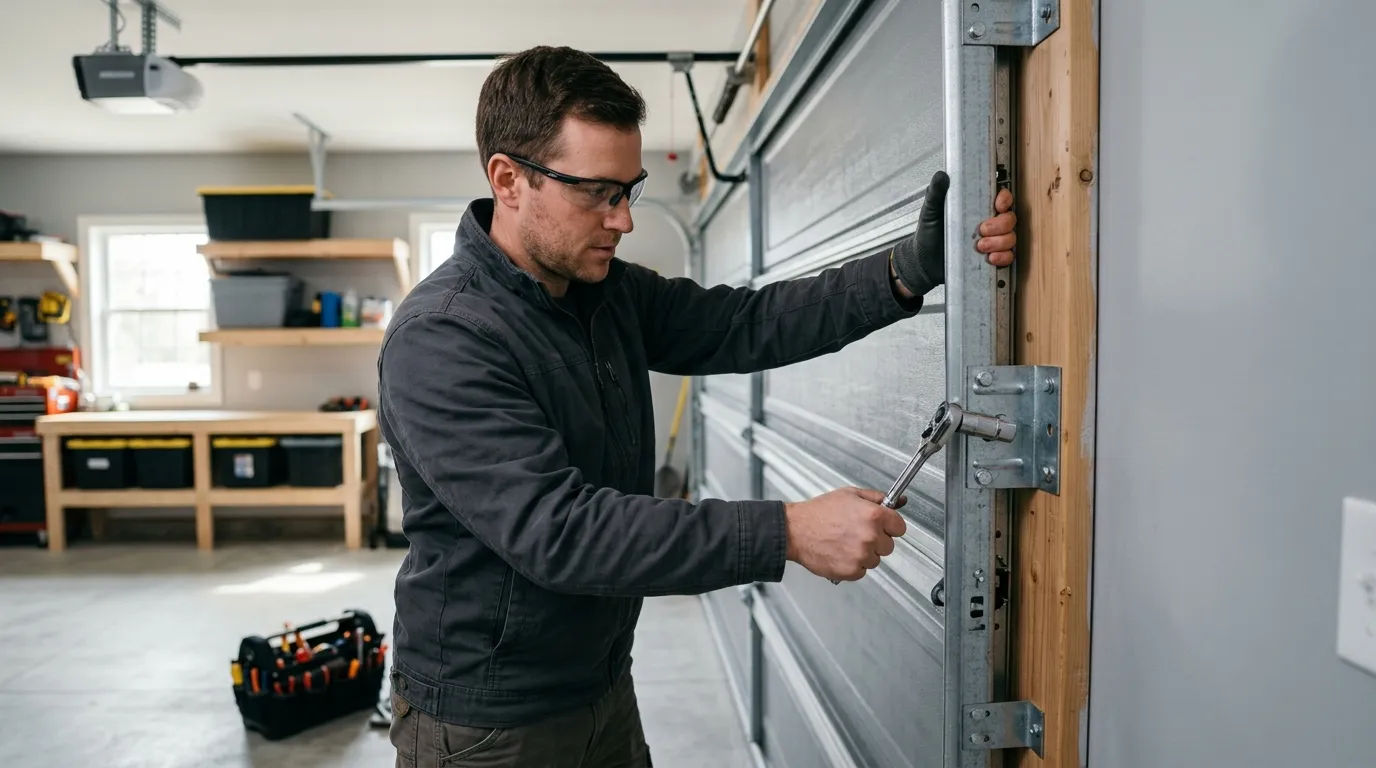
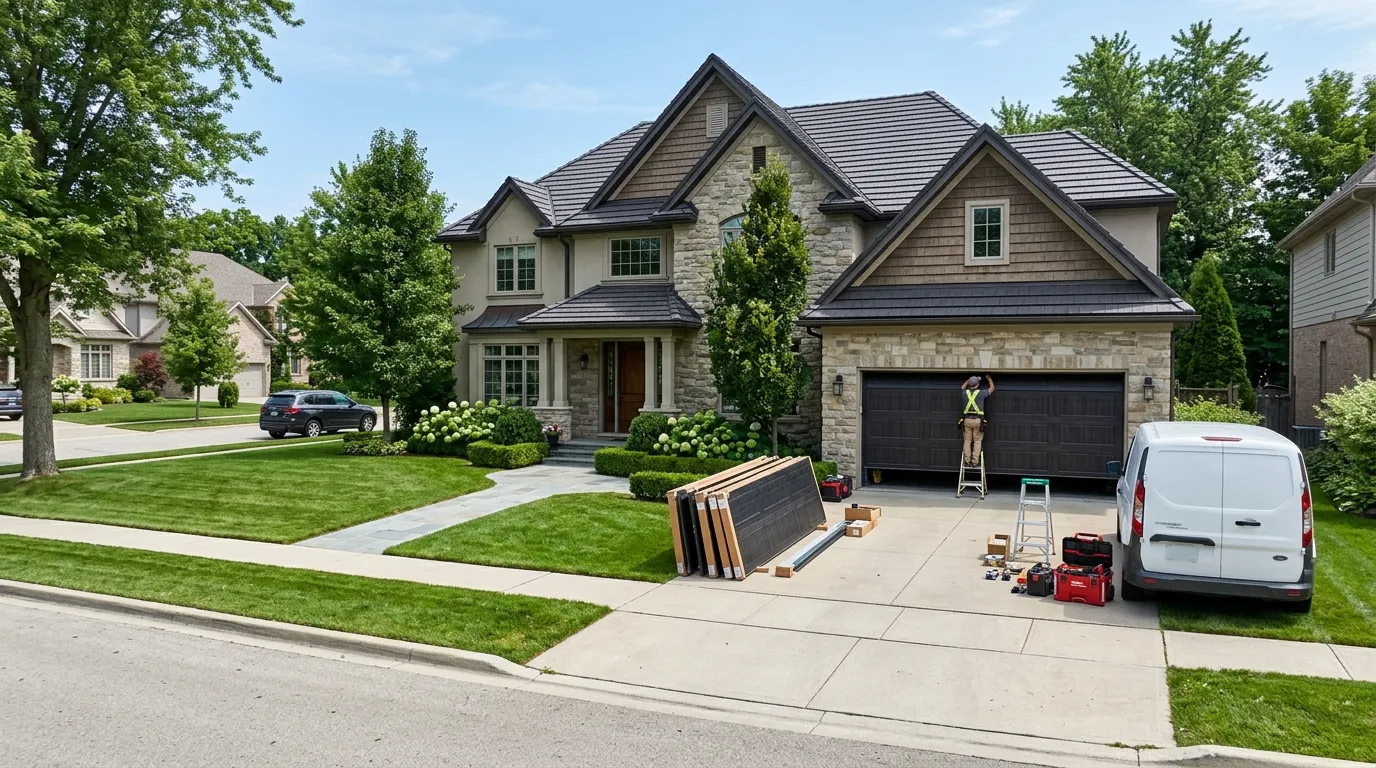
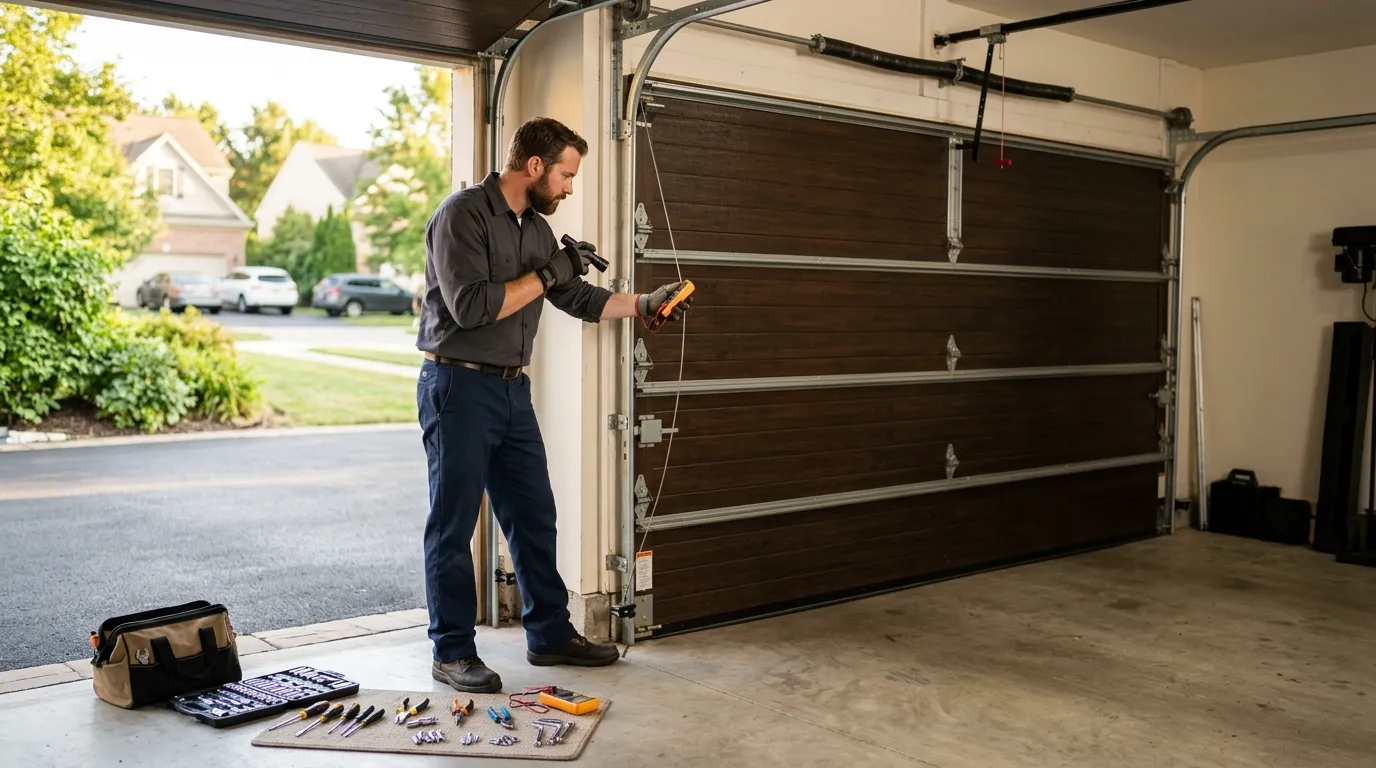
Western Springs is an 18-mile drive from our Morton Grove shop, so when a call comes in from a business here, we plan the truck load before we leave, not after we arrive. That matters more in a town like this than it does closer in. Most commercial buildings in Western Springs went up around 1960, which sits right in the middle of the wider service area's 1938-1996 build window and its 1960s-70s stock. A door that age is rarely the same unit a big-box supplier stocks off the shelf. We pull the panel size, spring type, and track gauge from what we know about buildings from that era before we're on the road, because guessing wrong on an 18-mile round trip costs the customer half a day of downtime. Once we're on site, the fix is the same as anywhere: isolate the failure, confirm it's not a symptom of something else on the door, and repair or replace the part, not the whole system, unless the whole system is what's actually failed. We don't treat a Western Springs call as routine just because the drive is long. The distance changes how we prepare. It doesn't change how carefully we work once the door is in front of us.
What Is on the Truck
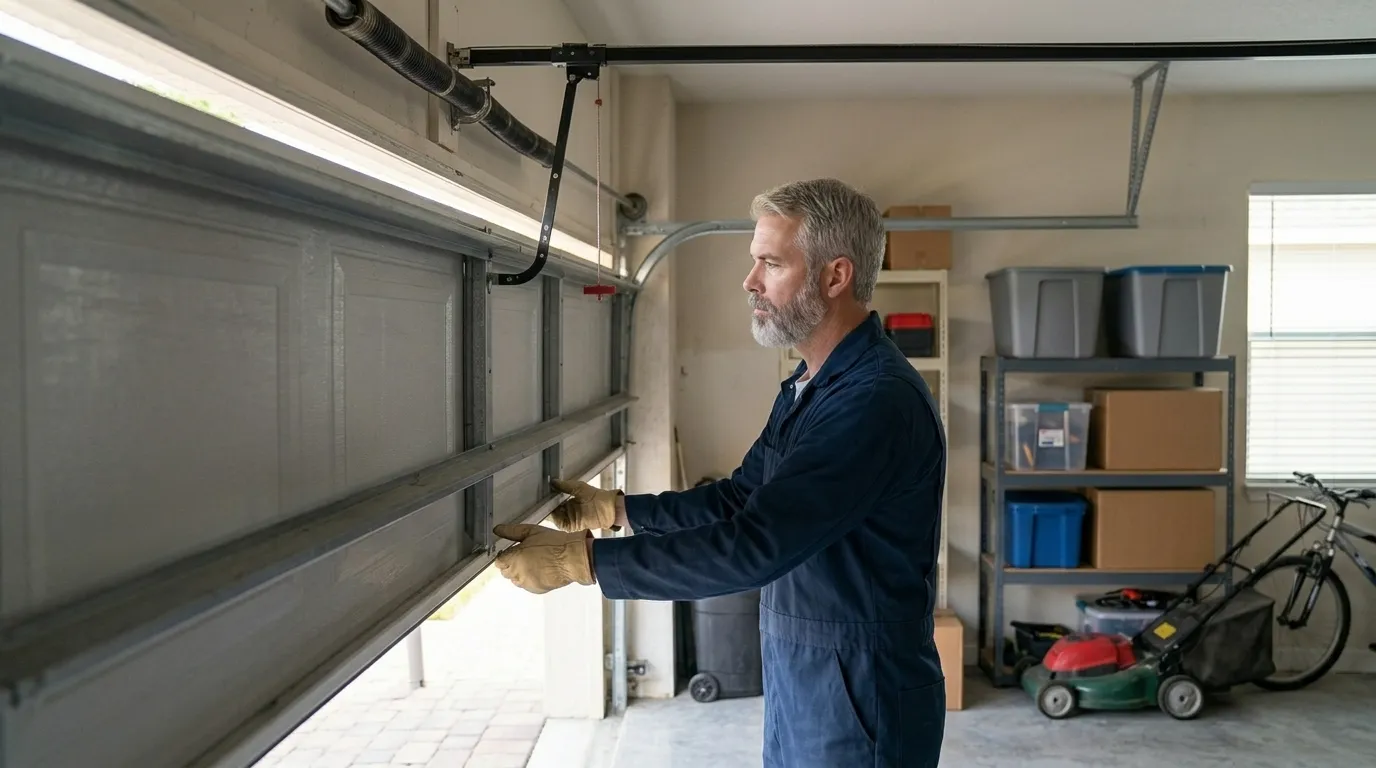
We stock what covers the range of doors we actually see across this service area - standard torsion springs, cables, rollers, and the opener boards that fit most residential and light commercial units. What we don't carry as standard stock is a drum or shaft sized for the heavier gauge track common on 1960-era commercial doors. If a Western Springs job needs one of those, we identify it on the first visit and order it rather than force a mismatched part onto a door it wasn't built for. That's the honest limitation here: we'd rather come back with the right part than leave a heavier door running on hardware that's close enough for now and wrong in six months. Everything else - the day-to-day spring, cable, and roller work that makes up most commercial calls - rides on the truck already, so a single visit closes out most repairs without a second trip.
What Causes It Around Here
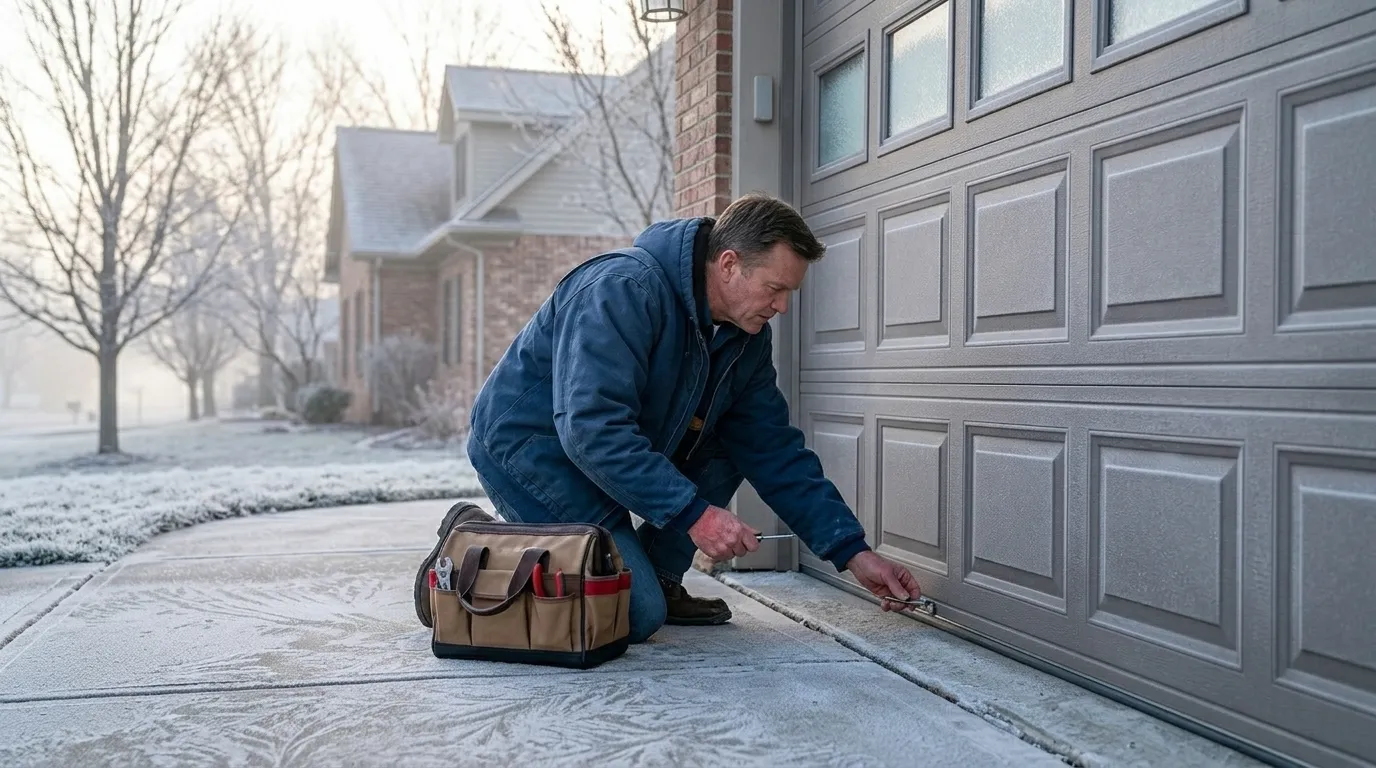
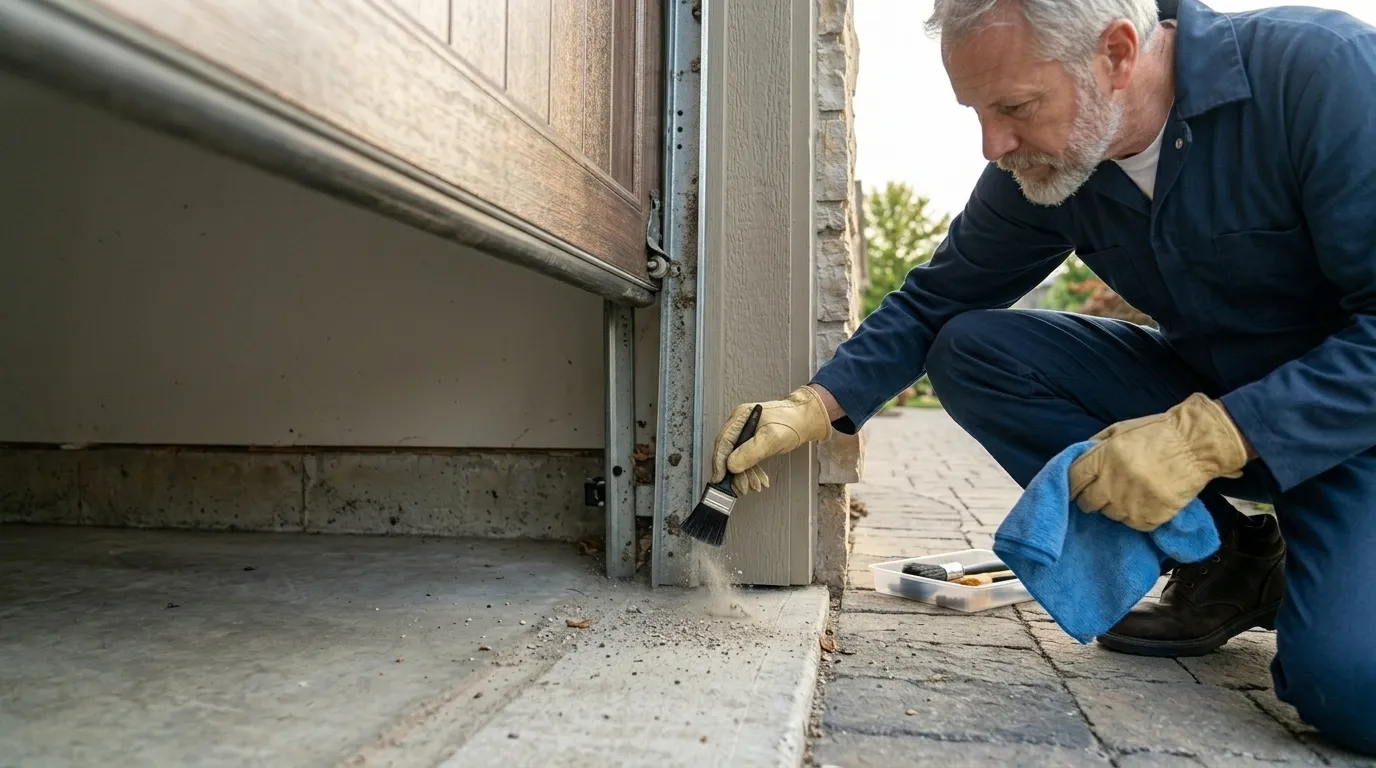
The service area sits in a cold-moderate climate band, and that shows up in commercial doors the same way it does everywhere in the region: metal contracts in winter, lubricant thickens, and a spring already carrying years of cycles loses tension faster in the cold months than it does in July. On a door built around 1960, the steel has had more winters to do that to it than a door installed in the last decade would have. Beyond the weather, the building stock itself is a factor - Western Springs' buildings dating to roughly 1960 sit inside the wider area's 1938-1996 range with a median around 1963, and doors from that window are old enough that original springs and cables, if they're still in place, are well past any reasonable service life. We don't see anything in Western Springs that we'd call unusual for a town this age. We see what the calendar and the climate do to hardware that's had sixty-plus years to wear.