How We Fix It
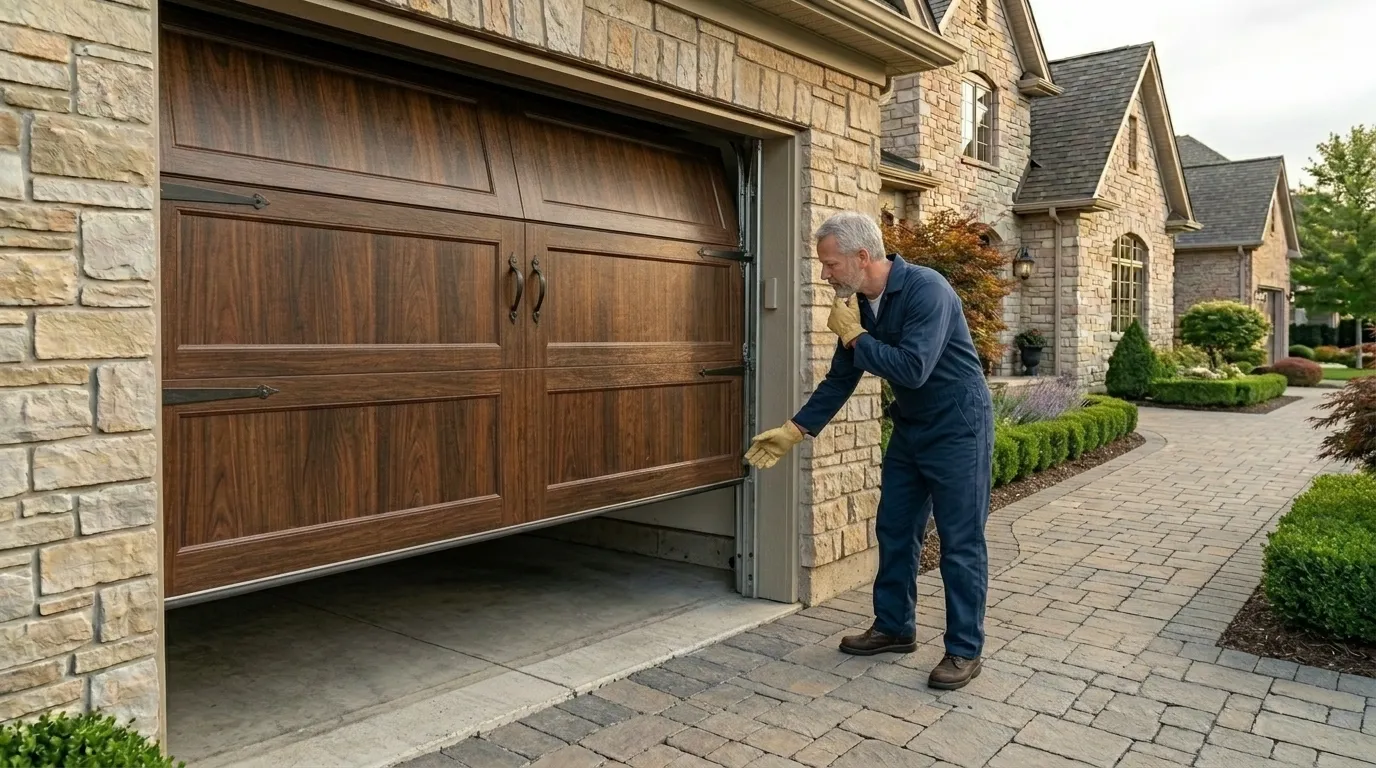
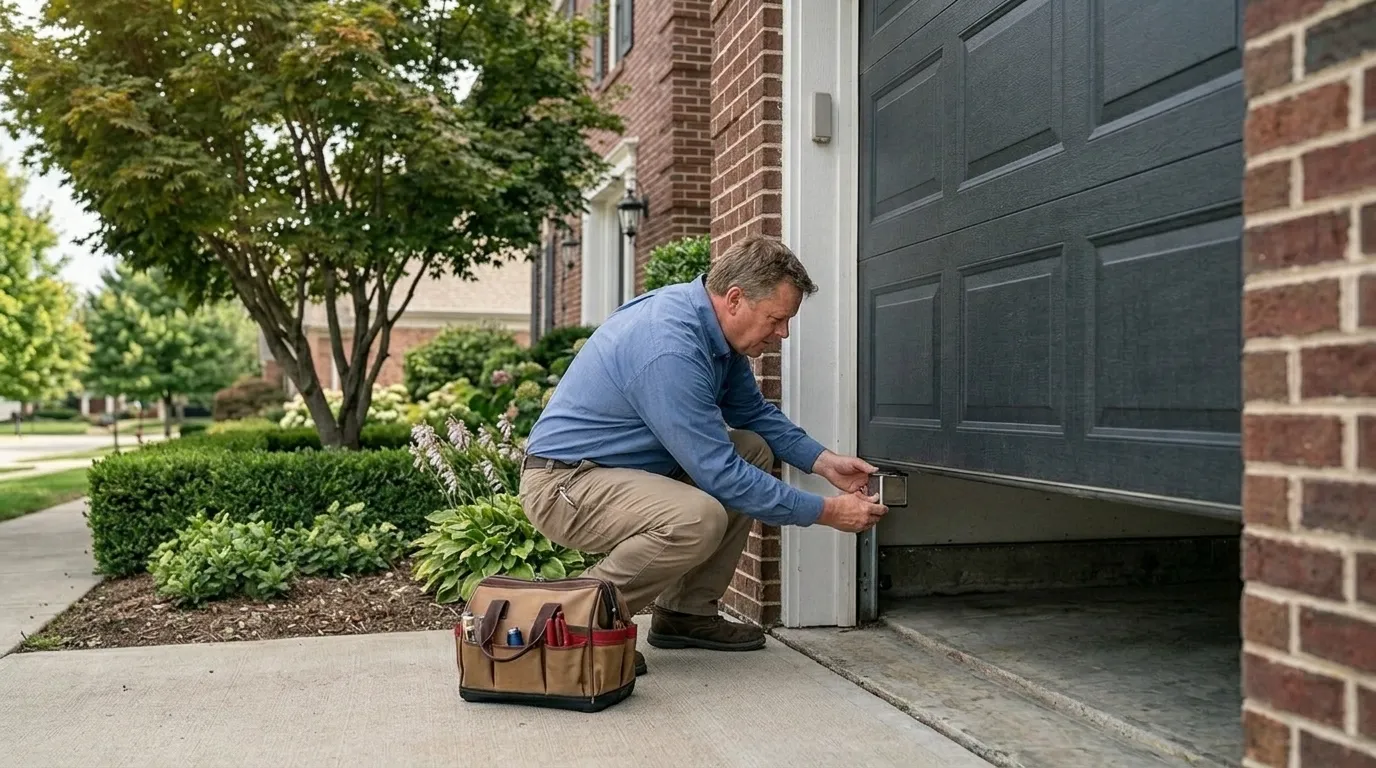
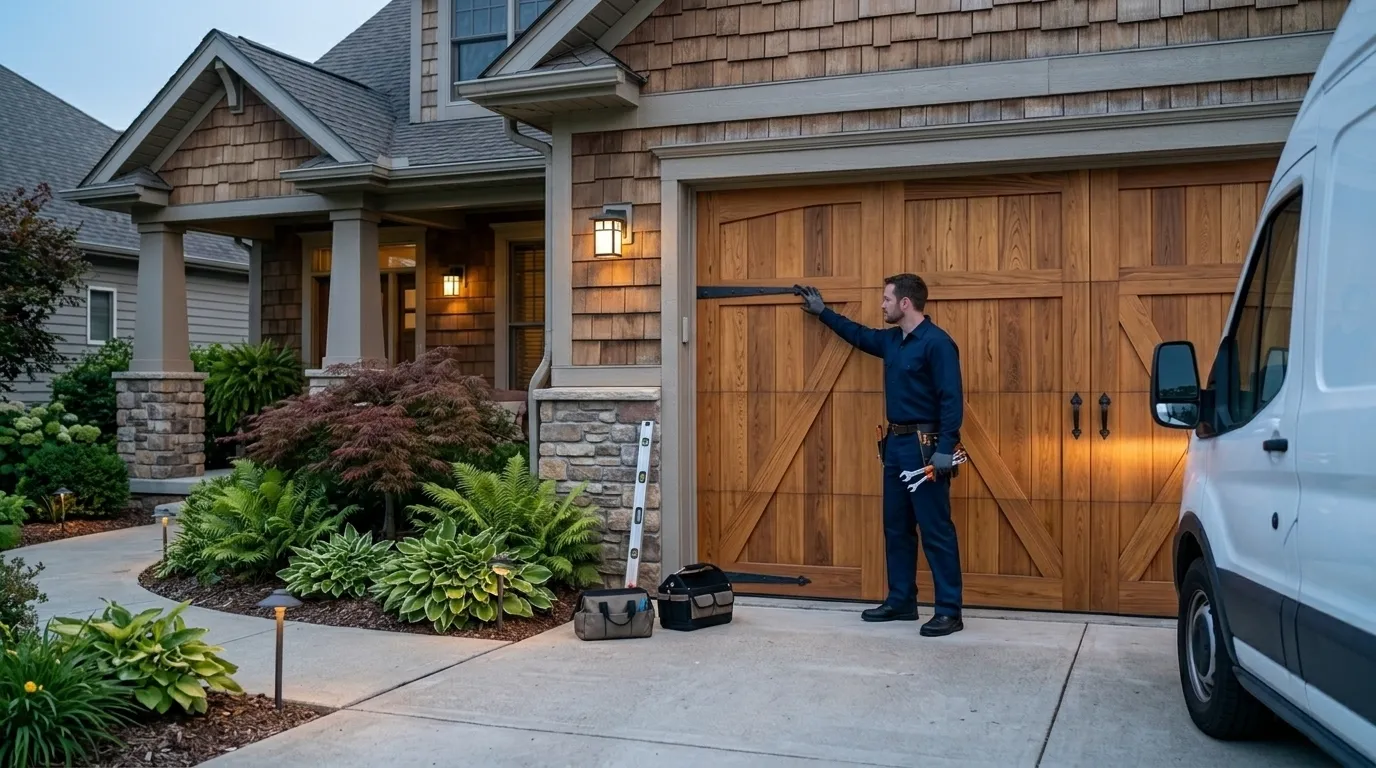
When we get a call from Western Springs, we ask the build year before we ask what's wrong, because the two are usually related. The average house here went up around 1960, and a lot of that original garage door hardware has never been swapped out - not the track brackets, not the spring anchor, sometimes not even the door itself. So the first step on any job is checking whether we're working on 1960s equipment or a replacement door from the last decade or two.
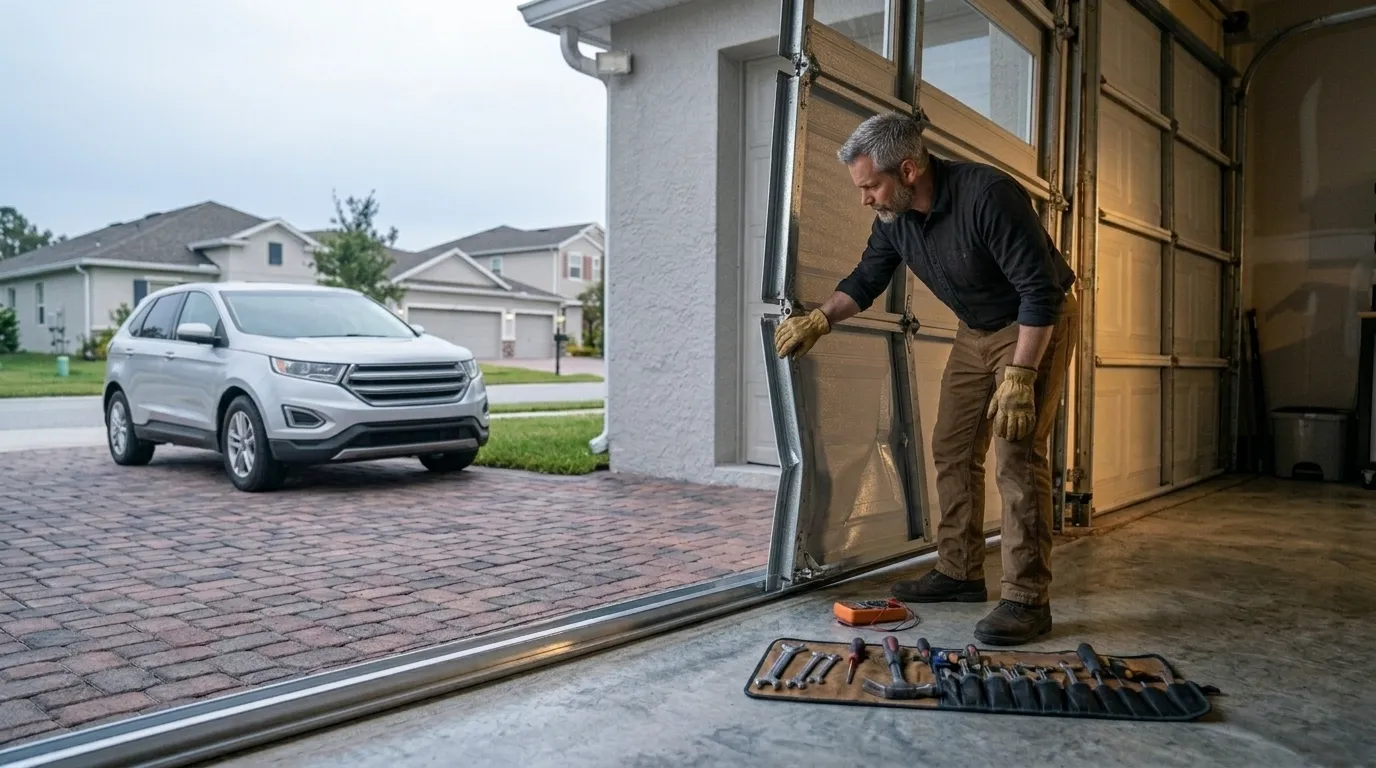
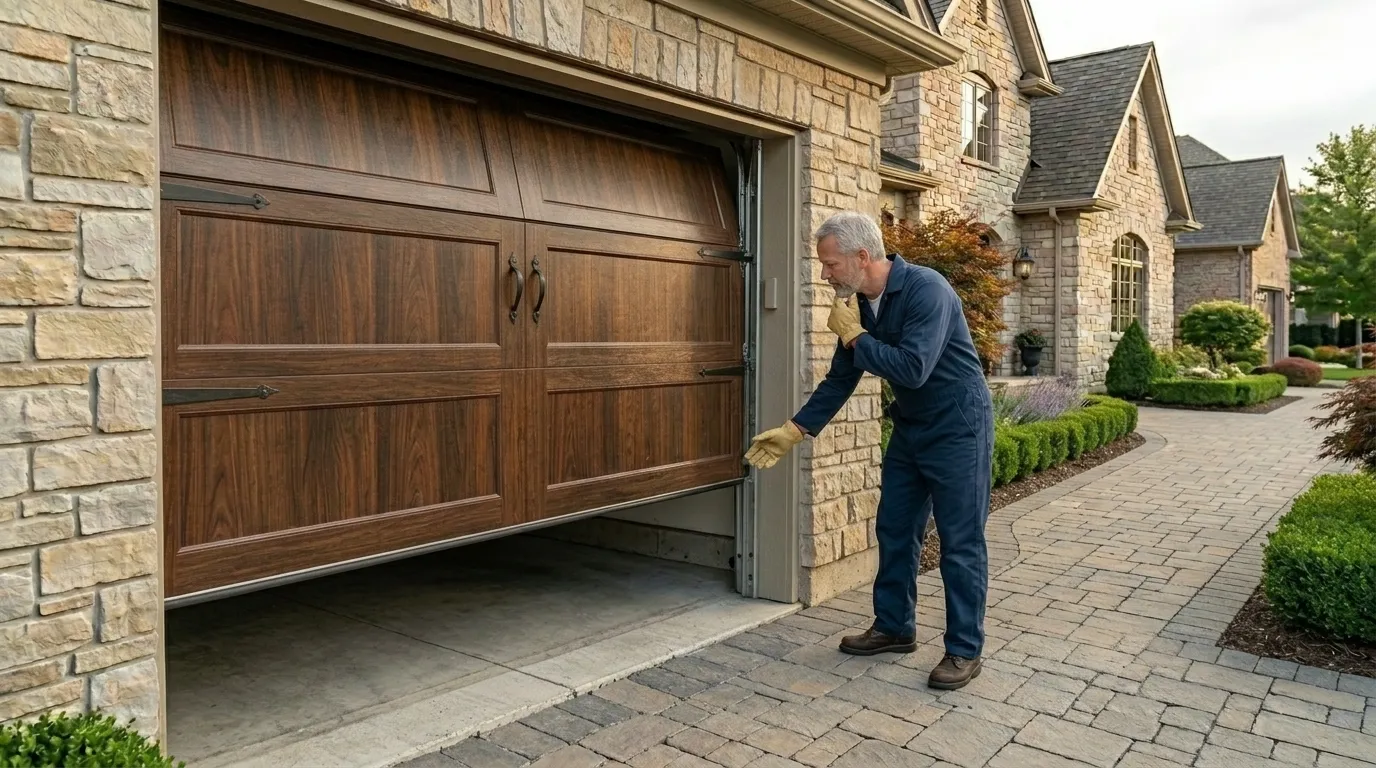
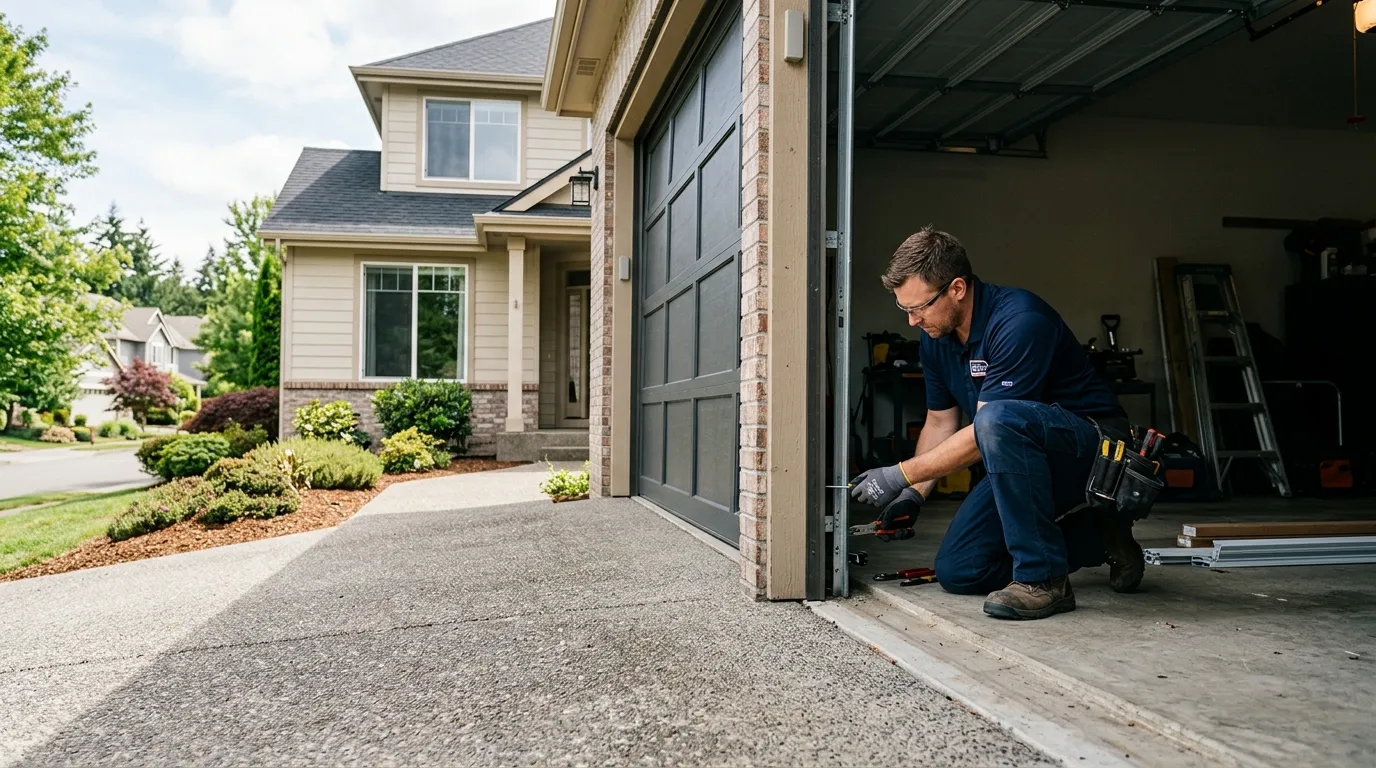
If it's original, we're often dealing with a spring gauge and door weight combination that nobody stocks pre-cut anymore, so we measure and match rather than grab a standard size off the truck. If it's a newer door on old track, the mismatch itself is usually the fault - rollers wearing a groove into a track that was never resized when the door was replaced. We fix what's actually failing, not what's easiest to swap. On a 60-year-old system, that sometimes means one bracket and a spring, not a full teardown.
We come out from Morton Grove, about 18 miles away, so we bring what a Western Springs-era door is likely to need rather than making a second trip to grab a part.
What Is on the Truck
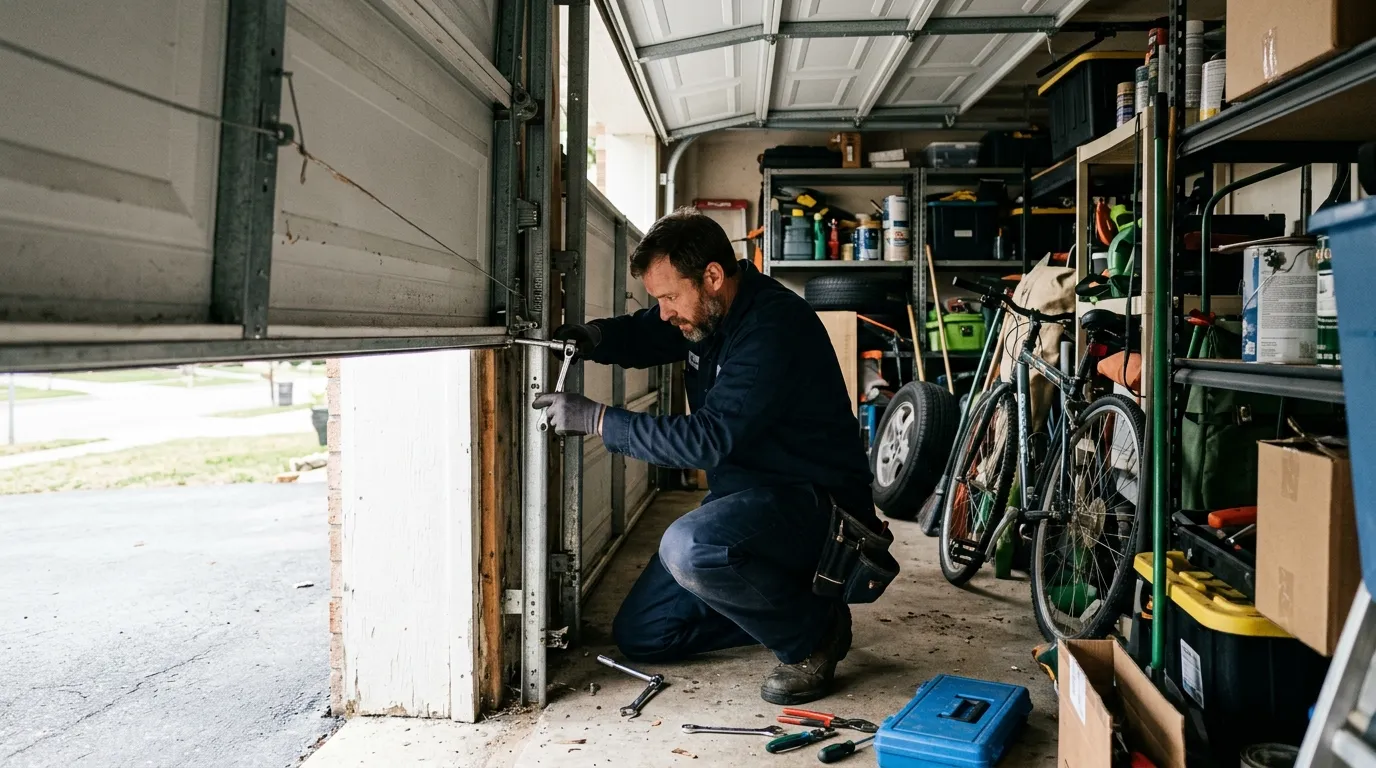
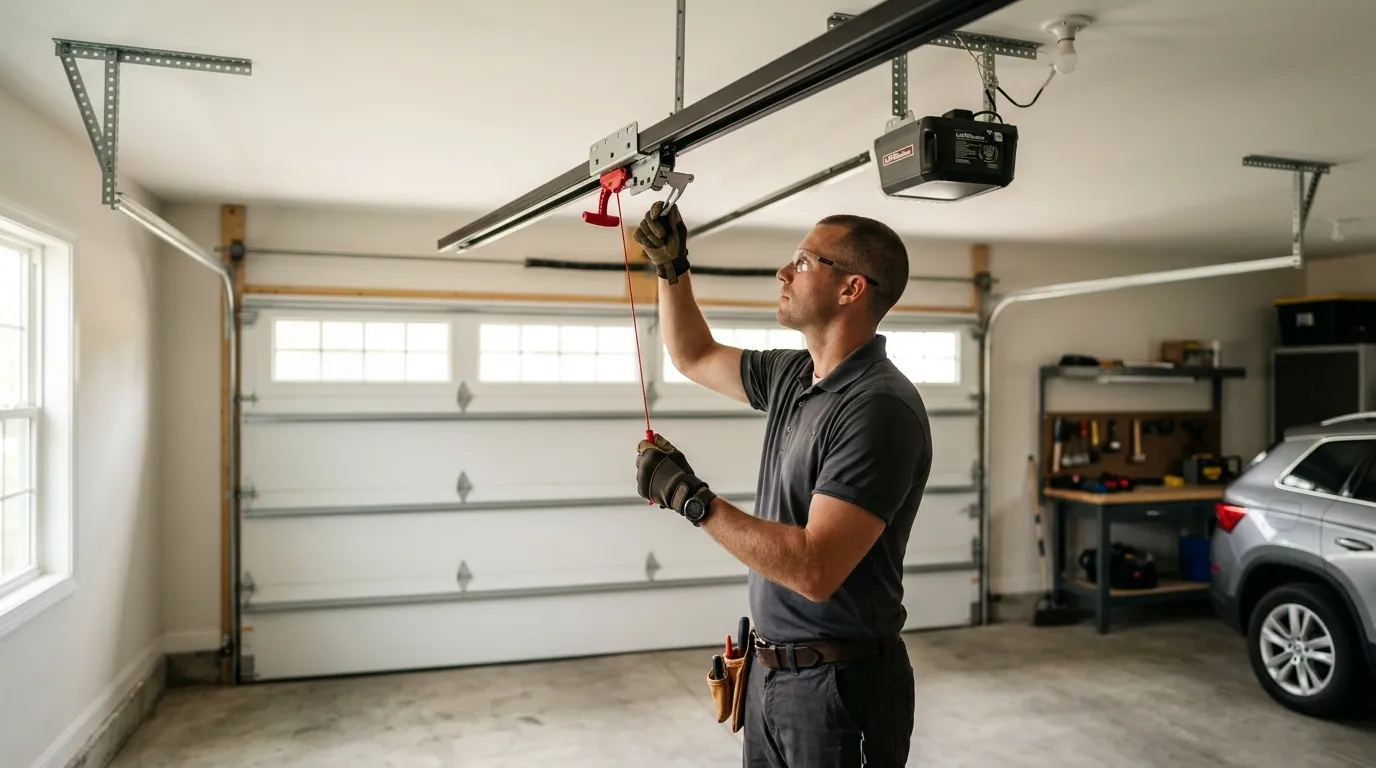
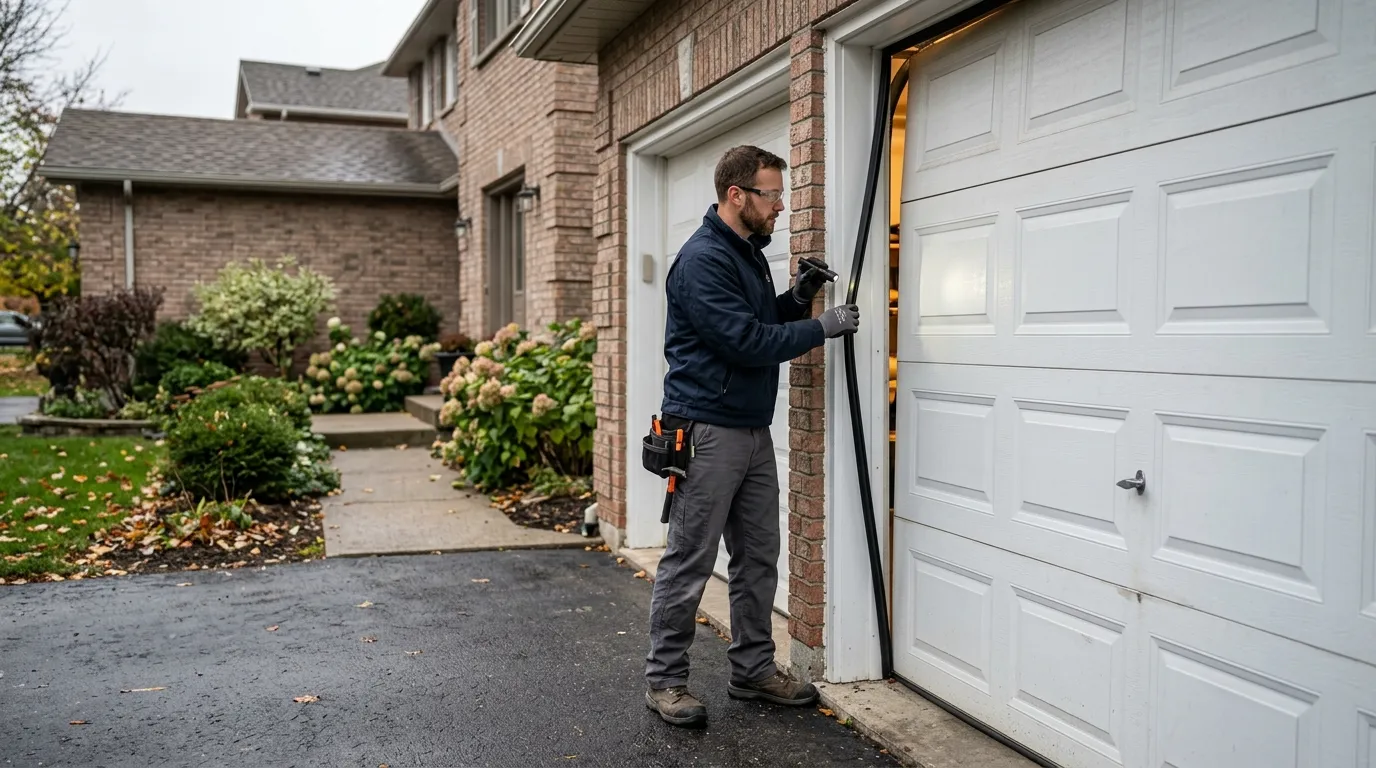
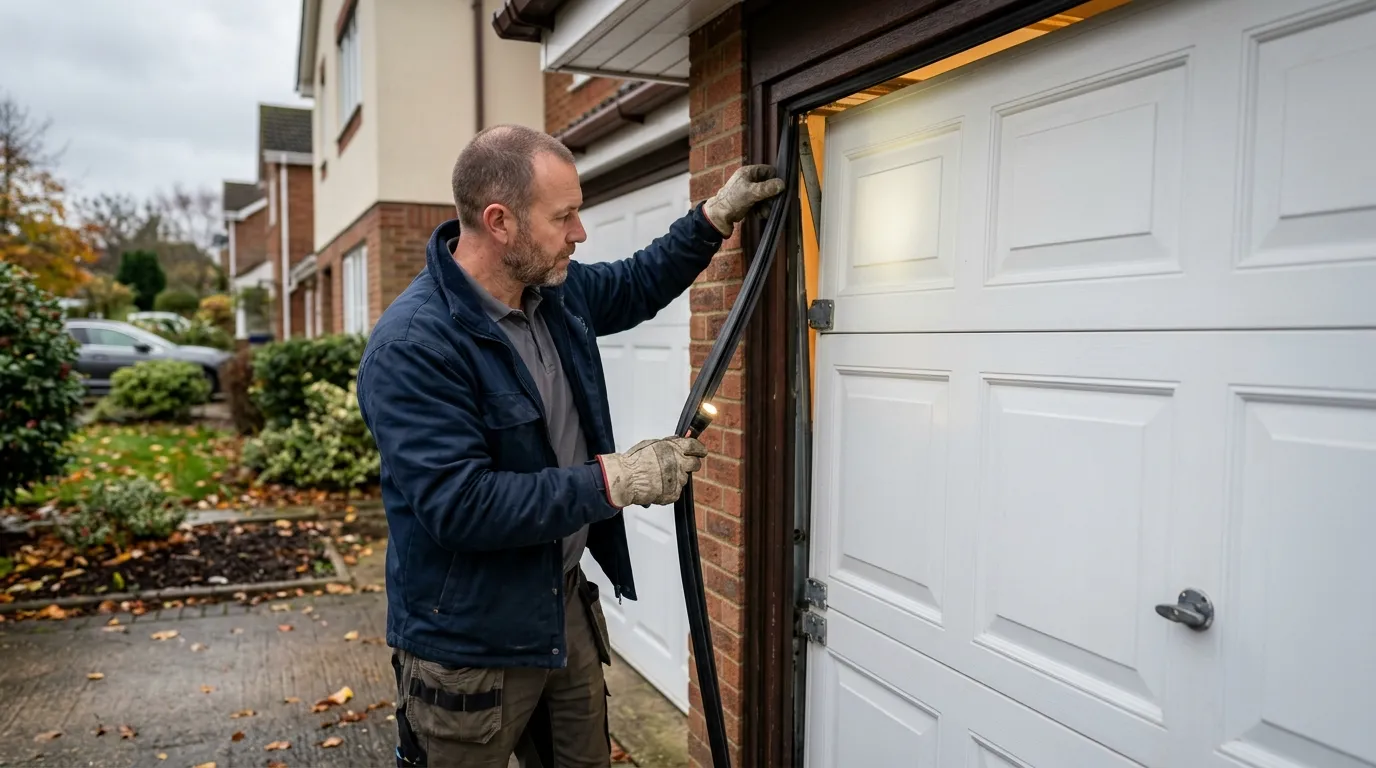
For a service area built mostly in the 1960s and 70s, we carry torsion springs across the range those doors actually used, not just the sizes that fit modern lightweight doors. We also carry drums, cables, and steel rollers sized for older track profiles, because a modern nylon roller often won't seat right in a track that's 60 years old.
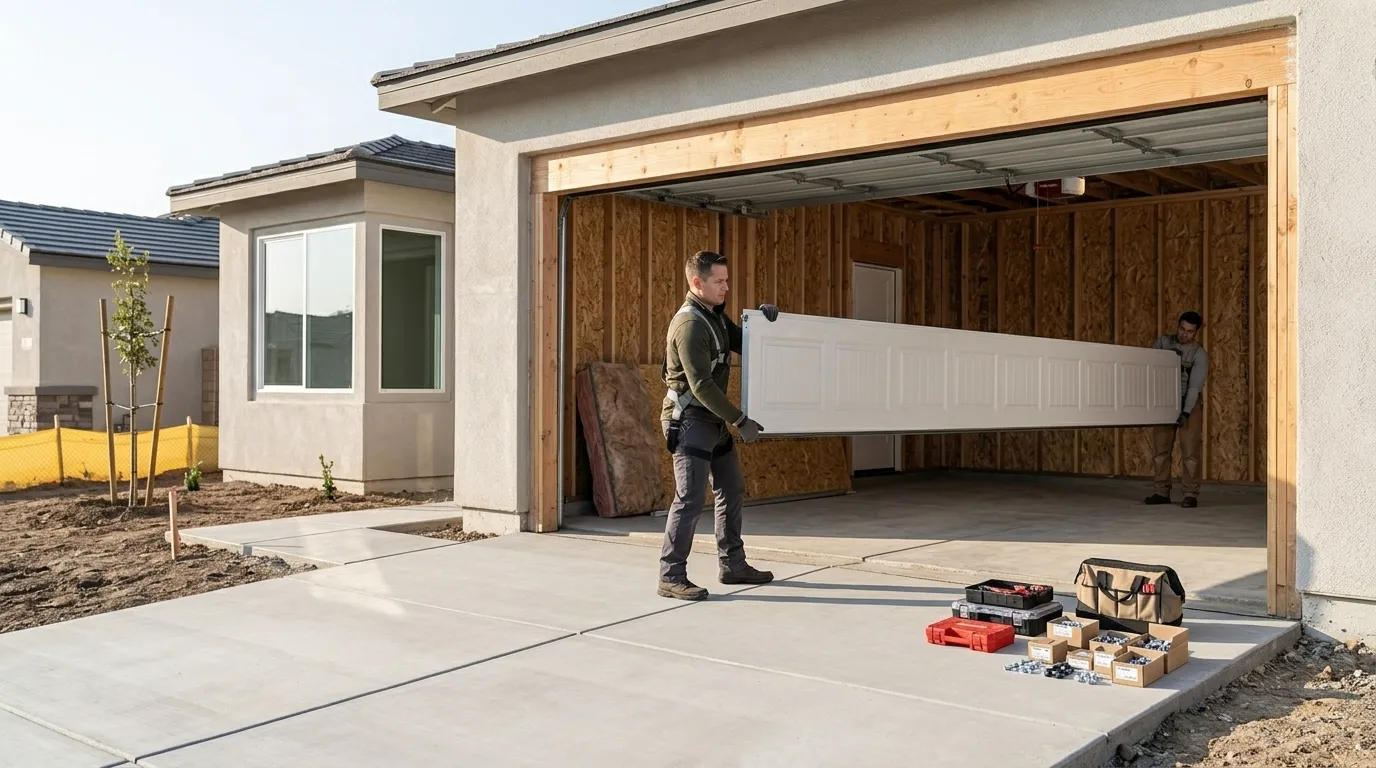
What we don't carry on the truck: full replacement doors. Those get measured and ordered, not installed same visit, and we'll tell you that on the phone before we drive out, not after we're standing in the driveway. If a spring job turns into a full door replacement because the track or jambs are too far gone to save, that's a second appointment, not a surprise upcharge.
What Causes It Around Here
Cold-climate freeze-thaw cycling is the main stress on garage door hardware in this part of Illinois, and it hits older installs harder because the metal has already fatigued from decades of use. A spring that's fine in October can snap on the first hard cold snap in December, because the metal contracts and the door gets heavier to lift right when the spring is weakest.
Houses built in the early 1960s also tend to have single garages or narrow two-car openings by today's standard, which means smaller doors carrying proportionally heavier torsion loads on original springs that were sized for a lighter door material than what's common now if a door was ever swapped. That mismatch between old spring and newer door panel shows up as slow closing or a door that reverses on its own - not a dramatic failure, just wear nobody noticed happening.