How We Fix It
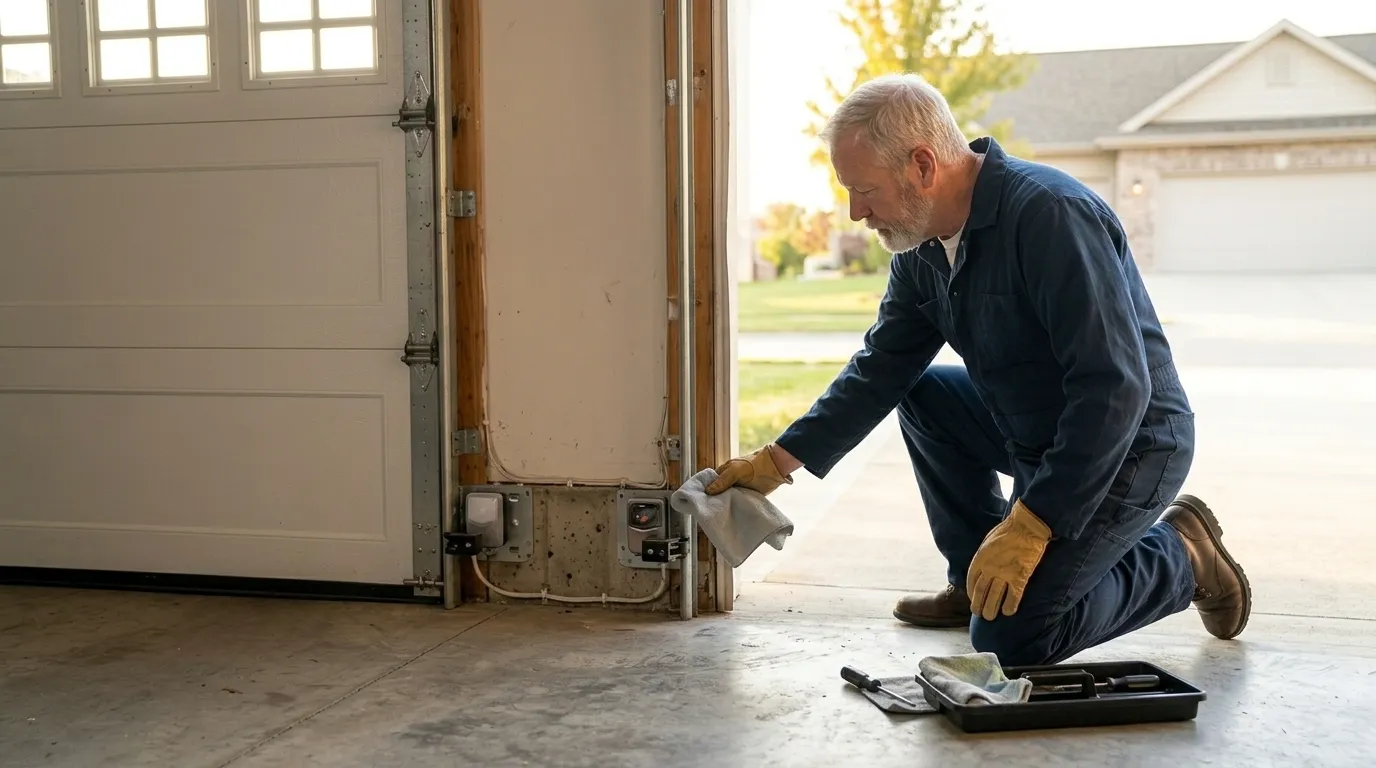
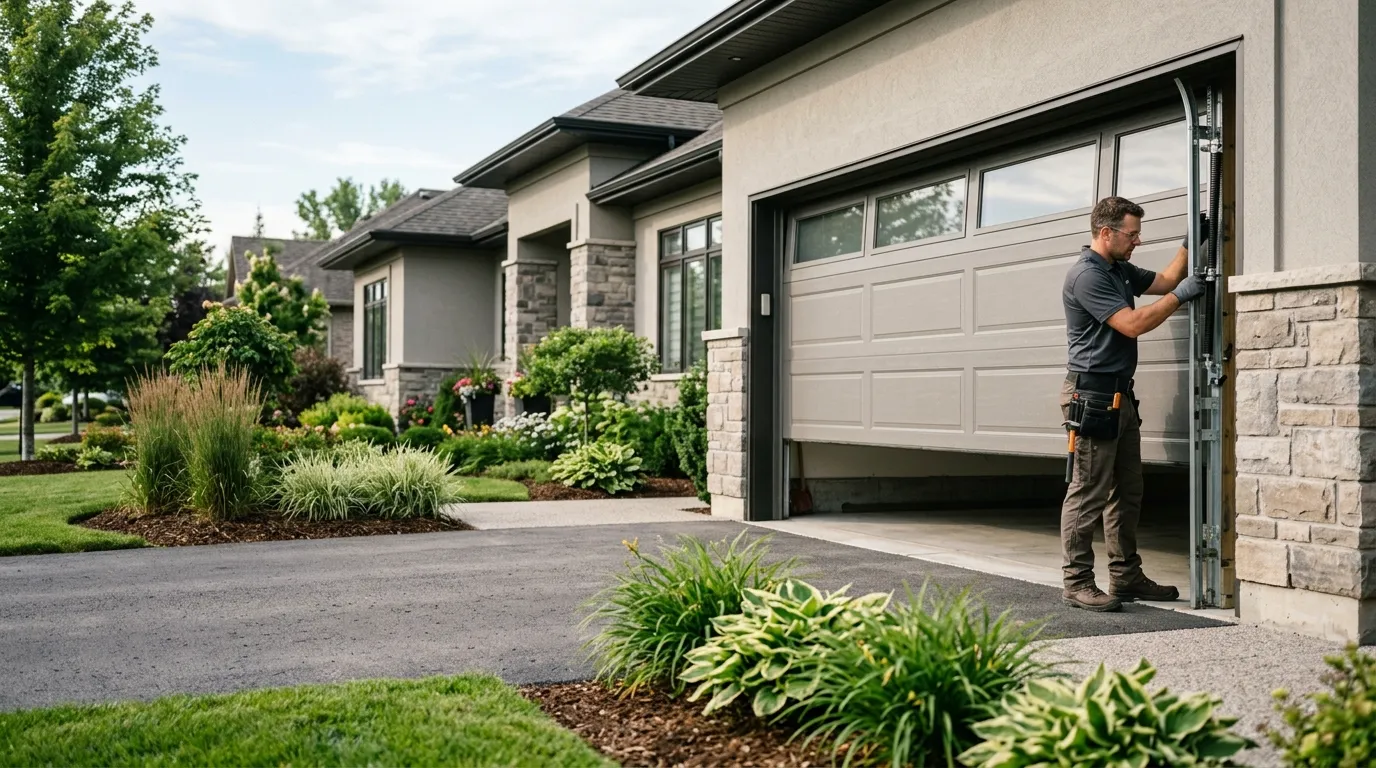
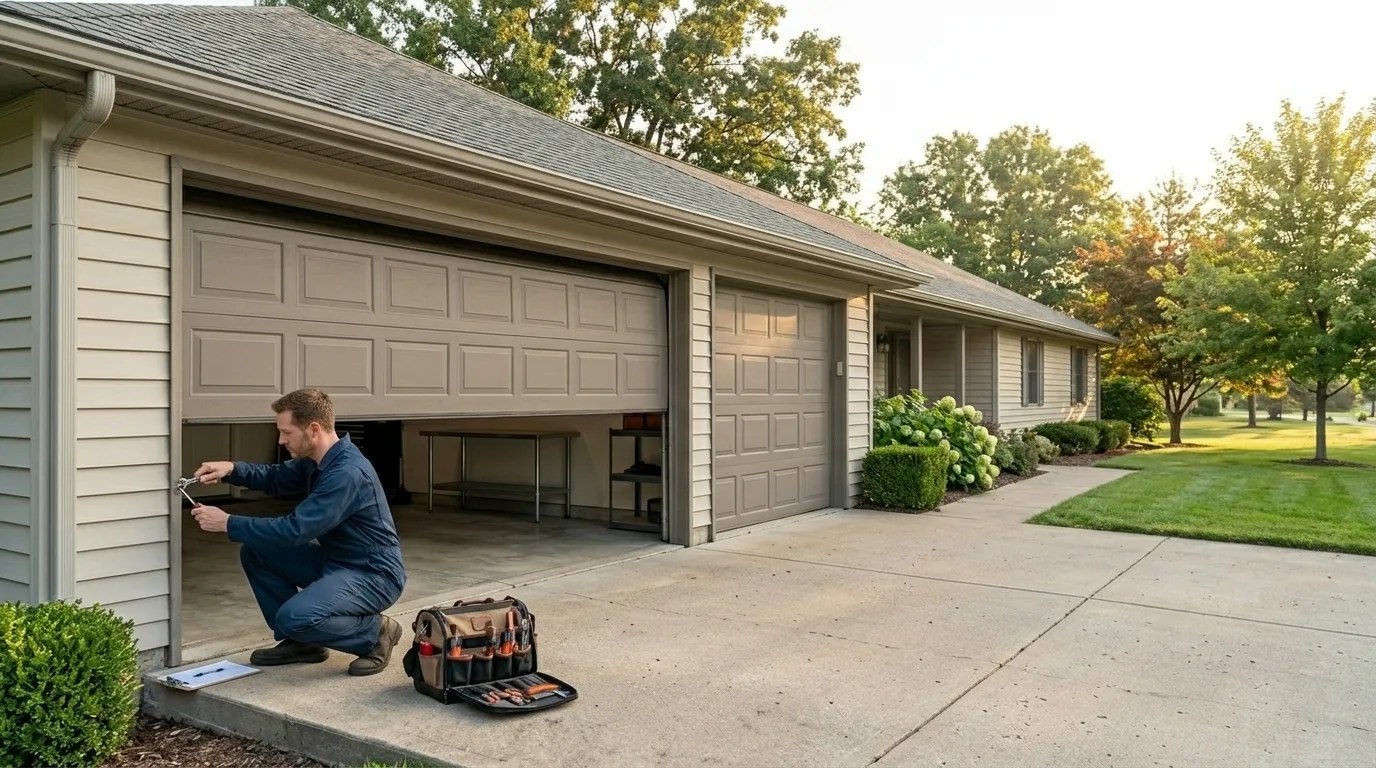
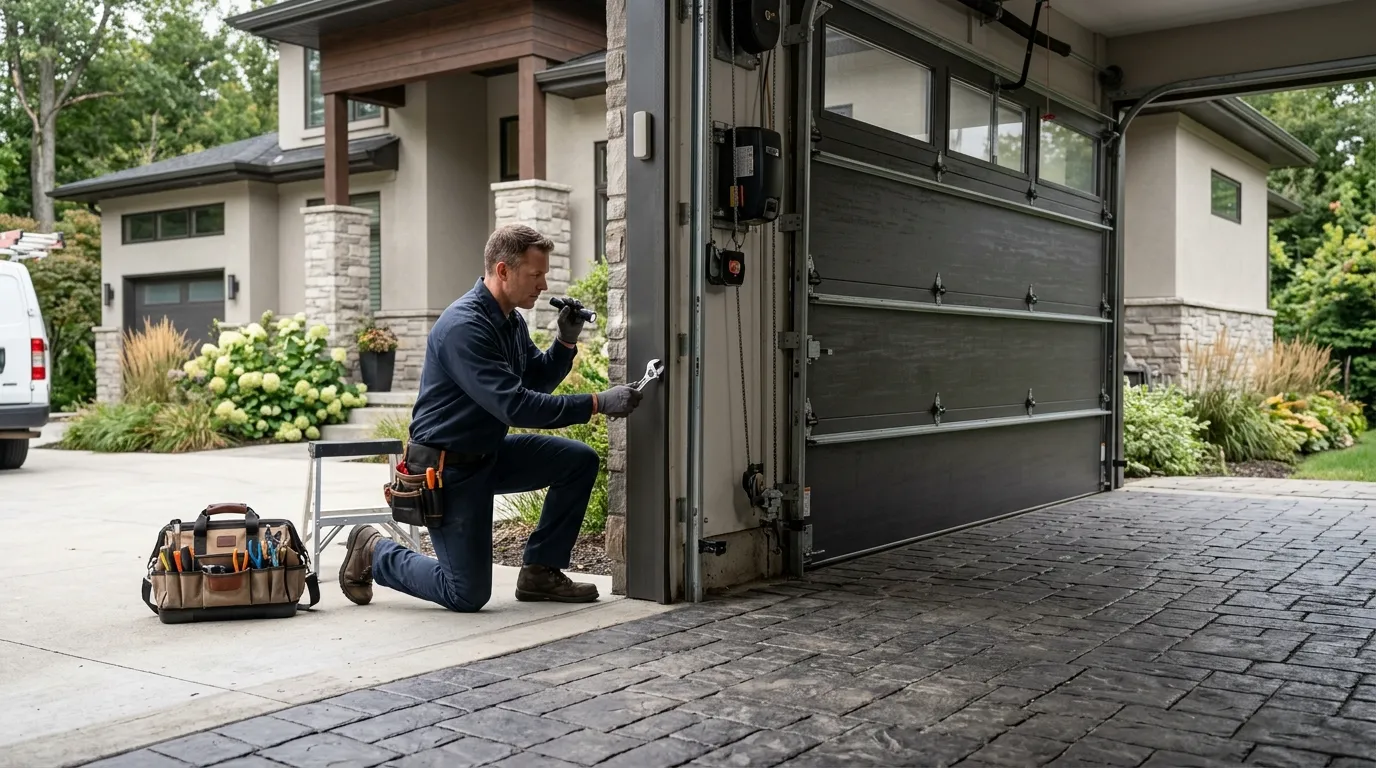
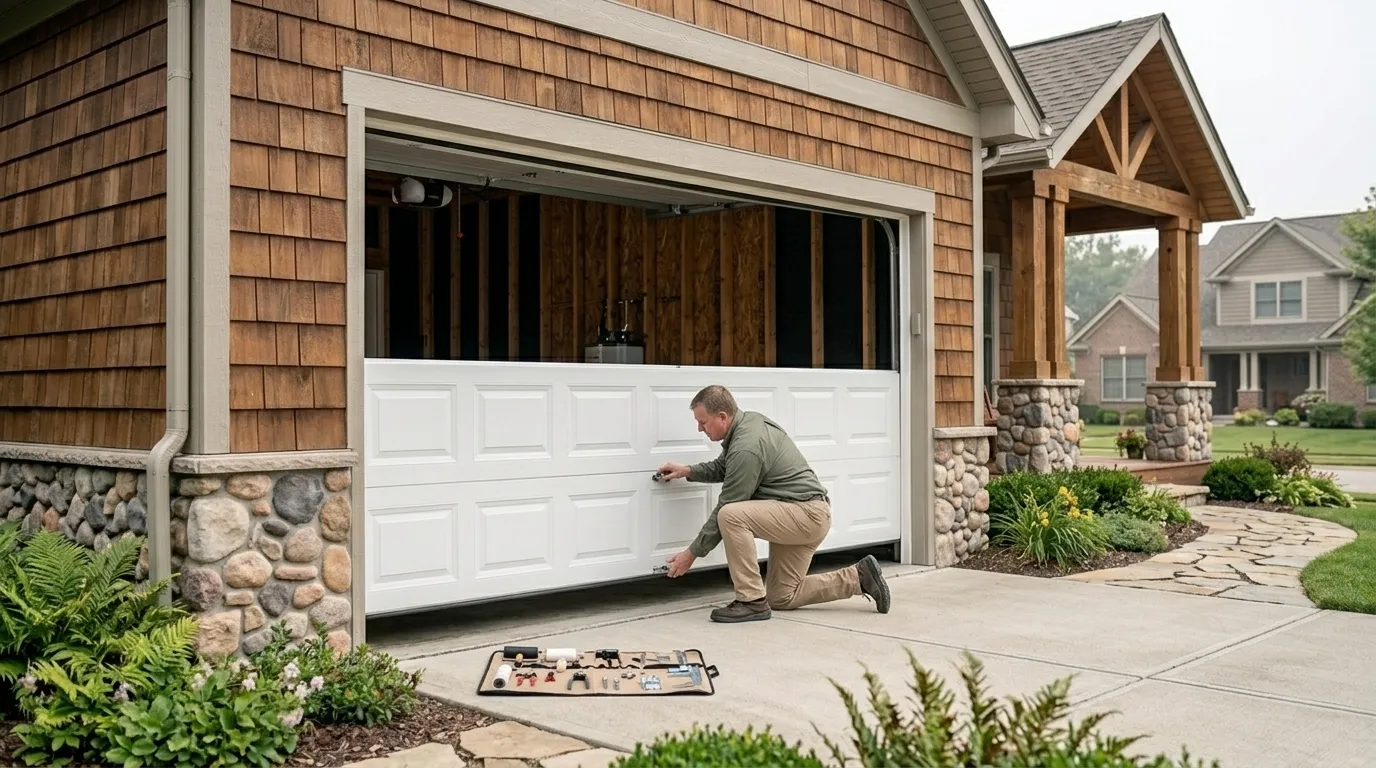
We start with the opening itself, not the door in the brochure. A lot of garages in Western Springs went up around 1960, which means the rough opening is often narrower than what a current two-car door assumes - built for the cars of that decade, not the SUVs and pickups sitting in driveways now. We measure the frame, check the header for square, and confirm the track path before we ever talk material. If the jamb has settled over sixty-some years, which happens, we shim and square it properly rather than forcing a door to fit a frame that's moved.
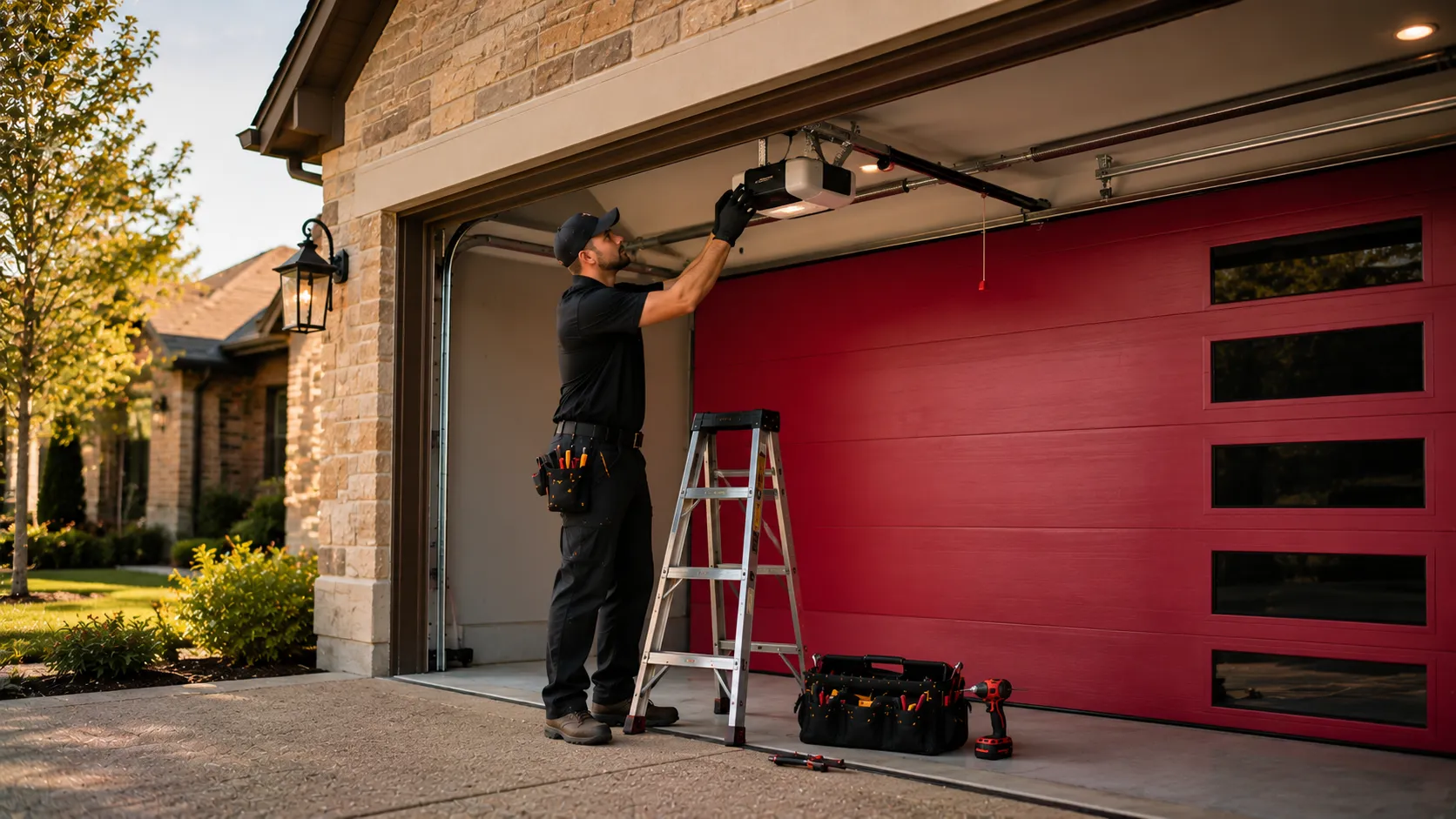
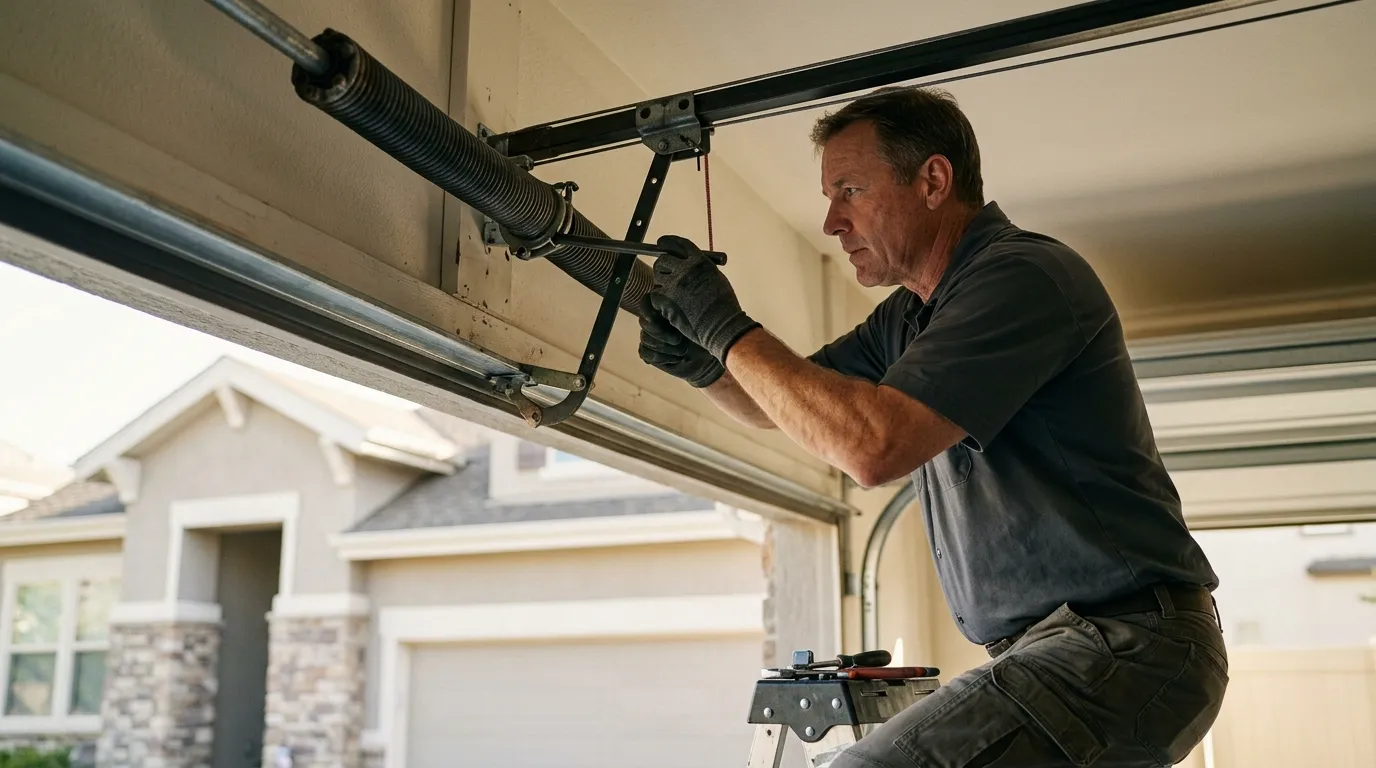
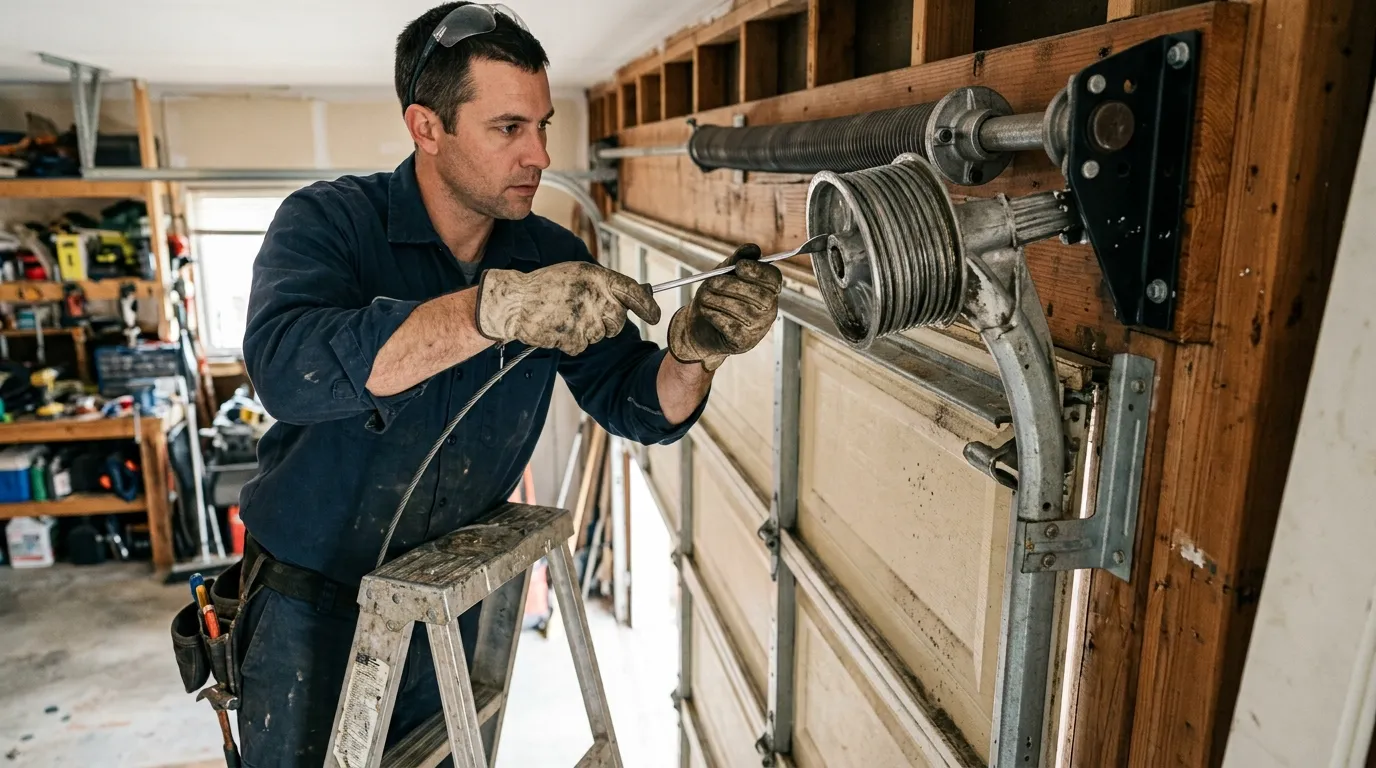
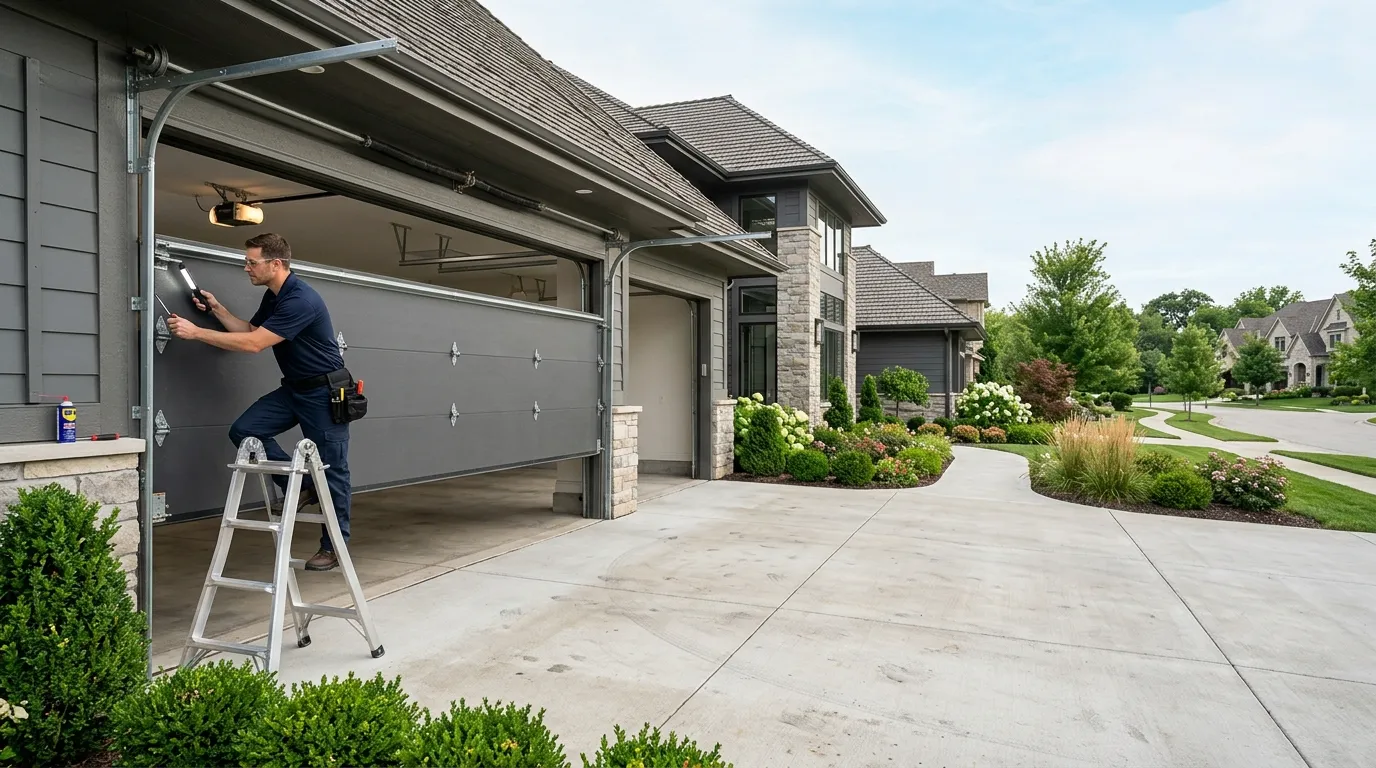
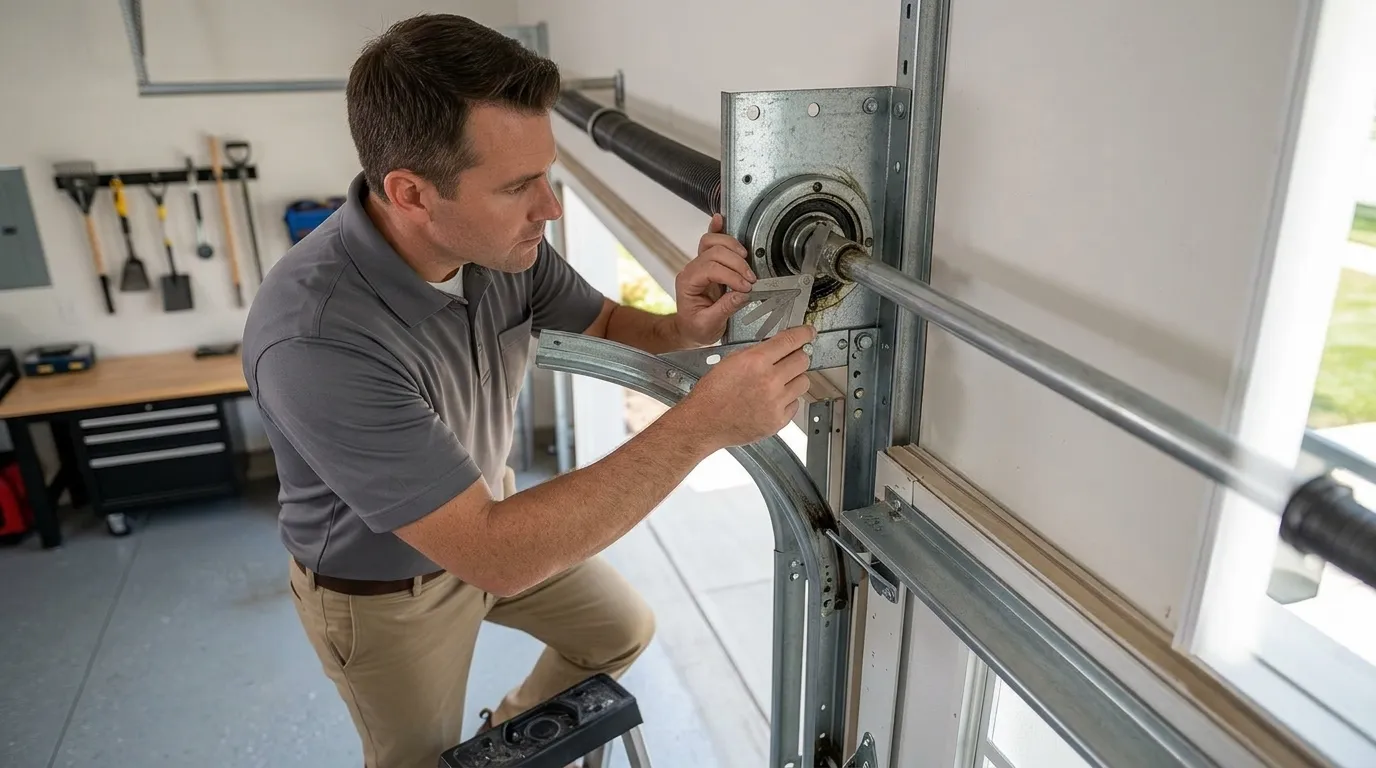
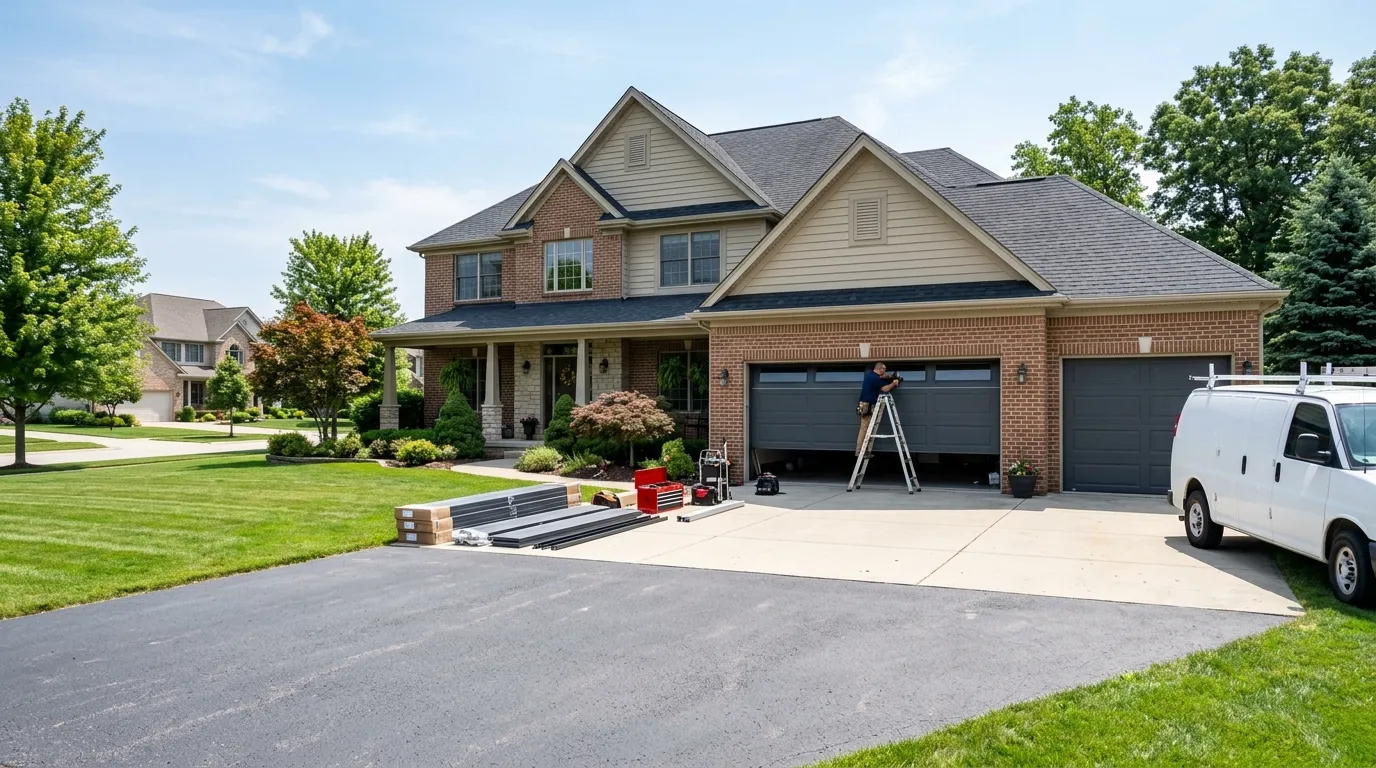
Once the opening is confirmed, we pull the old door and torsion hardware as one job, not two visits. New track gets set plumb, new springs get sized to the actual door weight - insulated steel weighs more than the hollow single-layer panel it's replacing - and the opener gets matched to the new door's travel and weight, not left running old settings that don't apply anymore. We test full cycles under load before we call it done, and we haul away the old door and hardware. We don't leave a stack of steel panels at the curb for the owner to deal with.
What Is on the Truck
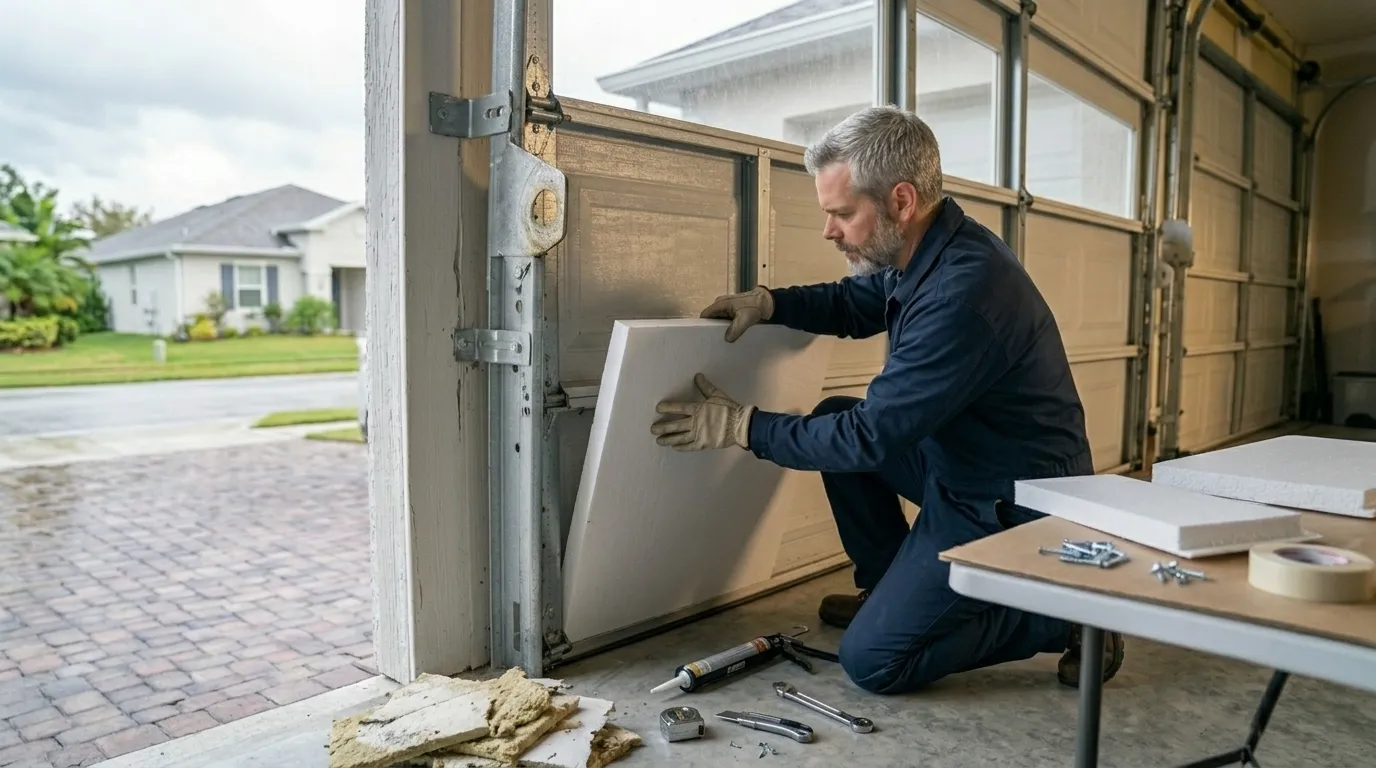
For a Western Springs install we bring insulated steel doors in the widths this town actually uses - narrow single, standard two-car, and the wider double for the homes that have already opened up their garage. Torsion springs come sized by door weight, not by a standard chart, because insulated panels and any added glass or overlay change the lift weight enough to matter. We carry new track, rollers, and cable as a set rather than mixing new rollers onto old track, since worn track wears new rollers fast regardless of what's rolling on it.
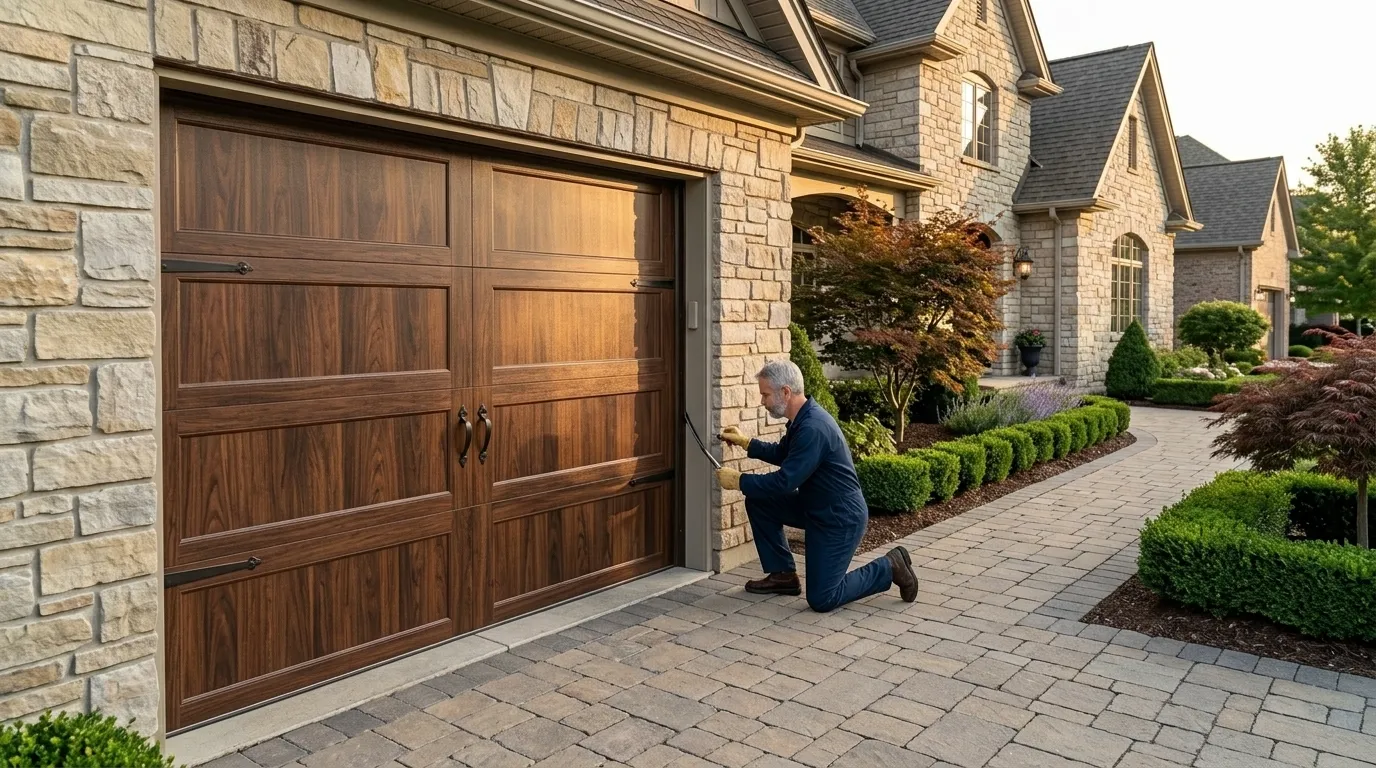
Openers on the truck are matched to the door being installed that day - travel limits and force settings get programmed for the actual panel weight and height, not left on factory default. We also carry the fasteners and shims for squaring an out-of-plumb jamb, since that's common enough in a town built mostly in one era that we plan for it rather than treat it as a special case. What we don't carry is custom millwork - carved wood doors or non-standard architectural panels get special-ordered, and that adds lead time we'll tell you about before you commit.
What Causes It Around Here
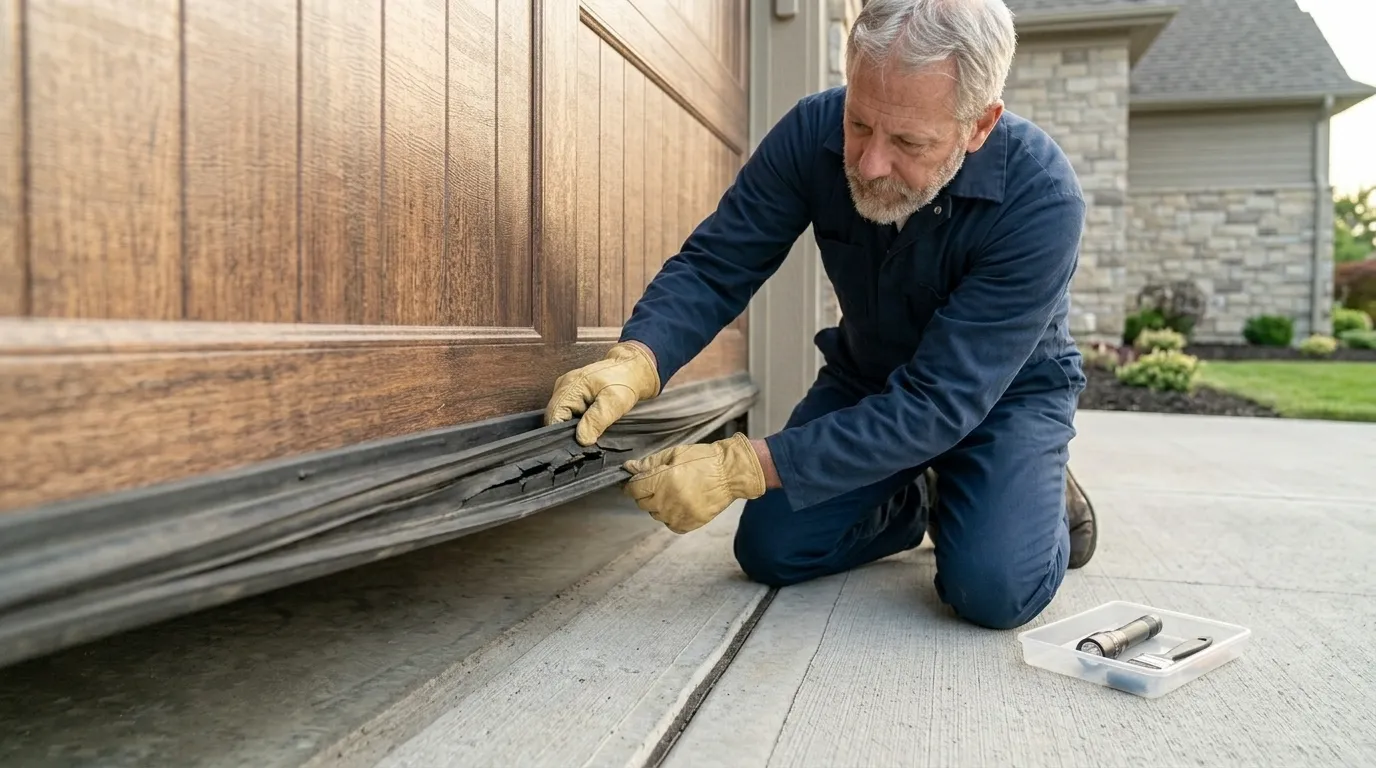
Two things drive replacement here more than breakdown does. First is the age of the stock itself - doors installed when these houses were built in 1960 are past any reasonable service life for springs, rollers, and the door skin itself, whether or not they've failed outright. Second is income and expectation: median household income in Western Springs runs near $218,839, more than double the $105,995 median across the wider service area, and that shows up directly in what people replace and why. Fewer owners here are patching a working door to squeeze out another few years - more are swapping a functional but dated steel panel for an insulated door with better R-value and a cleaner look, before it actually breaks.
The area's overall housing stock runs 1938 to 1996 with a median around 1963, and Western Springs sits right in that band, which means the failure patterns are consistent - original torsion hardware wearing out, single-layer steel losing its finish, openers original to the house running past their design life. Cold-climate swings also stress uninsulated doors more than owners expect, which pushes a chunk of these calls from repair straight to replacement.