How We Fix It
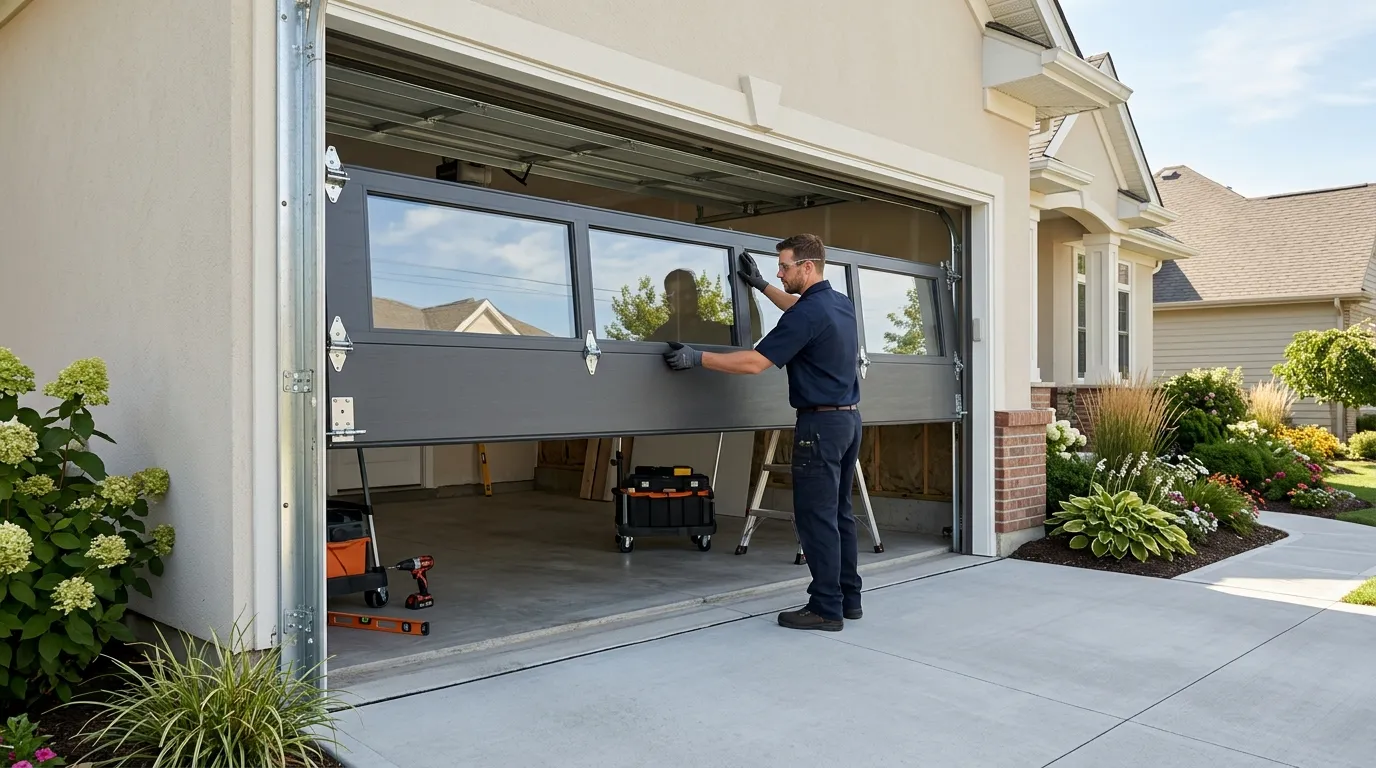
We come out from Morton Grove, about 18 miles east, so we ask a few questions on the phone before we load the truck: door weight, single or double torsion spring, whether the opener has already been forcing a dead lift. That last one matters here because Western Springs' median house was built around 1960, a few years ahead of the 1963 median across our wider service area - meaning a fair number of these garages still carry the original spring size stamped for a lighter, uninsulated door that's since been swapped for something heavier.
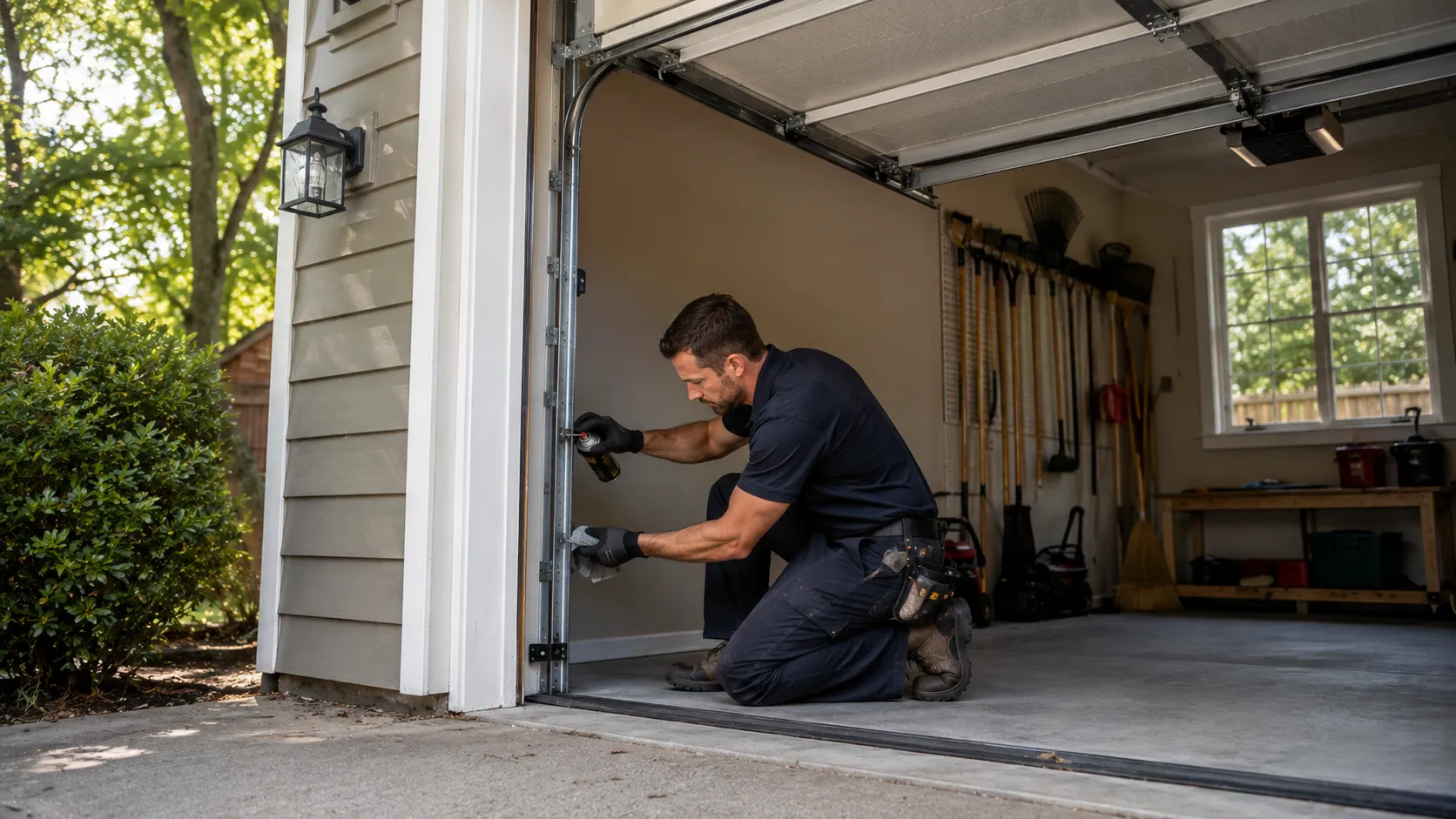
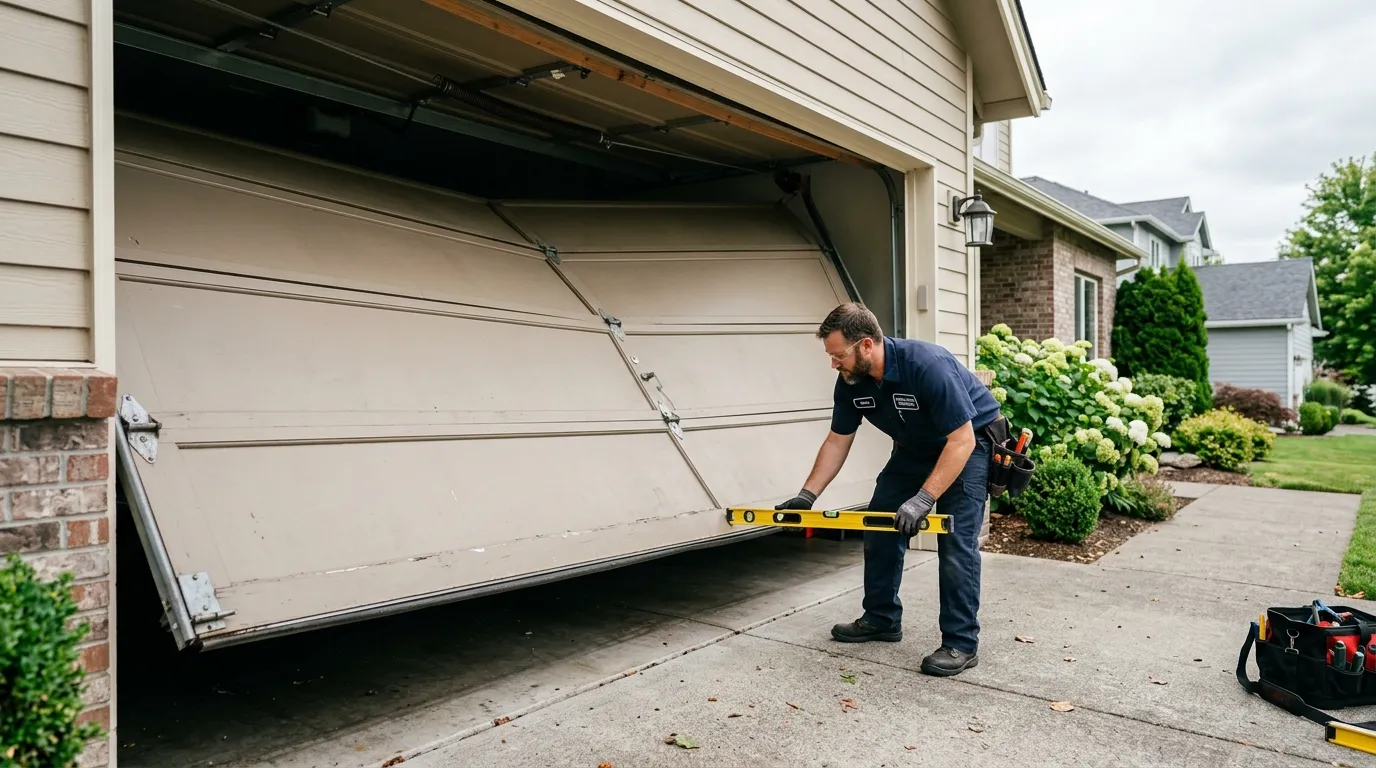
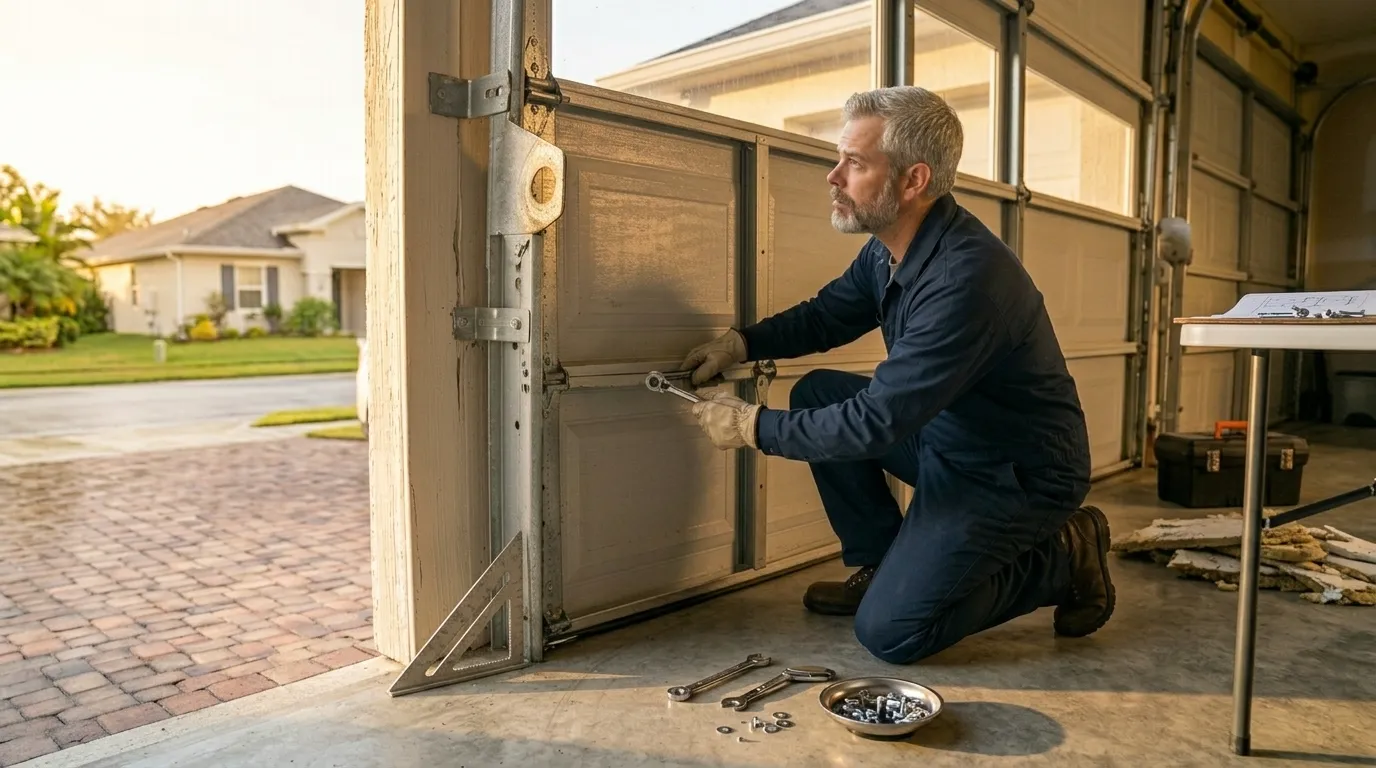
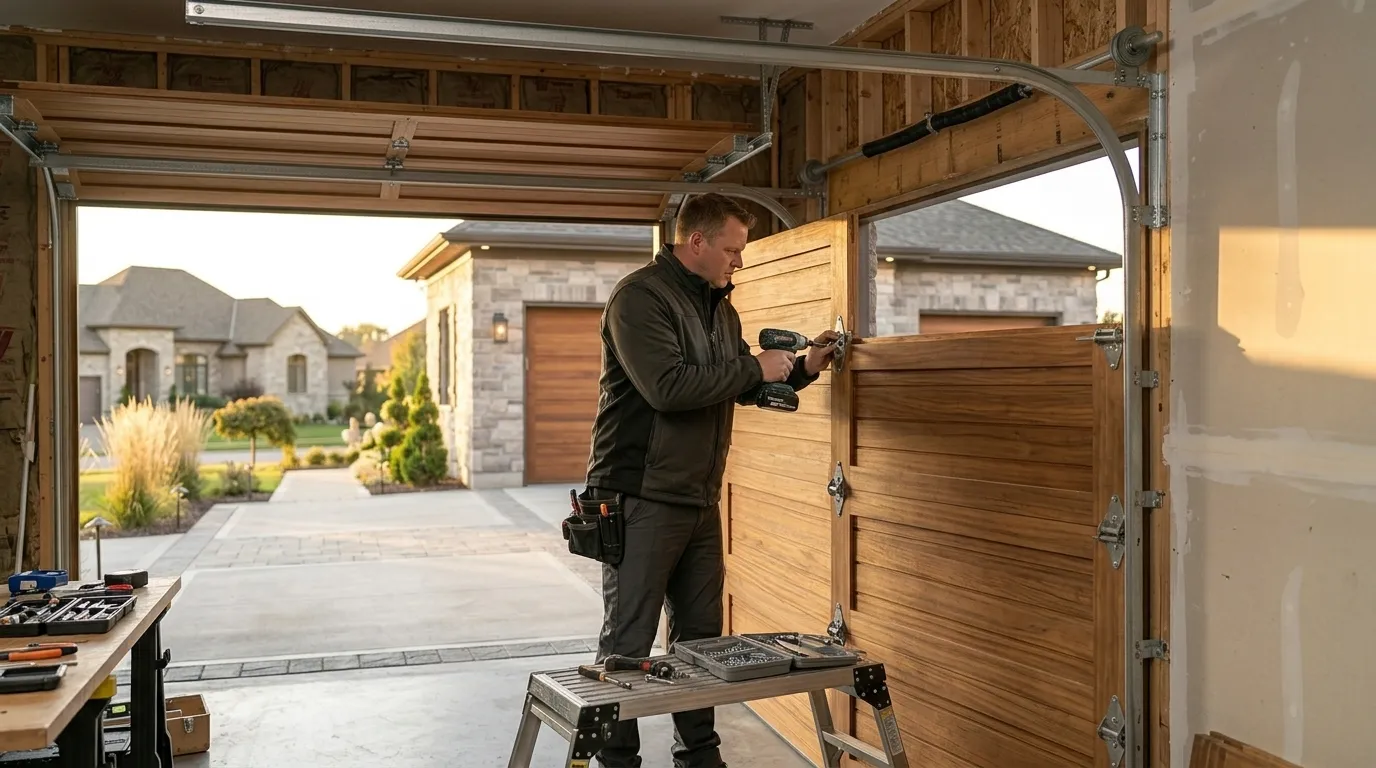
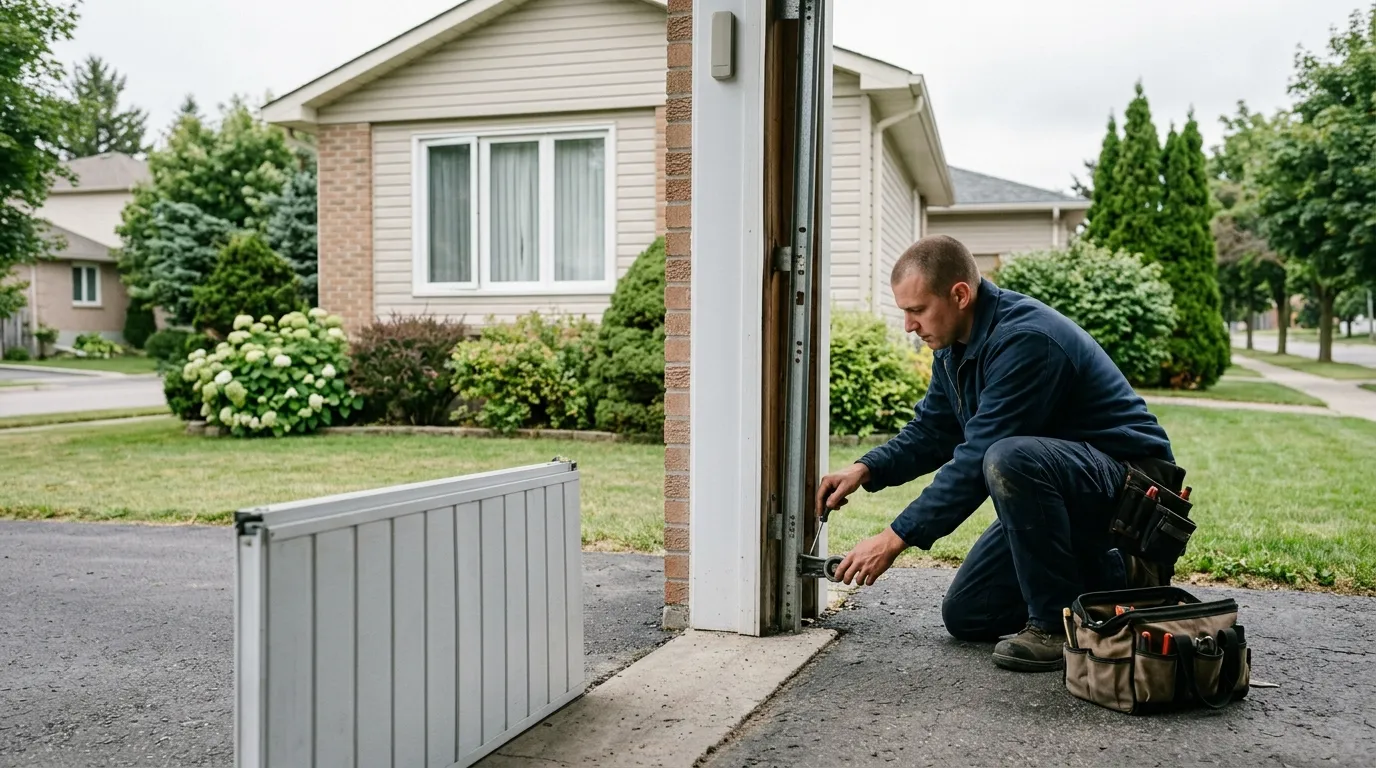
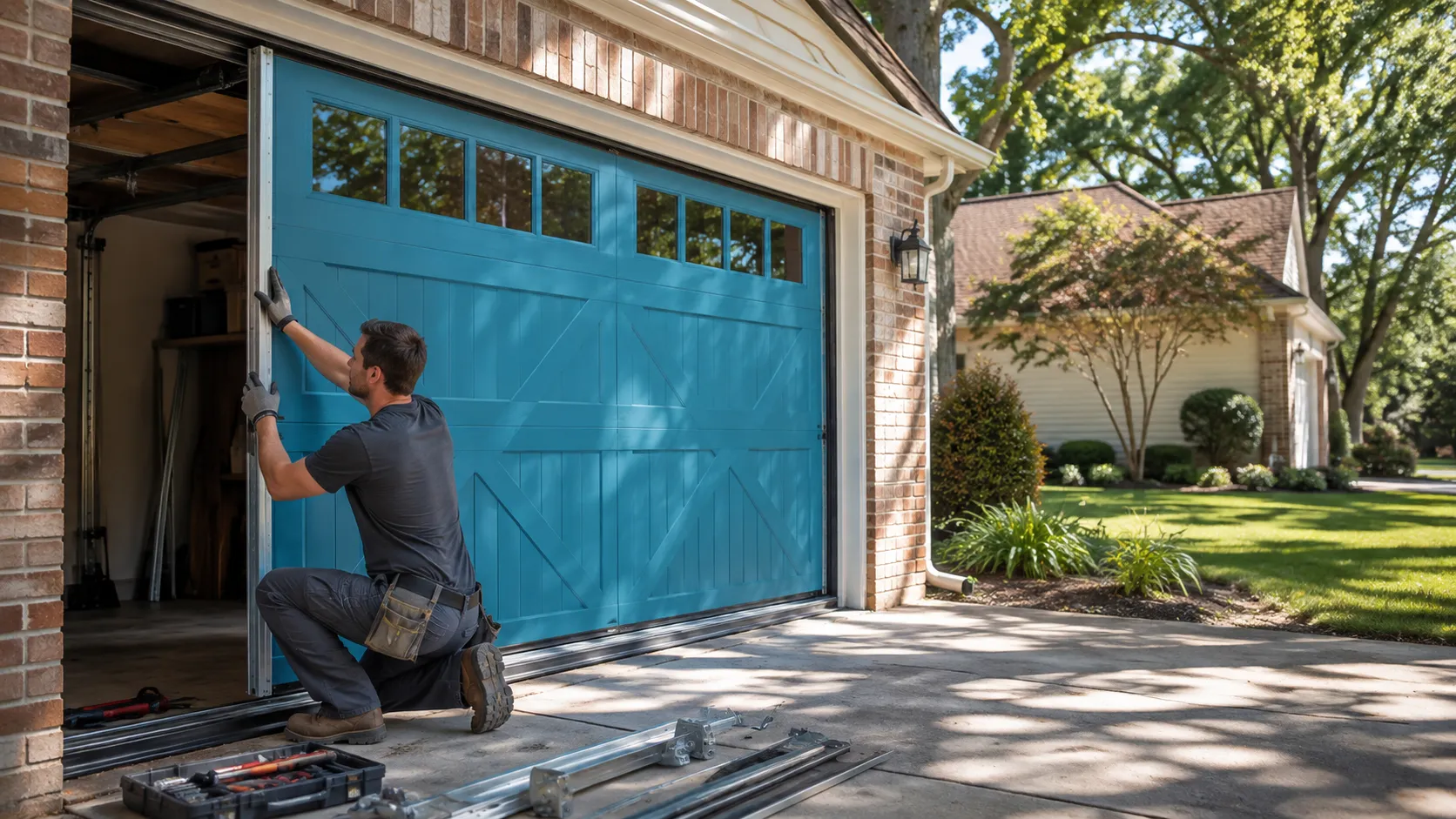
Once we're on site, we measure wire gauge, coil diameter and wind direction rather than guess from a parts catalog. A torsion spring sized for the door that used to be there will wind out fast and snap early, and we've found that mismatch often enough on older housing stock that we check it before touching anything else. If the spring's the only failure, we replace both springs on a double door as a pair - one new, one twenty years old is a callback waiting to happen - and test the balance by hand before we touch the opener.
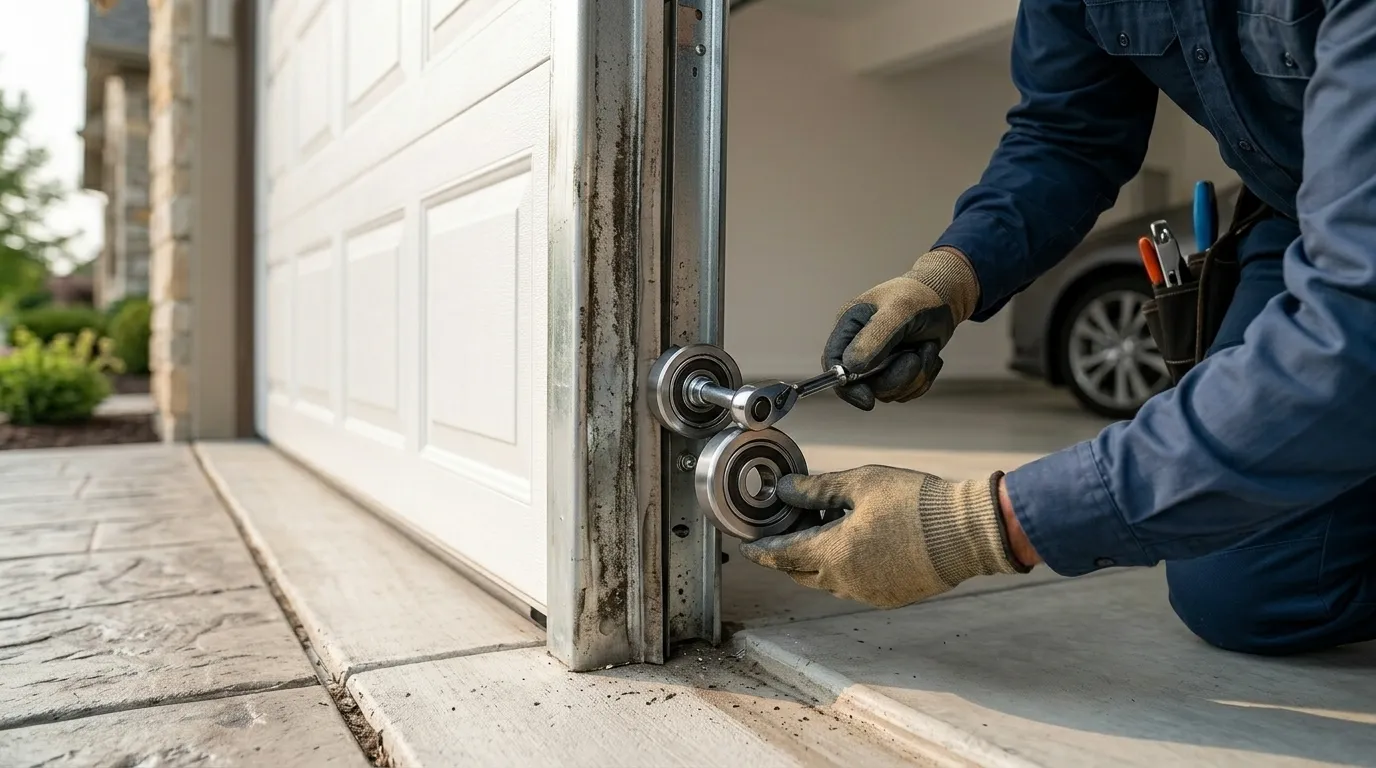
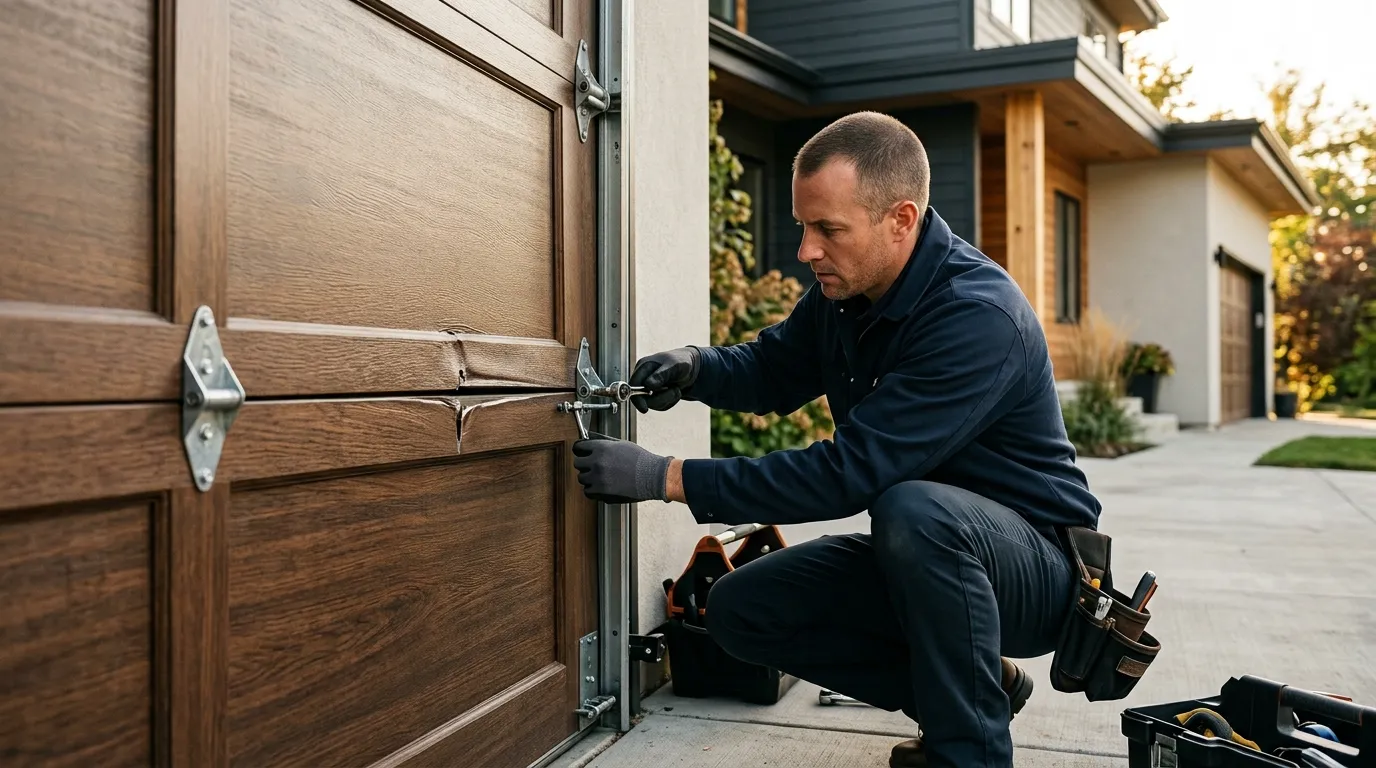
We don't paint over a bent track or a cracked bottom bracket to get a job done faster. If the spring failure took hardware with it, we say so and price it separately.
What Is on the Truck
We carry a working range of torsion spring sizes by wire gauge and wind, plus the standard cable and drum stock for single and double doors, because we can't always know which door weight we're meeting until we're standing in front of it. Given how much of Western Springs sits in that 1960-ish build era, we stock more of the mid-weight torsion springs that fit doors from that period than the lighter-gauge stuff meant for older, thinner panel doors.
We don't carry every spring length for every custom door on the truck - some of the wider, heavier doors on newer builds in this area use non-standard torsion bars that we sometimes need to order. If that's the case, we'll tell you on the spot rather than force a fit.
We also bring winding bars, a tension gauge, and the safety cables that should be run through every torsion spring but often aren't on older installs. If your setup is missing those, we'll flag it even if it's not what you called about.
What Causes It Around Here
Cold winters are the main driver of spring failure across our climate band, and Western Springs sits in the same cold-moderate zone as the rest of the area we cover. Steel contracts in low temperatures, which adds stress to a spring that's already near the end of its wind cycle - that's why January and February calls run heavier than summer ones.
Beyond weather, age does the rest. A spring rated for roughly 10,000 cycles doesn't care what town it's in, but Western Springs' housing stock, centered around 1960, means a meaningful share of these springs are original or close to it. That's decades of daily use on hardware that was never meant to last that long.
We don't see a distinct local cause beyond climate and age - no unusual soil movement, no salt-air corrosion, nothing tied to a specific local condition. It's cold-weather stress acting on an aging suburb's garage doors, same mechanism, just applied to houses that on average are a few years older than the regional norm.