How We Fix It
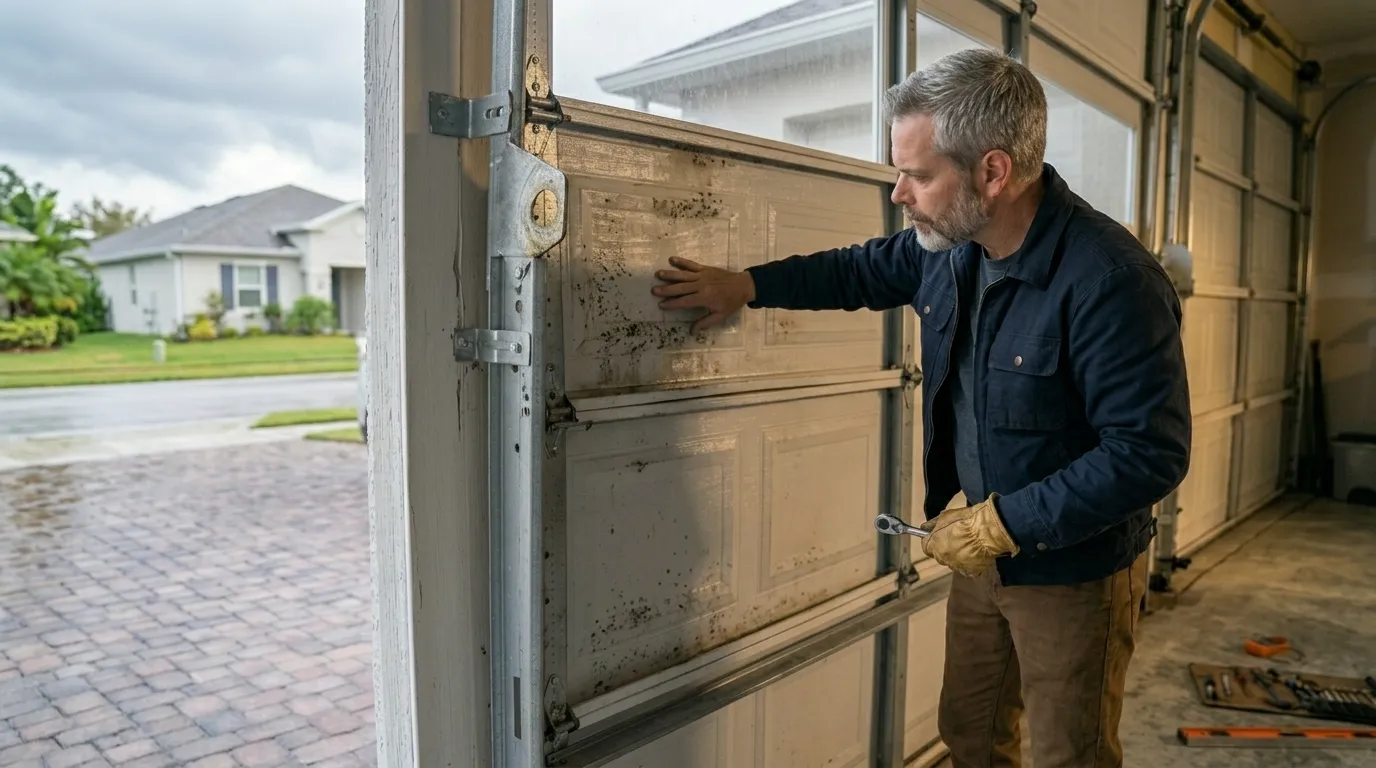
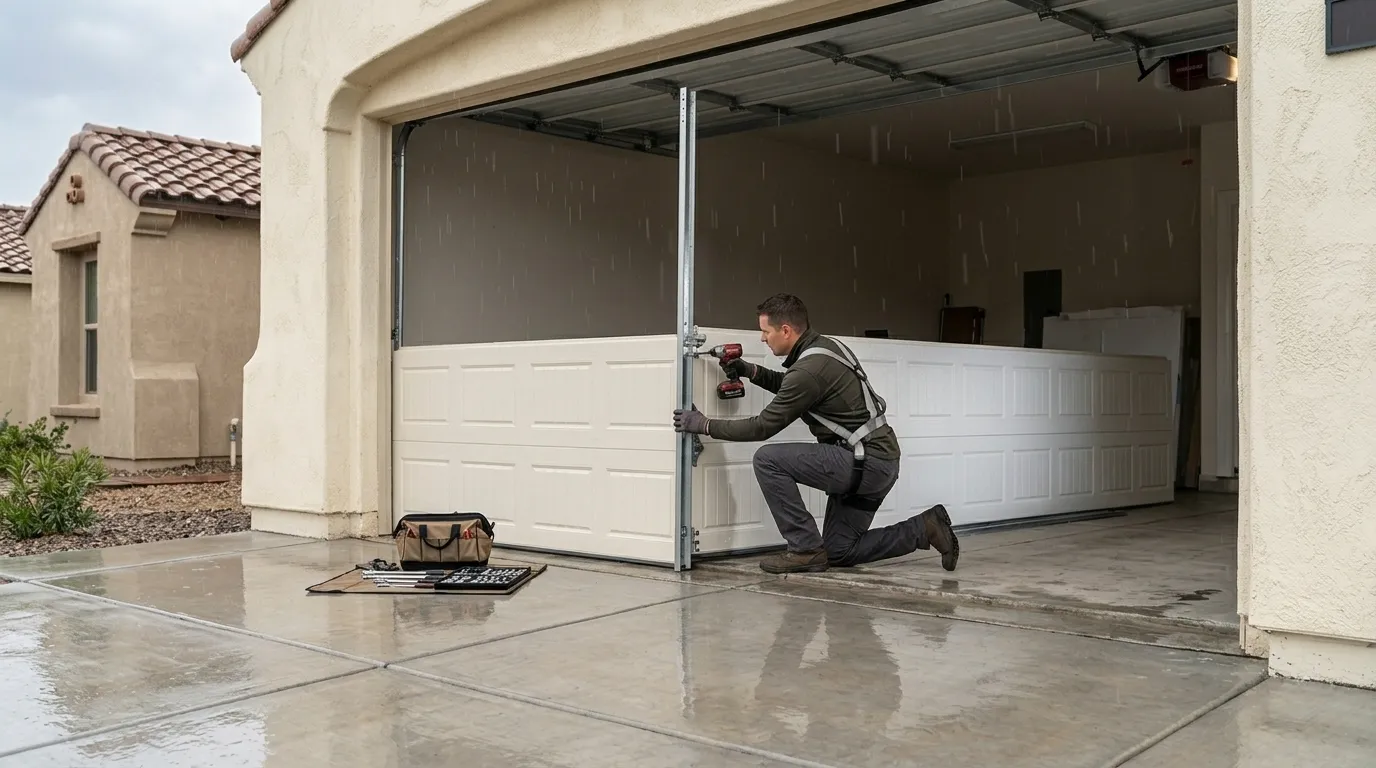
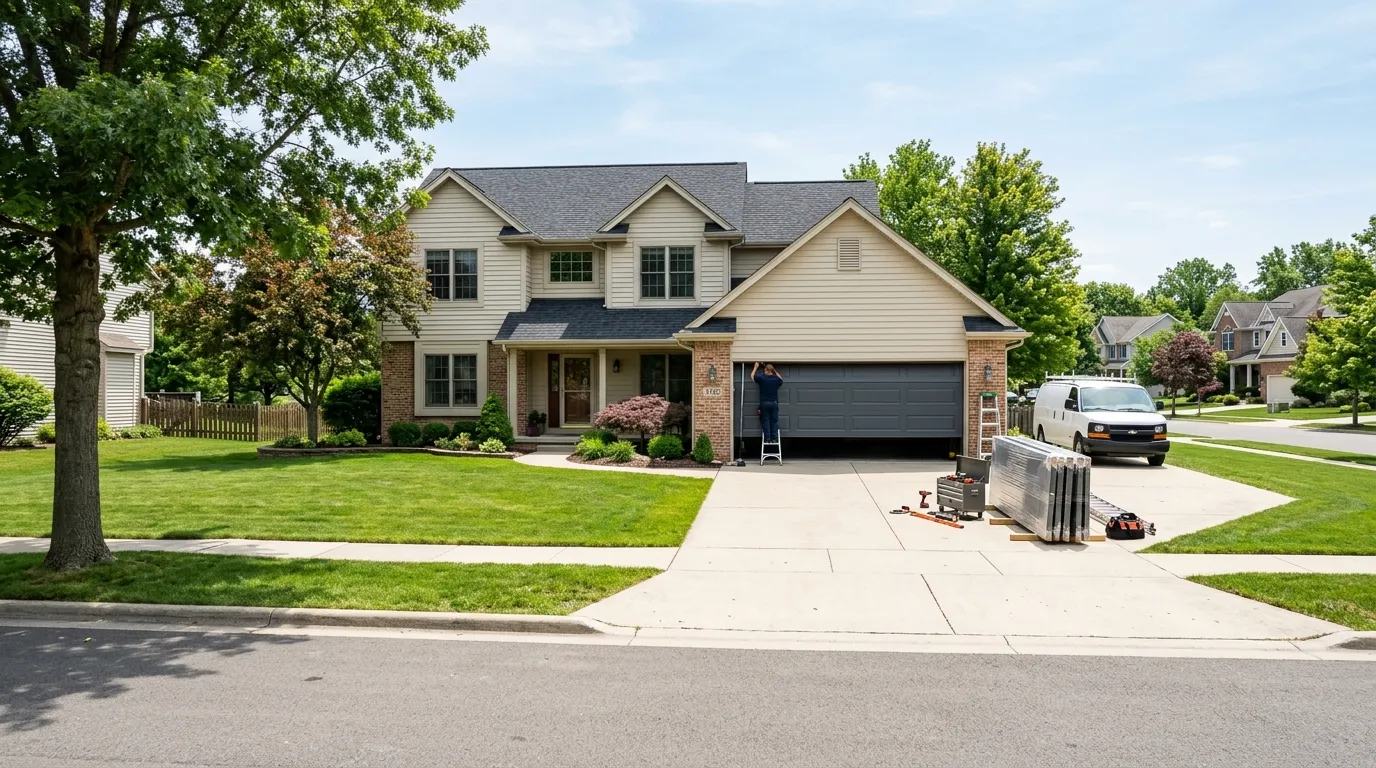
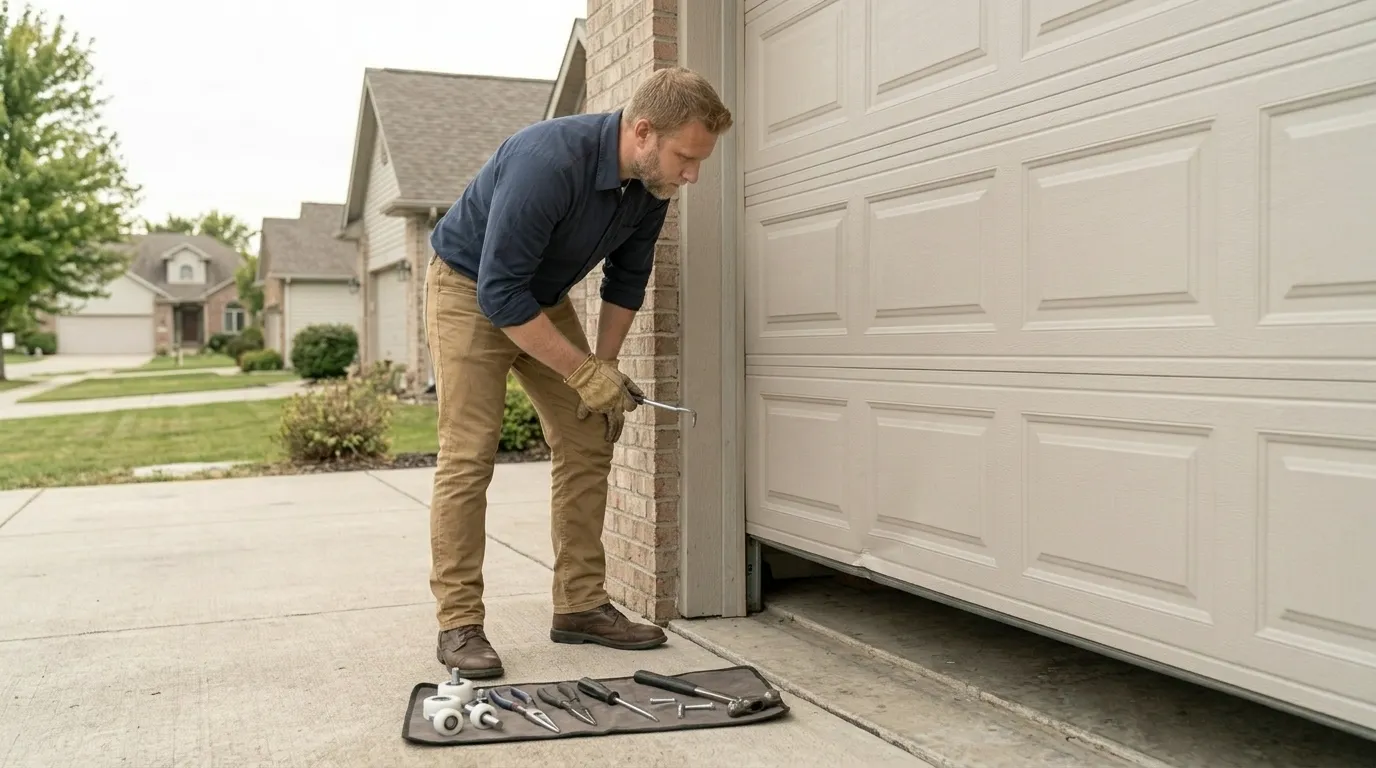
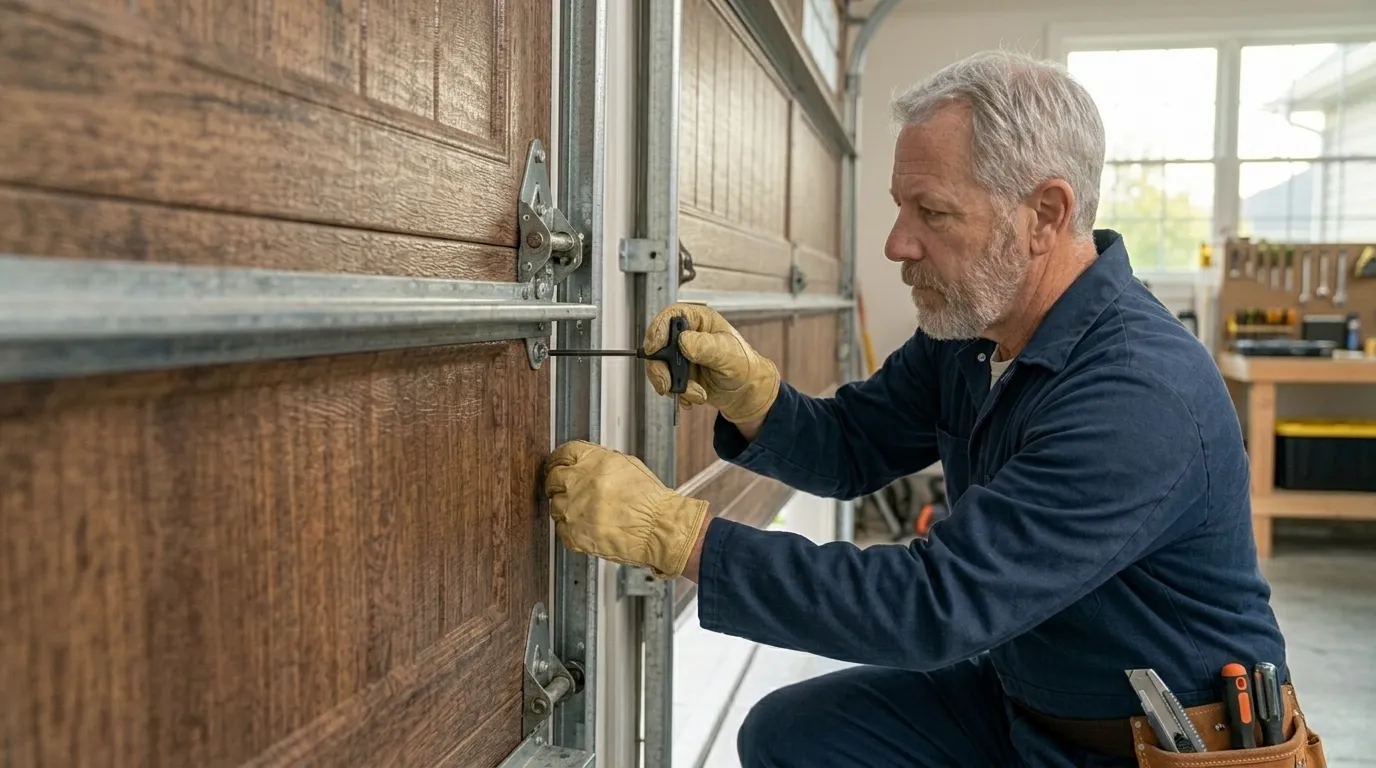
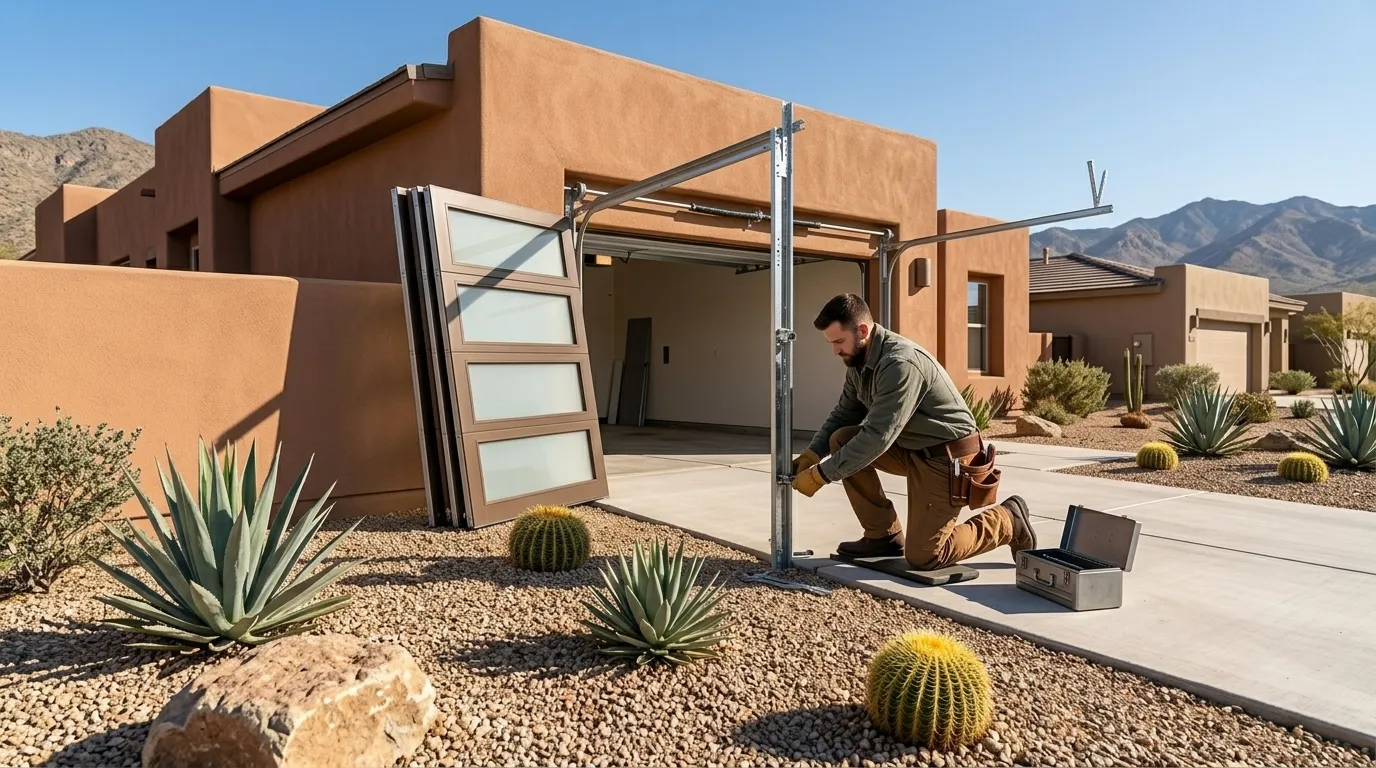
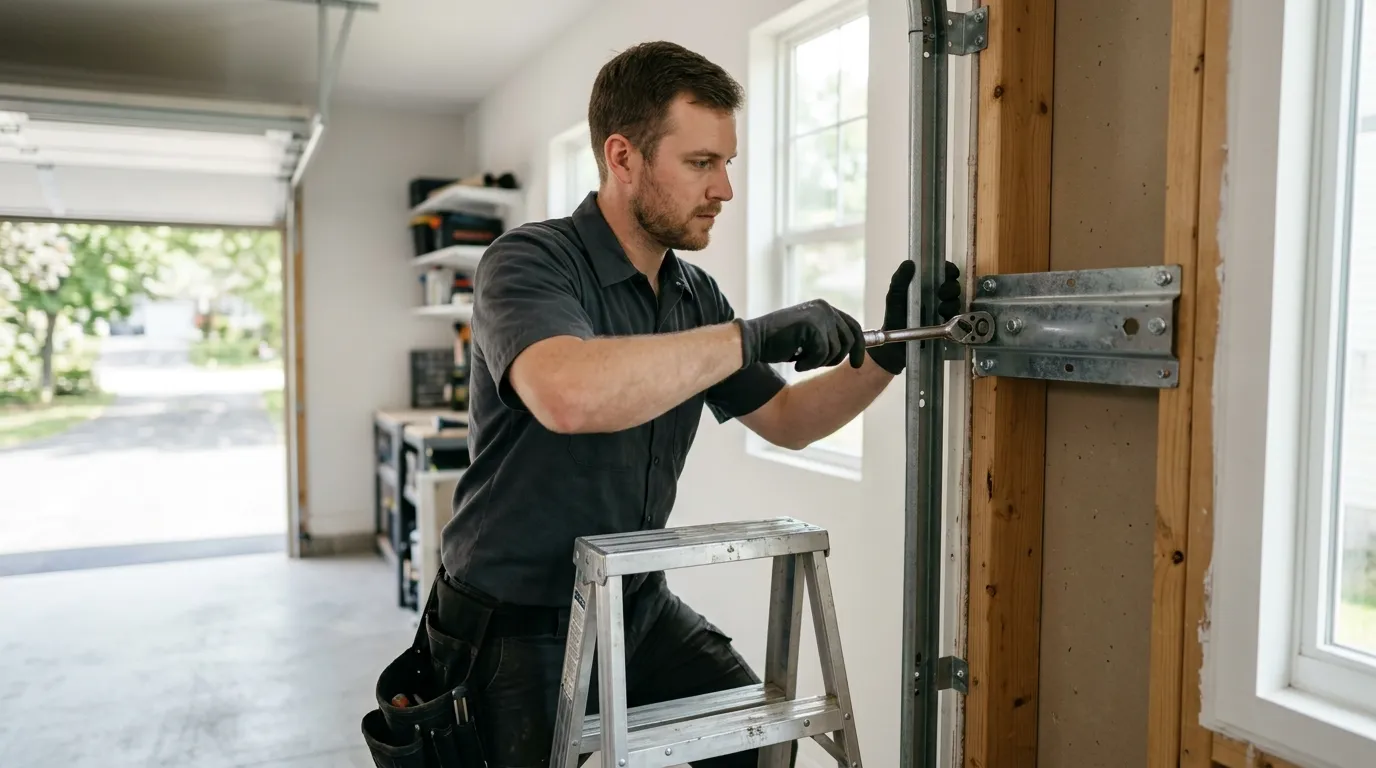
At a median household income near $218,839, the math on an opener repair looks different in Western Springs than it does in a lot of the towns we cover. When a job is a $40 sensor eye or a stripped gear on a chain drive, we fix it and move on - no upsell, no pressure to replace a unit that has ten good years left in it. But once we're pulling the cover off a unit that's original to a house built around 1960, and we're looking at a motor with a worn-out capacitor or a logic board that nobody makes parts for anymore, the honest number usually points to a new opener rather than a second repair visit on the same unit inside a year. We diagnose on-site: test the safety sensors, check travel limits, listen to the motor under load, and pull the cover if the noise says gear strip. We tell you what we find before we touch anything else, and if the fix costs more than a mid-range replacement unit installed, we say so.
What Is on the Truck
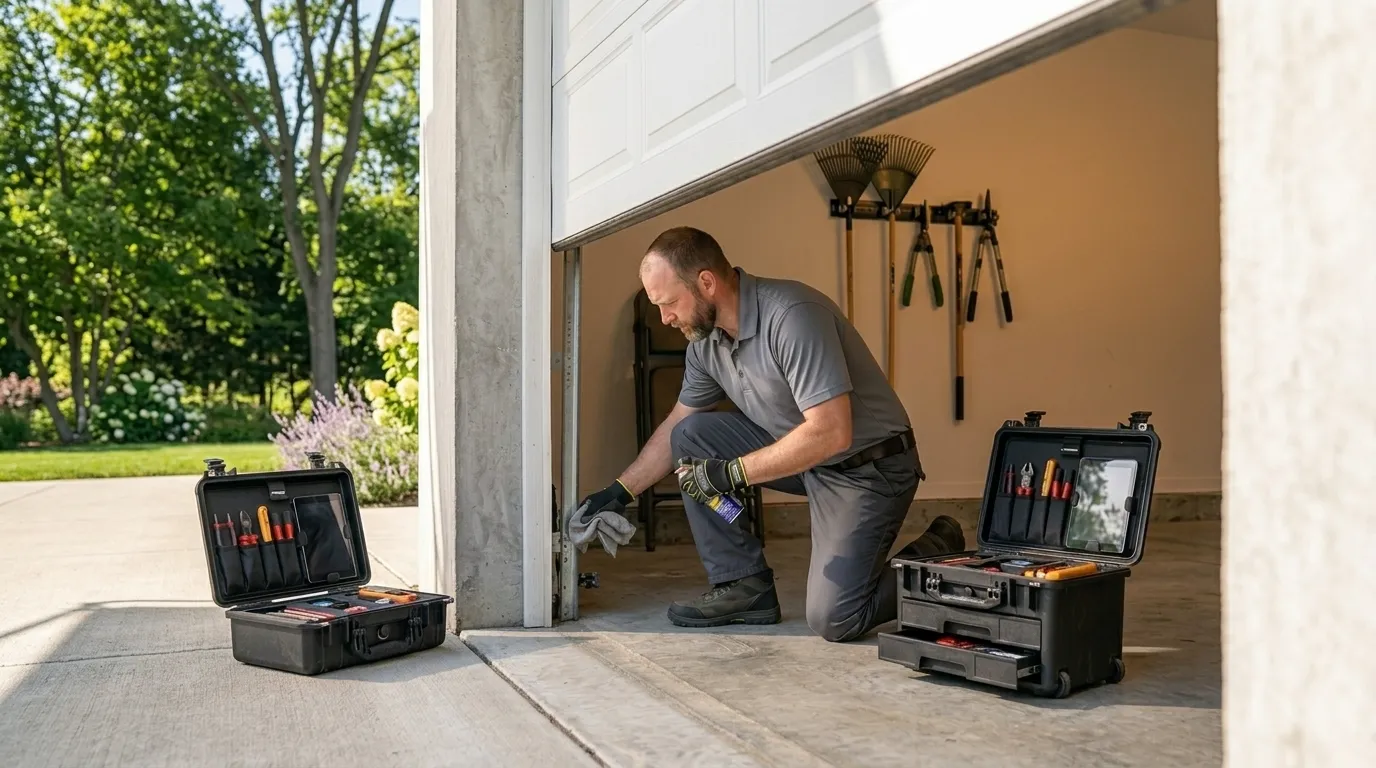
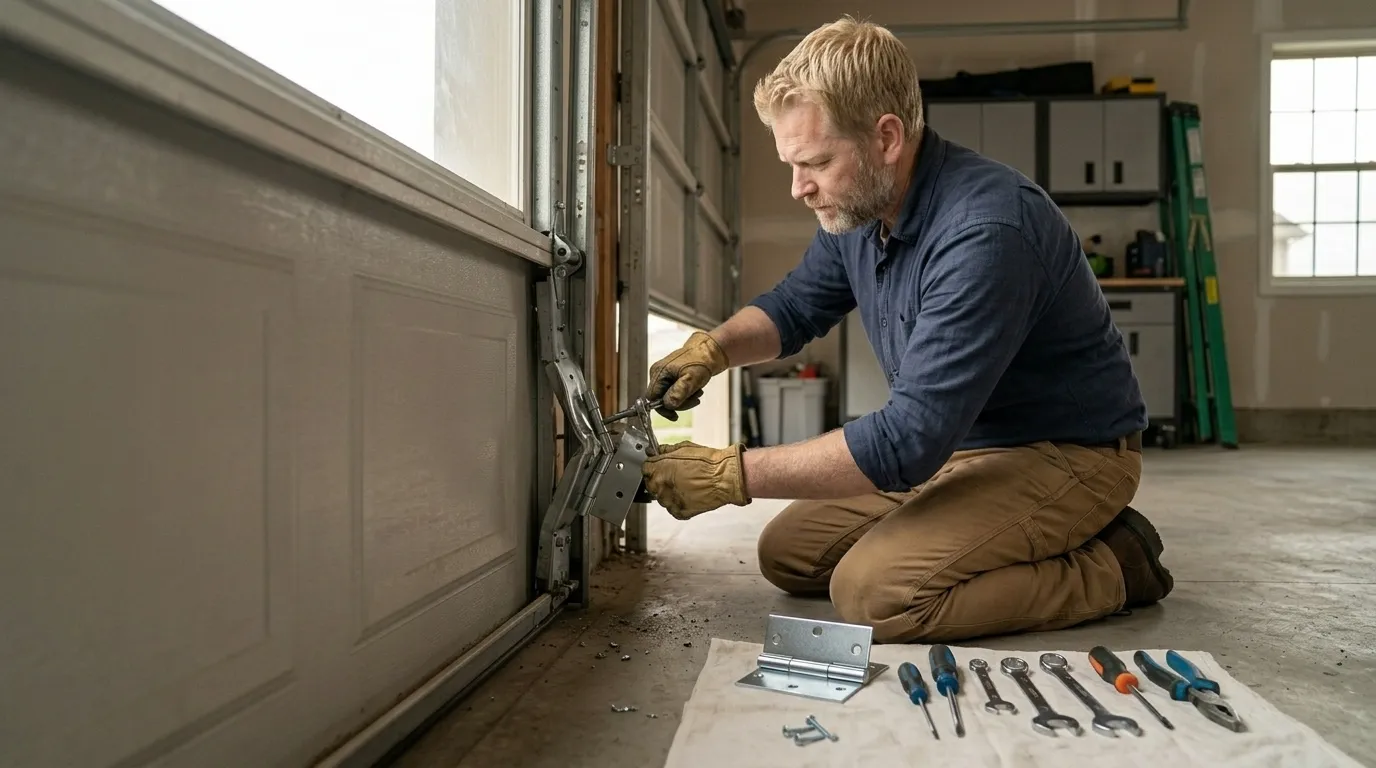
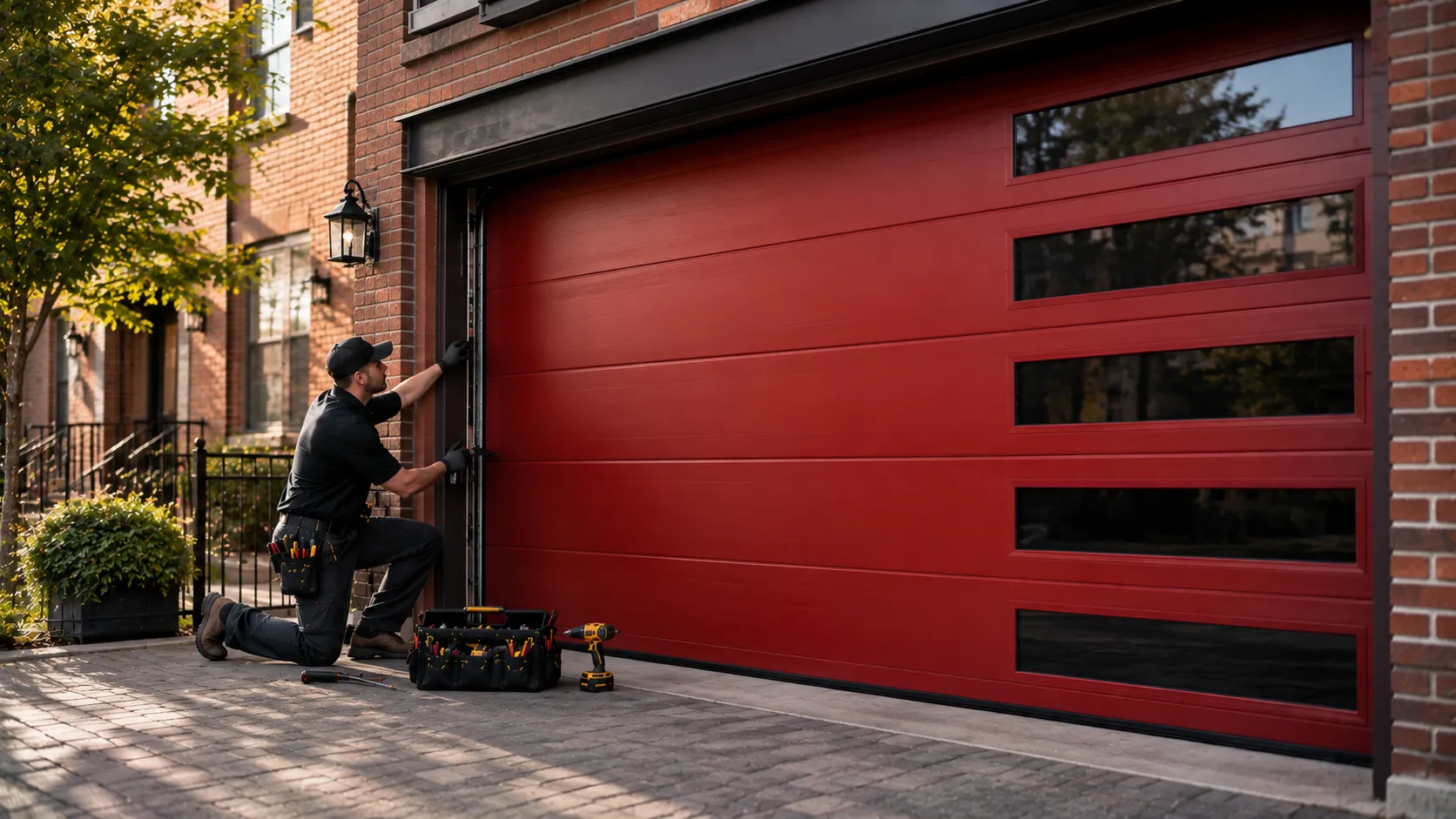
We carry the parts that fail most often on the belt-drive and chain-drive units common in homes this age: drive gear kits, travel-limit modules, safety sensor pairs, logic boards for the major opener brands, and a stock of remotes and keypads. We also carry full opener units on the truck for same-visit replacement, since a lot of the calls we get out this way end in a swap rather than a patch. What we don't carry, and won't pretend to: proprietary boards for a handful of older or discontinued opener lines. If your unit needs one of those, we'll tell you on the spot and give you the honest lead time rather than quote a fix we can't complete that day.
What Causes It Around Here
This region sits in a cold-moderate climate band, and that's the biggest driver of opener trouble across the housing stock here. Grease inside a motor housing thickens in a hard freeze, which makes the motor draw harder on start-up - over a few winters that extra draw wears out capacitors and burns up start windings faster than in a mild climate. Cold also stiffens torsion springs, so the opener is lifting a heavier load exactly when its internal thermal cutoffs are most sensitive, which is why a lot of our winter calls are openers that trip out mid-cycle rather than openers that won't start at all. None of this is unique to any one street or block - it's a function of age and climate together, and it's why a unit installed in the 1960s-era wave of construction here is due for at least one motor or board replacement by now, sometimes two.