How We Fix It
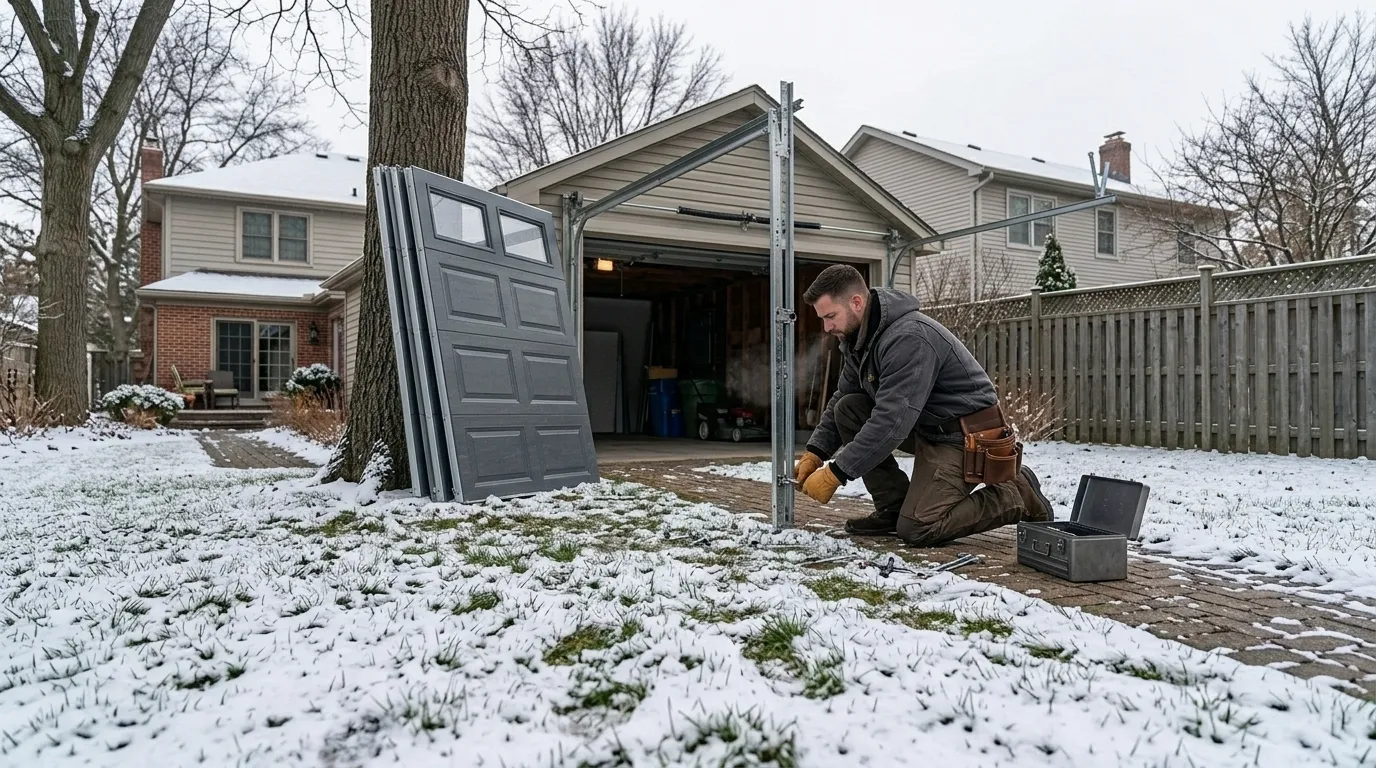
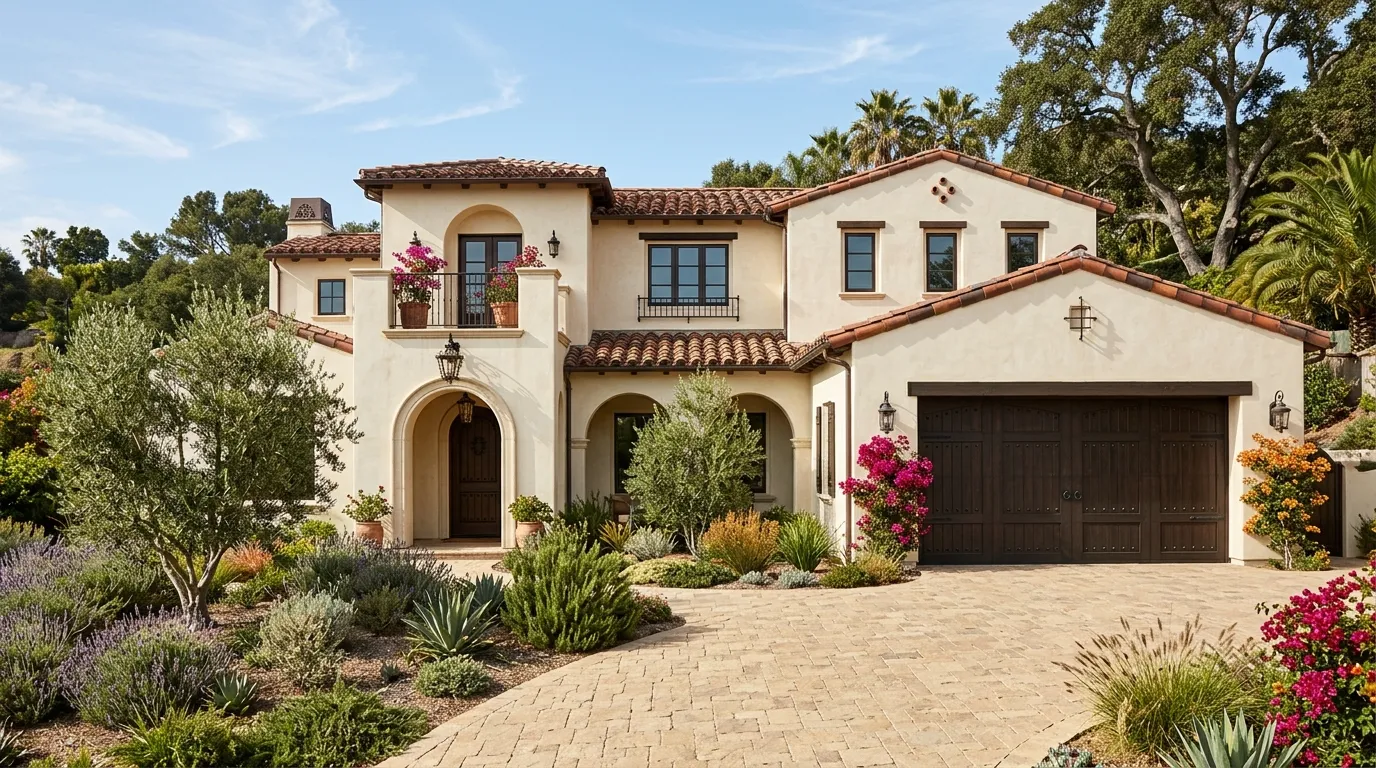
Western Springs holds about 4,475 households, which is a small, tight number compared to the wider service area. That matters for opener work because a small town built in a narrow window tends to have the same handful of door and header setups over and over, not fifty different eras of construction stacked on top of each other. When we come out from Morton Grove, we're not guessing at what we'll find behind the door - we're expecting a house from around 1960, a garage built to the code and framing standards of that decade, and an opener that's either the original chain-drive unit or a replacement from sometime in the last twenty years that's due for an upgrade.
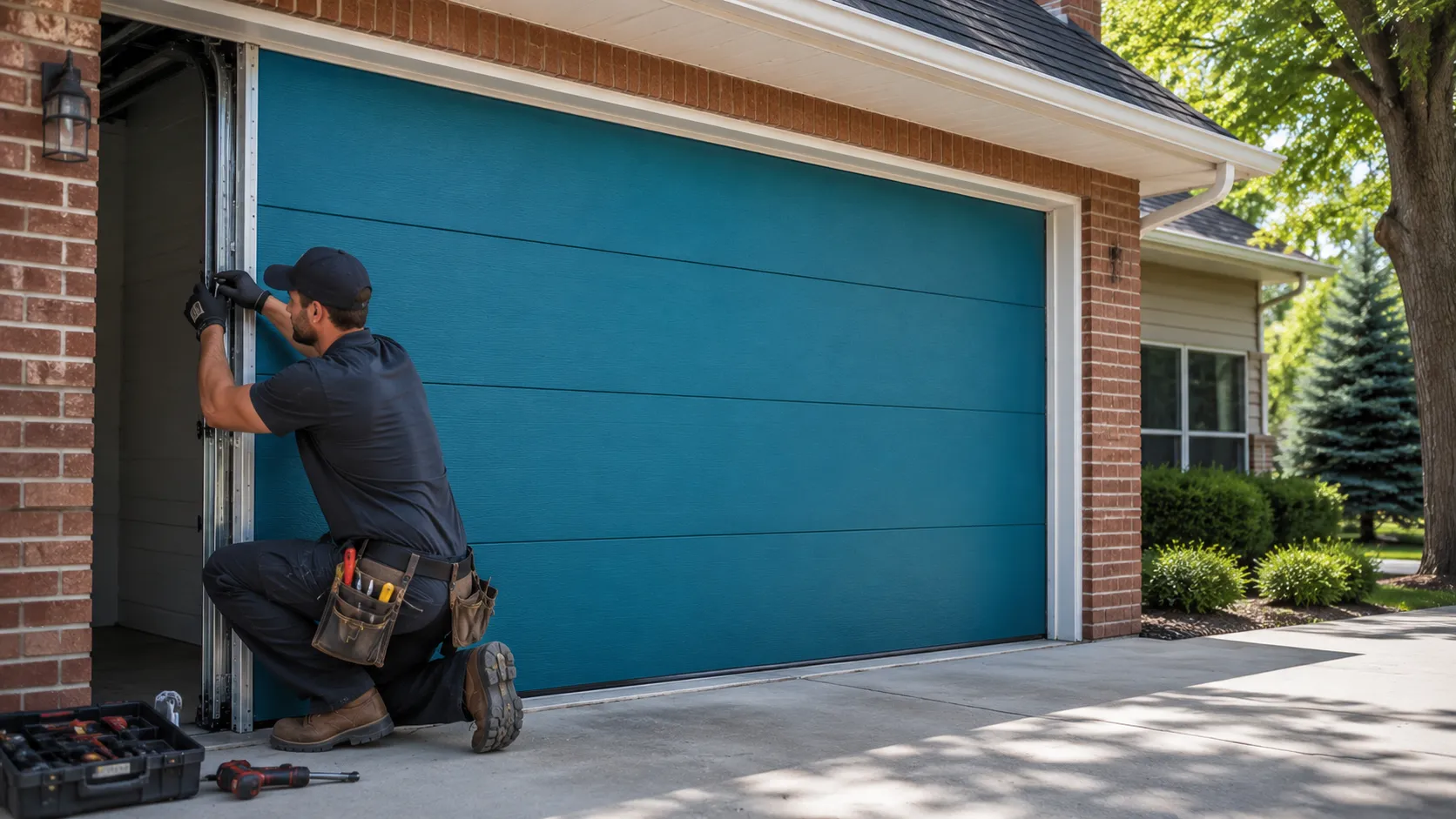
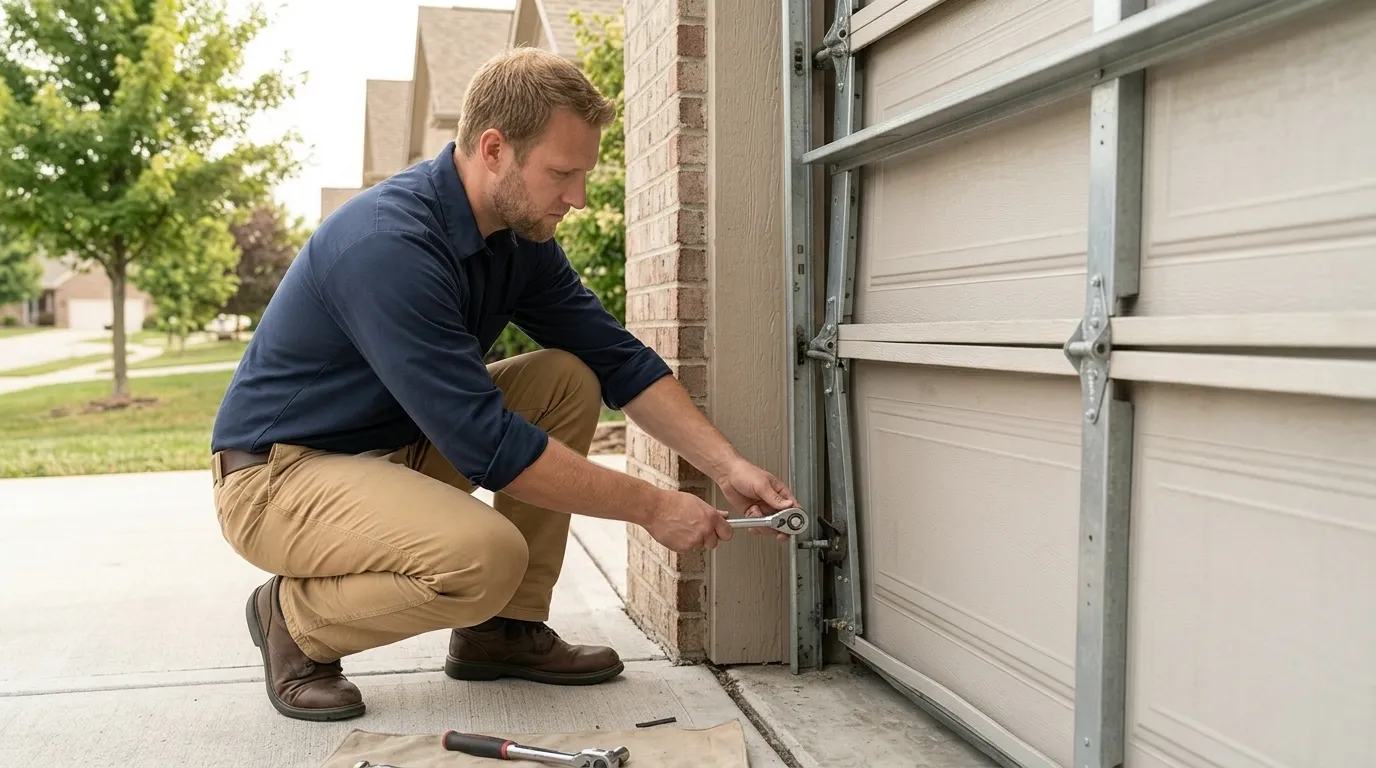
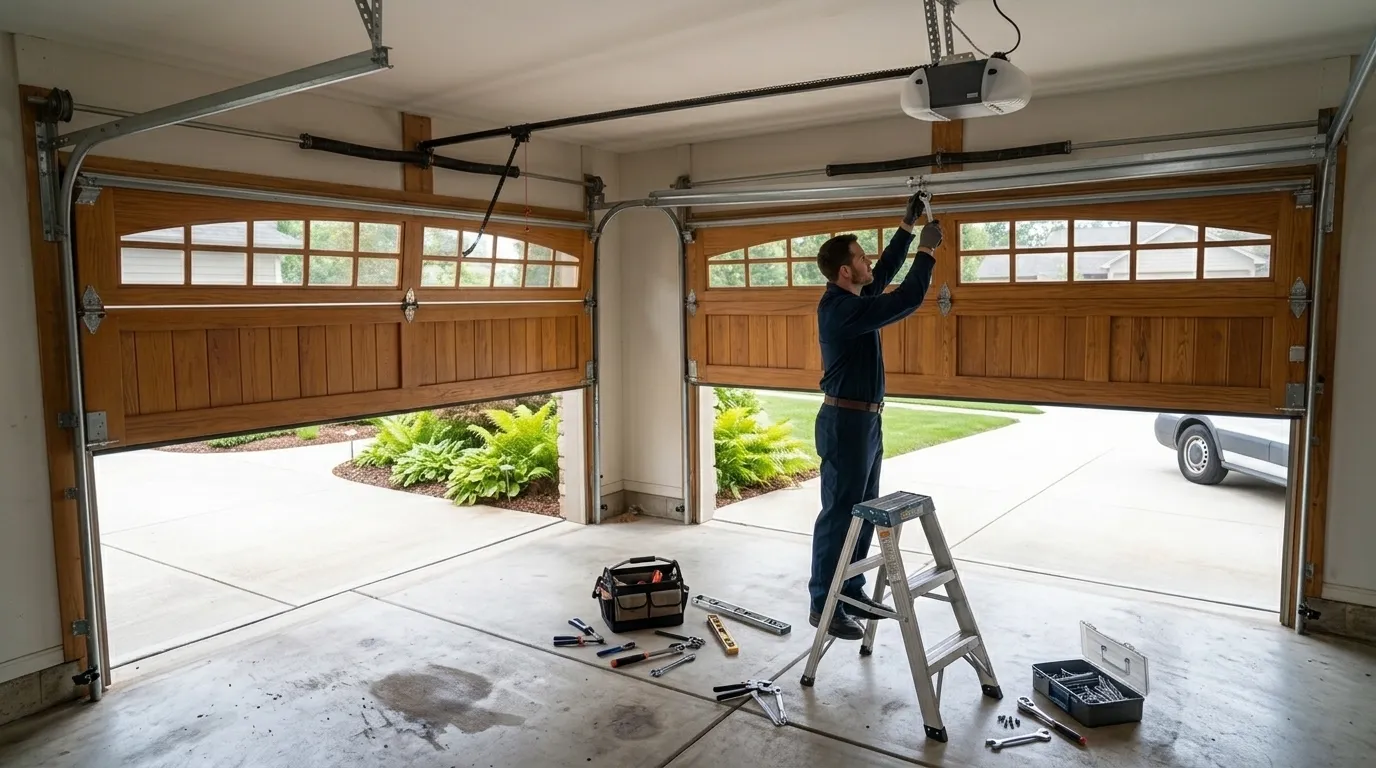
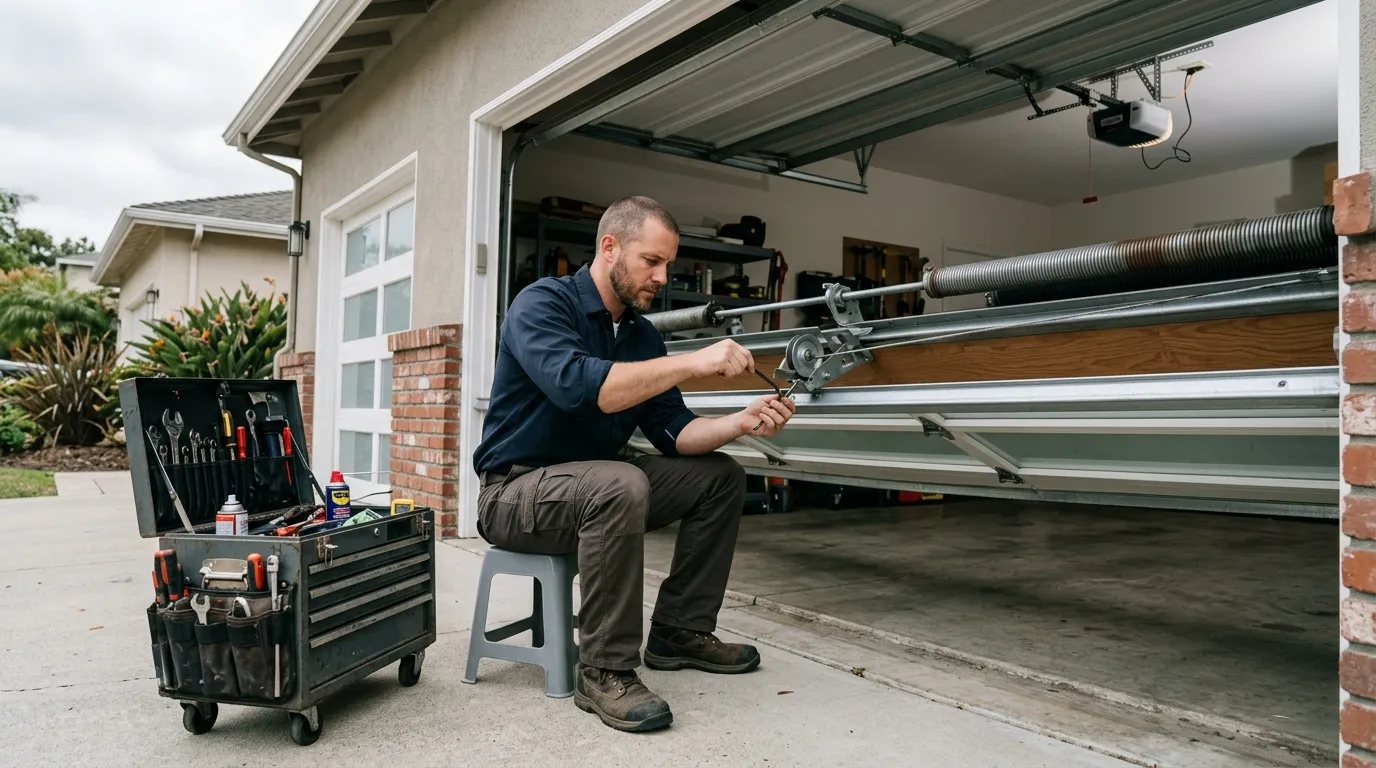
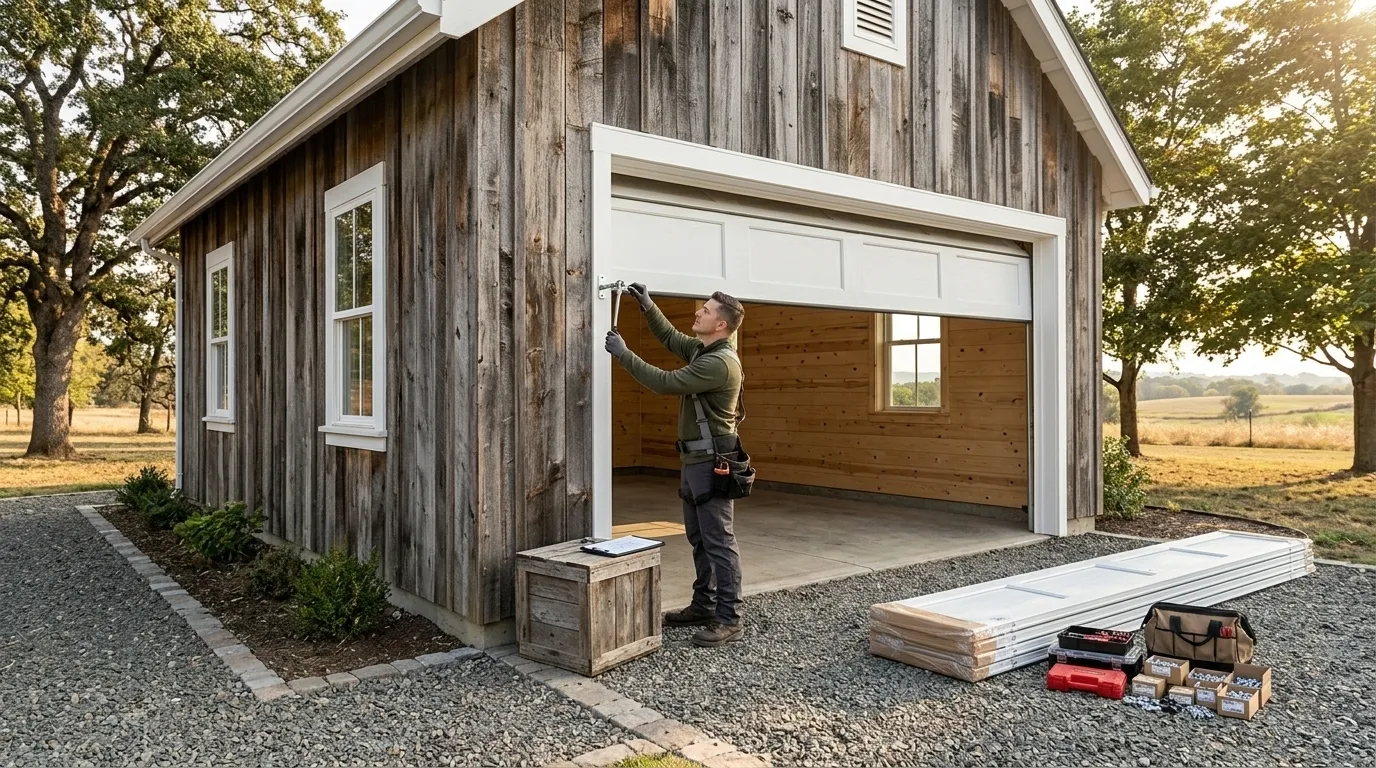
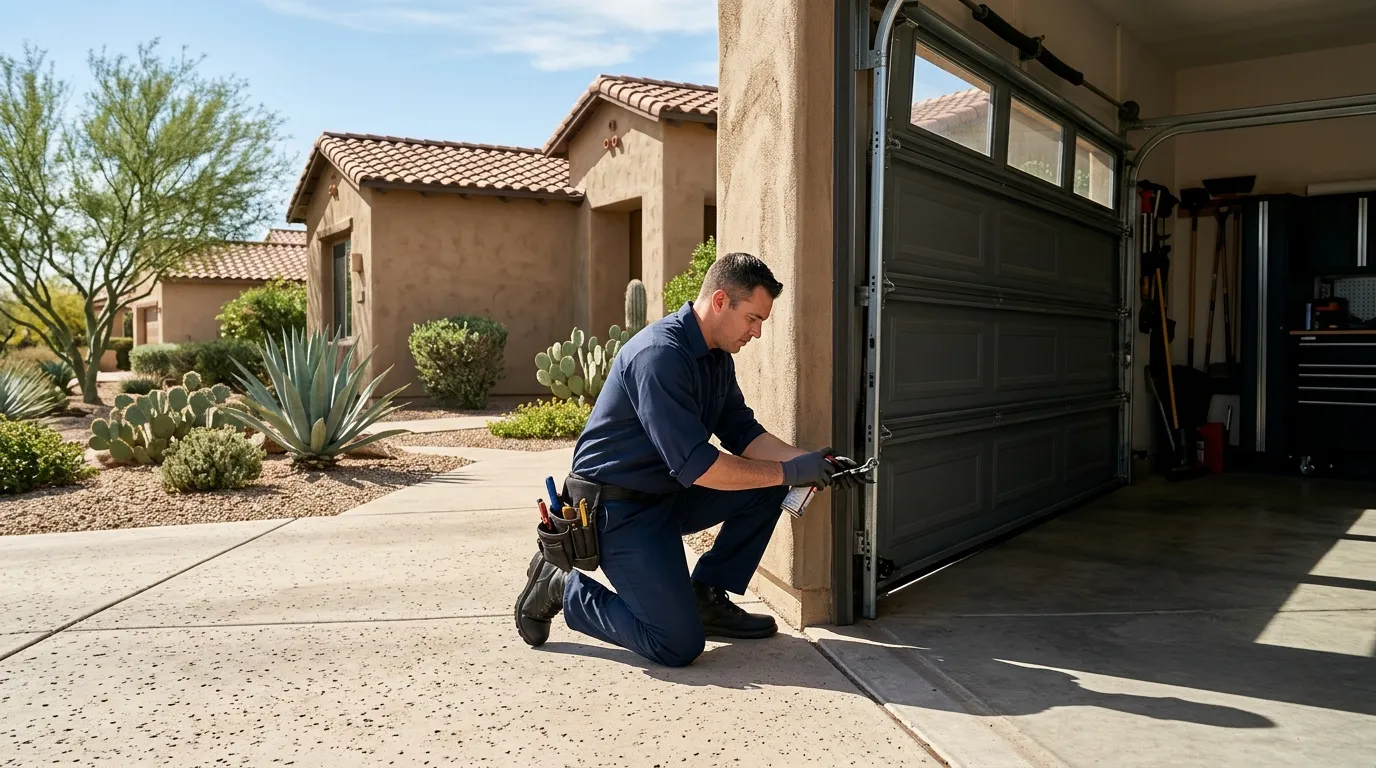
We start by checking the header above the door. Houses from this era often have wood framing that's shrunk or settled over sixty-plus years, so before we mount a new opener bracket we confirm it's still solid enough to hold the load. If it isn't, we say so before we install anything, not after. Then we match the opener to the door weight and track type already in place - a heavier door needs more lift, and swapping in an undersized unit is a callback waiting to happen. We test travel limits, force settings, and the safety reversal before we call the job done.
What Is on the Truck
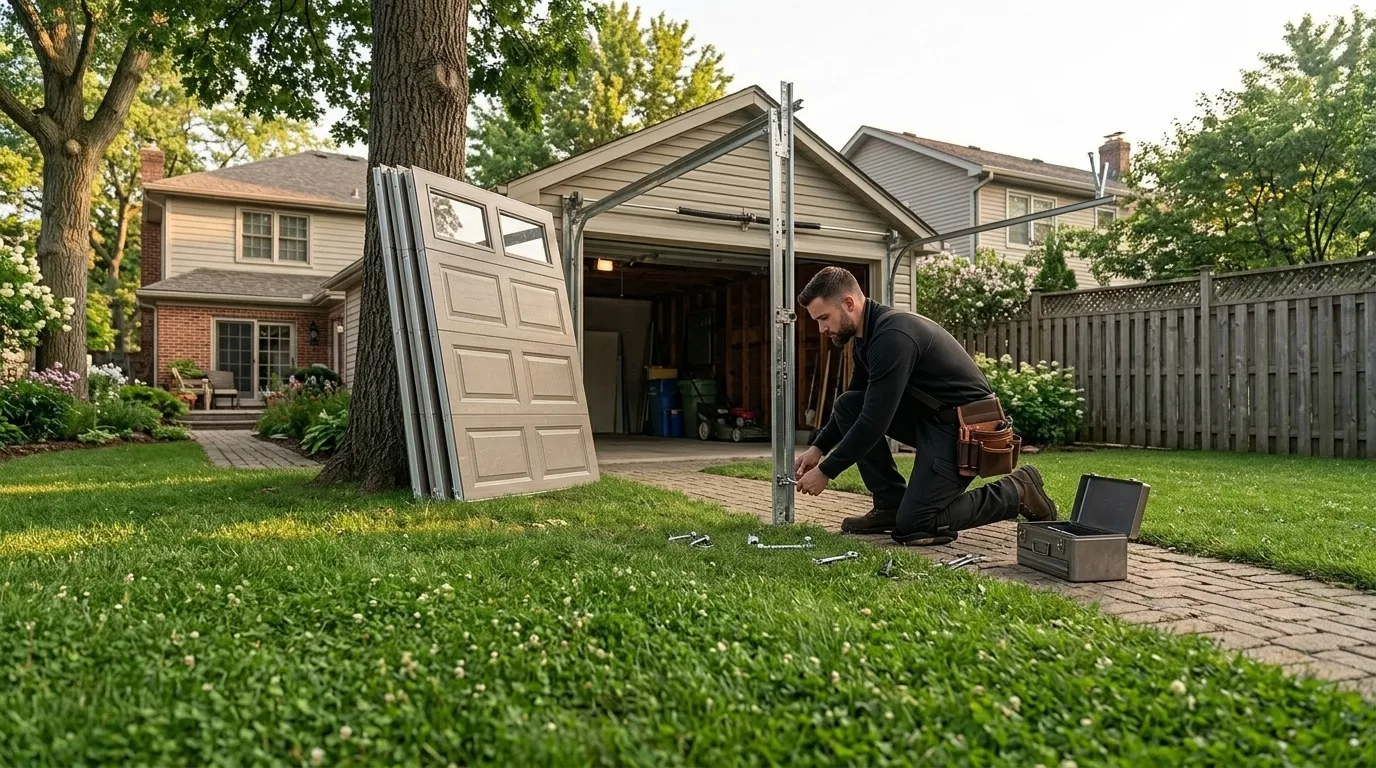
We carry openers rated for a range of door weights, because a house from this era might have anything from a light single-panel wood door to a heavier double door that was swapped in at some point over the decades. We stock mounting hardware that works with both older header framing and newer reinforced brackets, plus the rail extensions and drop-ceiling brackets that older garages sometimes need because the ceiling height or slope isn't standard.
We also bring surge-protected outlets and short-run wiring supplies, since a lot of these garages don't have power exactly where a modern opener wants it. What we don't carry is every opener brand and model in existence - if a homeowner wants a specific smart-home integration or a brand we don't stock, we'll tell you that up front rather than sell you something close enough. That's the one honest limit here: we install what performs reliably for this climate and this housing stock, not every option on the market.
What Causes It Around Here
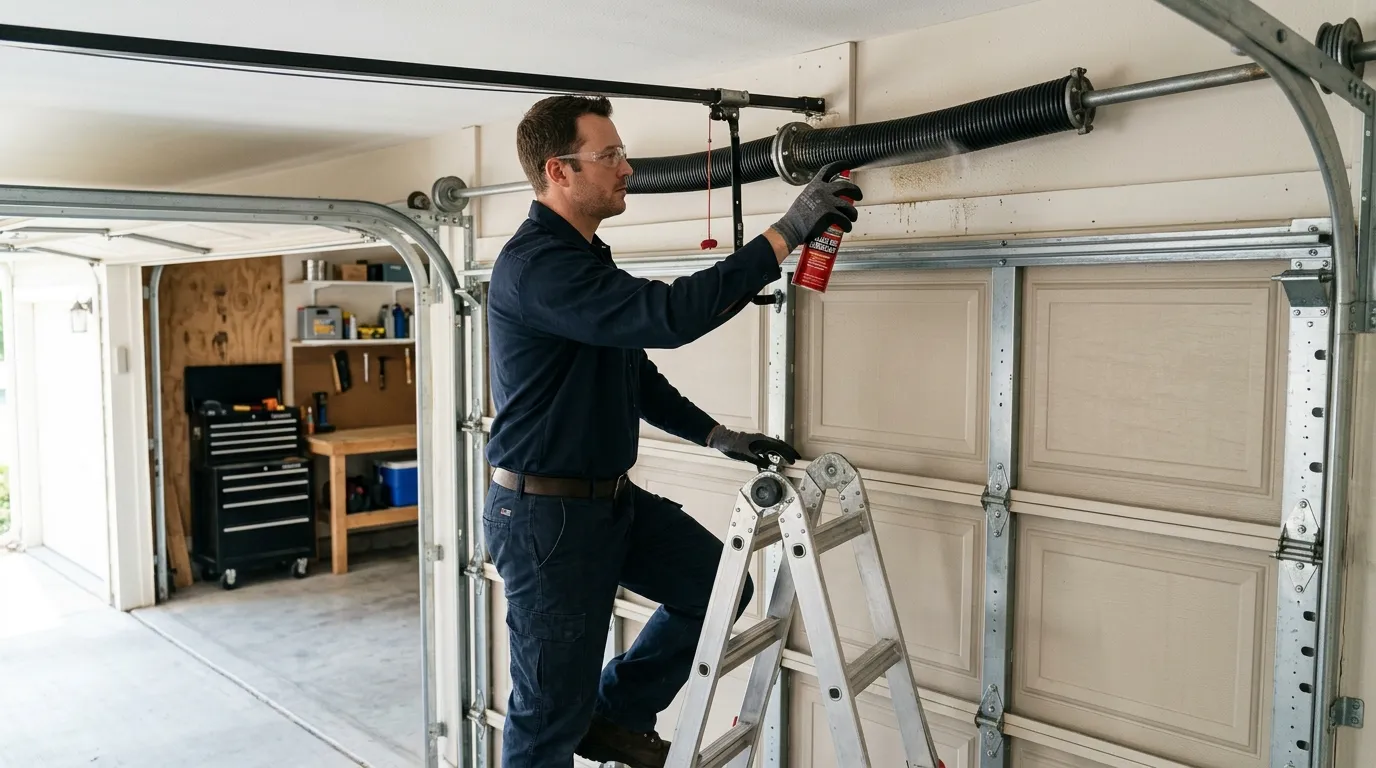
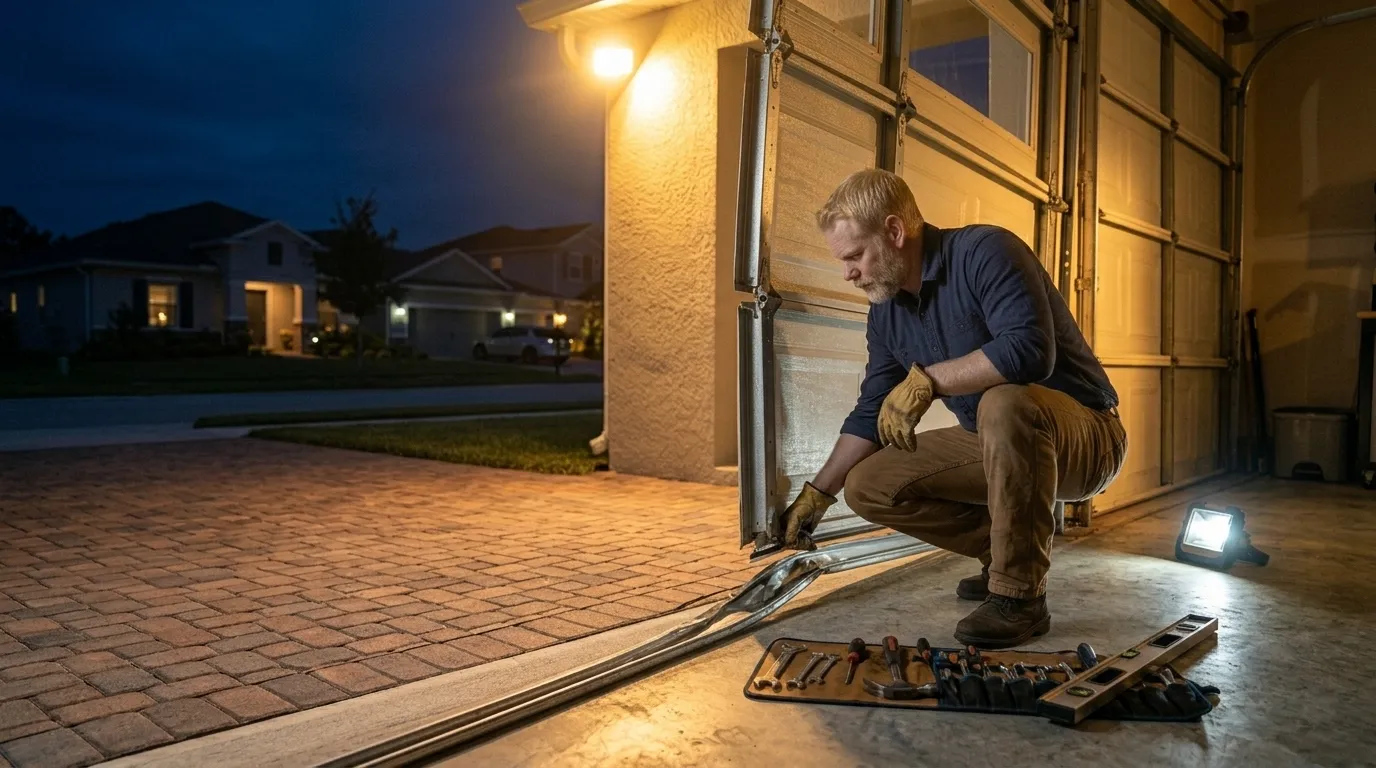
Cold winters are the backdrop for every opener job in this area - the climate band here runs cold and moderate, which means openers deal with temperature swings that stress belts, gears, and lubricant more than they would in a milder region. Older chain-drive units especially can start grinding or losing force calibration once the metal contracts in a hard freeze, and that's often what triggers the call for a replacement rather than a repair.
The other driver is simply the age of the housing stock. A door and opener combination installed when the house was built, or even a replacement installed twenty years ago, is well past the point where parts are getting hard to source. When we're out in Western Springs and see an opener struggling in cold weather, replacement usually makes more sense than nursing along a unit that's fighting both its age and the temperature.