24/7 Emergency Service Open 7 days · 7am–8pm Serving Morton Grove, IL & nearby
(224) 353-7707
Morton Grove, IL

What to Know Before Buying a Replacement Door Here

A look at what actually matters when you're buying a replacement door here in Morton Grove, tied to the age of the housing stock and the cold-climate wear it takes.

What to Know Before Buying a Replacement Door Here

What to Look At First

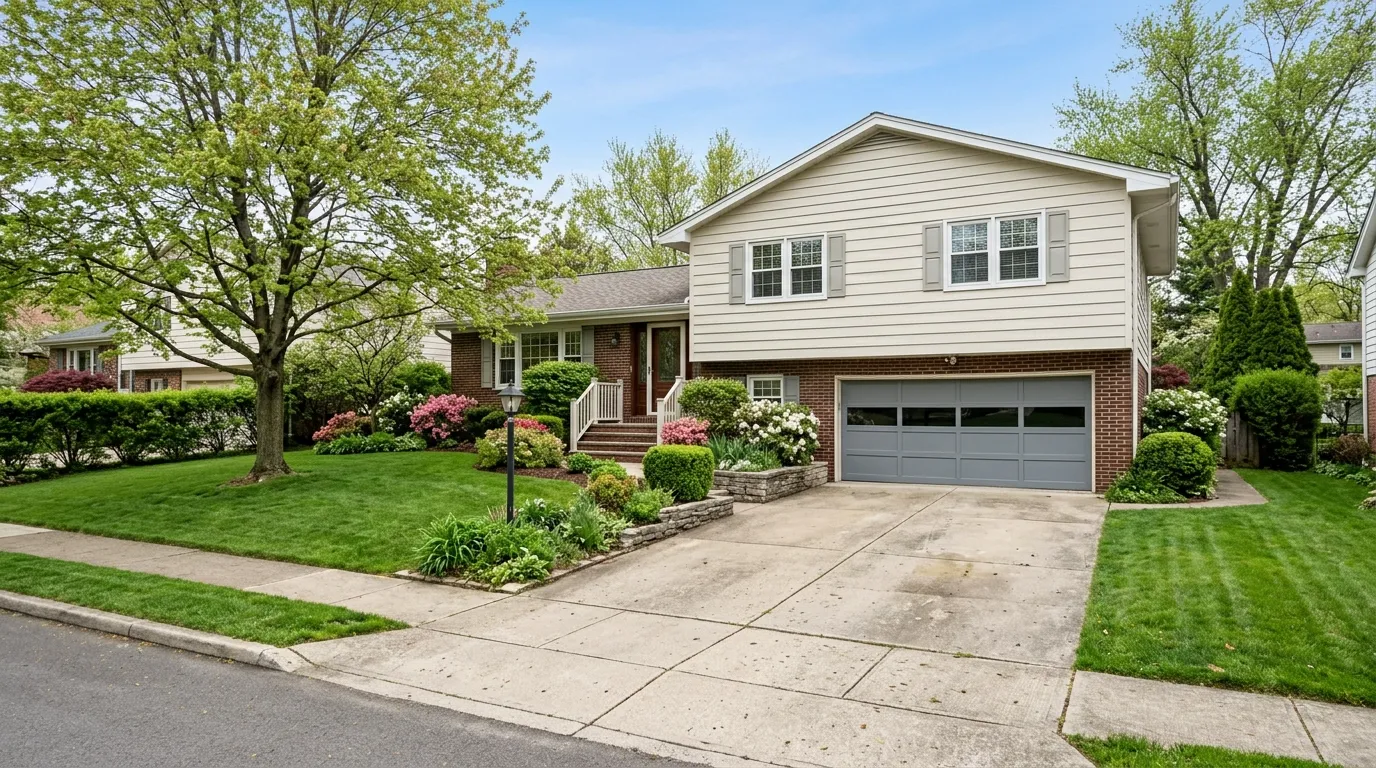
Most of the houses around here went up between 1938 and 1996, with the median build year sitting at 1963. That matters more than people think when you're buying a replacement door. A door bought new in the early 1960s was almost always a single-layer steel or wood panel on a track sized for that era's opening, and a lot of those openings run slightly narrower than what current standard doors ship in.

Before you order anything, get the actual rough opening measured, not guessed from the old door. Across the 62 named pockets of housing in this service area, the stock is overwhelmingly 1960s-70s construction, and openings from that period were framed to whatever the builder had on hand that week, not to a modern spec sheet. That's the honest limitation here: we can't quote a door off a phone description of an opening built before 1970. Someone has to measure it.

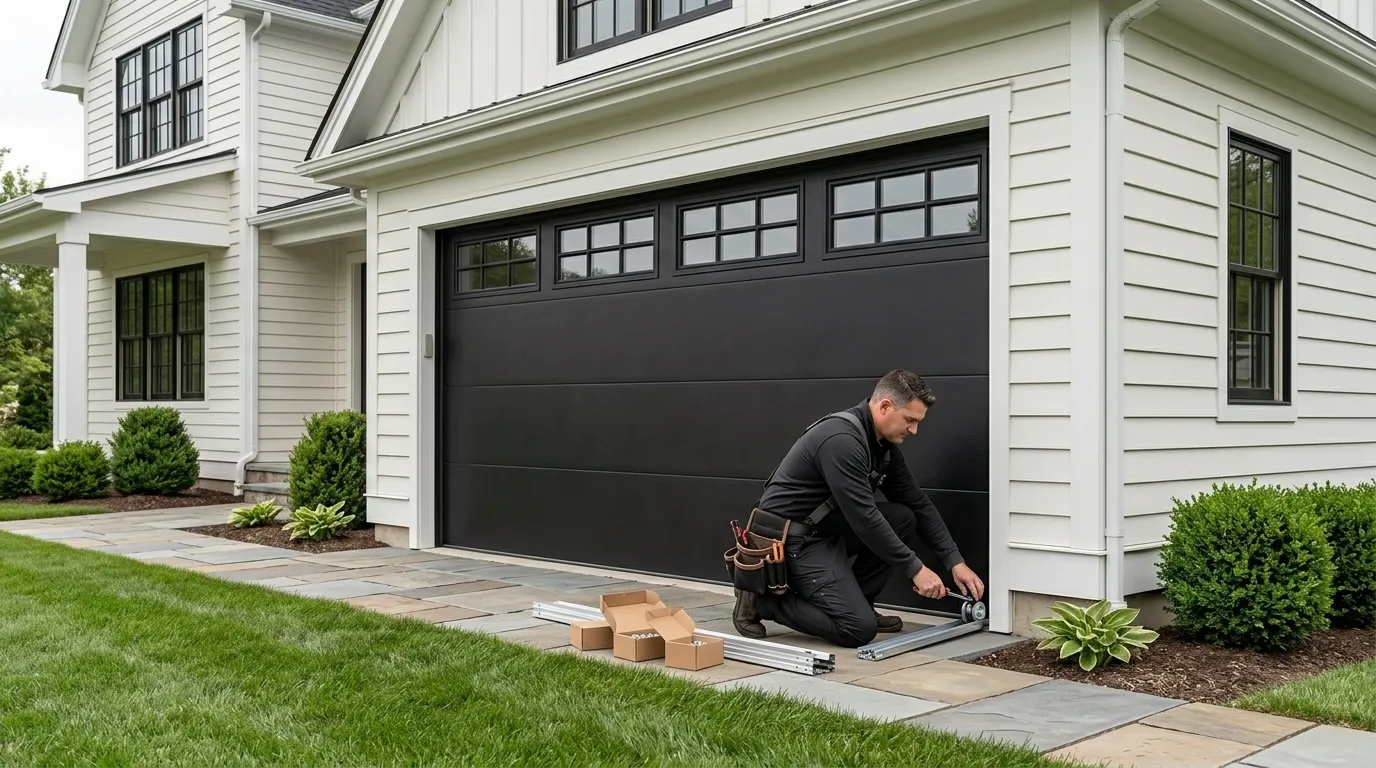
Once you have real dimensions, the decision gets simpler - insulated steel sections in a size that matches your frame, not a size that matches what's easiest to stock.

The Seasonal Bit

This area sits in a cold, moderate climate band, which means the door you buy has to handle real freeze-thaw cycling every winter, not just an occasional cold snap. A single-layer door from the 1960s build era wasn't spec'd for that kind of repeated temperature swing on the panel skin, and you can usually see it in warped or oil-canned sections on original doors that never got replaced.

When you're buying new, an insulated door with a two-inch section thickness handles that cycling better than a non-insulated one, and it also keeps the garage itself from swinging as hard between a cold night and a sunny afternoon. That's less about comfort and more about the hardware - springs and rollers work harder when the steel around them is contracting and expanding all winter.

If your current door is original to a house from that 1938-1996 build window, the cold isn't the reason to replace it on its own, but it is the reason the springs and rollers on that door are probably already past a normal service life.

How Local Conditions Play In

The household numbers here back up why a lot of doors get replaced rather than patched. Across the service area there are roughly 236,623 households and 120,486 owner-occupied houses, and median household income runs $105,995 - high enough that most owners choose a clean replacement over stacking repairs on a fifty-plus-year-old door once the springs, track, and panels are all wearing at once.

That's a real threshold worth naming: if you're already looking at a spring replacement and the panels are dented or bowed and the opener is original, you're not fixing a door anymore, you're financing three separate repairs on borrowed time. A straight replacement usually costs less over the following few years than that pattern does.

Golf sits about a mile out and Northfield, Kenilworth, and Winnetka are all within five miles, and the housing stock across that stretch runs the same 1960s-70s era - so the same reasoning about original doors and worn track hardware holds for most of the neighboring area too, not just one street.

What Is Going On

Put together, the pattern is straightforward. A house built anywhere in the 1938-1996 range likely has an opening sized to an older standard, a door skin that's spent decades absorbing a cold-moderate climate's freeze-thaw swing, and hardware that was never meant to last past the house's first owner. None of that is unique to one address - it's true of most of the 62 named areas that make up this stock.

What that means practically: measure before you order, choose insulated steel over anything thinner given the winters here, and treat a door replacement as one decision rather than a repair you keep feeding. It also means not every door needs replacing just because it's old - if the track is square, the springs are sound, and the panels aren't bowed, a service call to true it up costs a lot less than a new door. The age of the house is a reason to check the door carefully, not an automatic reason to swap it.

How it works

From “it’s stuck” to “it’s fixed”

Tell us what’s wrong - Morton Grove garage door service

Tell us what’s wrong

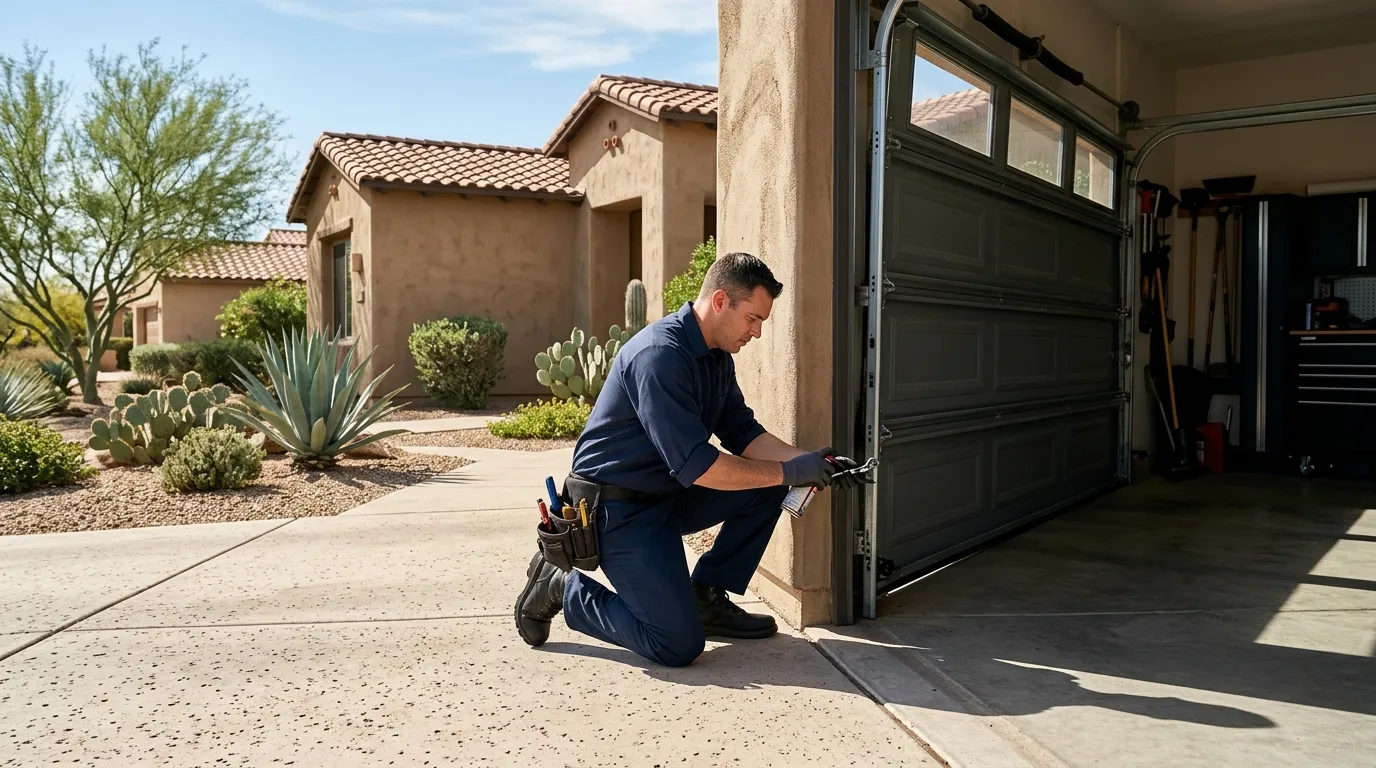
Describe the symptom - won’t open, loud bang, opener runs but the door won’t move.

On-site diagnosis - Morton Grove garage door service

On-site diagnosis

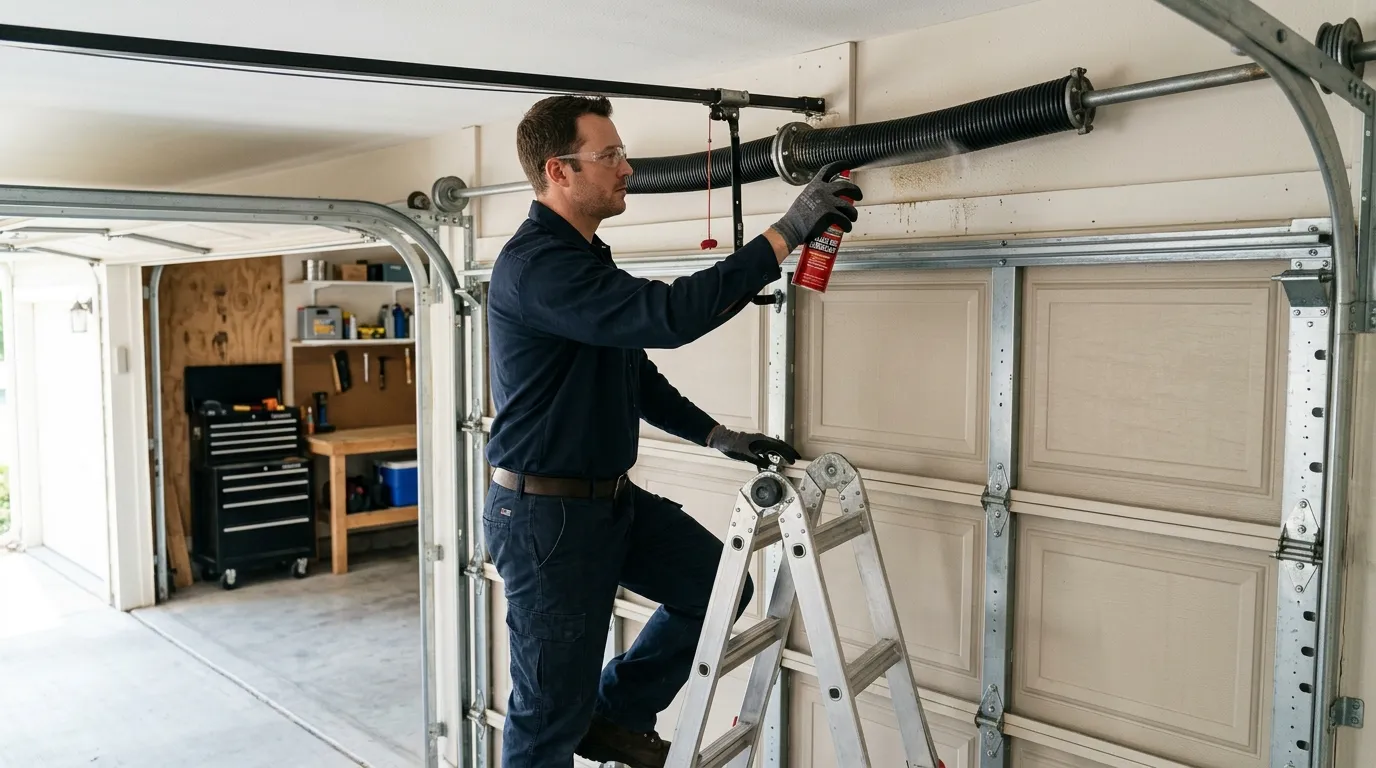
A technician tests the door under power and by hand and finds what actually failed.

Clear, up-front plan - Morton Grove garage door service

Clear, up-front plan

You get the fix that’s needed and what drives the cost - before any work starts.

Repaired & tested - Morton Grove garage door service

Repaired & tested

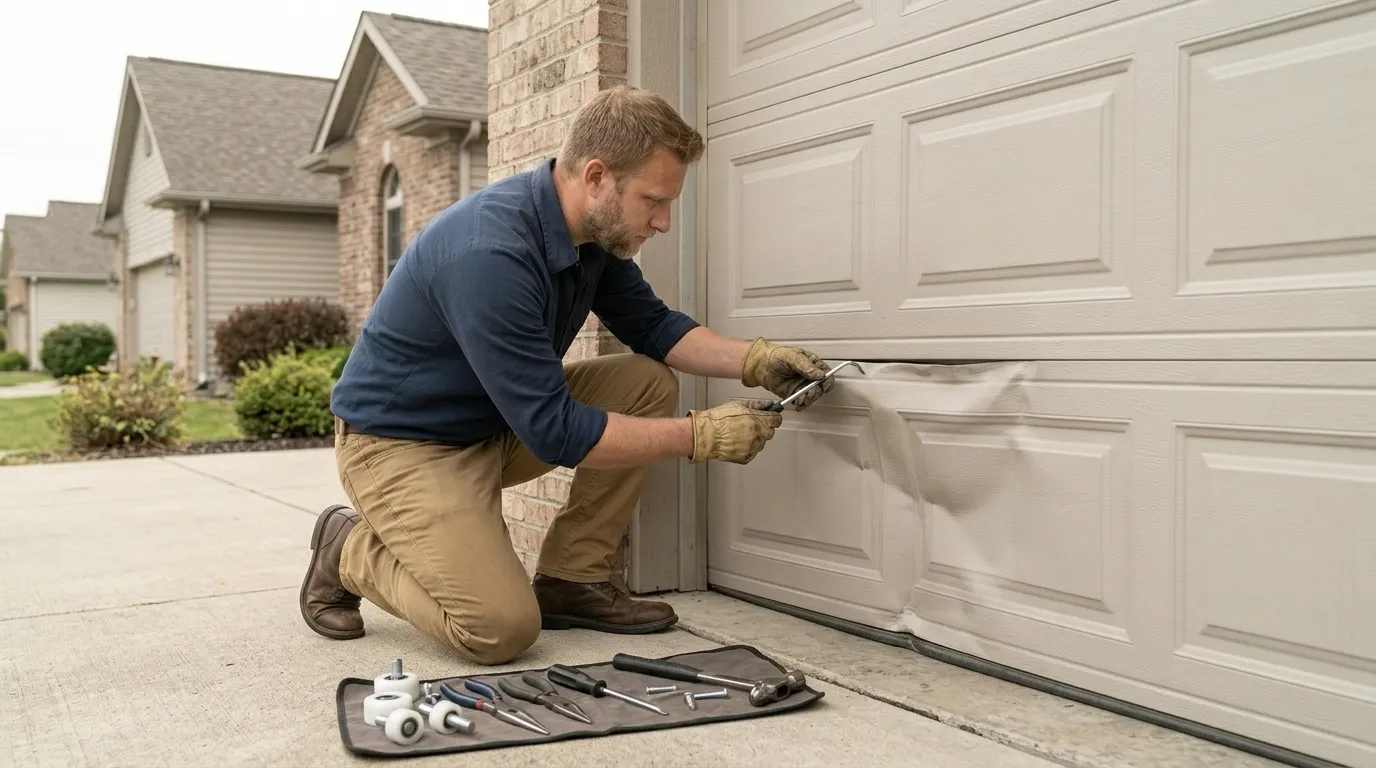
The repair is done, the door is set true and tested, and the work area left clean.

Serving Morton Grove, IL - tell us what your door’s doing and we’ll take it from there.

How we work

What to expect

Diagnosis firstEvery visit starts by finding what actually failed - not a pre-written parts list.
The right part for the doorSprings and openers matched to the door’s weight and age, so the fix holds up.
Straight answersWhen a repair makes more sense than a replacement - or the reverse - you hear it plainly.
Clean, careful workTension released safely, hardware set true, the door tested under power before we leave.
Questions

Frequently asked

Straight answers about garage door repair in Morton Grove. Still unsure? Ask us directly.

How do I know if my door is original to the house?

If your house was built in the 1938-1996 range typical of this area and the door has never been swapped, check the panel gauge and the spring type - original doors from that era usually run a single, thinner steel skin and older-style torsion or extension springs that have likely outlived their rated cycle count by now.

Does the cold weather here actually shorten a door's life?

Yes, in a measurable way. This area sits in a cold, moderate climate band, and the repeated freeze-thaw cycling each winter stresses springs, rollers, and thinner panel steel more than a milder climate would. Insulated doors handle that cycling noticeably better than older single-layer doors from the 1960s-70s building era.

Is it worth repairing an old door instead of replacing it?

Sometimes. If the track is straight, the springs are sound, and the panels aren't bowed, a repair costs less than a new door. But once you're looking at spring failure, dented panels, and an original opener all at the same time on a house from the 1938-1996 build era, you're usually better off replacing the whole door.

Ready to get your garage door sorted?

Tell us what it’s doing and where you are in Morton Grove - we’ll take it from there.

Request a QuoteCall