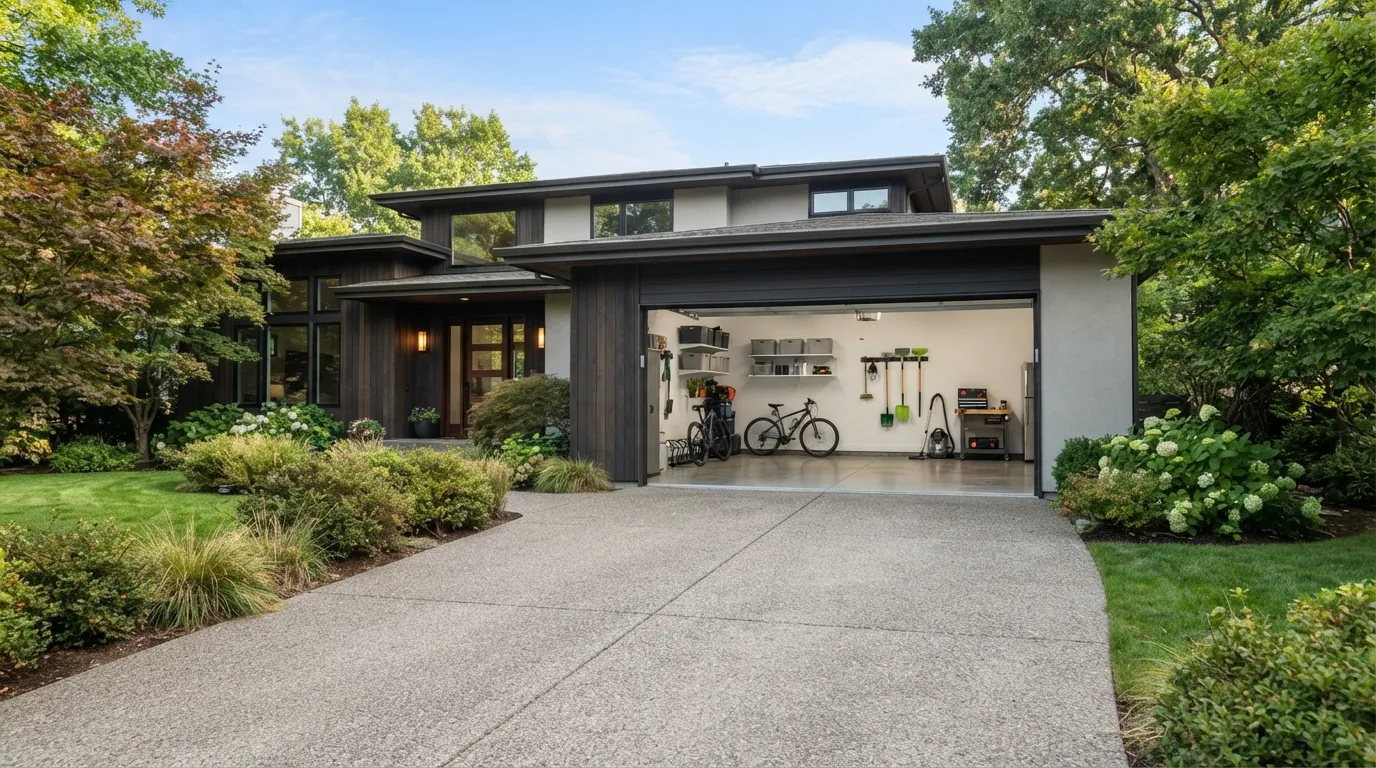
What to Look At First
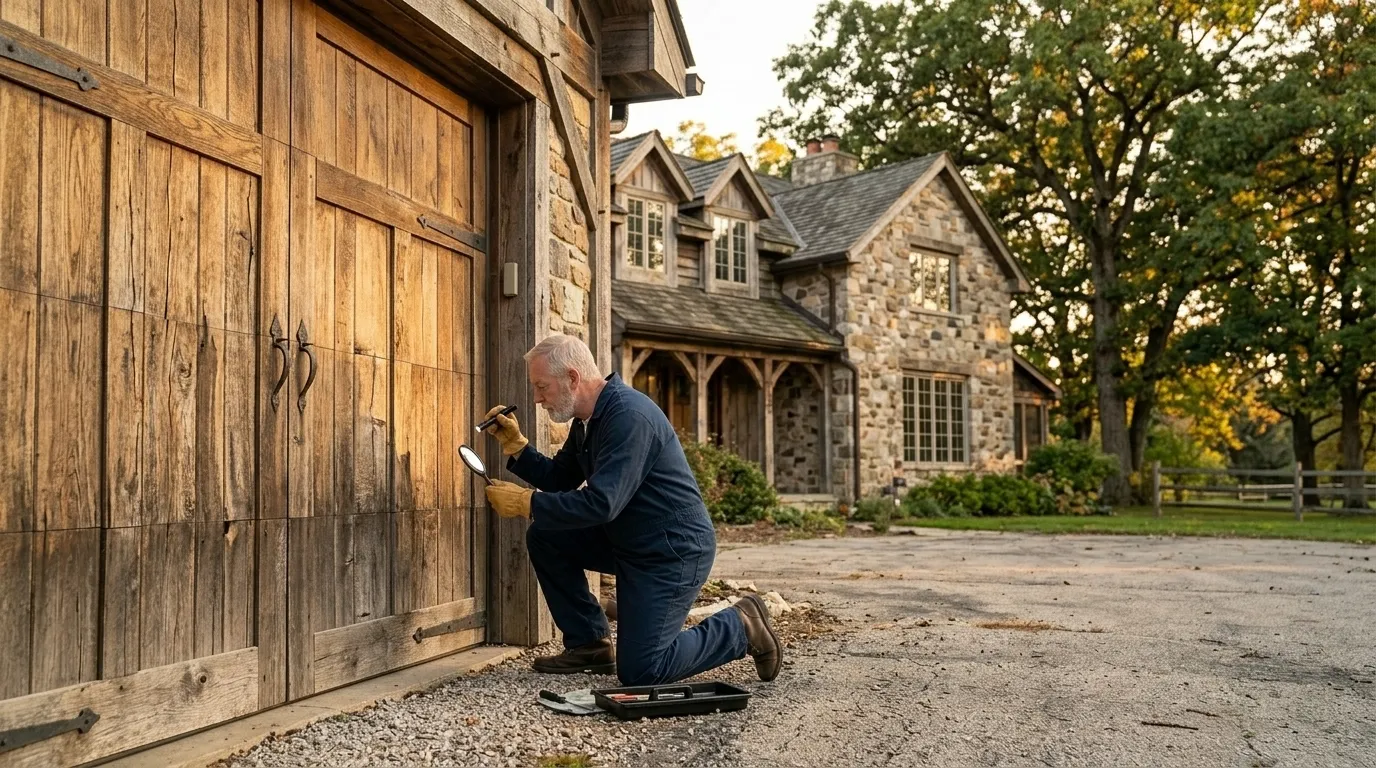
Most houses in Morton Grove went up between 1938 and 1996, with the median sitting at 1963. That matters more than owners think, because a door built or replaced during that window is a different animal from what's sold today. Look at the panel material first. Steel doors from the 60s and 70s often ran a single skin with no insulation layer, which means they're light, they rattle, and they've probably been re-skinned or patched at least once. Wood doors from the same era sag at the bottom corners and the stiles start to split near the hinges.
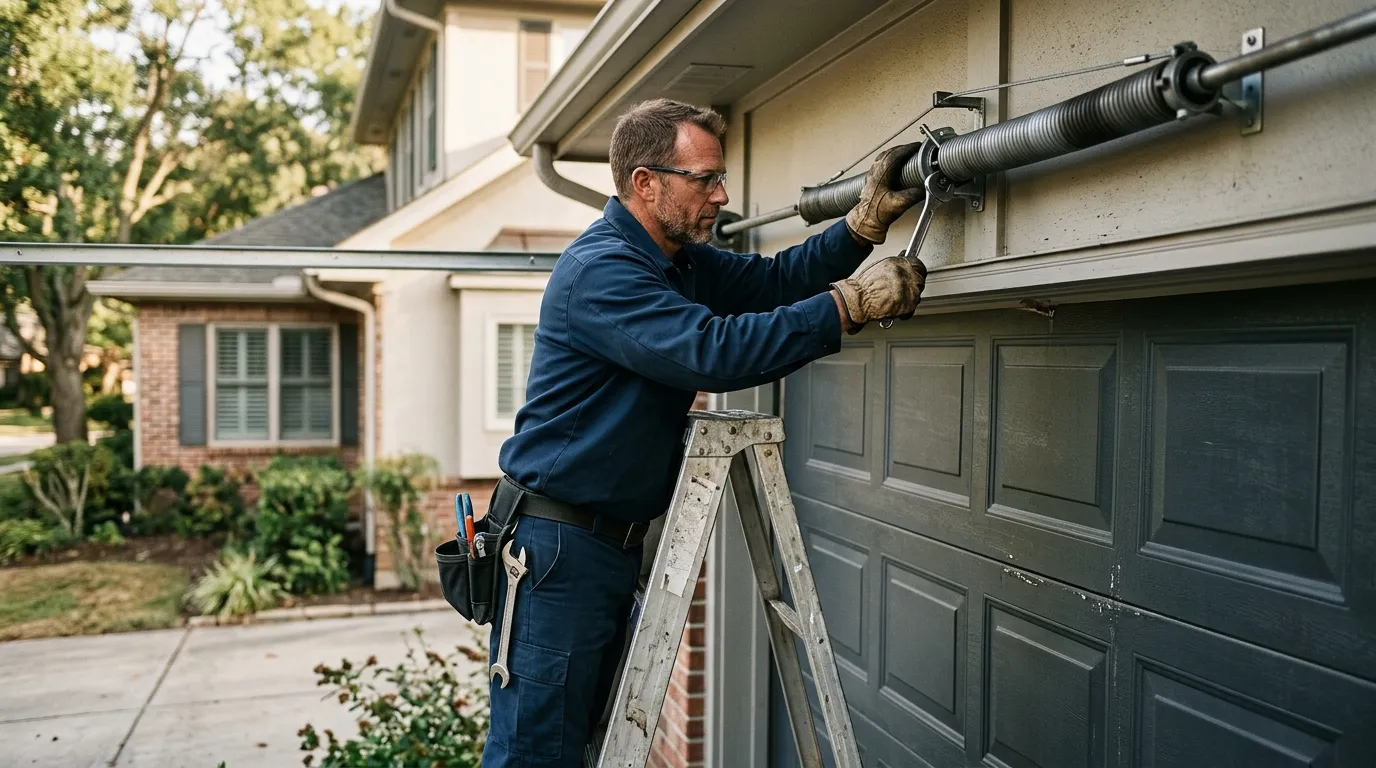
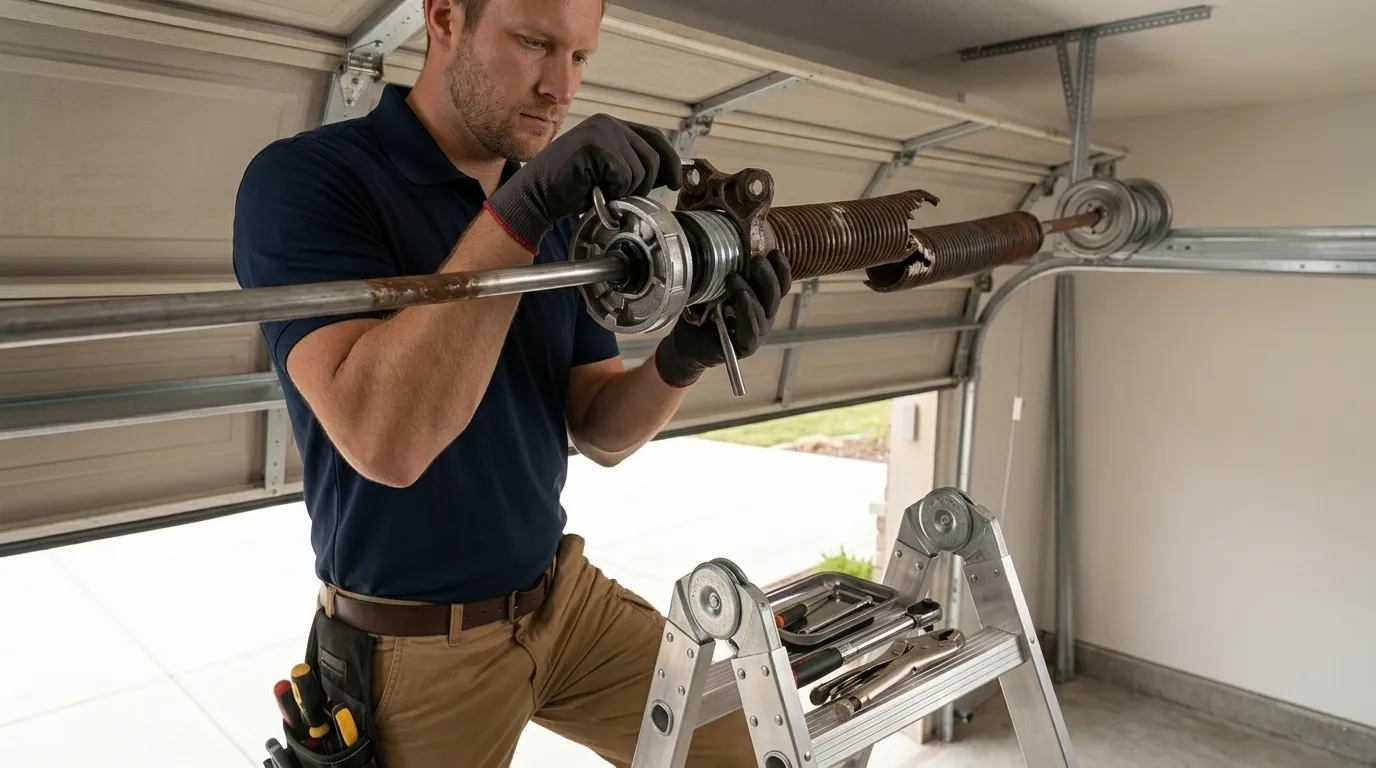
Check the spring setup next. Torsion springs mounted on a shaft above the door are standard now, but plenty of Morton Grove garages still run the older side-mounted extension spring style, especially on detached garages that never got upgraded when the house did. Extension springs on an older door aren't dangerous by design, but if there's no safety cable running through them, that's worth fixing before anything else on the door.
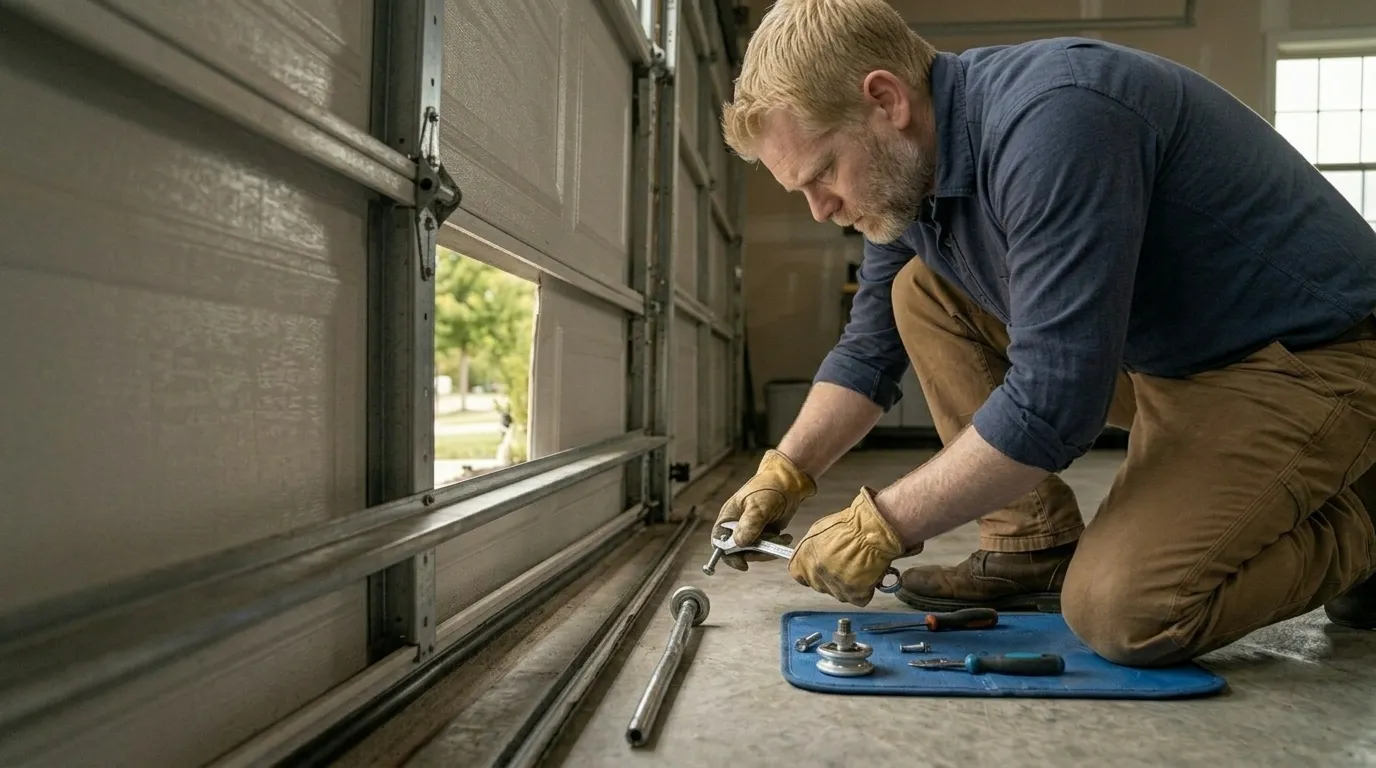
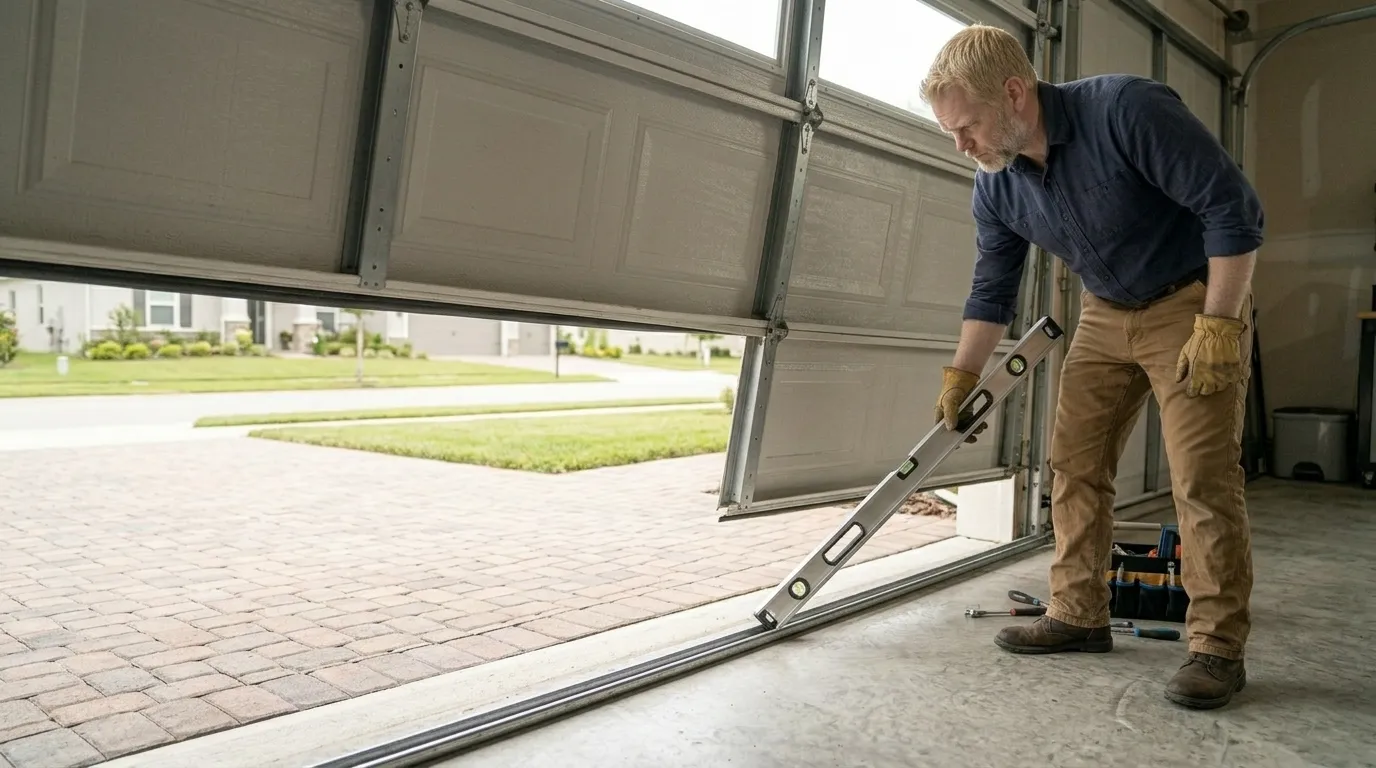
Last, look at the track. Bent or pitted track on a door this age usually means decades of a slightly-off door rather than one bad event, and straightening it is a short-term fix at best.
How Local Conditions Play In
Morton Grove sits close to a cluster of similar-aged suburbs. Golf is a mile away, Northfield about four, and Kenilworth and Winnetka both around five, with Harwood Heights and Rosemont a little further out. Across the 62 named areas in this part of Cook County, the housing stock leans the same way: mostly 1960s and 70s construction, put up in the same building boom, often by the same handful of builders using the same door hardware. That's why the failures repeat block to block - it's not bad luck, it's the same door and the same spring spec aging out at the same rate.
With roughly 120,486 owner-occupied houses among 236,623 households across this broader service area, there's a large base of that original hardware still in service, just at different stages of wear depending on whether a given house had one remodel or none. Median household income here runs $105,995, and in practice that shows up as more owners choosing a full insulated steel replacement once a door starts costing real money in repairs, rather than patching the same panel a third time.
What Is Going On
A door built around the median year for this area is now over sixty years old if it was never replaced, and most mechanical parts on a garage door aren't built to last that long. Rollers, hinges, and the spring itself are wear items regardless of how well the door was built. So the honest answer to "is it worth fixing" usually comes down to what's actually broken versus what's just old.
A snapped spring, a bent roller, or a worn cable on an otherwise solid steel or wood door is almost always worth fixing - that's a parts-and-labor job, not a door replacement. A door that's sagging at the panel seams, has a track that's been bent and restraightened more than once, or still runs the original opener with no safety reverse is a different story, and putting more money into it just delays the same decision.
One limit worth being upfront about: we don't refinish or repaint wood doors. If the door itself is sound but the wood finish is what's failing, that's outside what we do here, and we'll say so rather than take the job.