24/7 Emergency Service Open 7 days · 7am–8pm Serving Morton Grove, IL & nearby
(224) 353-7707
Morton Grove, IL

Knowing When a Repair Stops Being Worth It

A look at when repair still makes sense for Morton Grove's 1960s-era garage doors, and when the cold-climate wear finally tips the math toward replacement.

Knowing When a Repair Stops Being Worth It

What to Look At First

Most houses on this side of town went up between 1938 and 1996, with the bulk clustered in the 1960s and 70s - that's the era stamped on the original doors and hardware still hanging in a lot of these garages. Before you decide whether to fix or replace, look at three things: the panels, the spring, and the track. If the door is original to a house built in that window, you're likely looking at a single-layer steel or wood panel with no insulation, hung on hardware that predates the current torsion spring sizing charts. A cracked panel on a door that age is often a sign the rest isn't far behind - the steel thins out and the seams start to separate around the hinges. A worn cable or a rusted roller on its own is a cheap fix. A door where three or four parts are all wearing out in the same year is telling you something different. We'll say plainly: if the springs, rollers, and bottom seal are all original and all failing together, patching one of them buys you a few months, not a few years.

The Seasonal Bit

This area sits in a cold moderate climate band, which means the garage door does two jobs most people don't think about - it holds heat in during the winter stretch and it takes the brunt of repeated freeze-thaw cycling on the bottom seal and the track. That cycling is hard on old hardware. Steel contracts in the cold, torsion springs lose a little tension every season, and a bottom seal that's already brittle from age can crack clean through on a cold morning, letting water and grit into the track. If your door is sticking or binding more in January than it does in July, that's not a coincidence - it's the cold finding the weak point in aging hardware. A single seasonal fix, like swapping the bottom seal, is worth doing on a door that's otherwise sound. It's not worth doing on a door where the springs and track are already fighting the cold too.

How Local Conditions Play In

With a median household income of $105,995 and a mix of owner-occupied houses that make up the bulk of the roughly 236,623 households across the wider service area, a lot of homeowners here are weighing a repair bill against a replacement bill on a house that's worth keeping up. That math changes depending on the age of the door. On a door from the 1963 median build year, insulation ratings and hardware weight ratios are so far behind current doors that a repair can leave you with a door that's still cold, still noisy, and still running on 60-year-old spring math. On a door installed more recently, even if it's showing wear, the frame and track are usually still true, and a repair is the right call. We won't tell you to replace a door just because it's old. We will tell you that a door from the original 1960s-70s stock is rarely a good candidate for a third repair in two years.

What Is Going On

When we get called out to a door that's binding, sagging, or making a new noise, the honest first step is figuring out whether the problem is the part in front of us or the age of the door underneath it. A torsion spring snapping on a door built in the 1960s-70s wave isn't surprising - it's closer to fifty or sixty years past its original hardware life, even with maintenance. Where we draw the line: if the track is bent, the springs are original, and the panels are separating at the seams, we'll say so instead of running up a repair bill on a door that's going to need replacing within a year or two anyway. That's not a sales pitch - it's the same call we'd make on our own garage. One honest limit: we don't stock every discontinued hardware size for doors from that era, so on some older jobs a repair means a short wait on parts rather than a same-day fix.
How it works

From “it’s stuck” to “it’s fixed”

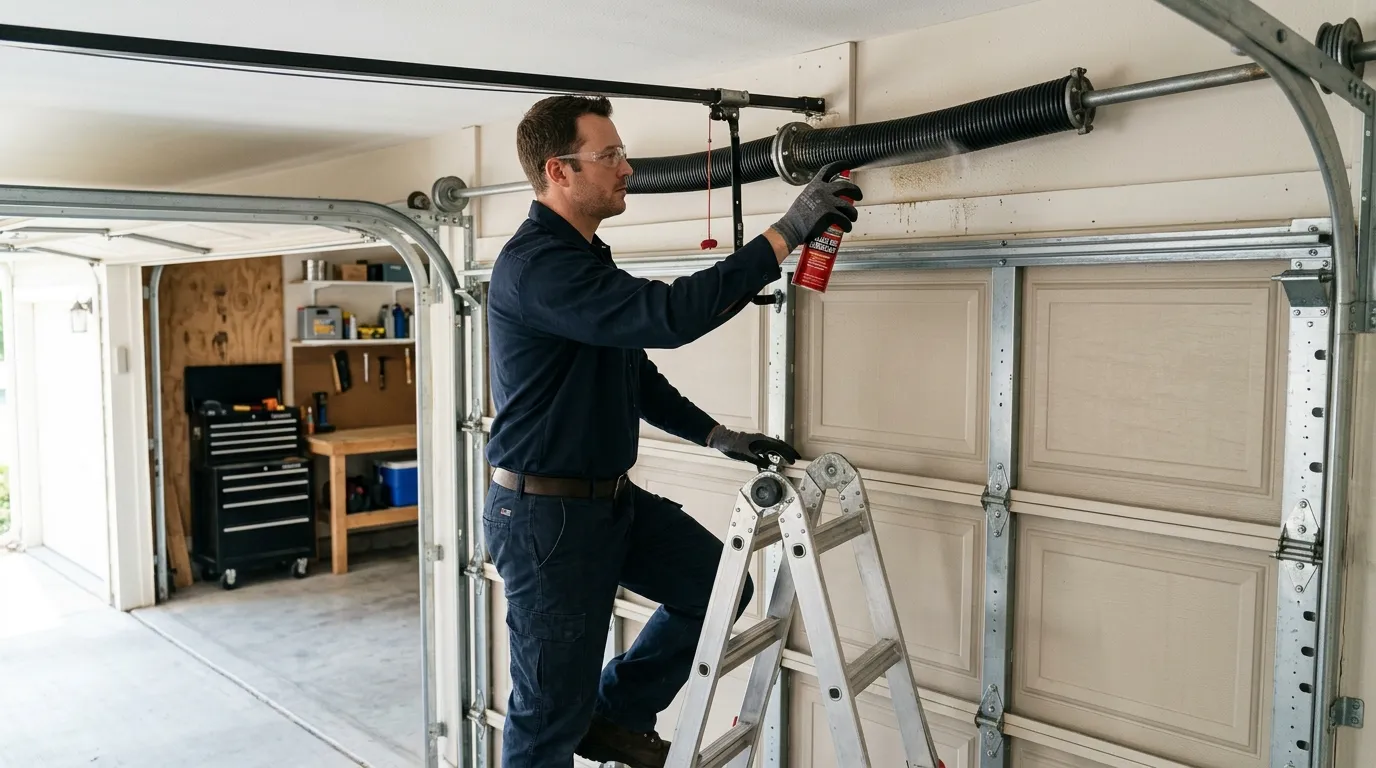
Tell us what’s wrong - Morton Grove garage door service

Tell us what’s wrong

Describe the symptom - won’t open, loud bang, opener runs but the door won’t move.

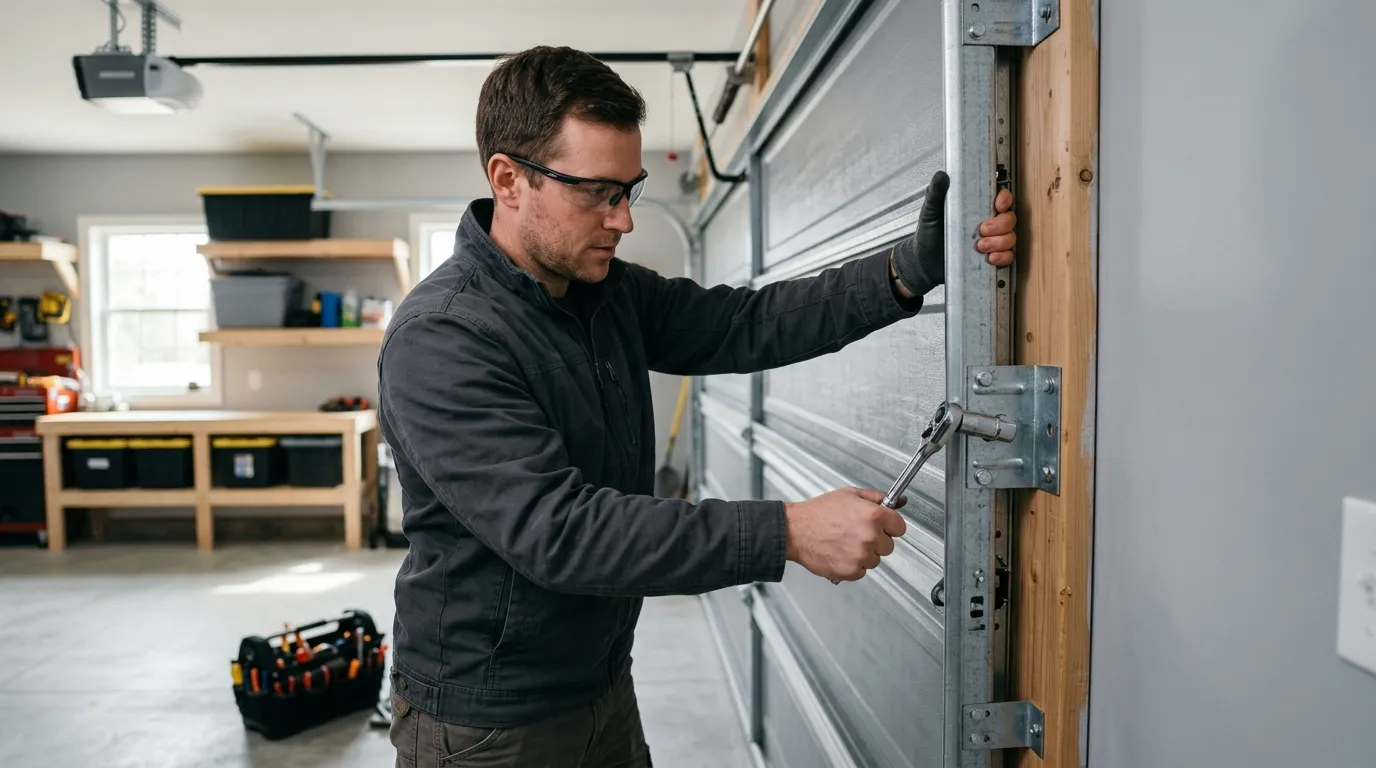
On-site diagnosis - Morton Grove garage door service

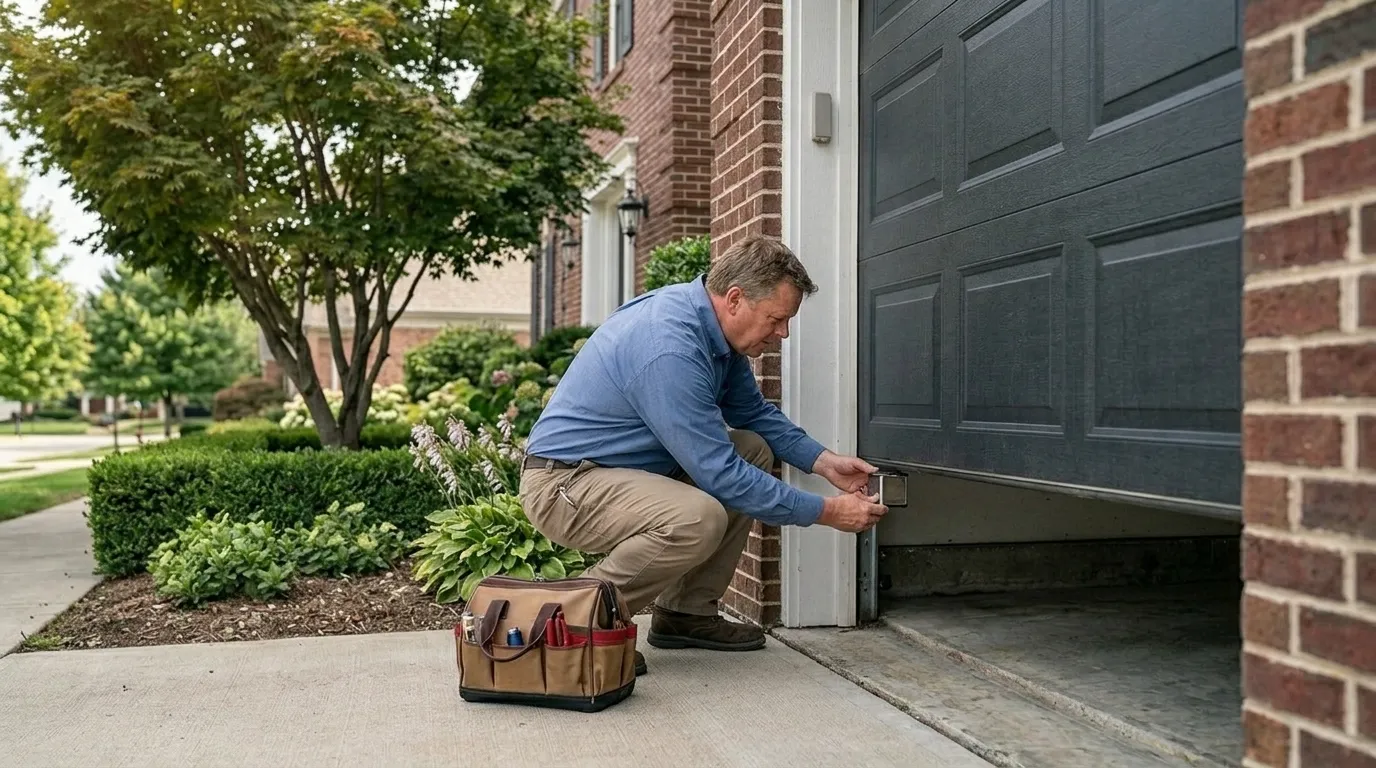
On-site diagnosis

A technician tests the door under power and by hand and finds what actually failed.

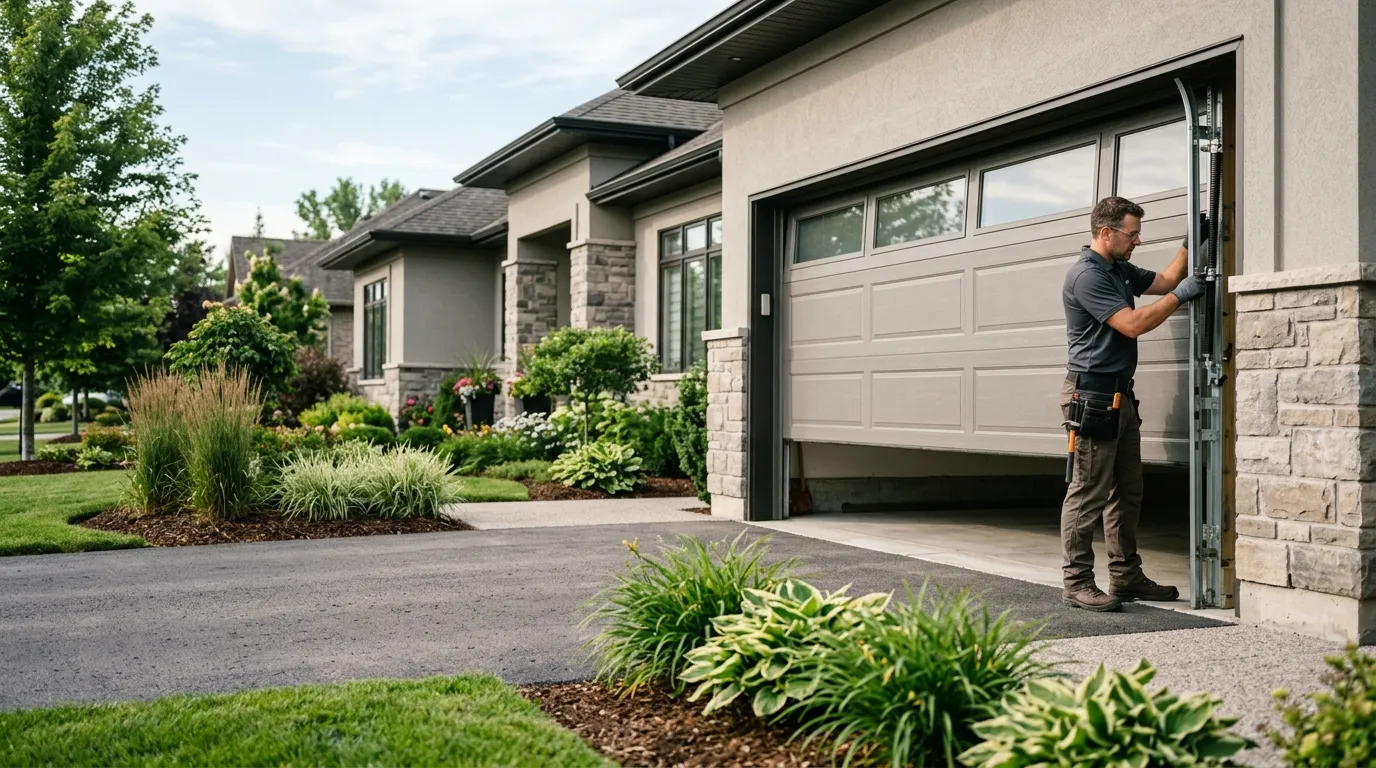
Clear, up-front plan - Morton Grove garage door service

Clear, up-front plan

You get the fix that’s needed and what drives the cost - before any work starts.

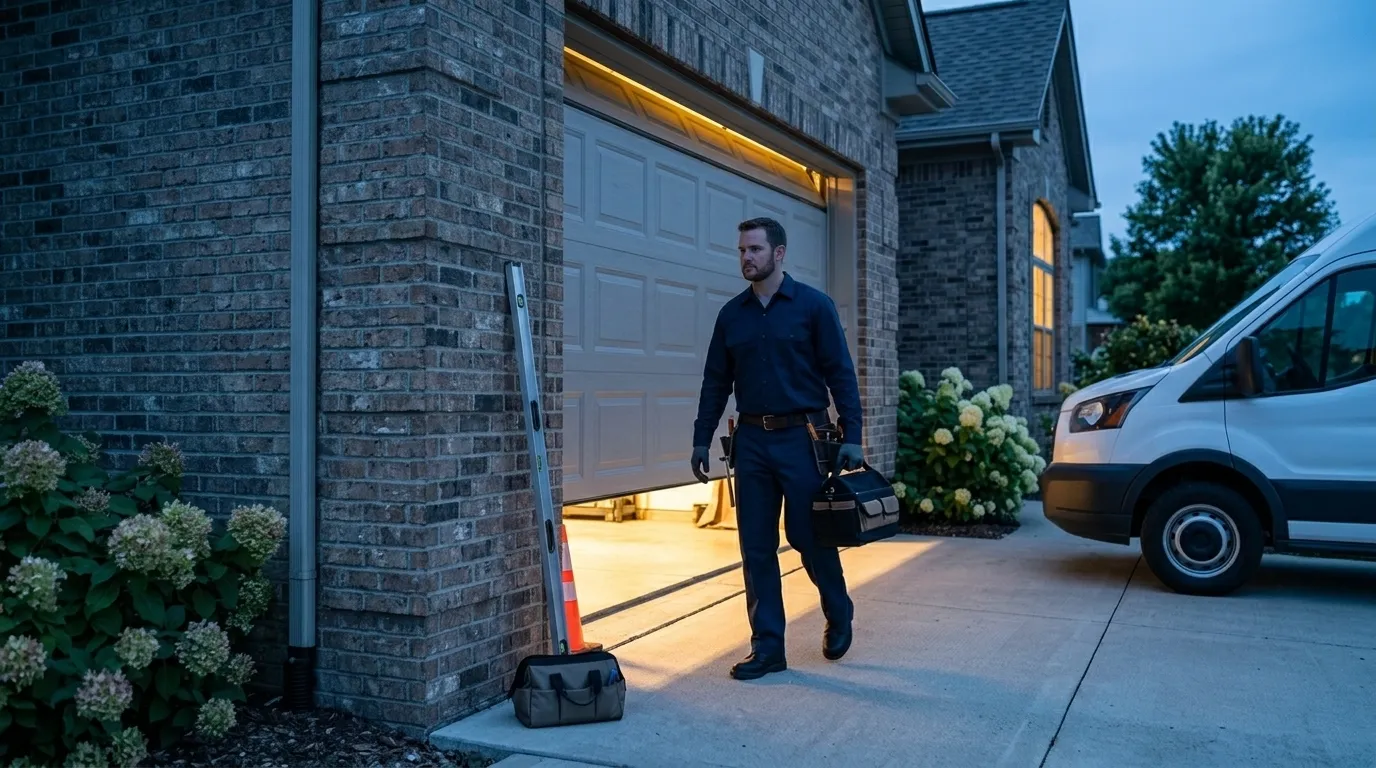
Repaired & tested - Morton Grove garage door service

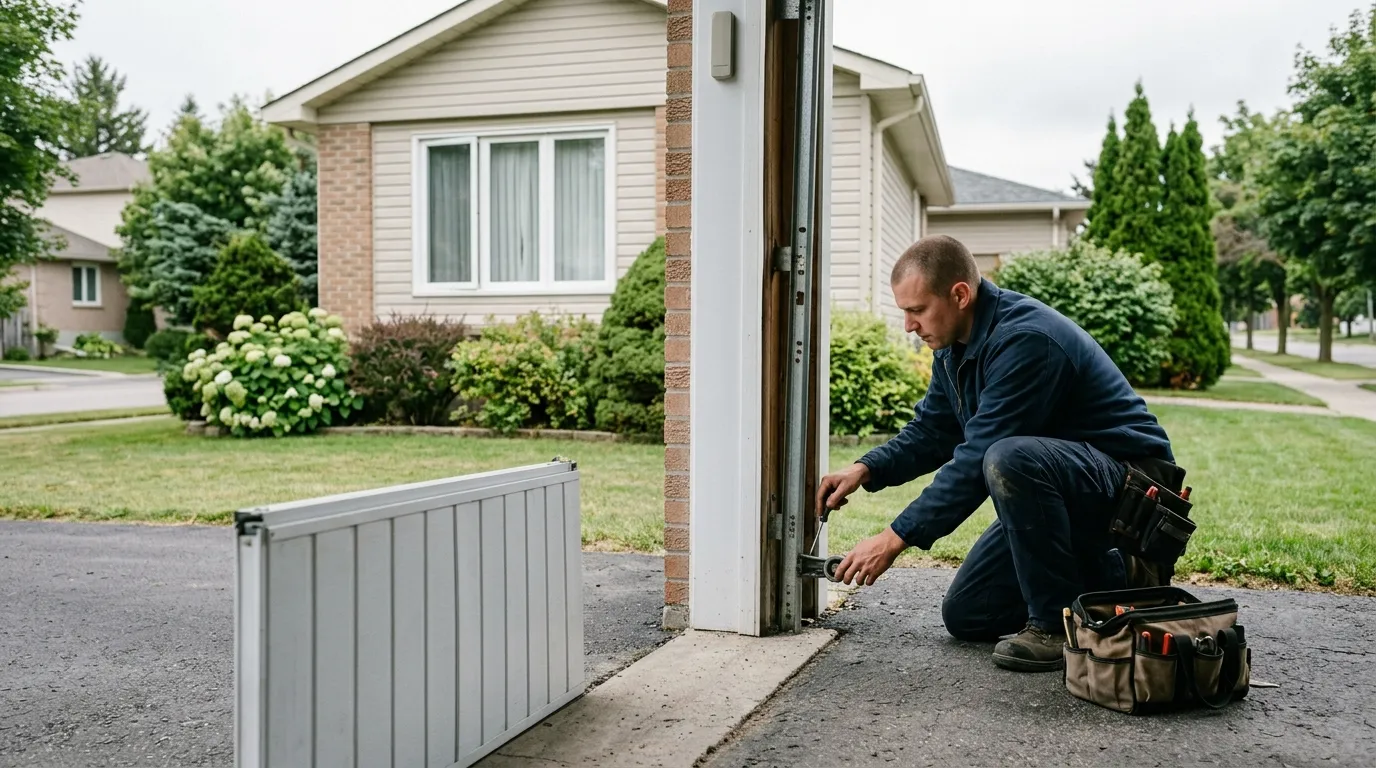
Repaired & tested

The repair is done, the door is set true and tested, and the work area left clean.

Serving Morton Grove, IL - tell us what your door’s doing and we’ll take it from there.

How we work

What to expect

Diagnosis firstEvery visit starts by finding what actually failed - not a pre-written parts list.
The right part for the doorSprings and openers matched to the door’s weight and age, so the fix holds up.
Straight answersWhen a repair makes more sense than a replacement - or the reverse - you hear it plainly.
Clean, careful workTension released safely, hardware set true, the door tested under power before we leave.
Questions

Frequently asked

Straight answers about garage door repair in Morton Grove. Still unsure? Ask us directly.

My garage door is original to a house built in the 1960s - is it worth repairing?

It depends what's failing. If it's one part - a roller, a cable, a seal - repair it. If the springs, track, and panels are all showing wear at once, you're fixing a door that's near the end of its original hardware life, and a second repair inside a year or two is common on doors this age.

Why does my door act up more in winter?

This area sits in a cold moderate climate band, and the freeze-thaw cycling is hard on aging seals and spring tension. A door that's borderline in summer often shows its weak point in the cold months first - that's usually the bottom seal or a spring that's already lost tension.

Is it ever too late to just repair the spring?

On a door with sound panels and a straight track, replacing a spring is almost always the right call regardless of age. It only stops making sense when the spring failure is one of several problems happening at once on a door from the original 1960s-70s stock.

Do you carry parts for older garage doors right away?

Not always. Some hardware sizes from the 1960s-70s era are discontinued, so a repair on an older door sometimes means a short wait on parts rather than a same-day fix. We'll tell you upfront if that's the situation.
Ready to get your garage door sorted?

Tell us what it’s doing and where you are in Morton Grove - we’ll take it from there.

Request a QuoteCall