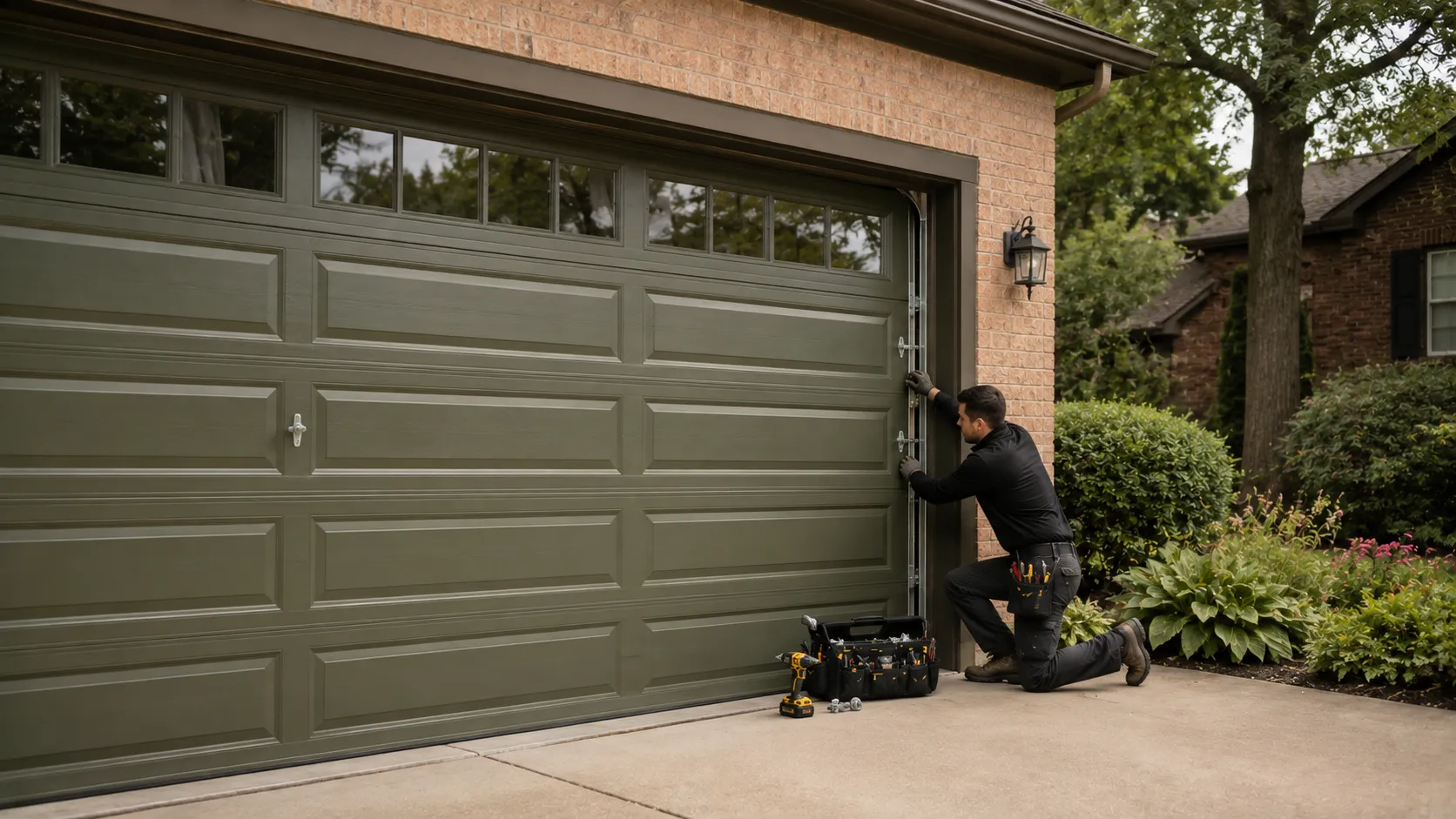
The Usual Work Here
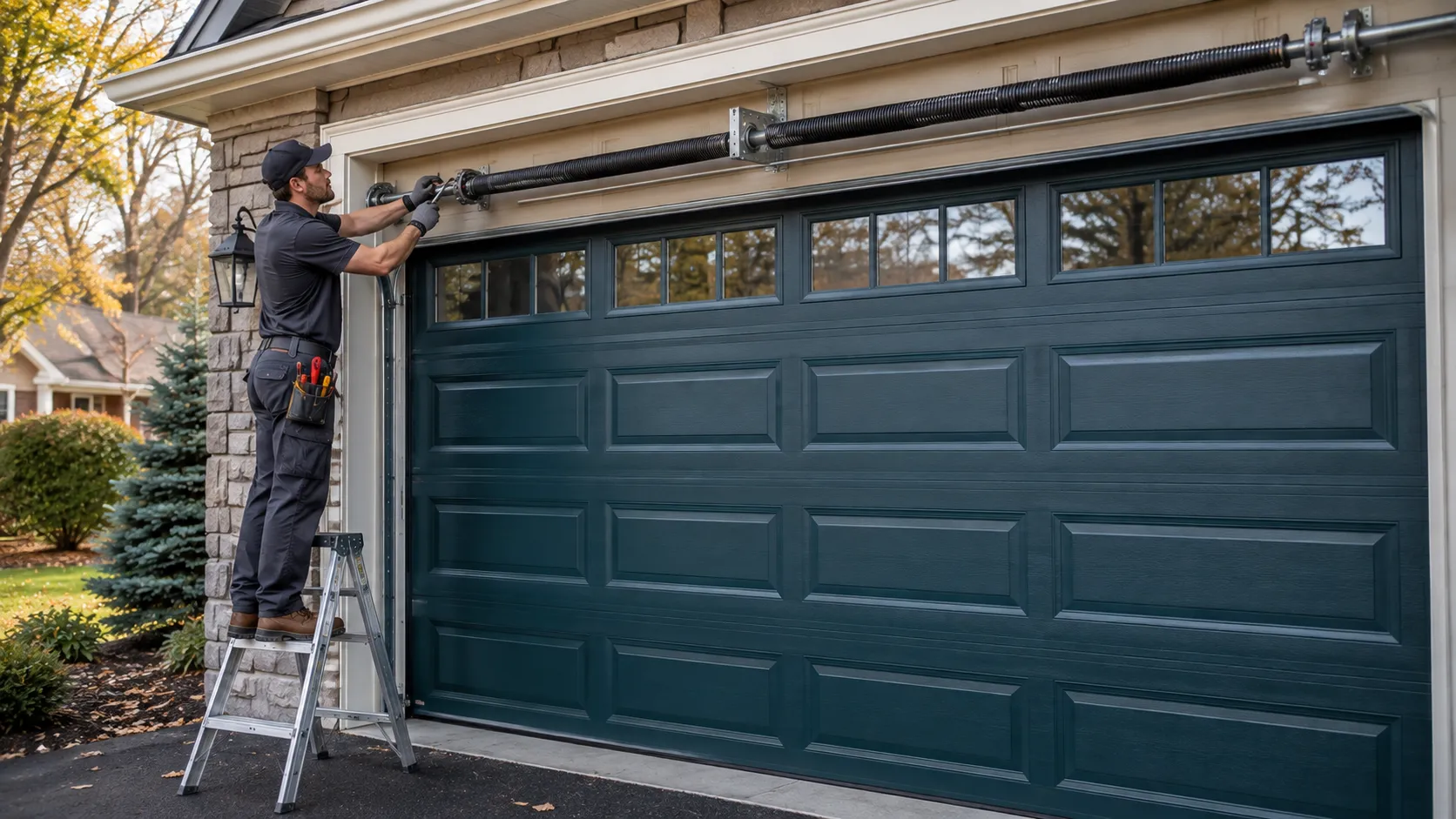
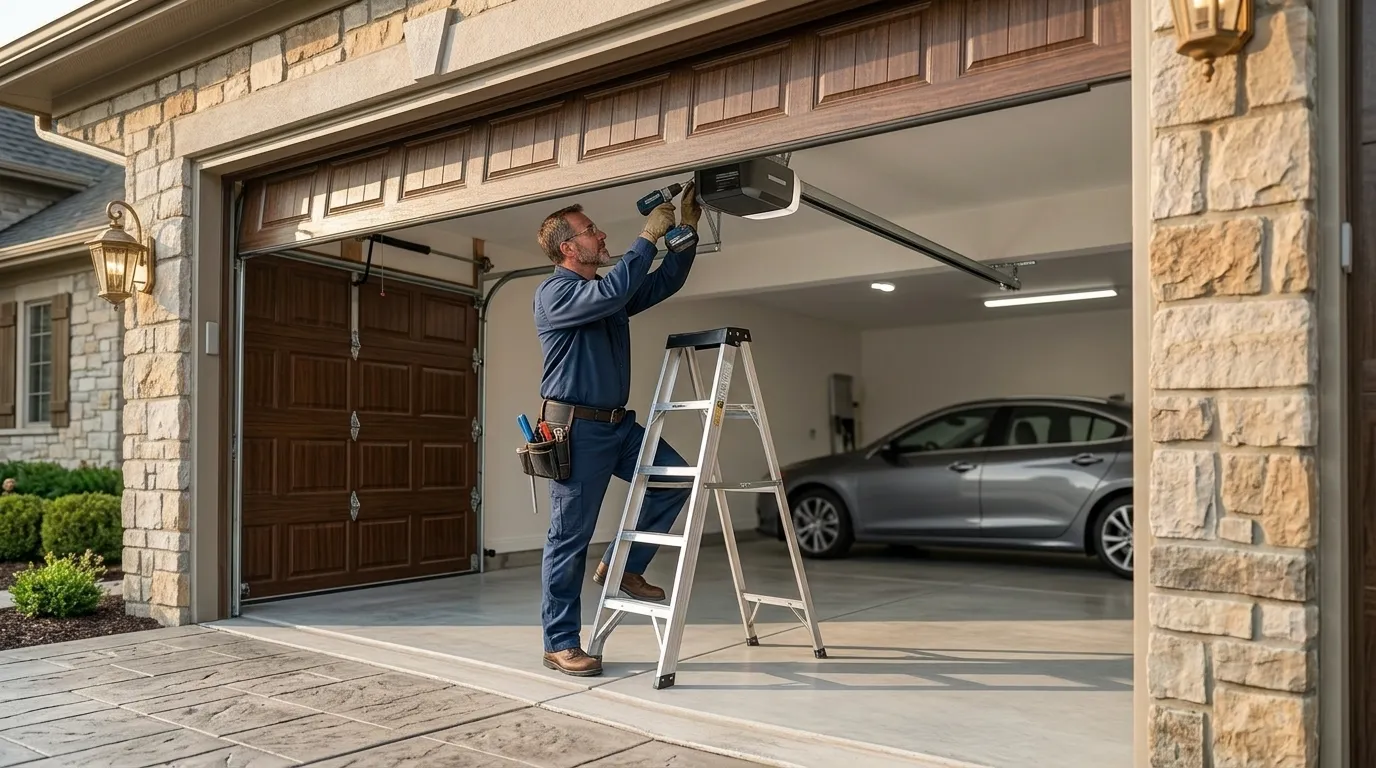
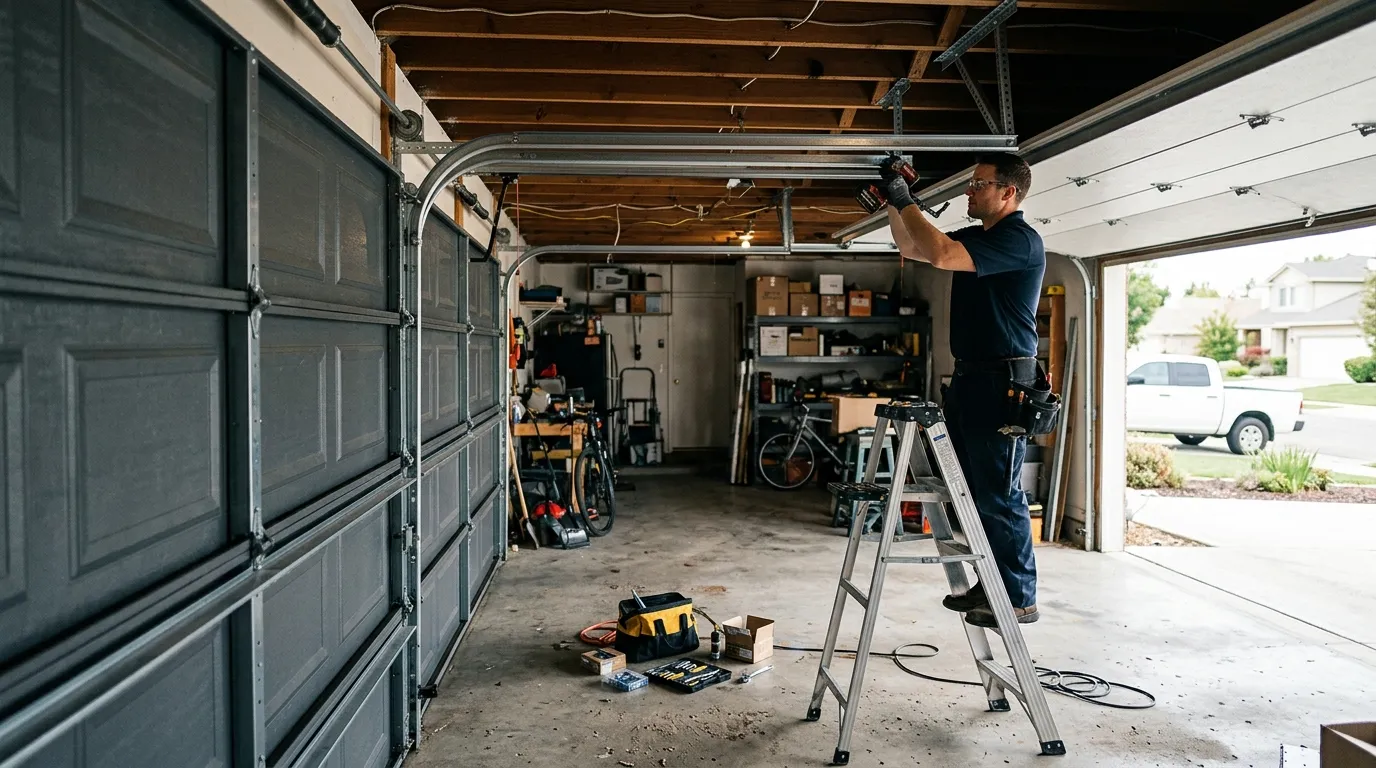
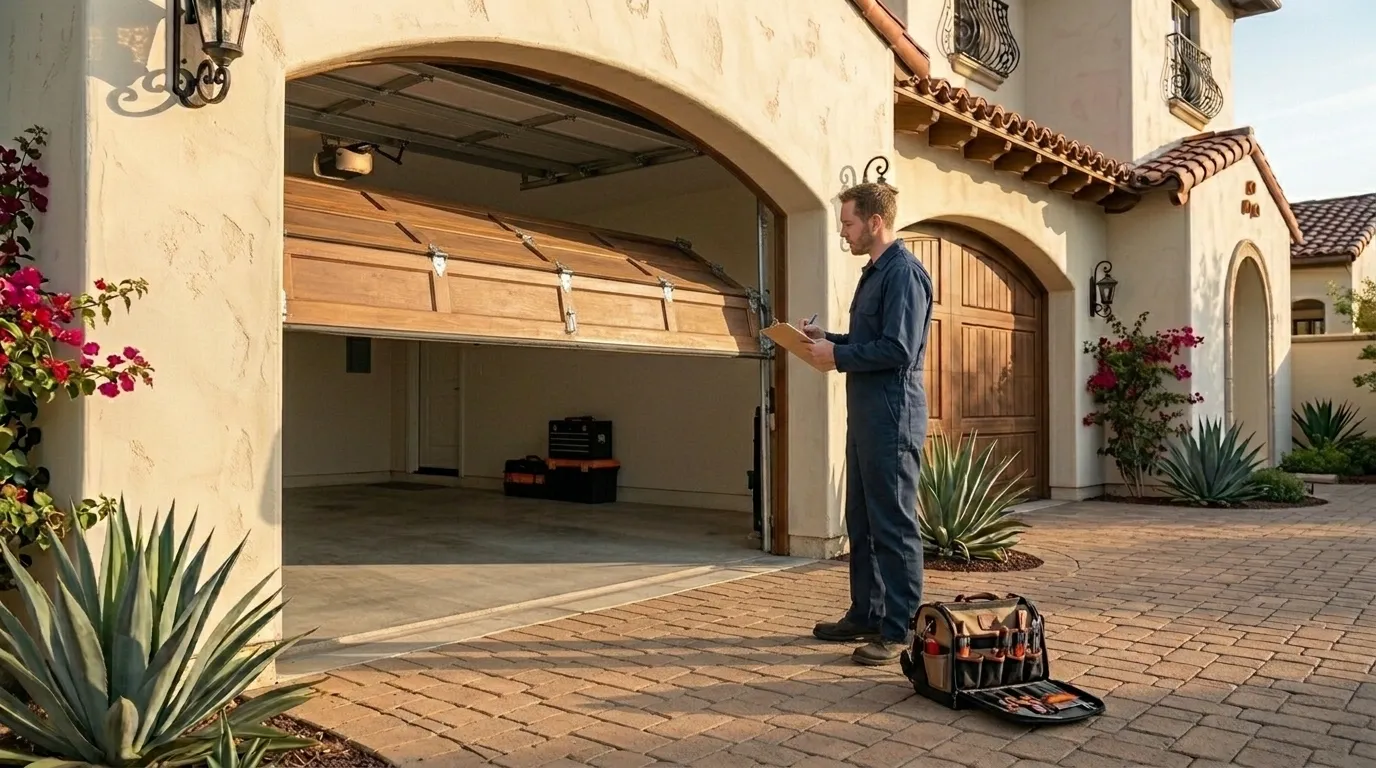
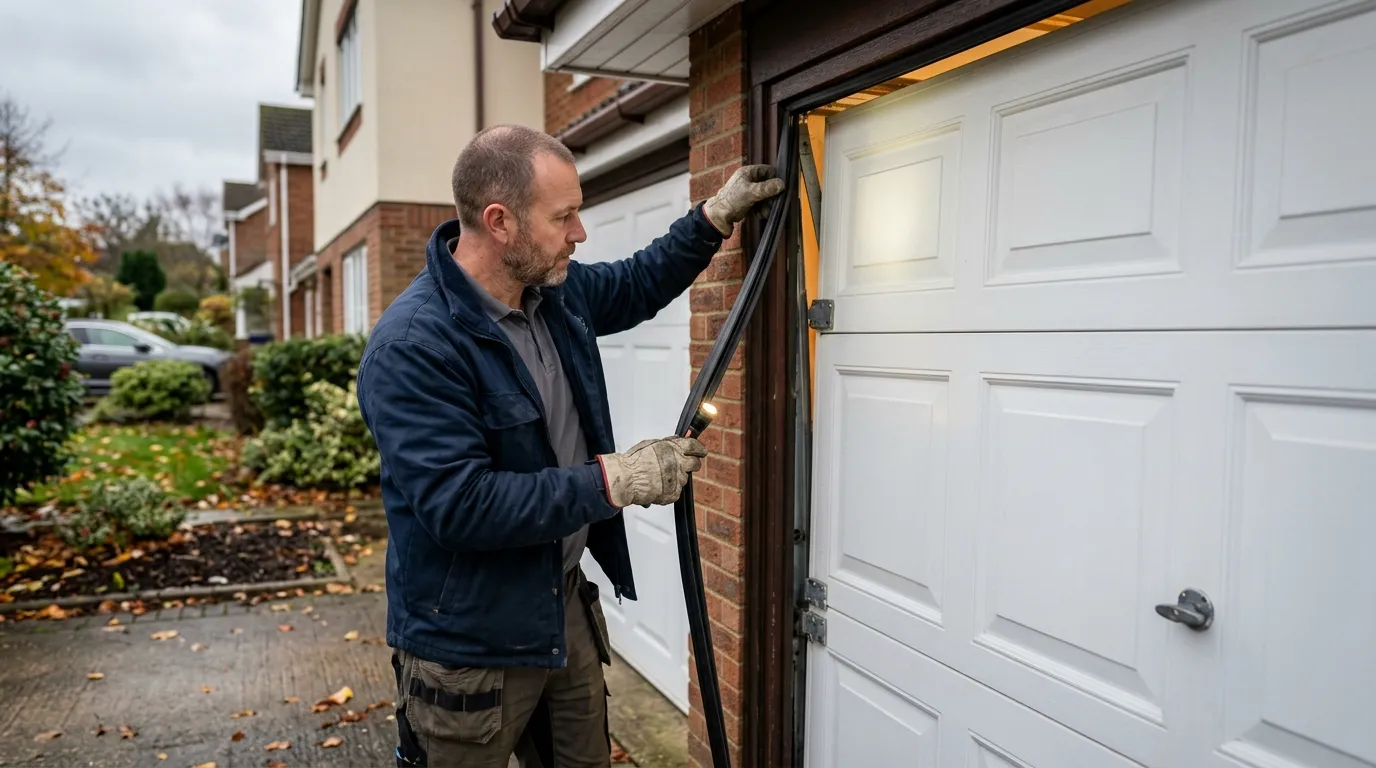
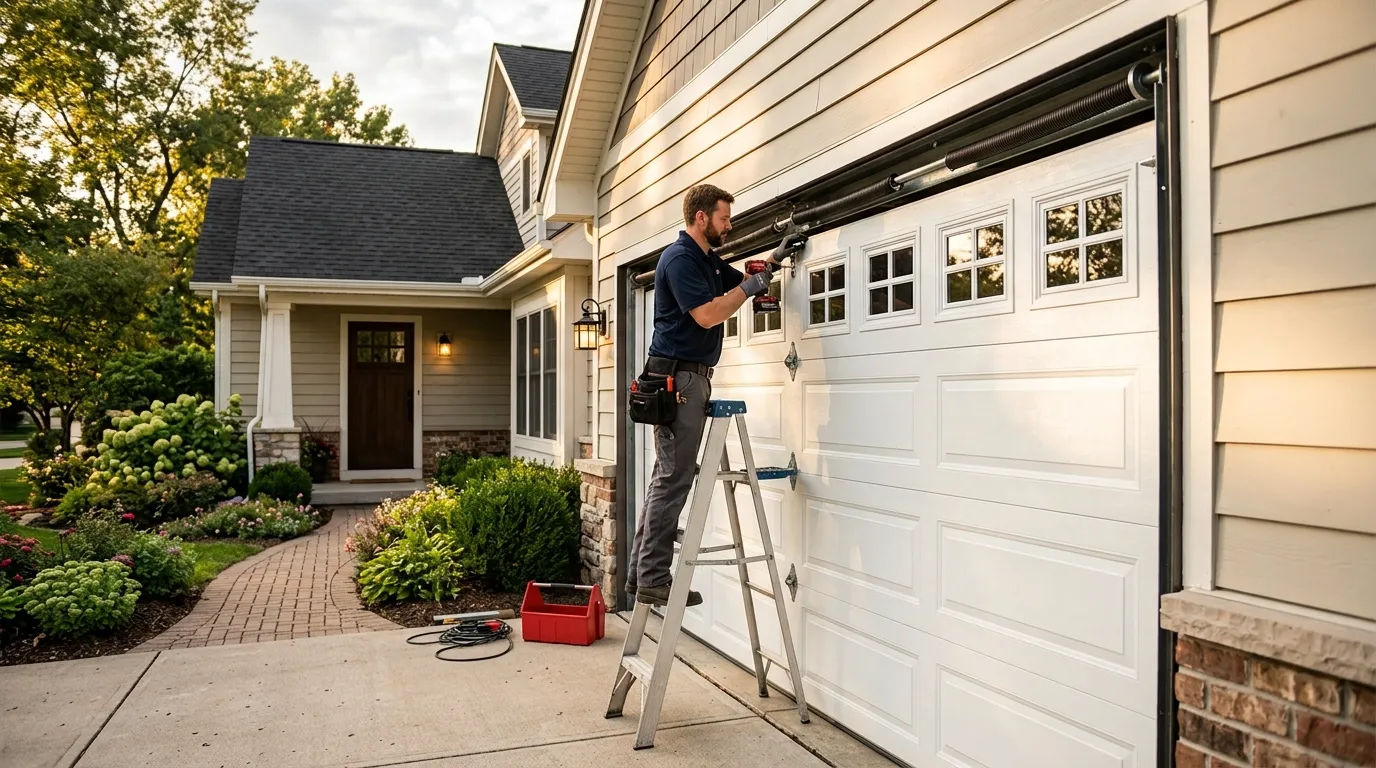
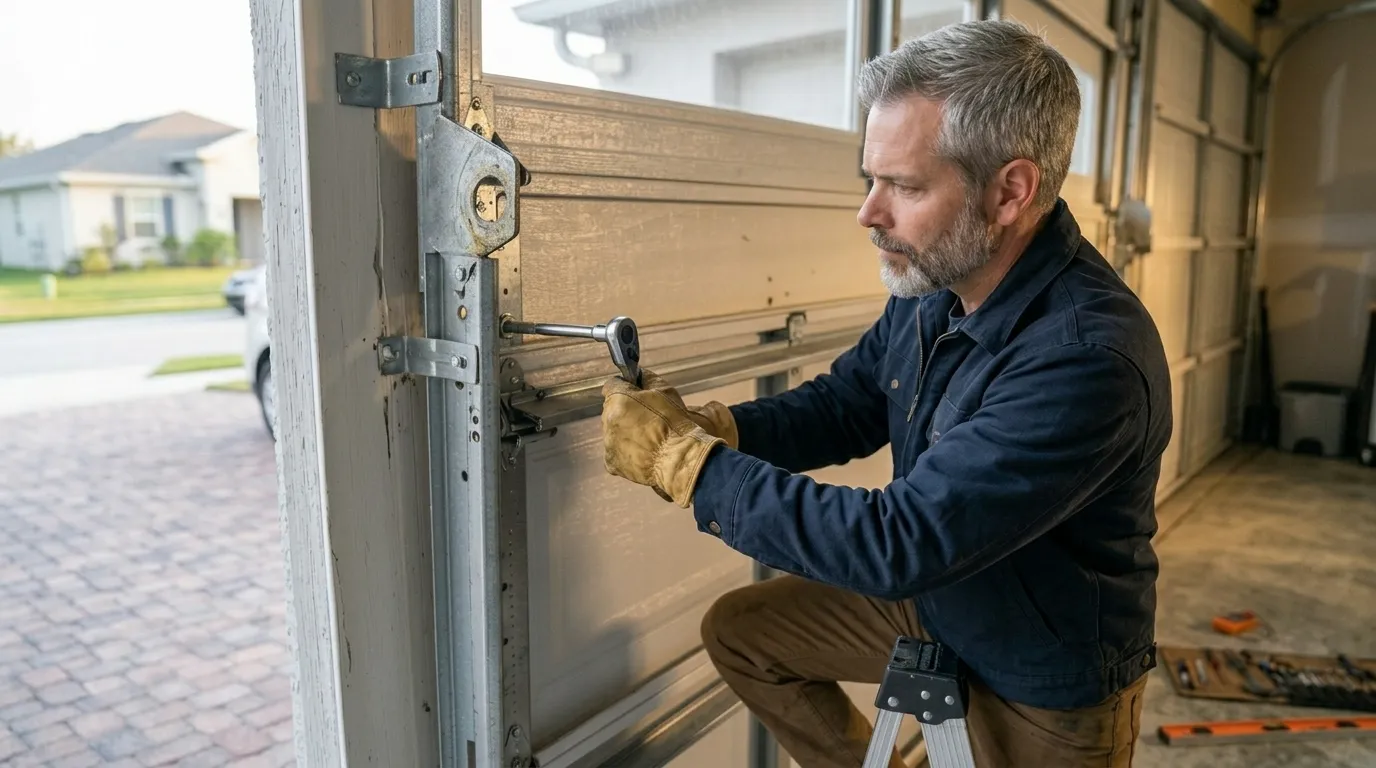
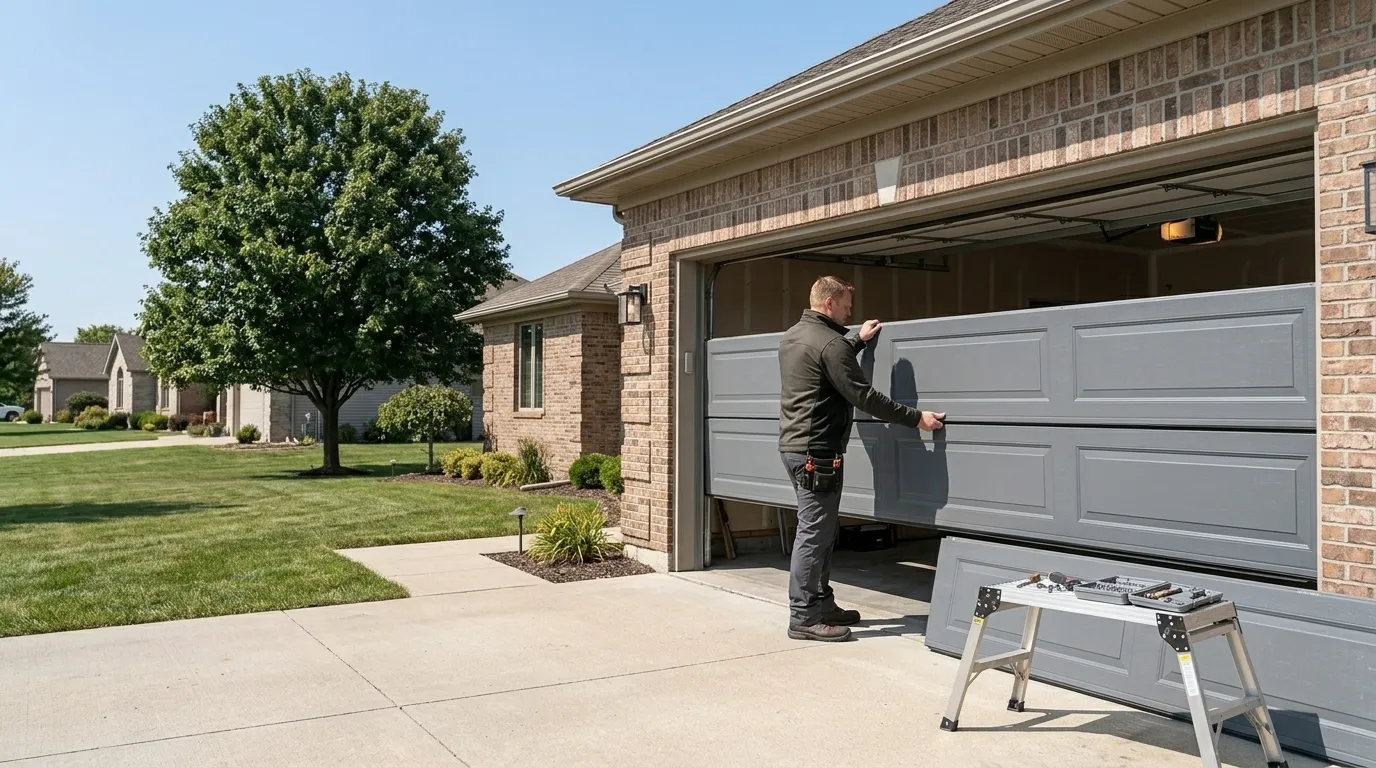
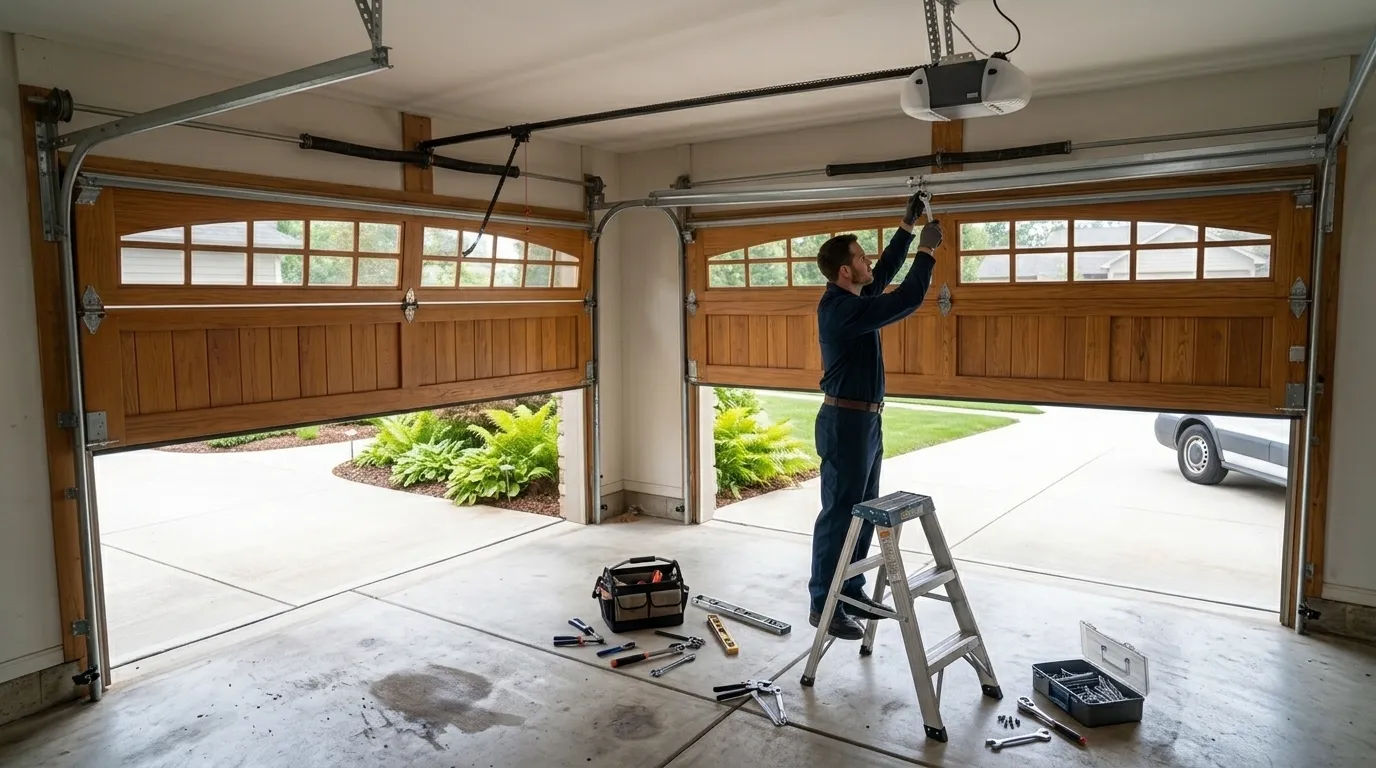
We drive the 8 miles from Morton Grove into Elmwood Park for the same handful of jobs, over and over: a torsion spring that finally gave out after decades of cycling, an opener that grinds instead of lifts, rollers that have worn oval instead of round. Elmwood Park's housing sits a good deal older than the newer construction you find further out in the service area - median build year here runs around 1956, which puts most garages a full generation ahead of the torsion hardware, extension springs, and single-car door widths that shipped standard back then. That age shows up in the calls. We see more original steel doors that were never swapped for insulated replacements, more openers bolted onto joists that were never meant to carry a modern unit's weight, and more hardware that was serviceable in 1975 but has no business holding a door up today. With roughly 9,094 households in the area, there's a steady mix of owners who've done one upgrade at a time over the years and owners who've never touched the original setup. Both call us for the same reason: something finally stopped working right.
What That Means for Doors
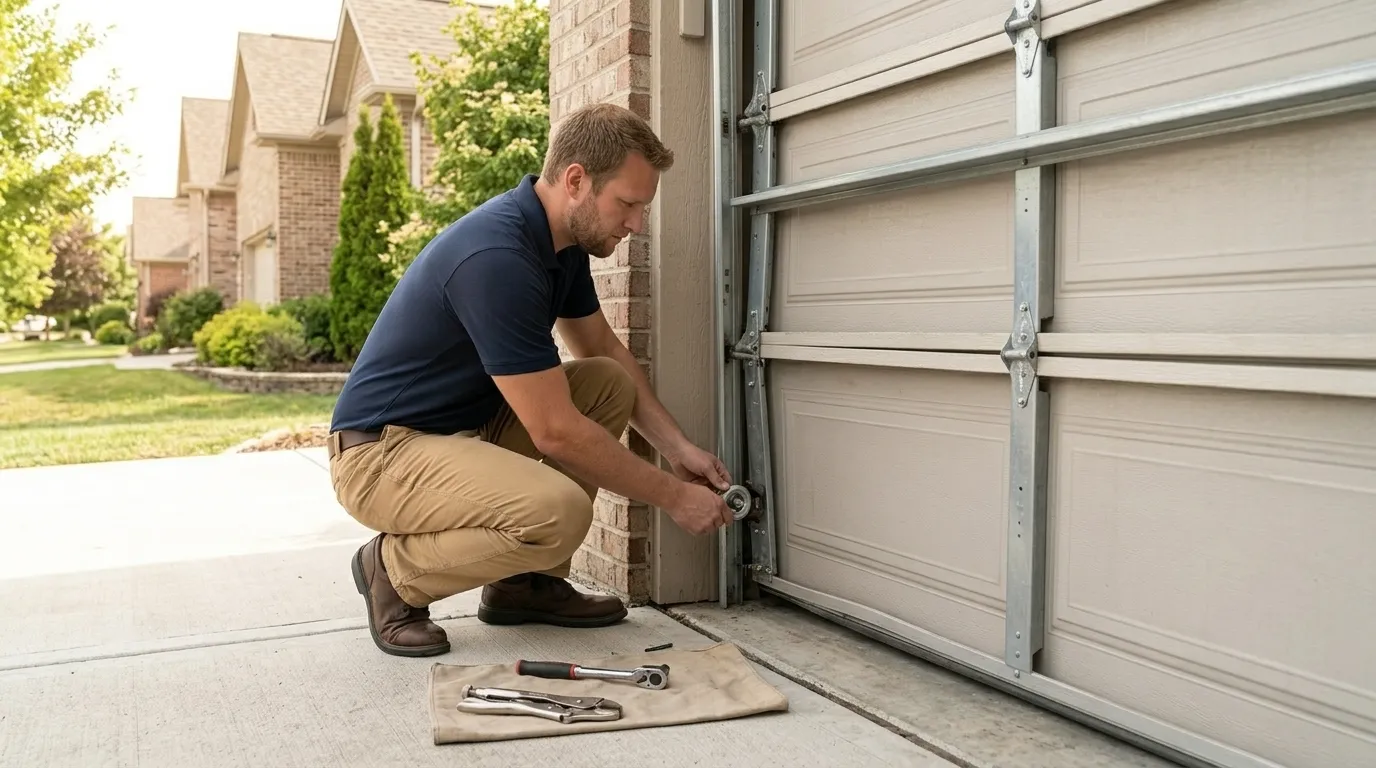
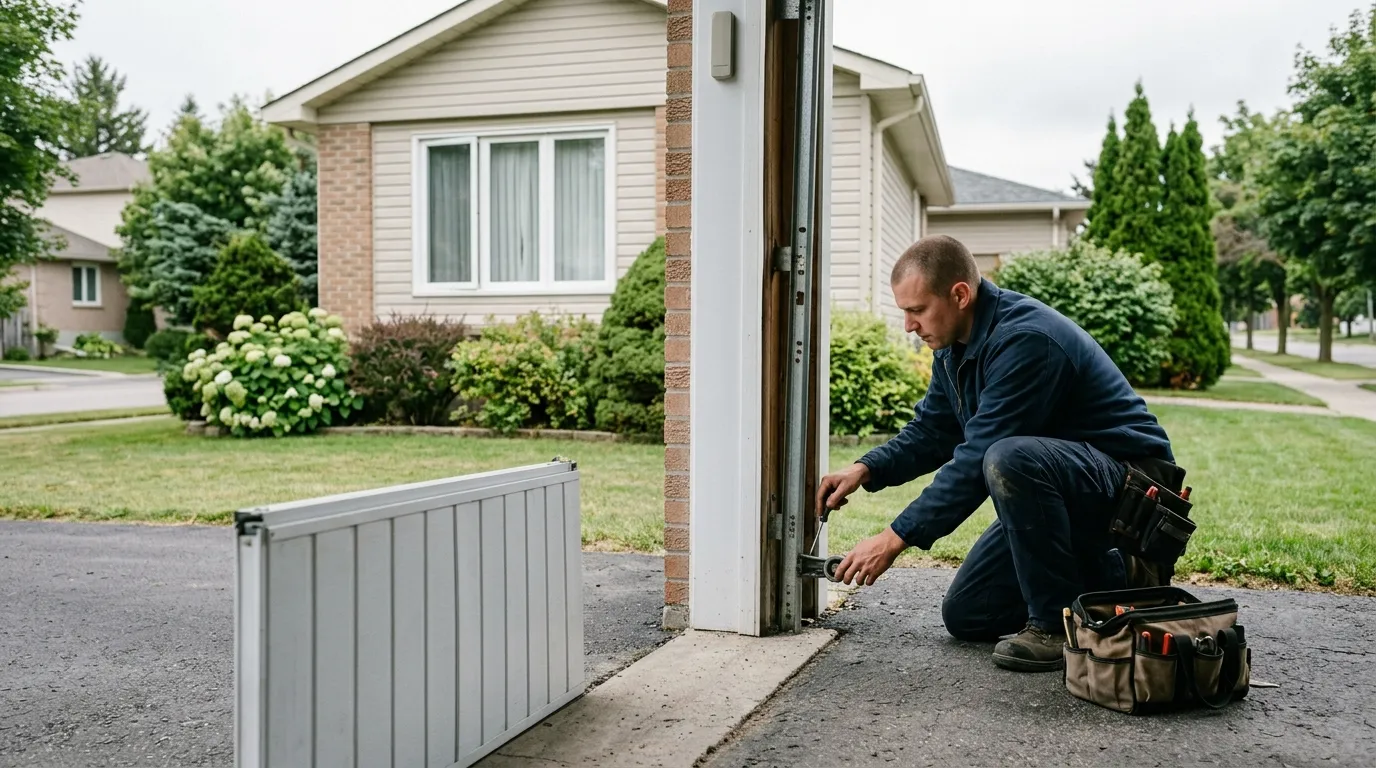
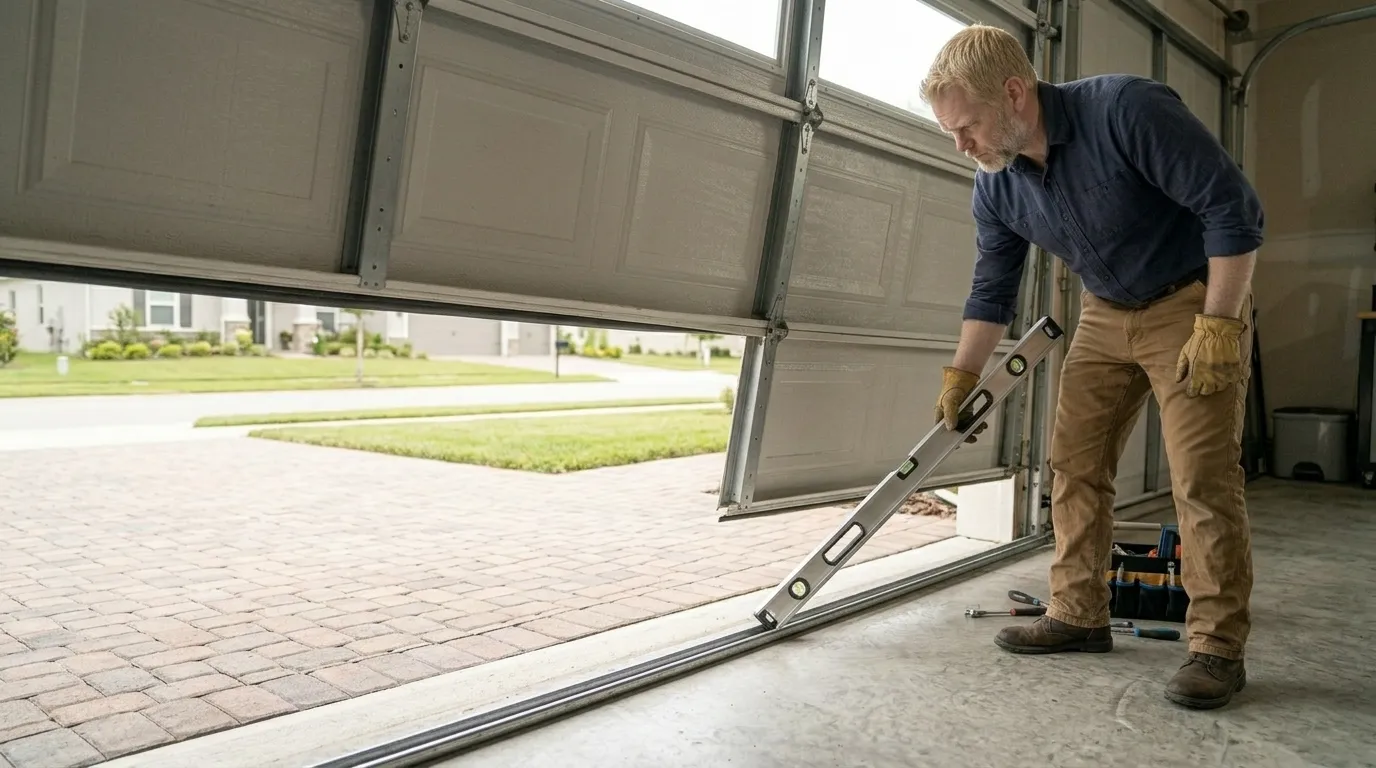
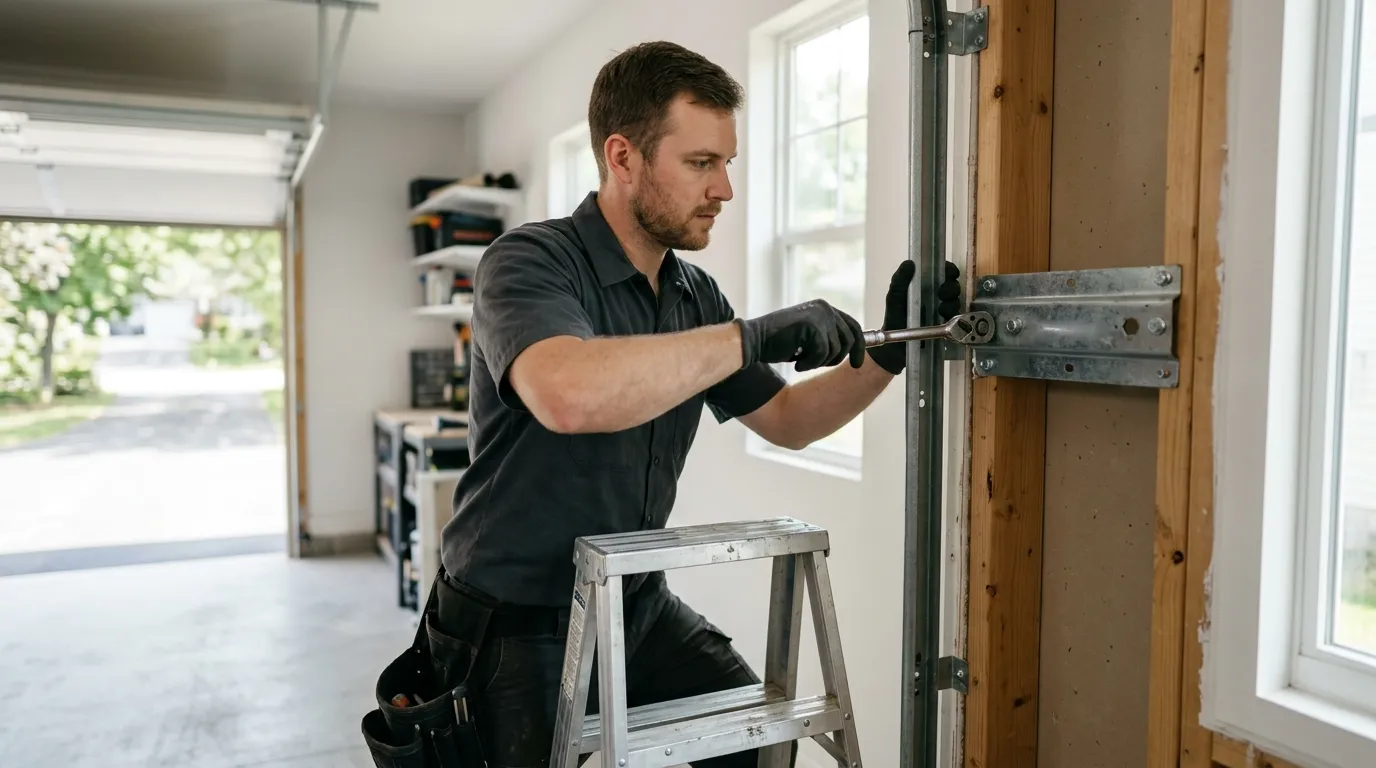
Older openings mean we carry parts sized for older doors, not just whatever's newest on the shelf. A garage built in the mid-1950s often has a header height and track clearance that doesn't match today's default door sizes, so a straight swap-in replacement sometimes needs a bracket adjustment or a different spring rating than what a newer garage would take. Torsion springs on doors this age have usually been replaced at least once already, sometimes with a spring that wasn't quite matched to the door's actual weight - which shows up later as an opener straining on lift or a door that won't stay put at half-open. Cold-weather swings put extra load on that same aging hardware: steel contracts, lubricant stiffens, and a marginal spring or a slightly bent track that was fine in warmer months starts binding when temperatures drop. On a door this old, we're not guessing at generic wear - we're looking for the specific failure points that come with hardware from that era.
Where We Stop
We don't stock every obsolete part for every discontinued door model from the 1950s, and if a homeowner has an original wood-panel door with hardware nobody's made in decades, sourcing an exact match can take longer than the repair itself - sometimes it's simpler and cheaper to replace the whole door than chase a part. We also don't do structural carpentry; if a header or jamb has rotted or shifted enough that the door opening itself needs rebuilding, that's a job for a contractor before we touch the door. And since we run out of Morton Grove rather than keeping a crew stationed in Elmwood Park, same-day availability depends on the day's schedule, not a standing local presence.