24/7 Emergency Service Open 7 days · 7am–8pm Serving Morton Grove, IL & nearby
(224) 353-7707
Morton Grove, IL

What We Look At First on a Morton Grove Call

Morton Grove homes mostly date to the 1960s and 70s. Here's what a technician looks at first, and why the housing stock and cold winters change the checklist.

What We Look At First on a Morton Grove Call

What to Look At First

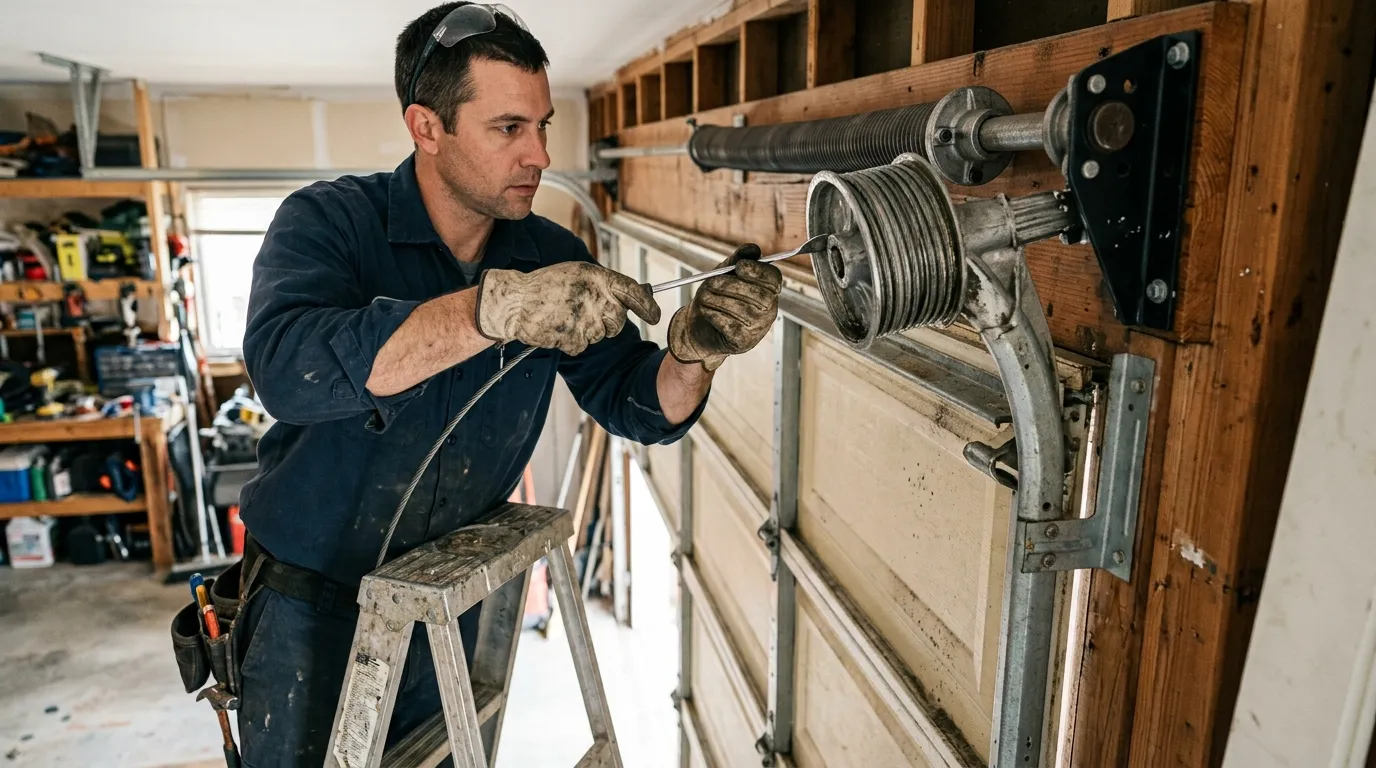
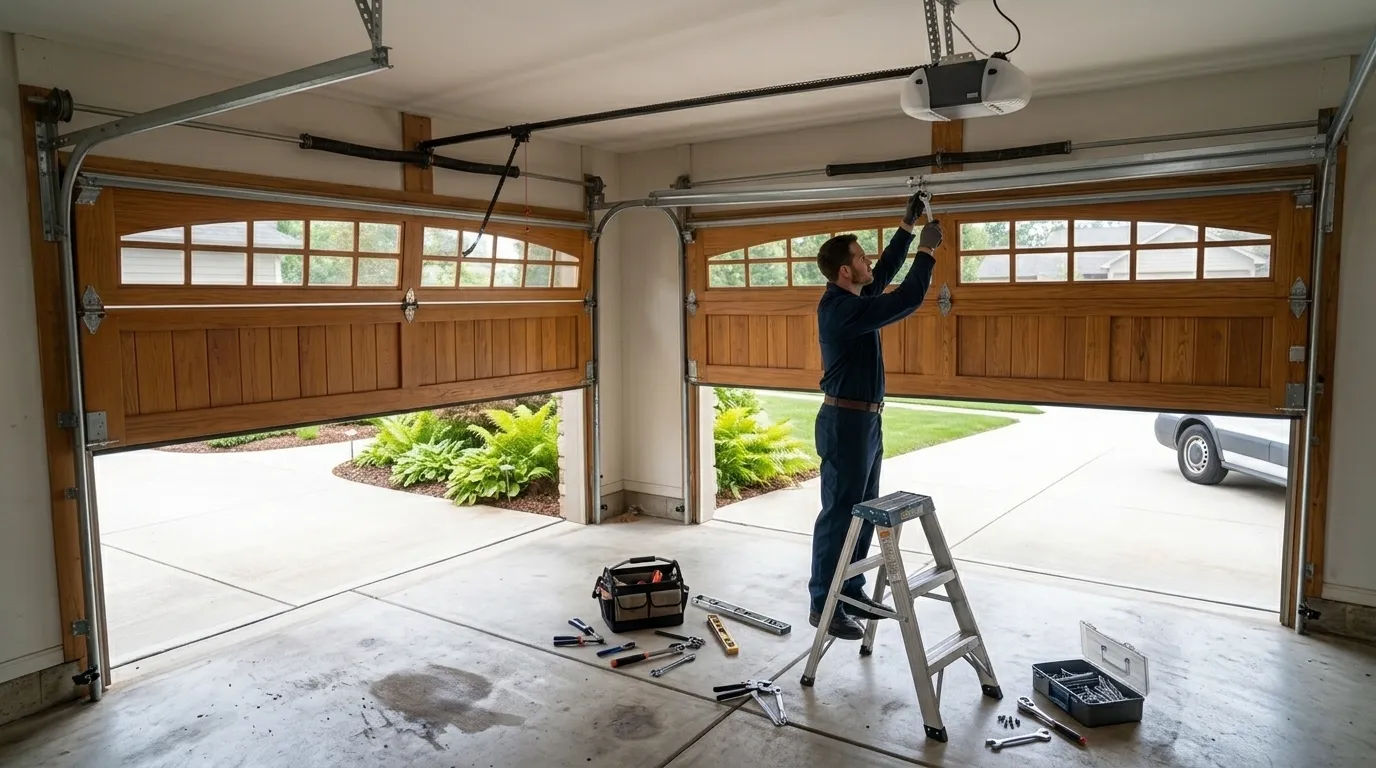
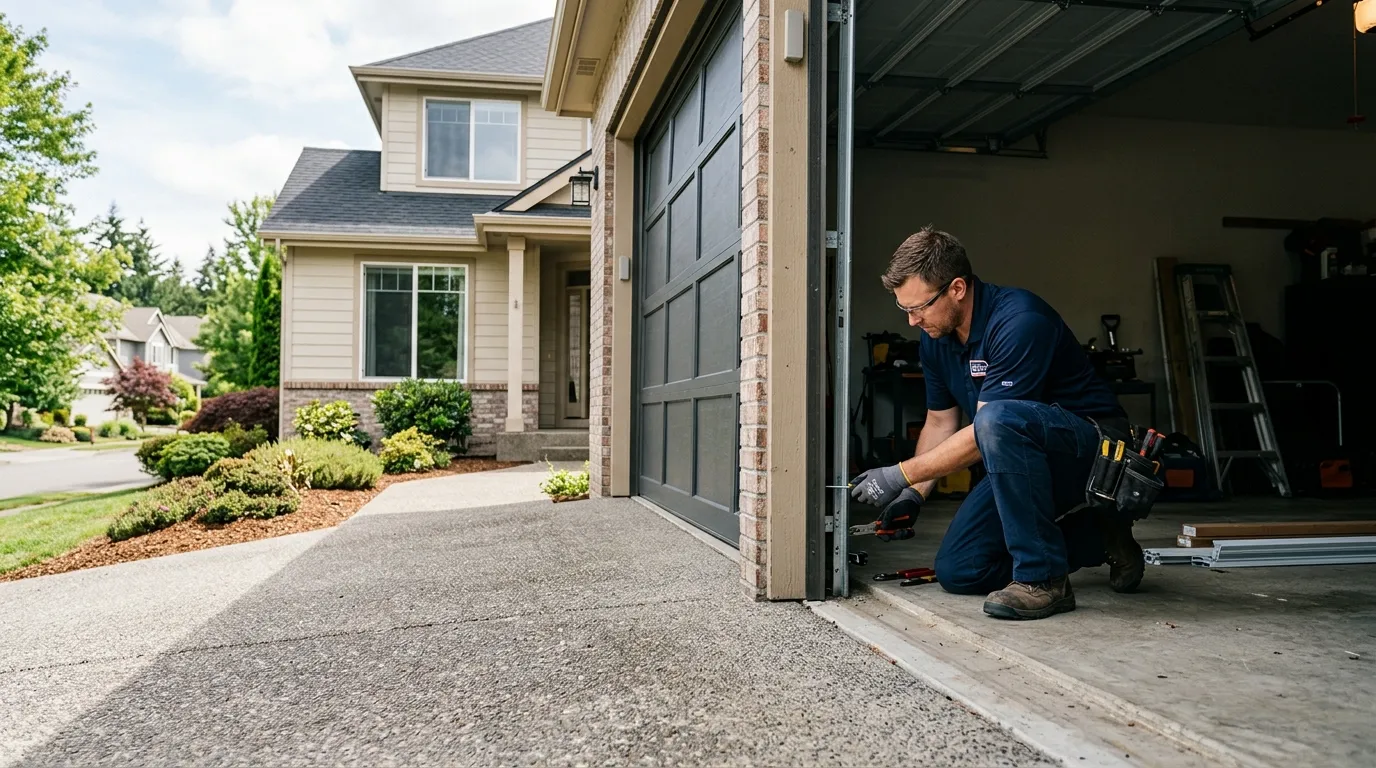
Most houses in this service area, this one included, went up between 1938 and 1996, with the median landing around 1963. That number matters more than it sounds like it should. A door installed when a 1963-built house was new is long gone, but the opener bracket, the track spacing, and sometimes the header framing behind the trim were sized for hardware that isn't what's on the wall today. So the first thing a technician looks at isn't the door face, it's the track alignment and whether the rollers are riding true in channels that may have been reset once or twice over sixty years. Next is the spring. Torsion springs from a mid-century build, if they're original at all, are almost never original at this point, but the mounting hardware sometimes is, and old lag bolts in old jamb wood don't hold the way new ones do. We check for cone wear, shaft play, and whether the center bearing plate has been replaced or just painted over. On a lot of these houses the panel material itself is the tell: steel from a 1970s reface job dents differently than anything sold now, and it changes how we balance the door before we ever touch the opener.

One honest limitation: if the track has been reset more than once, sometimes the cheaper fix is a new track and drum, not a realignment, and we'll say so instead of billing for adjustment time that won't hold.

The Seasonal Bit

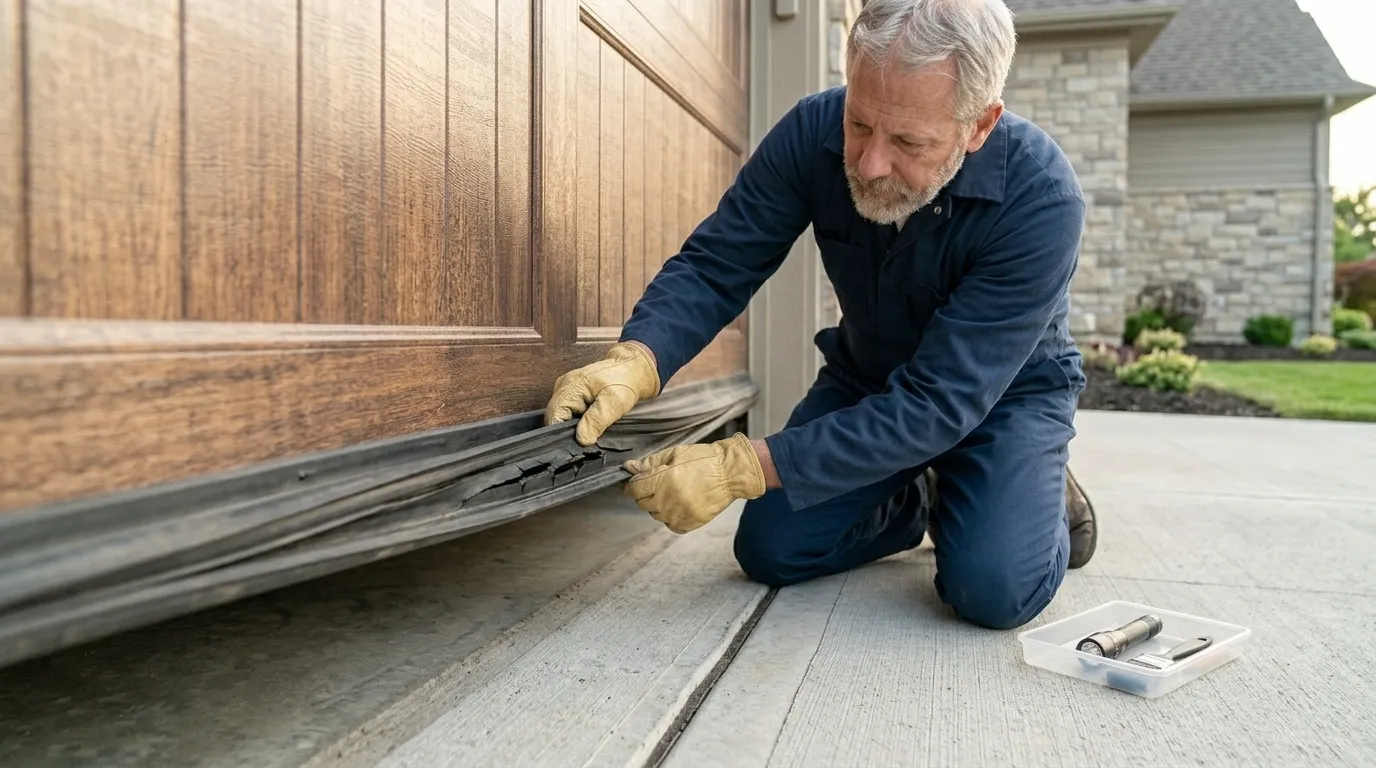
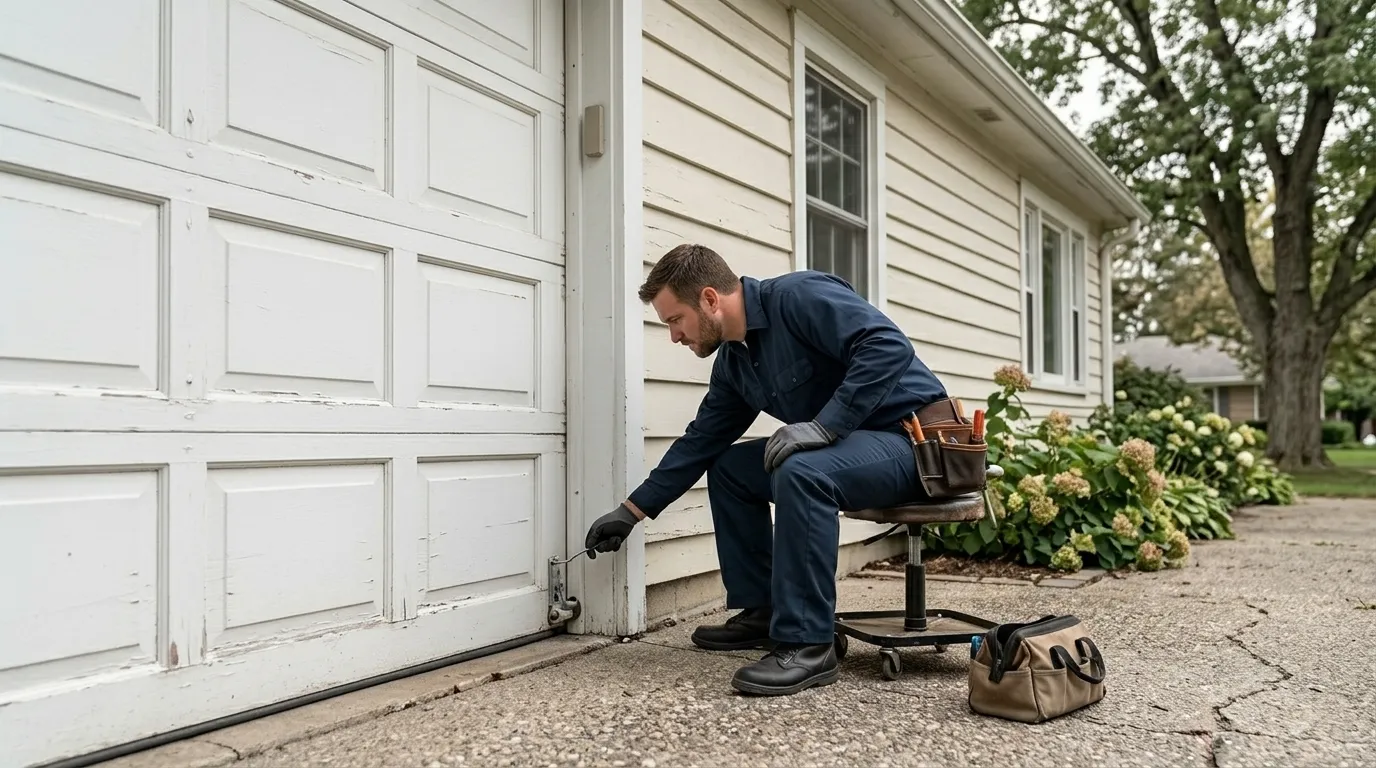
This area sits in a cold moderate climate band, which for garage doors means freeze-thaw cycling matters more than any single cold snap. It's not the ten-below night that breaks things, it's the door that gets wet, freezes shut at the bottom seal, gets forced open anyway, and now the bottom panel has a stress crack that wasn't there in November. On houses from the 1960s and 70s stock common across this area, the weatherstrip channel is often the original aluminum retainer, not the newer vinyl-friendly kind, and it doesn't seat a fresh seal well. We check that channel before we sell anyone a new astragal, because a good seal in a bad channel just tears again by February.

Springs lose tension in cold weather too, not permanently but enough that a door balanced in July can feel heavy in January. If a customer calls saying the door got harder to lift over the winter, that's usually not a broken spring yet, it's a spring that needs a quarter-turn adjustment for the season, and we check that before assuming a full replacement is needed.

How Local Conditions Play In

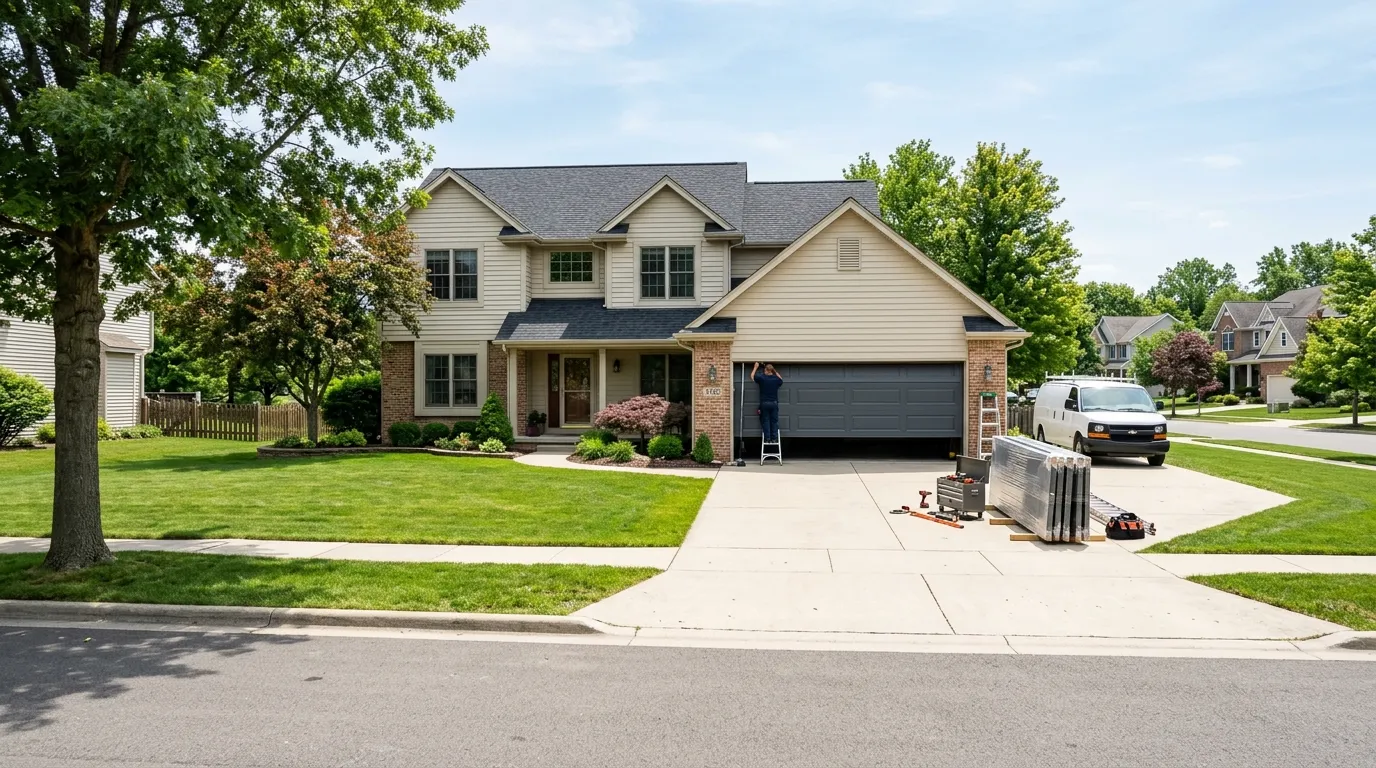
Morton Grove sits close to Golf, about a mile off, with Niles-adjacent and North Shore suburbs like Kenilworth, Winnetka, and Glencoe within five or six miles. That density of older, established suburbs means a lot of the housing stock going into garages here was built in the same construction eras and often by the same regional builders, so the same hardware quirks show up house after house on a block. It's not unusual for a technician to walk into three calls in a week on the same street and see the same original track bracket pattern.

Household income across the service area runs a median around $105,995, and what that tends to mean in practice is more two-car and finished garages than single-bay afterthoughts, more openers upgraded ahead of the door itself, and more insulated panel doors added later as a retrofit rather than a full remodel. That mismatch, a newer opener bolted to a much older door, is one of the first things we check for, since it's often the actual source of a noise or force complaint that gets blamed on the door.

What Is Going On

Put it together and most service calls in Morton Grove come down to the same root cause: hardware and structure from a 1963-median build carrying loads and weather it wasn't matched to today. That's not a criticism of the houses, it's just what sixty-plus years does. A technician checks track and roller wear first because that's where age shows fastest, checks the spring and its mounting second because cold cycling stresses it hardest, and checks the seal and opener match last because those are usually the retrofit layer sitting on top of the original structure.

We don't push full door replacement on the first visit unless the panel or track damage makes repair pointless, and sometimes it does. But on a lot of these calls, the fix is smaller than people expect: a realignment, a seasonal spring adjustment, a new weatherstrip in a channel that's actually sound underneath. Knowing which one it is starts with knowing what era of house you're standing in front of, not just what the door looks like.
How it works

From “it’s stuck” to “it’s fixed”

Tell us what’s wrong - Morton Grove garage door service

Tell us what’s wrong

Describe the symptom - won’t open, loud bang, opener runs but the door won’t move.

On-site diagnosis - Morton Grove garage door service

On-site diagnosis

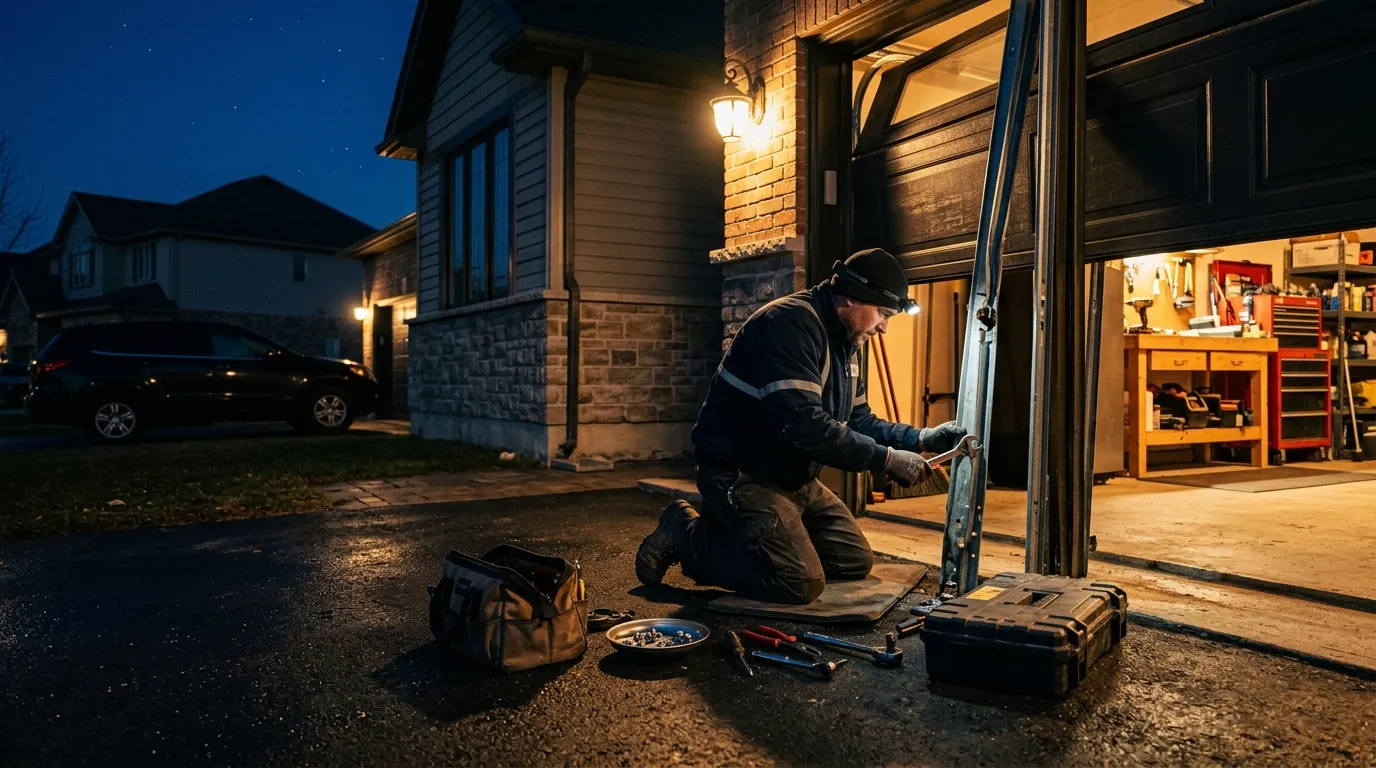
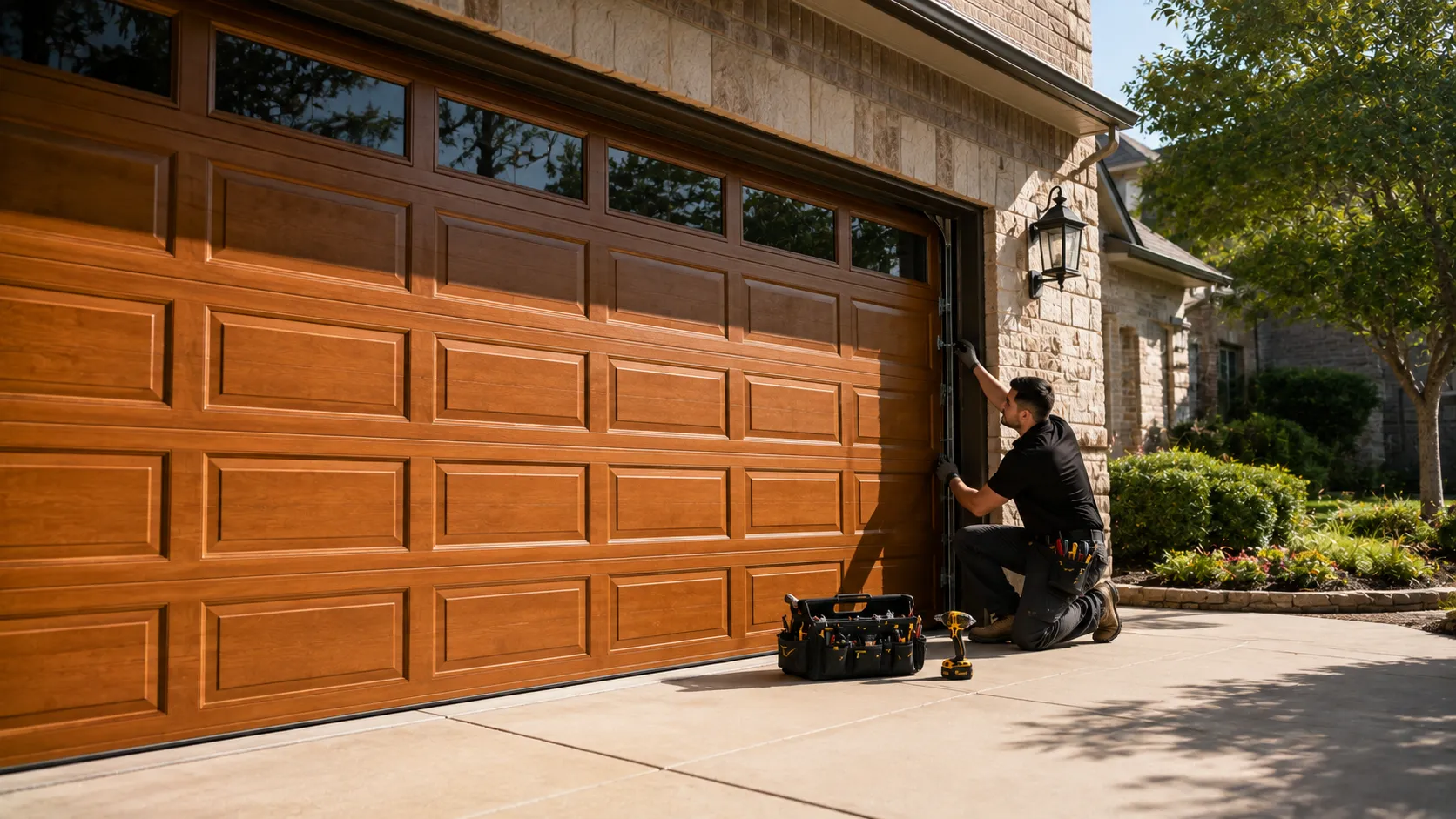
A technician tests the door under power and by hand and finds what actually failed.

Clear, up-front plan - Morton Grove garage door service

Clear, up-front plan

You get the fix that’s needed and what drives the cost - before any work starts.

Repaired & tested - Morton Grove garage door service

Repaired & tested

The repair is done, the door is set true and tested, and the work area left clean.

Serving Morton Grove, IL - tell us what your door’s doing and we’ll take it from there.

How we work

What to expect

Diagnosis firstEvery visit starts by finding what actually failed - not a pre-written parts list.
The right part for the doorSprings and openers matched to the door’s weight and age, so the fix holds up.
Straight answersWhen a repair makes more sense than a replacement - or the reverse - you hear it plainly.
Clean, careful workTension released safely, hardware set true, the door tested under power before we leave.
Questions

Frequently asked

Straight answers about garage door repair in Morton Grove. Still unsure? Ask us directly.

Why does my garage door get harder to open in the winter?

Torsion springs lose a bit of tension as temperatures drop, so a door balanced for summer can feel noticeably heavier in January. It's usually a quarter-turn spring adjustment, not a sign the spring is failing. We check tension before recommending a replacement.

My house was built in the 1960s, is the garage door original?

Almost never the door itself, but sometimes the track brackets, header framing, or mounting hardware are original to a build from that era. That's part of what we look at first, since old hardware under a newer panel changes how we balance and repair the door.

Is a bottom seal replacement worth it before winter?

Often yes, but only if the retainer channel underneath is still sound. On older aluminum channel types common in this area, a new seal can tear again quickly if the channel itself is worn, so we check that first rather than just swapping the seal.

Ready to get your garage door sorted?

Tell us what it’s doing and where you are in Morton Grove - we’ll take it from there.

Request a QuoteCall