What to Look At First
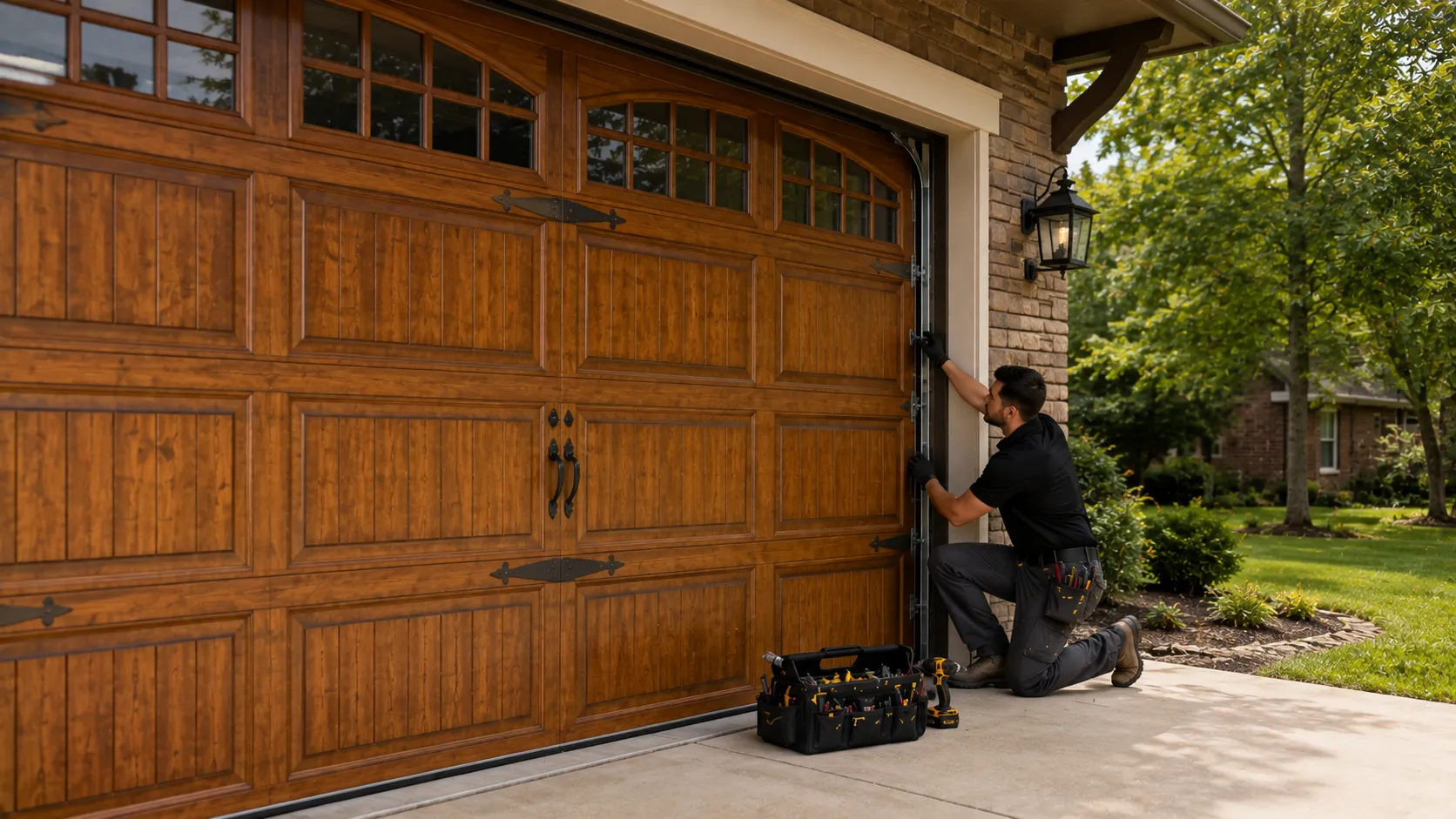
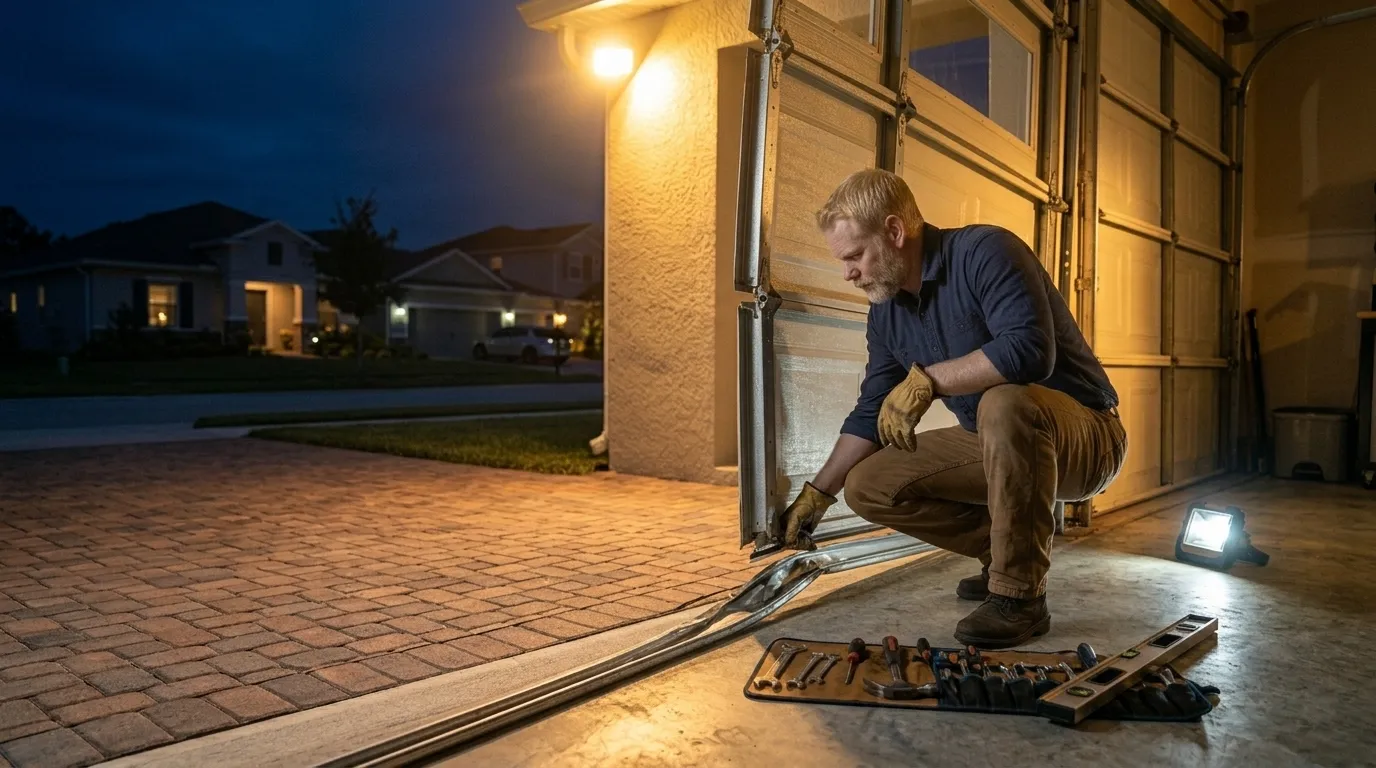
Morton Grove's housing stock mostly went up between 1938 and 1996, with the median build year sitting around 1963. That matters because a door built for a house from that era is usually running on hardware that's been replaced once, maybe twice, but the track alignment and header framing are original. If your door makes a rhythmic thump as it travels, start at the rollers - on a house this age, the track brackets have had sixty-plus years of seasonal wood movement behind them, and a bracket that's crept a quarter inch will knock every single cycle.
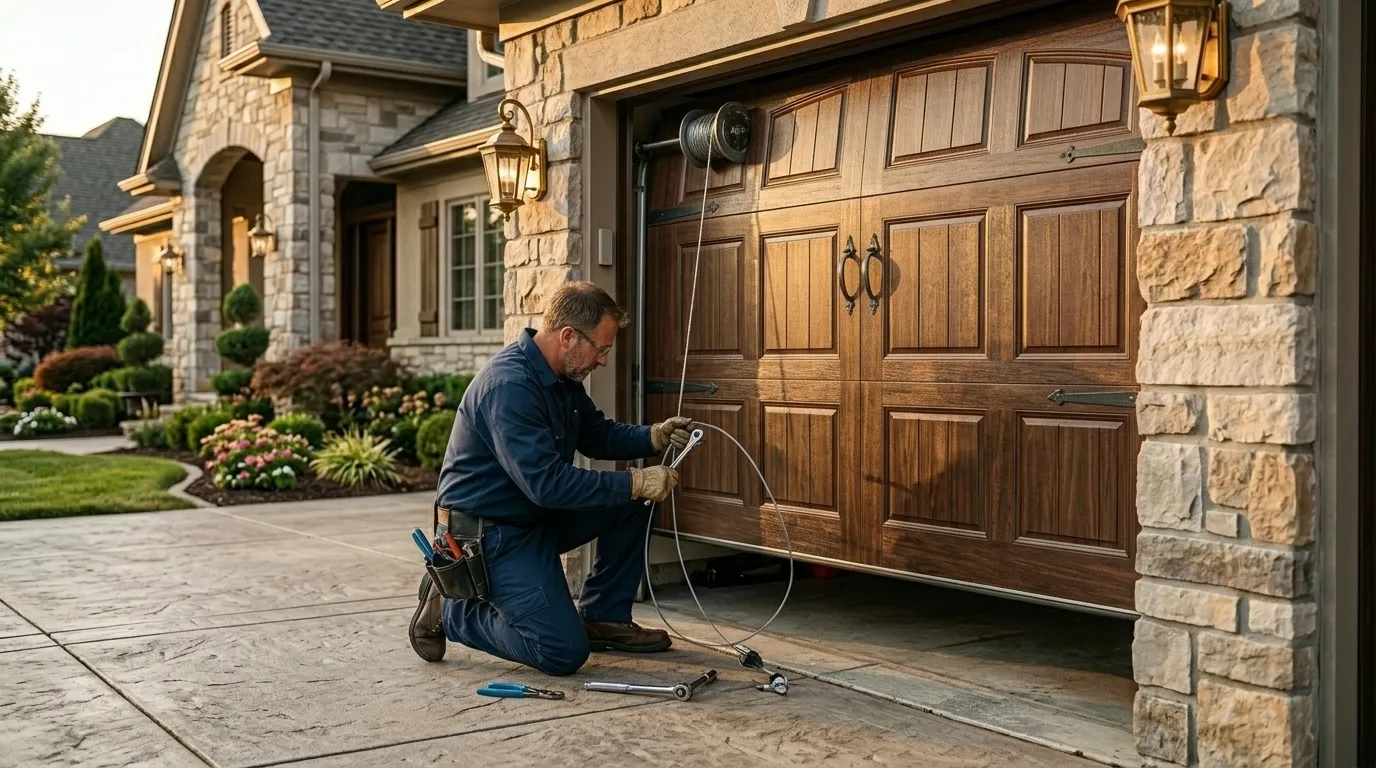
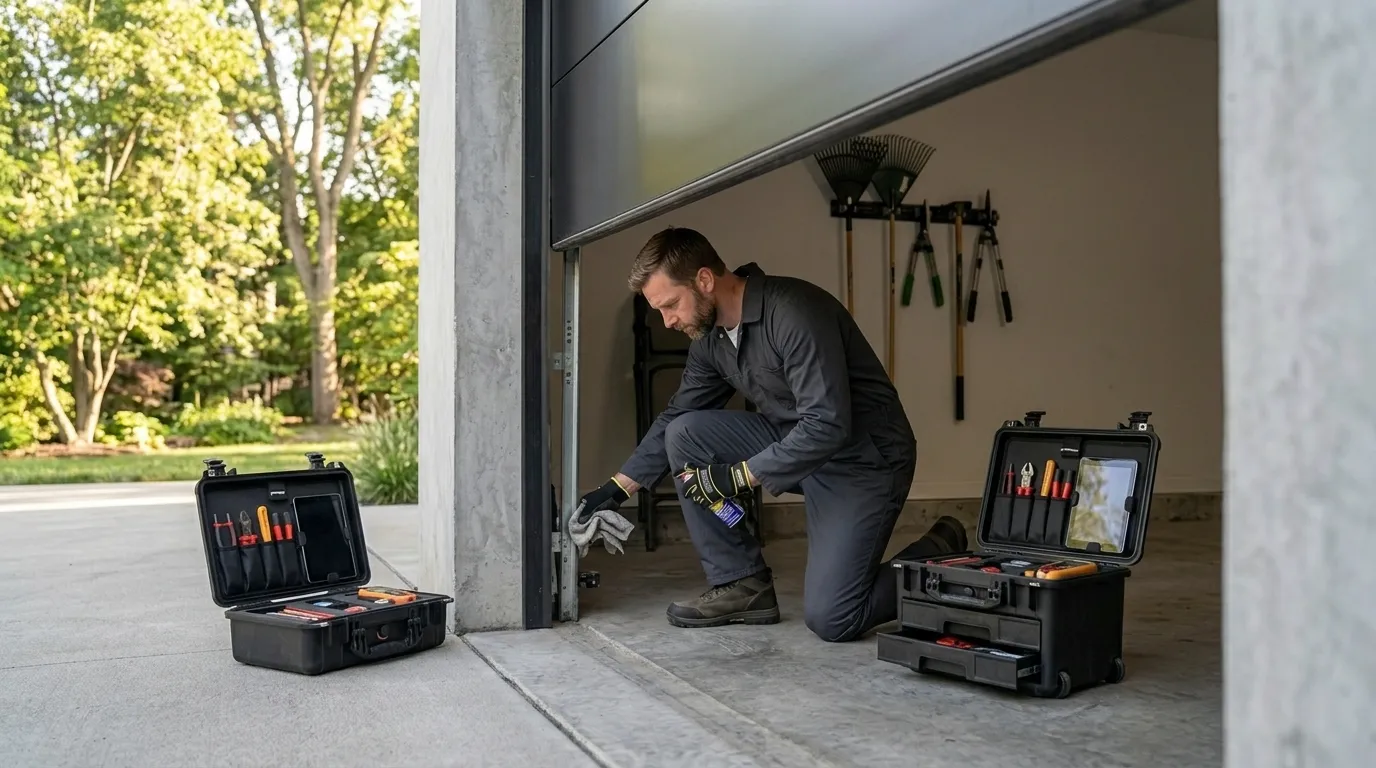
A sharp bang on opening, once, usually means a torsion spring giving out - common on the same original-era hardware still found across a lot of the 1960s-70s stock in this part of the region. A slow grinding sound as the door climbs is almost always a dry or worn roller, not the opener itself, and it's the cheapest thing on this list to fix.
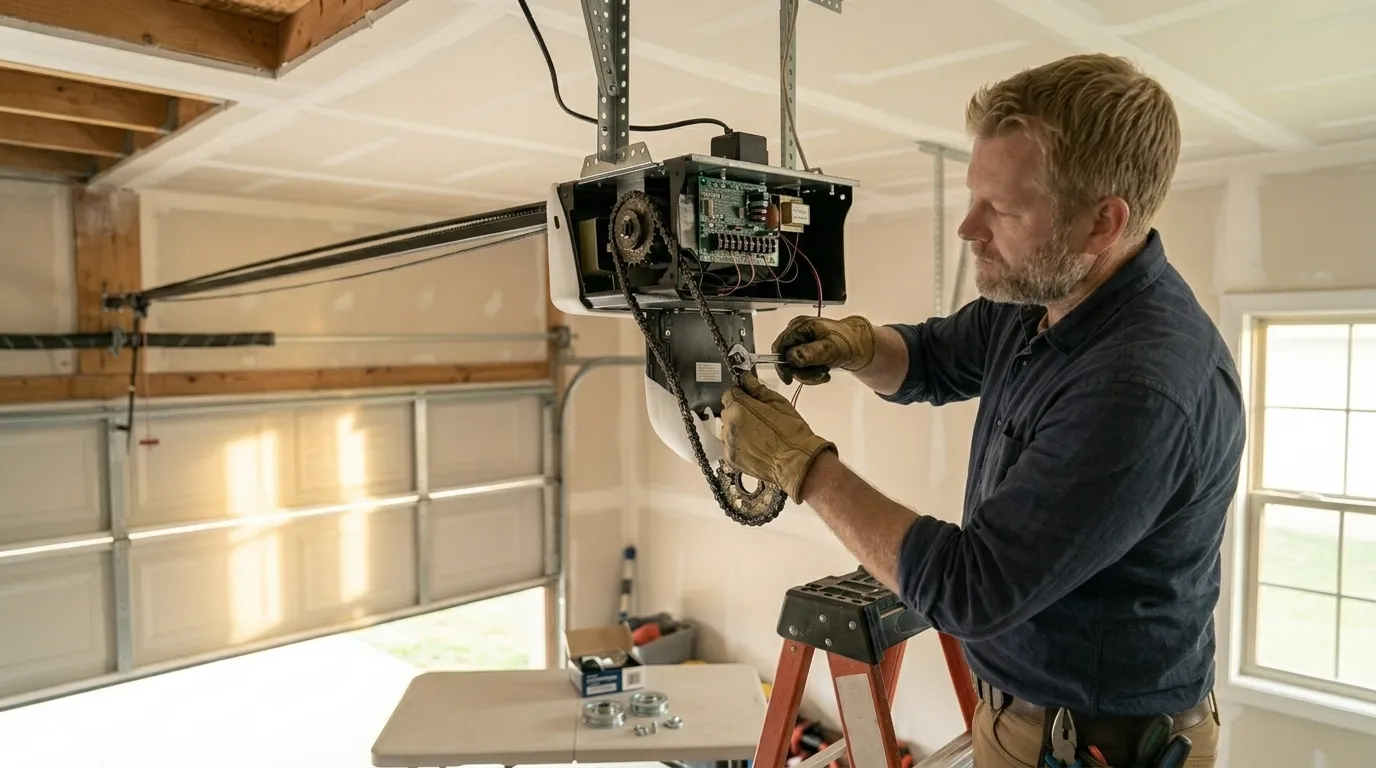
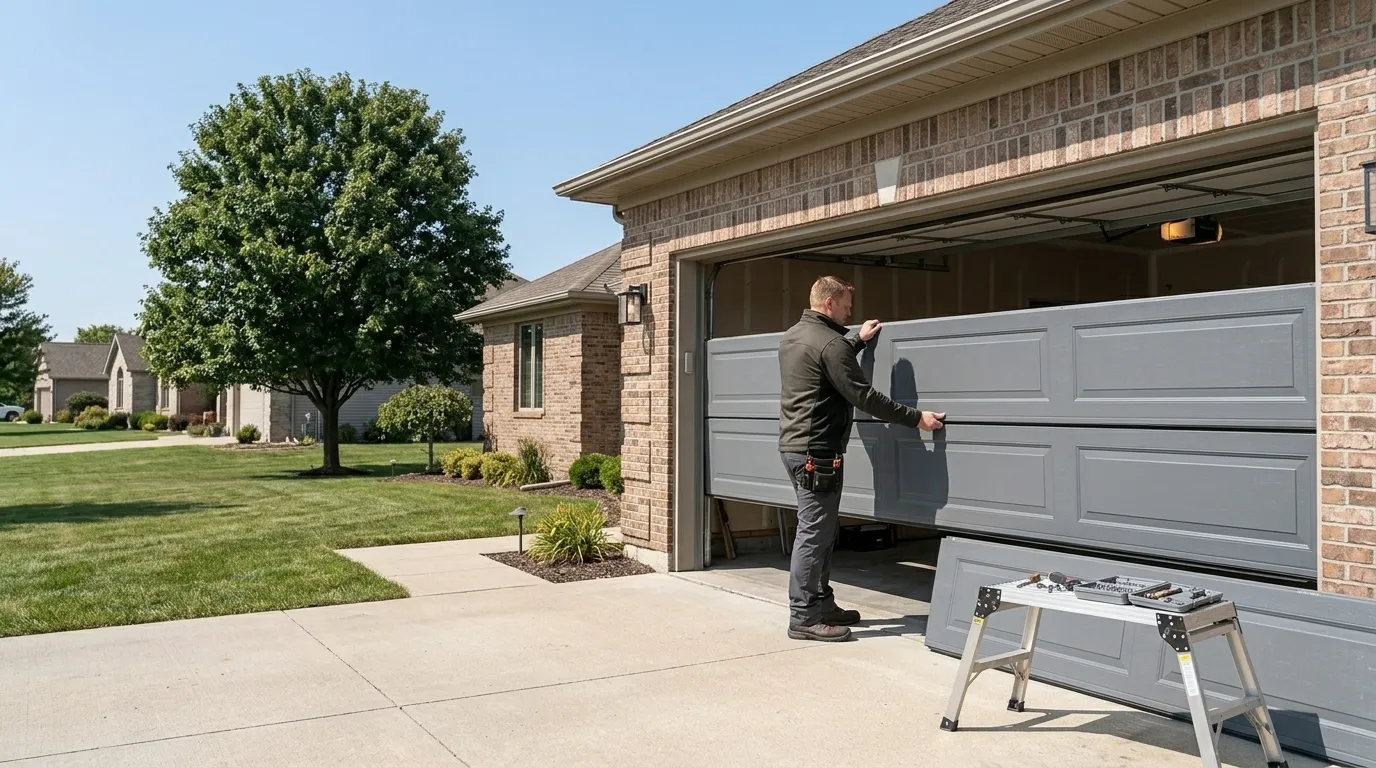
What we won't do is tell you every noise means a new door. On a house from this build era, half the calls we get are a $40 roller and hinge job, not a $1,200 replacement. If your panels are still straight and the track isn't bent, fixing beats replacing almost every time.
How Local Conditions Play In
With a median household income around $105,995 across the service area and a housing mix that's mostly owner-occupied - roughly 120,486 owner-occupied houses out of 236,623 households in the broader area - a lot of these garages get real daily use: two vehicles, a workshop corner, maybe a freezer. That kind of use on hardware that's decades old is exactly where noise shows up first.
A door cycled twice a day for sixty years has gone through tens of thousands of open-close cycles on springs and cables that were never meant to last forever. The 1960s-70s stock common across this area typically used torsion spring setups that were solid for their time but aren't rated for the cycle counts a modern double-income household puts on a door now. When we get a call about a new rattle in a garage that's been quiet for years, it's often just that the hardware finally hit its cycle limit - not that anything was installed wrong.
The honest limit here: we can diagnose most of this over the phone, but a spring replacement on original 1960s hardware sometimes needs a part we have to order, since the drum sizes on older torsion setups don't always match what's on the shelf today.
What Is Going On
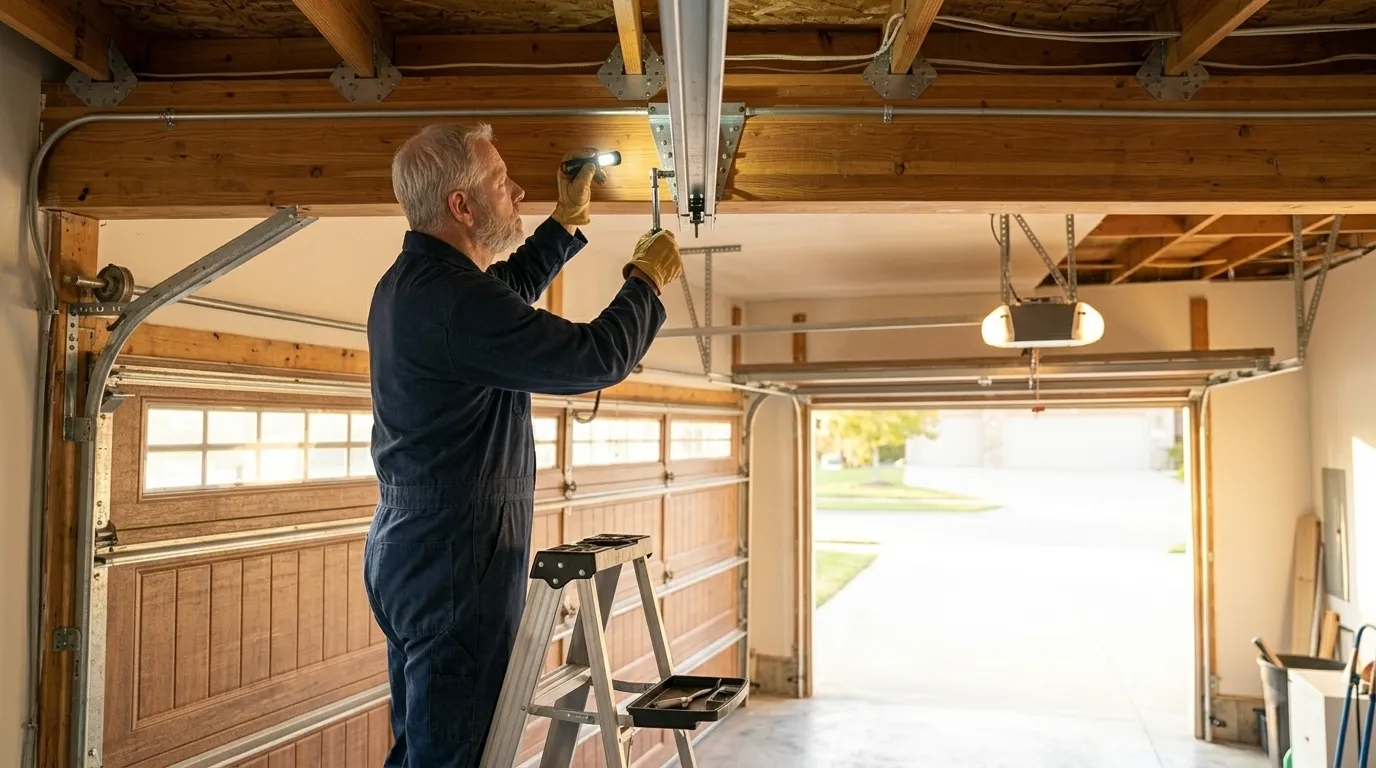
Put it together and the pattern in Morton Grove is pretty consistent: original-era hardware, a real winter, and daily use adding up to noise that's diagnosable rather than mysterious. A knock is almost always a bracket or roller. A bang is almost always a spring. A grind is almost always dry hardware. A tick in cold weather is the one we tell people not to ignore, because that's cable wear talking before it becomes a snapped cable.
We're not going to tell you every sound needs a truck out. If the door still opens smooth and level and the noise is a dry-roller grind, a can of the right lubricant and a Saturday morning might solve it. But on a house from the 1960s or 70s running its original torsion spring through a Chicago-area winter, that bang or that tick is the door telling you something real, and it's worth a look before it becomes a door that won't open at all.