What Causes It Around Here
Morton Grove's housing stock runs from 1938 to 1996, with the median build year sitting at 1963 and most of the neighborhood dating to the 1960s and 70s. That matters more than people think. A door and opener installed on a house built in that window has usually been through two or three replacement cycles already, but the torsion spring hardware and track mounts are often the originals, or close to it, because nobody thinks about a garage door until it stops working.
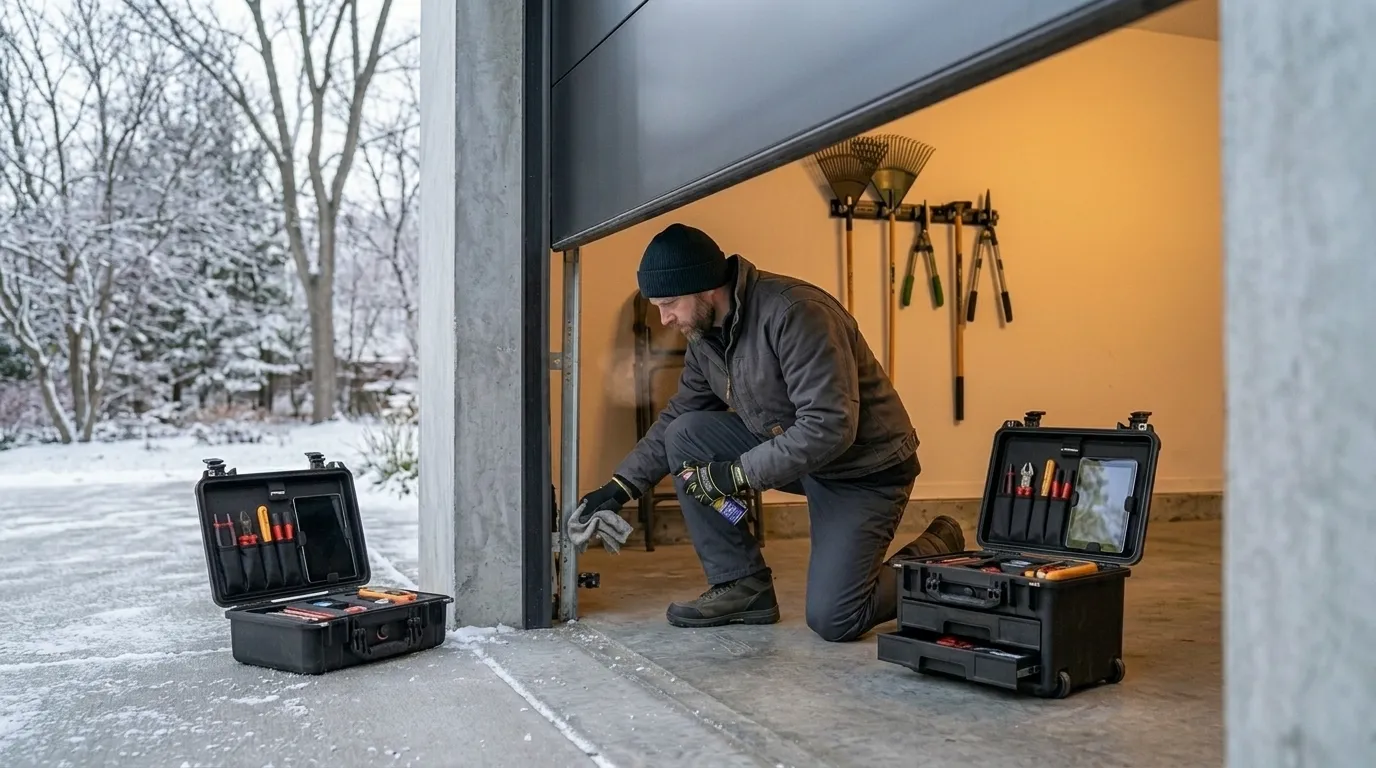
The cold moderate climate here doesn't help. Steel contracts in the cold, grease inside bearings and rollers stiffens up, and a spring that was already fatigued from forty-plus winters of cycling loses tension faster than one in a milder climate would. On a lot of these 1960s-era garages, that shows up as a spring that finally lets go on a January morning, or an opener that strains and clicks trying to lift a door that's heavier to move than it should be.
We see this pattern block after block in Morton Grove because so much of the town was built in that same narrow twenty-year stretch. It's not a coincidence when three houses on the same street have the same failure in the same season - the doors are the same age.
How We Fix It
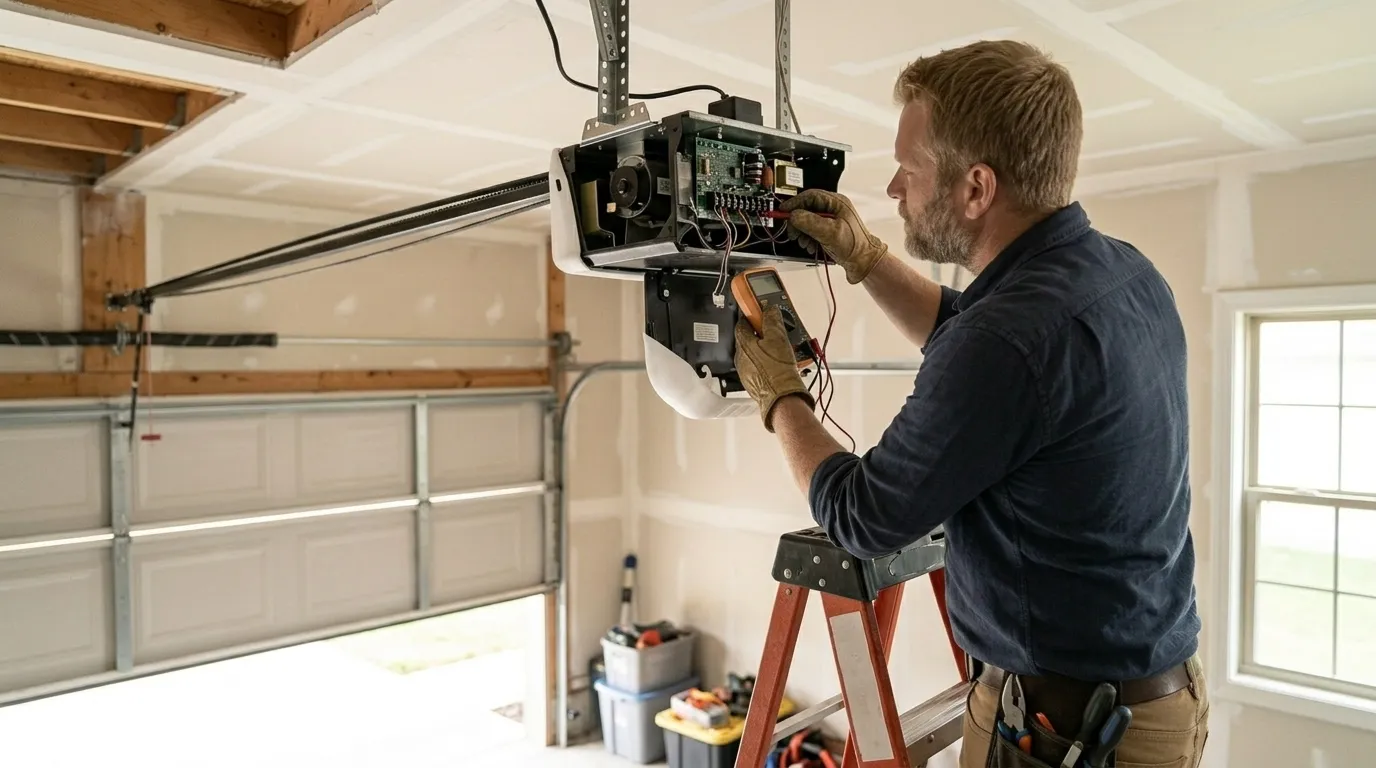
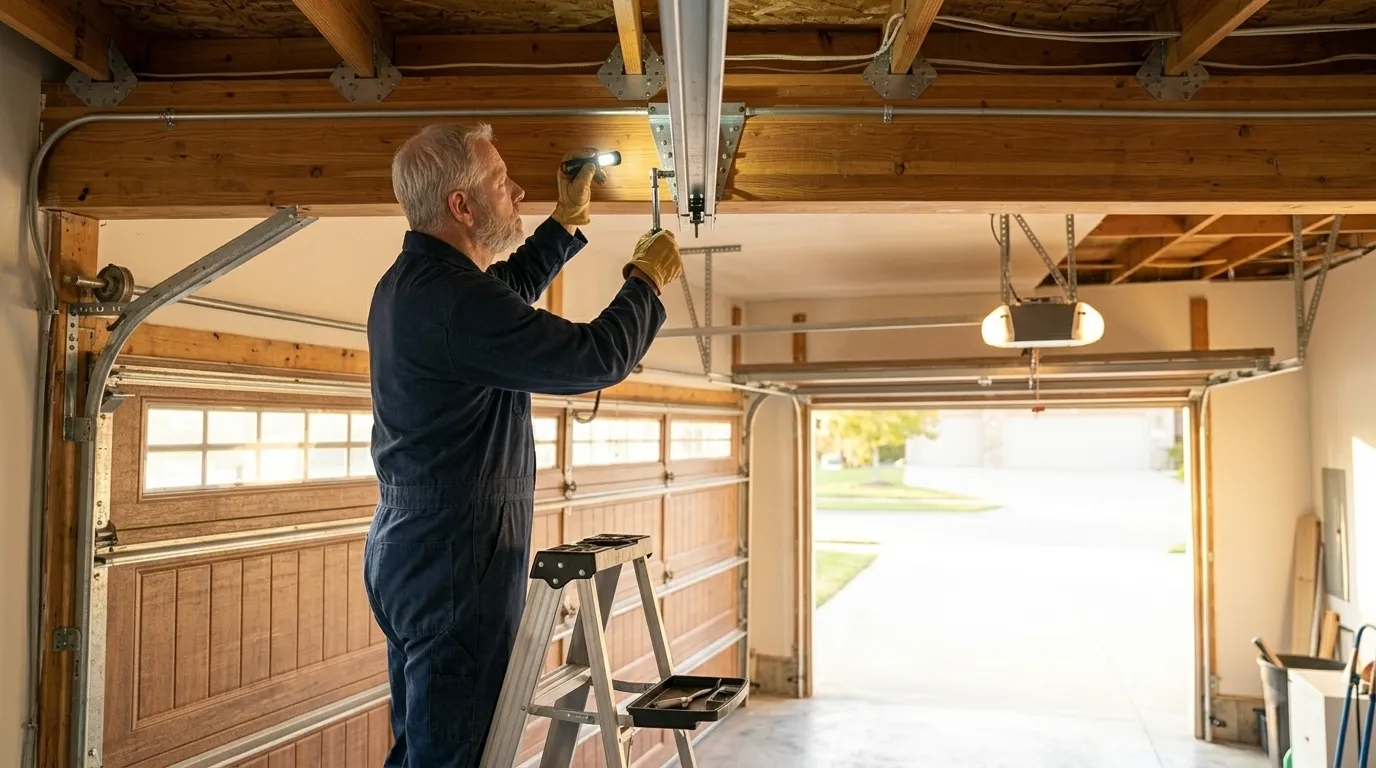
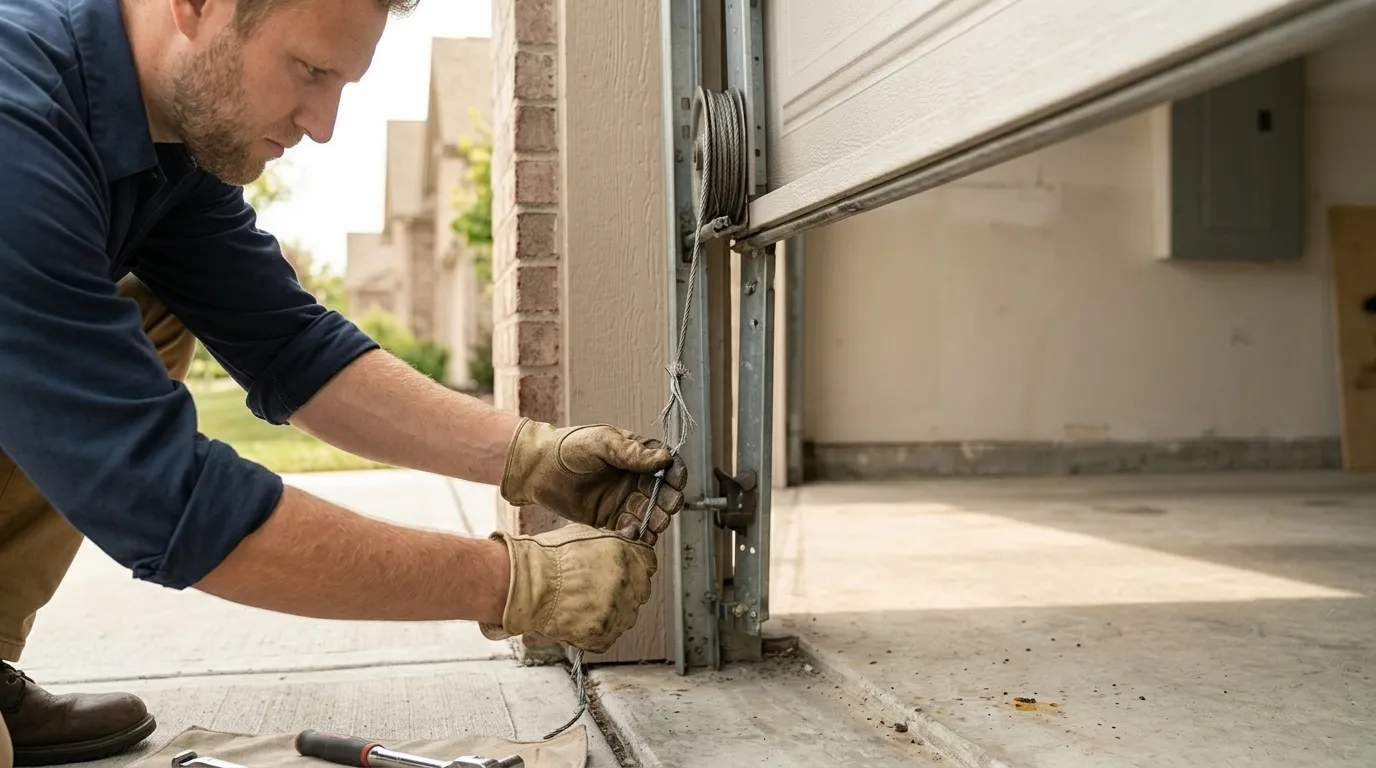
We start by pulling the door manually and checking spring tension, cable wear, and roller condition before touching the opener. On a house from Morton Grove's typical 1960s-70s build era, that's usually where the actual fault lives, not in the electronics people assume are broken.
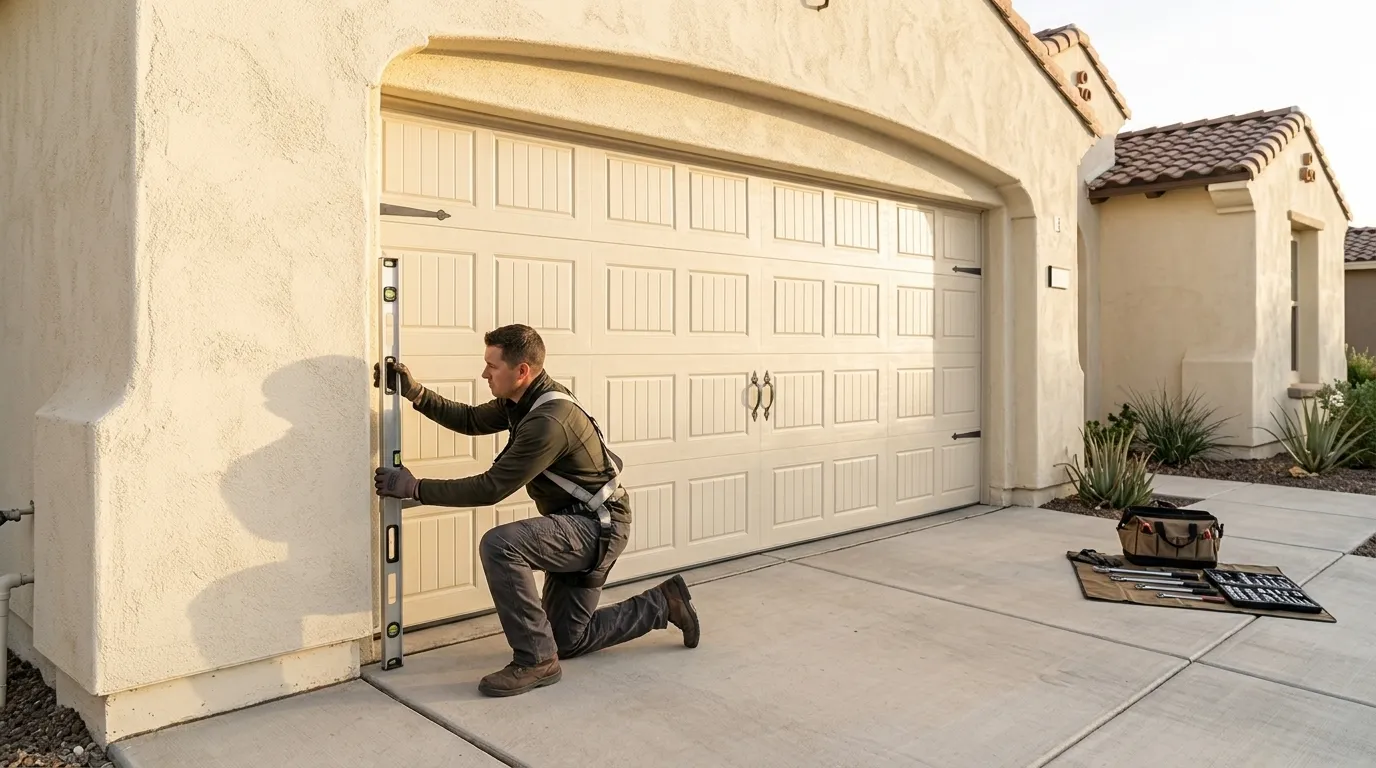
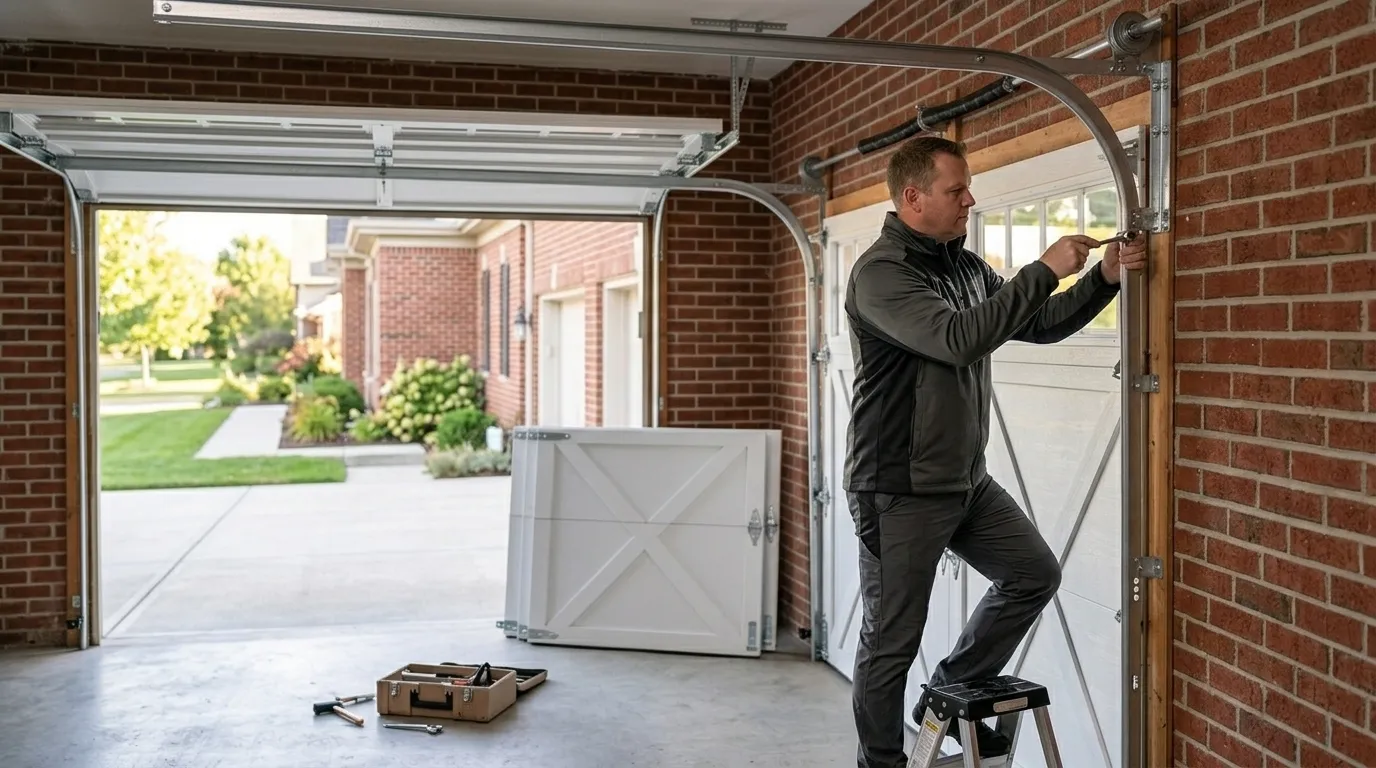
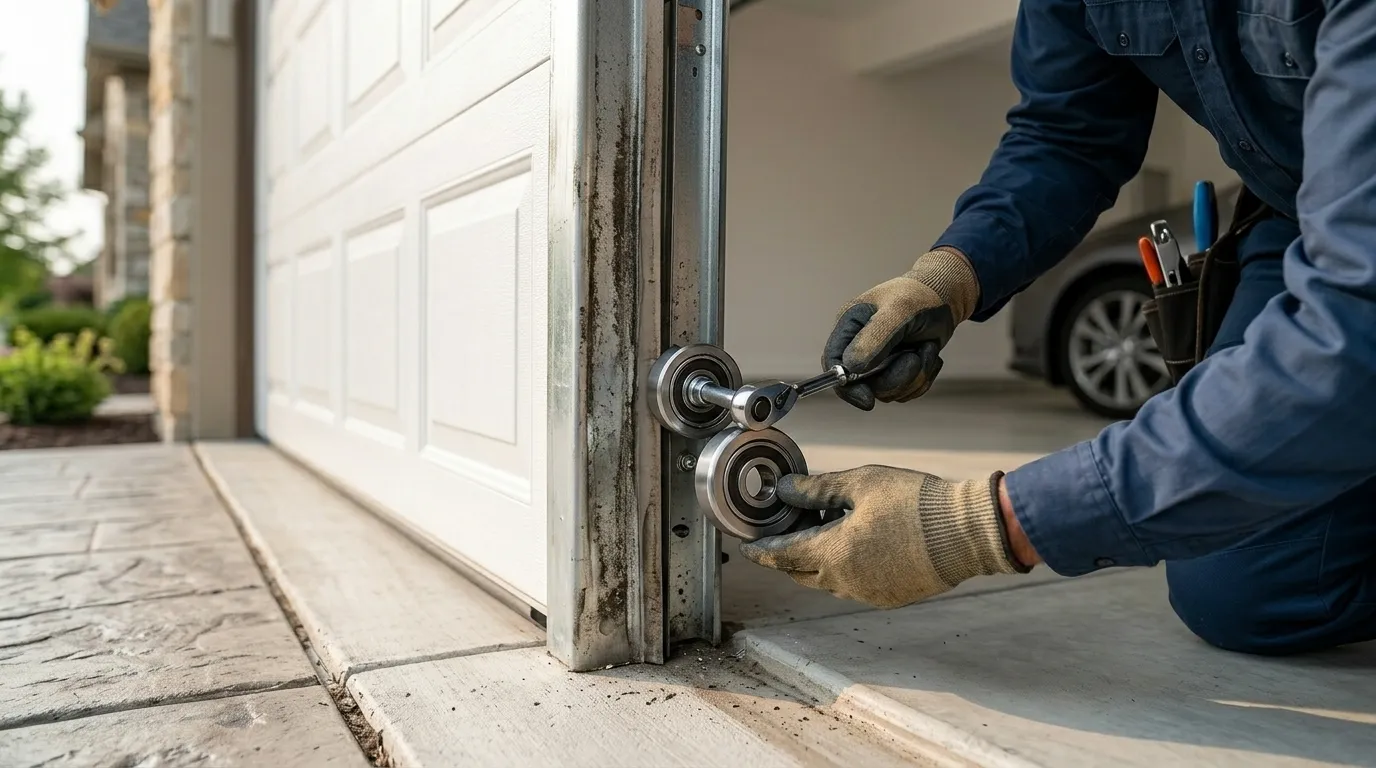
For spring replacement, we match the wire gauge and wind to what the door actually needs based on its weight and size, not a generic stock size - mismatched springs are one of the most common reasons a repair fails again within a year. For track and roller work, we check the alignment against the frame itself, since houses this age have sometimes settled enough that the original track geometry is slightly off from square.
One honest limit: if a door's panels are rusted through or the frame has warped from decades of moisture cycling, we'll say so rather than keep patching it. Past a certain point, a repair on an old steel door costs nearly as much as replacement and doesn't last as long. We'd rather tell you that than send you home with a fix that fails again in eight months.
How It Shows Up
The most common version we see: the door won't open, the opener motor hums or clicks, and nothing moves. That's almost always a broken torsion spring taking the full weight off the opener, which was never built to lift a garage door on its own.
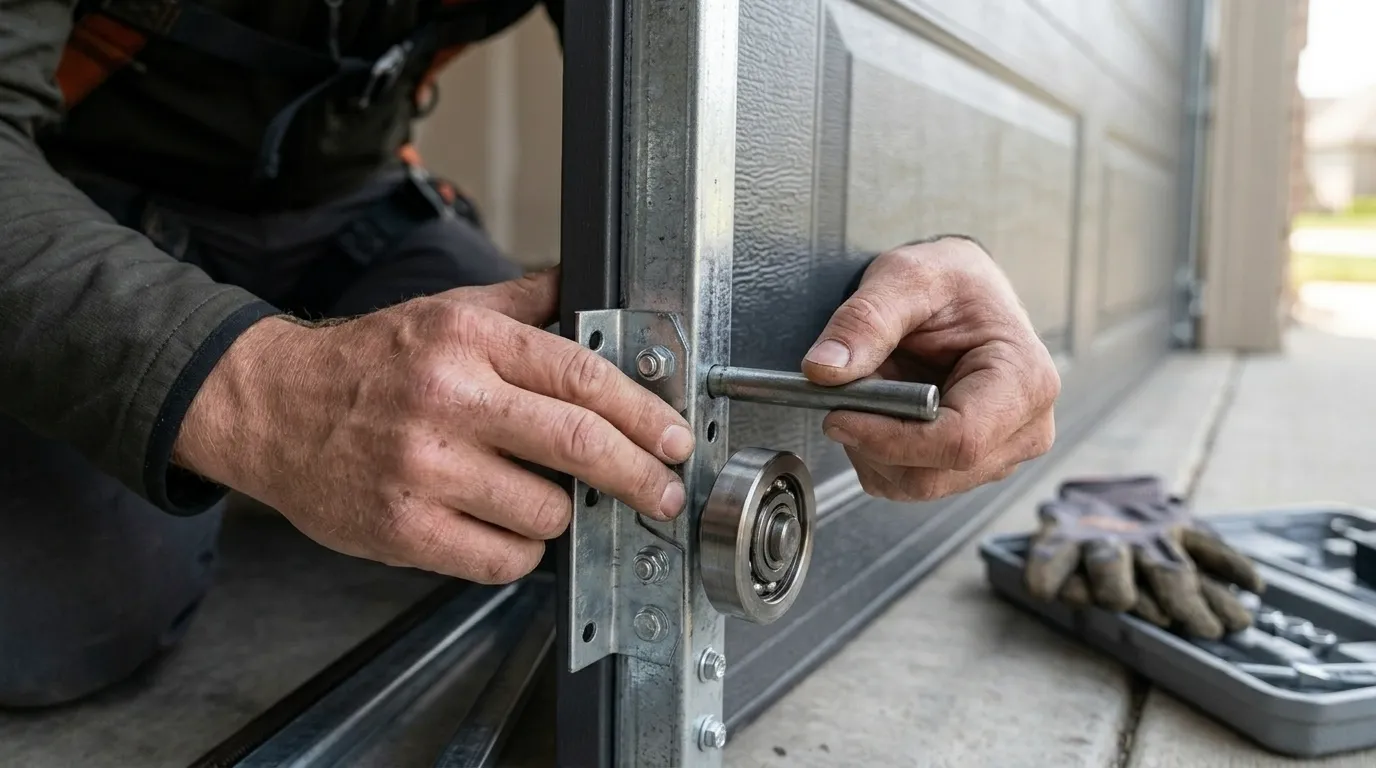
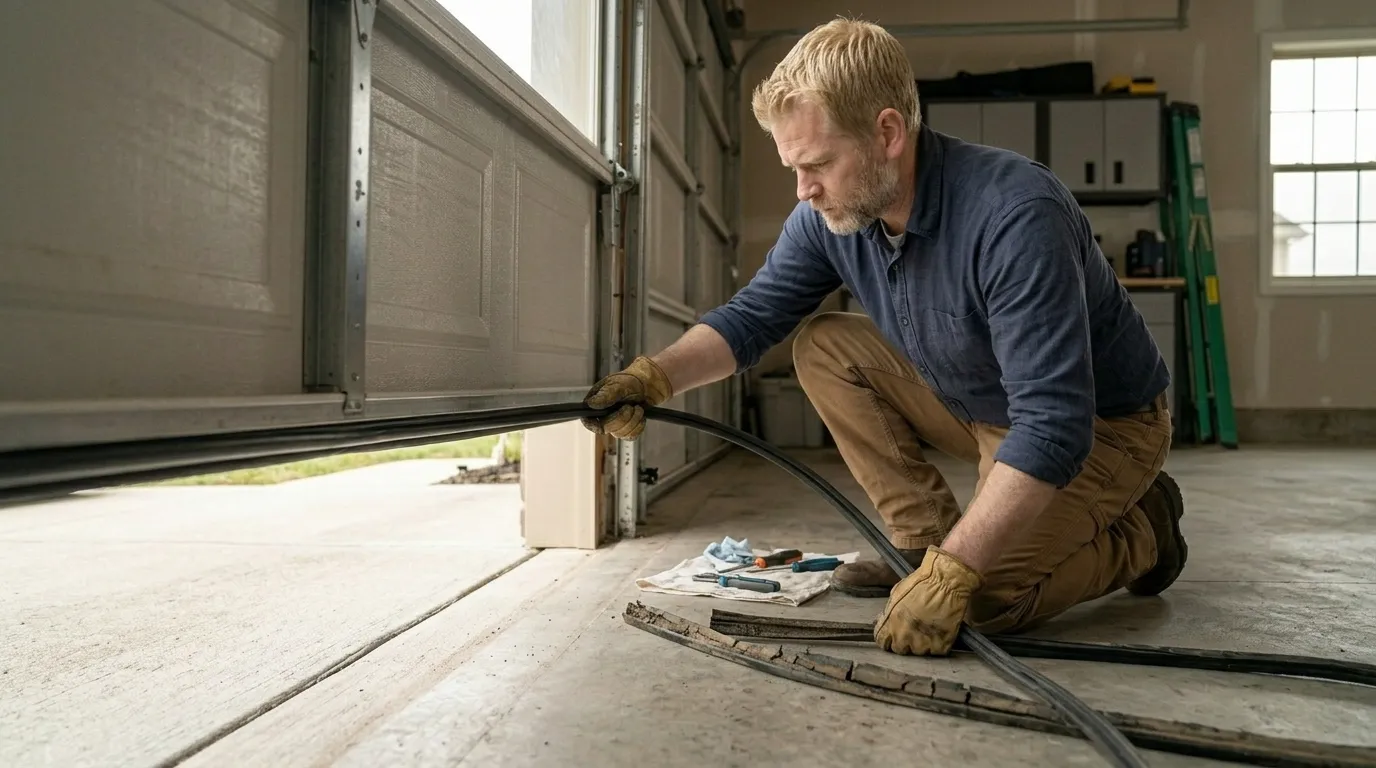
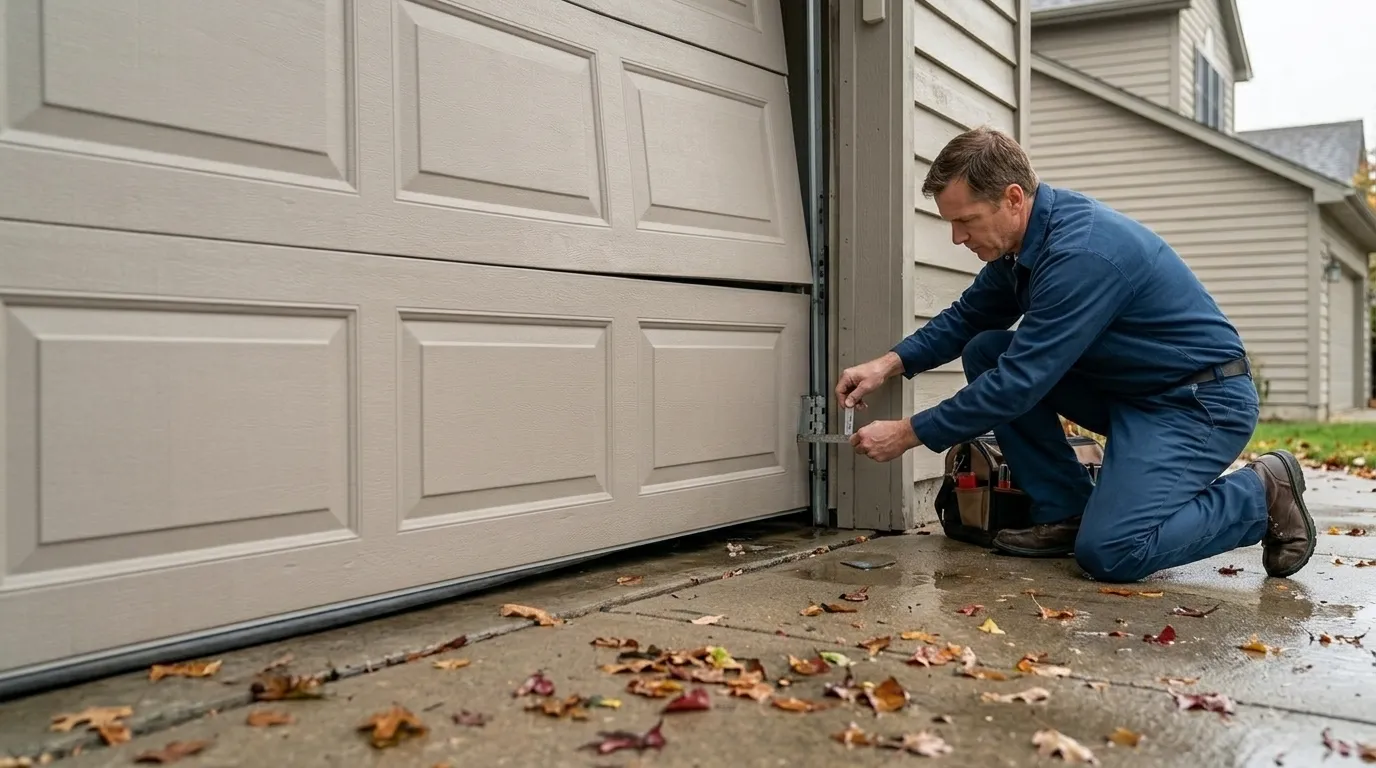
The second most common: the door opens but drags, shudders, or comes down unevenly on one side. That's usually a roller or cable issue, more frequent on the older steel doors that make up a big share of the housing built here in the 1960s and 70s, where decades of use have worn the roller channel unevenly.
A quieter version is the door that still works but takes noticeably more effort - a spring that's lost tension gradually rather than snapping outright. Homeowners in Morton Grove and nearby areas like Golf and Niles-adjacent streets often live with this for months before calling, not realizing a slow spring is a warning sign, not just an inconvenience. Given the area's median household income of $105,995, most owners choose to fix it properly the first time rather than keep adjusting around it.