The Usual Work Here
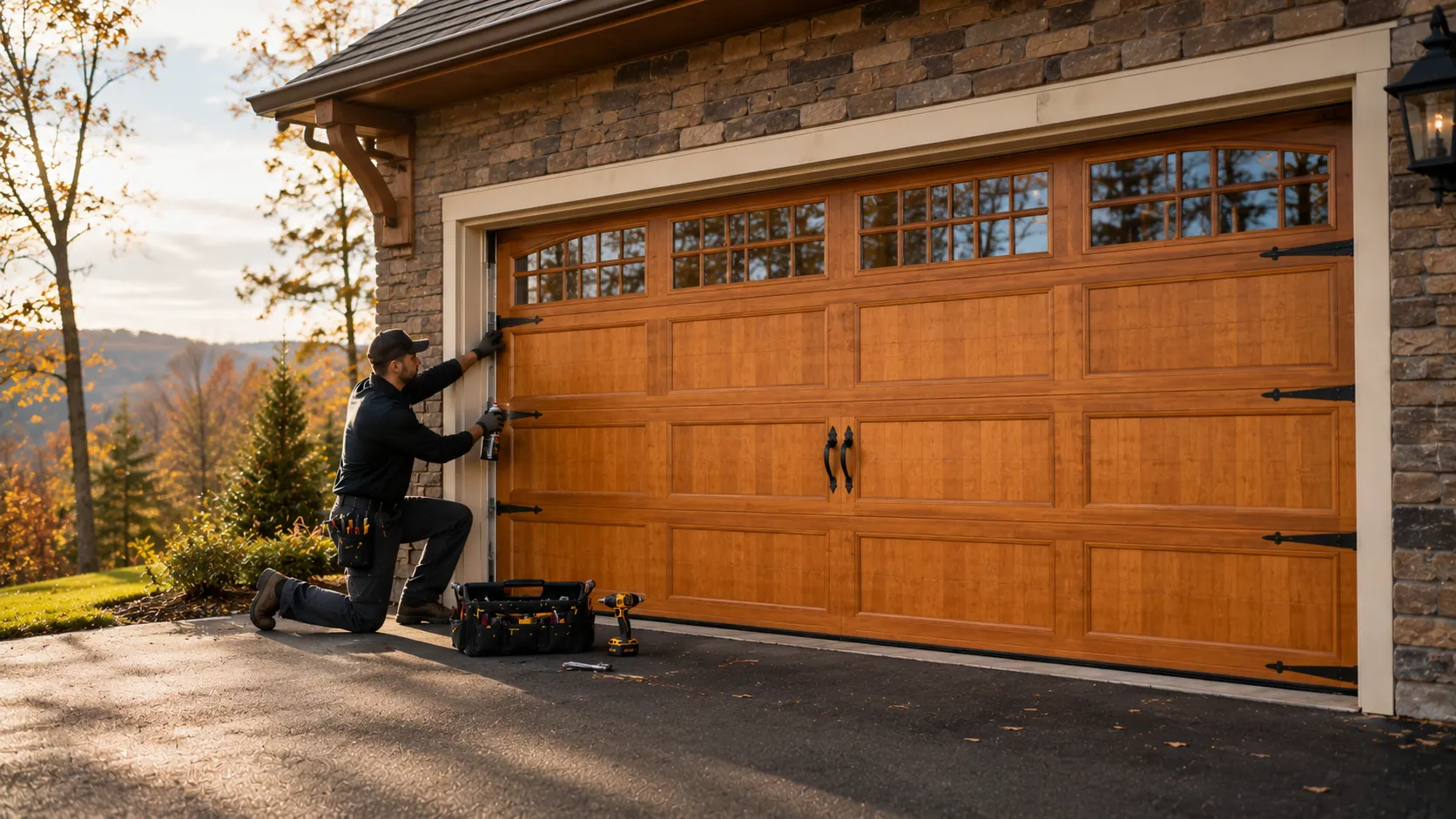
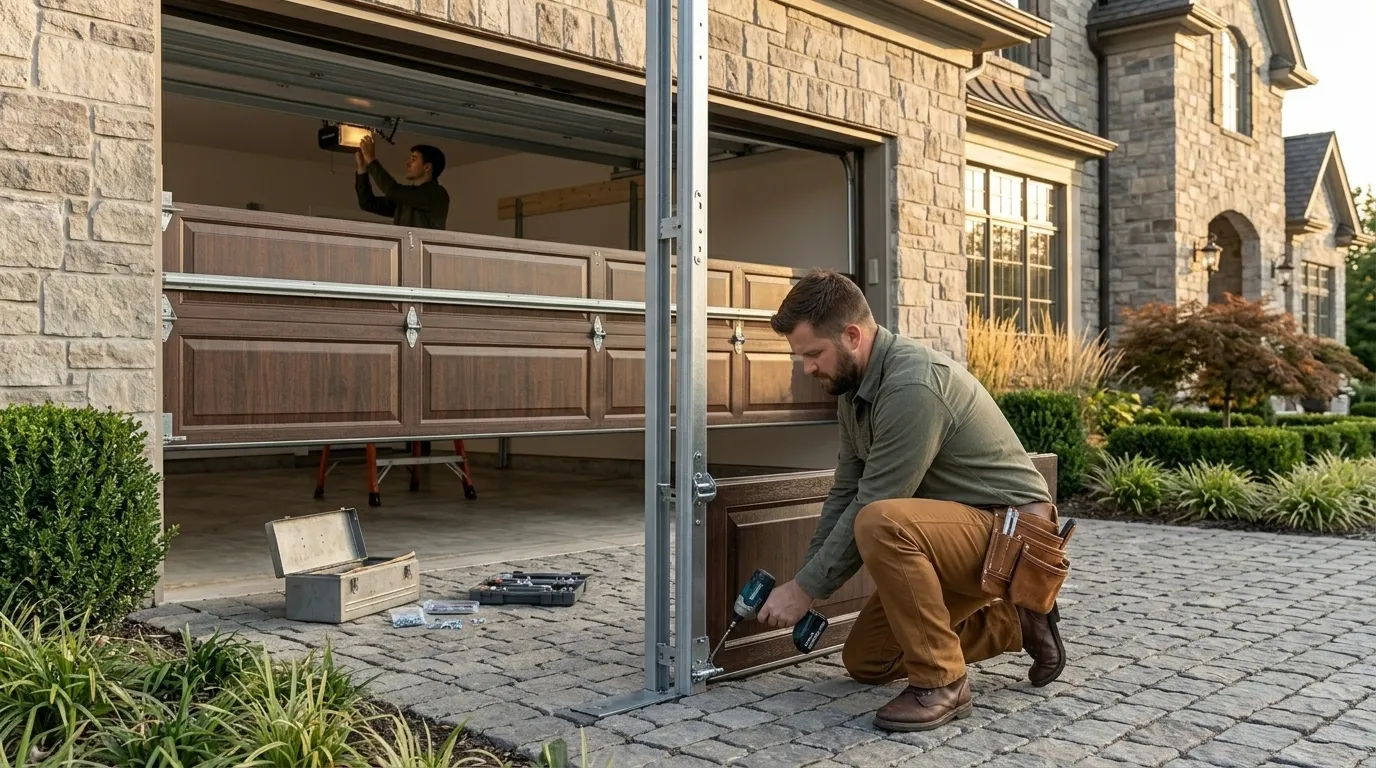
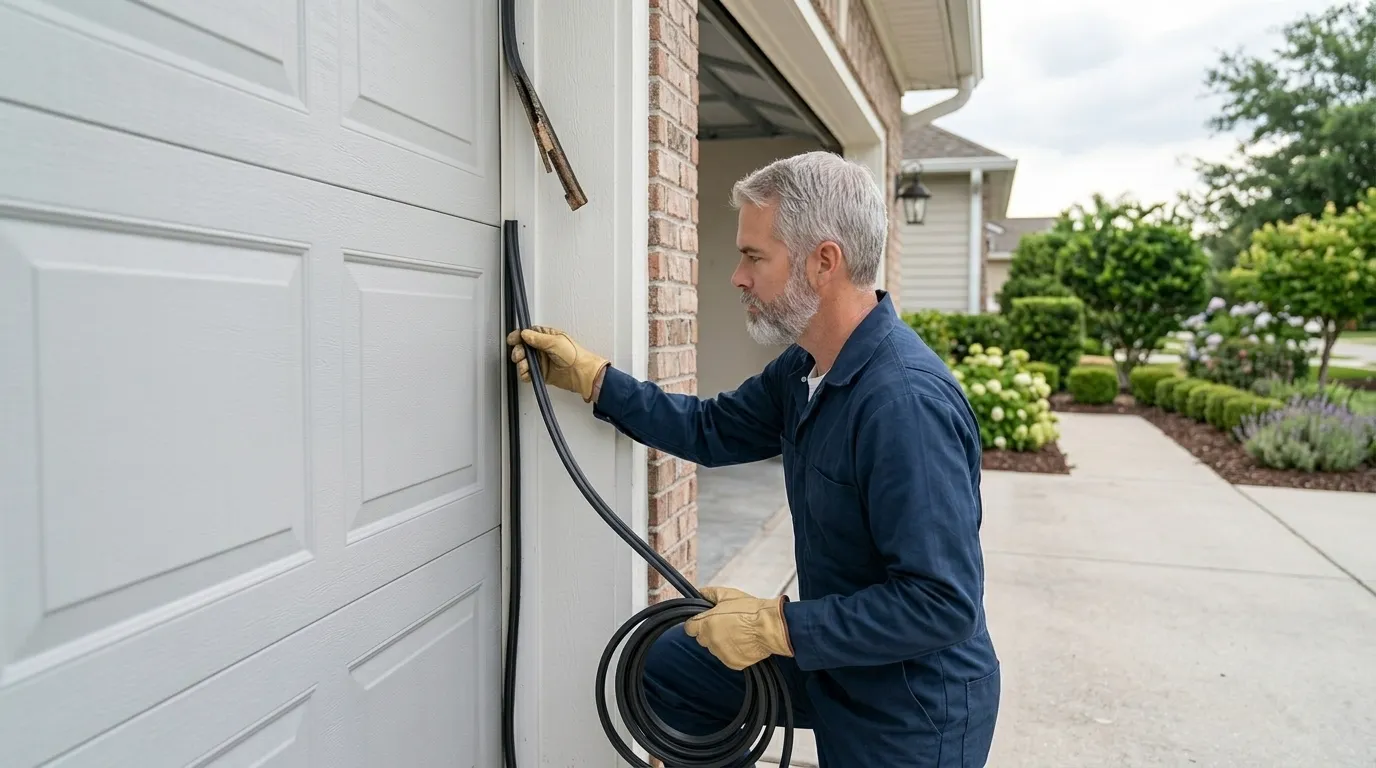
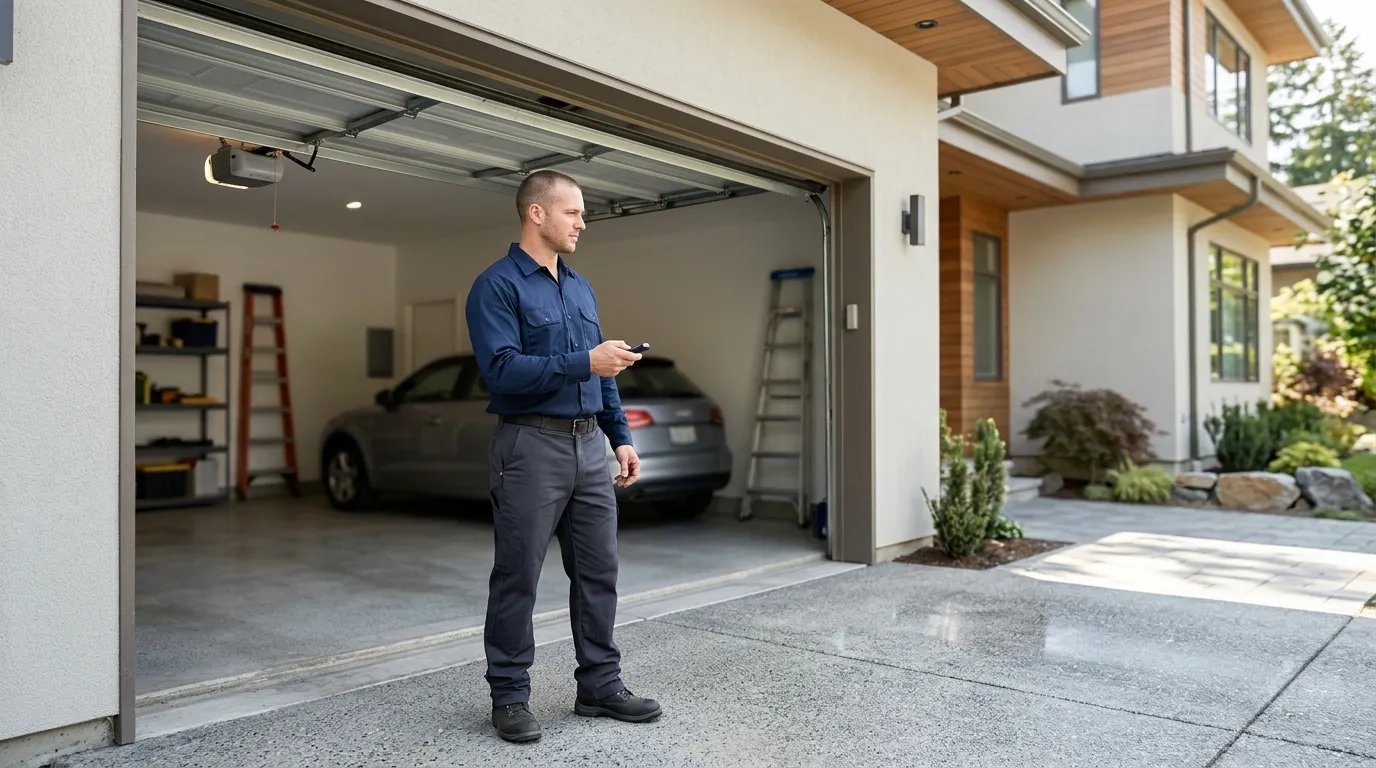
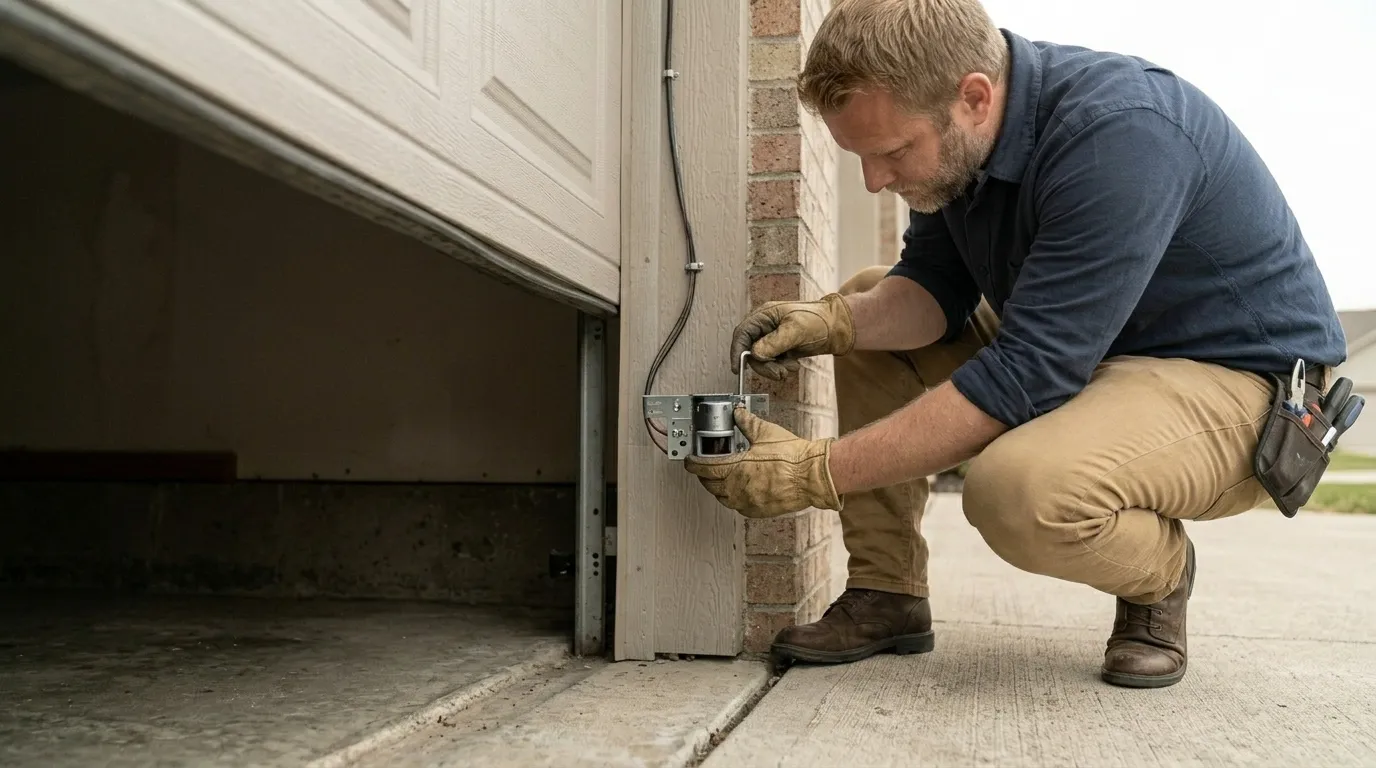
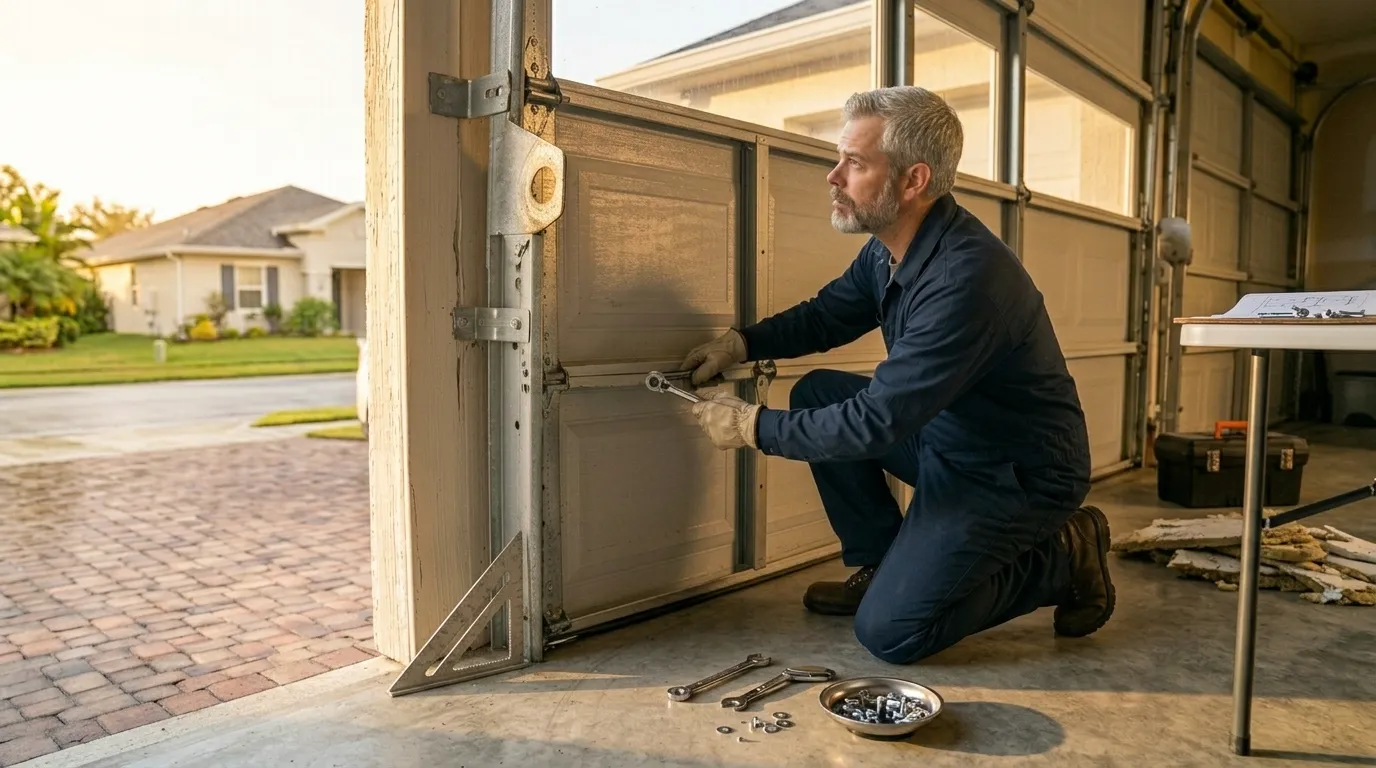
Most of the calls we get out of Clarendon Hills aren't the same calls we get closer to the shop. This is a smaller pocket, around 3,313 households, and the houses went up mostly in the late 1970s and early 1980s rather than the 1960s wave you see in a lot of the near-in suburbs. That build era shows up directly in the service calls: openers reaching the end of their second or third motor, torsion springs that were sized for a lighter door than the insulated steel replacement now hanging on the same track, and photo-eye sensors added on after the fact once the 1993 federal rule pushed them into every opener made. We also see cracked bottom brackets and worn rollers on doors that have had one owner and one door their whole life - nobody's touched the hardware since the house was built. A door that old isn't broken because it's cheap; it's broken because 40-plus years is a long service life for a torsion spring.
What That Means for Doors
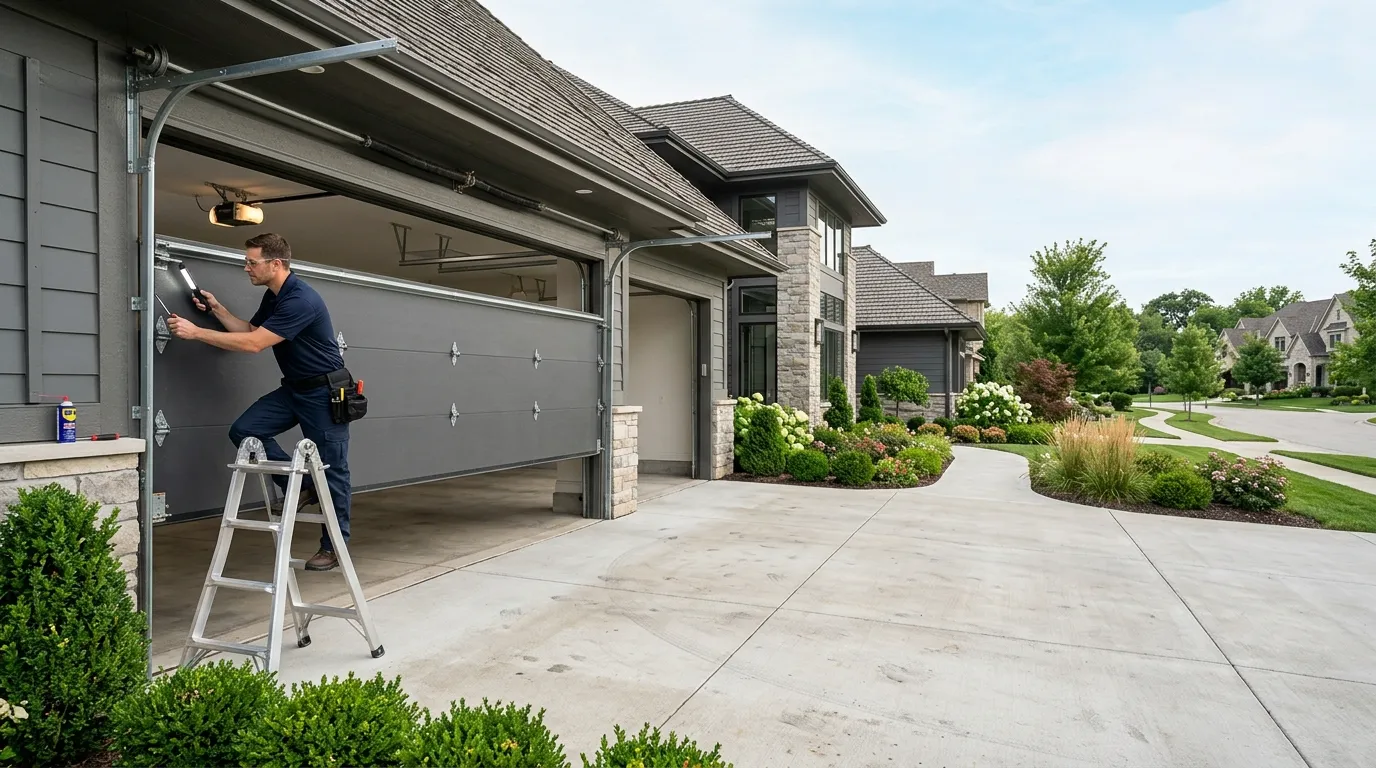
A door and opener installed in the early 1980s is at the point where the springs have usually cycled past their rated life, even if the door still looks fine going up and down. Torsion springs in this era were commonly sized to the original wood or thin-steel door - if a heavier insulated door was swapped in later without resizing the spring, the opener ends up doing work the spring should be doing, which burns out gears and drive belts faster than they should wear. We also see original galvanized track that's pitted or slightly bent from decades of Chicago-area winters; this area sits in a cold, moderate climate band, and metal hardware left un-lubricated through that many freeze-thaw cycles tightens up and binds. None of this is dramatic. It's slow wear on hardware that's simply old, and it's why a service call here is more often a spring or roller job than a full door replacement.
Where We Stop
We're honest about one thing up front: Clarendon Hills sits about 19 miles from our shop in Morton Grove, so we don't keep a truck stationed nearby and we can't promise a same-hour arrival the way we might closer to home. We still take the call and make the drive, but if you need someone standing in your driveway within the hour, we're not that. What we won't do is sell you a new door when a spring, cable, or roller job will get another decade out of what's already on the wall - and on doors this age, that's usually the right call unless the panels themselves are cracked or the track is bent beyond adjustment. If the door's original to an early-80s build and the opener is the second replacement since, we'll tell you straight whether it's worth fixing or worth retiring.