The Usual Work Here
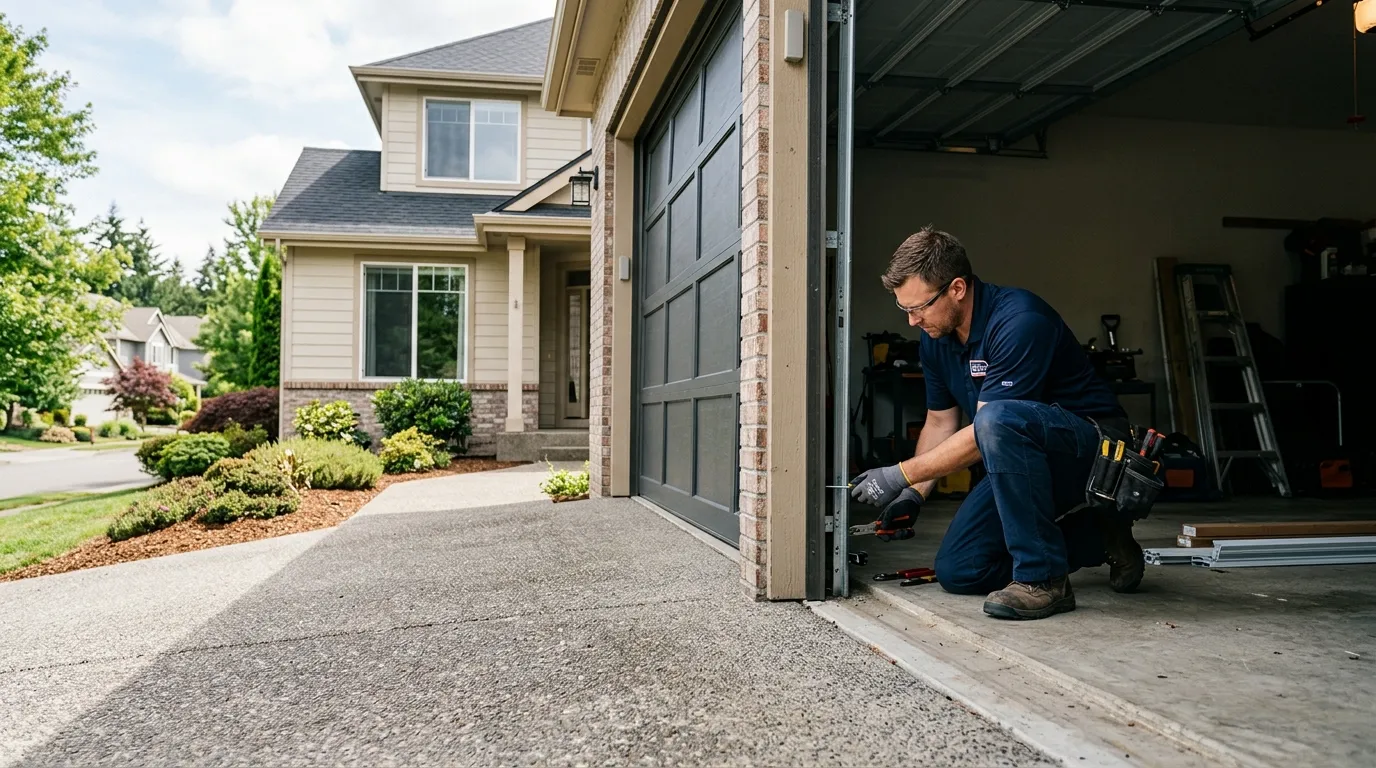
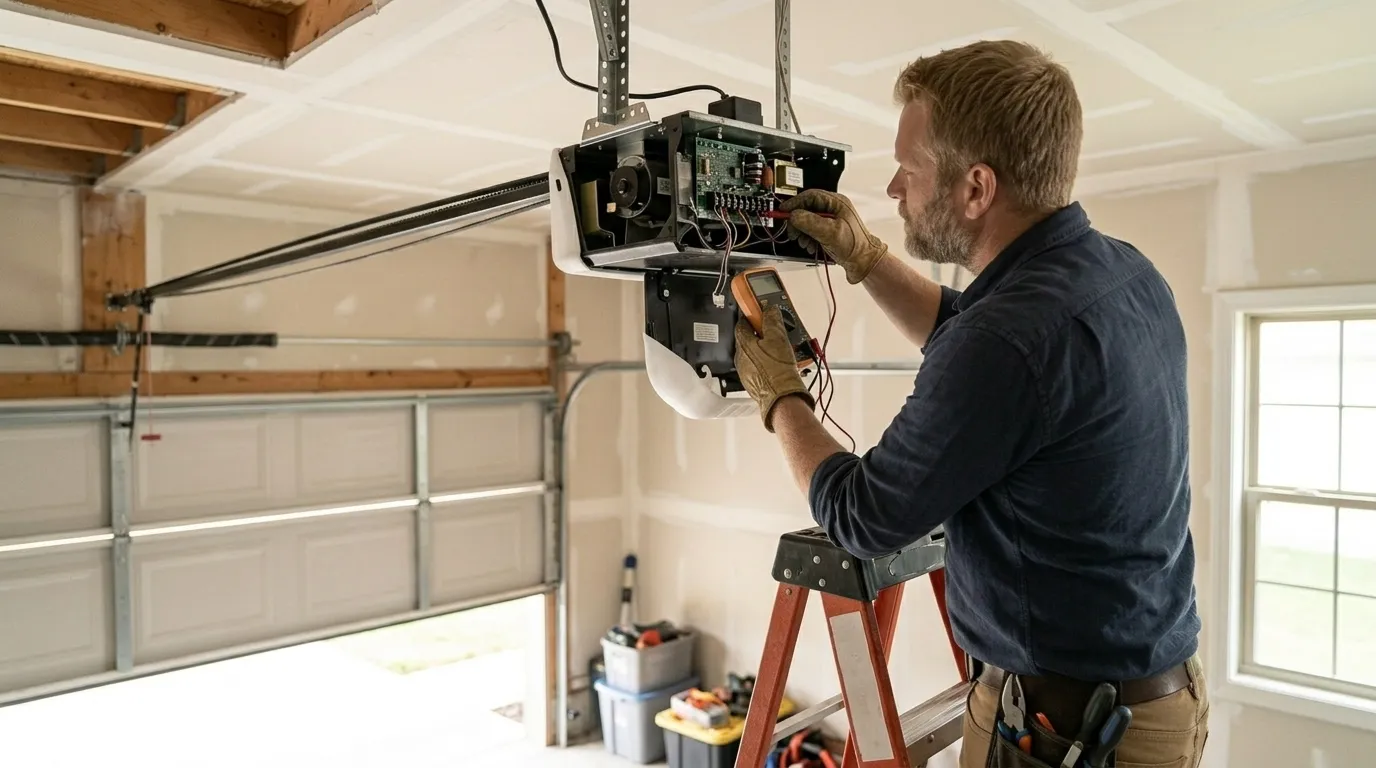
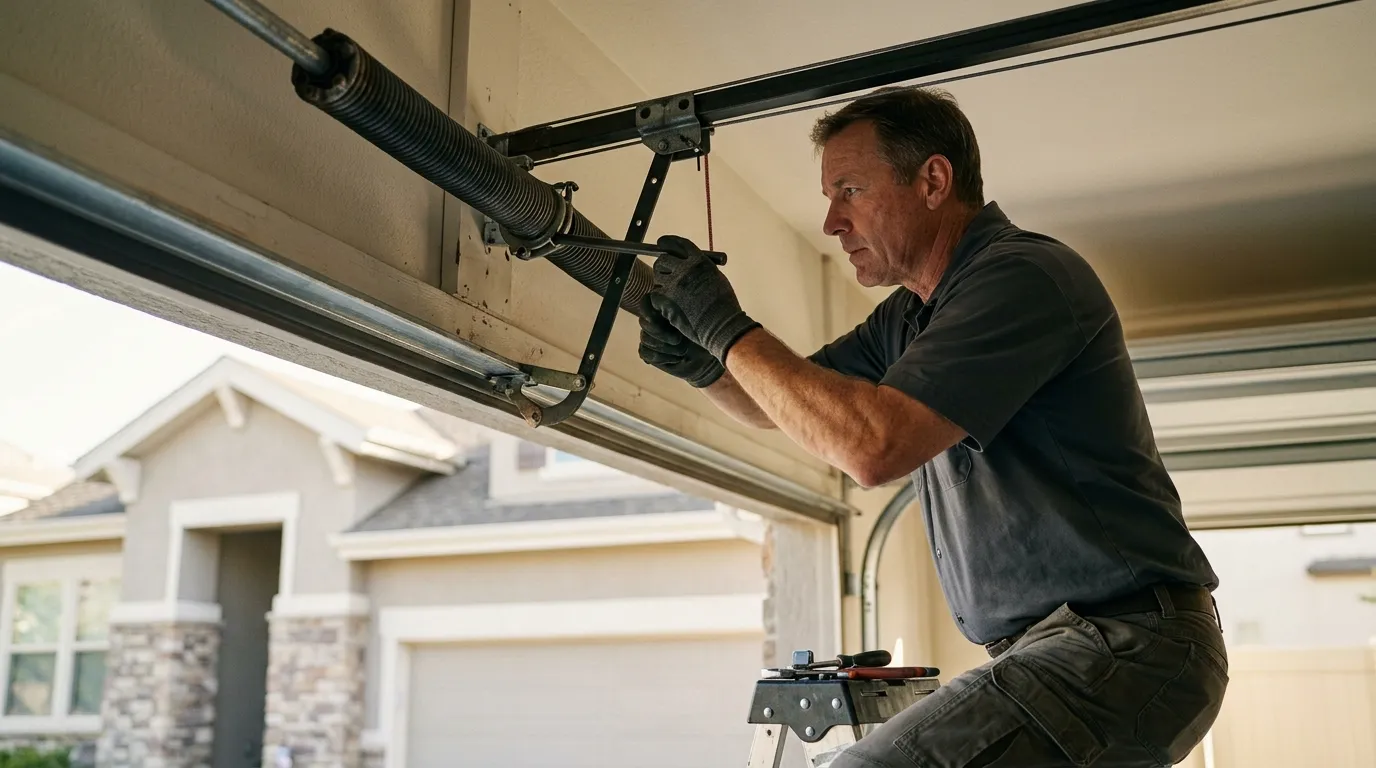
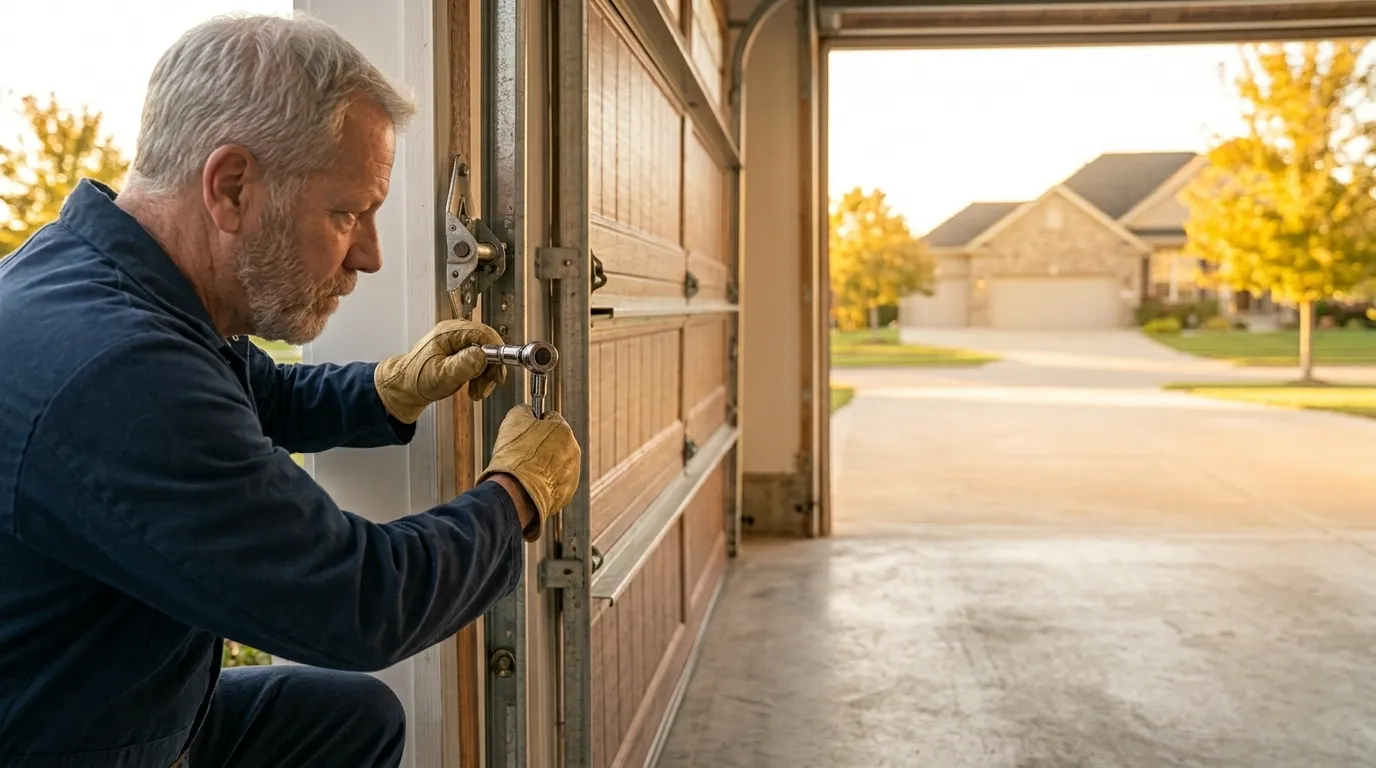
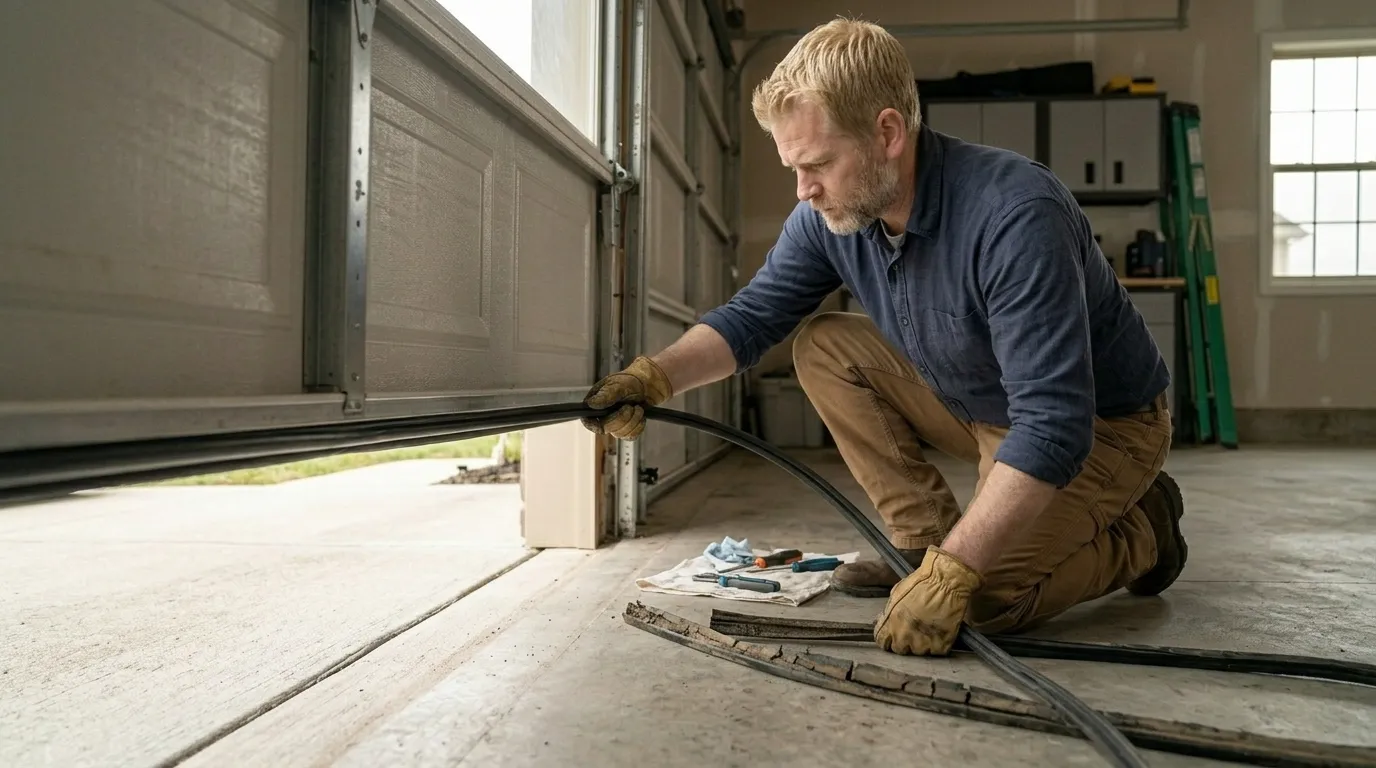
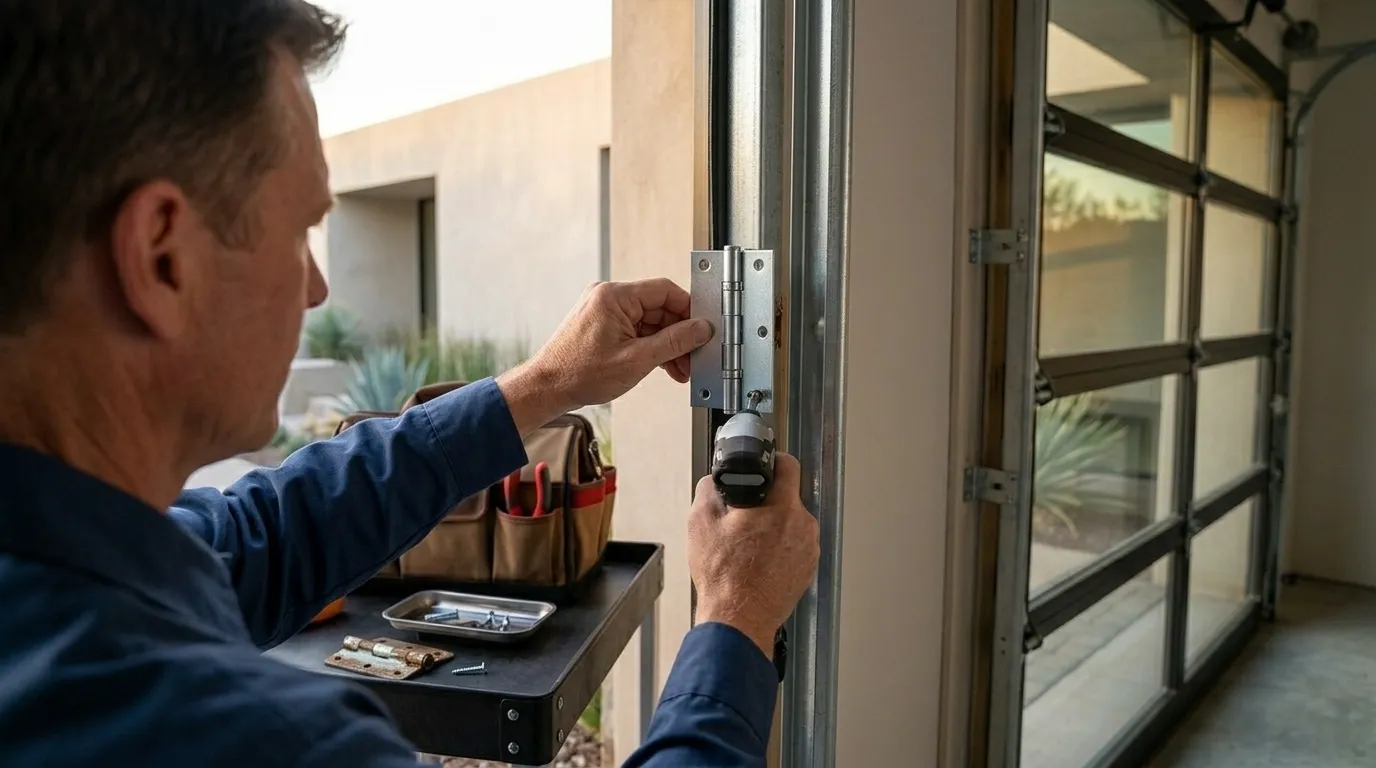
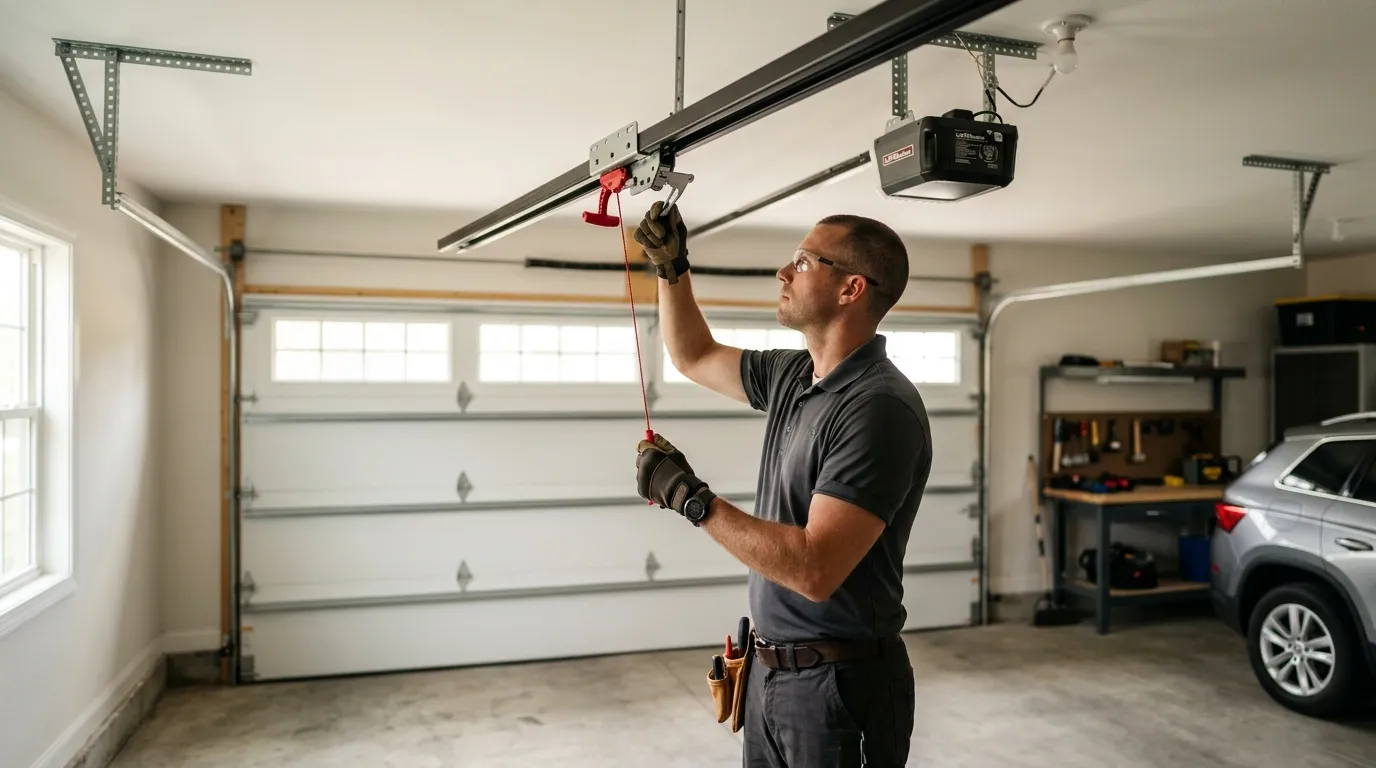
Countryside's housing stock centers on 1975, which puts most garage doors here squarely in the mid-70s generation - later than a lot of the older housing scattered across our broader service area, where builds run from 1938 up through the 1990s. That gap matters. A door installed in a mid-70s build usually means steel sectional panels on a torsion spring system, not the older extension-spring setups you'd find in a house built two decades earlier. We see a fair number of original openers still running on these doors, chain-drive units that have outlived their manufacturer's parts support. The most common calls we get from this pocket are worn rollers, a torsion spring that's finally given out after decades of cycles, and openers that grind before they die completely. None of that is unusual for a door this age - it's just due. We don't push replacement on a door that still has service life in it, but when a spring has gone and the opener is on its last motor, we'll tell you that plainly instead of quoting two separate repairs that add up to more than a new door.
What That Means for Doors
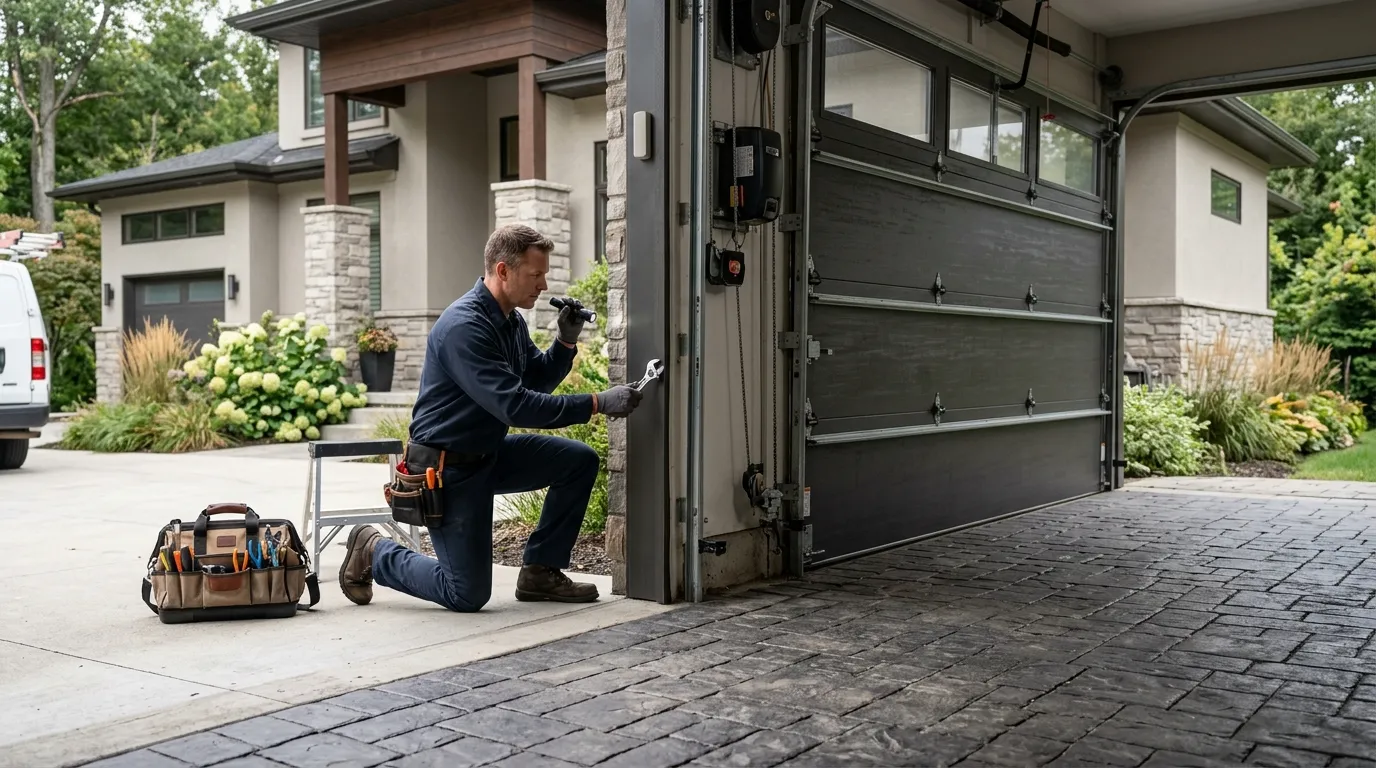
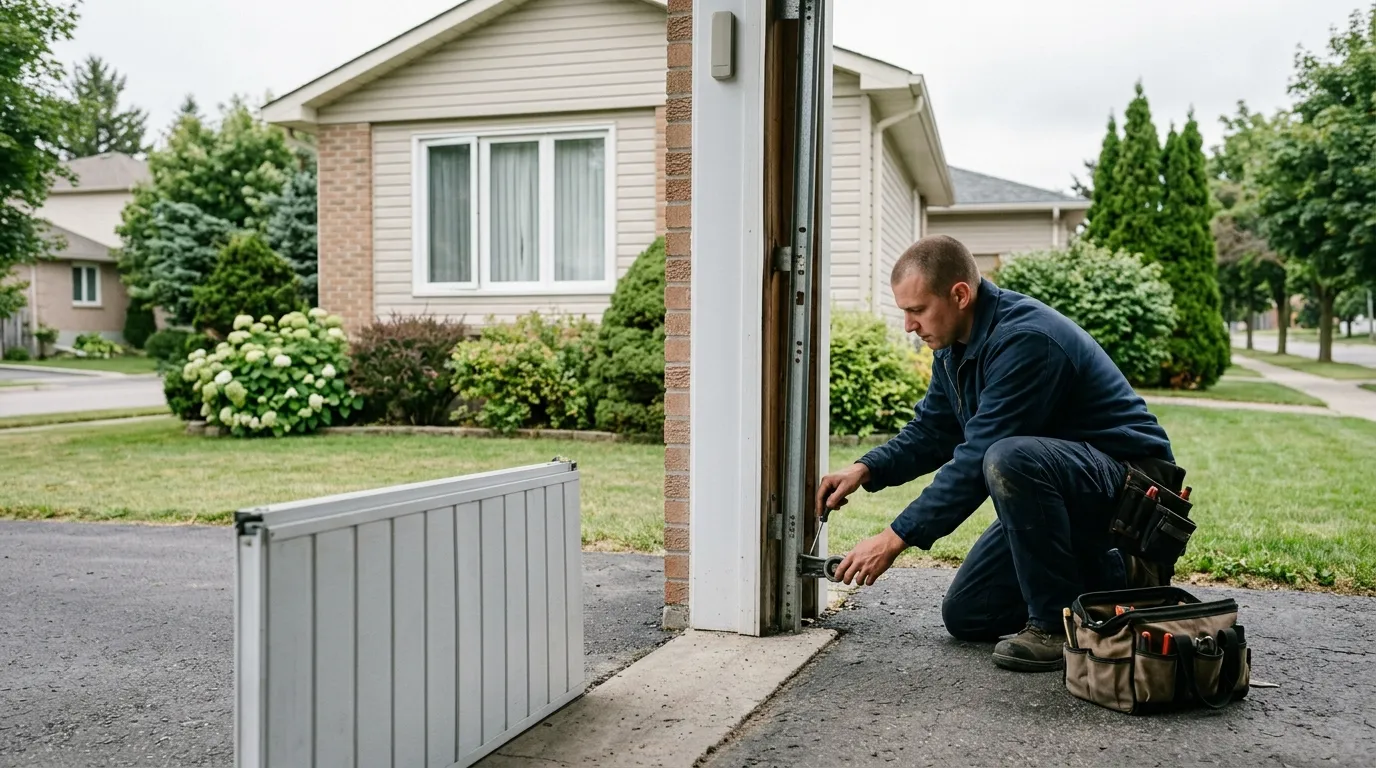
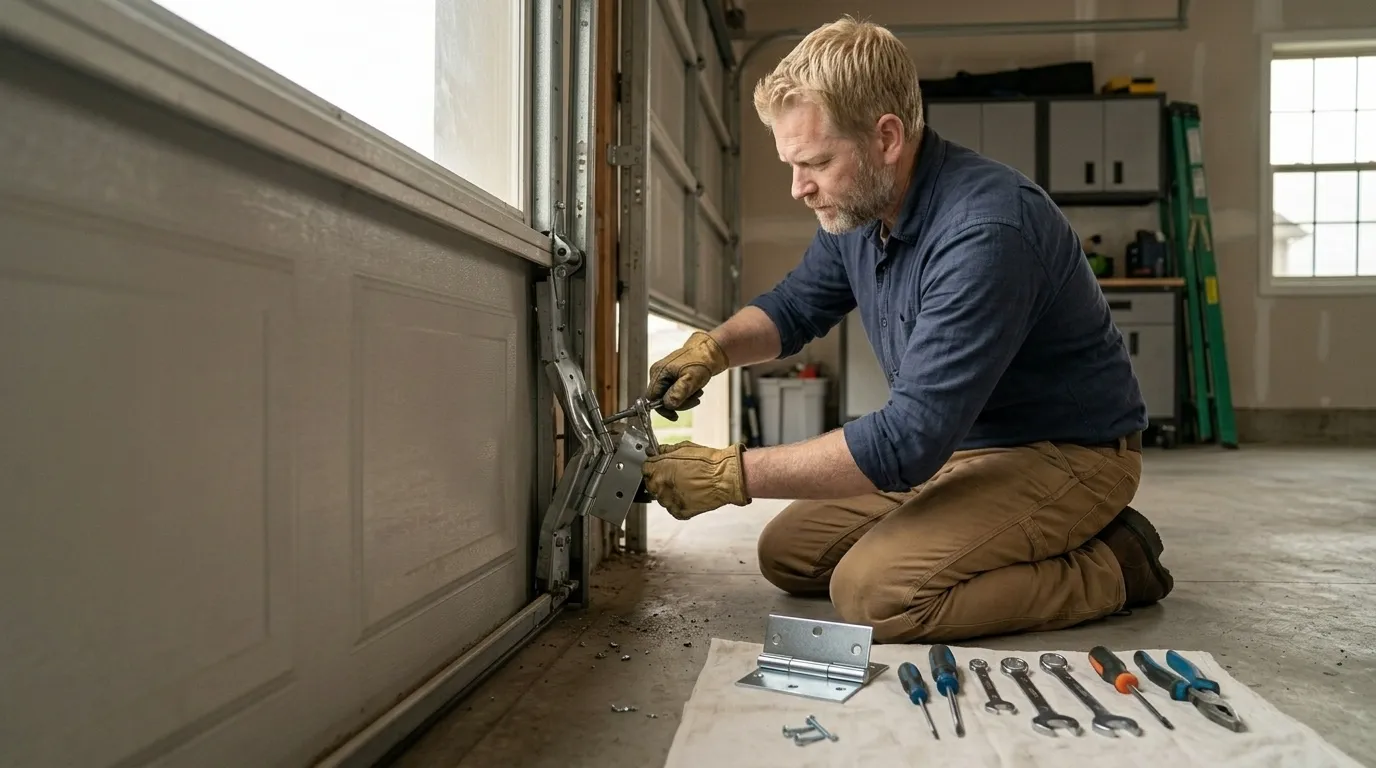
A door built around 1975 was almost certainly installed under building codes and insulation standards that predate anything close to today's expectations. If your panels are original, they're likely uninsulated or minimally insulated steel, which in a cold-moderate climate means the garage runs colder than owners expect and condensation shows up on the inside of the panels in winter. Torsion springs from that era were sized for the door weight and cycle expectations of the time - if a previous owner swapped in a heavier insulated door without resizing the spring, that's a mismatch we find often and it shortens spring life fast. Track alignment issues also show up more in houses this age because the original wood jambs have shifted over fifty years of seasonal movement, which throws off roller travel even when the springs and cables are fine. We check alignment before we touch a spring, because replacing a spring on a door that's binding on a bent track just means we're back at your house in six months for the same complaint.
Where We Stop
We don't keep a truck stationed in Countryside, and we're not going to tell you we can be there in twenty minutes - it's a 19-mile drive from Morton Grove, and we schedule accordingly rather than promise something we can't deliver. We also won't try to repair a door where the damage has gone past what a spring or panel swap can fix; if the track is bent beyond straightening or the panels are rusted through at the bottom, replacement is the honest answer even if it's not the answer you called for. Parts for original mid-70s hardware are getting harder to source - some torsion spring sizes and older opener rail systems aren't stocked the way current parts are, so a repair on an untouched original door can mean a short wait on parts rather than a same-day fix. We'll tell you that up front instead of after we've already opened the garage up.