What to Look At First
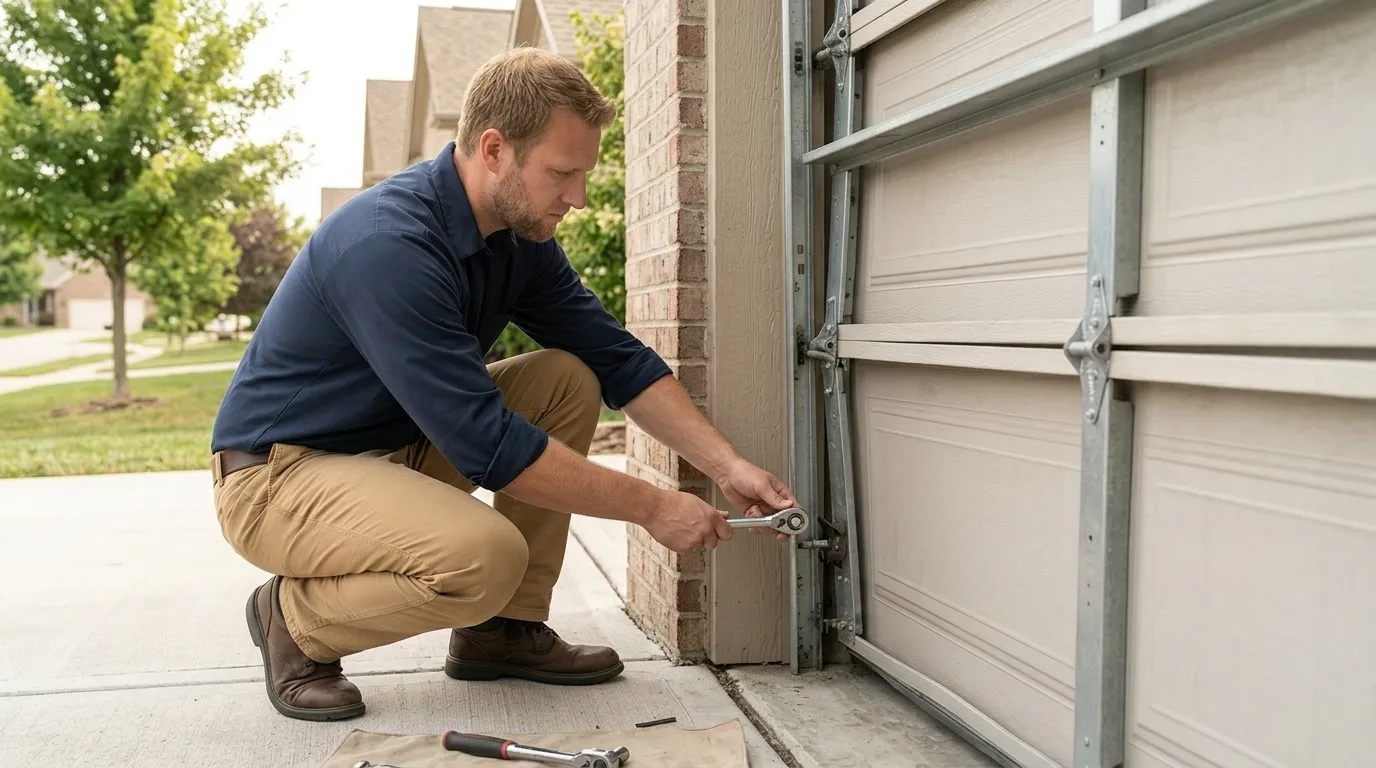
Most houses in this part of the county went up between 1938 and 1996, with the bulk clustered in the 1960s and 70s. That matters because doors on houses built before insulation rules were common are often single-layer steel or older wood panel doors, hung on hardware that was never sized for a heavier insulated replacement. If your door is original to a house from that era, start by checking the panels for flex when the door is halfway up - a thin, uninsulated panel will bow visibly under its own weight, and that bow puts extra load on the rollers and track brackets every single cycle.
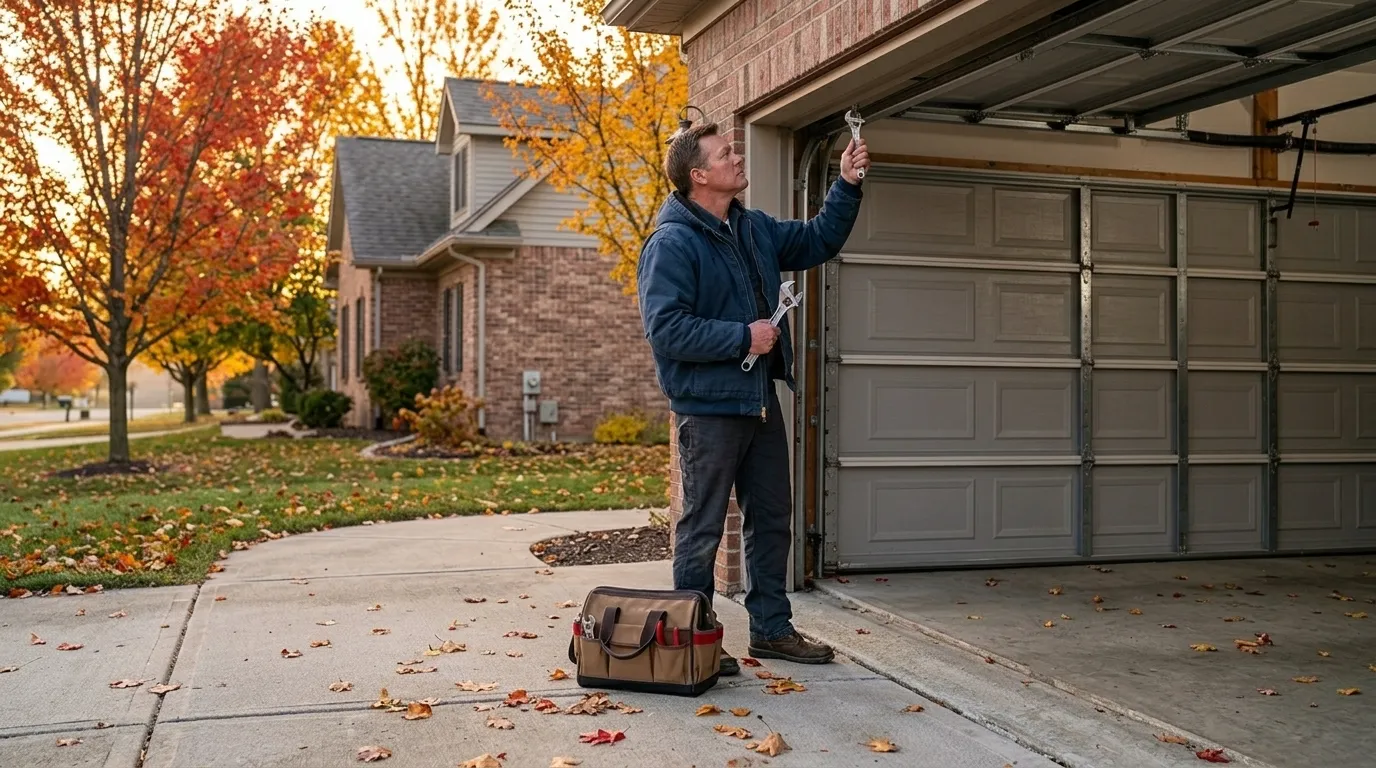
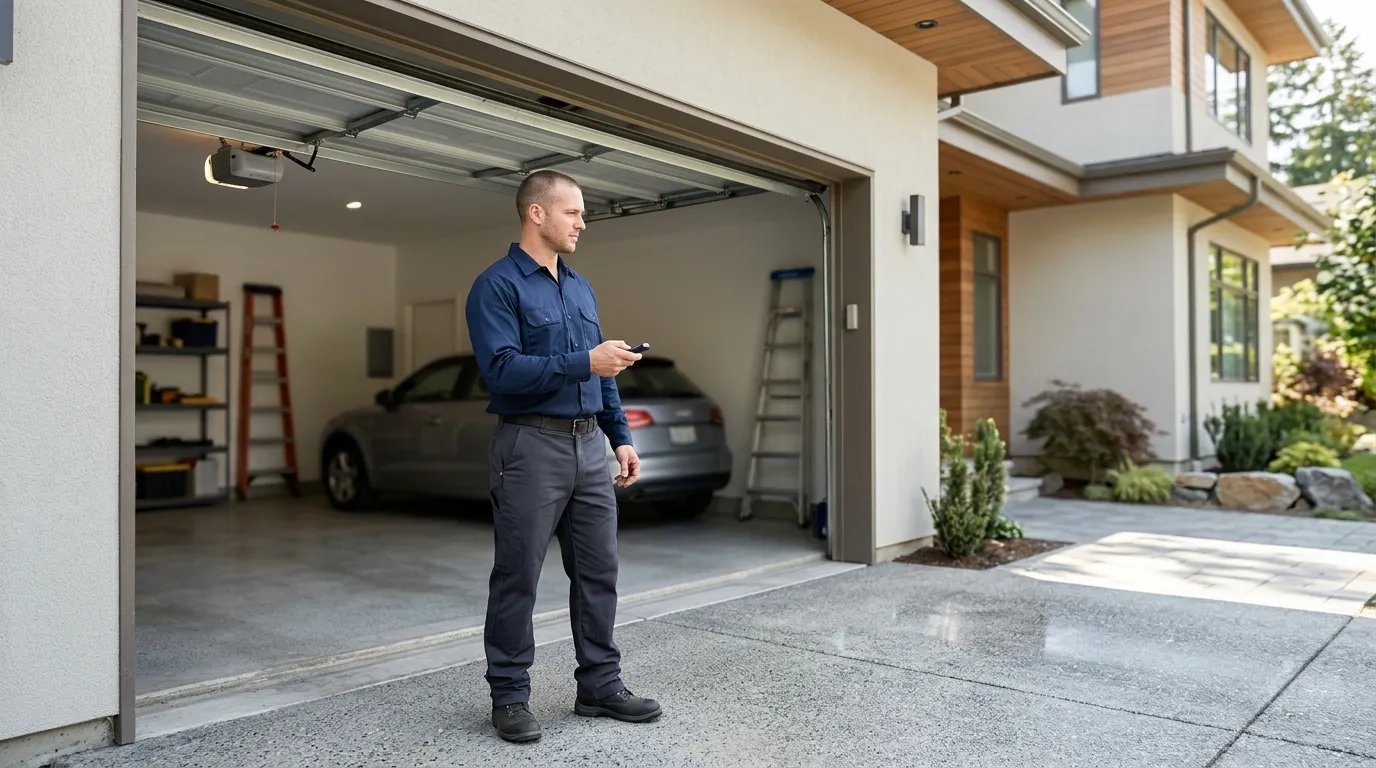
Second thing: look at the spring. Torsion springs from that period were often undersized by today's standard because the doors themselves were lighter. If someone swapped in a heavier insulated door later without upgrading the spring, you'll see it lifting slow or not fully closing - the opener straining to make up the difference. That mismatch is common enough in this housing stock that it's worth ten minutes with a flashlight before you call anyone out for an opener problem that isn't really an opener problem.
How Local Conditions Play In
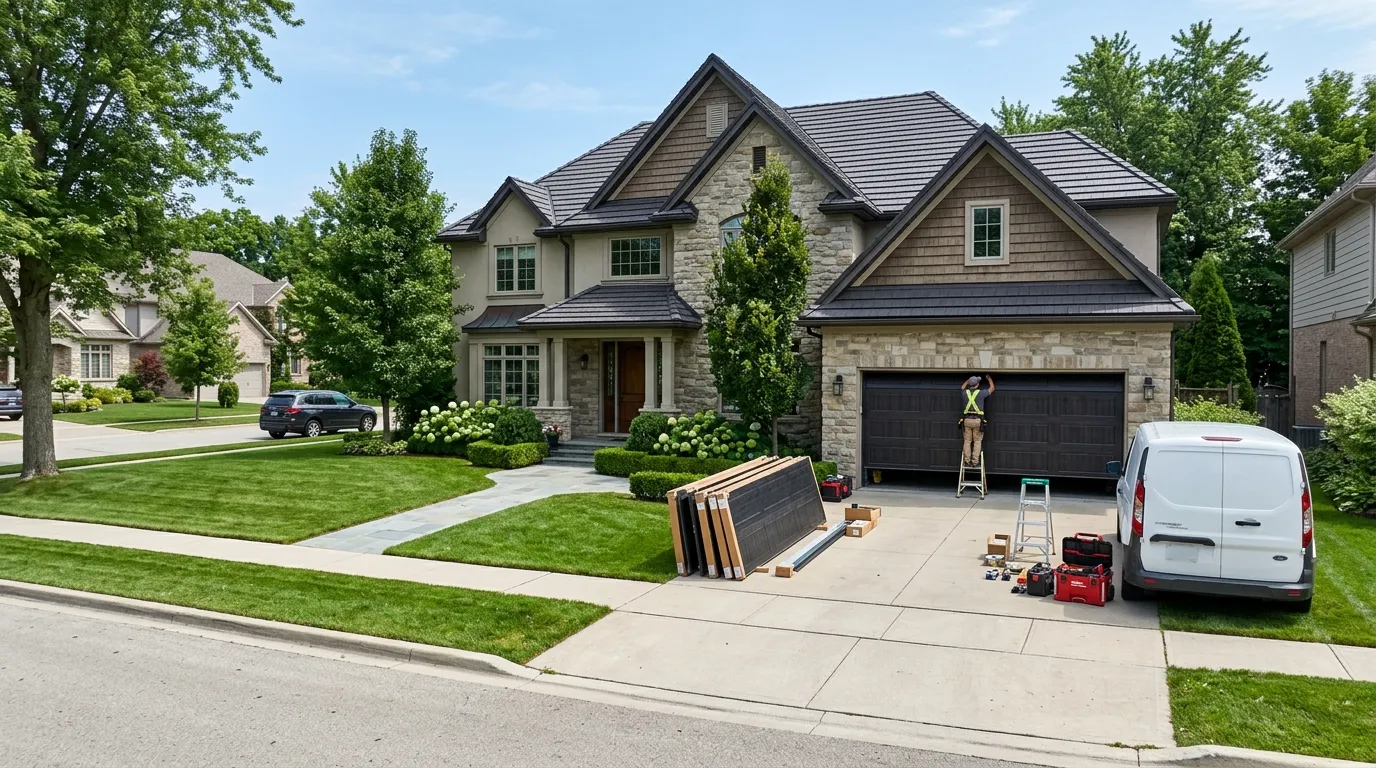
With median household income in this area over $105,000 and a strong majority of houses owner-occupied rather than rented, a lot of these garage doors are original or one generation removed from original, kept running rather than replaced on a schedule. That's not a criticism - it's just what the numbers say about the housing here, and it means the hardware you're dealing with has likely seen forty-plus winters of the cold-moderate cycle this area gets.
Houses within a mile or two of Golf, or the few miles out toward Niles-adjacent stretches near Harwood Heights and Rosemont, share this same build era and the same weather exposure, so the wear pattern doesn't change much block to block. What does vary is whether a homeowner has already swapped the spring once. A door that's had one spring replacement in its life behaves very differently in the cold than one still running on the original.
What Is Going On
Put together: older housing stock, real winters, and doors that in a lot of cases have never been matched to a proper insulated panel weight. That combination is why the same failure - a torsion spring going in cold weather on a door installed before insulation standards existed - shows up over and over in this area rather than being a random one-off.
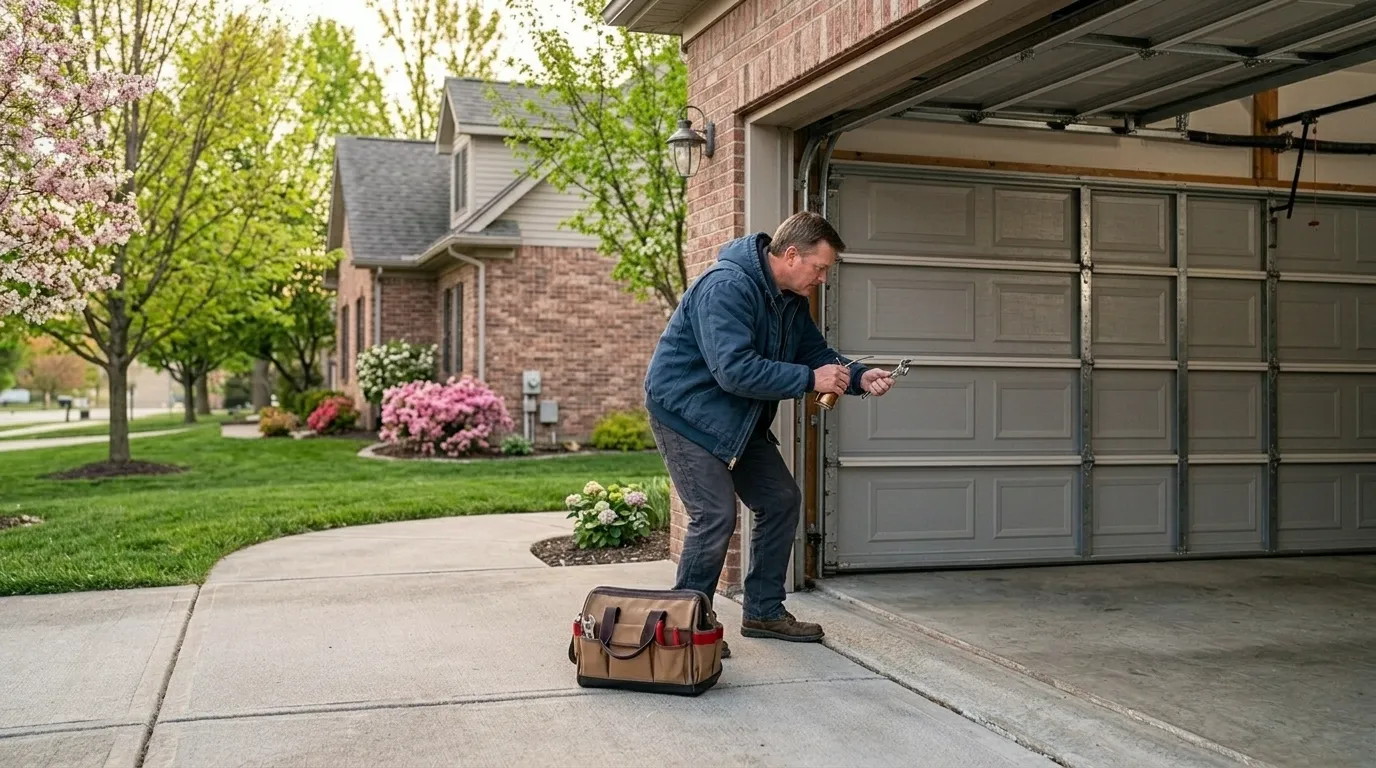
Honest limitation here: we can't tell you over the phone whether your specific spring is original or already replaced, and guessing wrong on spring size is how you end up with a door that either won't lift or slams down too fast. If your door predates 1996, the safest move is a physical look before anyone touches the spring, not a quote based on the model number alone.