The Usual Work Here
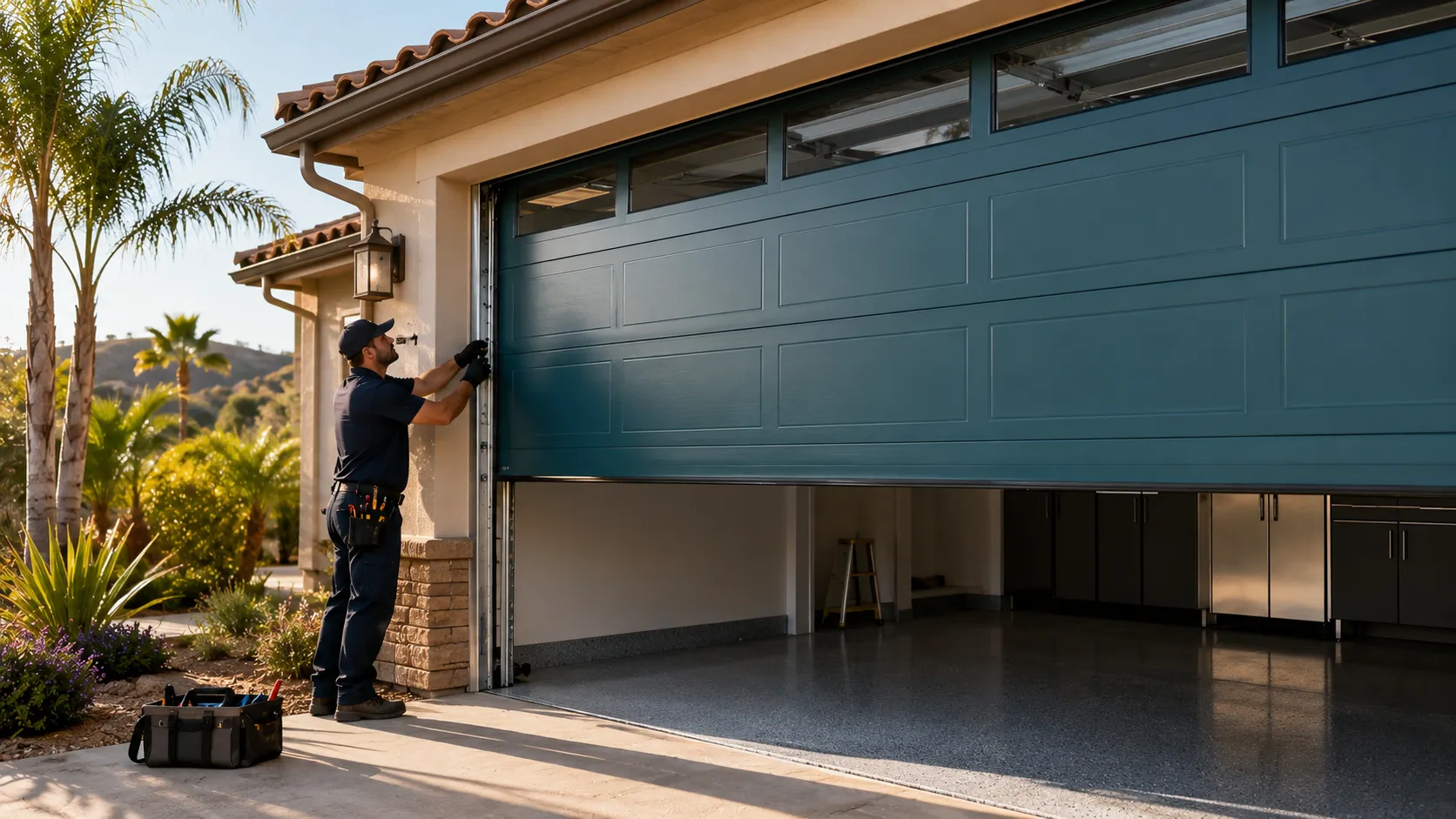
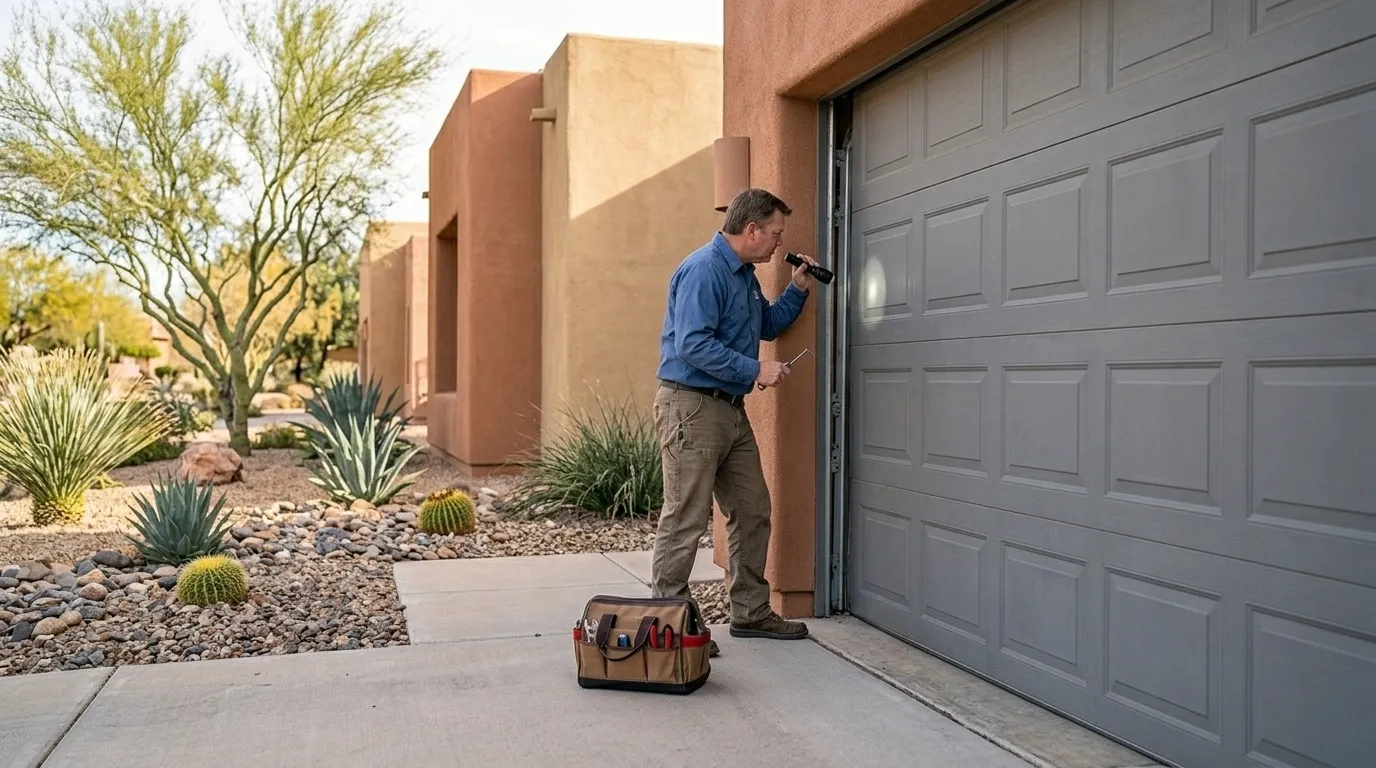
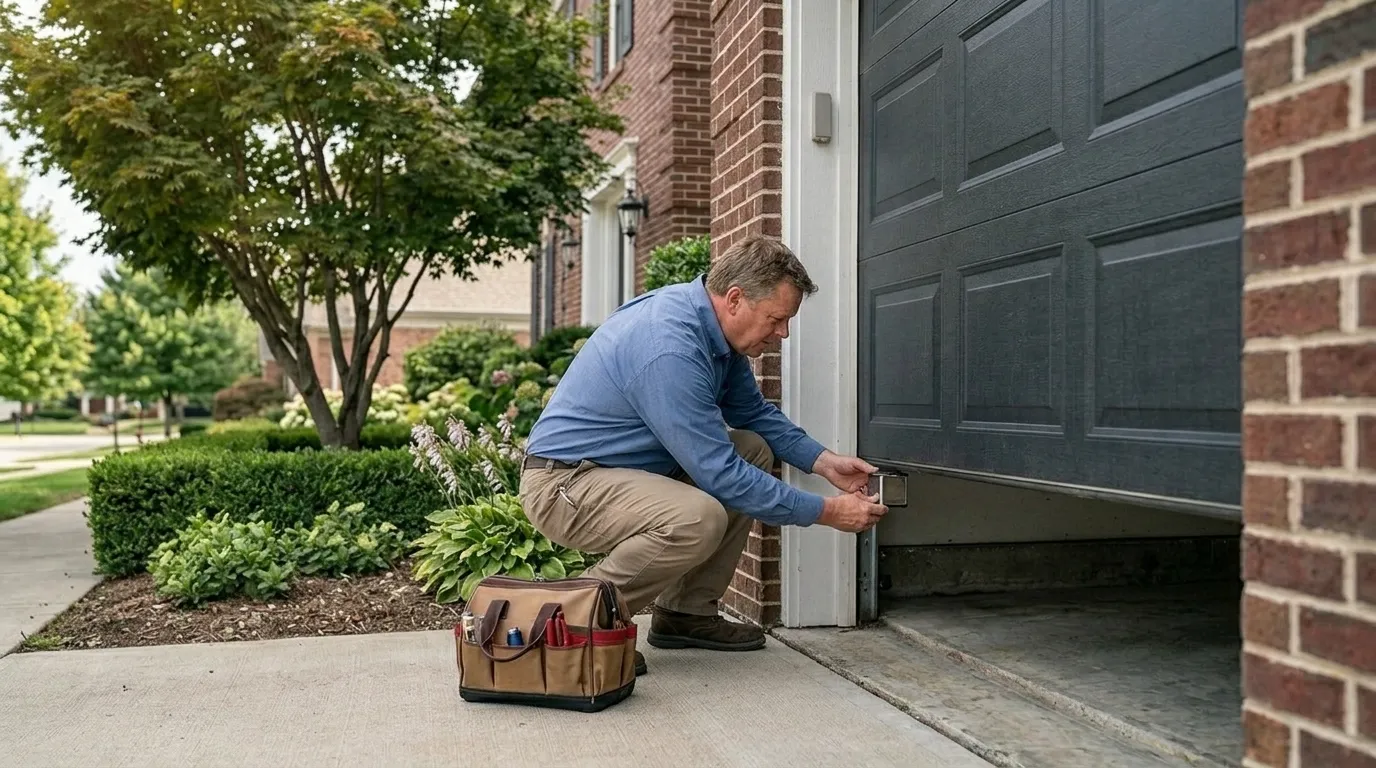
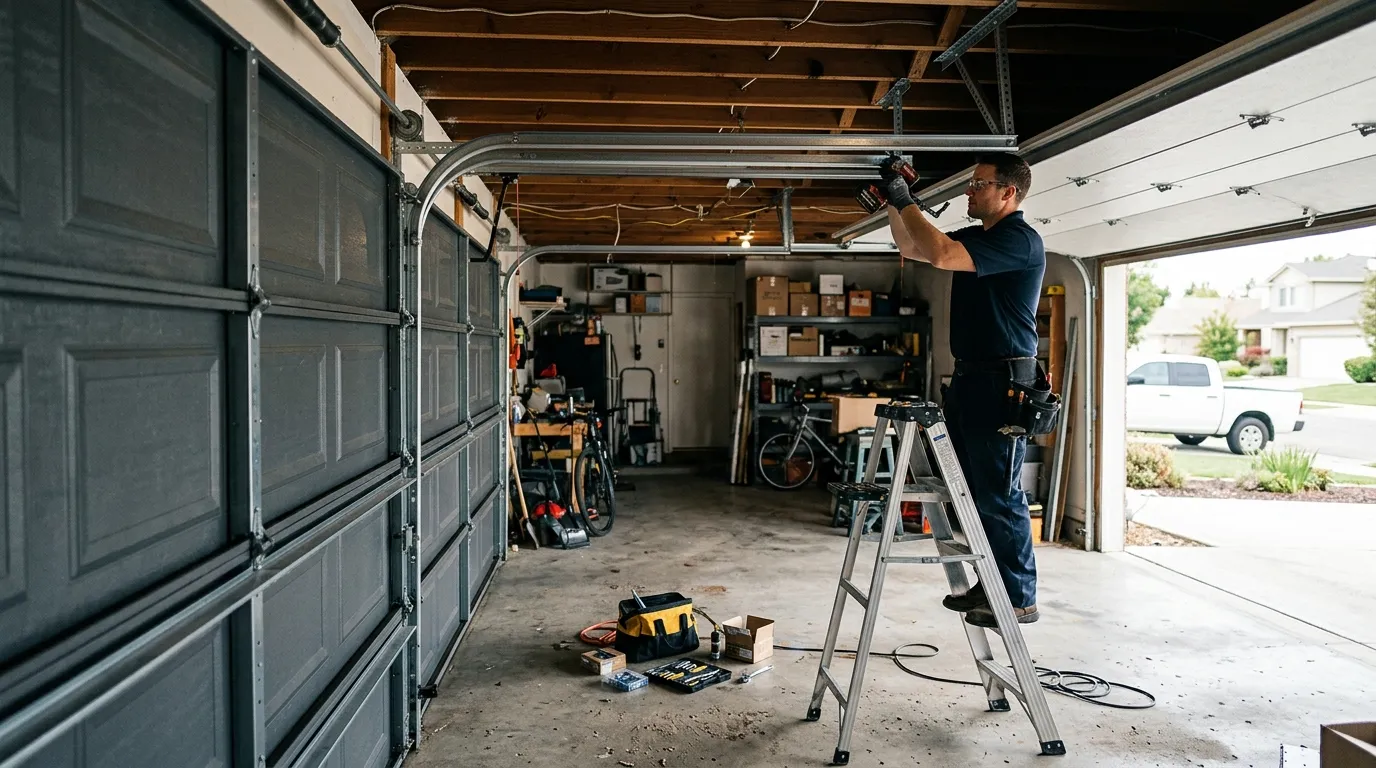
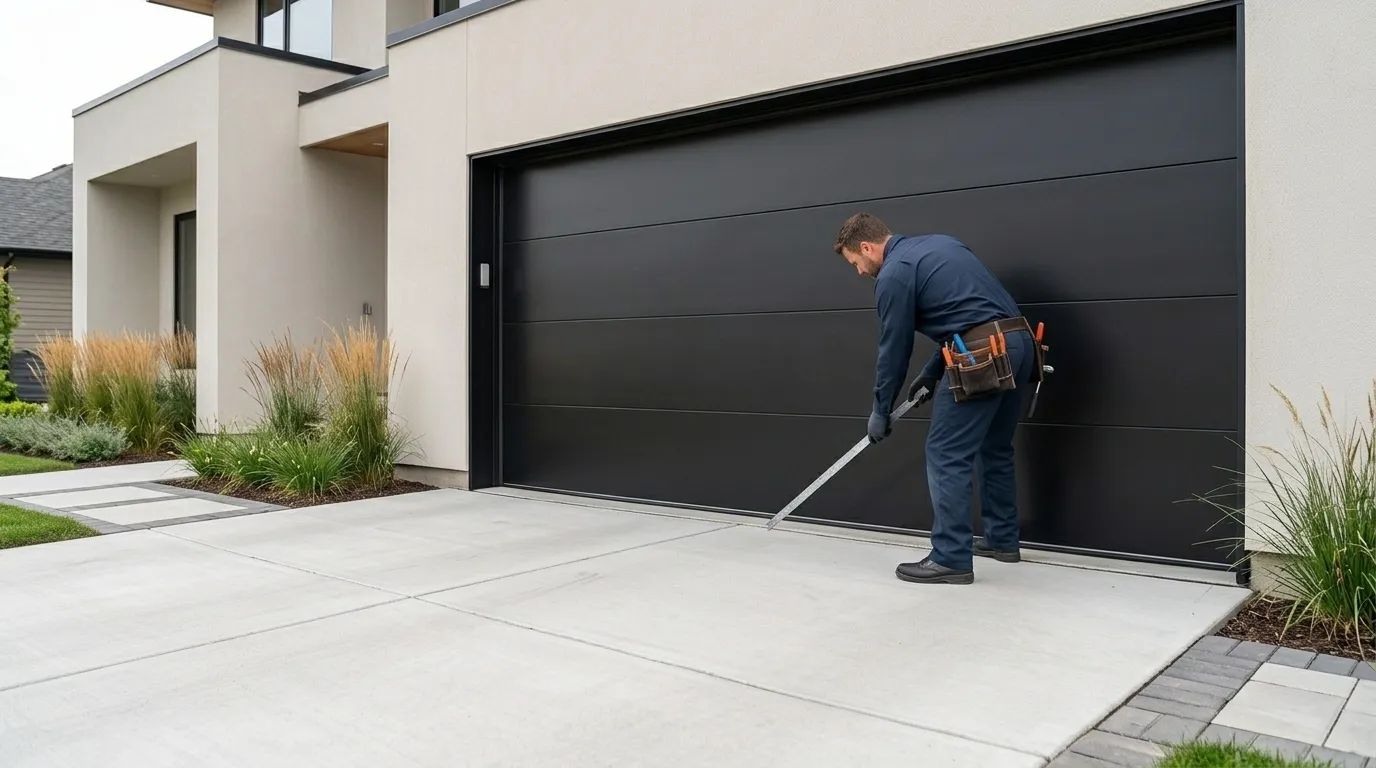
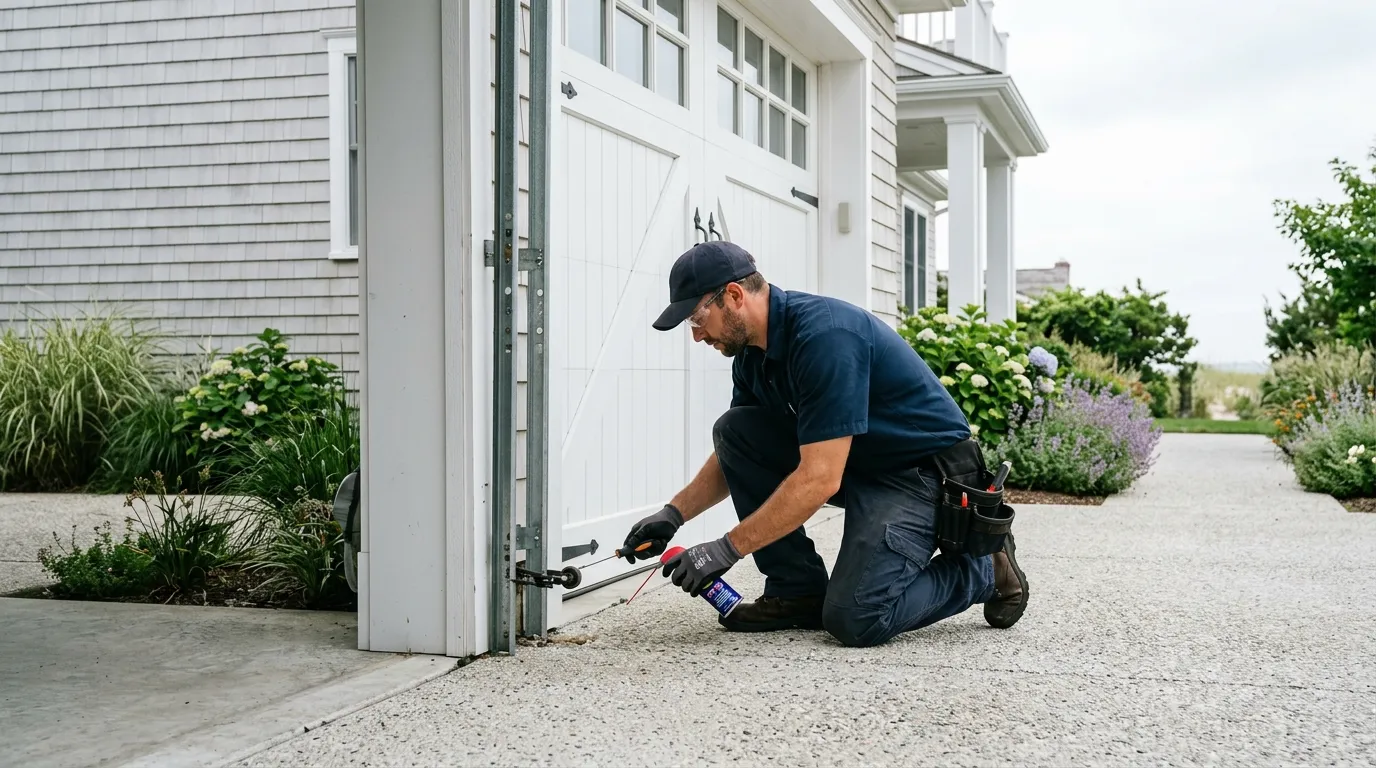
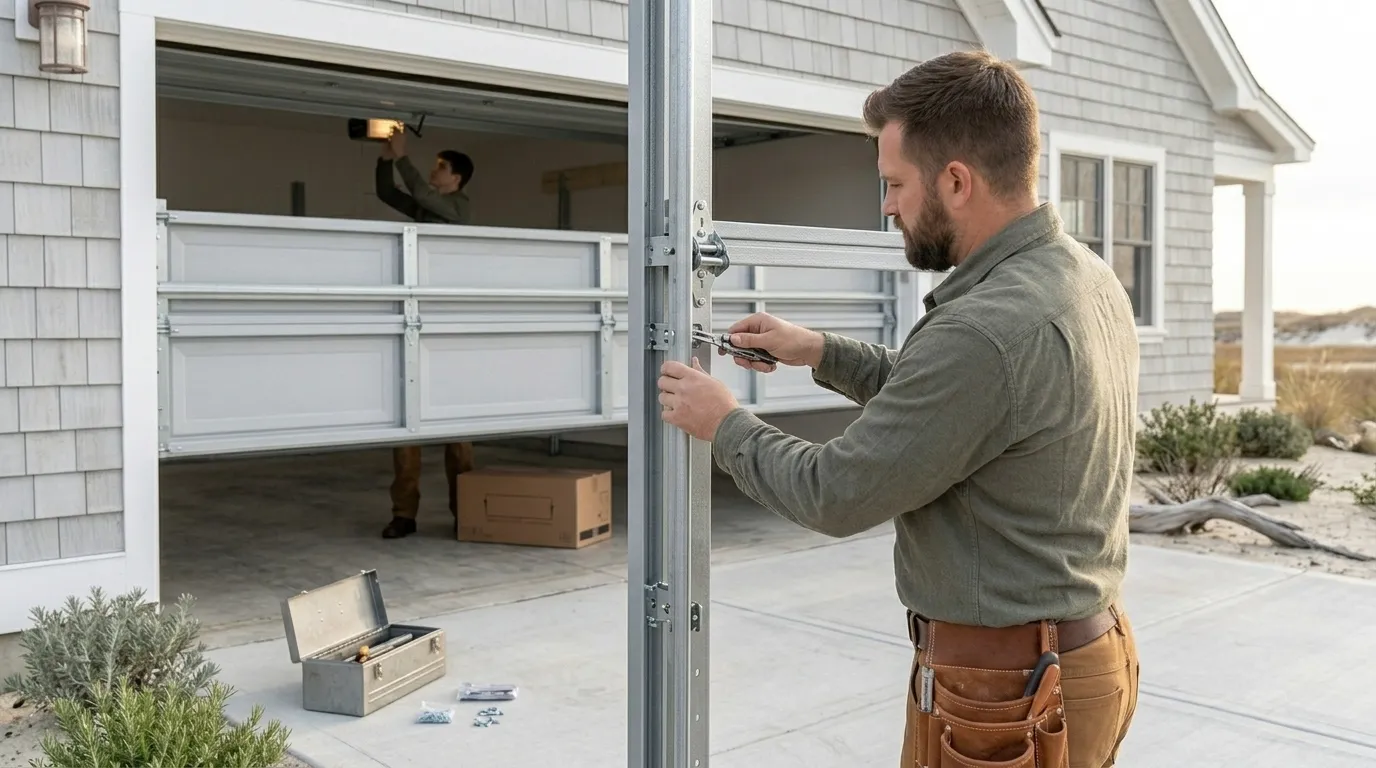
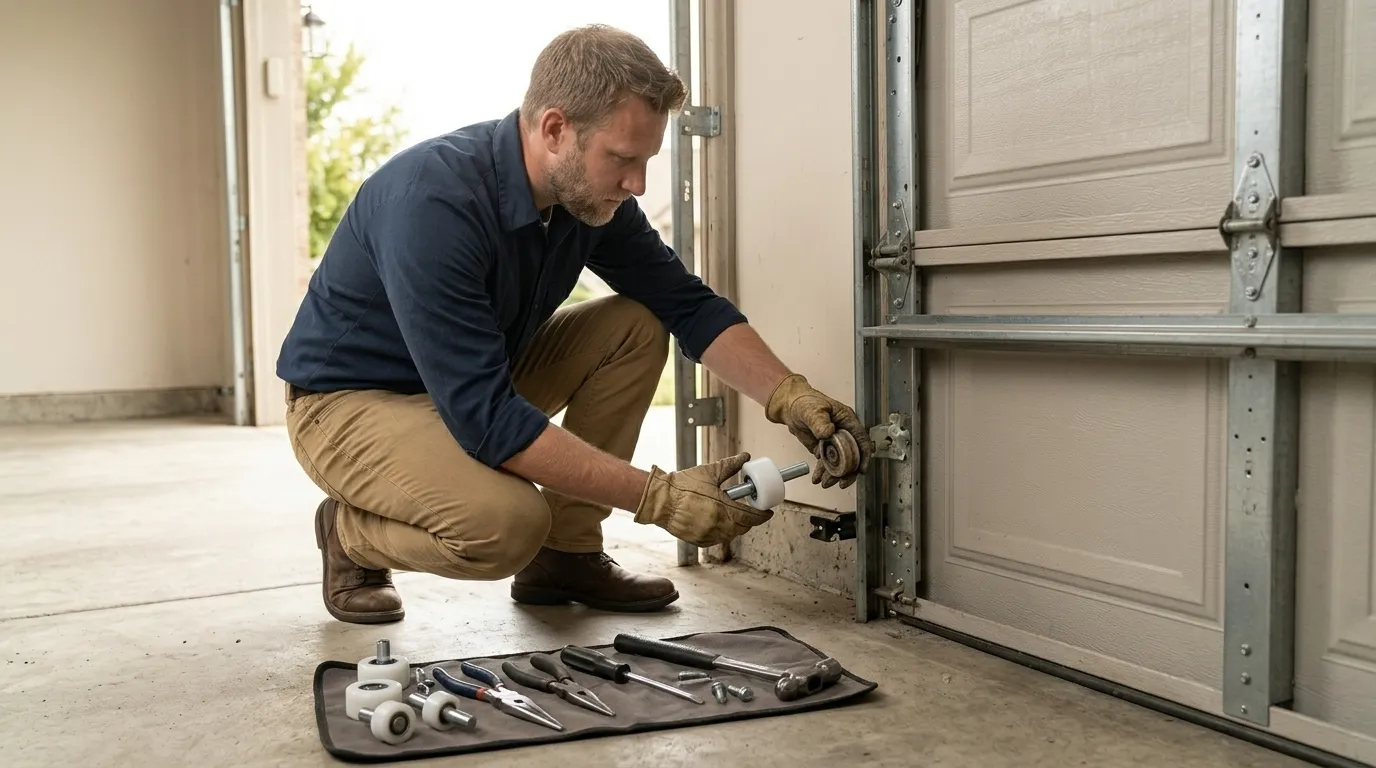
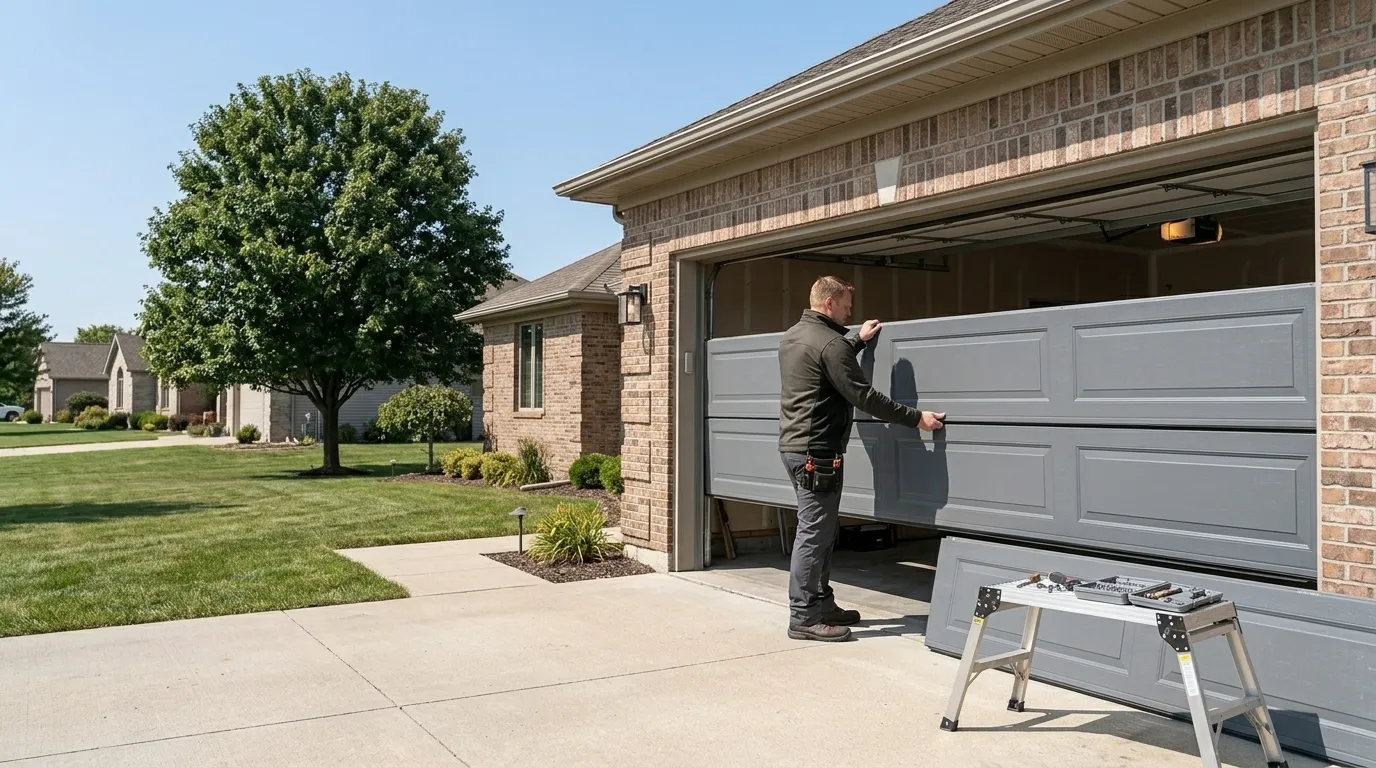
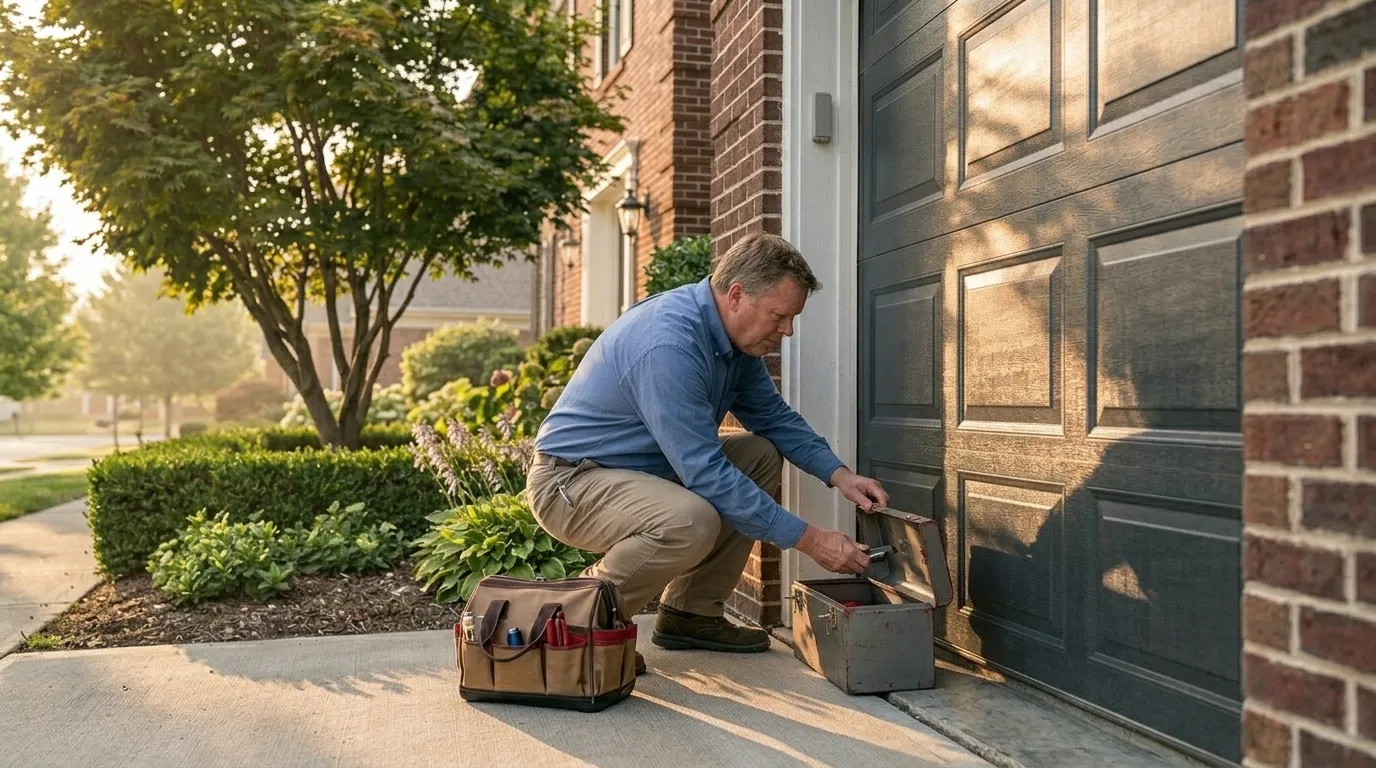
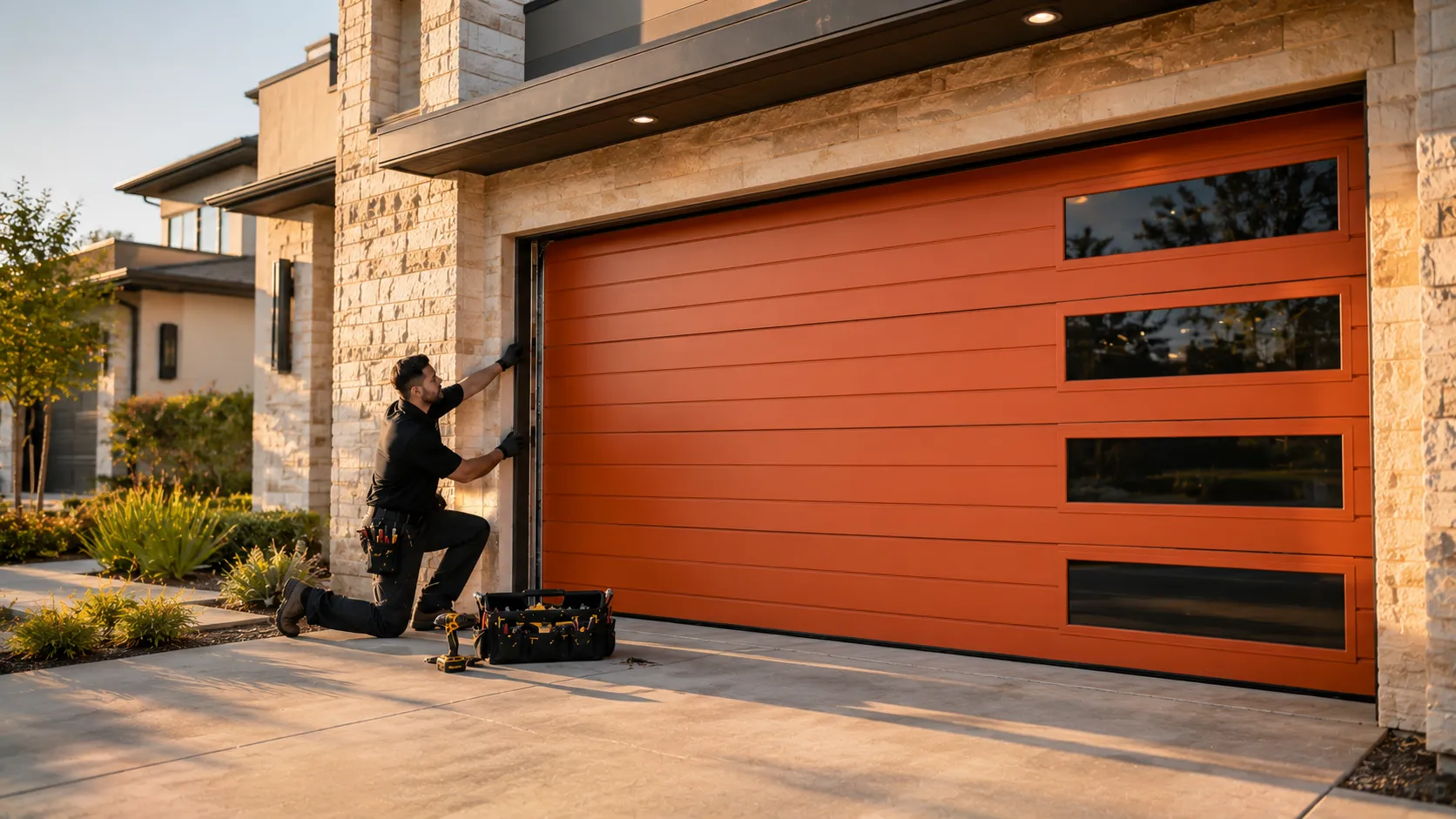
Bensenville sits about 10 miles from our Morton Grove shop, and most of the calls we get from this side of the coverage area trace back to the same era of house. With a median build year around 1970, a lot of these garages still have their original torsion setups or a first-generation opener bolted in sometime in the 80s or 90s. That means the calls skew toward worn torsion springs that were never rated for today's heavier insulated doors, opener gears that have been grinding for years before they finally strip, and tracks that have racked slightly out of true after five decades of settling. We also see a fair number of single-panel doors that some previous owner swapped for sectional steel without ever touching the old jamb hardware, so the rollers bind on tracks that don't quite match. None of this is exotic work, but it's not the same mix you'd get from a house built in 2005, and knowing which decade a garage came from tells us most of what we need before we even open the truck.
What That Means for Doors
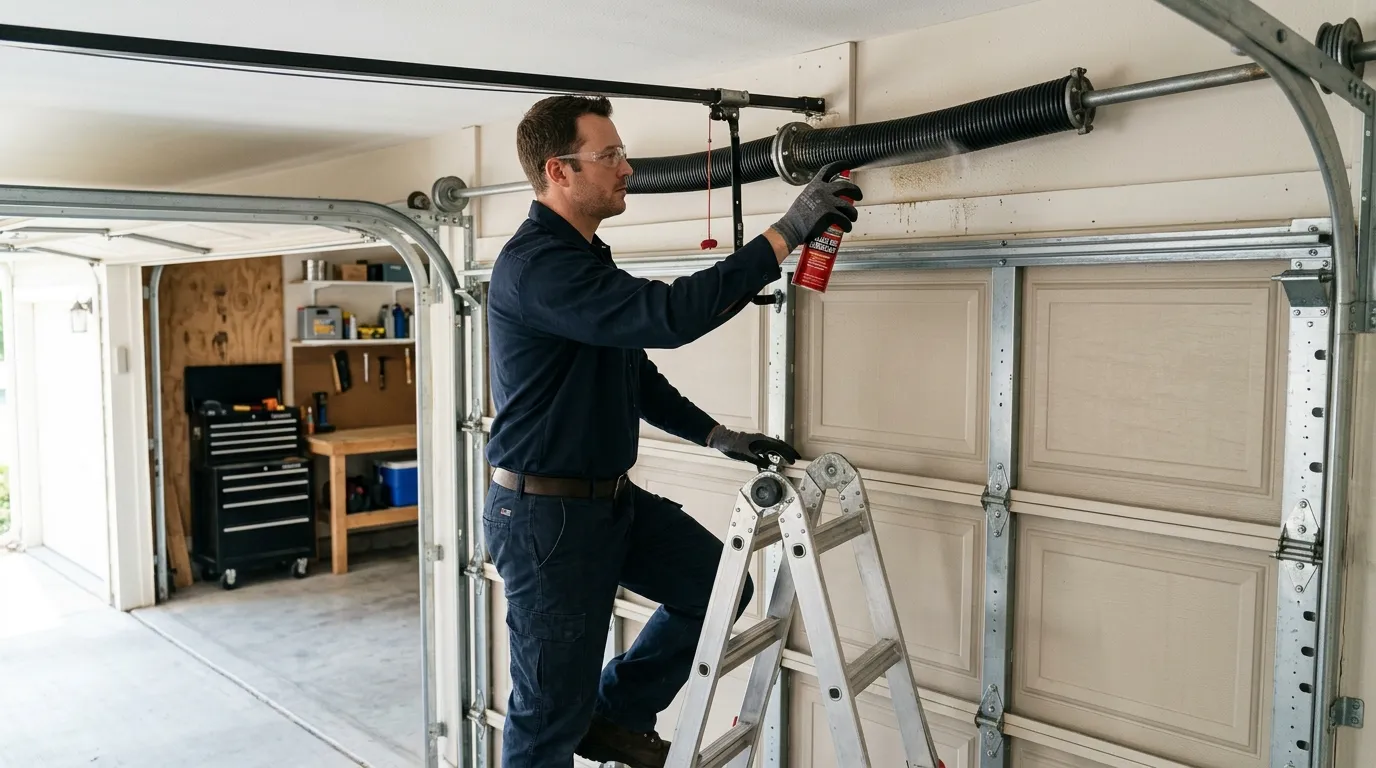
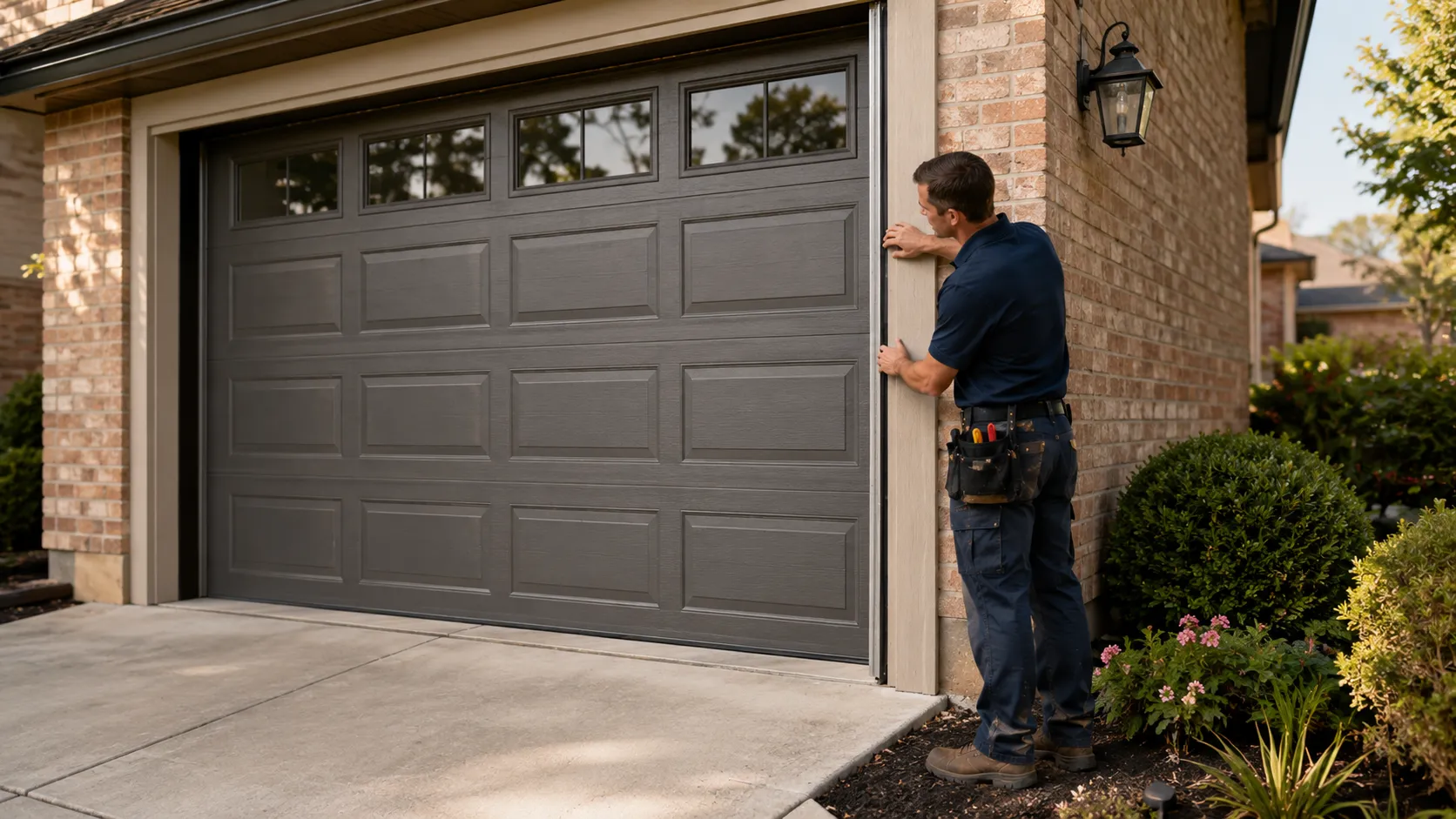
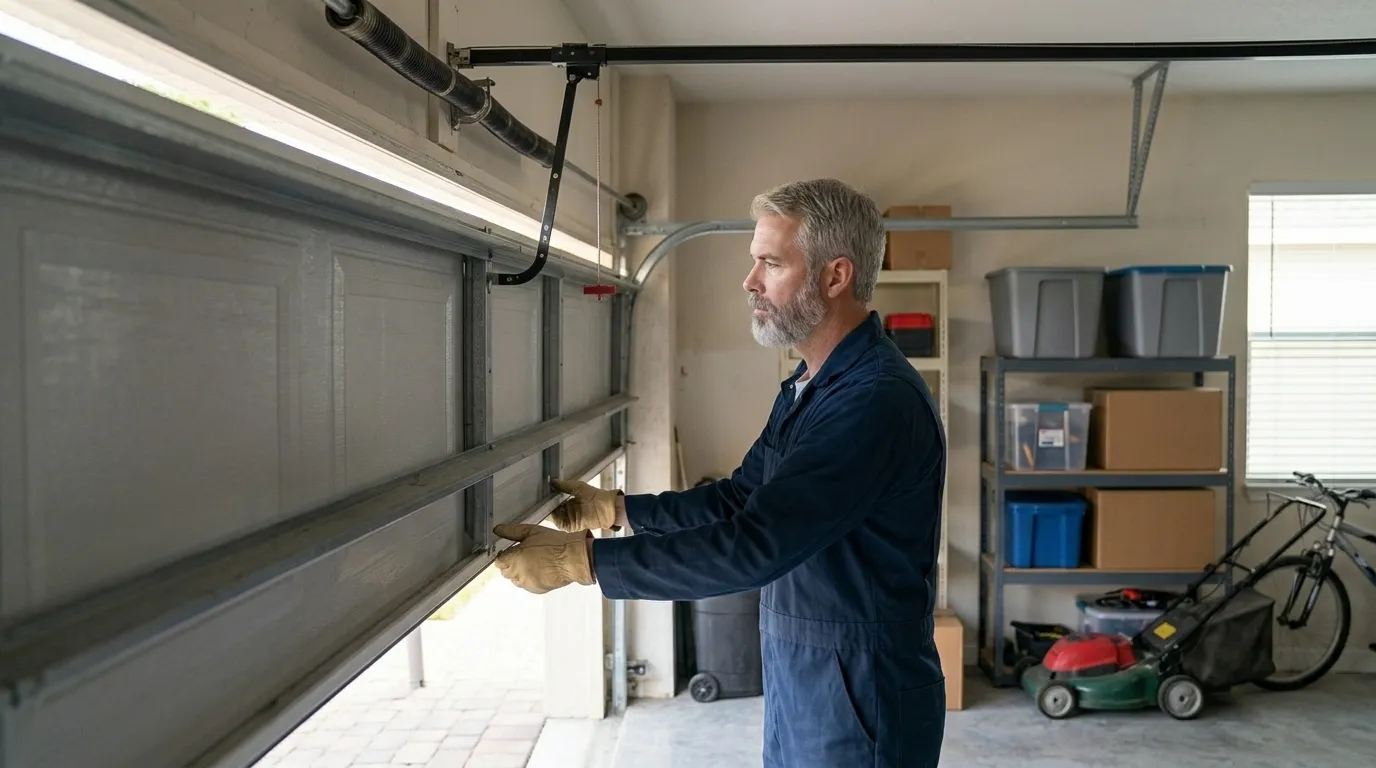
A garage built around 1970 in a cold-moderate climate band has had fifty-plus winters of freeze-thaw cycling on its slab and its track anchors. That's long enough for concrete to shift a fraction of an inch, which is often all it takes to throw a track out of plumb and start a door binding on one side. It's also long enough that the original torsion spring, if it's still in there, is well past any reasonable service life - springs are rated in cycles, not years, but a house this age has usually burned through that rating twice over. We check spring wind and cable condition first on these calls, because a spring that lets go on an old, slightly-out-of-square door is a bigger job than the same failure on a newer, better-aligned one.
Where We Stop
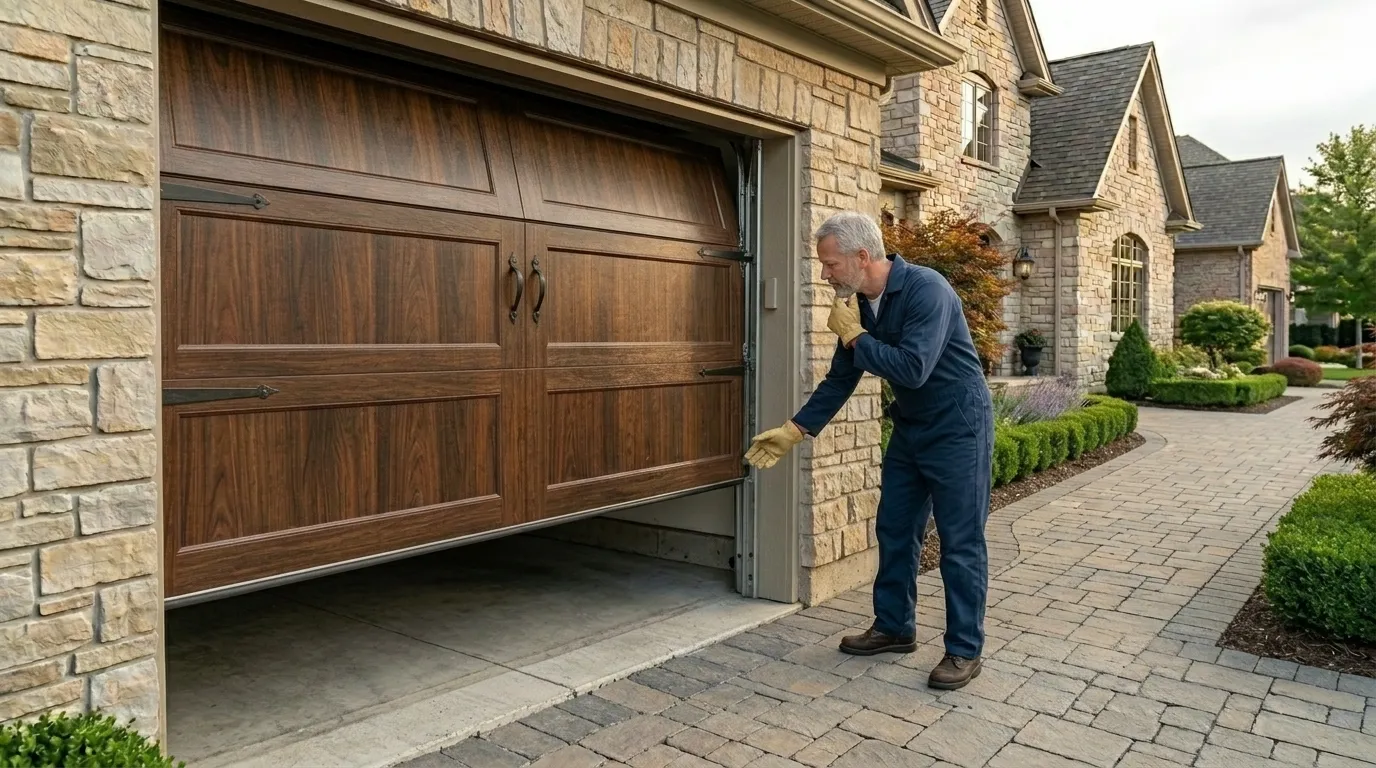
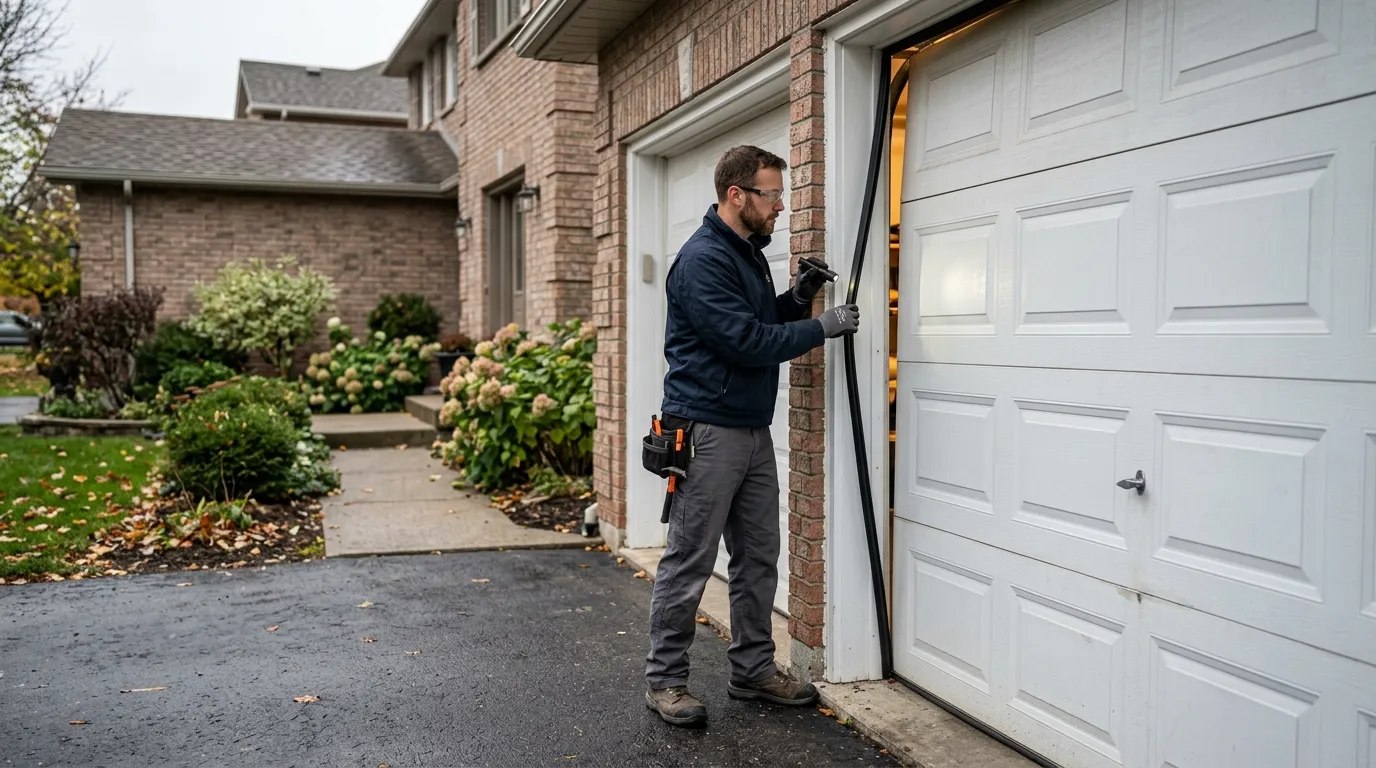
We don't keep a crew or parts inventory in Bensenville - every job here means a truck coming out from Morton Grove, about 10 miles away, so we're not the outfit to call for a same-day lockout unless the schedule happens to line up. We also won't try to force a fix onto hardware that's too far gone; if a track is bent beyond straightening or a panel is rusted through at the bottom, patching it costs more over time than replacing the section, and we'll say so instead of billing you twice.