
What to Look At First
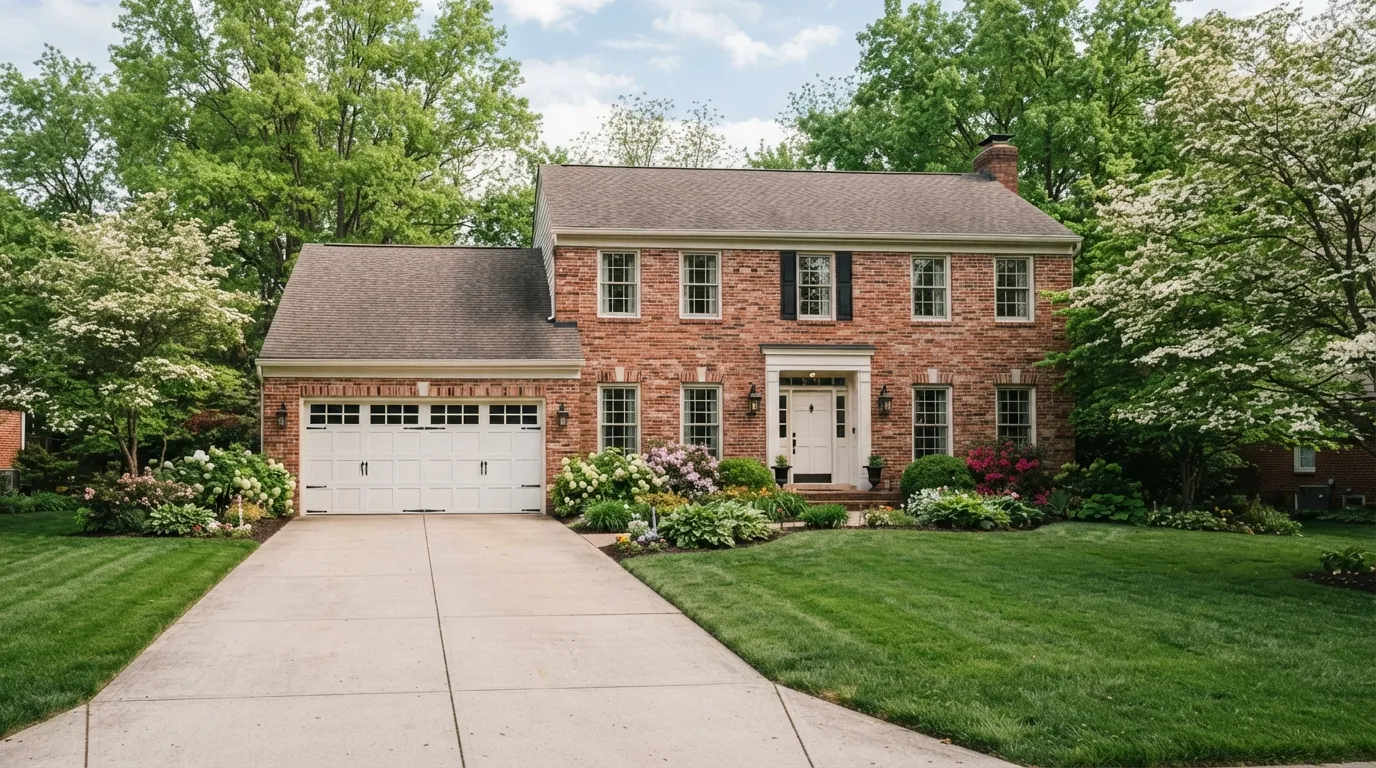
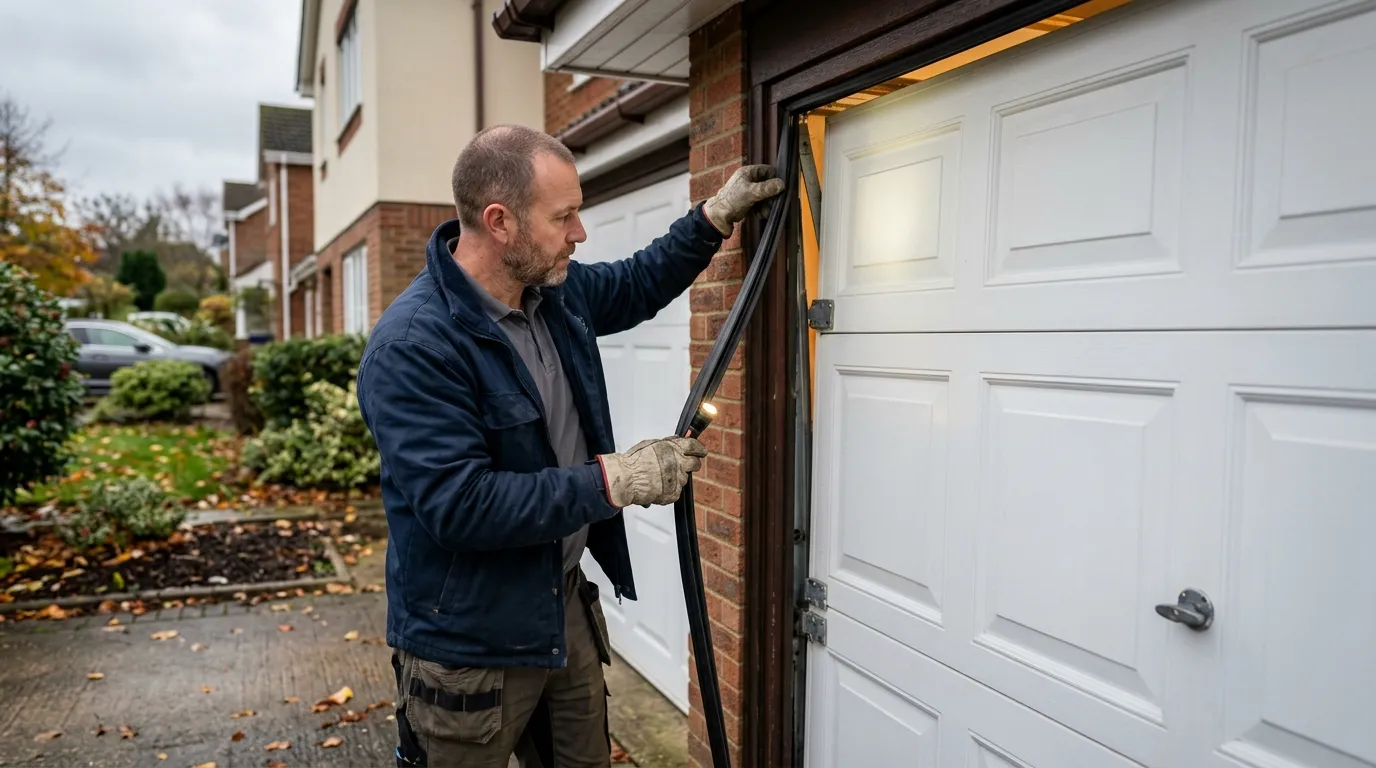
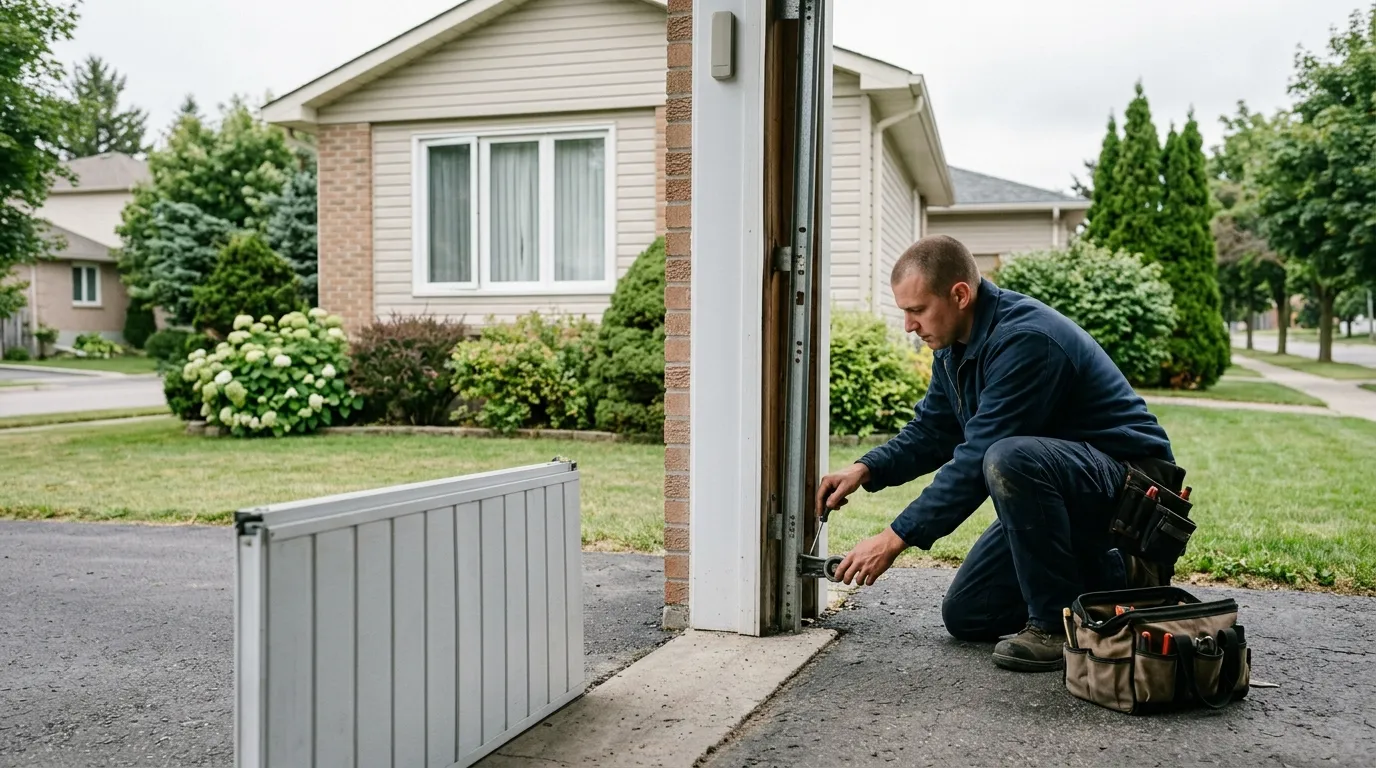
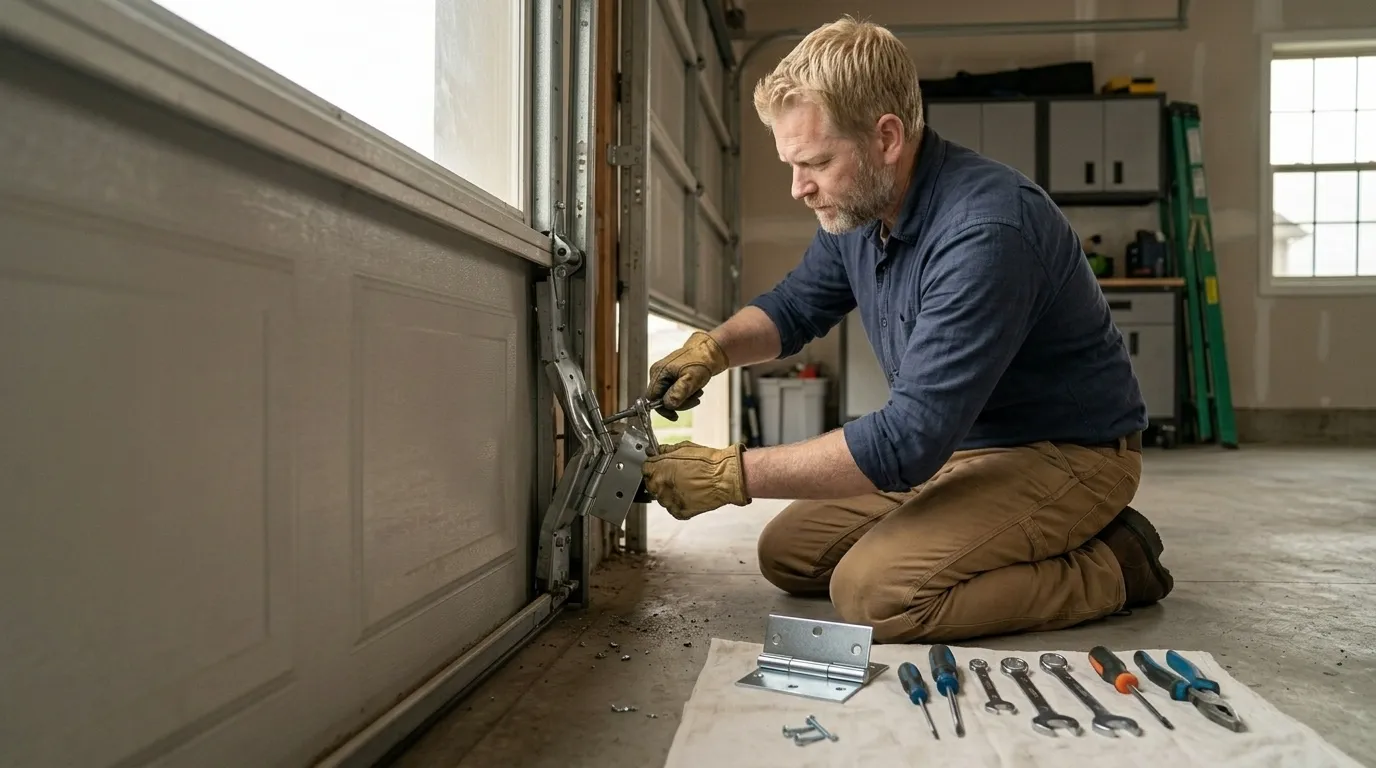
Most homes on this side of Morton Grove went up between 1938 and 1996, with the bulk of that stock landing right around 1963. That matters before a tech ever touches a drill. A house built in the early 60s usually still has its original torsion tube, or a replacement that was sized to match hardware nobody makes anymore. So the first ten minutes of a call aren't about the opener at all - they're about the track alignment, the condition of the lag screws holding the spring anchor bracket, and whether the door itself is the original steel panel or a later swap that doesn't quite match the frame. We check the springs for wind count and wire gauge before we quote anything, because on a house this age, guessing the spring size off a chart is how you end up back at the same house in a month. If the bracket is rusted through or the jamb has shifted from decades of settling, that gets flagged before any repair number goes on paper. This isn't a generic once-over. It's built around the fact that a 1963-era door and a 2015-era door fail in completely different places, and we need to know which one we're standing in front of.
How Local Conditions Play In
Morton Grove sits close to a cluster of towns we also work near - Golf a mile out, Niles-adjacent stretches, Skokie border areas, with Northfield, Kenilworth, and Winnetka each about four to five miles off. That geography matters less for the door itself and more for how we schedule and stock parts: a tech working this corridor carries hardware sized for the housing era common here, not for newer subdivisions further out past Rosemont or Schiller Park. Household income in the broader service area runs a median around $105,995, and across the roughly 236,600 households and 120,486 owner-occupied houses we cover, most people call us wanting the door fixed right the first time rather than the cheapest patch - that shows up in how often people ask for hardware upgrades instead of like-for-like replacement. It's not a Morton Grove-specific number on its own, but combined with the age of the housing stock, it tells us what to bring on the truck before we even ring the doorbell.
What Is Going On
Put the pieces together and most calls in this part of town trace back to the same root cause: hardware that's forty to eighty years old meeting a climate that stresses metal twice a year, in opposite directions. A 1963 house with its original torsion spring isn't broken because of bad luck - it's on borrowed time by design, and cold-season tension is usually what finally finds the weak point. We're honest that not every door on a house this age is worth repairing piece by piece. If the track is bent from age and the panel seams have started separating, patching one part just moves the failure to the next part, and at some point a full door swap costs less over five years than another round of individual fixes. We'll say that plainly on site instead of stacking small repairs. One limitation worth naming here: we don't stock every legacy spring size on the truck, since some of what's original to a 1940s or 50s Morton Grove garage simply isn't made anymore, and that can mean a short parts wait rather than a same-day fix.