
The Usual Work Here
Bellwood sits about 12 miles from our shop in Morton Grove, and the calls we get from this side of the coverage area lean older than what we see elsewhere. With a median build year around 1955, a fair number of these houses still have their original garage structure, even if the door itself has been swapped out once or twice since. That means we're often working with narrower openings, lower headroom, and framing that predates the wider single-car and double-car standard dimensions builders use now.
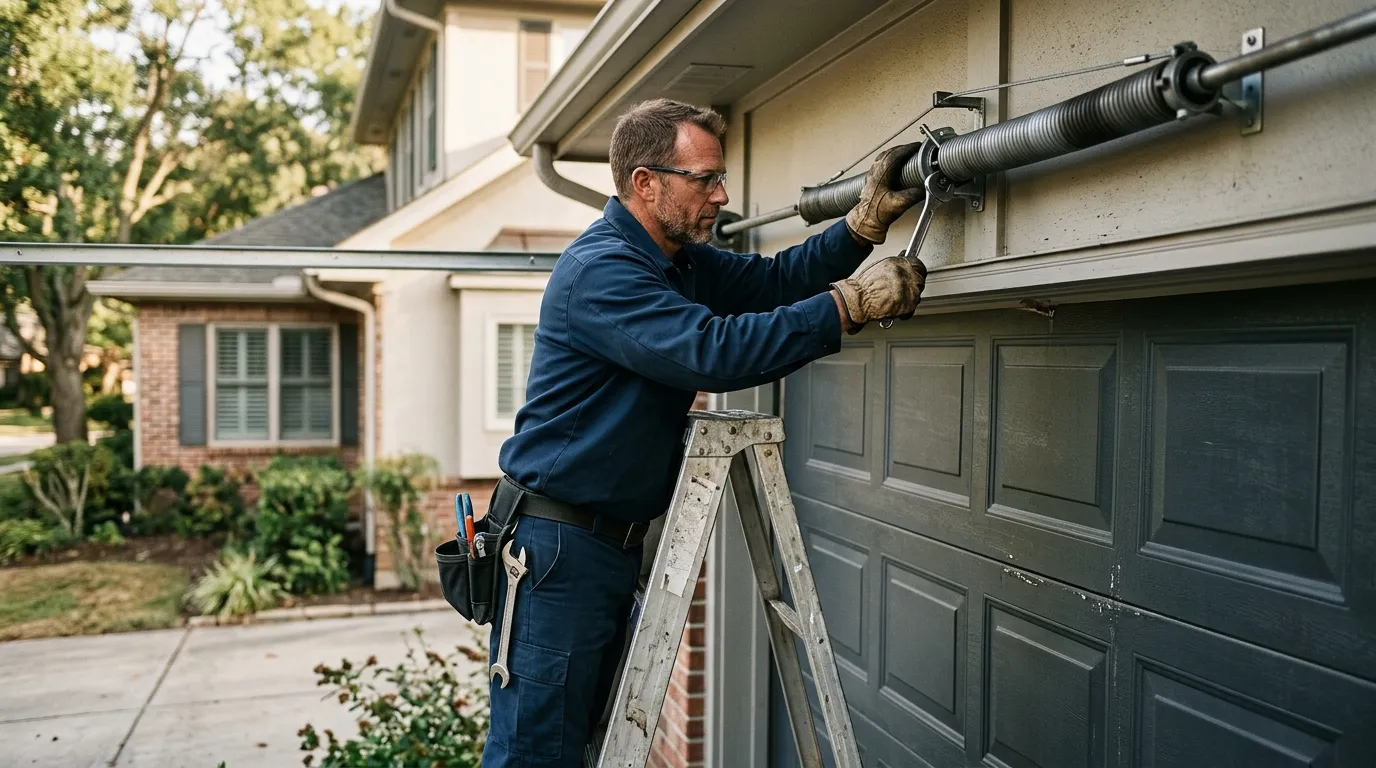
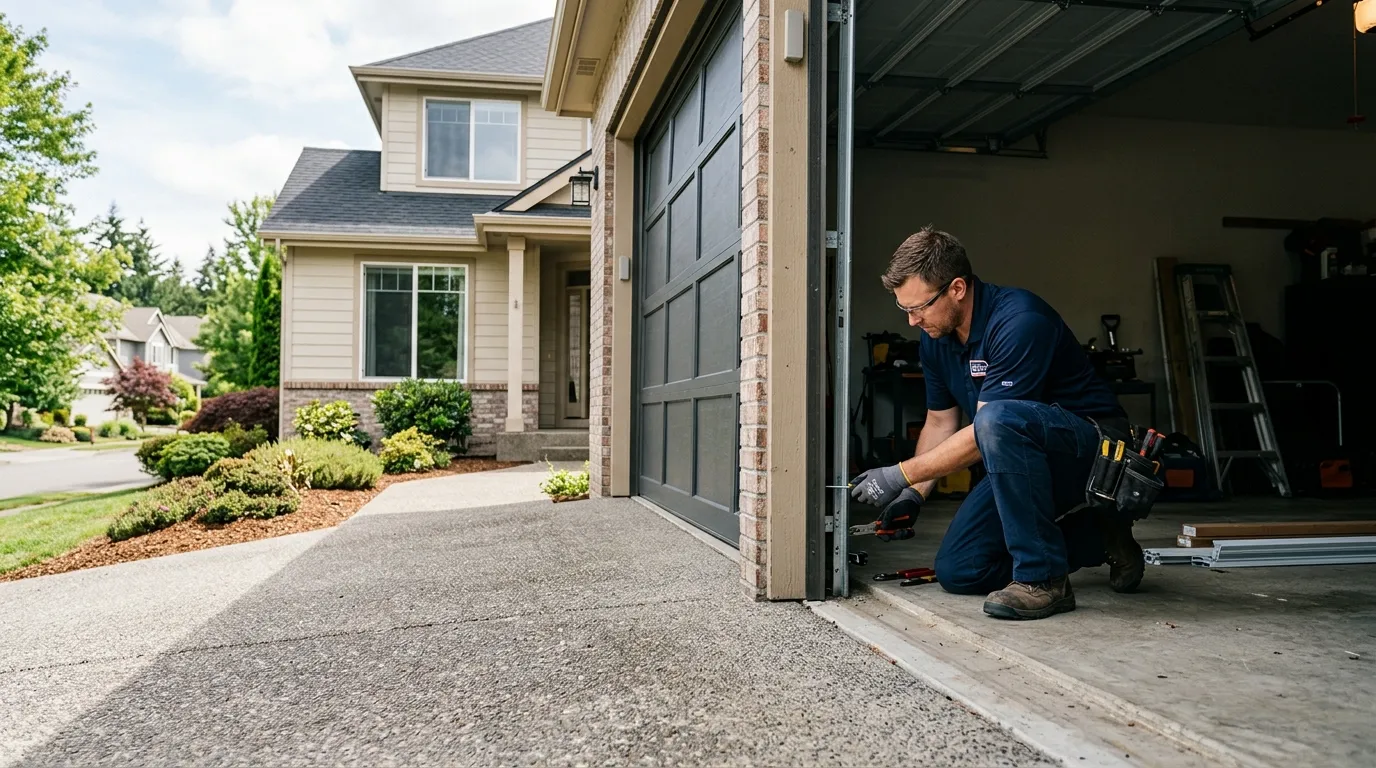
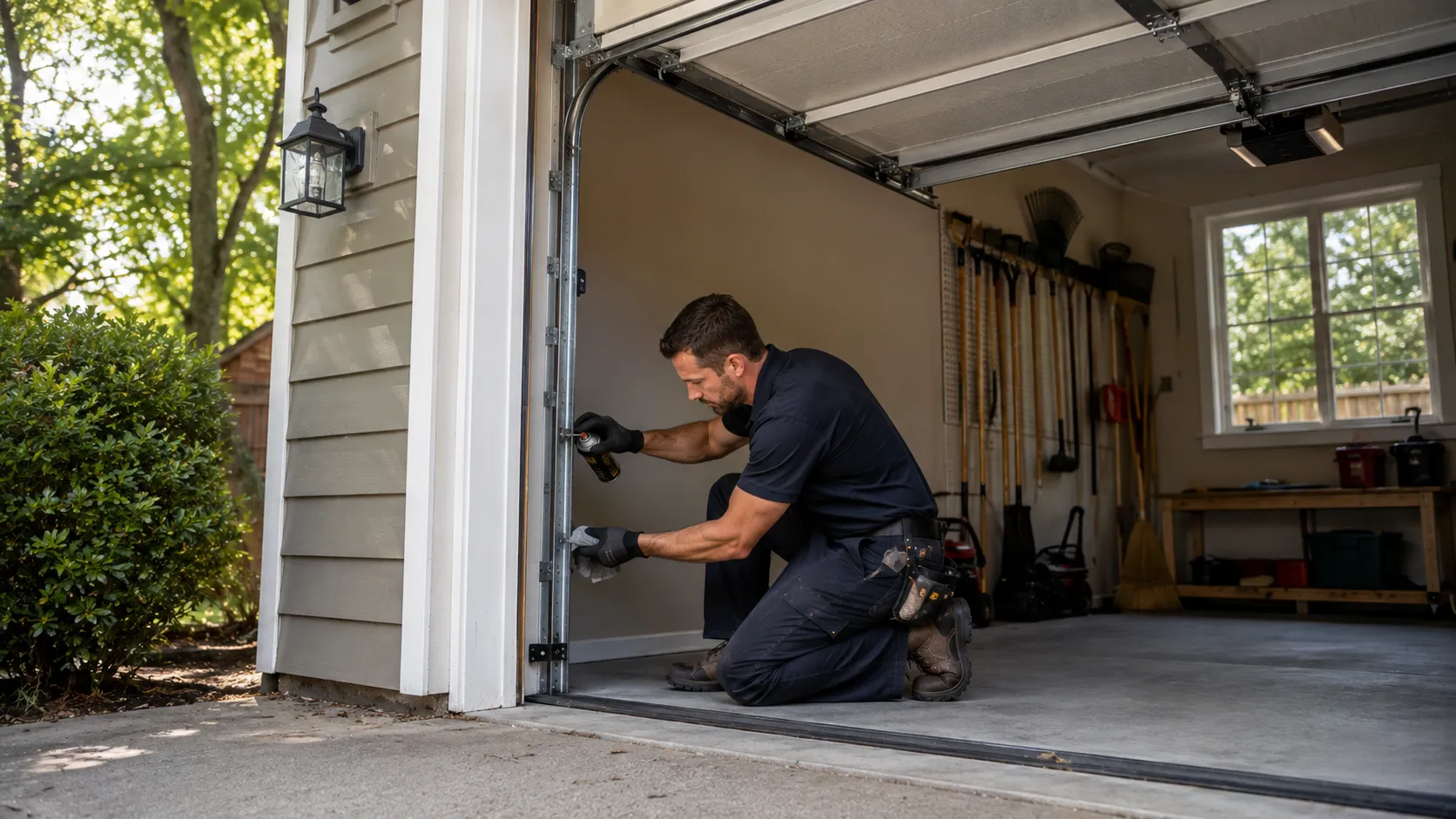
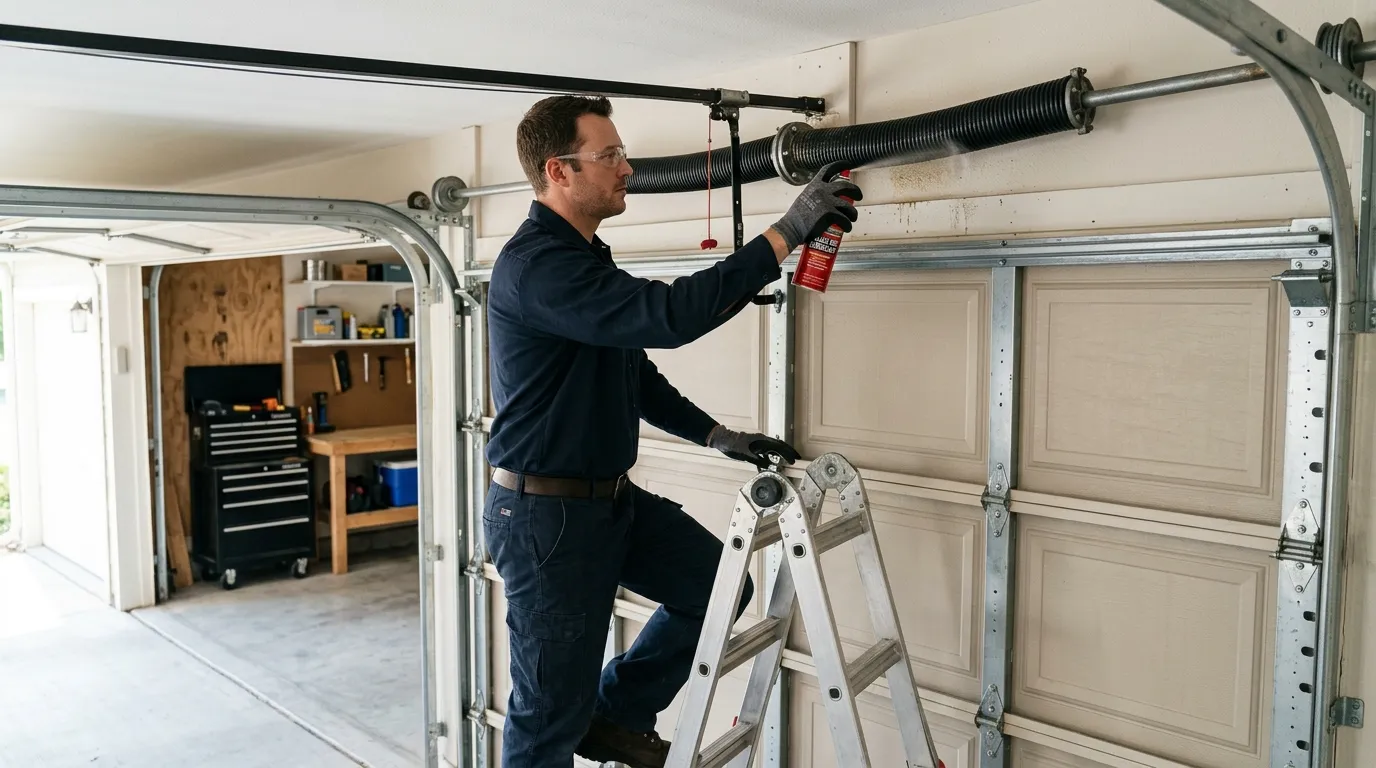
Most jobs are springs, cables, and openers that have simply outlived their parts. On a house from this era, a broken torsion spring often means finding a replacement that actually fits a shorter track, not just grabbing a standard-length spring off the truck. We also see a lot of older extension-spring setups that were never upgraded to torsion, which changes how we approach a repair versus a full swap.
We don't stock every obsolete bracket or drum size for a truck-and-go fix. If your door needs a part that stopped being made decades ago, we'll tell you that up front rather than stall the job pretending we can source it same-day.
What That Means for Doors
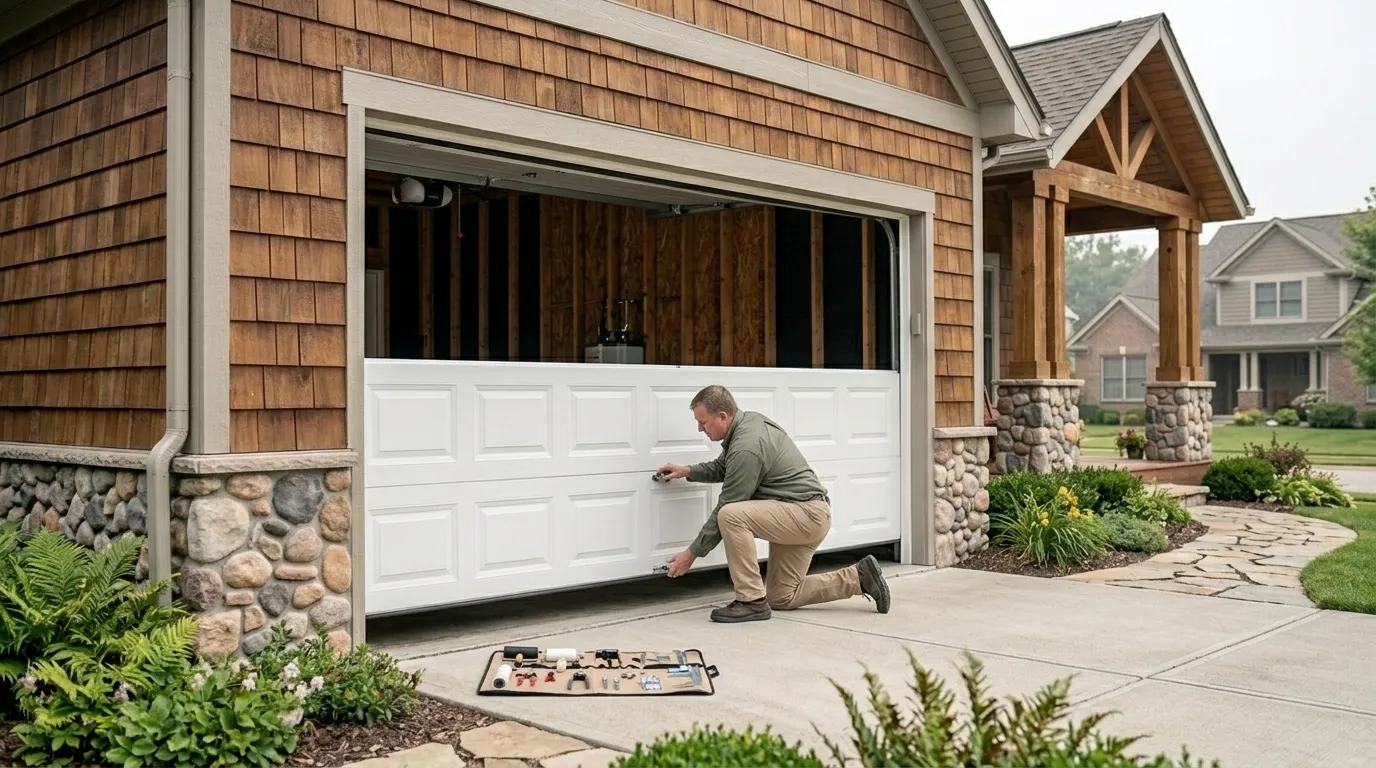
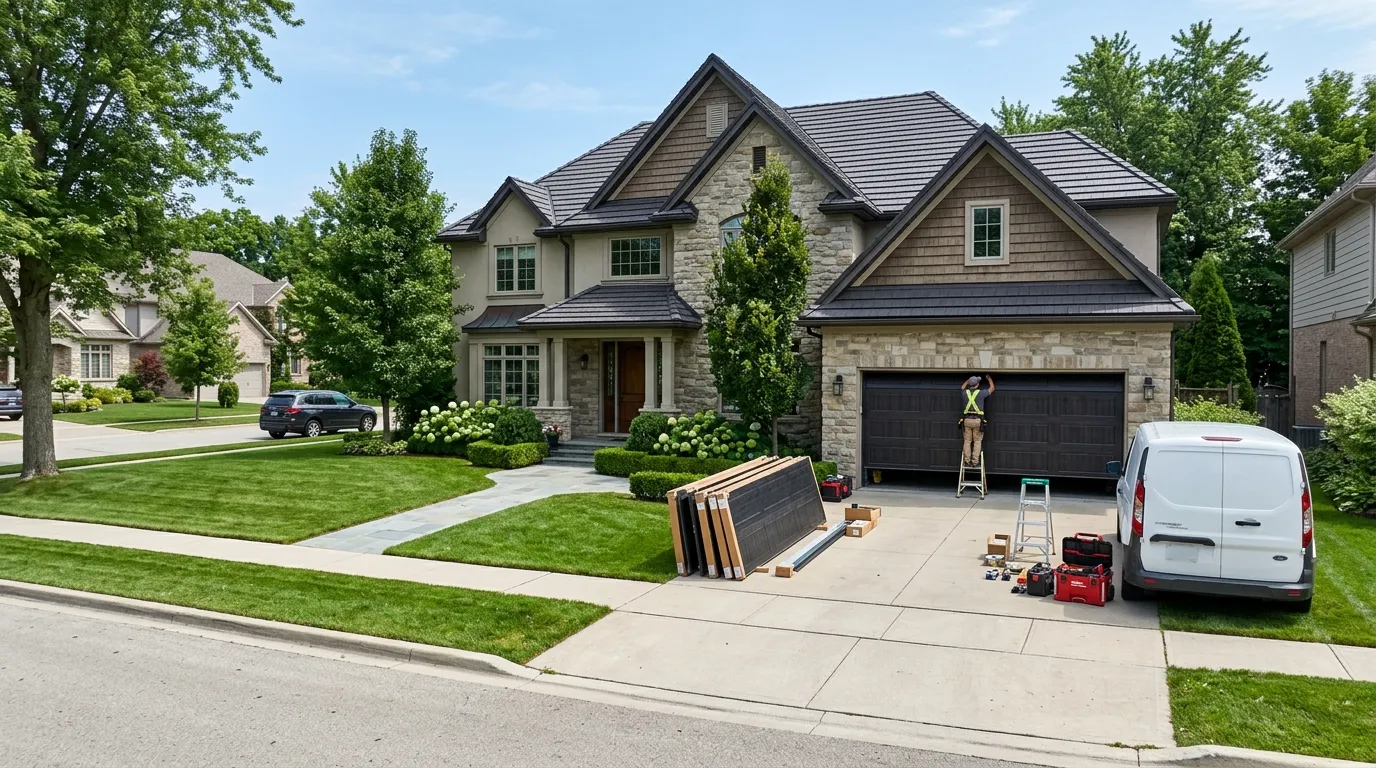
A door from a 1955-era Bellwood garage usually isn't a straight parts swap. The track spacing, the header height, and the mounting brackets on that build were designed around narrower steel or wood panel doors than what most manufacturers sell today. When a homeowner wants a same-style replacement instead of a full opening rebuild, we have to work around dimensions that current hardware wasn't sized for.
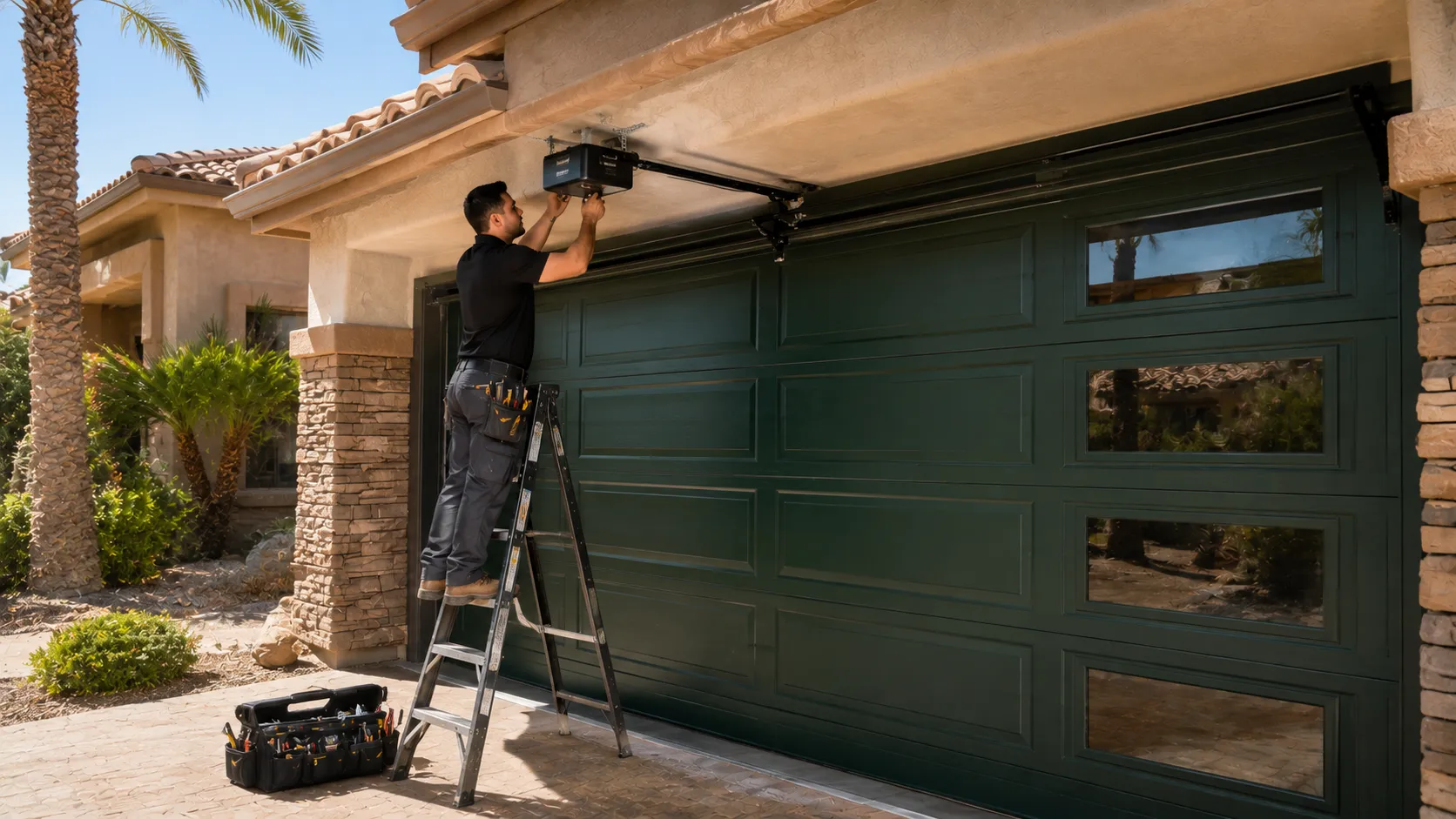
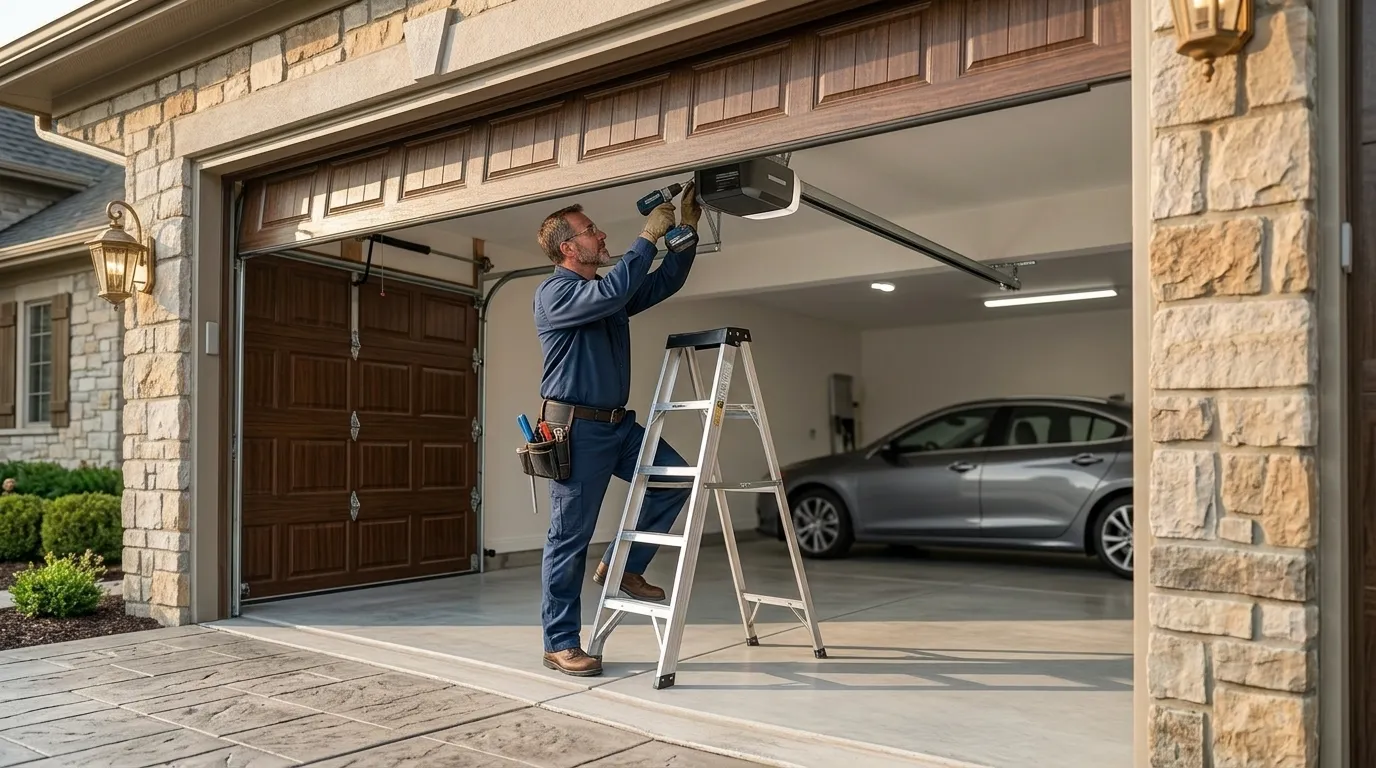
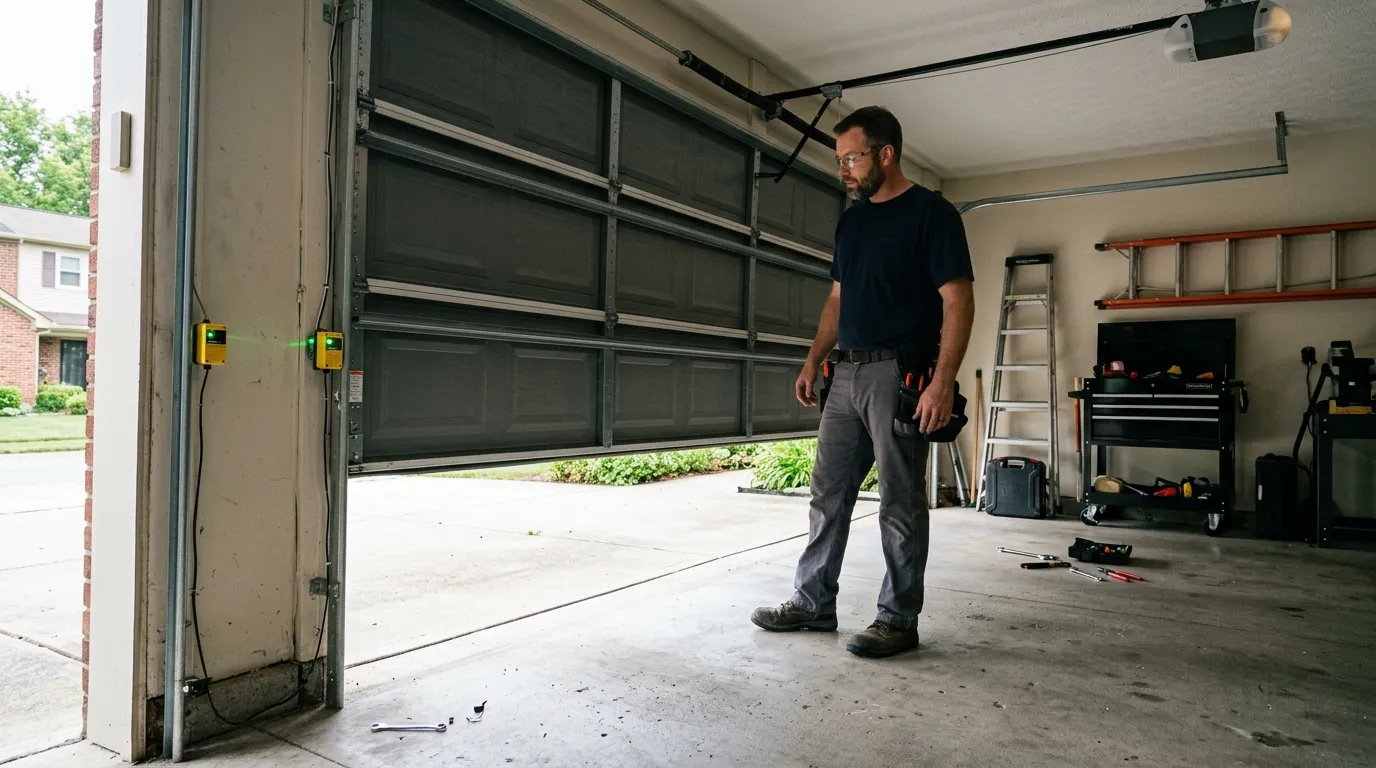
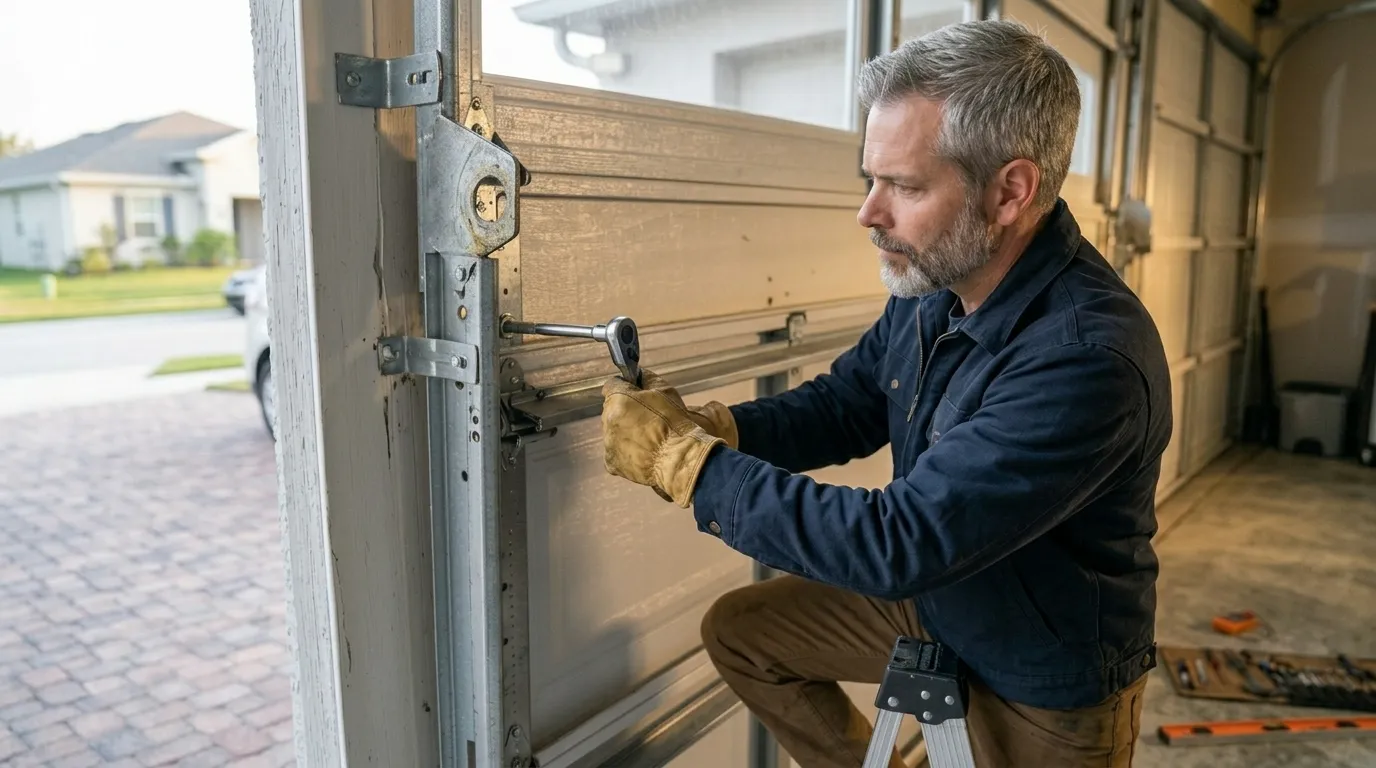
Openers are the other recurring issue. A lot of these garages had openers added well after the house was built, sometimes more than once, and the wiring and mounting don't always match what a new opener expects. We've opened up more than a few Bellwood garages to find an opener bracket screwed into framing that was never meant to carry that load.
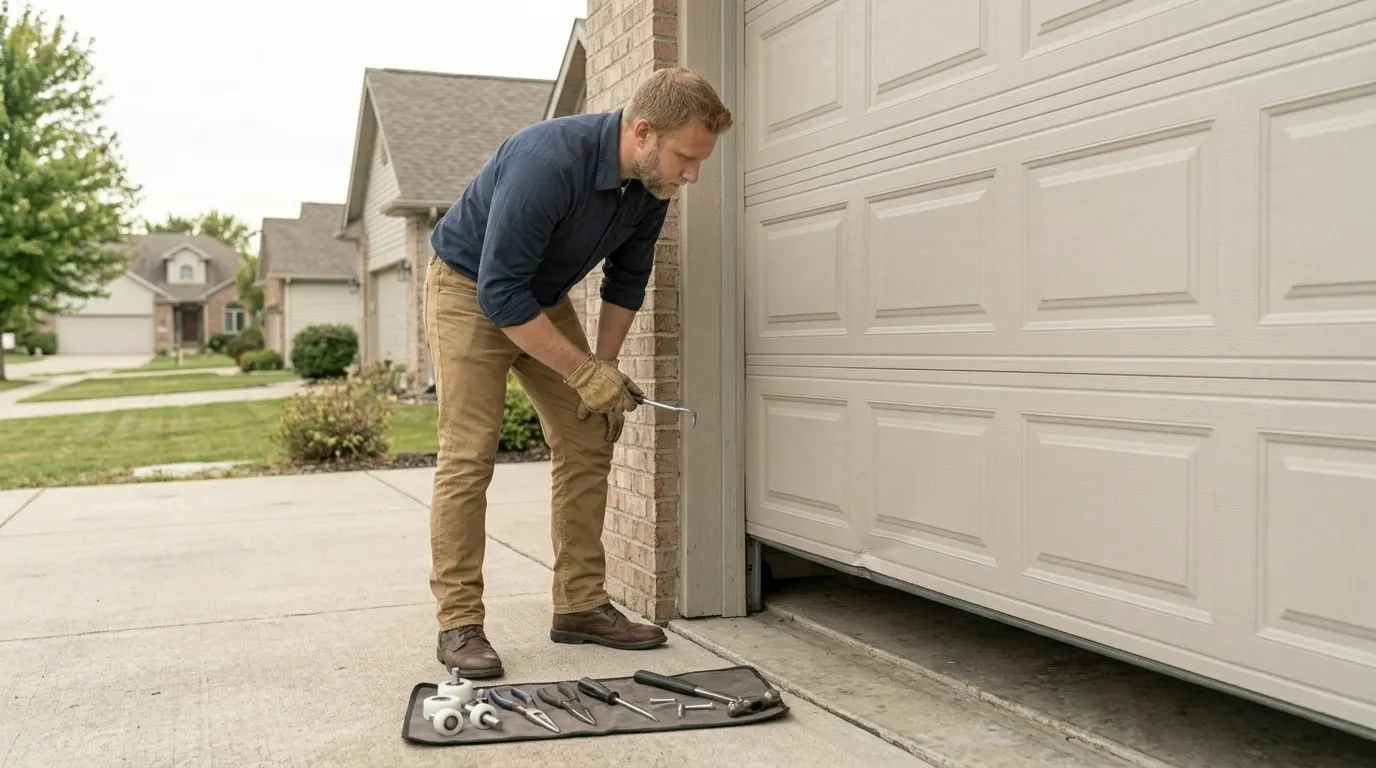
Cold-moderate winters do their usual damage regardless of the house's age - stiff springs, brittle rollers, cables that lose tension - but on an older frame, a failure that would be a quick fix on a newer house can turn into a bracket or jamb repair too. We'll always tell you when the fix is bigger than the door itself.
Where We Stop
We travel to Bellwood from Morton Grove, roughly 12 miles out - we don't keep a depot or crew stationed here, so this isn't a same-hour walk-in shop, it's a scheduled visit. If your door needs work today and you're calling at 6am expecting someone in twenty minutes, that's not what we offer for this part of the coverage area.
We also won't pretend to stock the obsolete parts some 1955-built garages need. If your track or drum was made by a company that closed decades ago, we'll tell you honestly whether a modern-equivalent part will work or whether the smarter move is replacing the whole assembly. Patching an old system with a mismatched part just moves the failure down the road.
And we don't push full replacement on a door that doesn't need it. If your original 1955 door still runs true and the springs are the only issue, we'll say so - not every job on an older Bellwood house ends in a new door.