
24/7 Emergency Service Open 7 days · 7am–8pm Serving Morton Grove, IL & nearby
(224) 353-7707
Morton Grove, IL

When a Spring Goes in Cold Weather: What Morton Grove Owners Should Check First

Morton Grove homes built mostly between 1938 and 1996 have springs sized for a different era. Here's what breaks first when temps drop, and what to check before you call.

When a Spring Goes in Cold Weather: What Morton Grove Owners Should Check First

What to Look At First

Most houses in this part of Morton Grove went up between 1938 and 1996, with the median build year sitting around 1963. That matters because a torsion spring installed on a house from that era has been cycling for decades, even if it was replaced once along the way - steel fatigues on a schedule, not on a calendar you can see from the driveway.

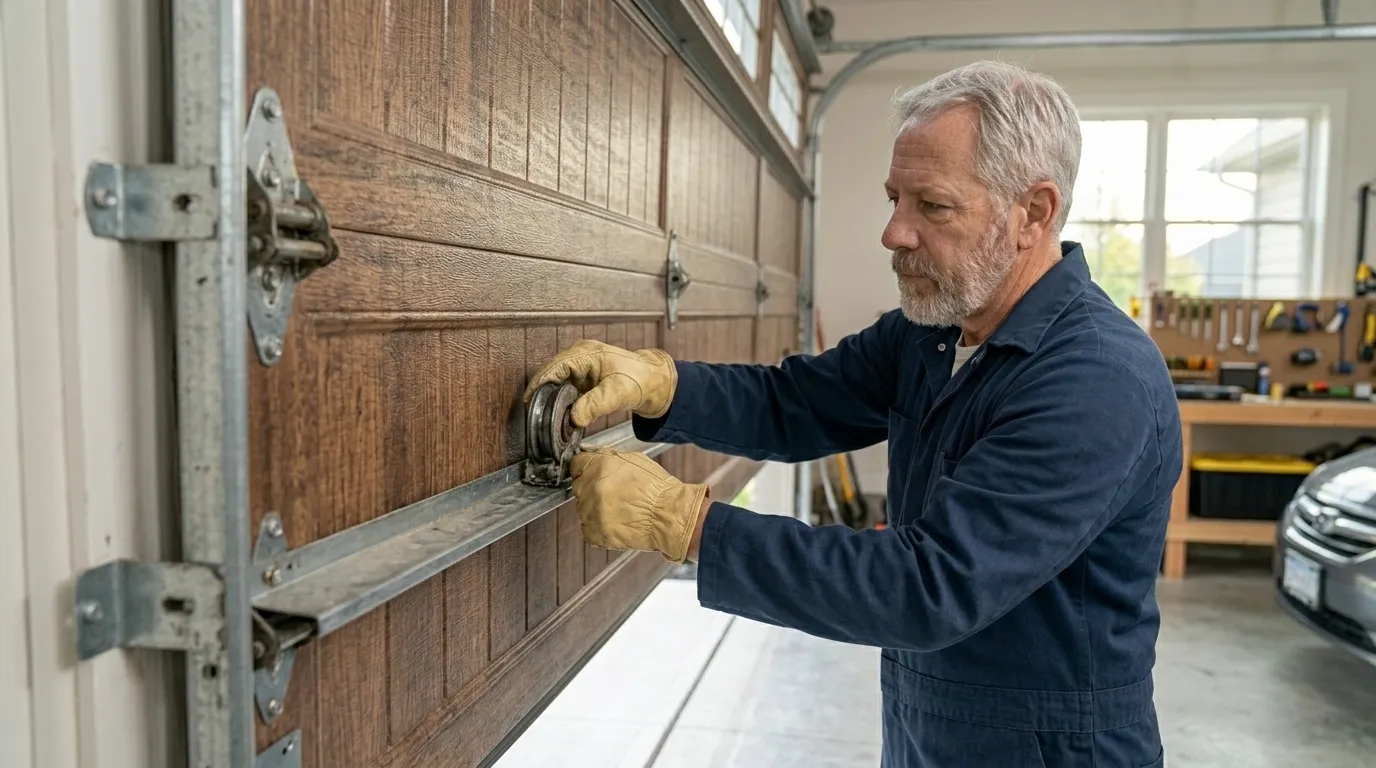
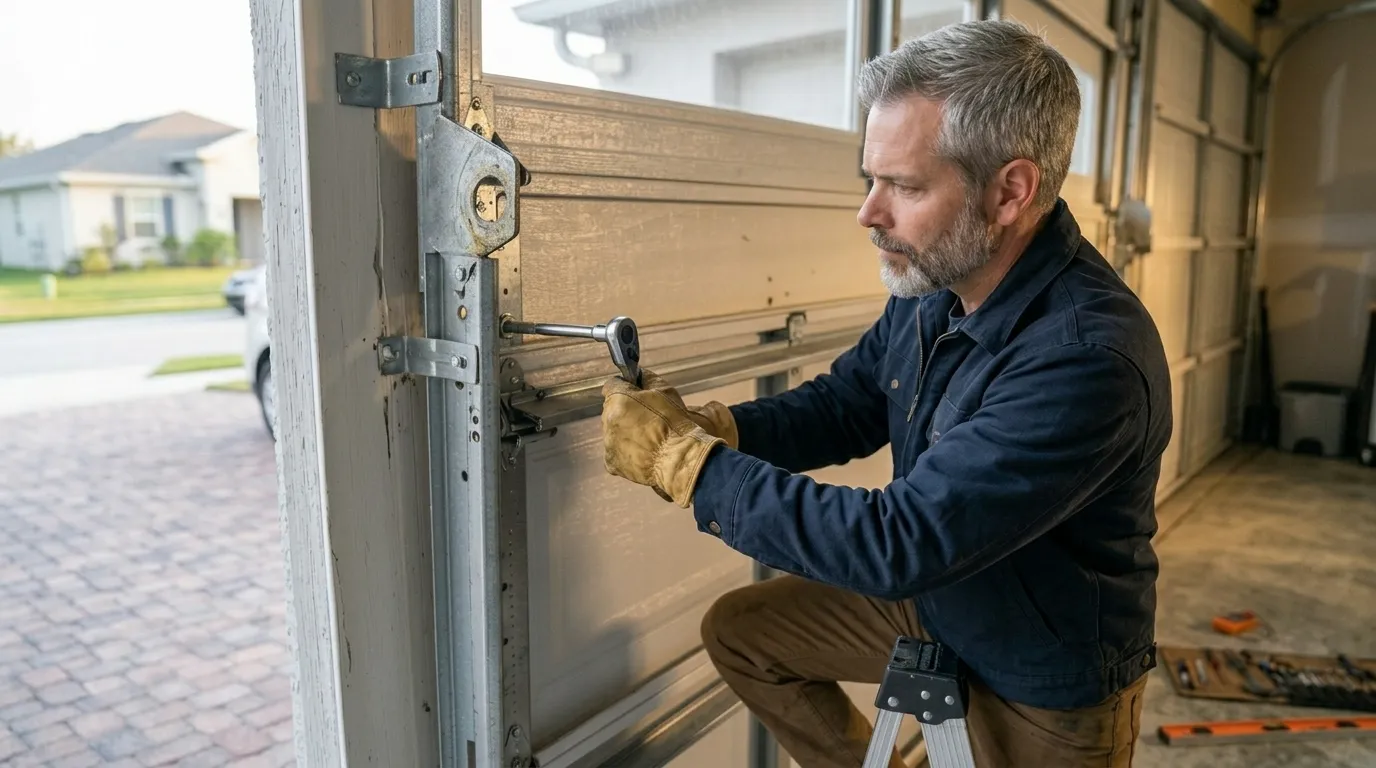
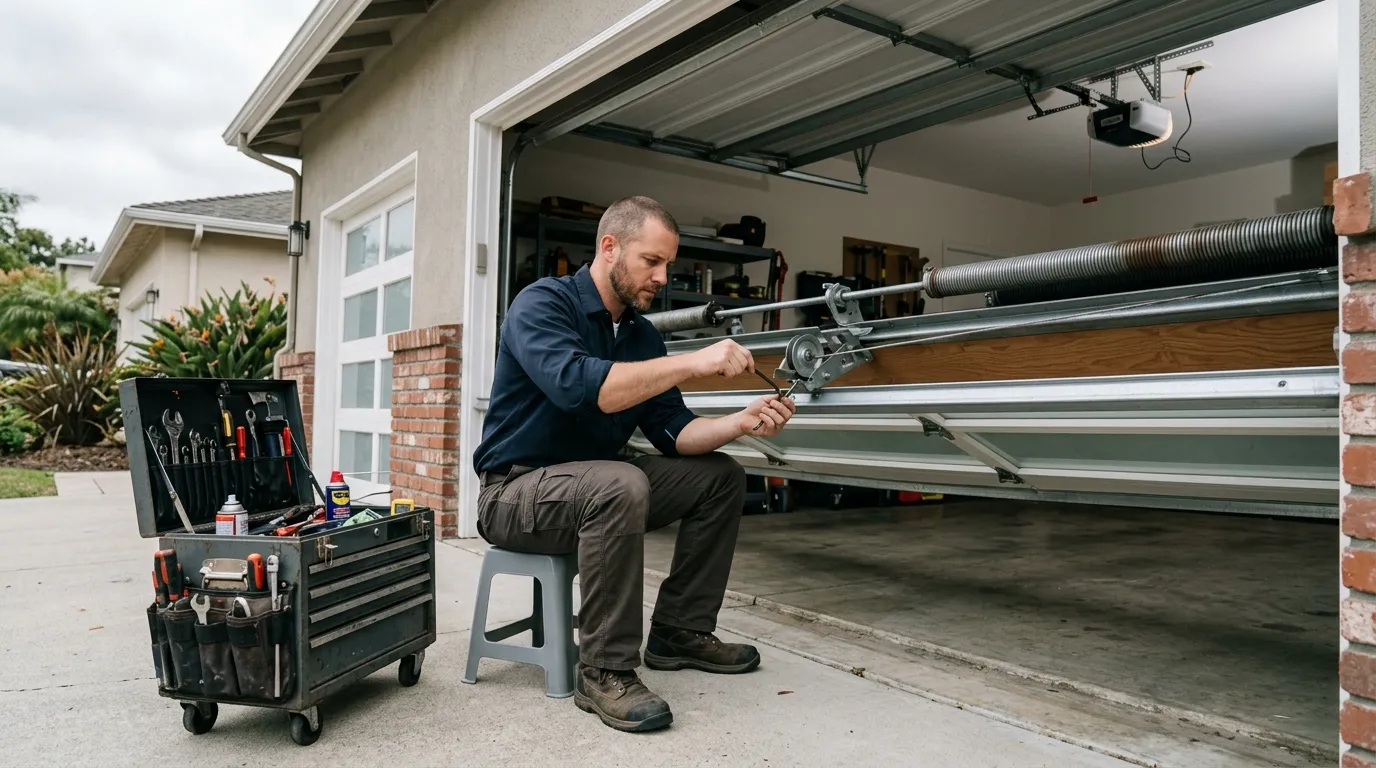
Start by looking at the spring itself, not the opener. If the door won't lift, or lifts a few inches and stops, the opener is fine and the spring has let go. On the older one-piece and sectional doors common to this stock, that's a gap in the coil you can spot from below without pulling anything apart. Check the cable drums too - on houses this age, a stretched or frayed cable off a worn drum often shows up right around the same time as spring fatigue, because both parts wear on the same use cycle.

What I won't tell you to do is wind or unwind that spring yourself. Under tension it can take a hand off, and that's true no matter how old the house is. Look, note what you see, and stop there.

The Seasonal Bit

Morton Grove sits in a cold, moderate climate band, and that's the part that turns a tired spring into a broken one. Steel contracts as it gets cold, and a spring that was already fatigued from thirty or forty years of cycling loses a little more flex right when the temperature drops. That's why a spring going in cold weather isn't bad luck - it's the last straw on a part that was already close to the end.

The failure pattern is predictable enough that we see it every winter here: a door that worked fine through fall suddenly won't budge on the first hard cold snap. It's rarely the opener. The motor doesn't care about temperature the way a stretched steel coil does.

One honest limitation: we can't tell you over the phone whether a spring is about to go or has months left in it. Fatigue doesn't announce itself with noise or a visible crack most of the time. If your door is original to a house built in the 1960s stretch of Morton Grove and you've never had the springs swapped, the safest read is to treat winter as the season it's most likely to happen, not to wait for a warning sign that may never come.

How Local Conditions Play In

Morton Grove's housing stock skews mid-century - 1938 to 1996 is the full range, but the bulk of it clusters in the 1960s and 70s, same as much of the surrounding area out toward Golf, Niles Township, and the other close-in suburbs. That means a lot of garages here were built with hardware sized for lighter doors than what's often installed on them now, especially where an owner has upgraded to a heavier insulated door without upsizing the spring to match.

A heavier door on an old spring works harder every single cold-weather cycle. It's not dangerous by itself, but it shortens the spring's life, and it's part of why the cold-weather failure pattern shows up here more than it might in a newer subdivision with matched hardware from the start.

If your garage backs onto an unheated space - common in the older layout of this housing - the swing between an unheated garage and outdoor cold is smaller than an attached heated one, which sounds like it would help, but it also means the spring never gets a warm-up cycle during the day. It just sits cold.

What Is Going On

Put together, it's a straightforward mechanical story: older stock, moderate-cold climate, and steel that fatigues faster once temperatures drop. None of that is unique to any one house on the block - it's the pattern across most of Morton Grove's original housing, because most of that housing was built in the same twenty-year window and sees the same winters.

What you can control is timing. If your spring is original or unknown-age and your house falls in that 1938-1996 build range, get it looked at before the first real cold snap rather than after the door won't open on a Tuesday morning. Replacement is quick when it's planned and inconvenient when it isn't.

We work across Morton Grove and the close-in area - Golf, Niles Township, and out toward Skokie and Niles. If you're not sure whether what you're hearing is a spring, a cable, or an opener issue, that's a five-minute call, not a guessing game.
How it works

From “it’s stuck” to “it’s fixed”

Tell us what’s wrong - Morton Grove garage door service

Tell us what’s wrong

Describe the symptom - won’t open, loud bang, opener runs but the door won’t move.

On-site diagnosis - Morton Grove garage door service

On-site diagnosis

A technician tests the door under power and by hand and finds what actually failed.

Clear, up-front plan - Morton Grove garage door service

Clear, up-front plan

You get the fix that’s needed and what drives the cost - before any work starts.

Repaired & tested - Morton Grove garage door service

Repaired & tested

The repair is done, the door is set true and tested, and the work area left clean.

Serving Morton Grove, IL - tell us what your door’s doing and we’ll take it from there.

How we work

What to expect

Diagnosis firstEvery visit starts by finding what actually failed - not a pre-written parts list.
The right part for the doorSprings and openers matched to the door’s weight and age, so the fix holds up.
Straight answersWhen a repair makes more sense than a replacement - or the reverse - you hear it plainly.
Clean, careful workTension released safely, hardware set true, the door tested under power before we leave.
Questions

Frequently asked

Straight answers about garage door repair in Morton Grove. Still unsure? Ask us directly.

Why did my spring break in cold weather when it worked fine all fall?

Steel loses flexibility as it gets cold, and a spring that's already fatigued from years of cycling has less give left to spend. In Morton Grove's cold, moderate climate, the first hard cold snap is often what finishes off a spring that was already near the end of its life from age and use.

My house was built in the 1960s and I don't know if the springs have ever been replaced. Should I worry?

It's worth checking. A lot of Morton Grove's housing dates from that same window, and original hardware from a house built around 1963 has had decades of cycling. We can't tell you remotely how close it is to failing, but age alone is a reason to have it looked at before winter, not after.

Can I just tighten or wind the spring myself if it looks loose?

No. A torsion spring under tension can cause serious injury if it's handled without the right bars and clamps, regardless of the house's age or the season. If you see a gap in the coil or the door won't lift, leave the spring alone and call it in.

Is it the opener or the spring if the door stops partway up?

Usually the spring. If the door lifts a little and stalls, the opener motor is doing its job but doesn't have enough spring assist left to finish the lift. That's a spring failure pattern, not an opener problem, on the great majority of the doors we see.

Ready to get your garage door sorted?

Tell us what it’s doing and where you are in Morton Grove - we’ll take it from there.

Request a QuoteCall