What Causes It Around Here
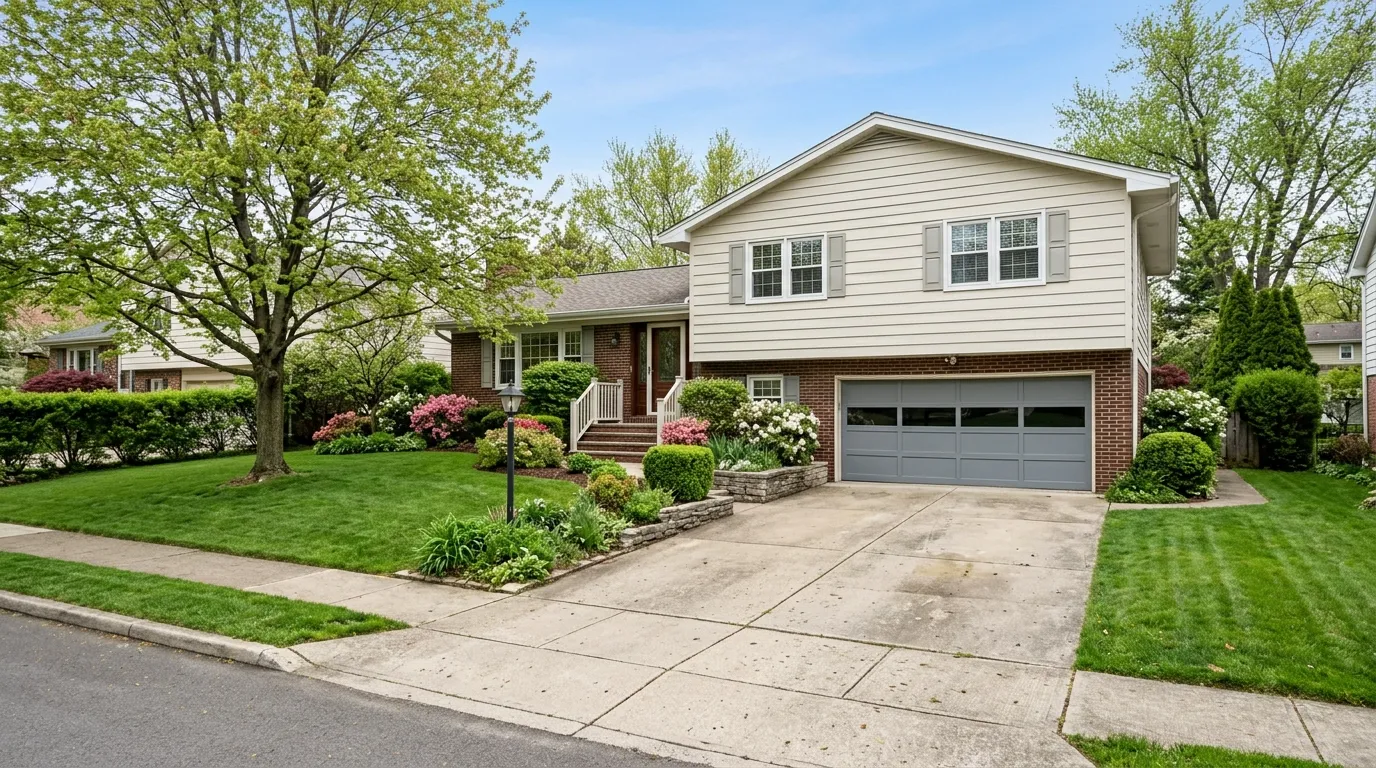
Most houses in this part of the service area went up between 1938 and 1996, with the median build year sitting at 1963. That means a lot of Morton Grove garages still have the original opening framed for a door that hasn't been made in decades - narrow single-car bays, odd header heights, or a double door track spaced for hardware nobody stocks anymore. You're not dealing with a defect. You're dealing with a door that's simply outlived its build era.
The cold-moderate climate here doesn't help. A steel door without a thermal break spends a good chunk of the year cycling through freeze-thaw swings, and on a 1960s-era panel that's been painted over a few times, the seams and hinges show it first. Add sixty-plus years of settling on a slab poured before current grading standards, and you get openings that are slightly out of square even on houses that look fine from the street.
With median household income across the area at $105,995, most owners here are past the point of patching a door that's really at the end of its service life. Installation, not another repair, is usually the honest call once the original 1960s or '70s door starts showing its age in more than one place at once.
How We Fix It
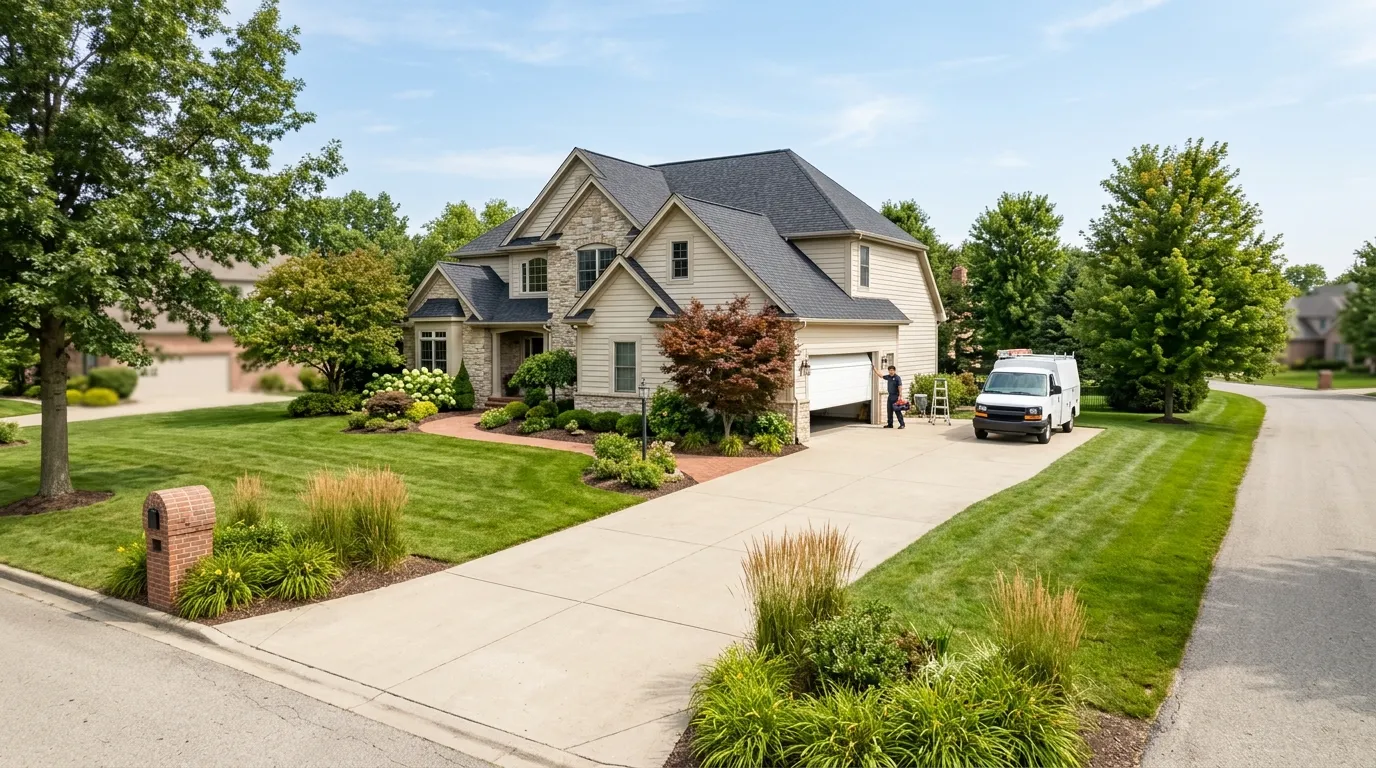
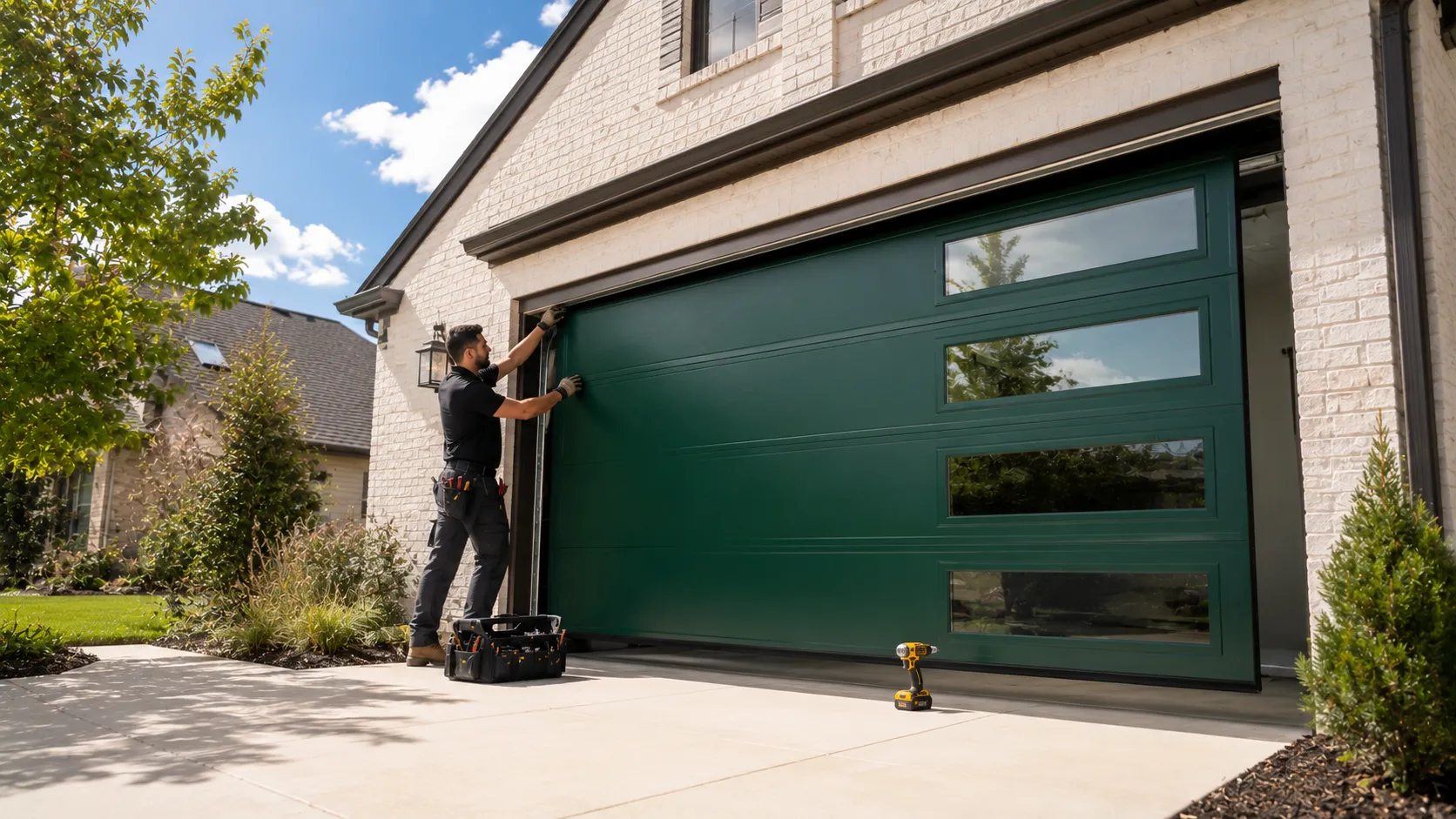
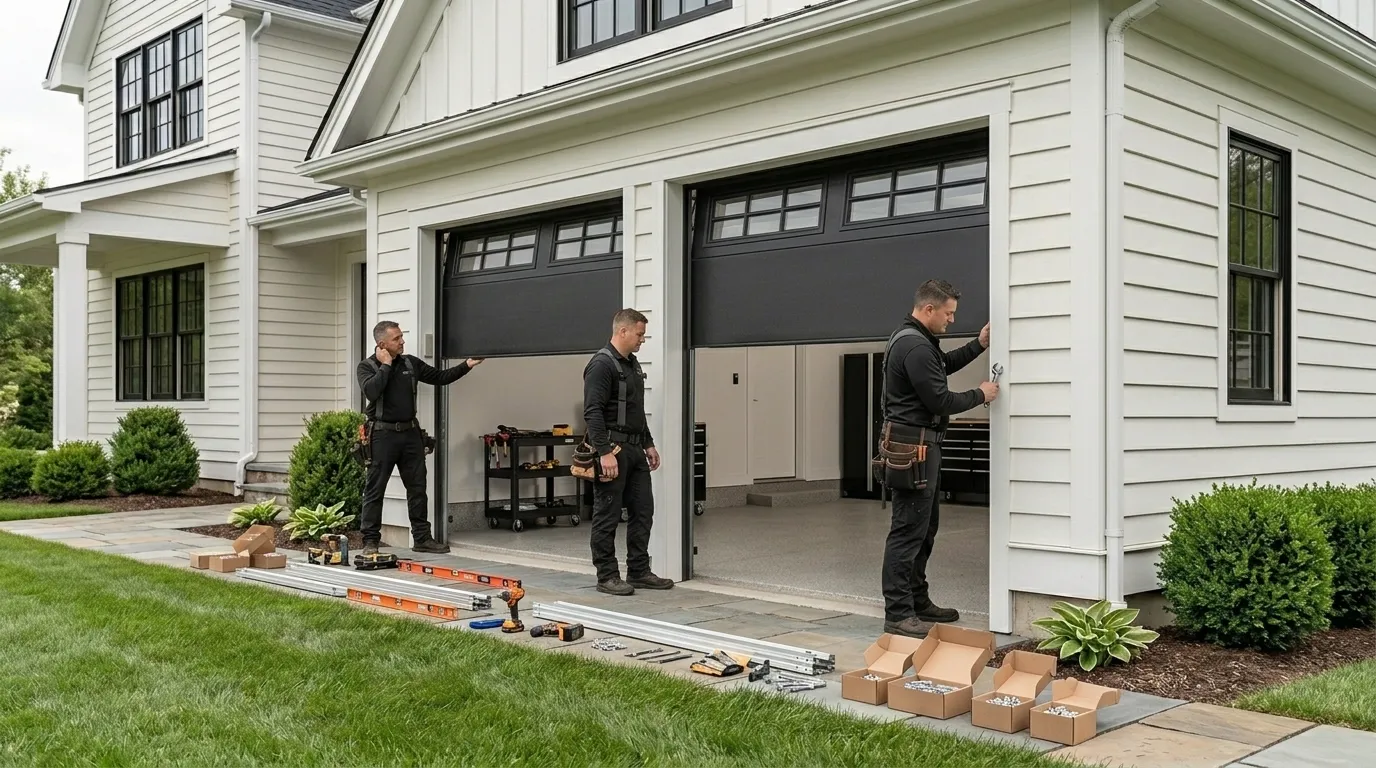
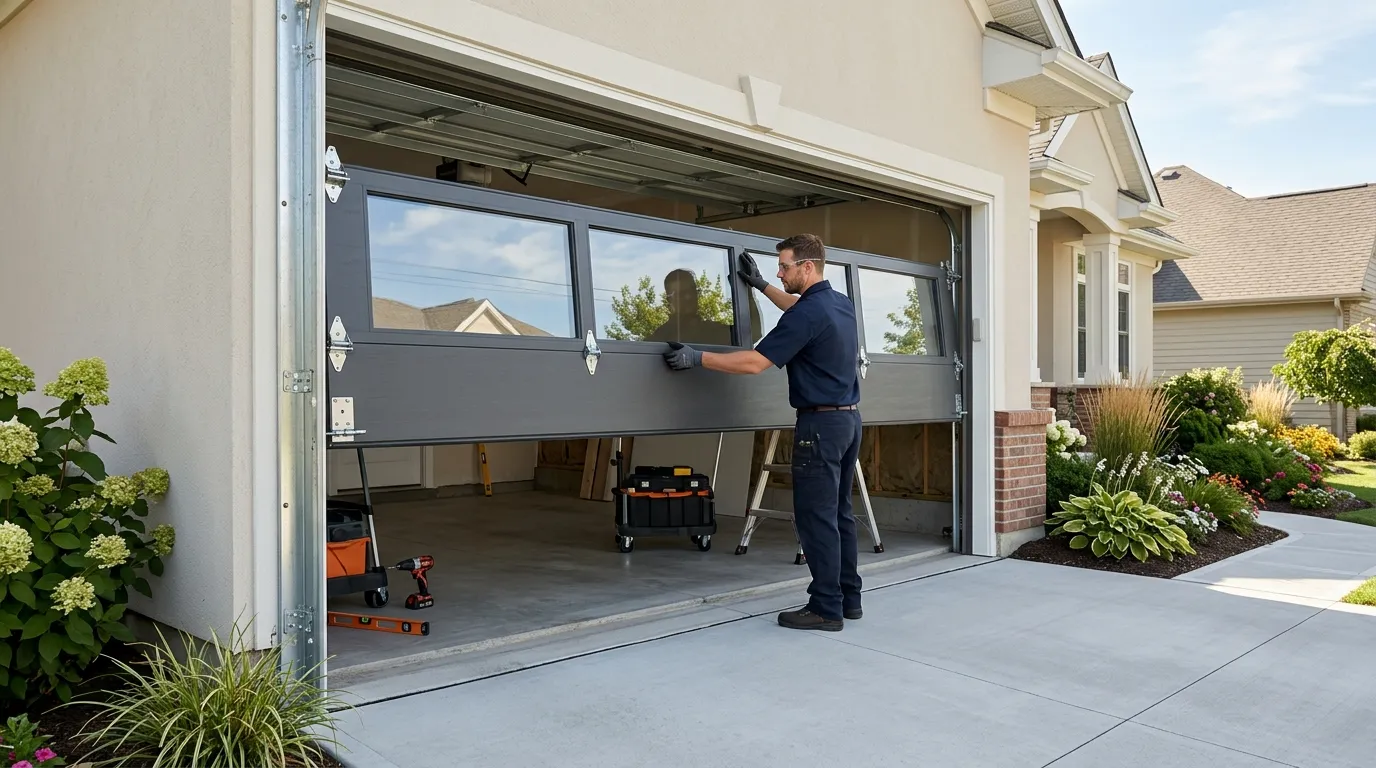
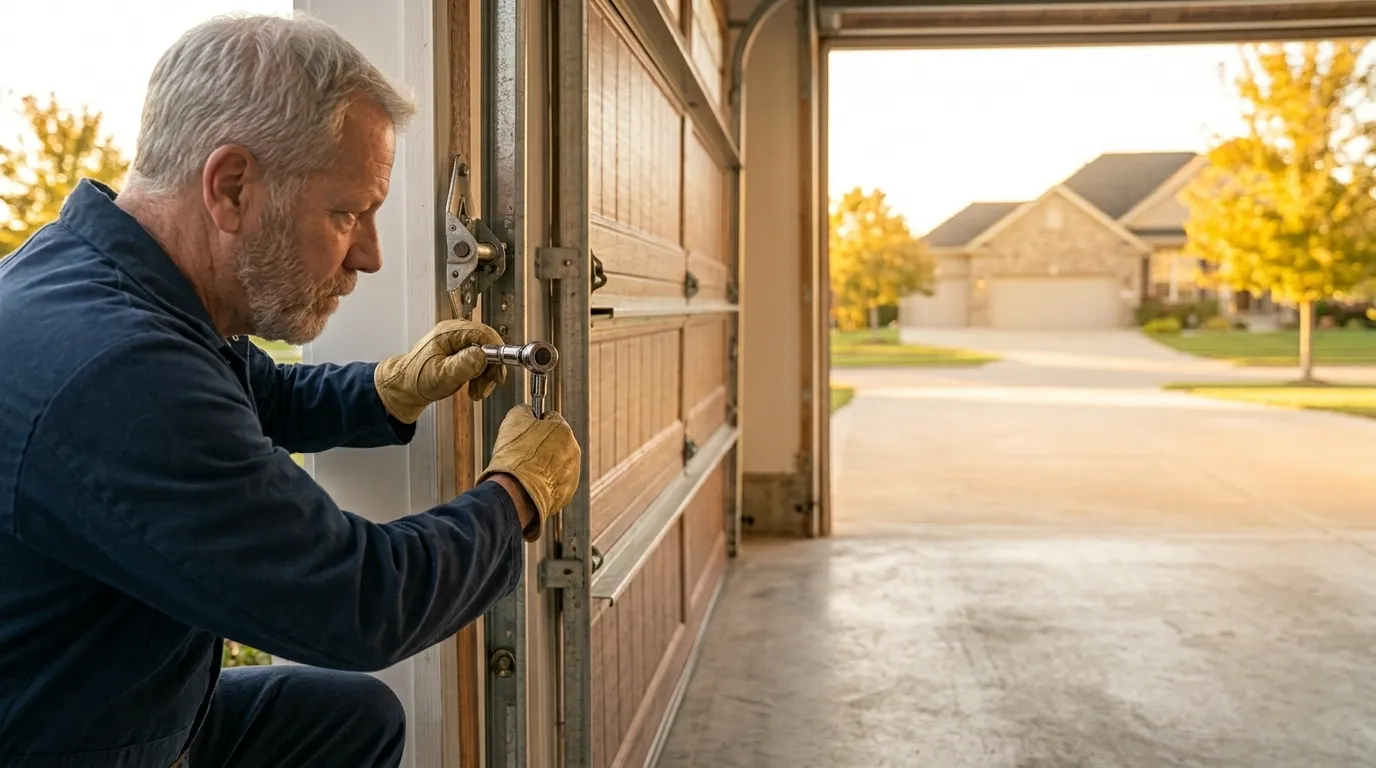
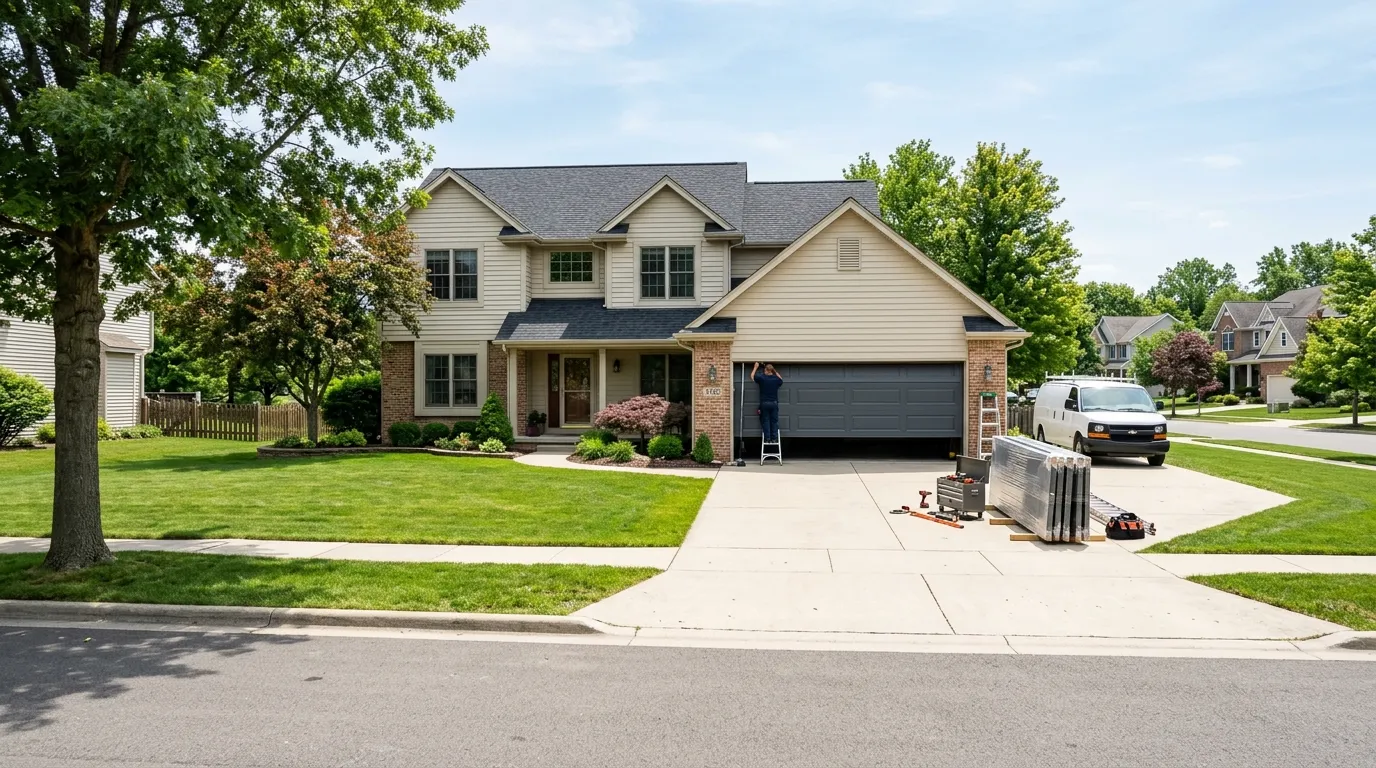
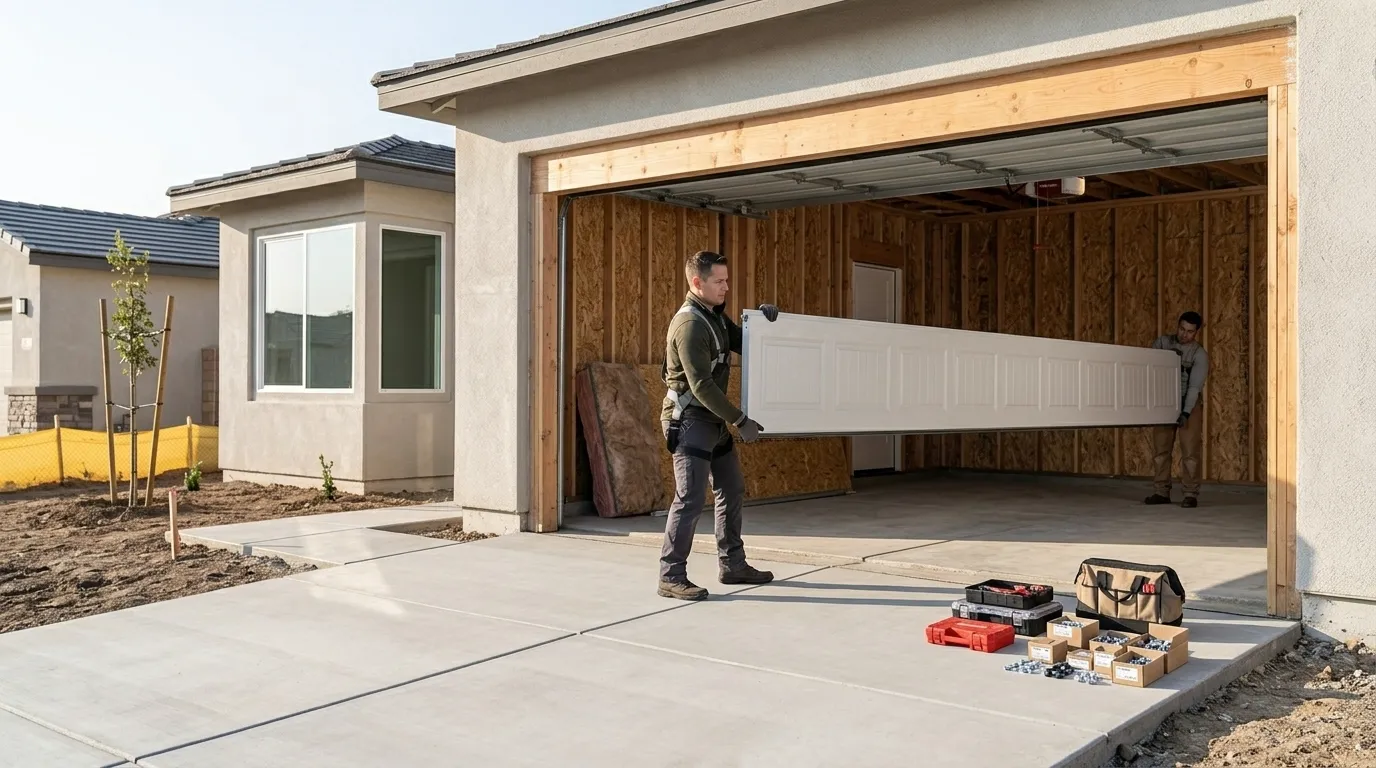
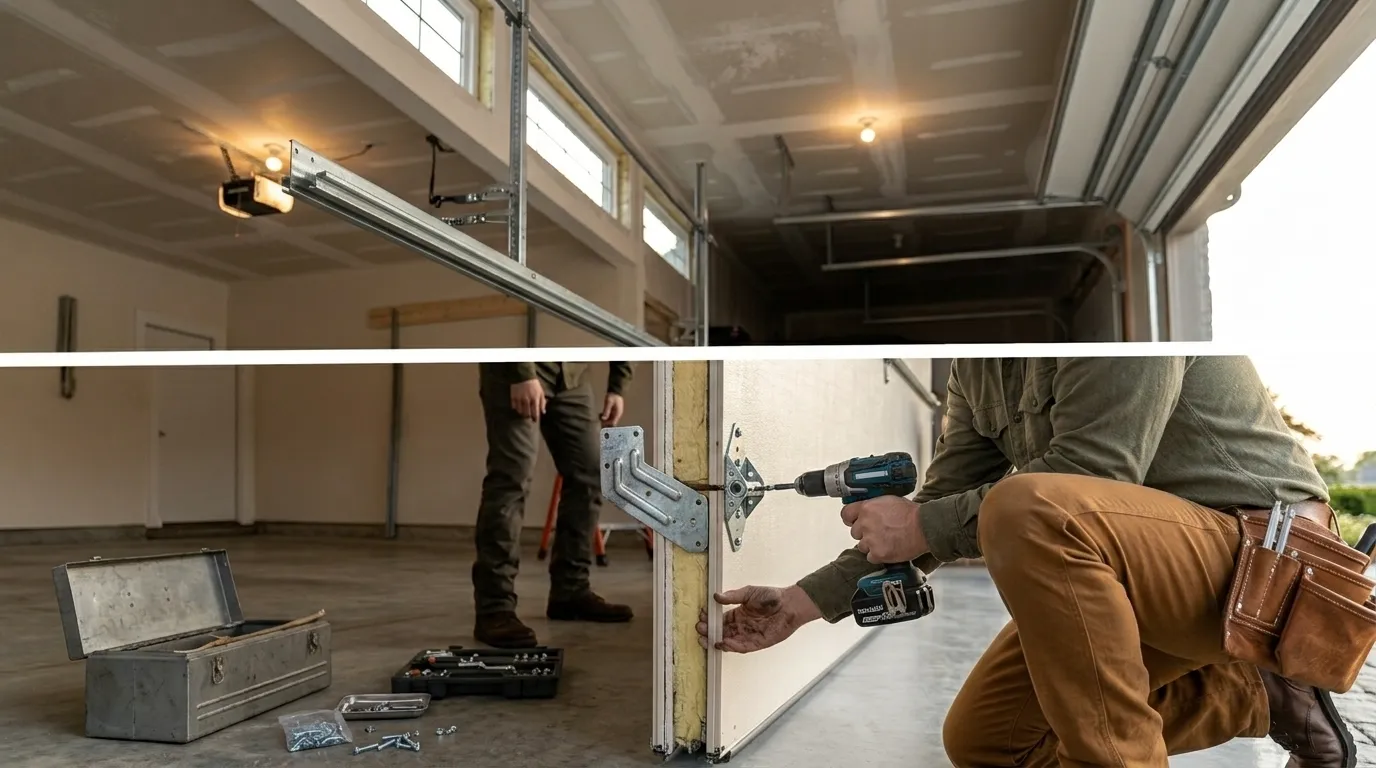
For most Morton Grove installs, that means pulling the original door and hardware, checking the opening against current header and track spacing, and setting a new insulated steel door sized to fit - not forcing a modern standard size onto a 1960s frame. Given the cold-moderate winters here, we lean toward doors with a thermal break and a heavier gauge steel, since a thin single-layer panel doesn't hold up well against repeated temperature swings on an older, less-sealed opening.
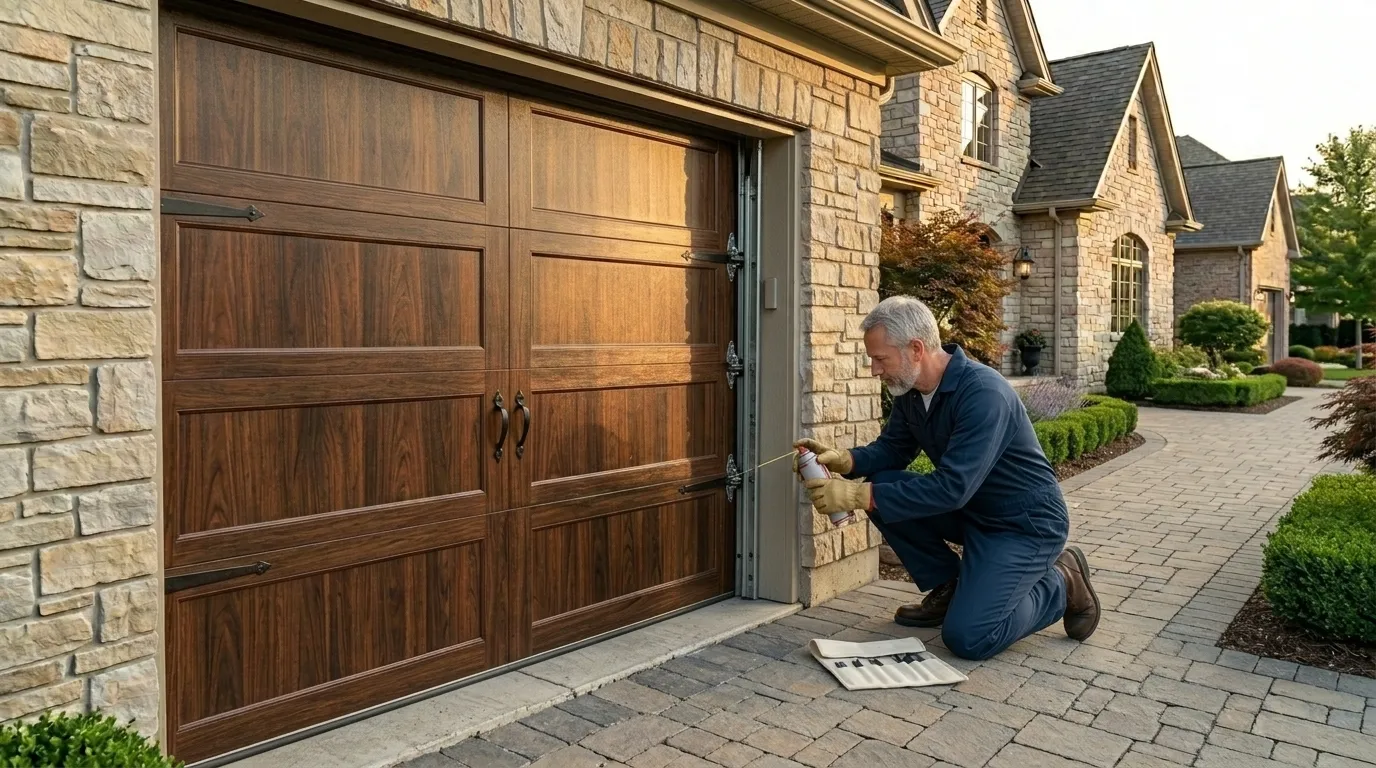
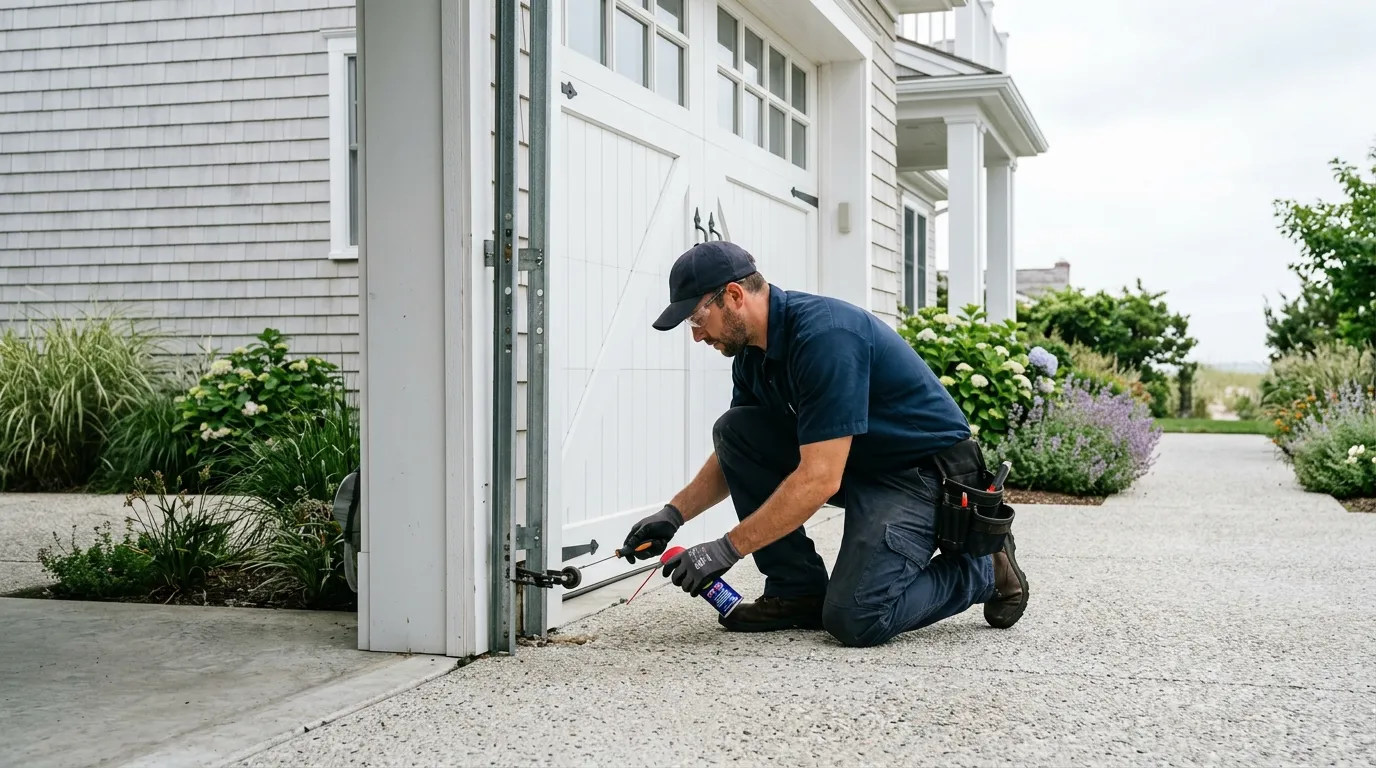
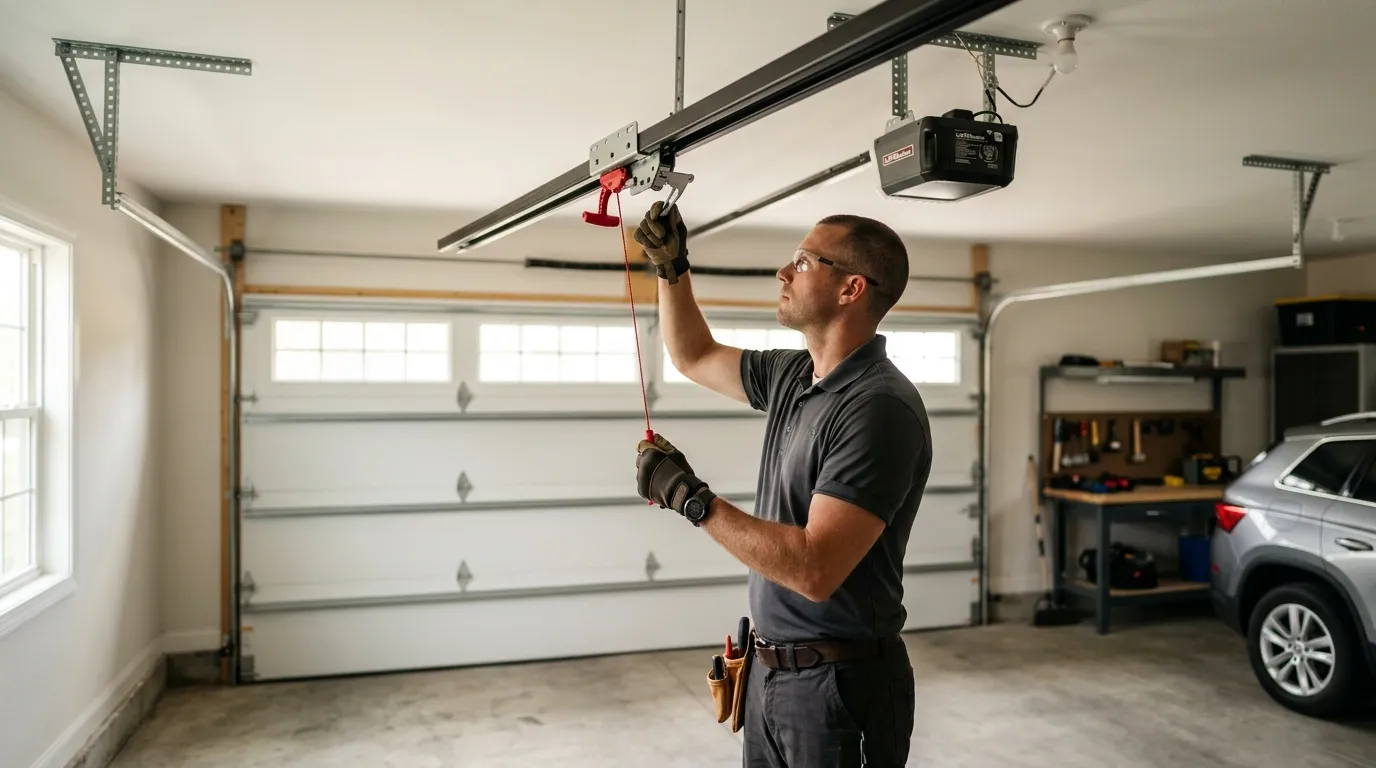
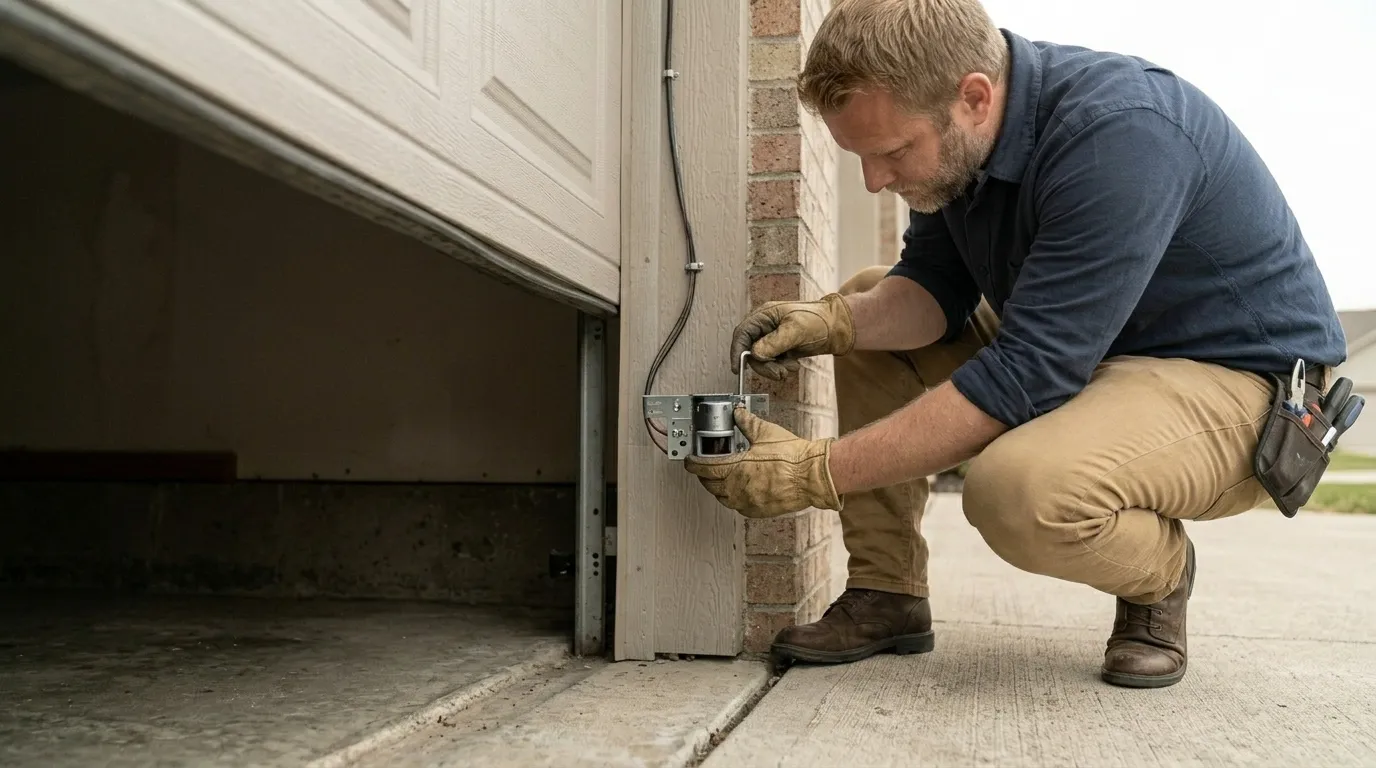
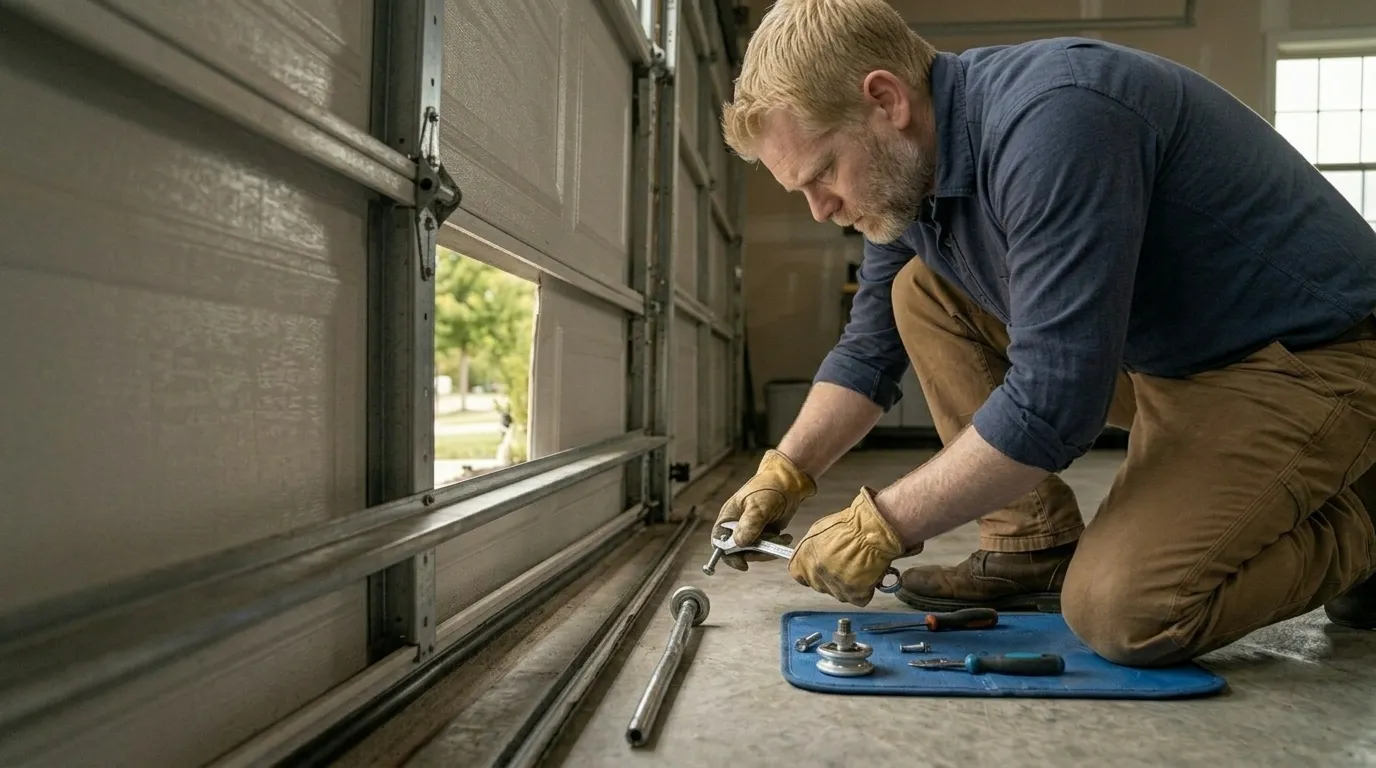
We reset the track plumb rather than reuse bent rail from the old system, and we replace the rollers and hinges as a set instead of mixing new door hardware onto worn originals - that mismatch is one of the more common comebacks on older housing stock. If your opener predates the new door by twenty years, we'll flag whether it's worth pairing with the new setup or replacing at the same time, since an old opener straining against a heavier insulated door tends to fail within the year anyway.
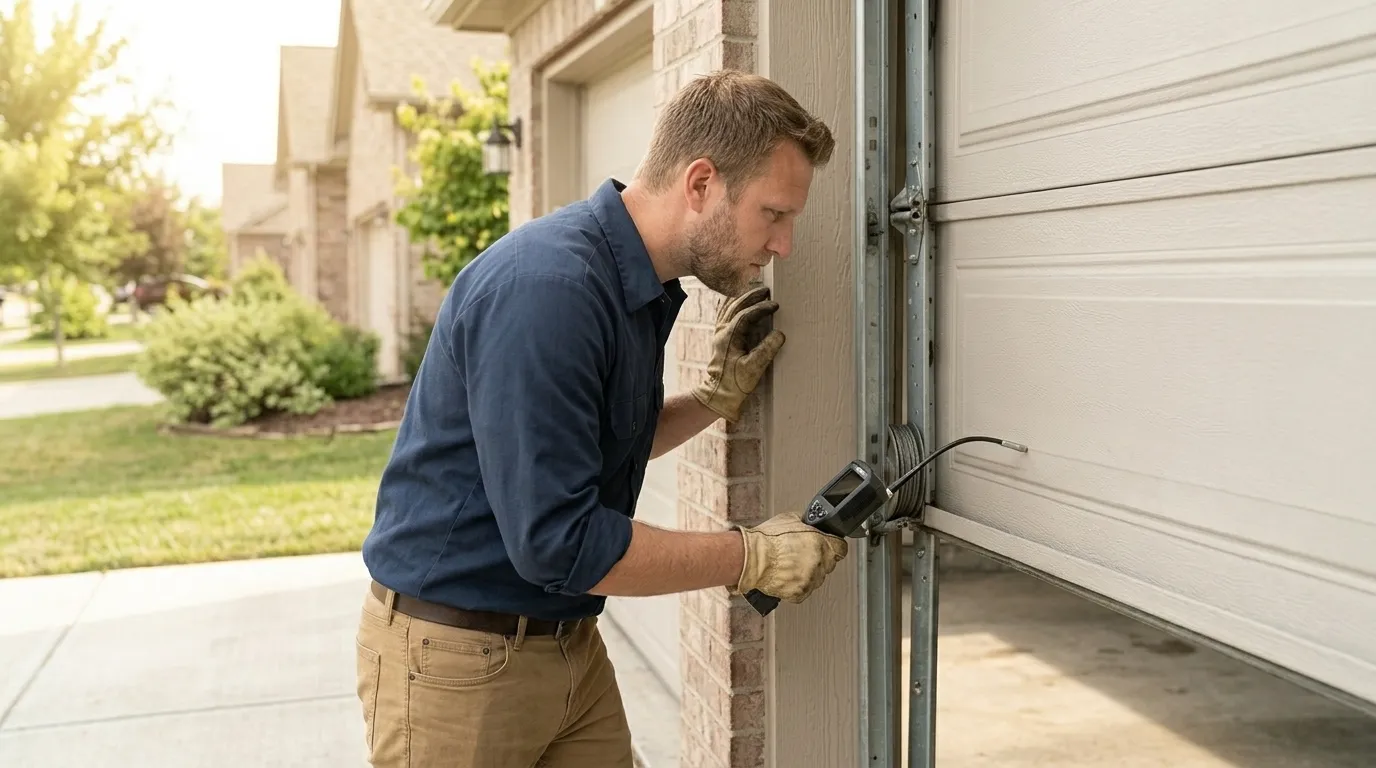
What we don't do is install a door on framing we haven't checked first. Skipping that step just moves the problem from the door to the frame.
How It Shows Up
On a lot of the older tract houses here, it starts small: the door sticks a few inches off the ground before catching the track right, or it closes crooked and needs a shove to seat. On houses built closer to 1963, the median for this area, that's often the original door and track finally reaching the end of useful life together, not a separate opener or spring problem.
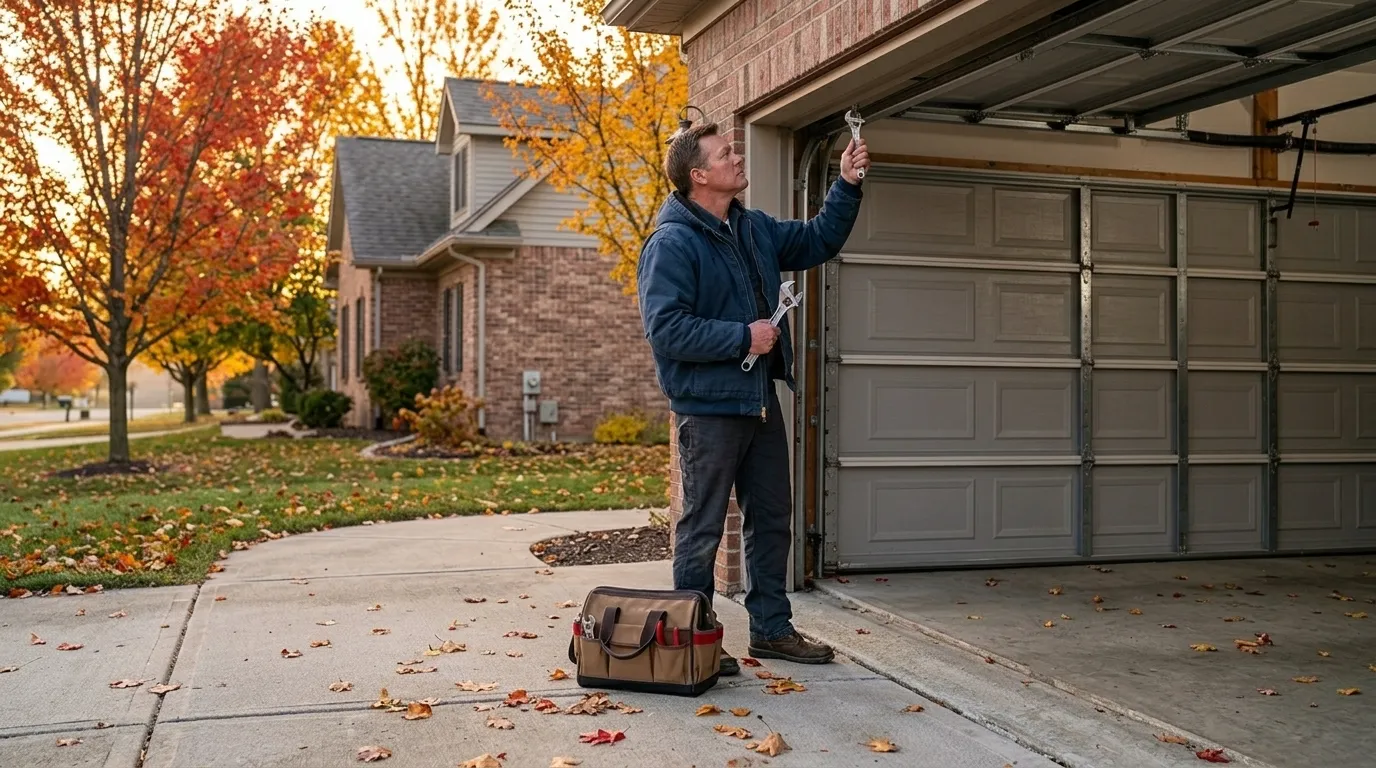
Other owners notice it in winter first - a door that used to close smooth now catches or lags in cold weather, which on an older uninsulated panel is the steel contracting against hardware that's not adjusted for it anymore. That's a sign worth taking seriously before the door binds hard enough to strain the opener.
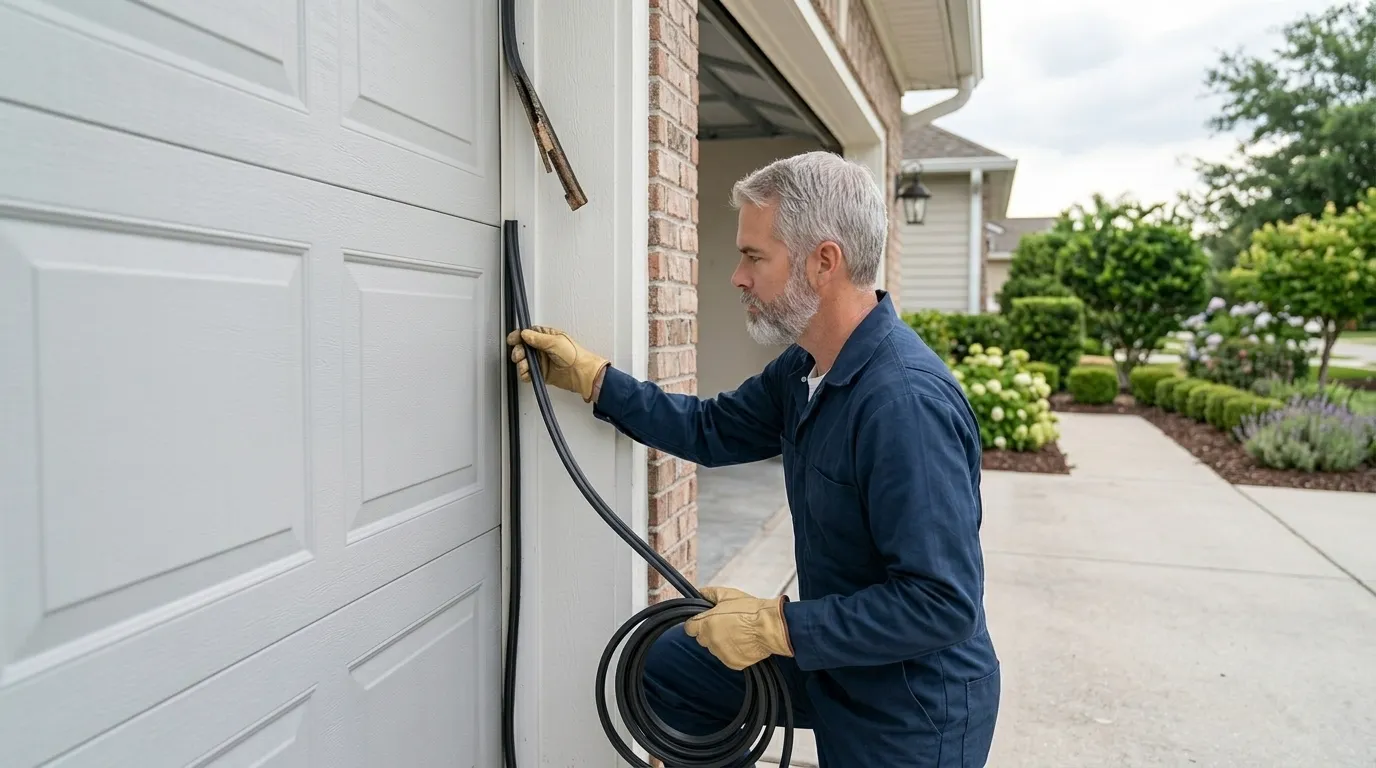
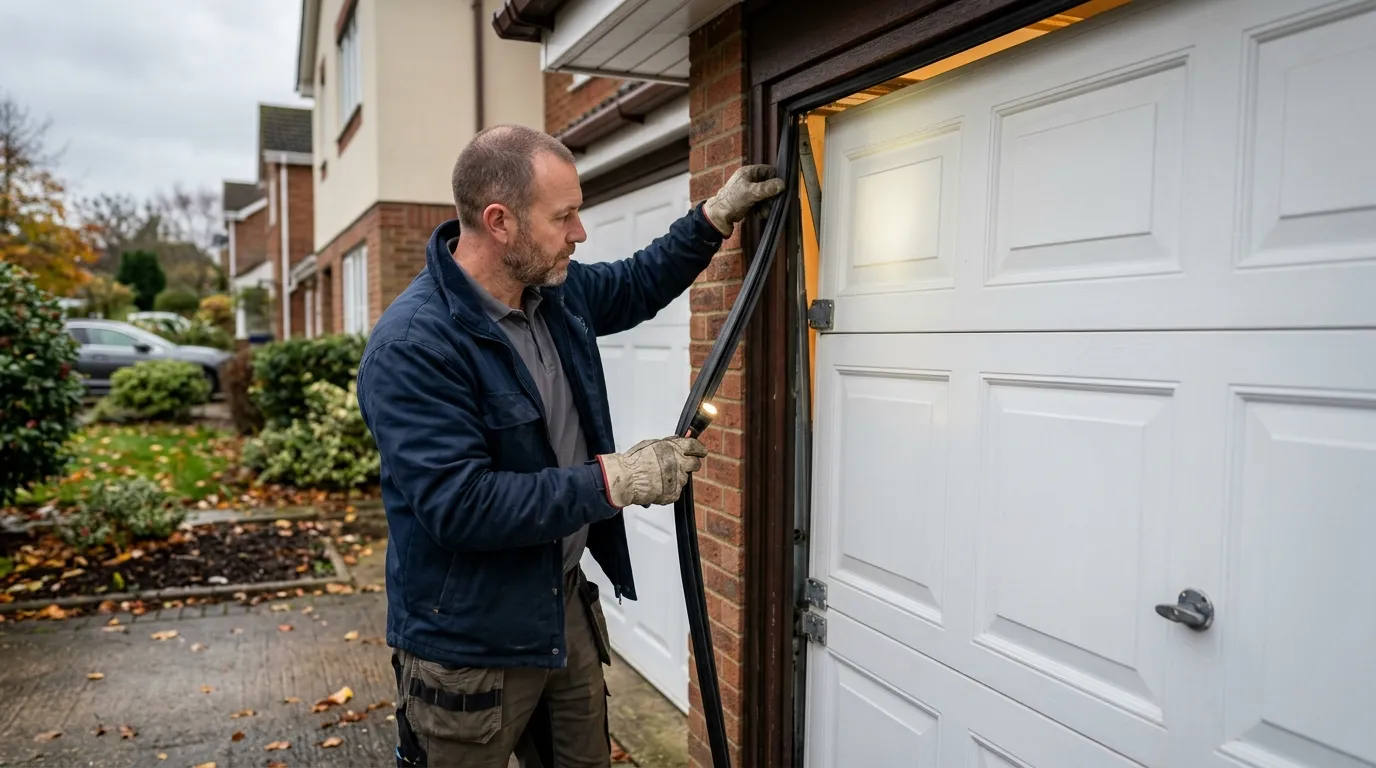
Some houses show it as daylight around the edges of a door that used to seal tight, which on 1960s and '70s panels usually means the door itself has warped slightly over the decades rather than just needing new weatherstripping. At that point, patching doesn't buy you much time - a new, correctly sized door is the fix that actually holds.