The Usual Work Here
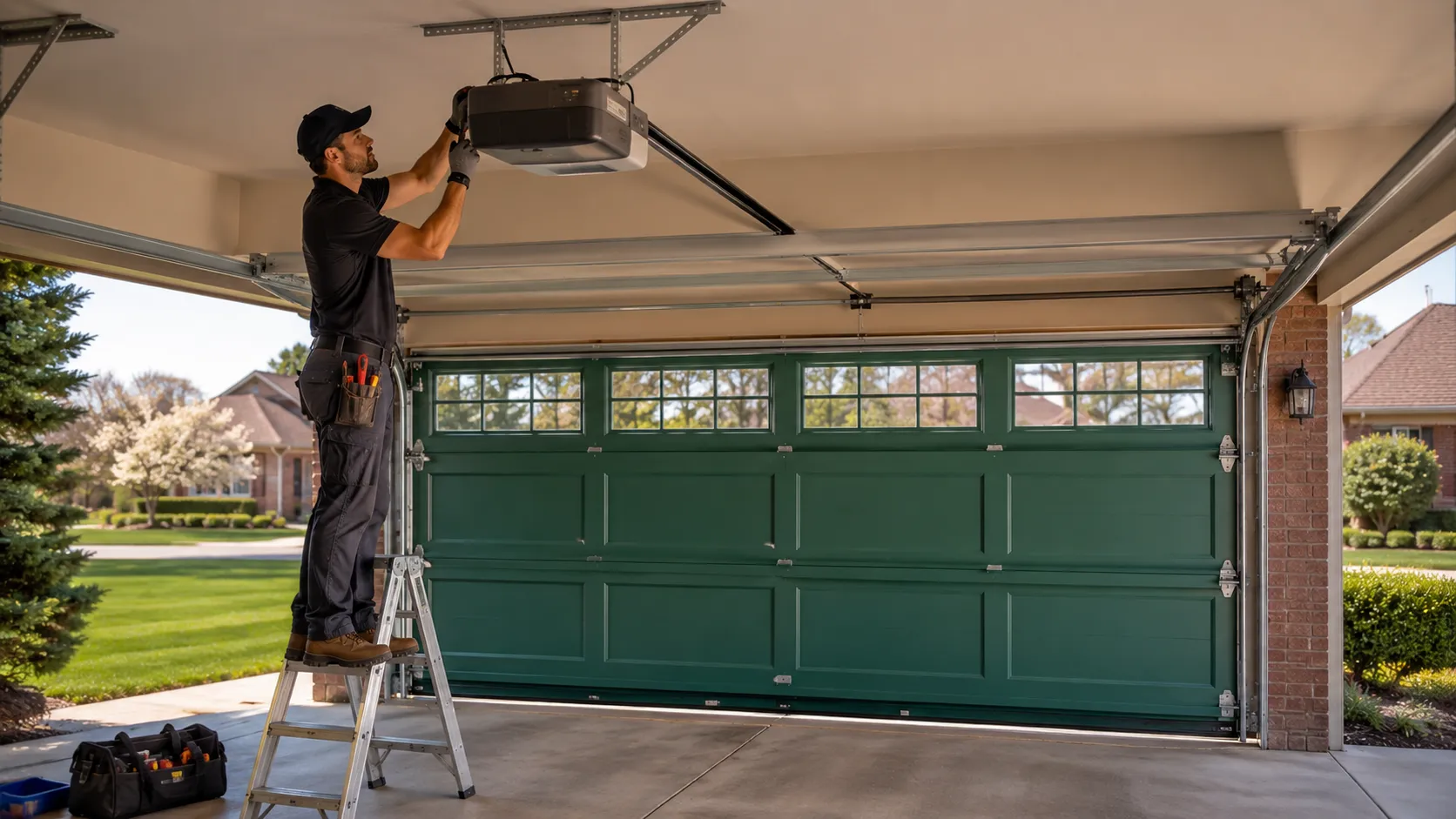
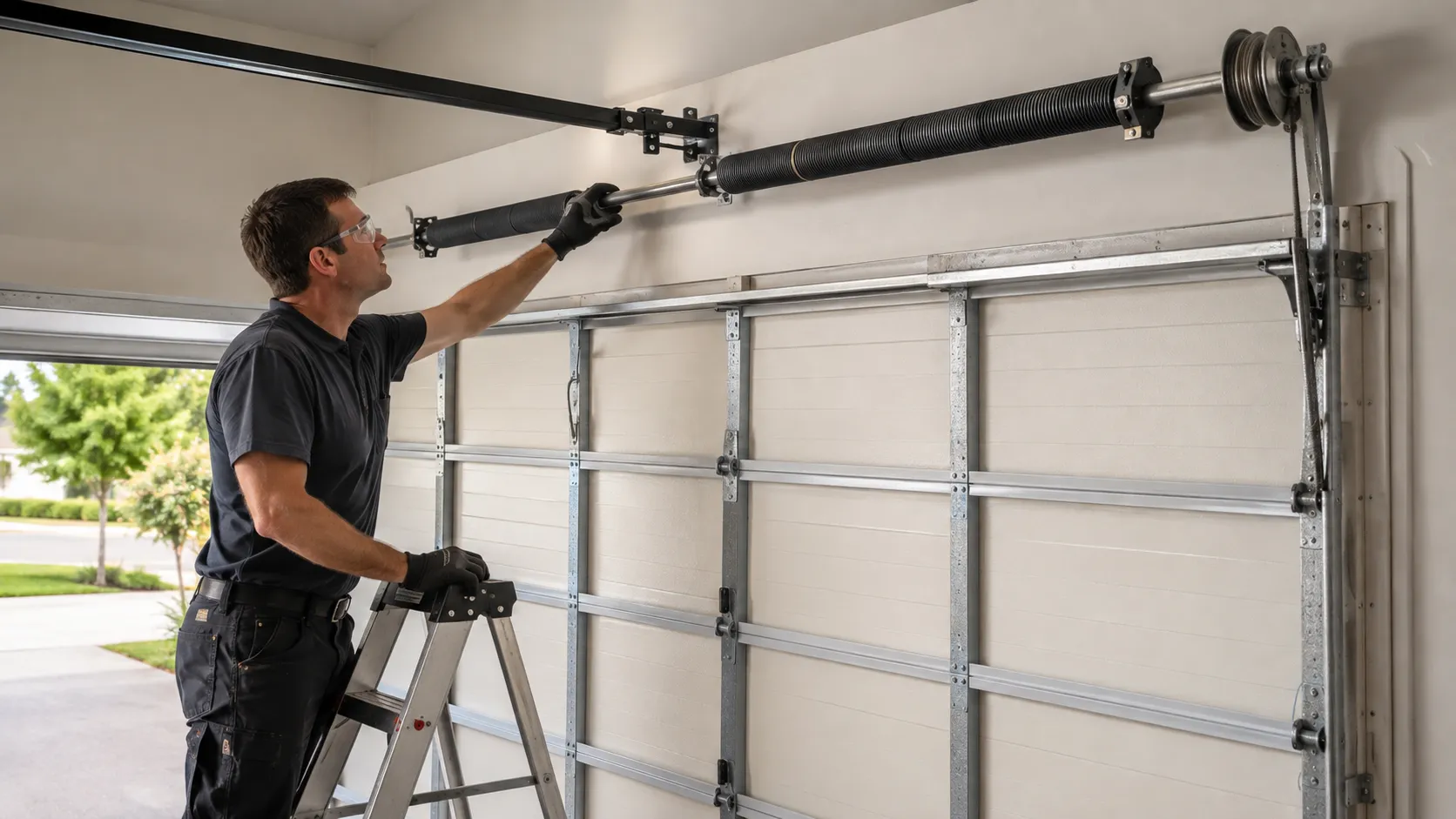
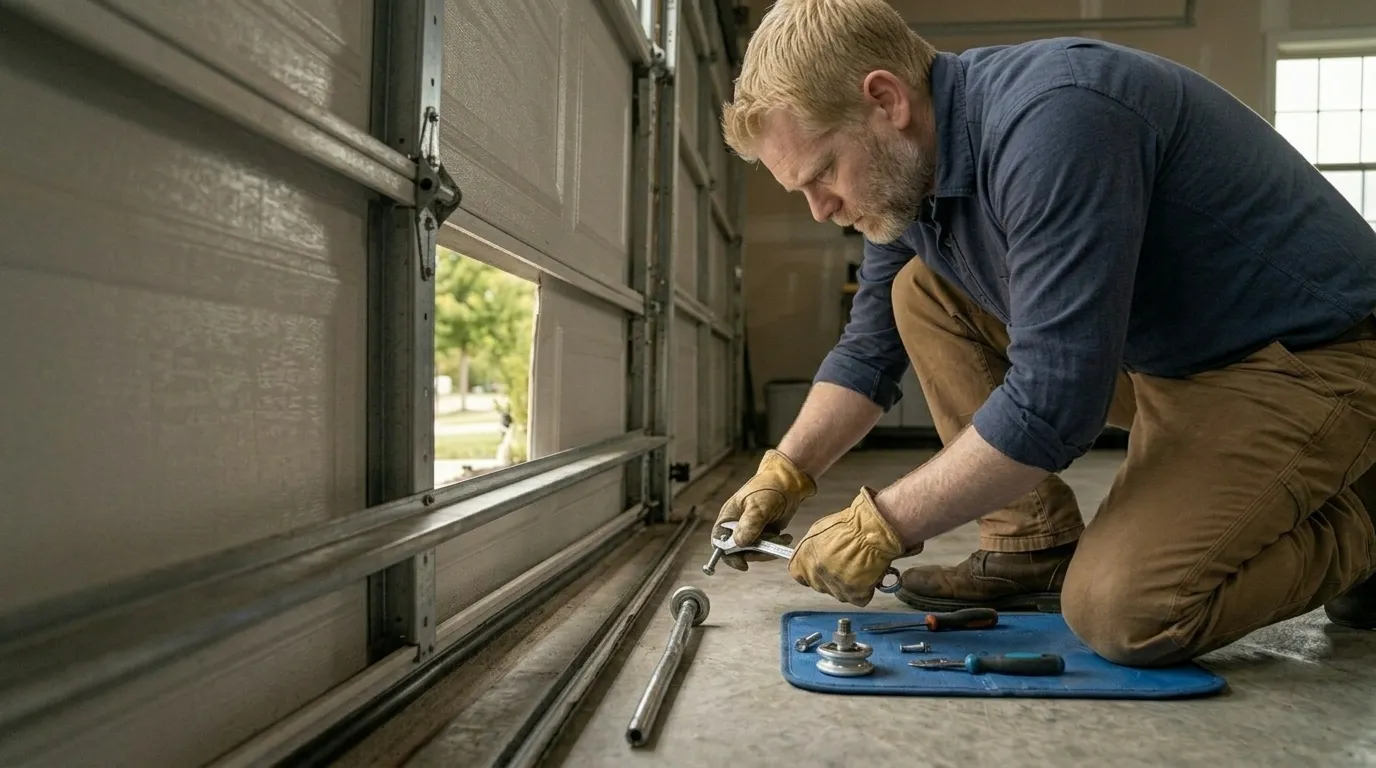
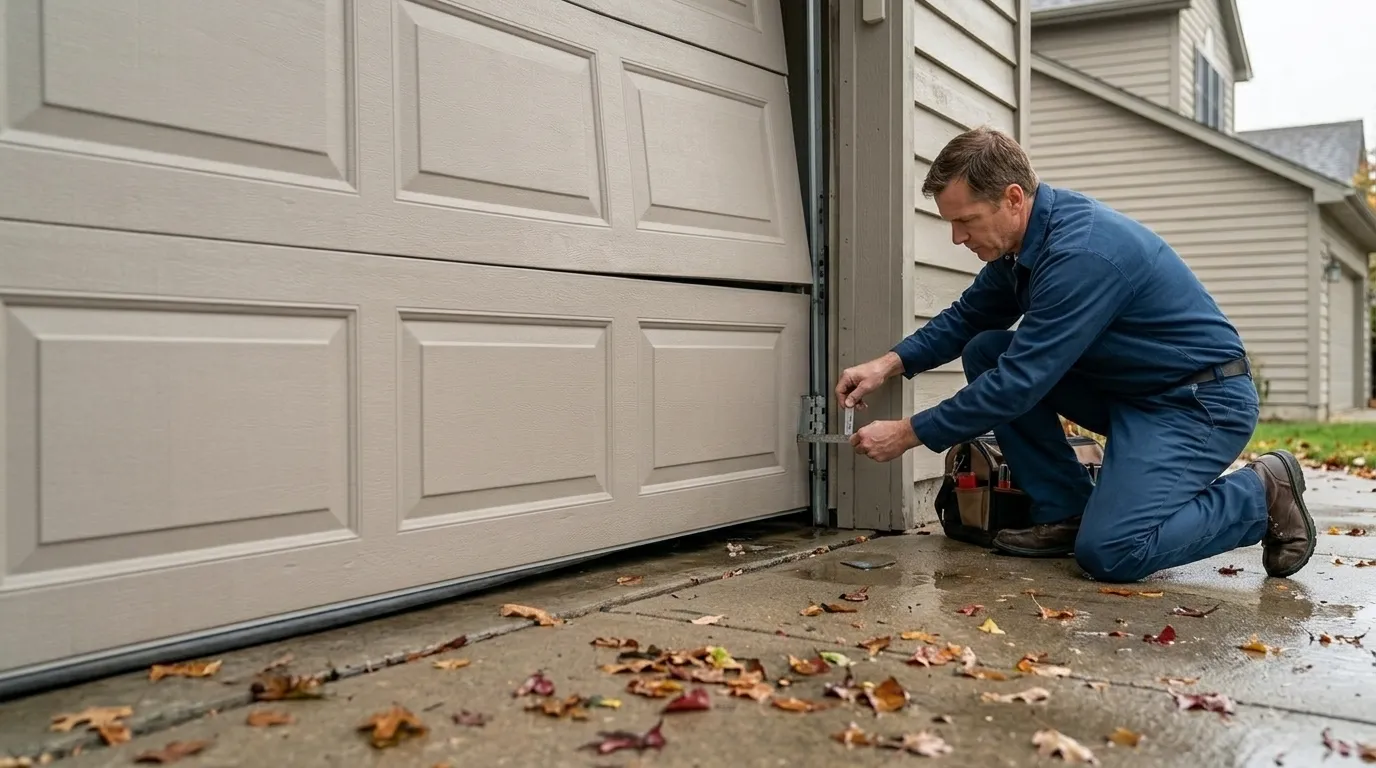
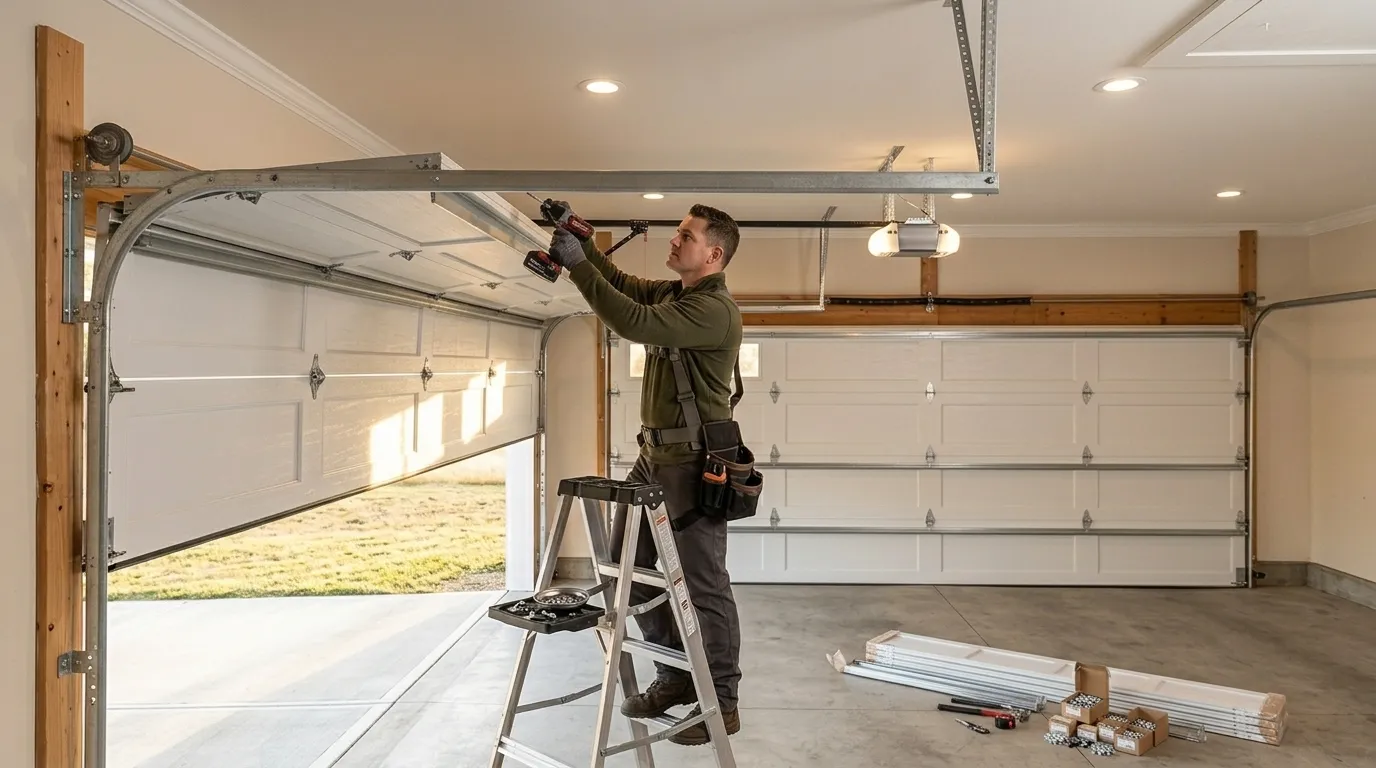
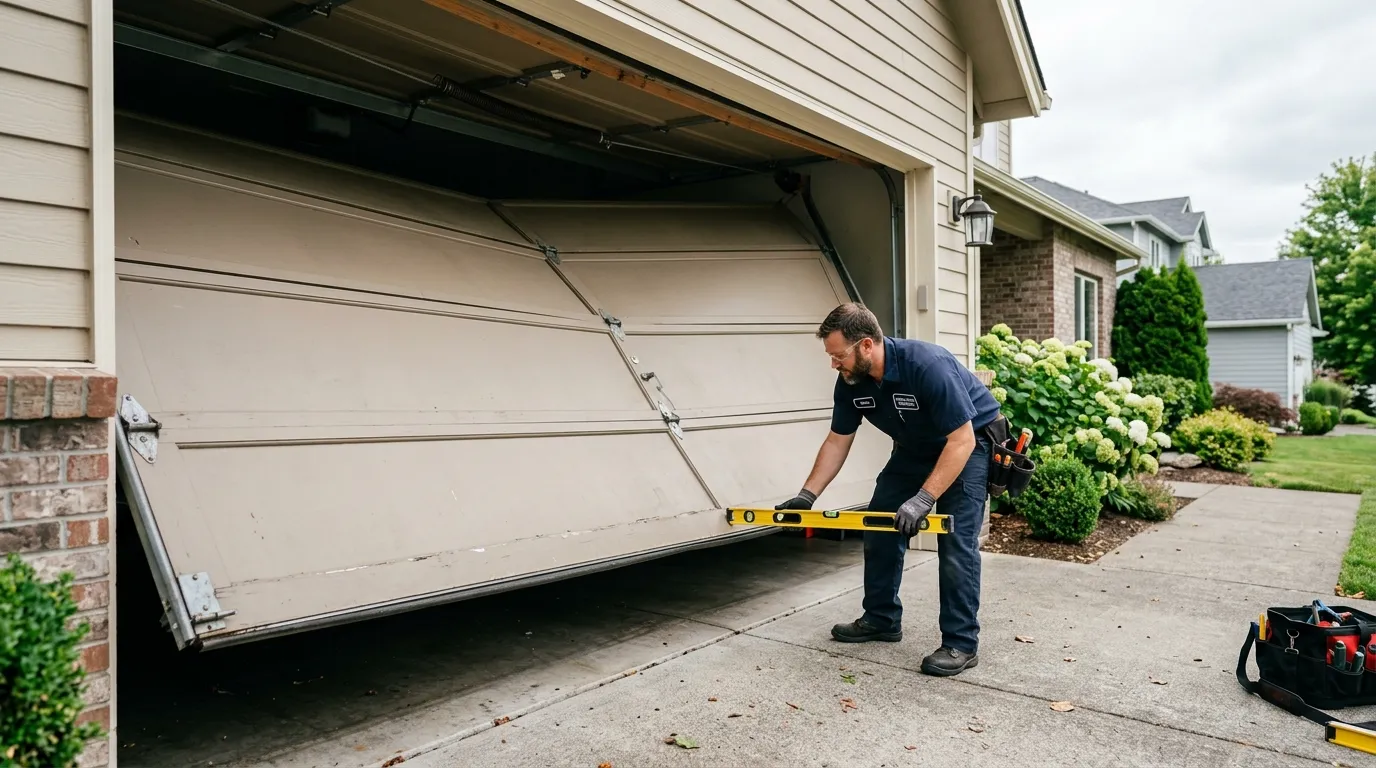
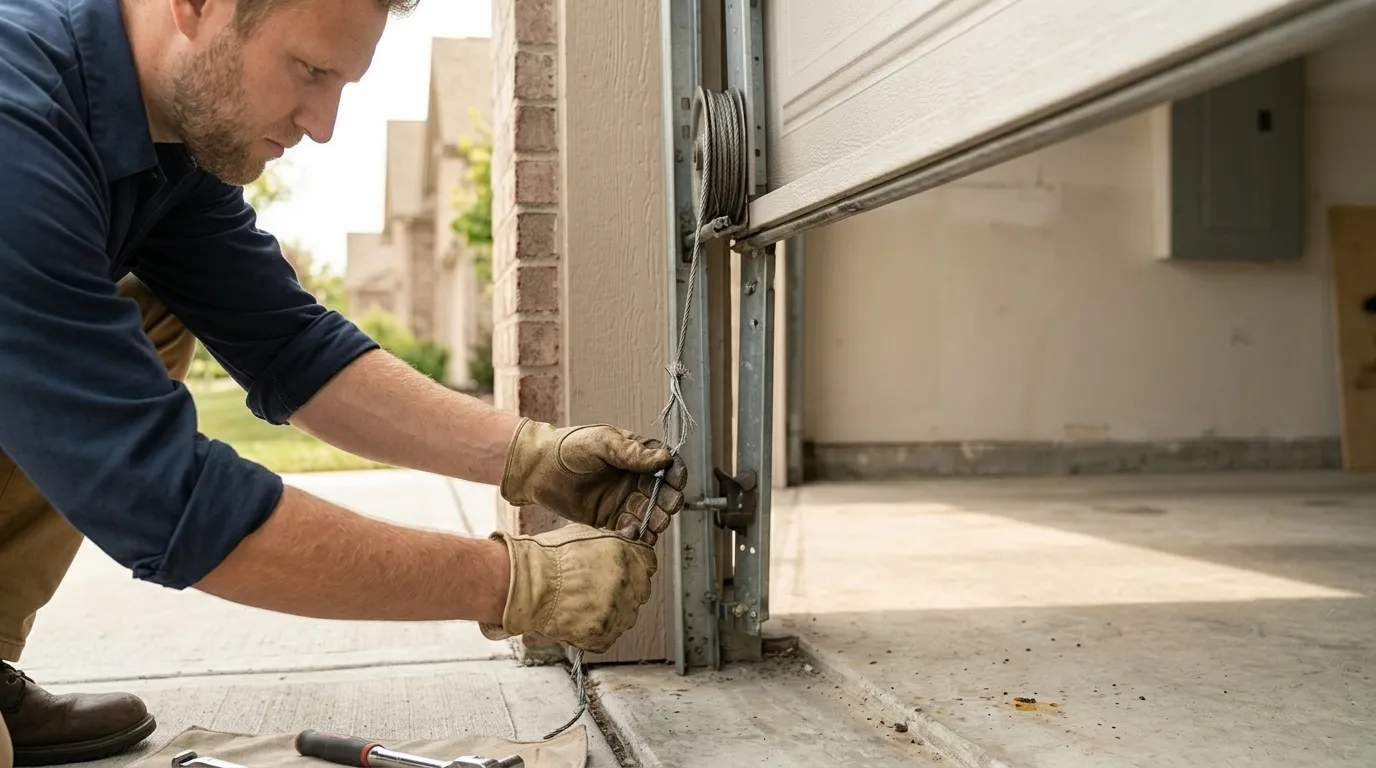
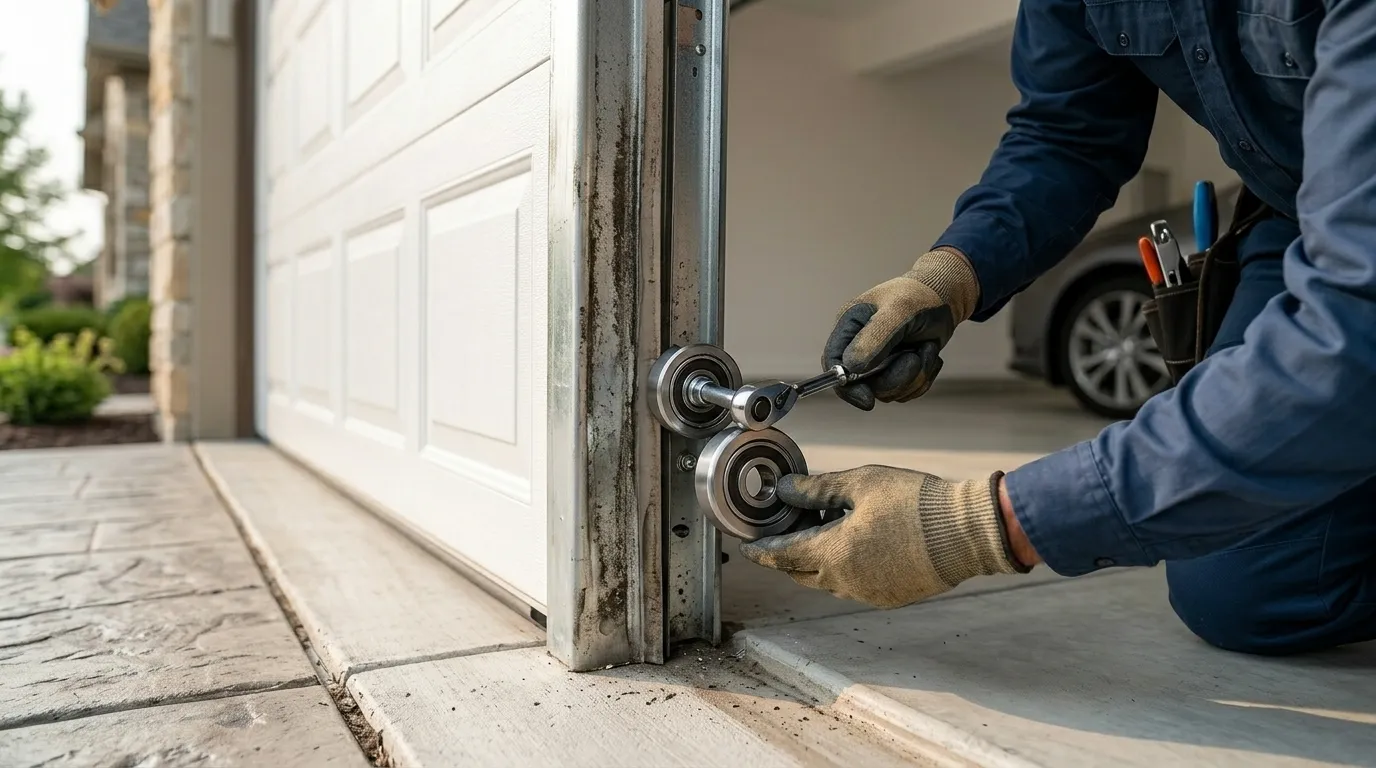
Most of the calls we take in this area are springs and openers, not full door replacements. That tracks with what's actually installed on these blocks: single-family homes built mostly around 1952, which means a lot of original or first-replacement torsion hardware still doing the job seventy years later. We see broken torsion springs on single-car doors more than anything else, followed by openers that have outlived their gear sets and rollers that have worn their tracks into a wobble you can hear from the driveway.
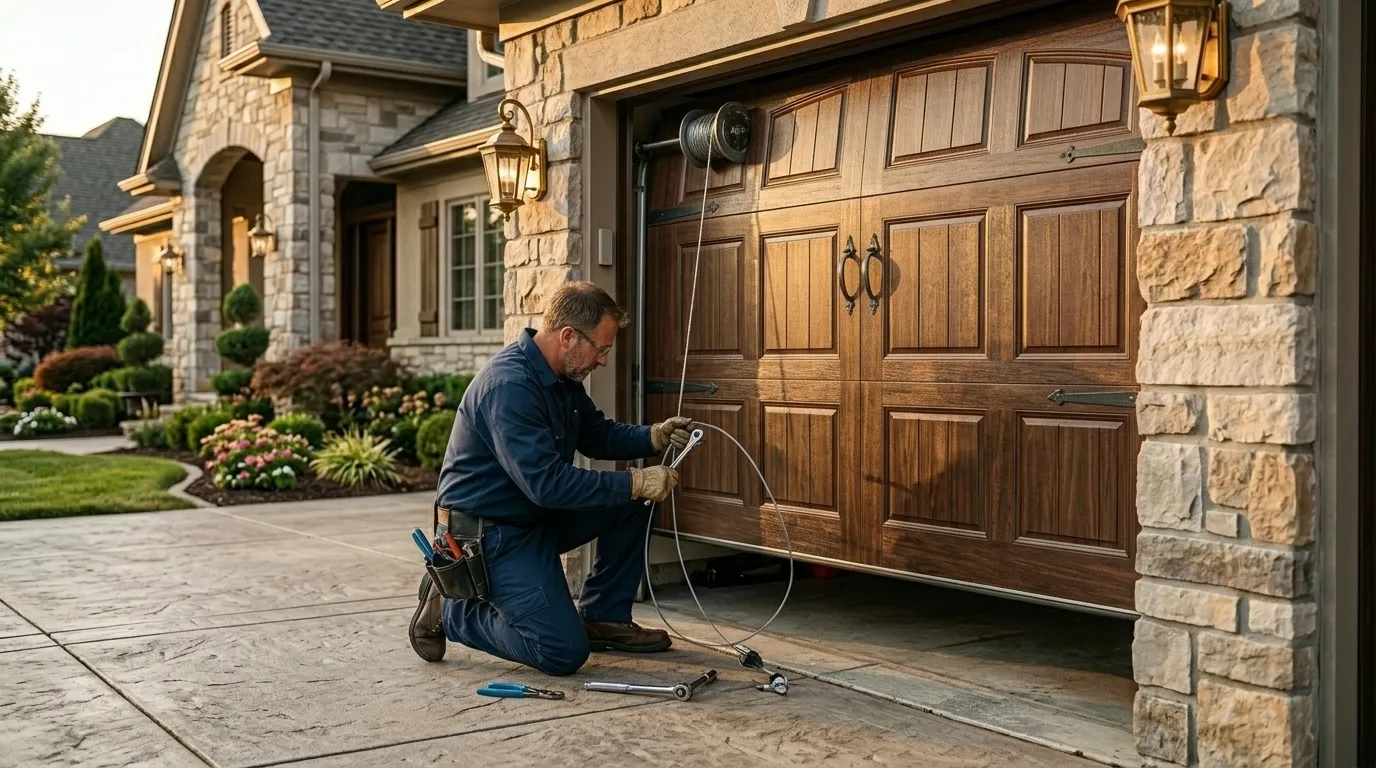
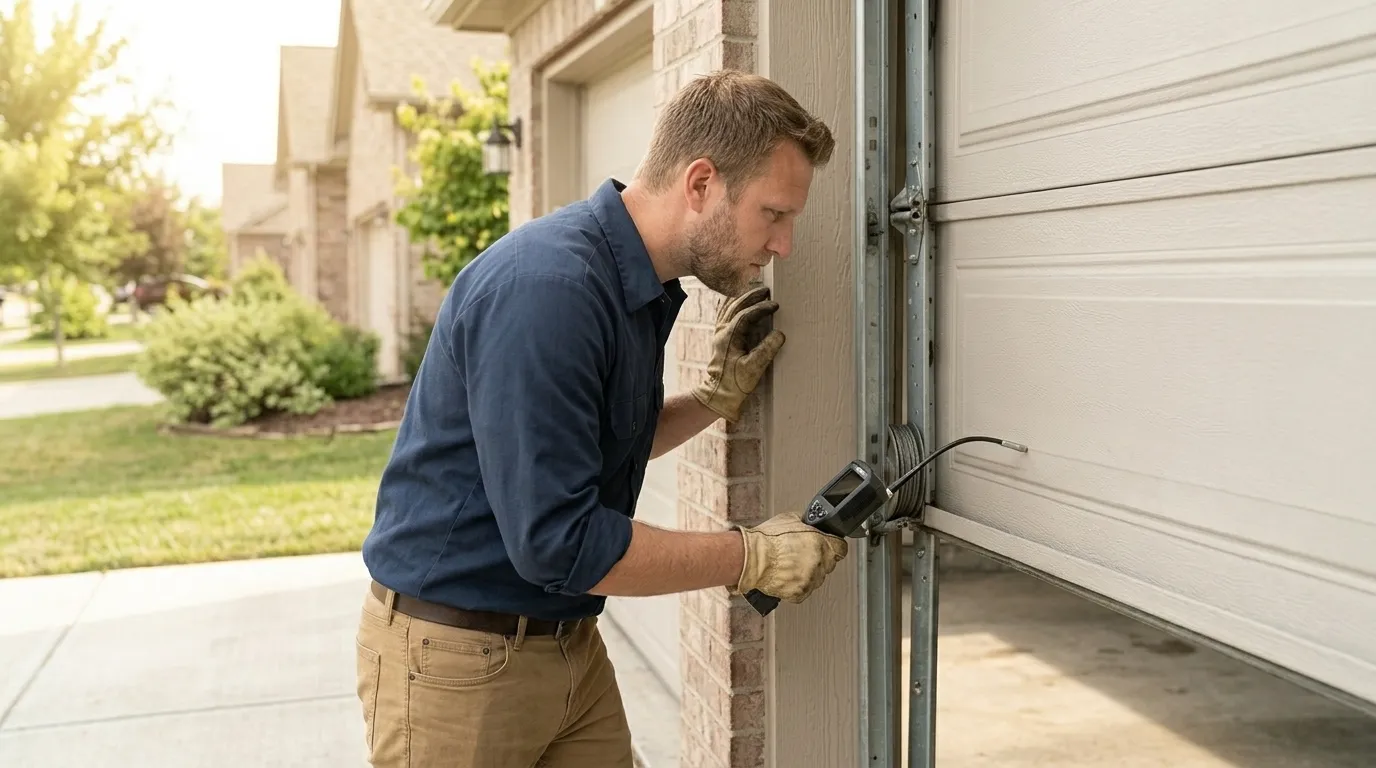
We also get called for cable drums that have started to slip and for panels on older steel doors that have rusted through at the bottom seam, which is common on doors that predate the insulated steel most builders use now. None of this is dramatic work. It's the kind of repair that keeps a fifty- or seventy-year-old door running instead of forcing a homeowner into a full teardown before it's necessary. We travel out from Morton Grove for these calls; we're not stationed in the area, so we plan the trip when we schedule the job rather than promising a same-day arrival.
What That Means for Doors
A door installed in 1952 wasn't built for the spring-cycle demands of a modern opener, and it definitely wasn't built with the insulation values that make sense for a cold-climate winter. In this climate band, steel expands and contracts through wide seasonal swings, and older one-piece or early-sectional doors without thermal breaks take that stress directly in the panel seams and hinge points. That's part of why we see more cracked stiles and separated seams on the older stock here than on newer builds elsewhere in the territory.
Hardware from this era also tends to run on side-mounted torsion setups that newer parts aren't always sized for, which means a repair sometimes takes longer than a quick parts swap because we're matching drum size or spring wire gauge to something no longer on the shelf. When we can source a compatible part, we do the repair. When the original setup is too far gone or too far from current stock, replacement with a properly sized modern door ends up being the more honest recommendation, even though it's the pricier one.
Where We Stop
We're honest about the trip. Brookfield is about 15 miles from our shop in Morton Grove, which puts it toward the far edge of where we schedule work, and it means we don't offer the kind of immediate-dispatch response we might for jobs closer in. If a spring lets go on a Tuesday afternoon, we'll get a truck out, but we're not going to promise an hour window we can't back up from that distance.
We also don't stock every obsolete part for 1950s hardware on the truck. If a job needs a spring wire gauge or drum size that's no longer standard, we may need a day or two to source it rather than finishing everything in one visit. And we don't do custom architectural door fabrication - our work is repair, replacement, and opener installs using standard residential hardware, not one-off carriage doors built to a design spec. If that's what a homeowner needs, we'll say so up front rather than take the job and improvise.