The Usual Work Here
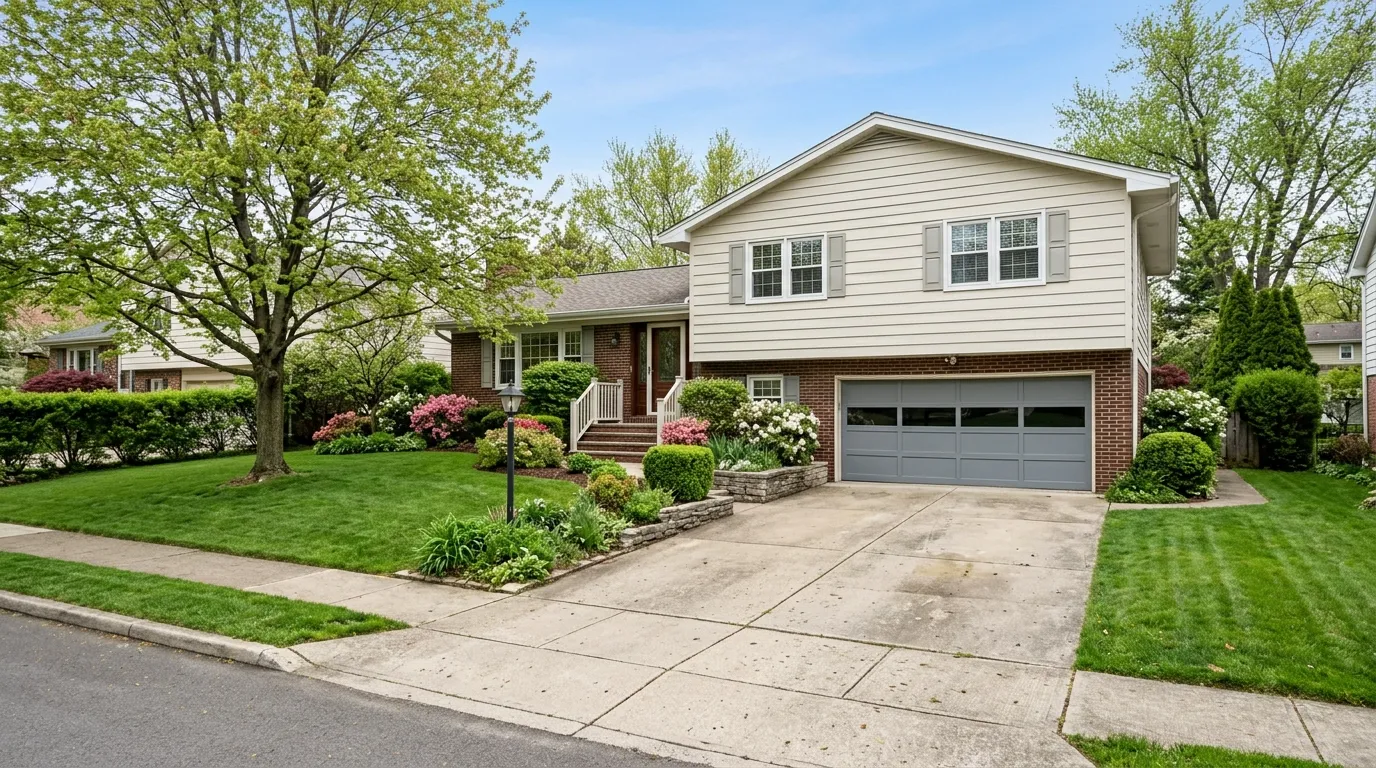
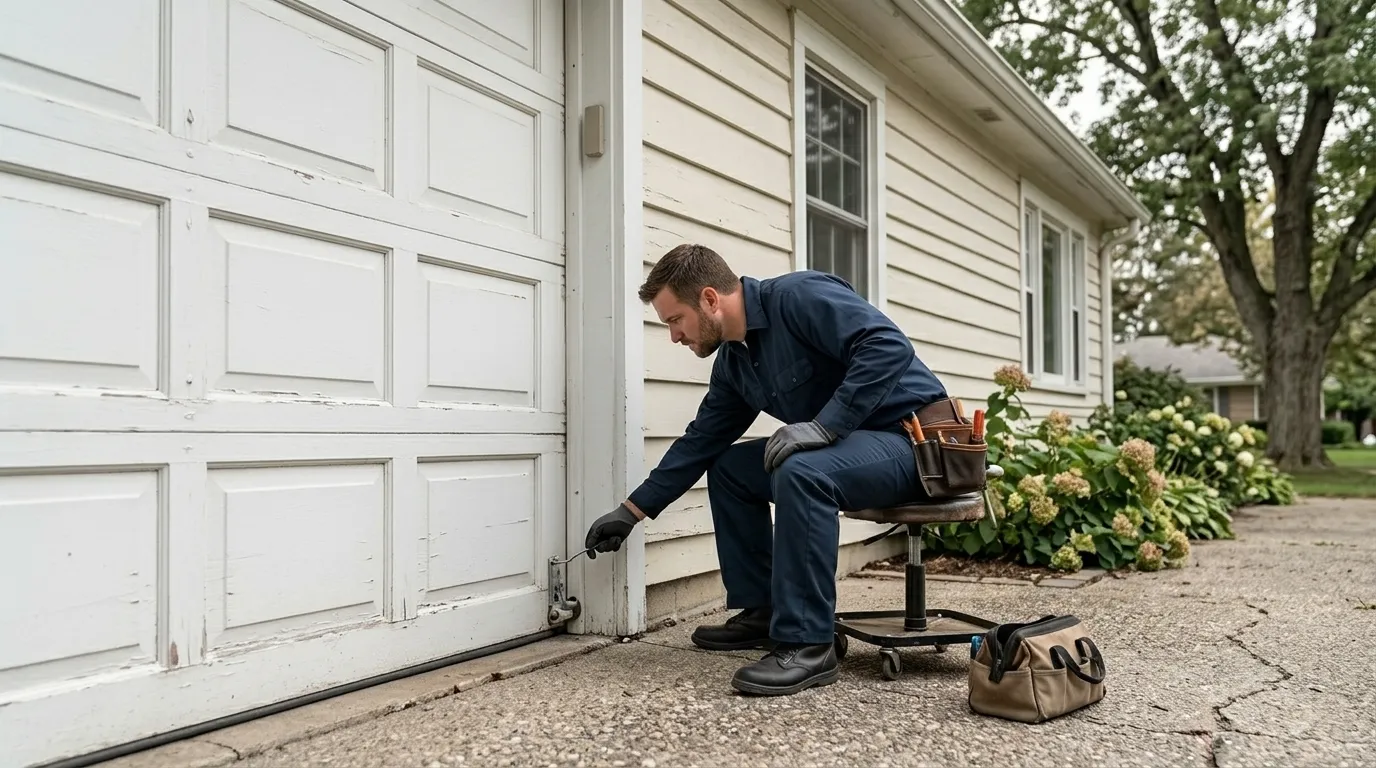
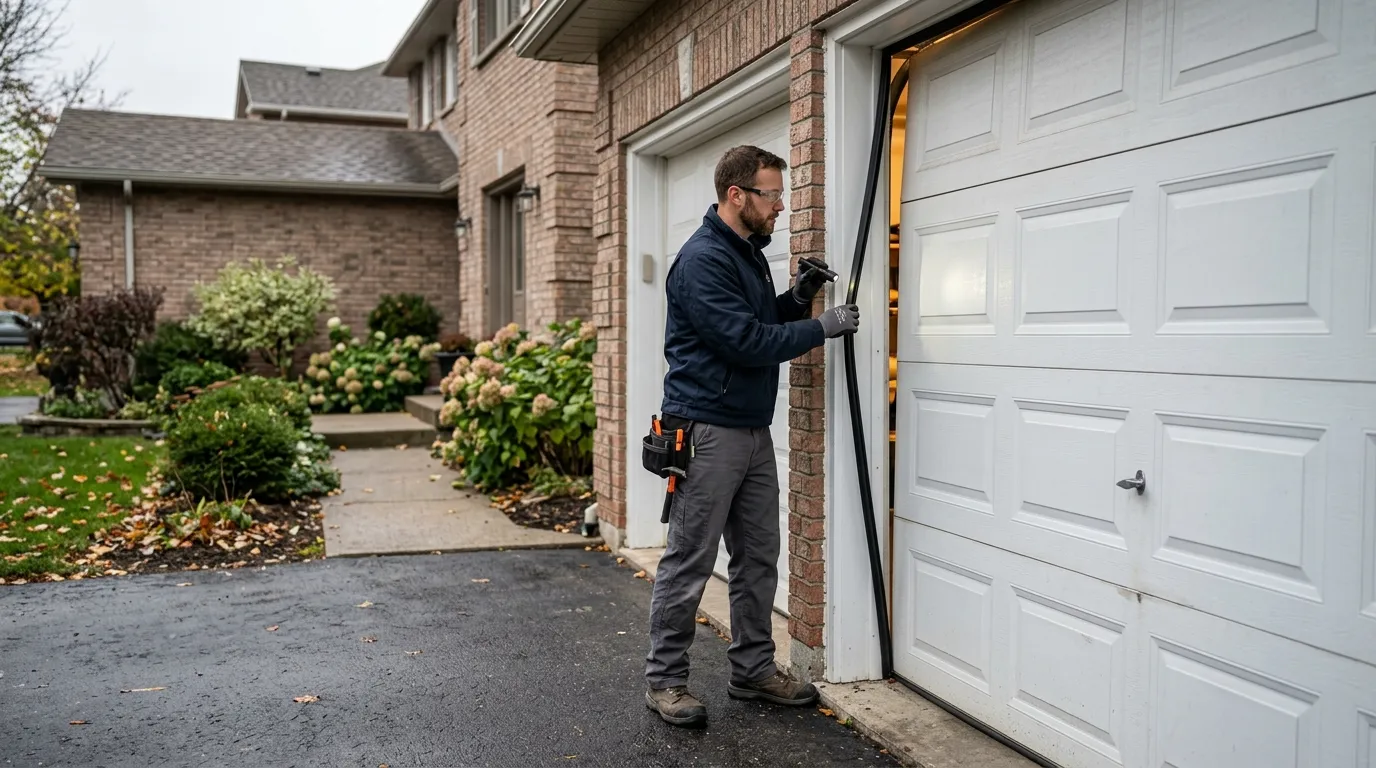
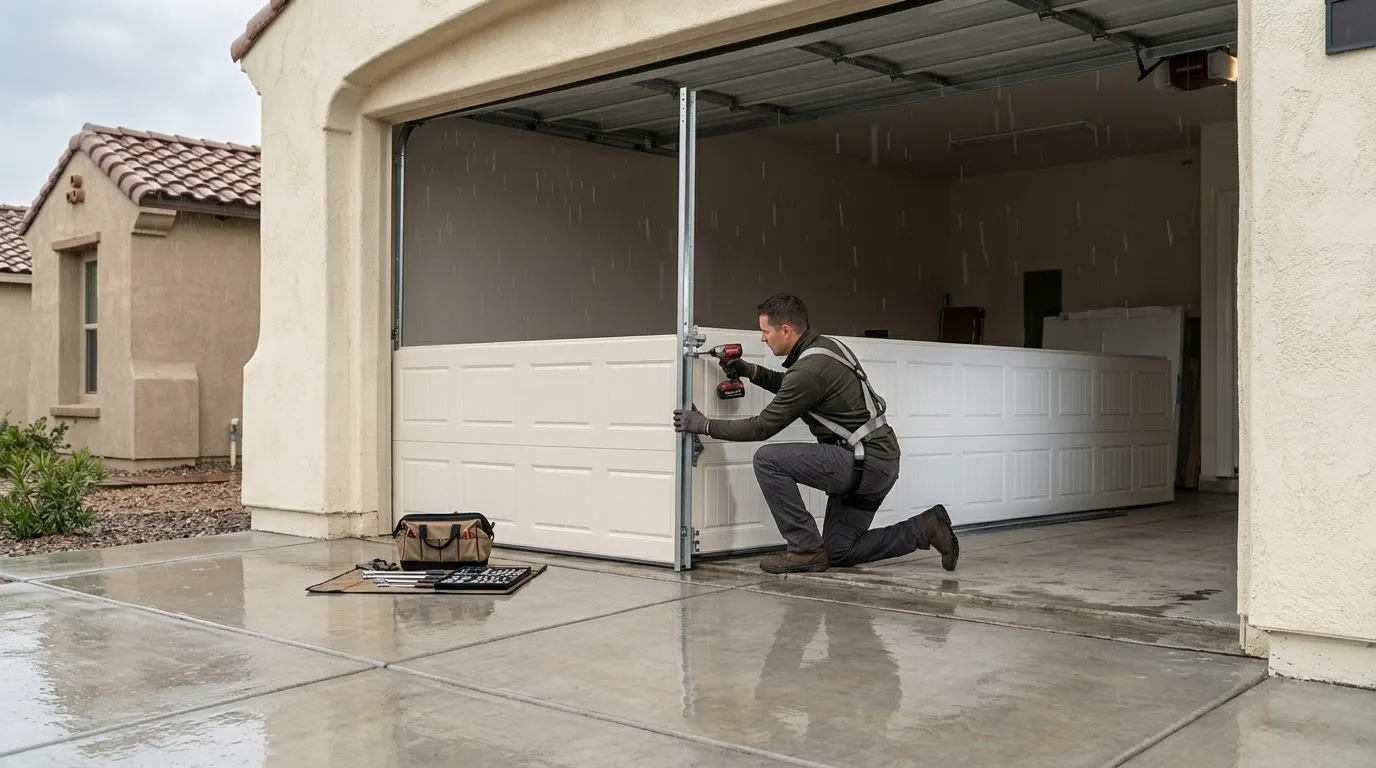
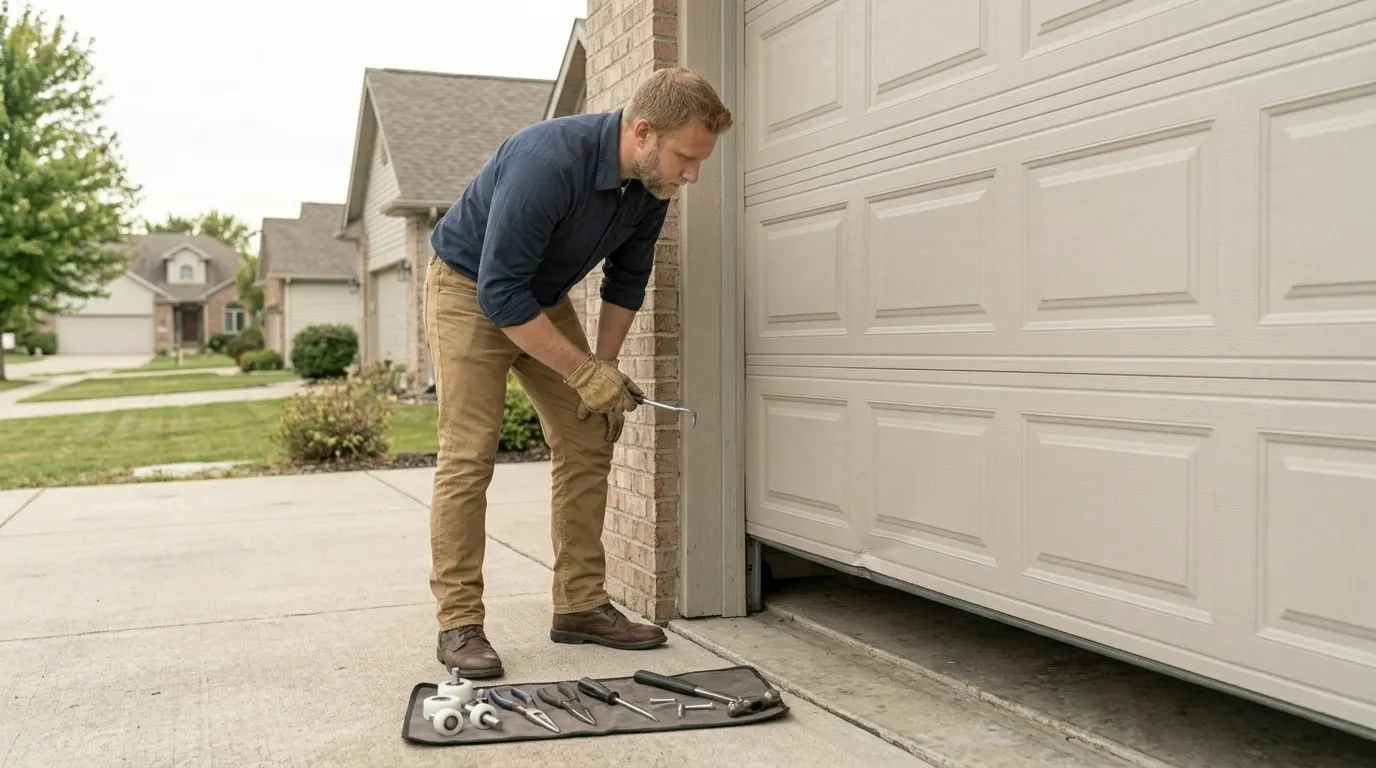
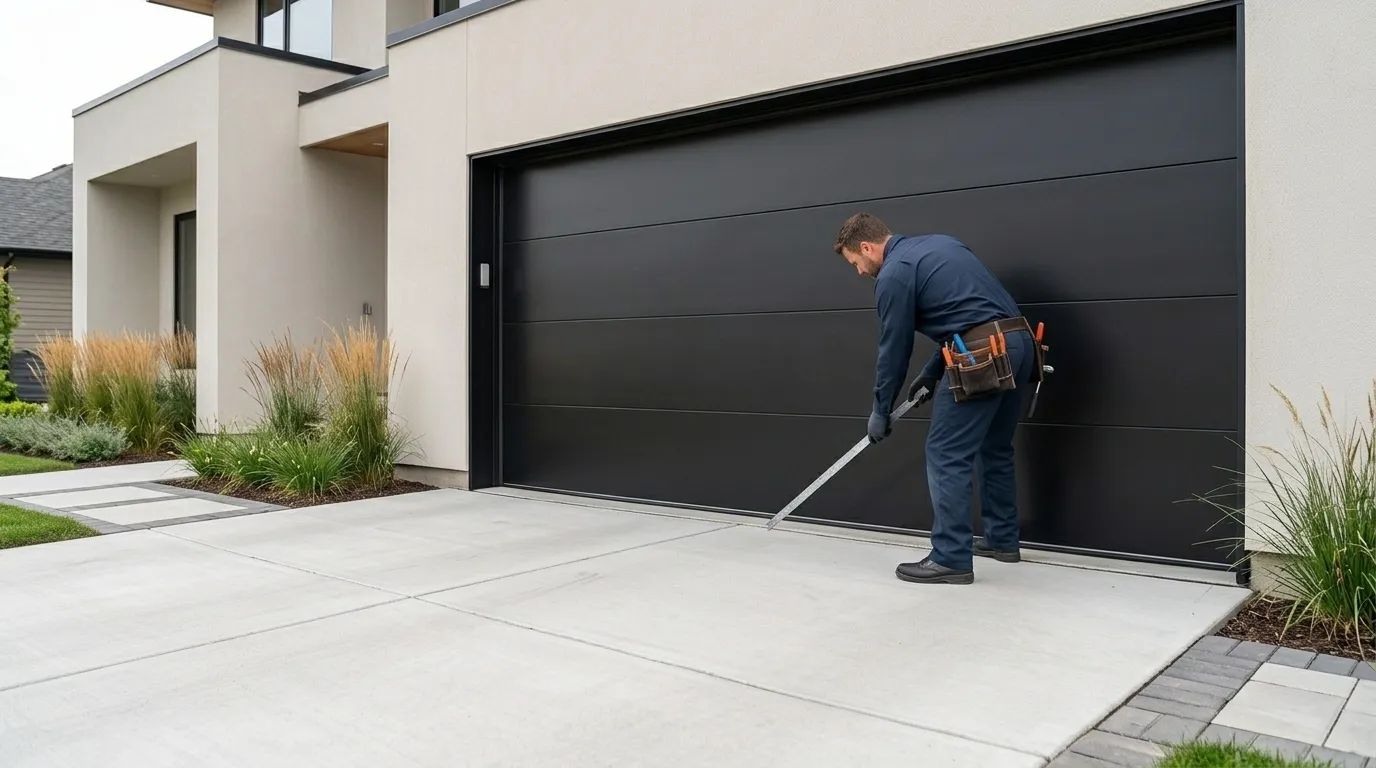
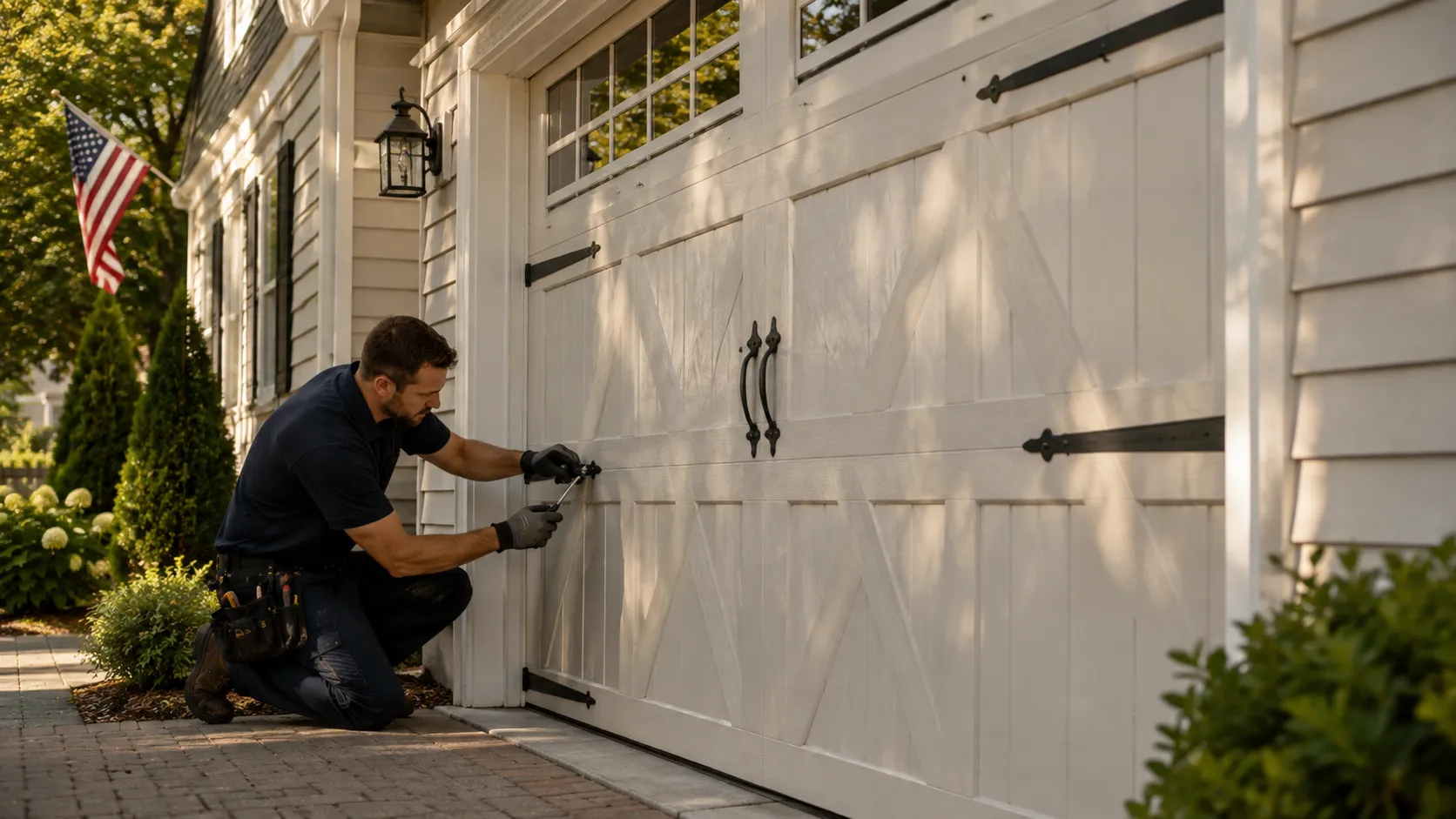
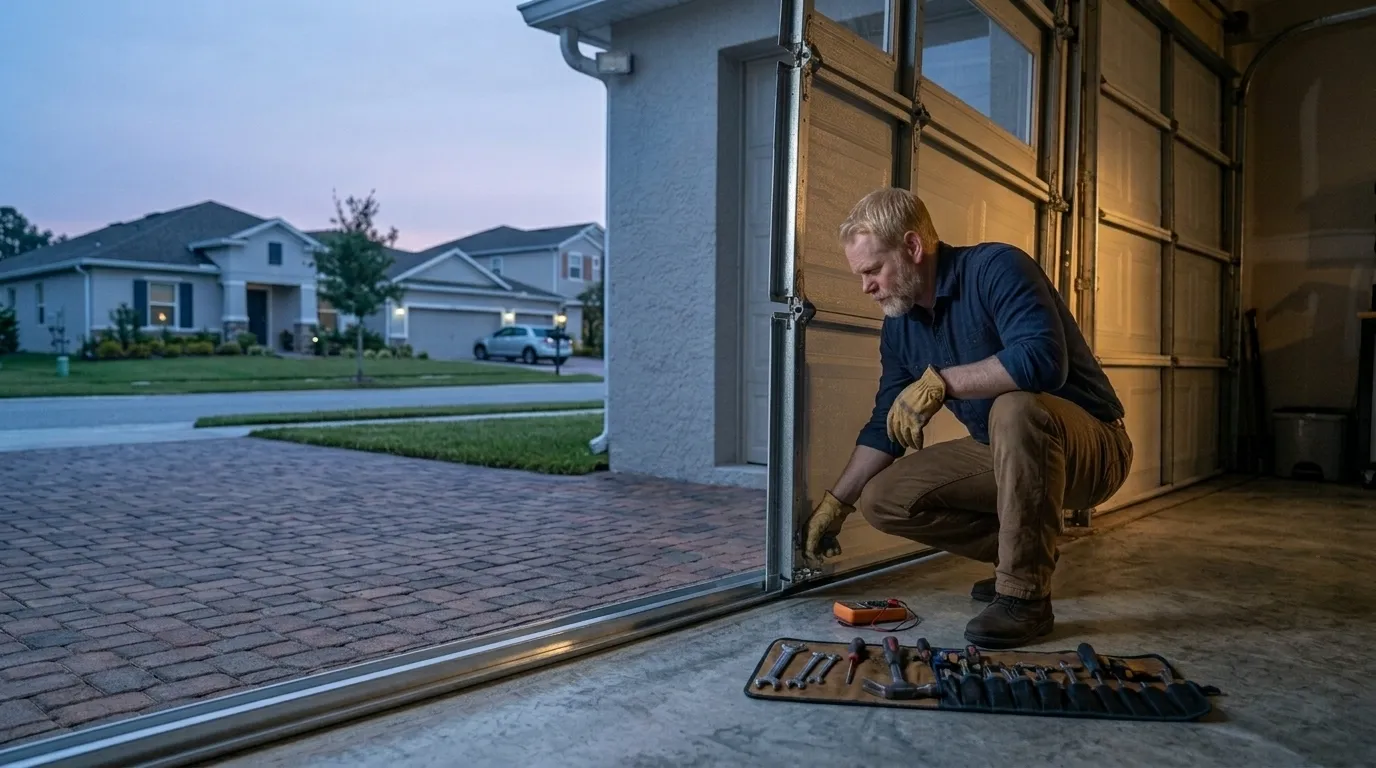
Forest Park's housing stock centers on a median build year of 1949, which is earlier than a lot of the areas we cover out of Morton Grove. That one number changes what shows up on the truck sheet. We see torsion springs original to a house pushing past their rated cycle count, and openers bolted onto rail systems that were never sized for today's insulated steel doors. A lot of these garages are single-car, narrow, with headroom that doesn't leave much room for a modern spring assembly without some adjustment. We also get calls on doors that were converted from a swing-out carriage style to a roll-up track decades ago, and the bracket work from that era doesn't always match what's on the shelf now. None of this is exotic - it's just older, and it wears differently than a door installed in 1985. The most common job is still a broken spring or a cable off the drum, but the parts and the mounting geometry behind that failure trace straight back to when the house went up.
What That Means for Doors
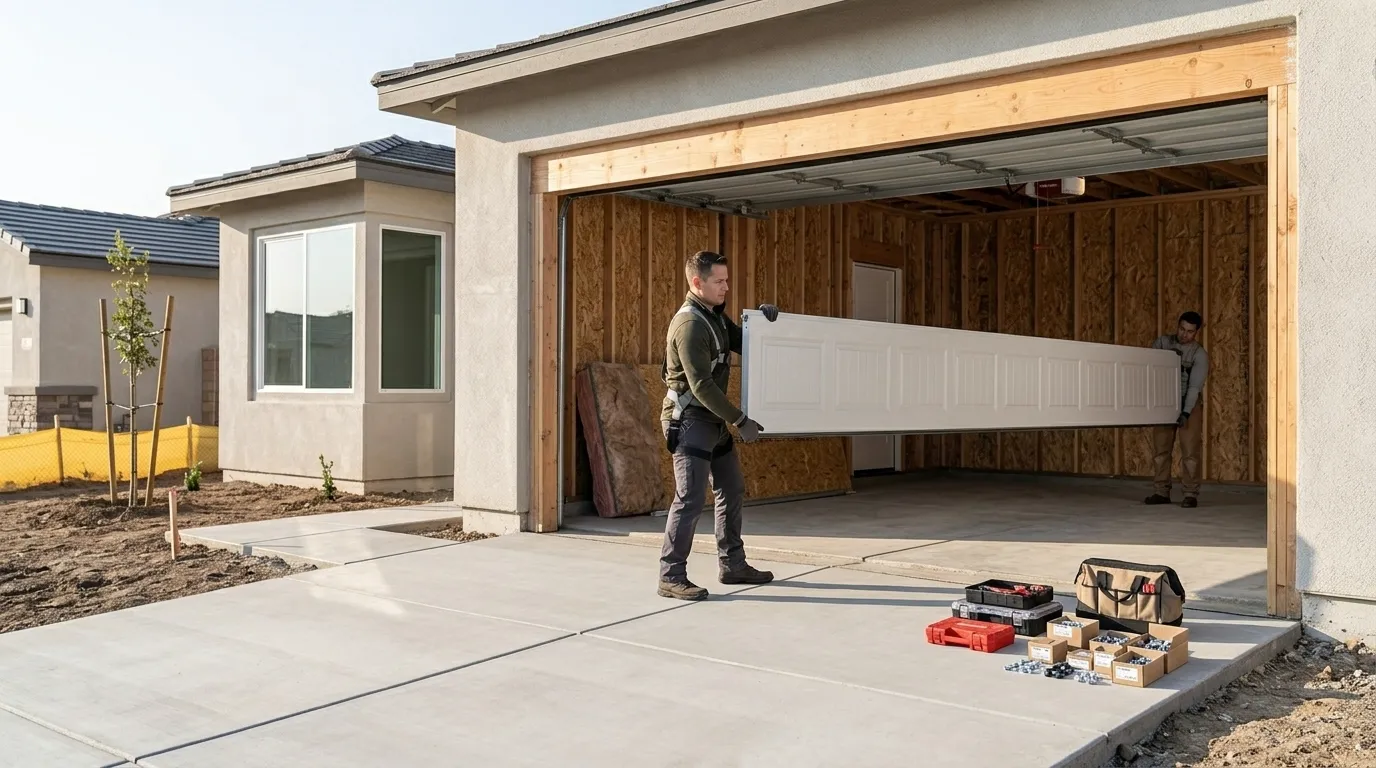
A door installed or replaced in a house from this era usually means the original opening was framed before wide steel sectional doors were standard, so headroom and side room can be tight. We run into low-headroom torsion setups more here than in newer subdivisions, and that limits which spring and drum combinations fit without reworking the jamb. The climate here is cold-moderate, and older, less-sealed panel joints and worn bottom seals lose more heat through a 1949-era door than through a door with a modern thermal break. If your opener is original or a first-generation replacement, the drive gear and capacitor are likely near or past end of life regardless of how the door itself looks. We check spring wire gauge against door weight before touching anything, since a mismatched spring on an older door is a common cause of a cable jumping the drum.
Where We Stop
We're honest about the drive: Forest Park is about 12 miles from our shop in Morton Grove, so we don't carry a stocked depot here and we're not the fastest same-hour call in this specific pocket - we schedule the trip like any other run on our route. We also won't try to force a modern opener onto framing that can't support it; if the jamb or header is compromised from age, that's a carpentry fix before it's a door fix, and we'll say so rather than bolt hardware to wood that won't hold it. On some 1940s-era openings, full replacement ends up cheaper and safer than chasing parts for a track gauge nobody stocks anymore. We'll tell you when that's the case instead of running up a repair bill on a door that's past the point of being worth saving.