The Usual Work Here
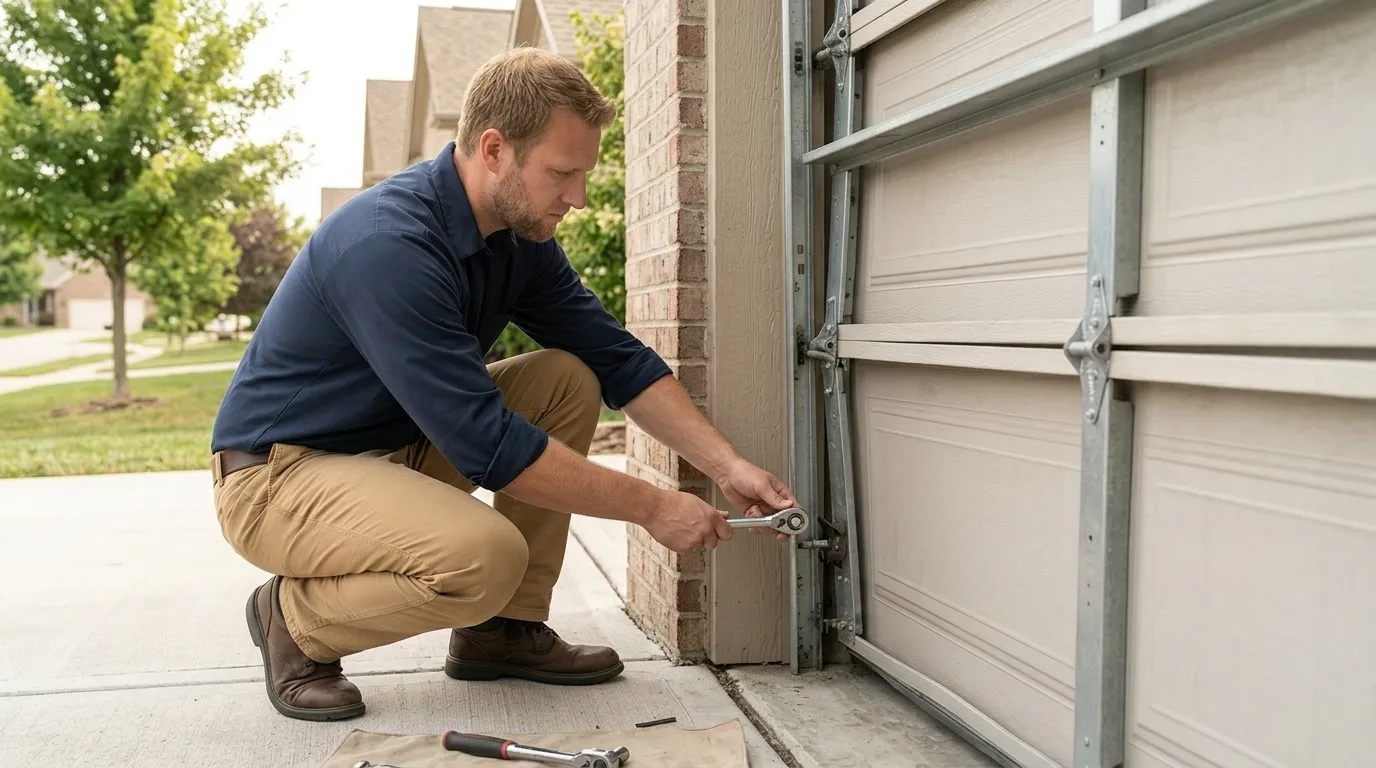
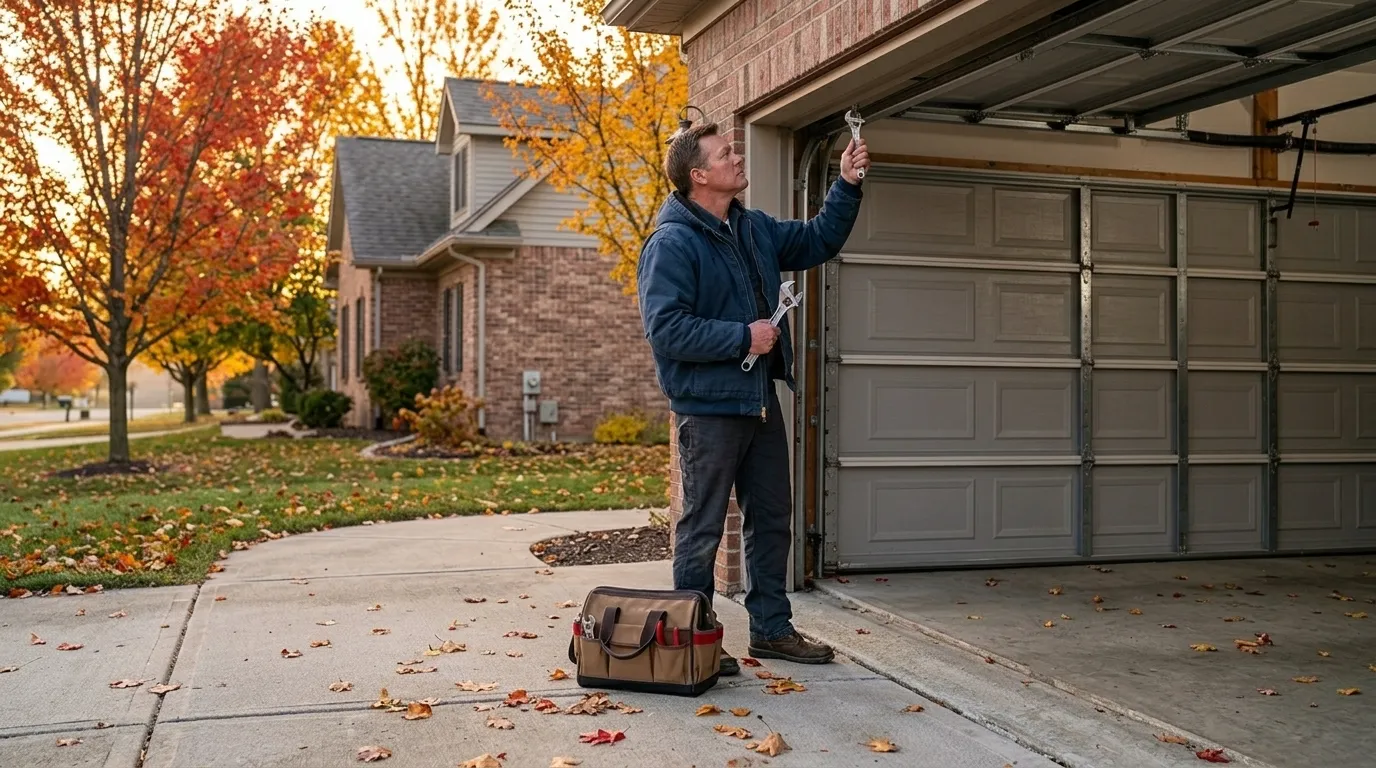
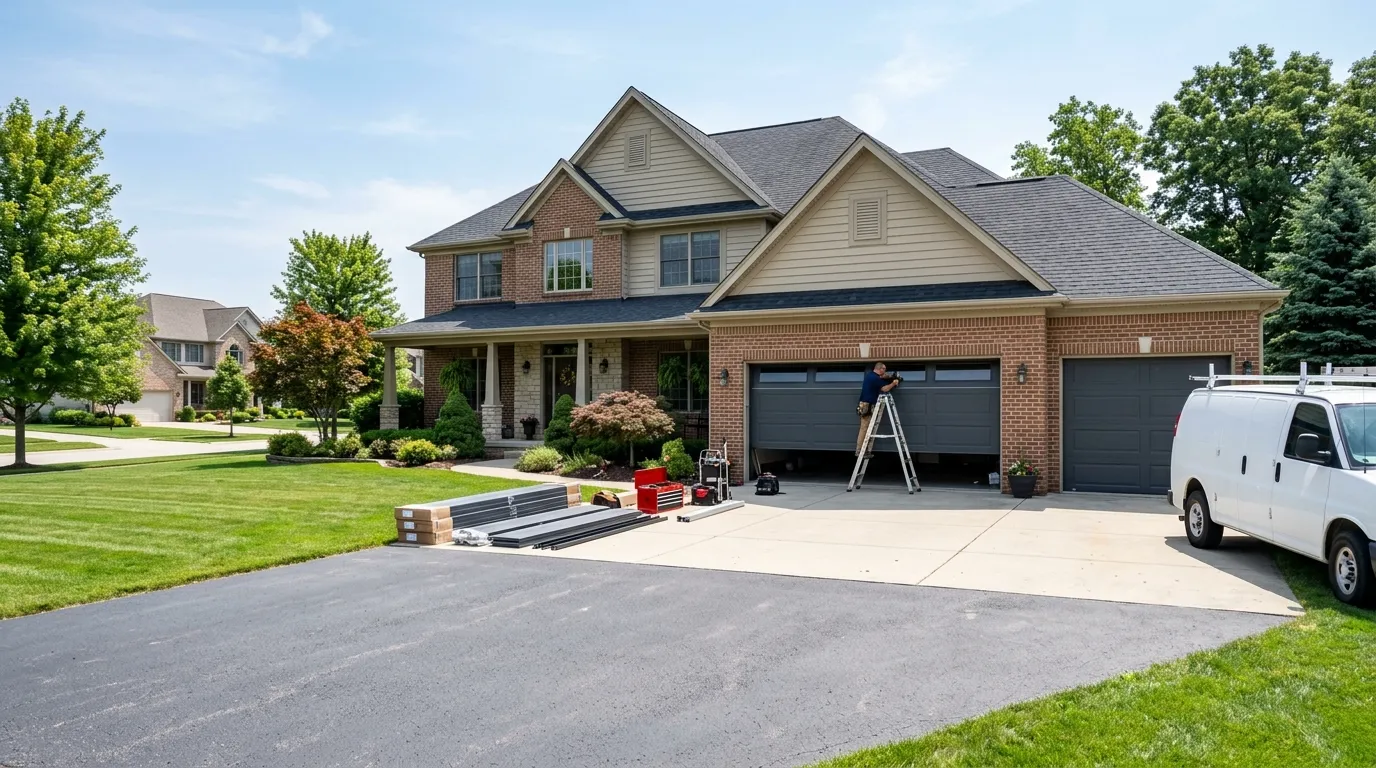
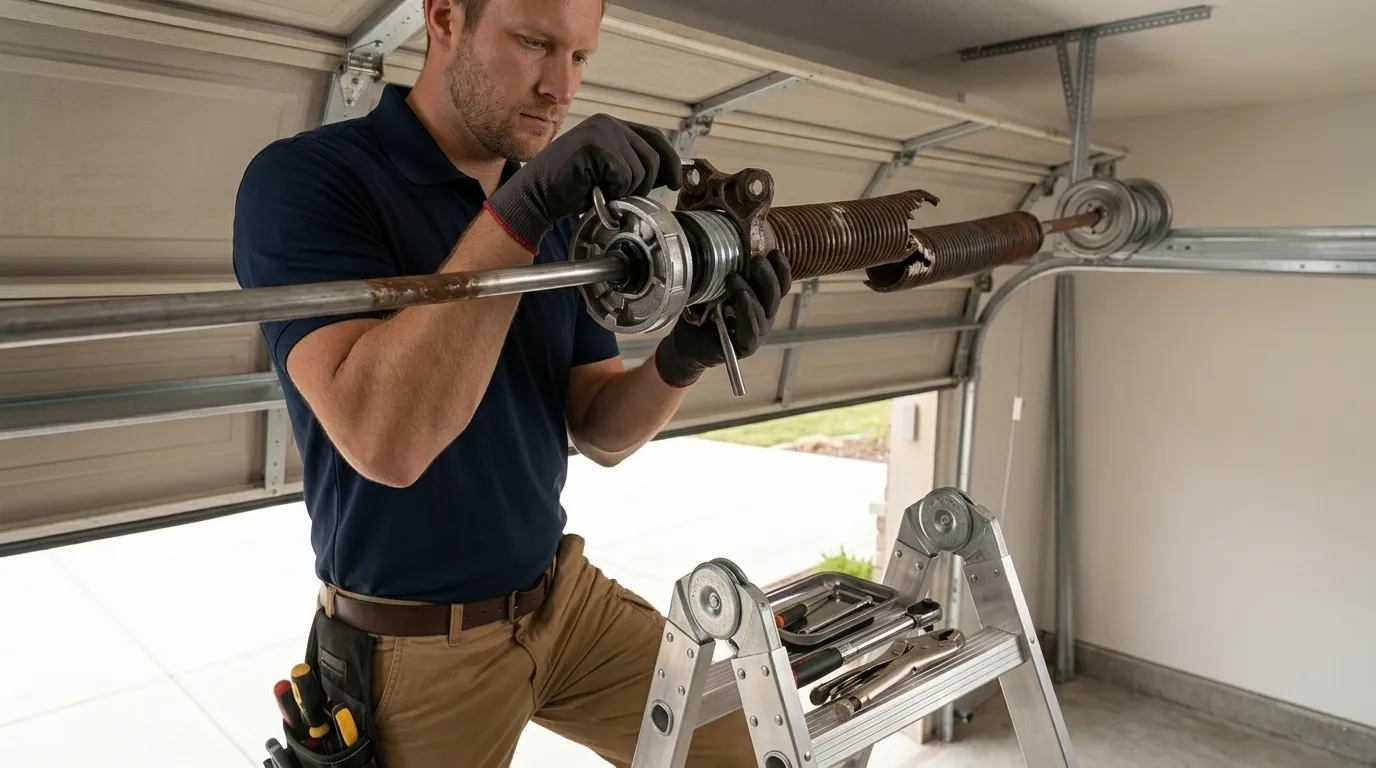
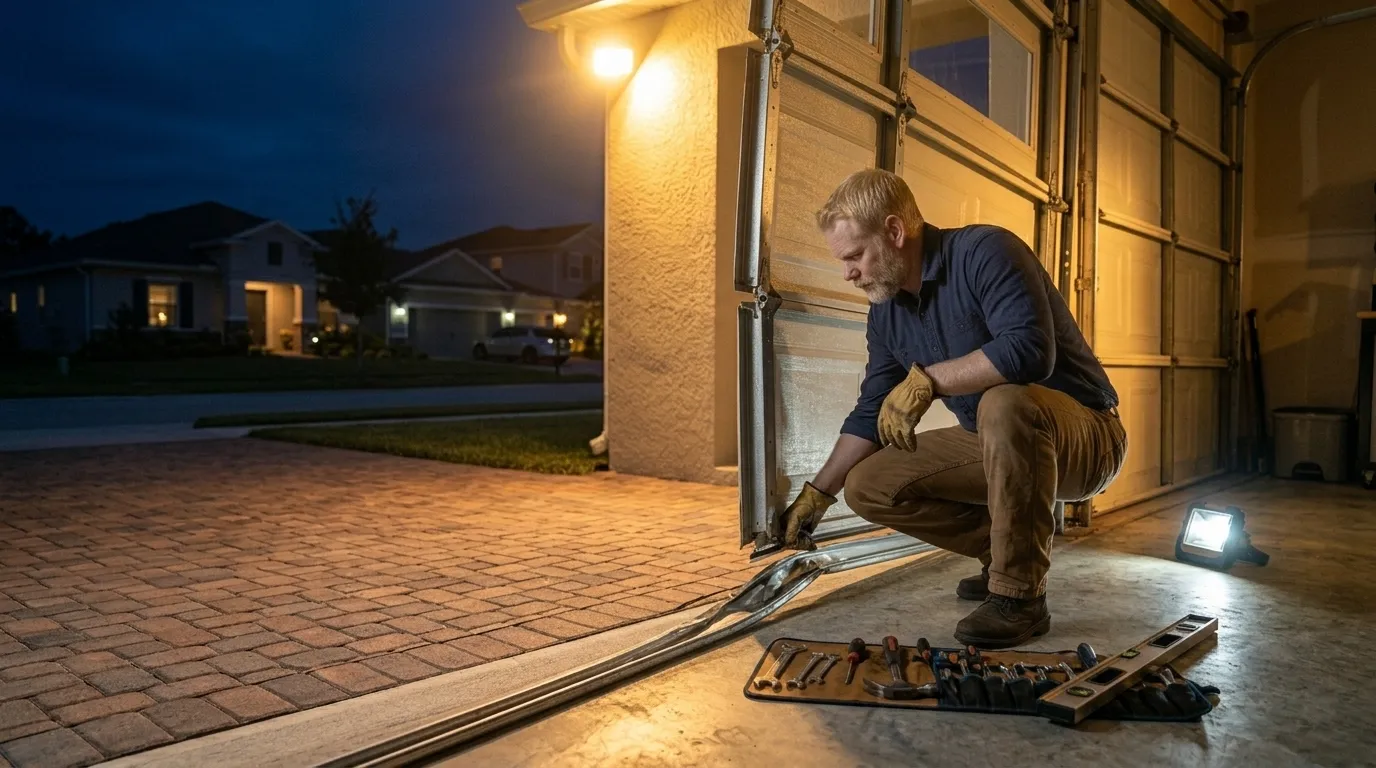
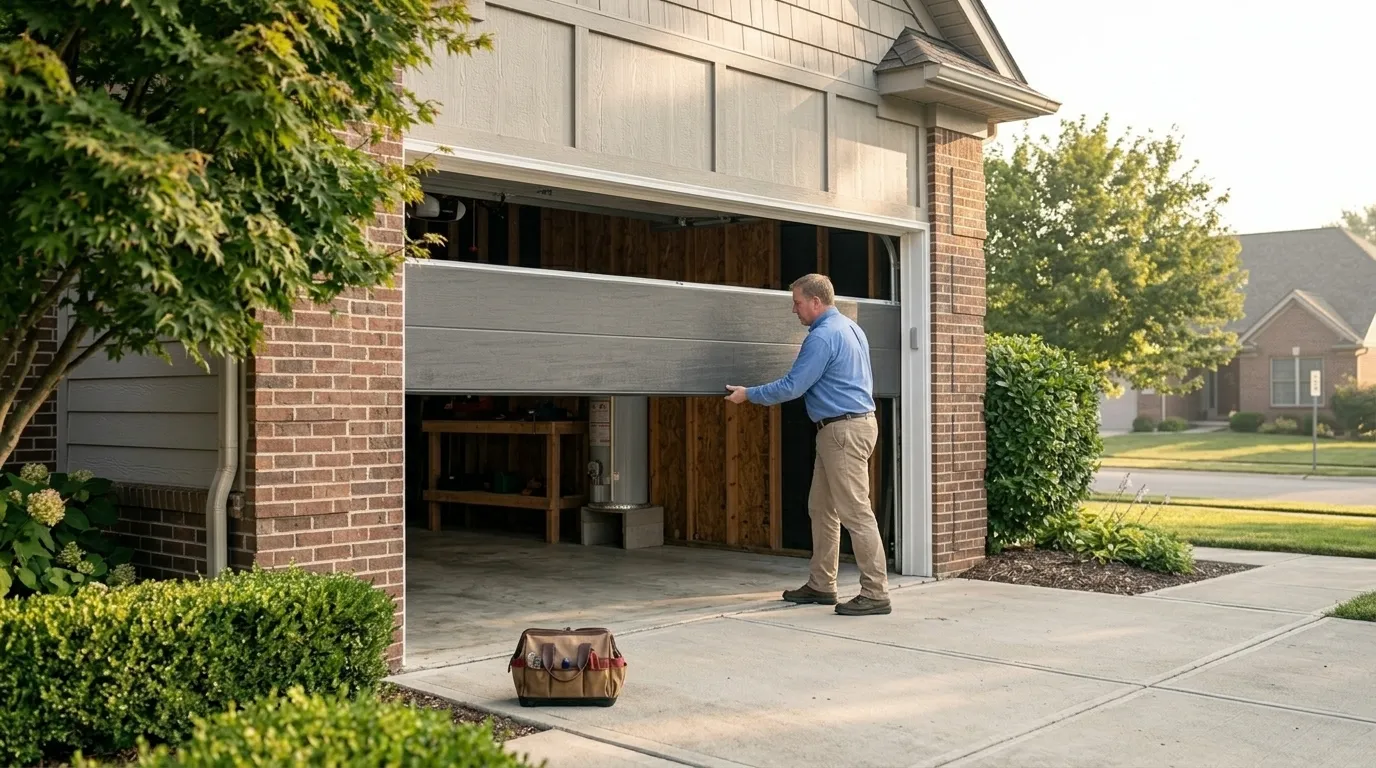
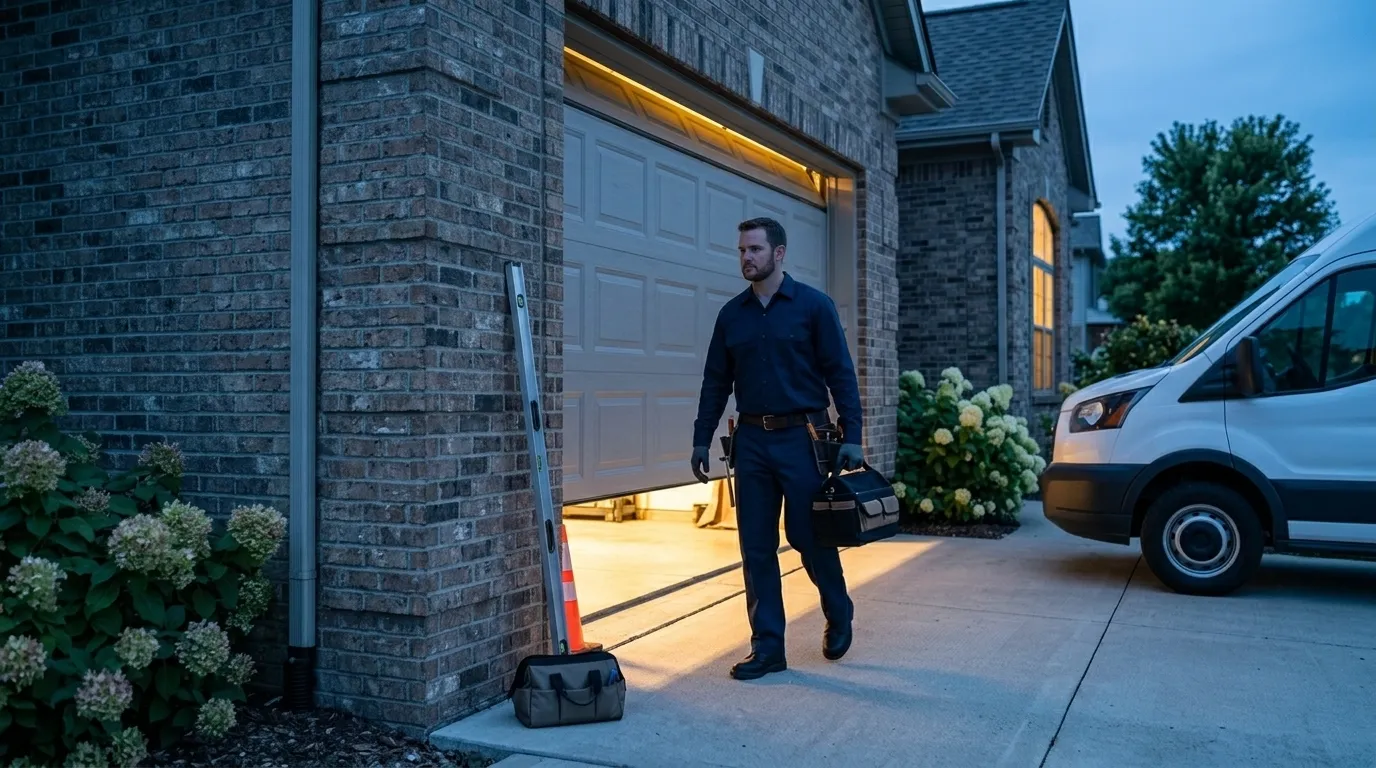
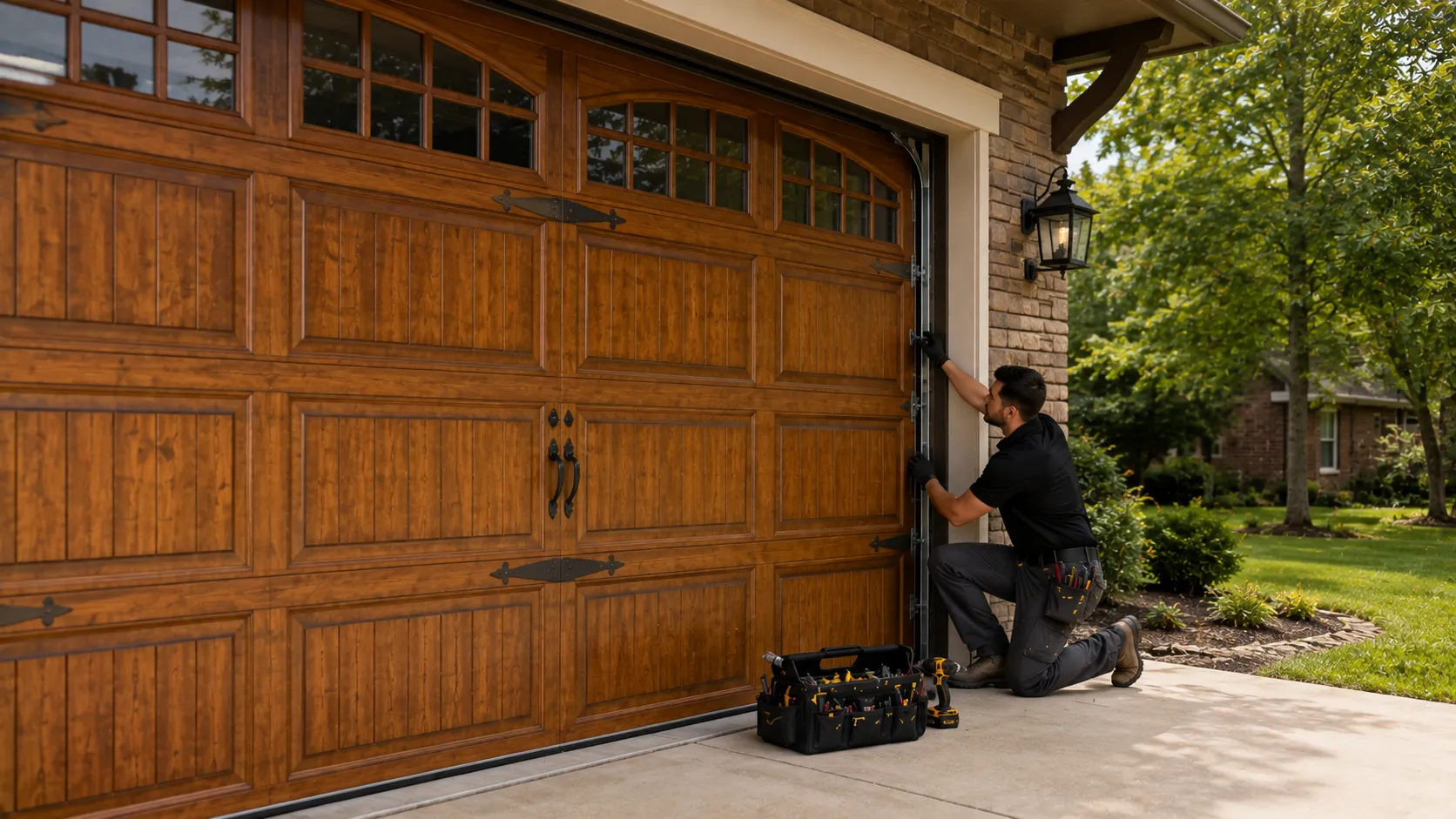
We drive out to Glencoe from our shop in Morton Grove, about 6 miles south, for the same kinds of calls we get across the area: a torsion spring that let go on a cold morning, an opener that grinds instead of lifts, a section that's cracked at the bottom where the door meets a sloped driveway. Glencoe's housing runs older than a lot of what we see elsewhere in the coverage area - the area median build year here is 1955, versus 1963 across the wider service territory. That eight-year gap doesn't sound like much until you're standing in front of the hardware. Older houses in Glencoe more often still have the original jamb brackets, narrower tracks, and in some cases doors that were never upgraded past a single torsion spring setup that's now working overtime. We don't assume every house is like this, but we come prepared for it, because in Glencoe it's the rule more than the exception. With around 3,033 households in the area, it's not a huge territory, but the housing stock is consistent enough that we know what to expect before we knock.
What That Means for Doors
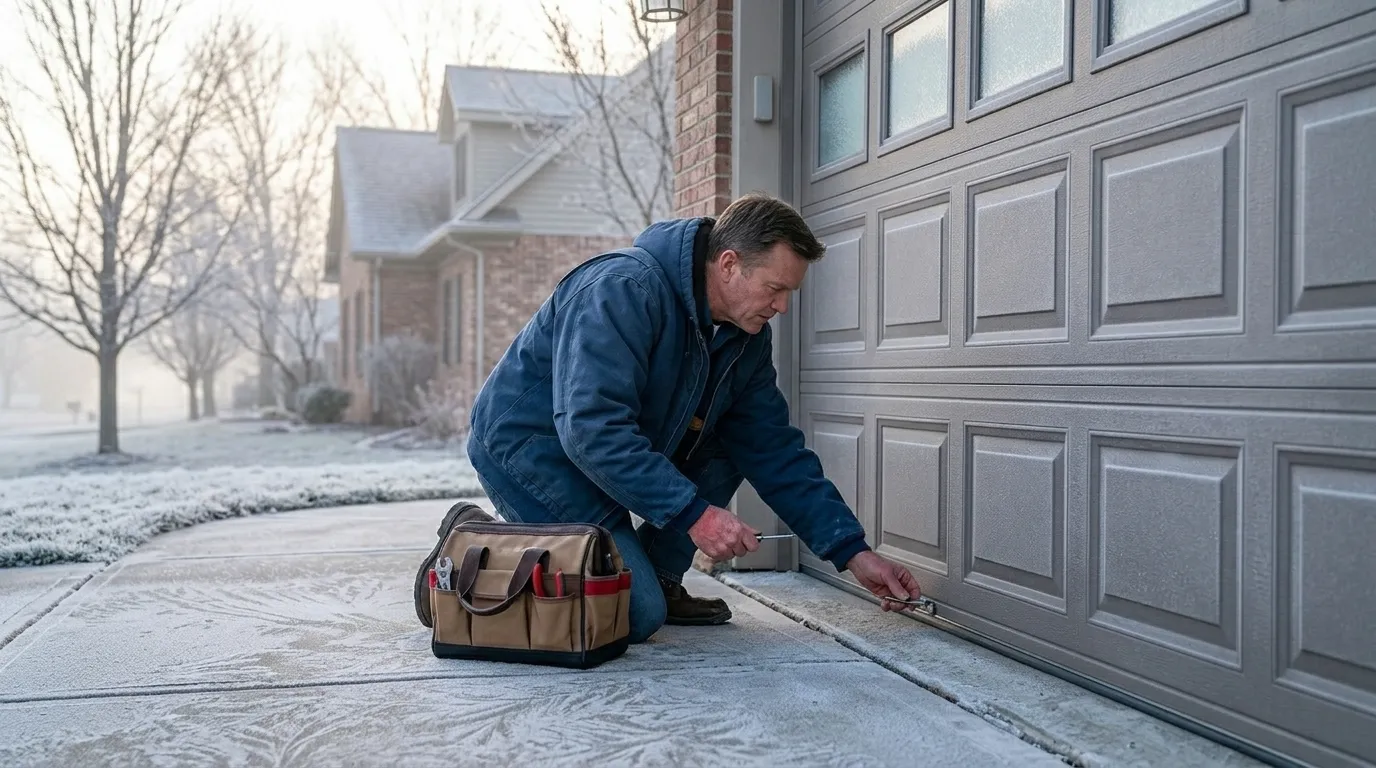
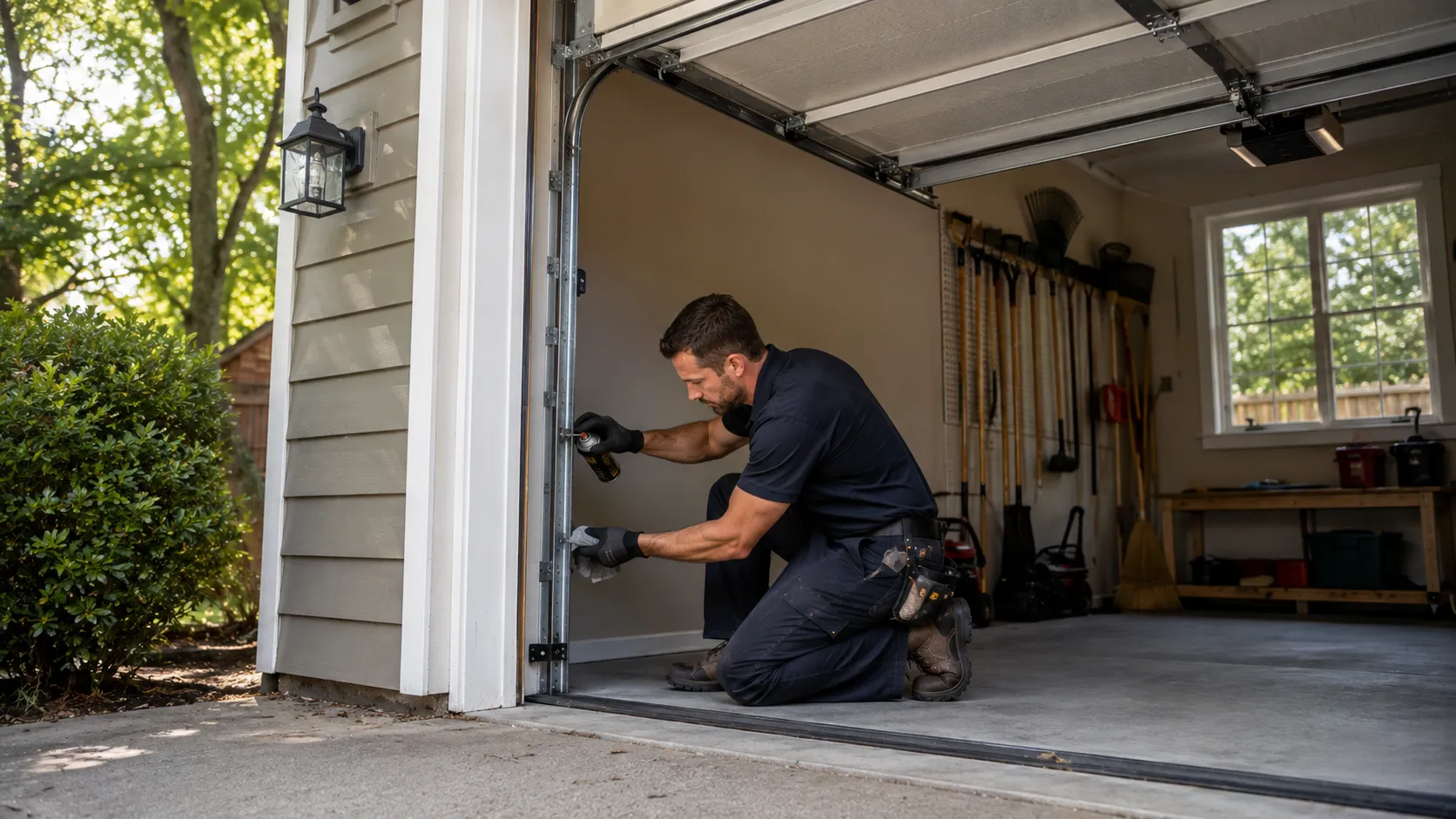
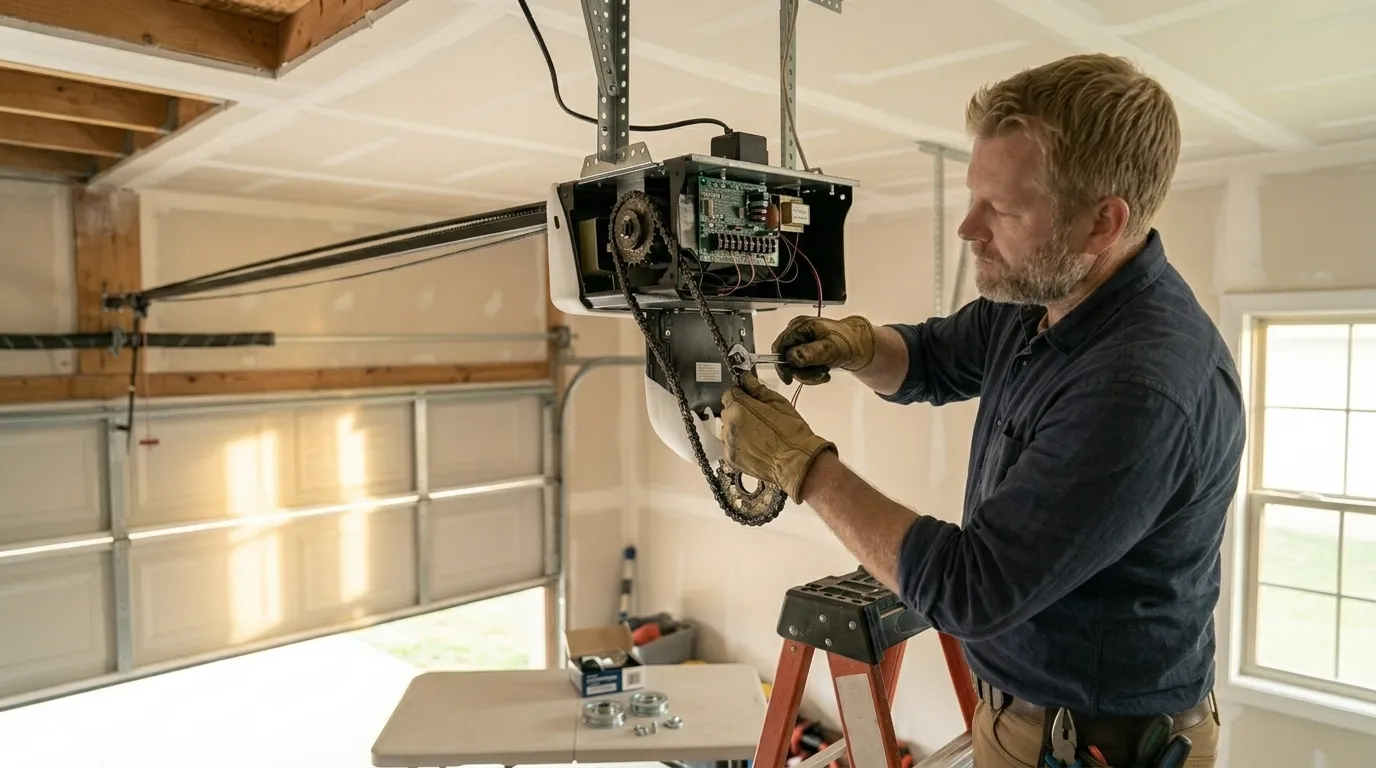
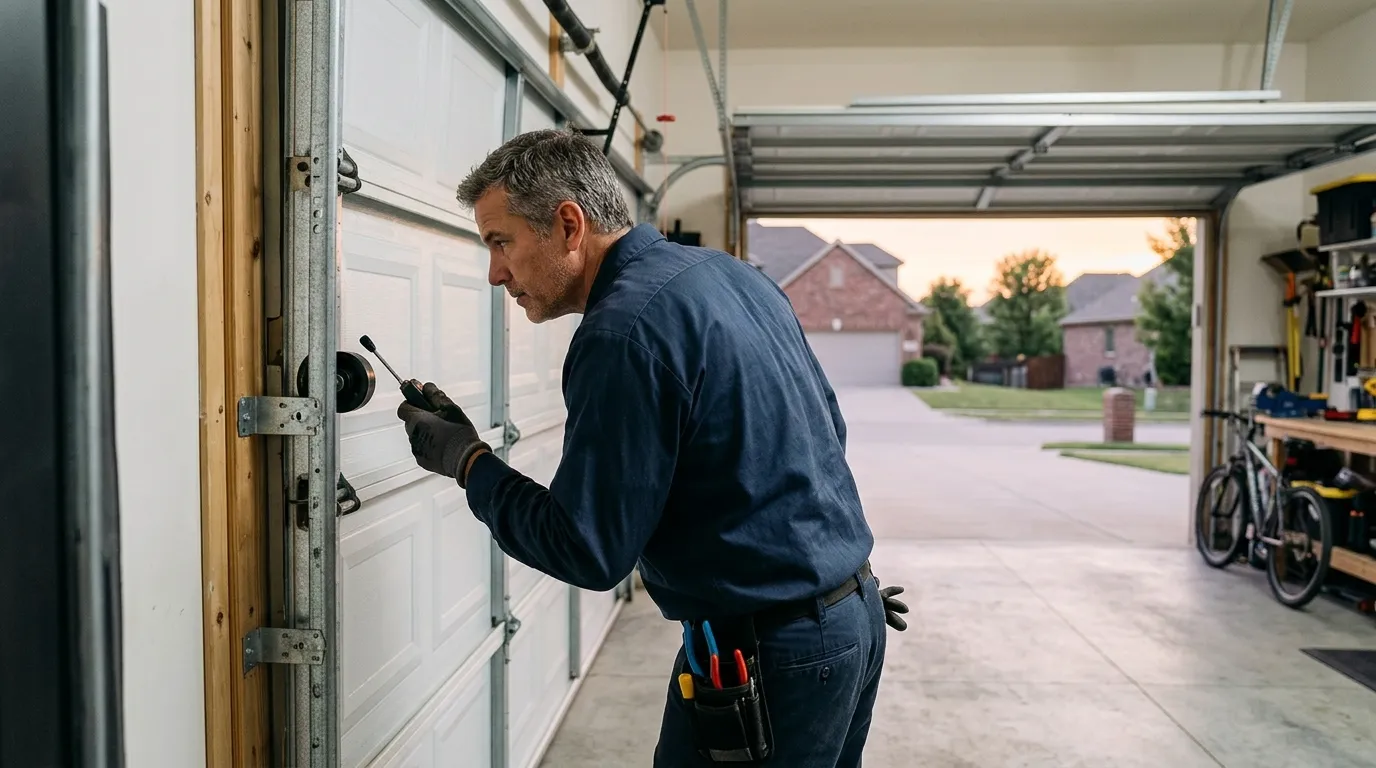
The climate here is the same cold-winter band as the rest of the region, and an older door doesn't handle that as well as a newer one. Original steel sections from the 1950s and 60s often lack the foam-core insulation that keeps a spring from binding up when it's below freezing, so we get more cold-weather spring failures on these older doors than on newer replacements. Rollers on original hardware are usually steel-on-steel with no nylon sleeve, which means more noise and more wear at the track bends. If your opener is original to a 1955-era garage, it's very likely not the unit that came with the house - most of those motors gave out decades ago - but the track and drum it's bolted to might still be. That mismatch between an old track and a newer opener is one of the more common issues we find once we get the light on it.
Where We Stop
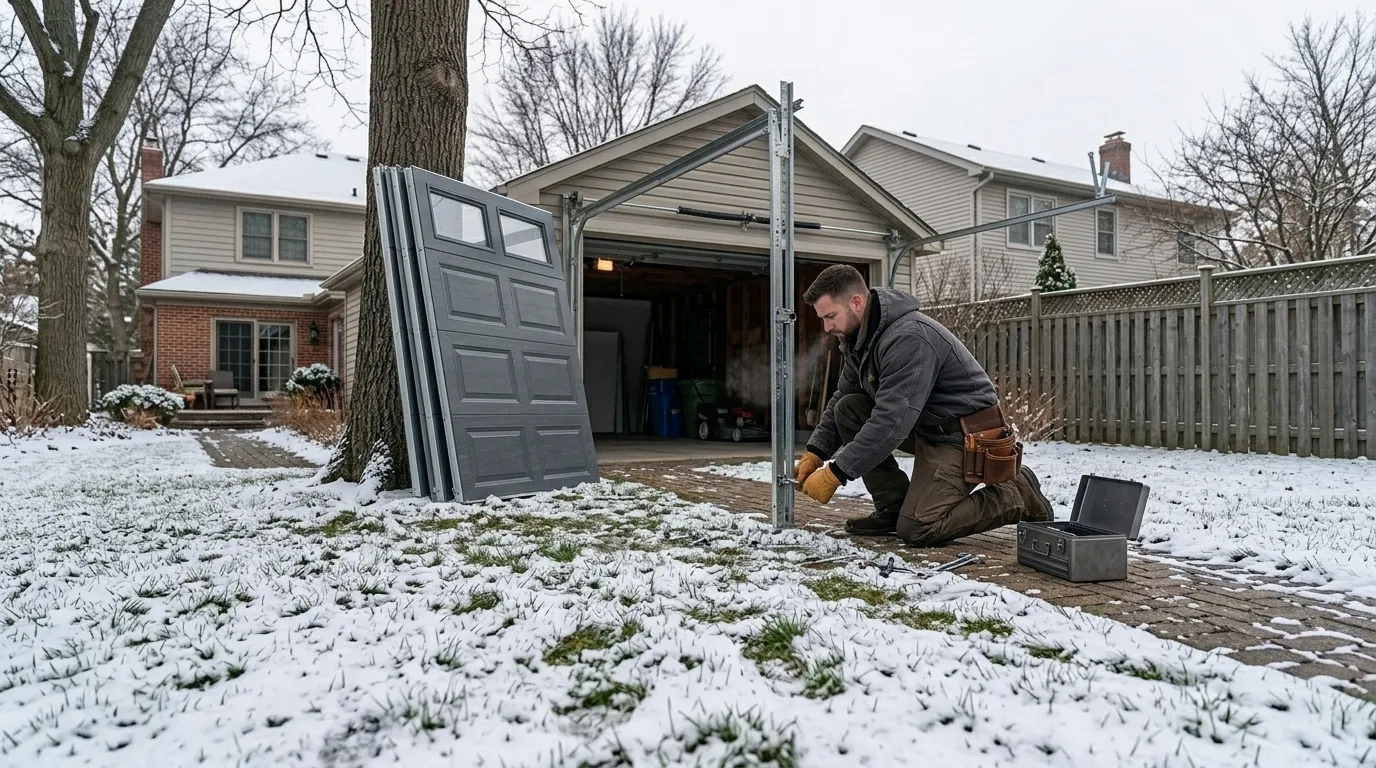
We don't keep a depot in Glencoe - we run out from Morton Grove for every call, so if you need something same-day, ask us what's actually possible before you assume. We also don't try to save every old door. If the track is bent past true, the panels have rusted through at the bottom, or the jamb hardware is too far gone to hold a new spring safely, we'll tell you replacement makes more sense than another repair, even on a door with real age and character to it. Parts for some of the original mid-century hardware simply aren't made anymore, and hunting for a matched used part isn't something we do as a standard service. We'll always tell you plainly when a repair isn't worth doing.