The Usual Work Here
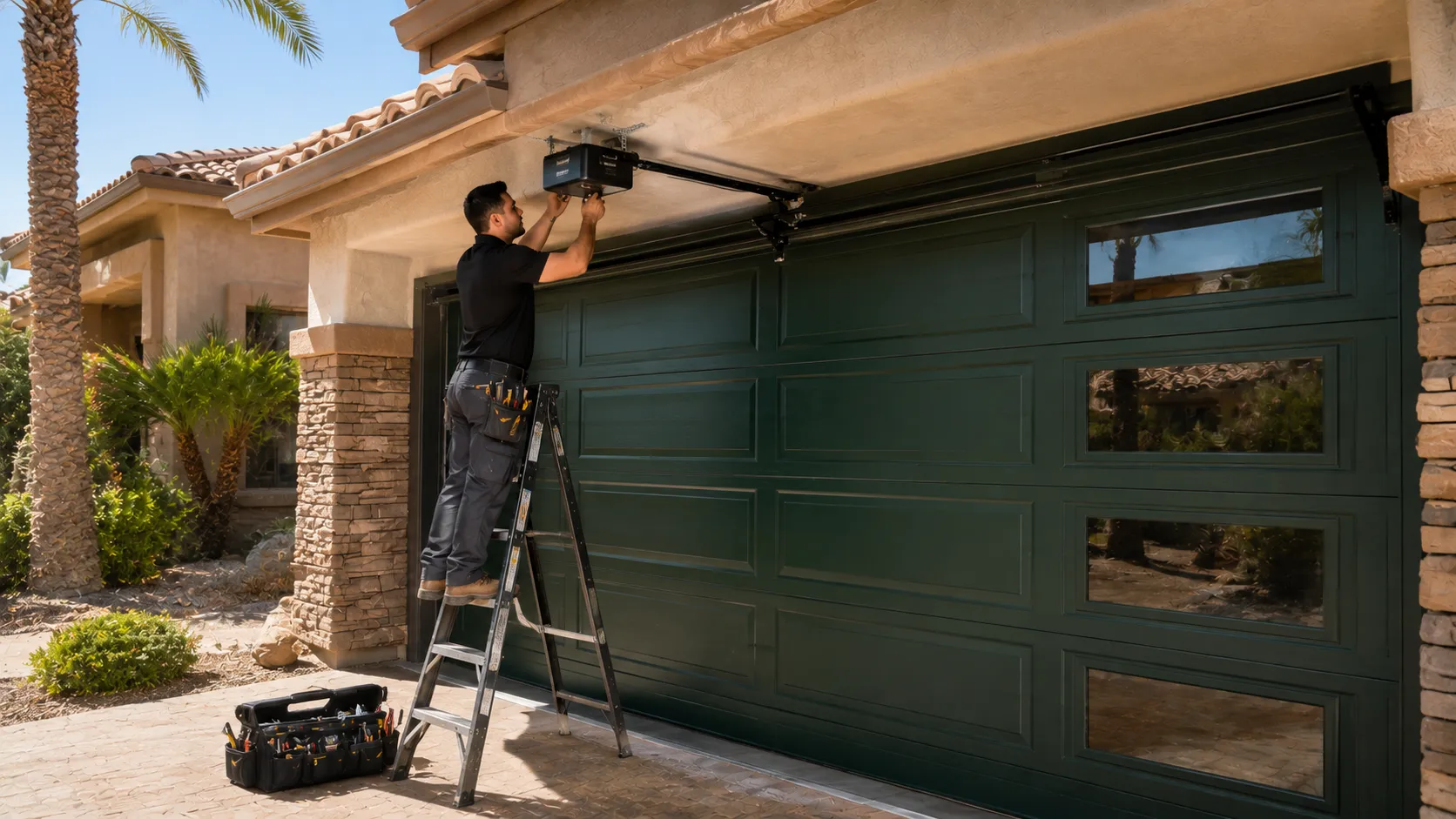
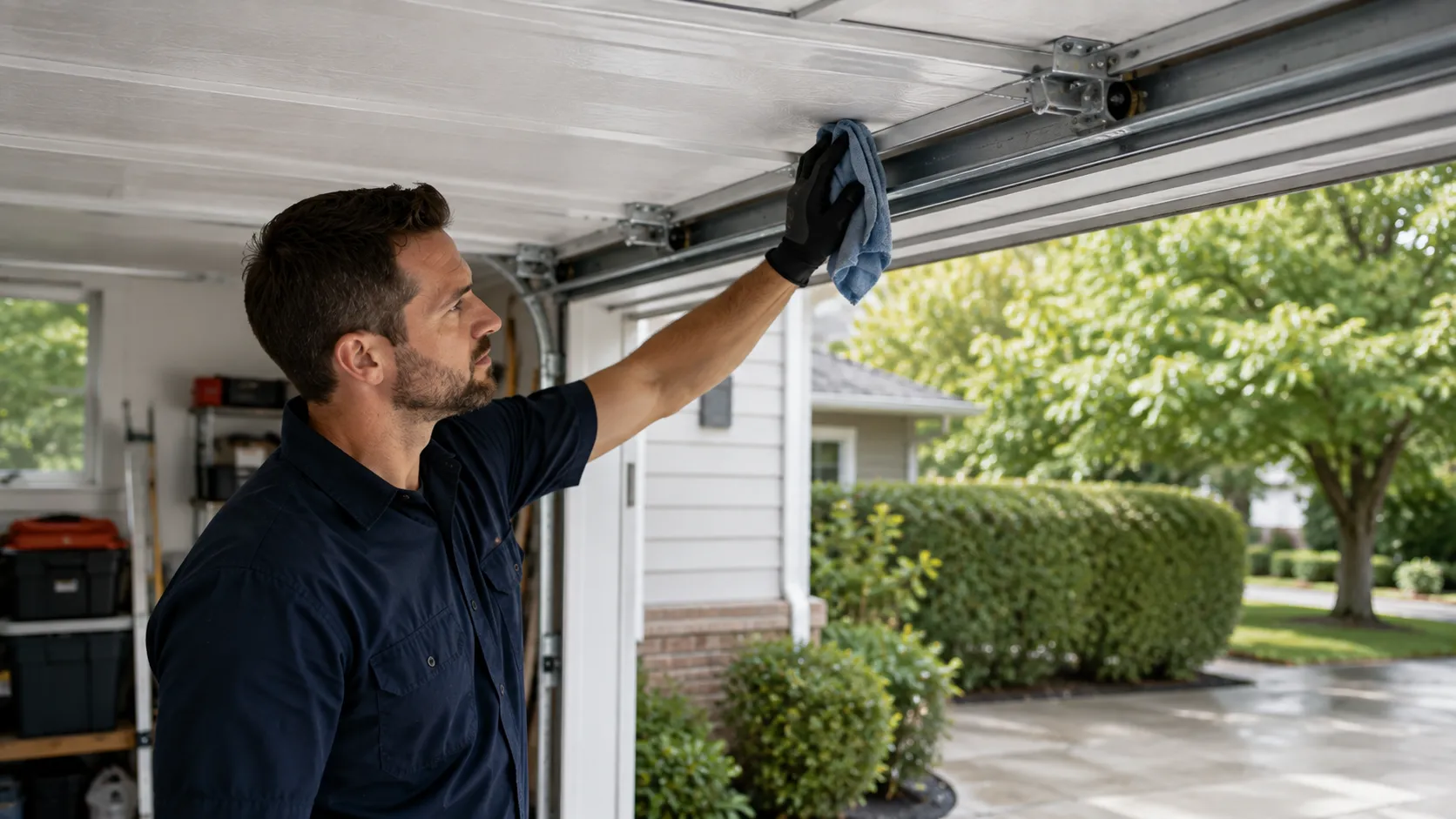
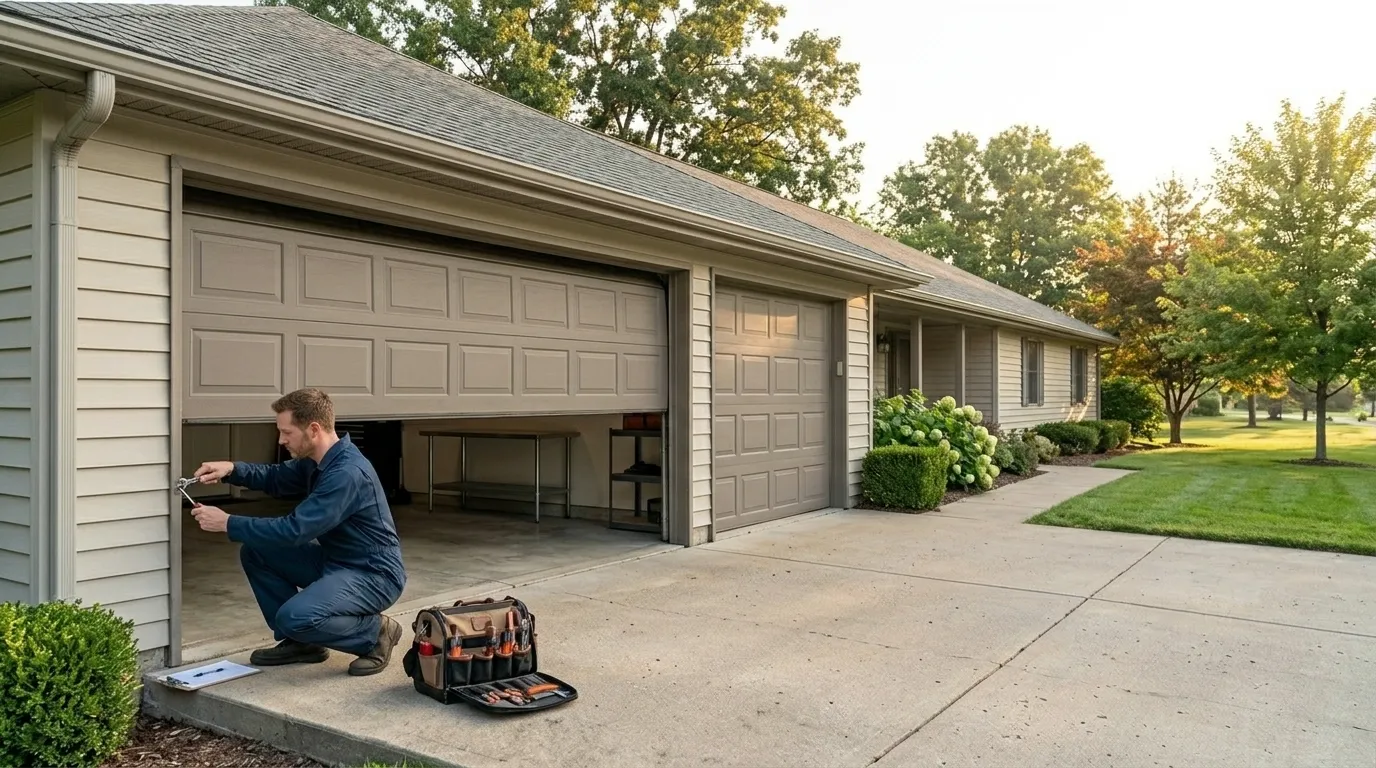
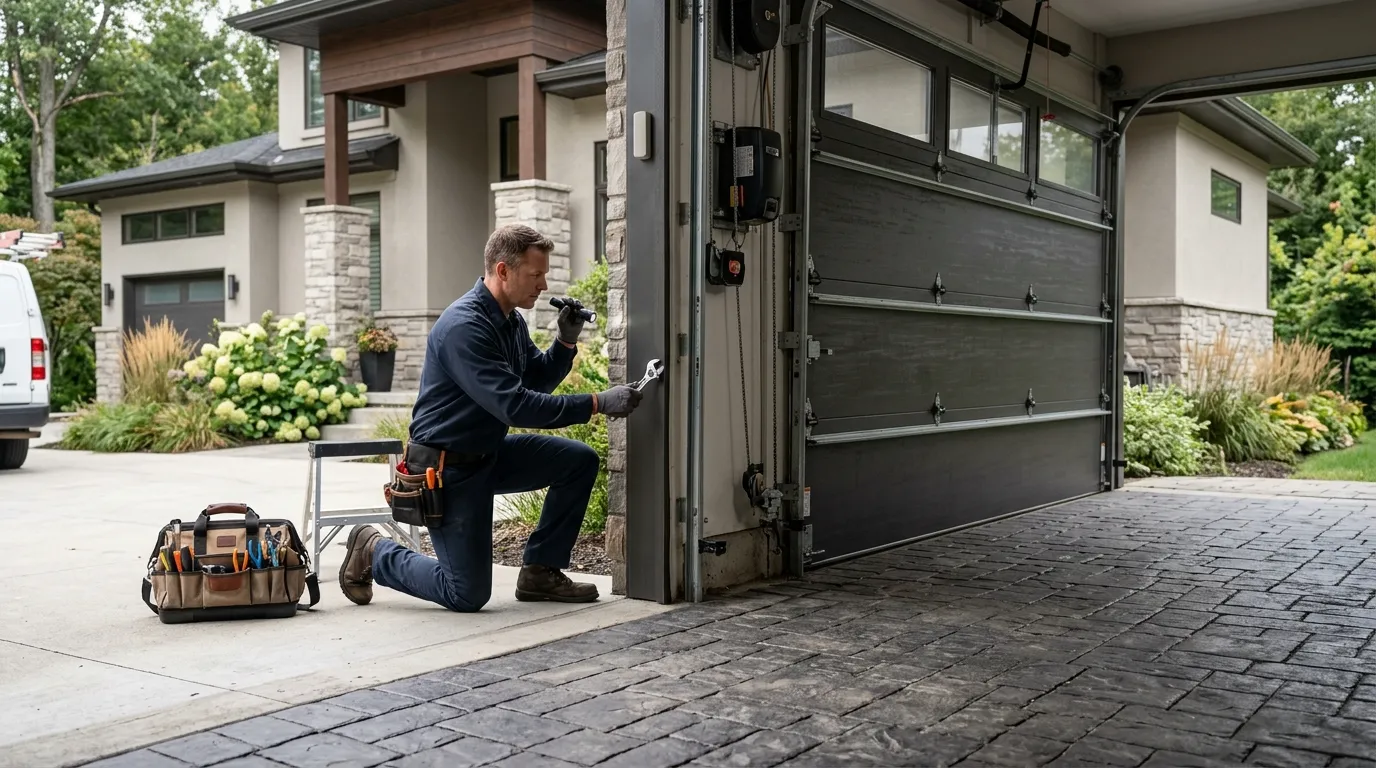
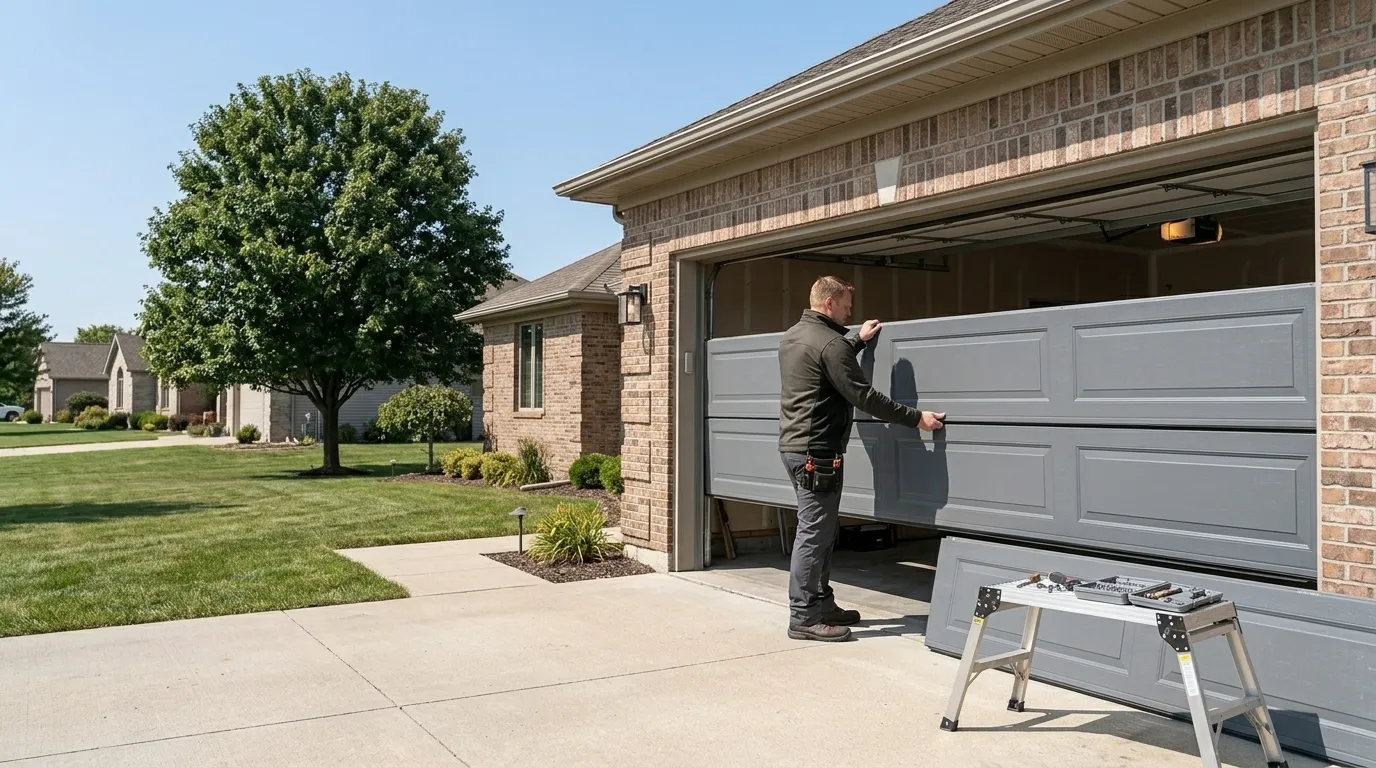
We drive out to Harwood Heights from our shop in Morton Grove, about 5 miles away, for the same handful of jobs over and over: a torsion spring that let go on a cold morning, an opener that grinds instead of lifts, a bottom panel that took a hit from a bumper. The town's 3,582 households sit close together on smaller lots than you'll find further out, which means shared driveways and doors that get used more than once a day per household. That adds up in spring cycles and roller wear faster than people expect.
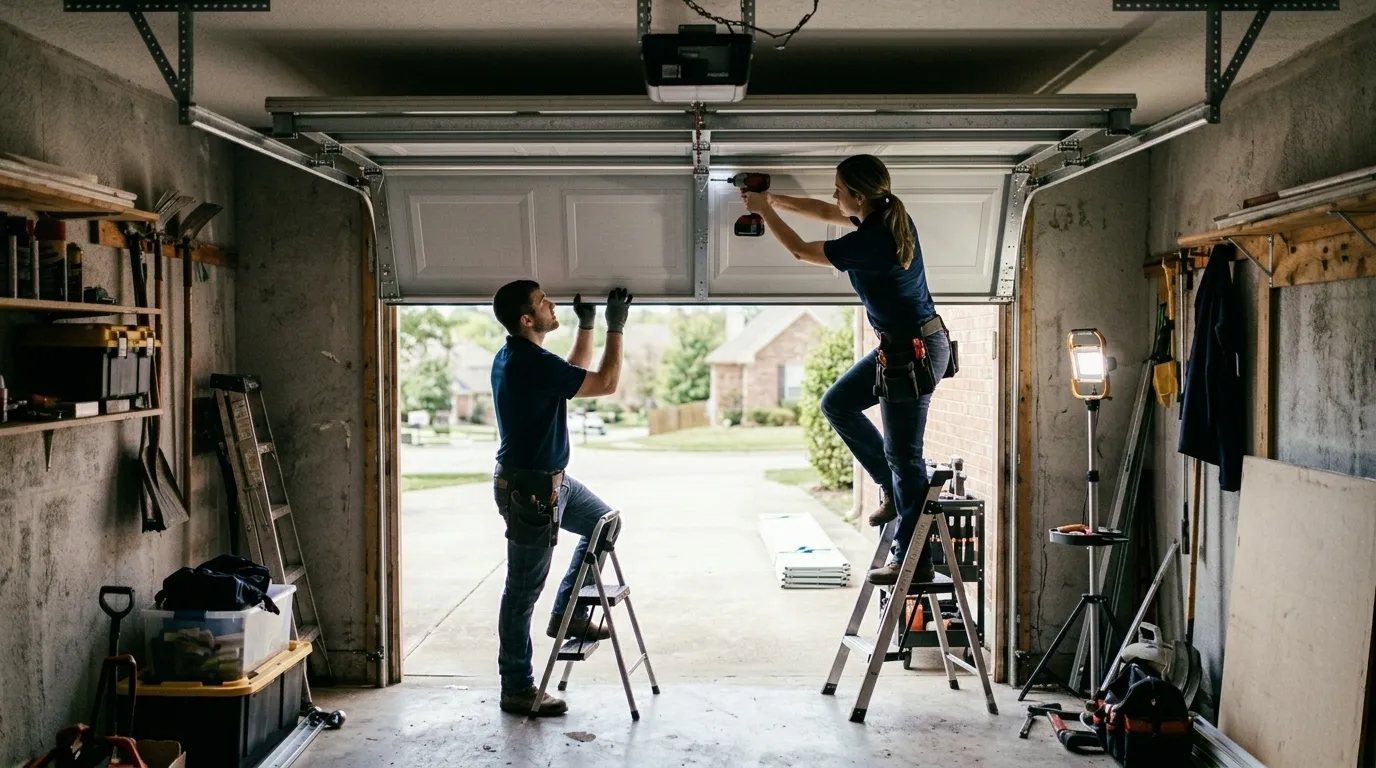
We don't try to sell a full replacement on a first call. Most of what we see here is a repair - a spring, a cable, a sensor out of alignment - not a door that's actually failed. If a job needs parts we don't carry on the truck, we'll say so and give you a straight timeline instead of guessing.
What That Means for Doors
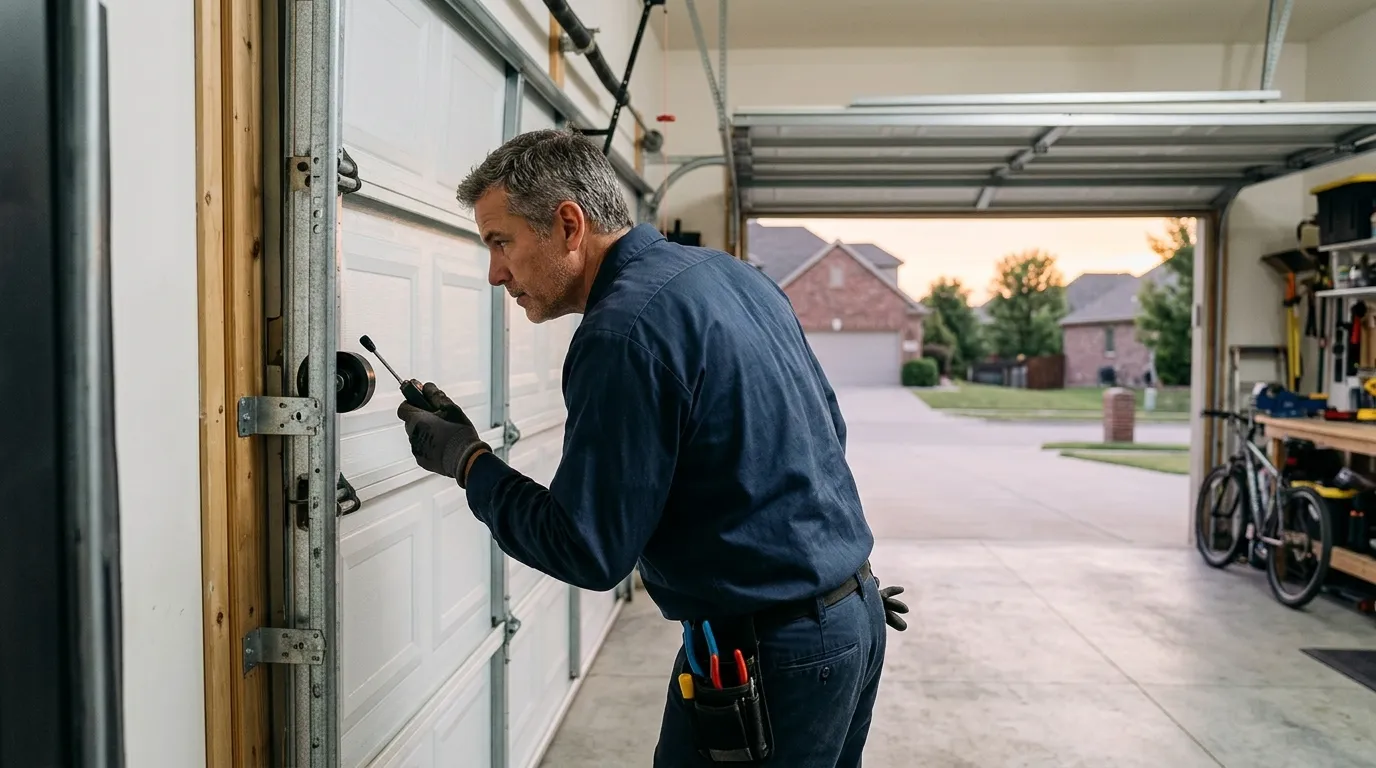
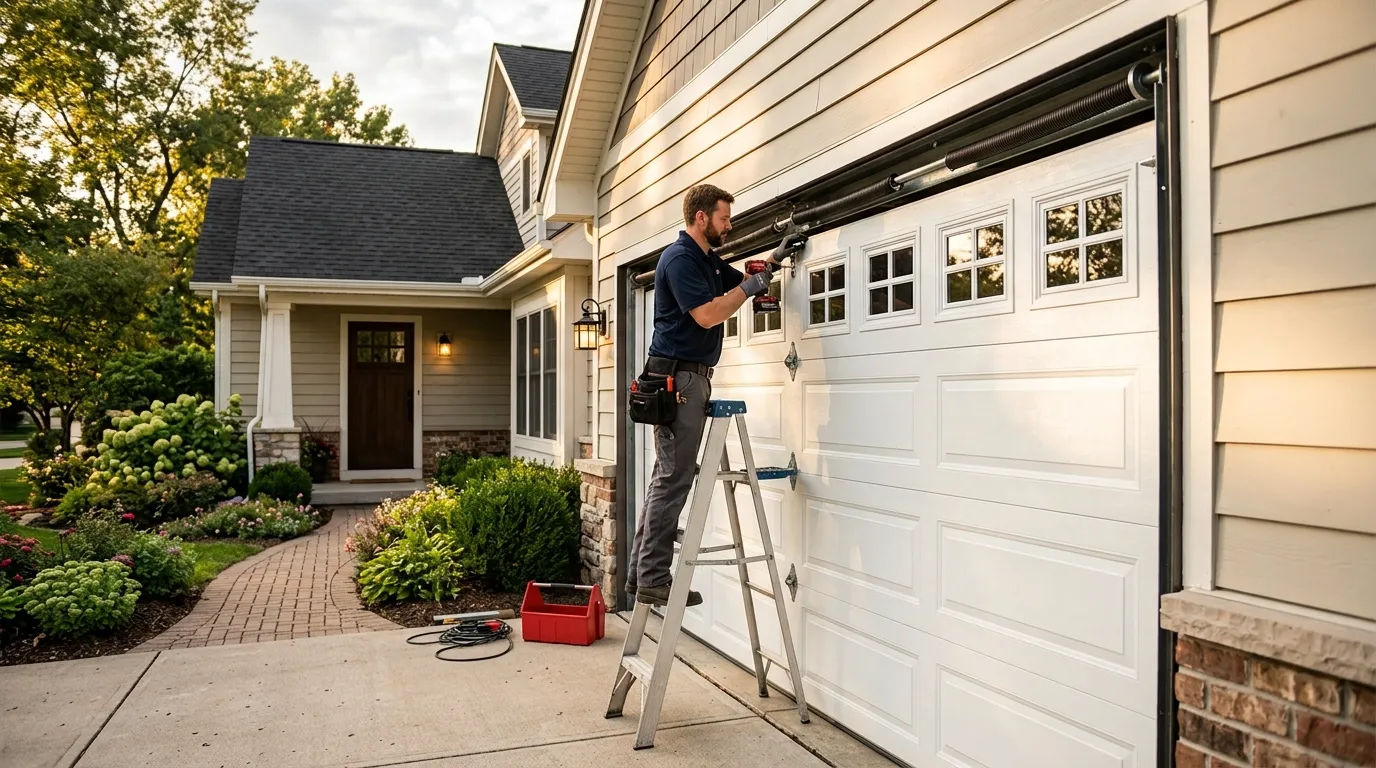
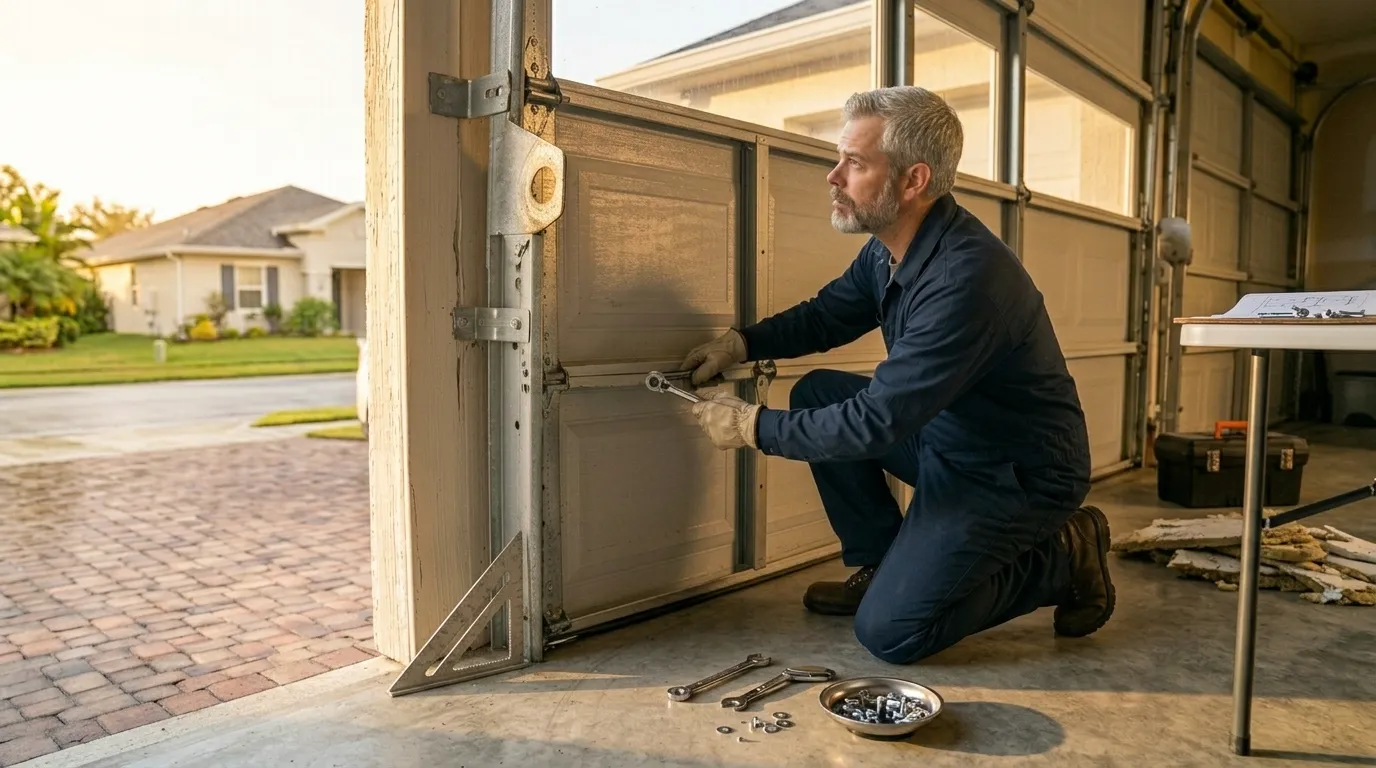
A door installed around 1967 almost always means a single torsion spring on a double-wide opening, wound to a tension spec that was normal then and undersized by today's standard. When that spring breaks, the door won't lift evenly, and a lot of owners try the opener anyway, which strips the gears. We see that pattern often enough in this age of house that we check the spring first, not the motor.
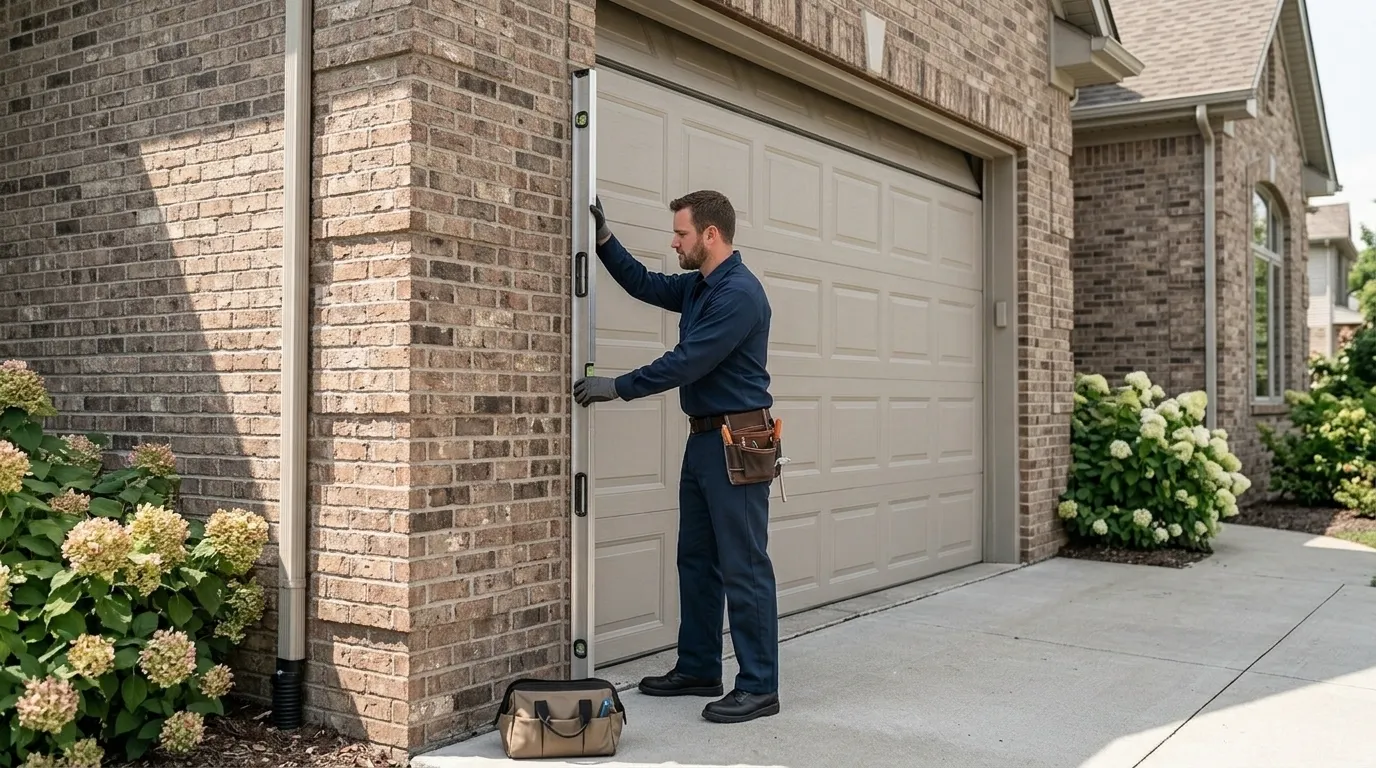
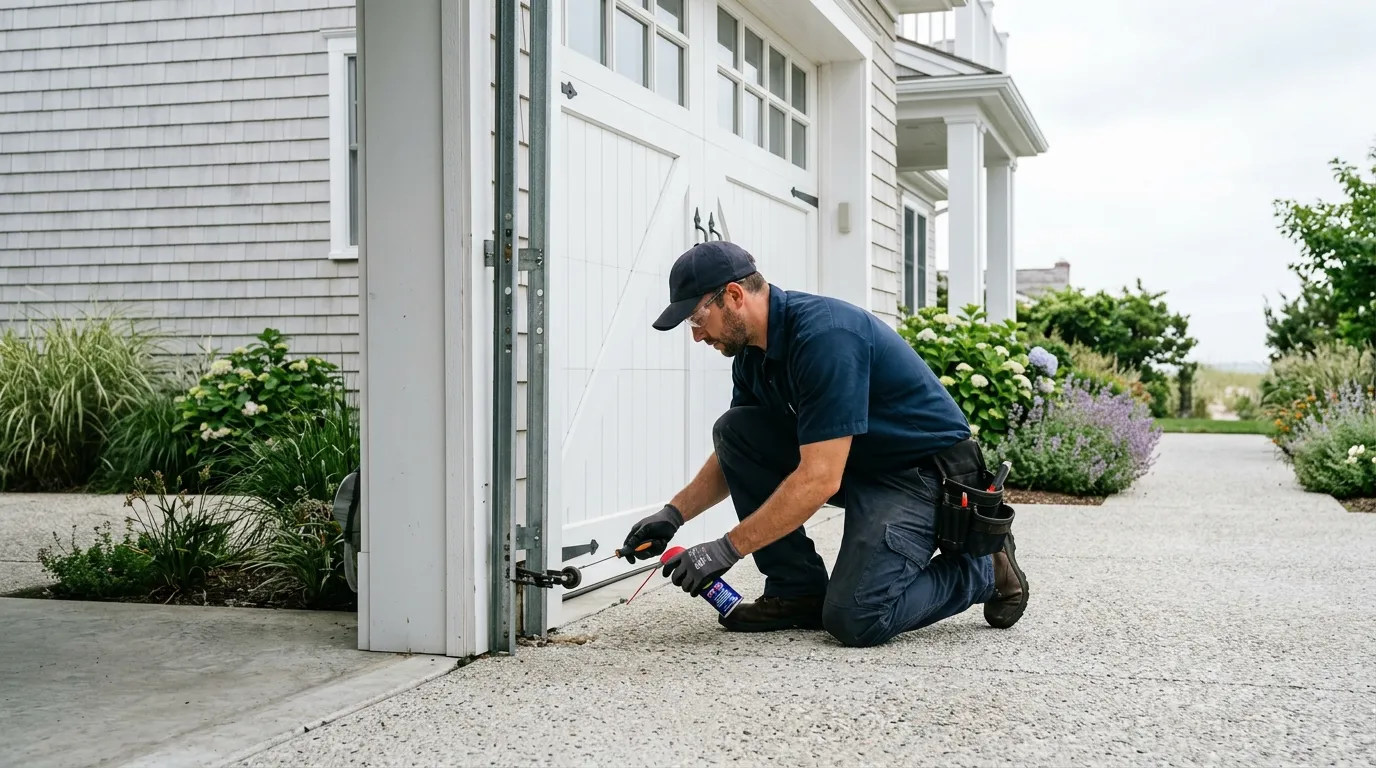
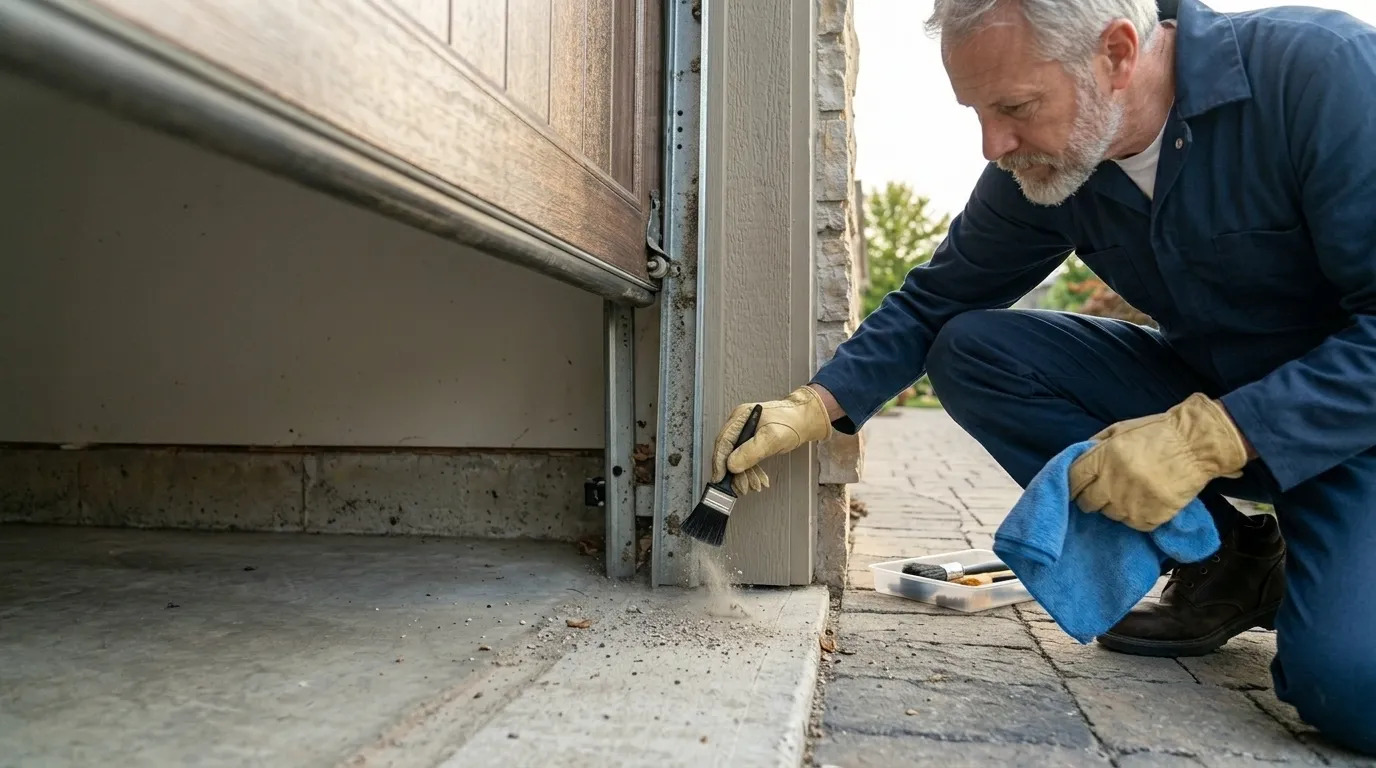
Track hardware from that era also tends to be riveted rather than bolted, so a bent track usually means a section swap, not a quick bend-back. And original steel panels from the 1960s don't insulate anything close to what a modern door does, which matters more here given the region's cold winters - moisture and temperature swings work on old seals and hinges harder than people realize.
Where We Stop
We don't install or service anything outside the garage door and opener system itself - that means no electrical panel work, no structural framing repair, no siding or trim. If your opener circuit is tripping breakers or the header above the door is sagging, that's a call to a different trade first, and we'll tell you that rather than take the job and hand off the parts we can't fix.
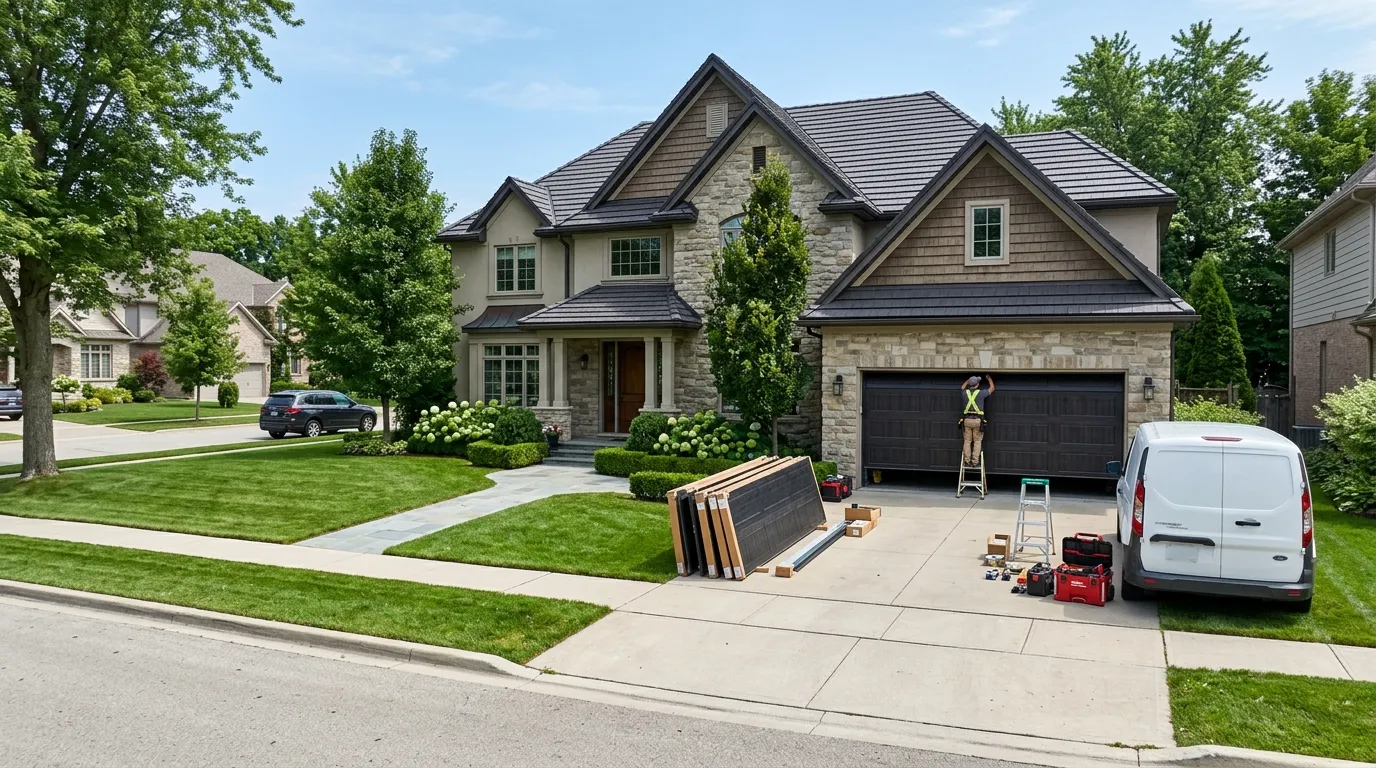
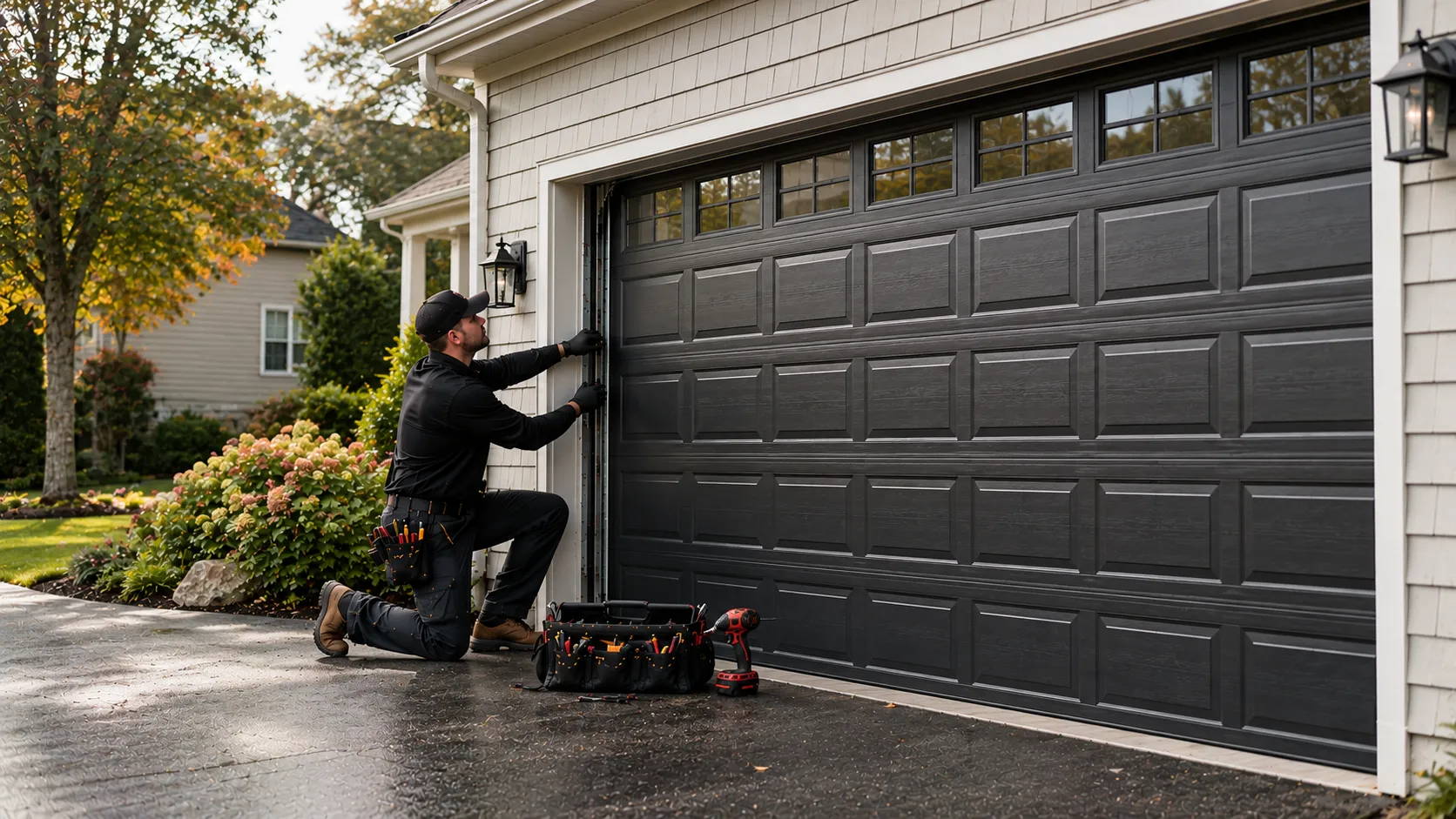
We also won't push a full door replacement on a house where a repair will hold. If your spring or cable failed and the rest of the door is sound, we'll fix what broke. Replacement only makes sense when the door itself - panels, track alignment, the frame it hangs on - is past the point where parts alone solve it.