The Usual Work Here
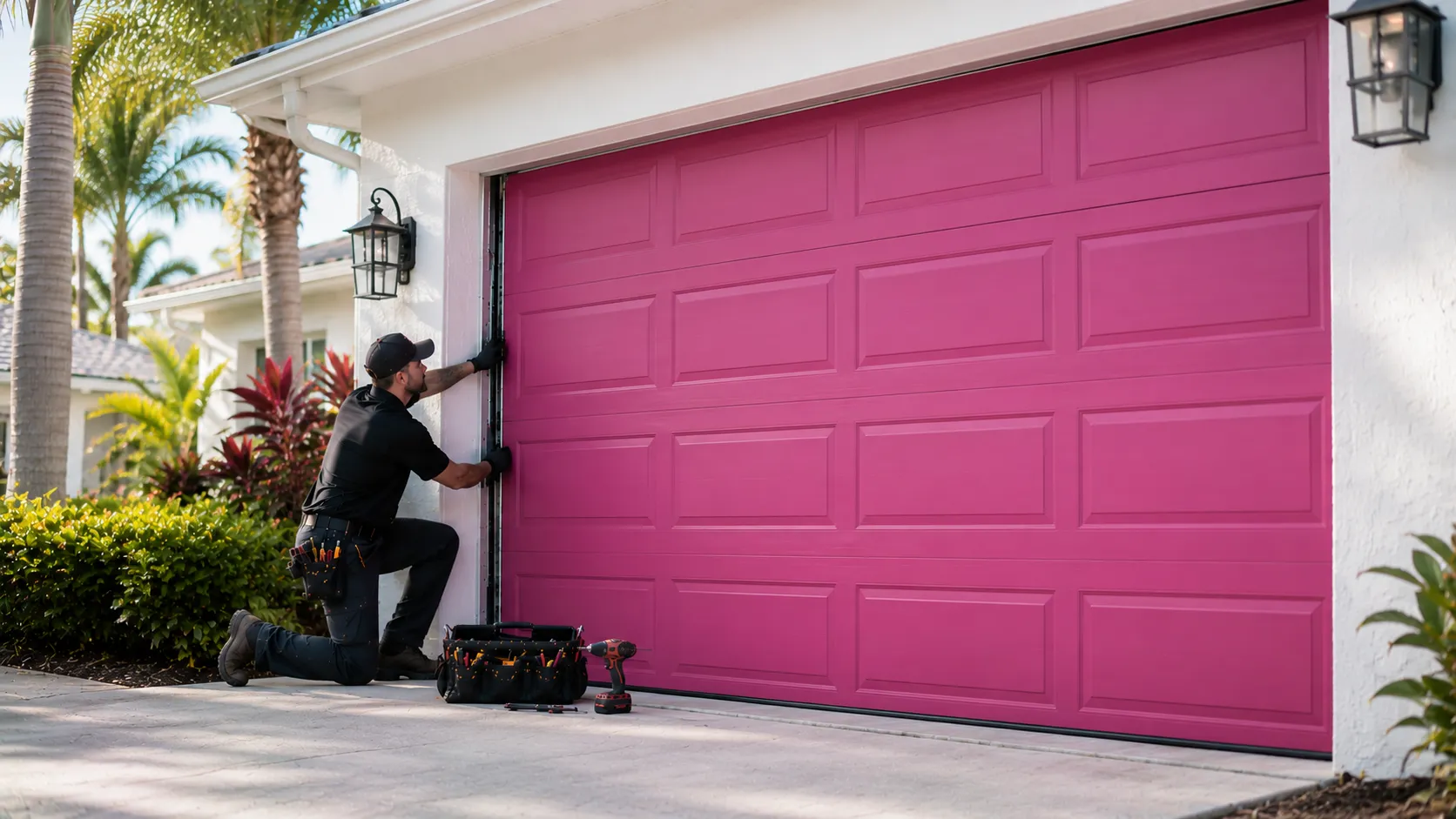
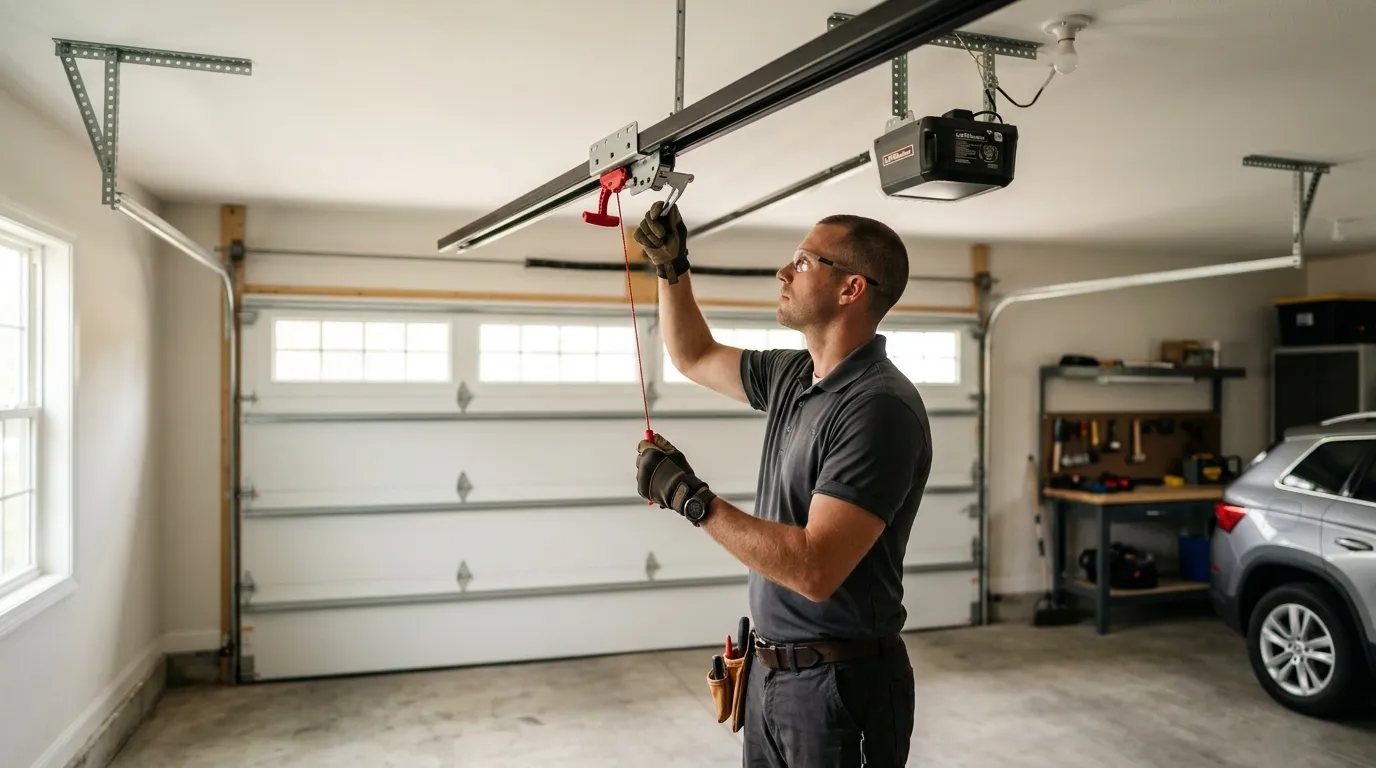
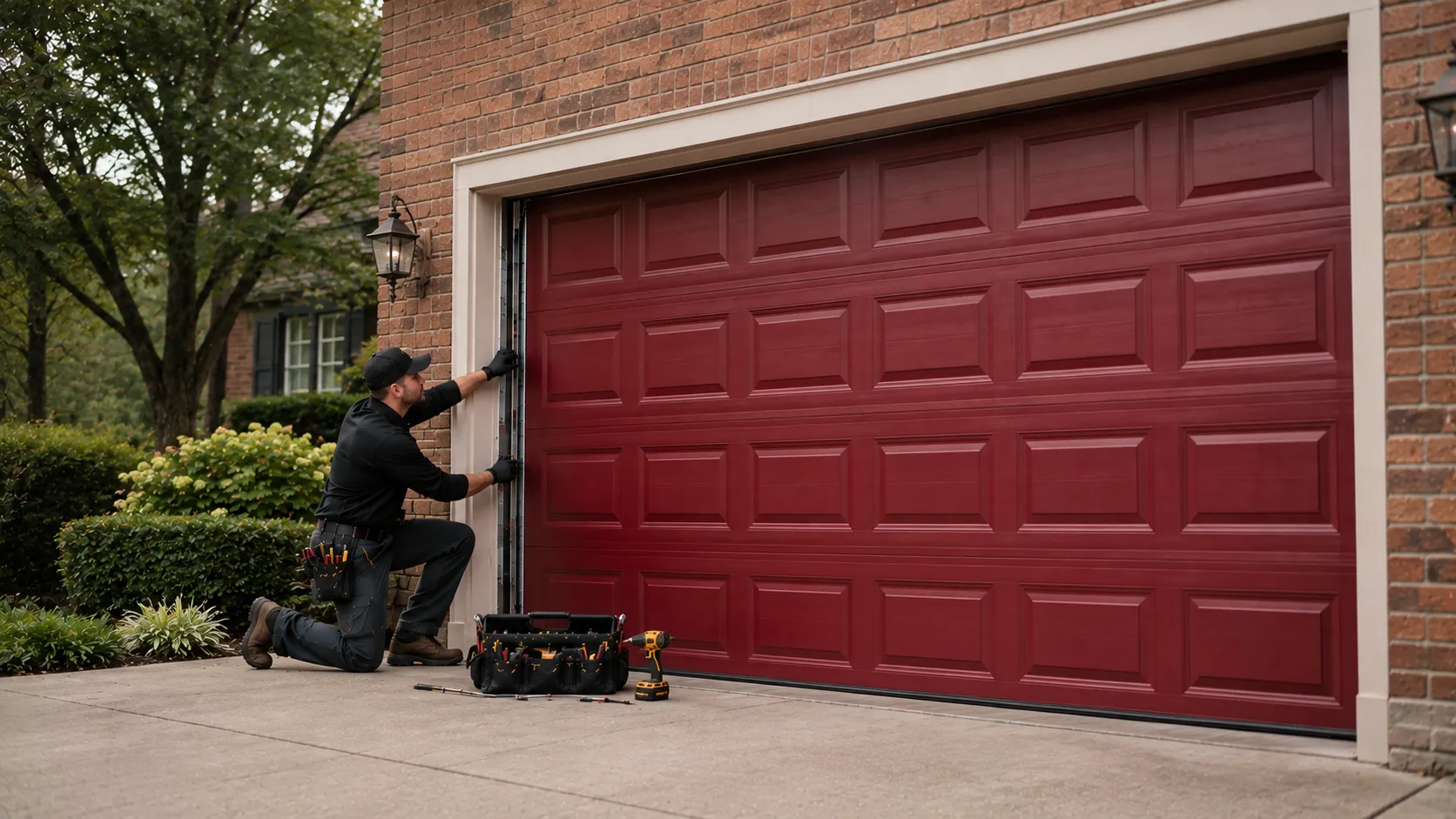
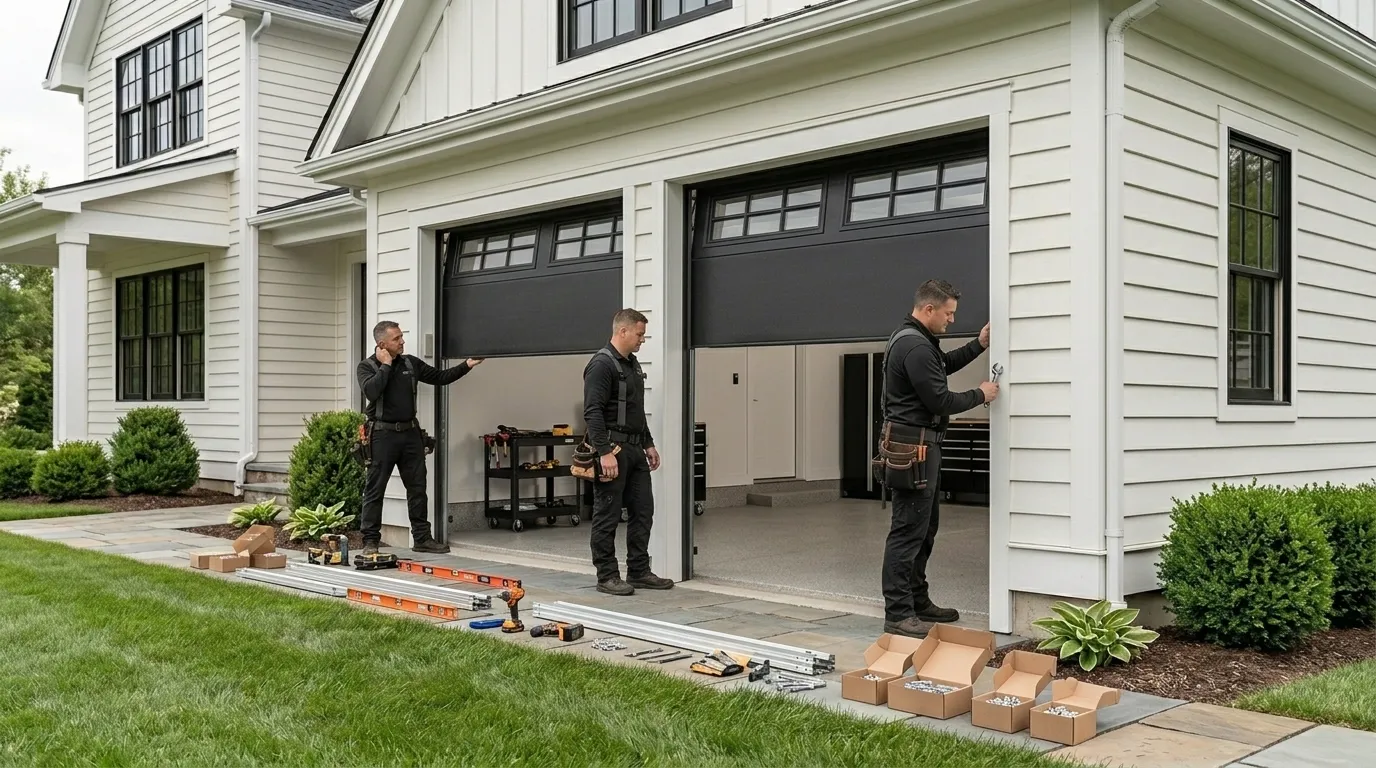
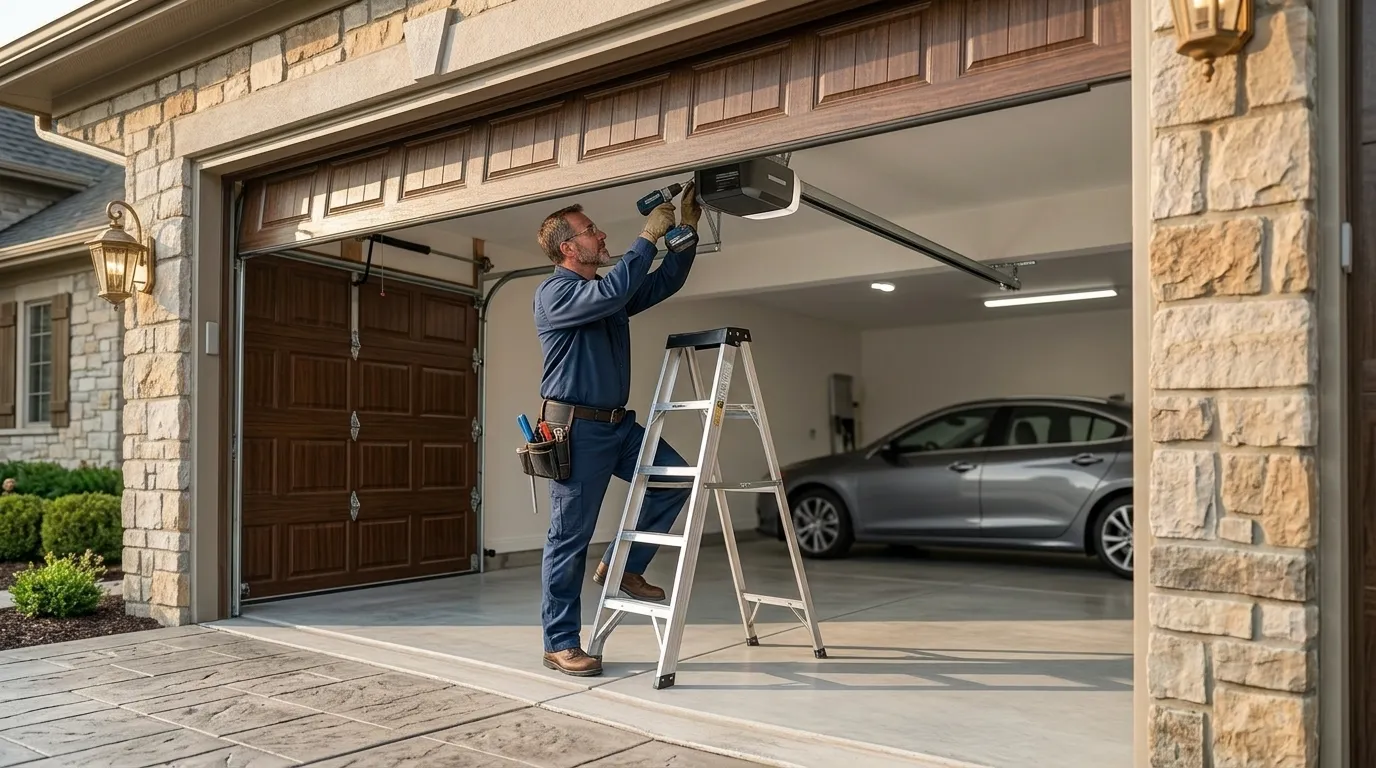
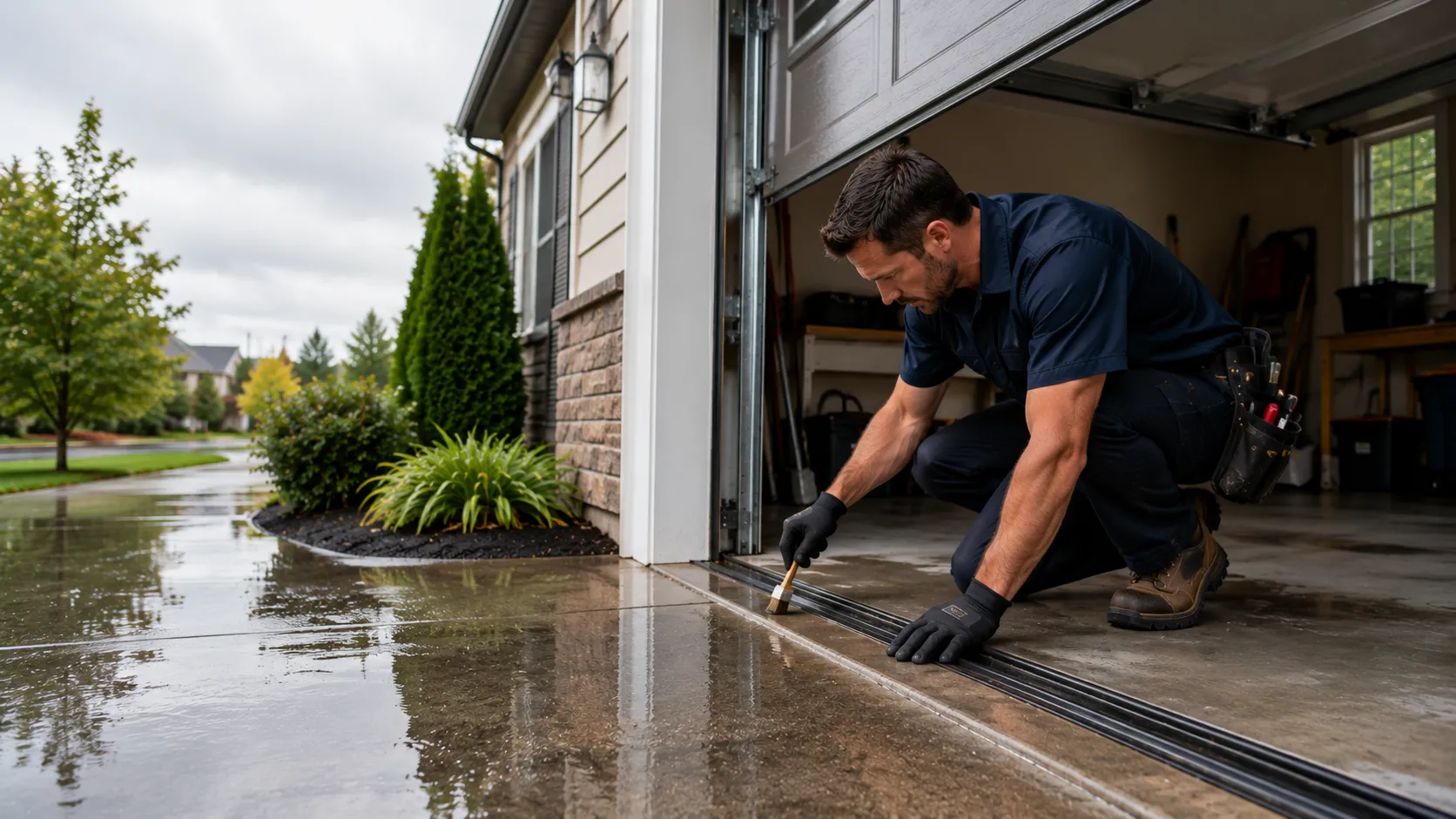
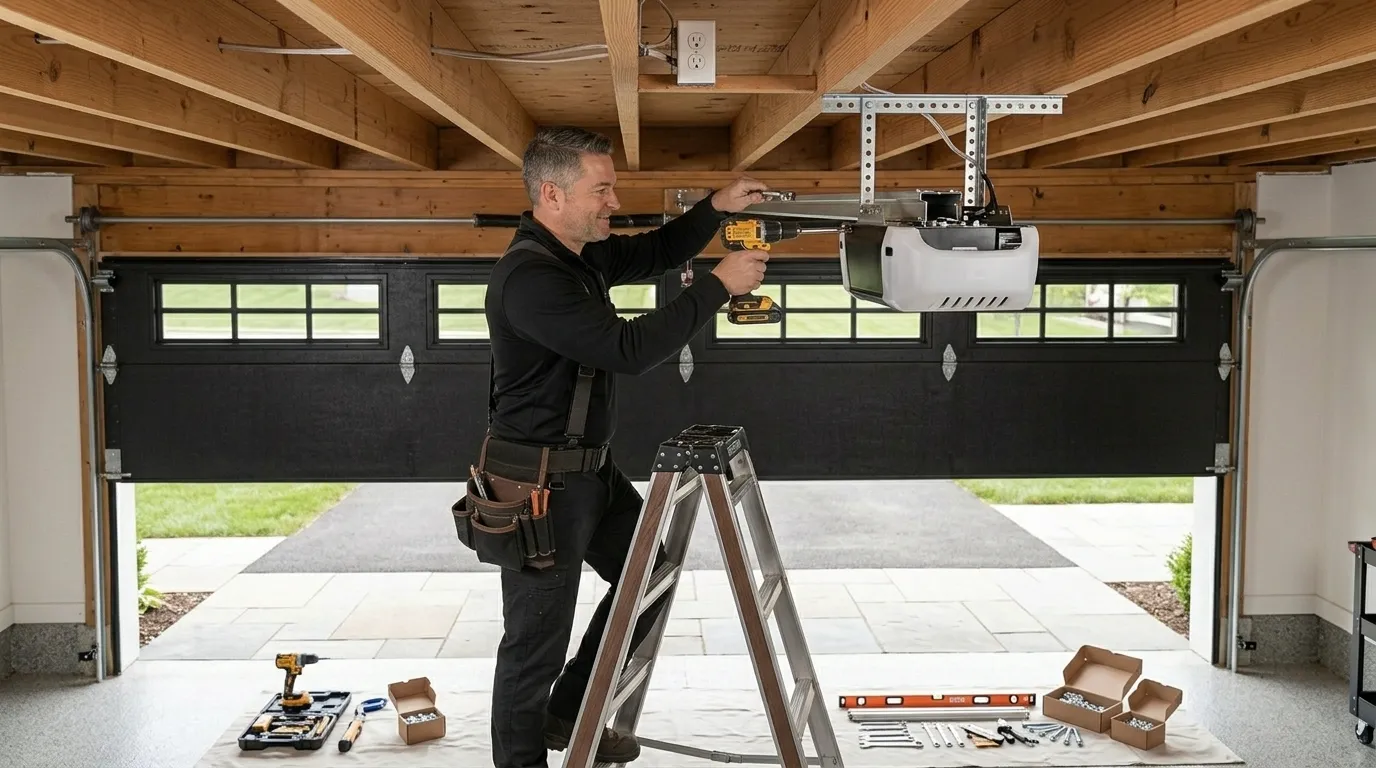
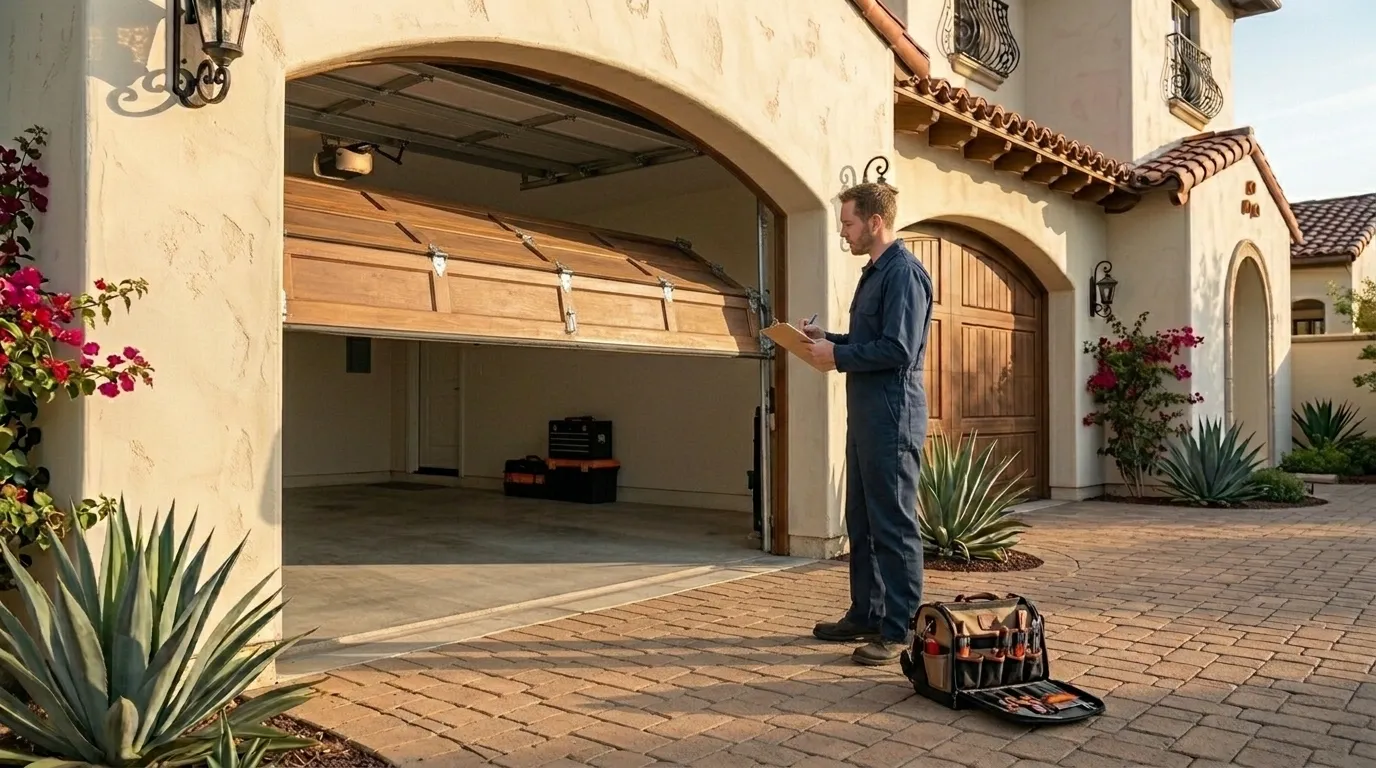
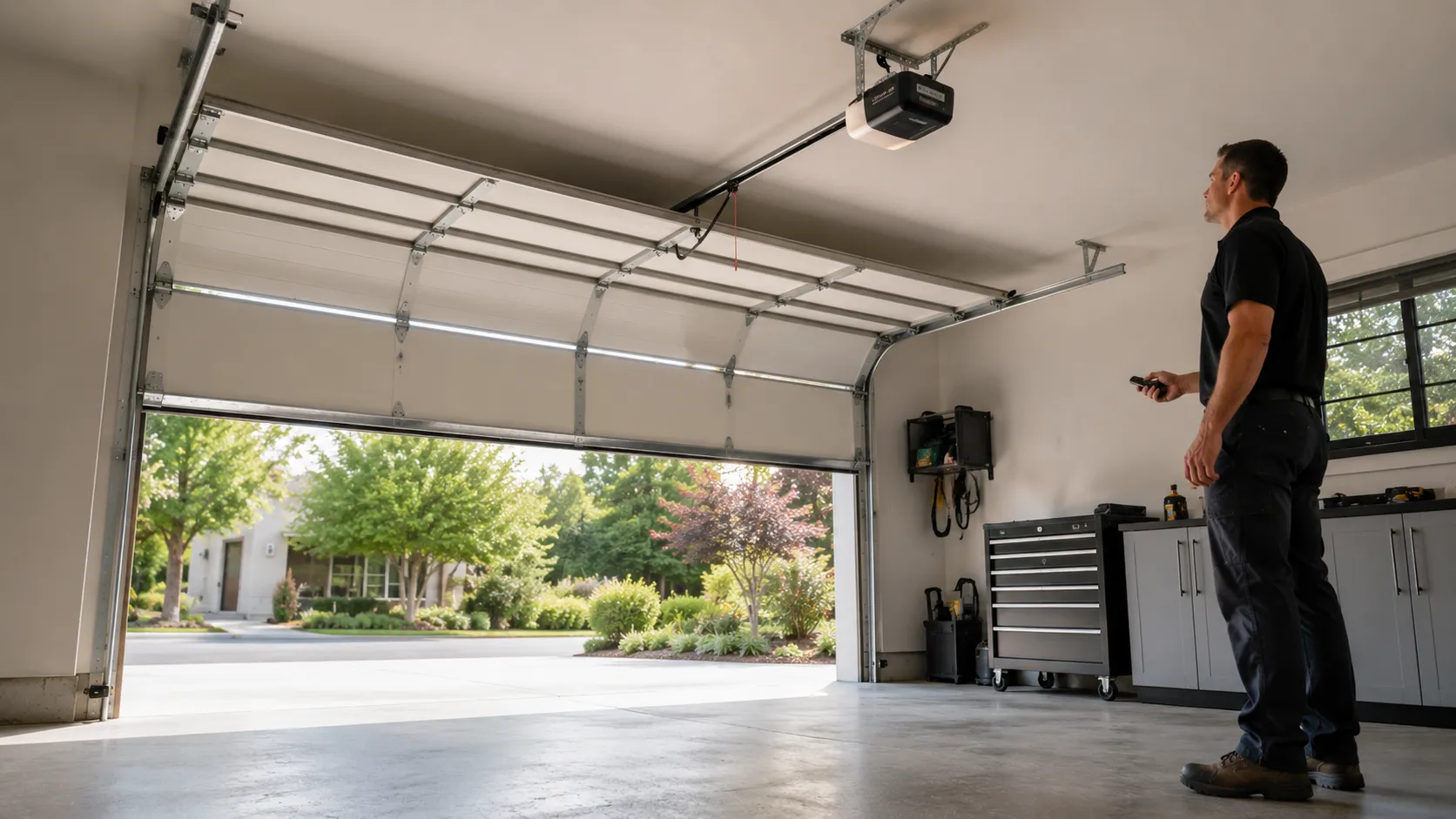
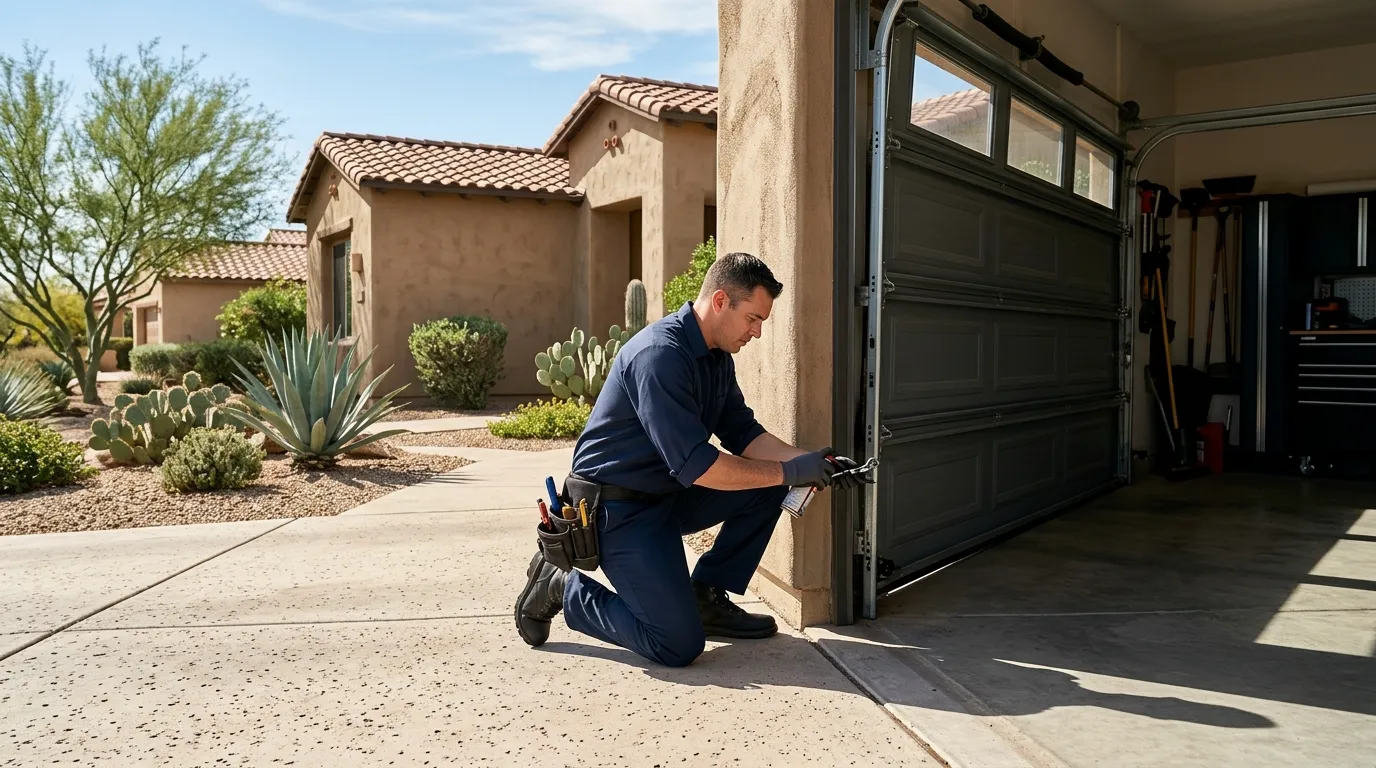
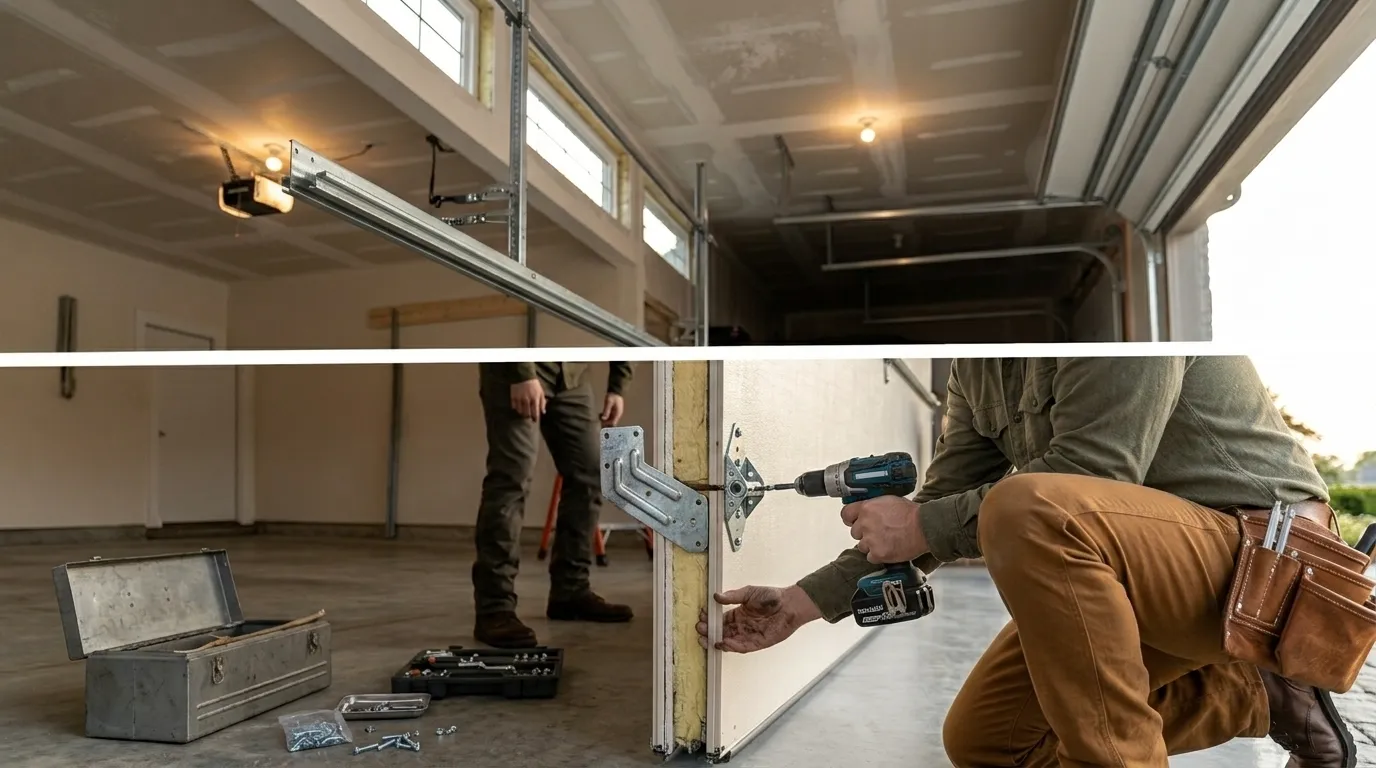
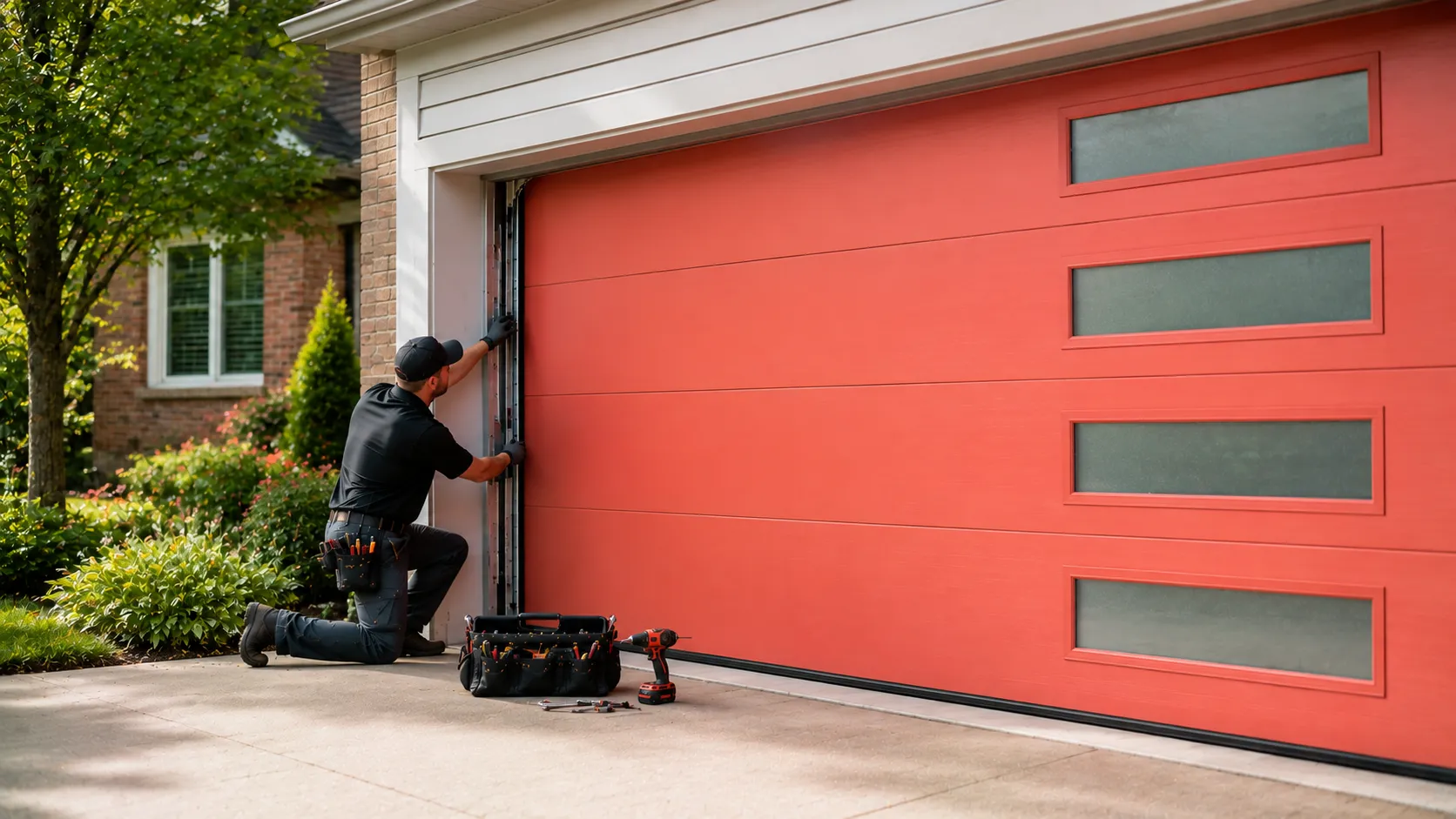
We come out to Hillside from our Morton Grove shop, a run of about 13 miles, and most of what we find on arrival looks the same house to house. Hillside's housing stock centers on 1960, right in the middle of the wider 1938-1996 range we see across the area, but tighter - this is a town built in a short window, not stretched across decades. That means a lot of original garage doors are still up, or replaced once with a door sized to fit hardware nobody makes anymore. The calls we get are torsion springs that finally gave out after years of nobody touching them, rollers that have worn their track grooves oval, and openers bolted to joists that were never meant to carry a screw-drive unit. None of that is unusual for a house this age. It's just consistent, which is the point - we know what we're walking into before we open the truck.We also see a fair number of single-car doors, narrower than what gets built today, on tracks that don't match current stock sizes. That's a parts-sourcing problem more than a repair problem, and it's worth knowing before you're standing in the driveway waiting on us.
What That Means for Doors
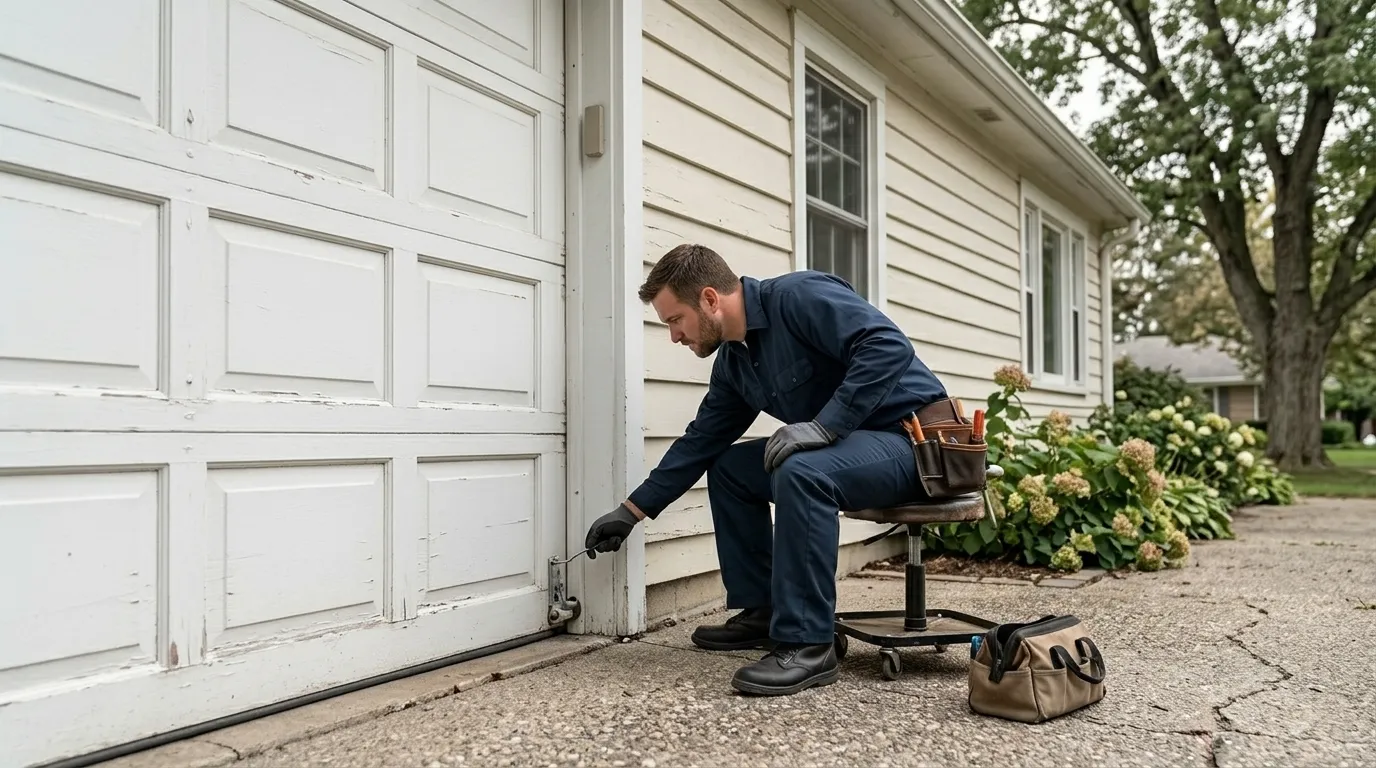
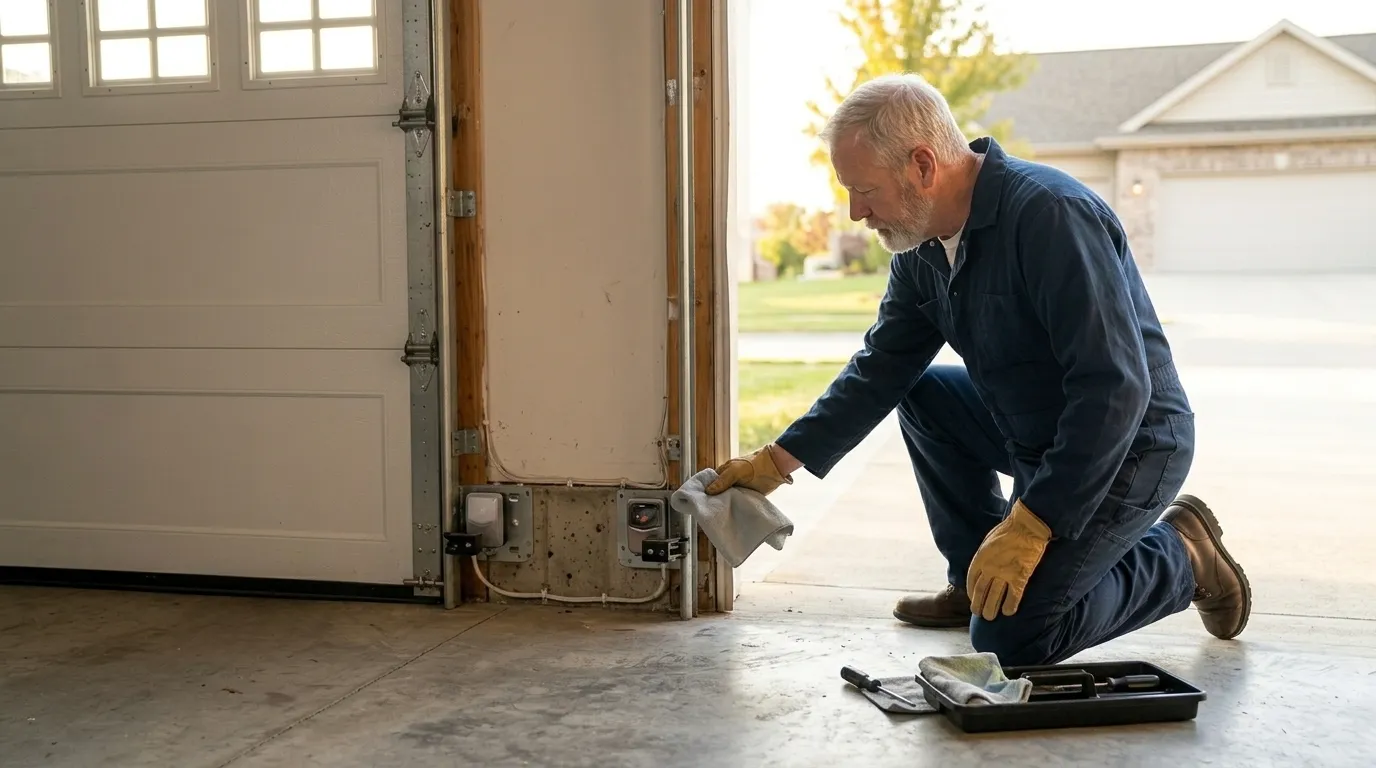
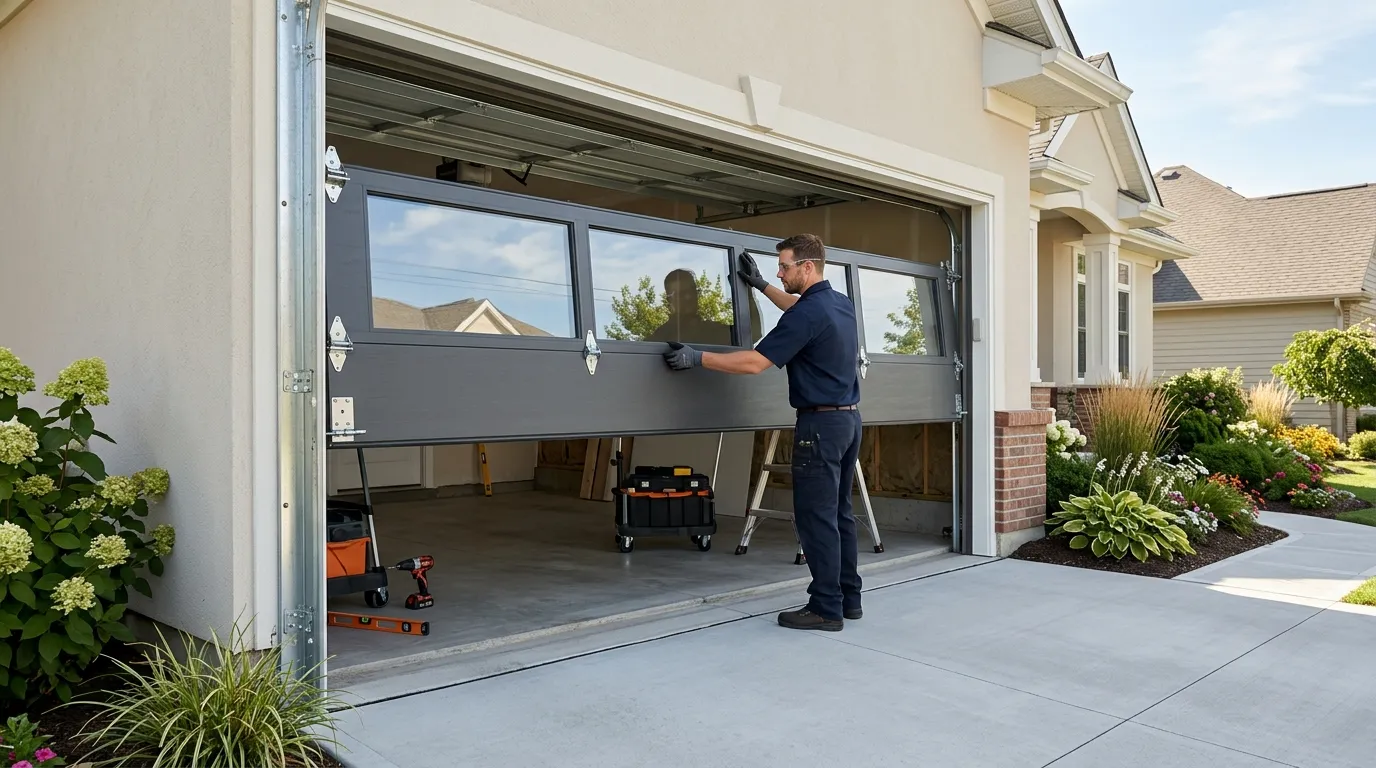
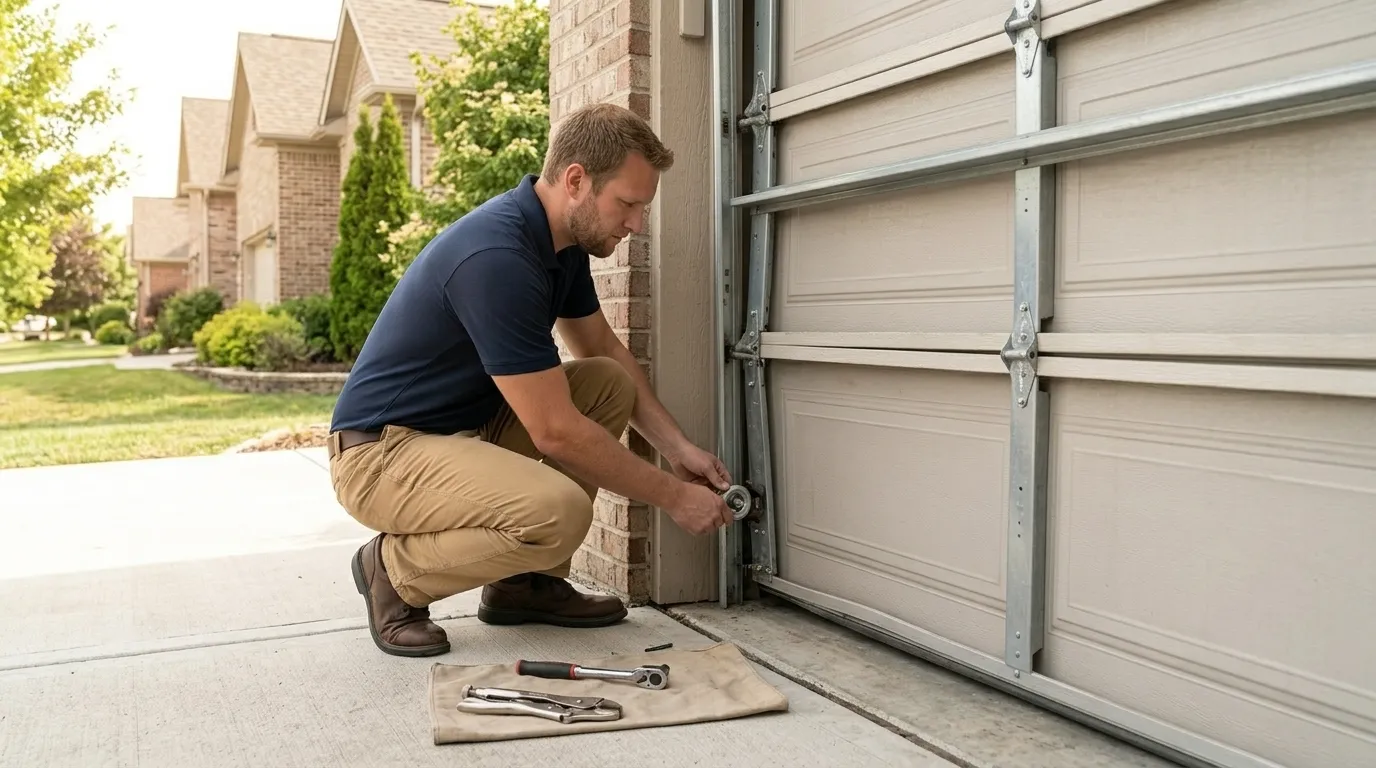
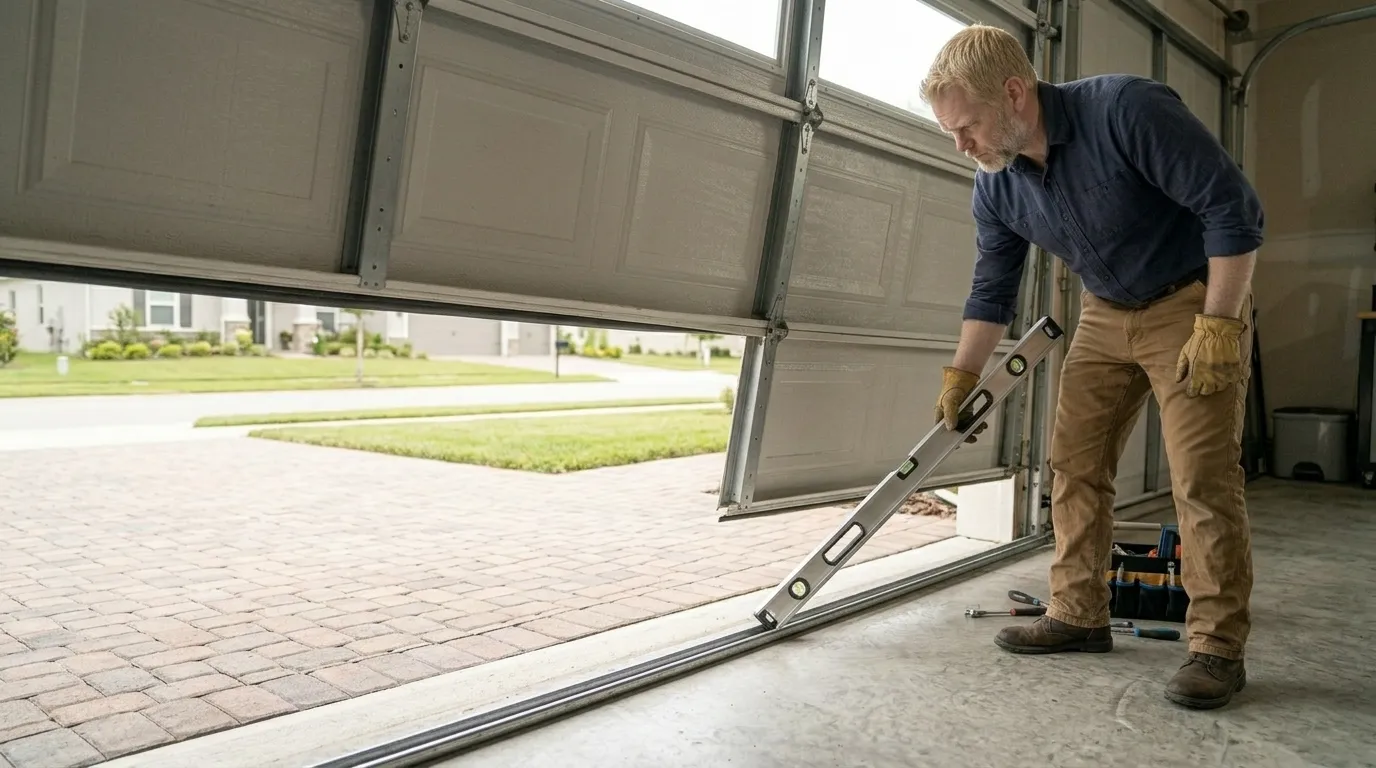
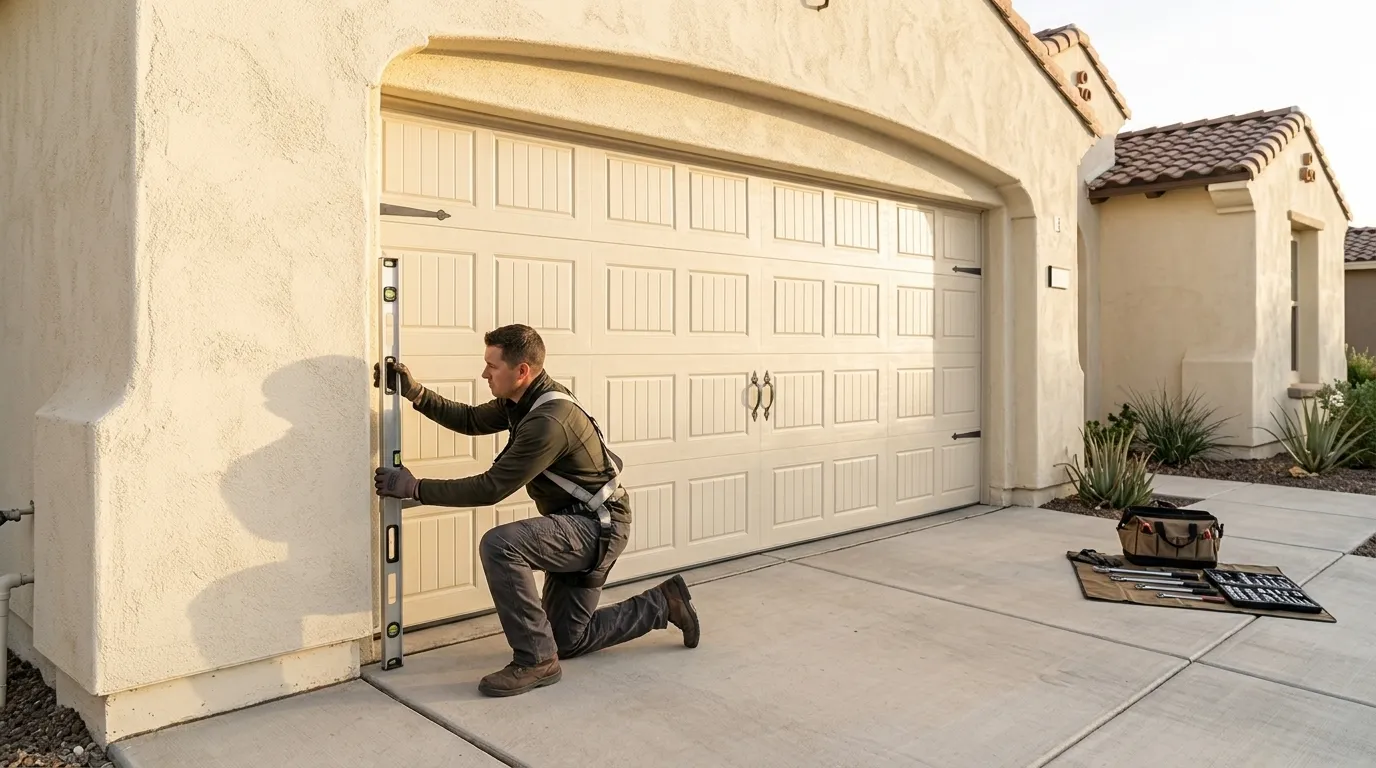
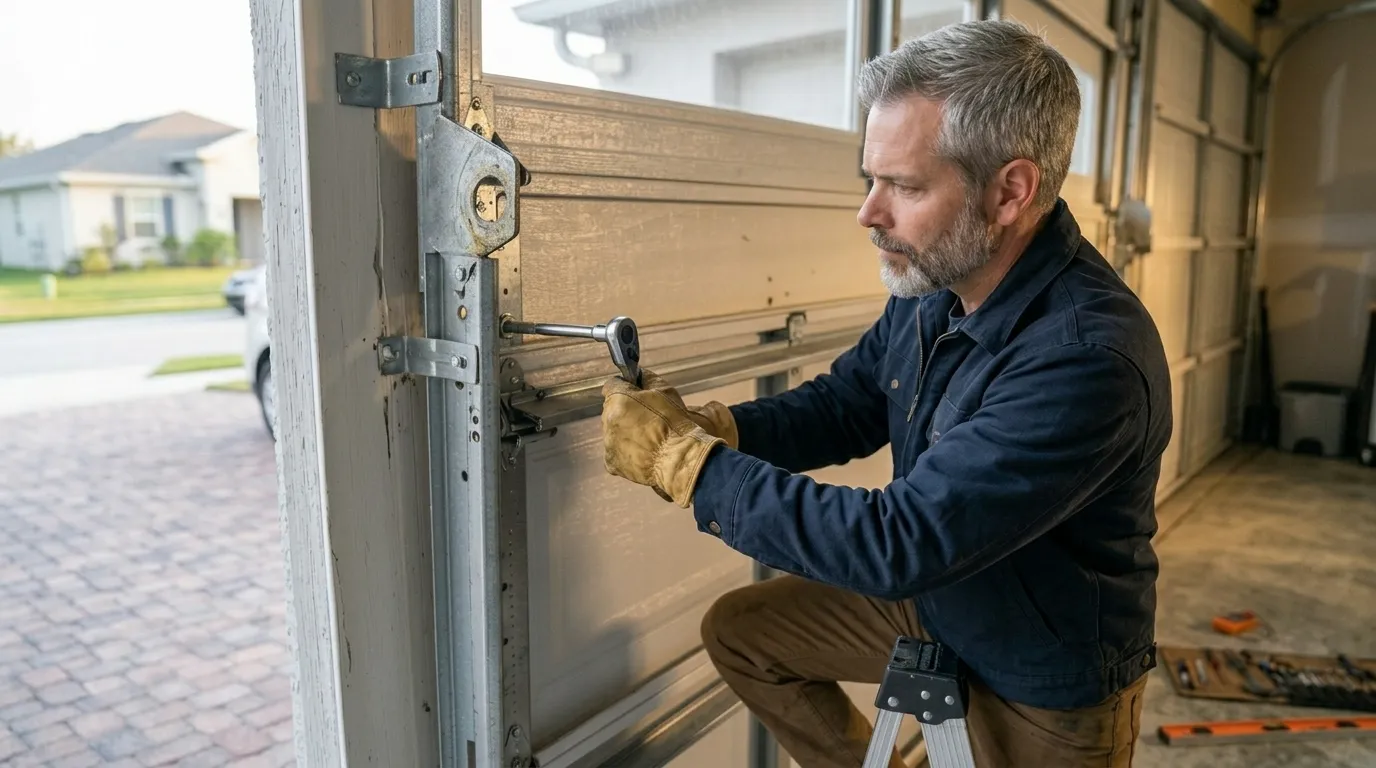
A door installed around 1960 was built for hardware standards that have moved on twice since. Torsion springs on these houses are often the original wind count, sized for a wood or early steel door that's since been swapped for something heavier - which shortens spring life without anyone noticing until it snaps. Track brackets from that era were fastened directly into old framing, and after sixty-plus years of seasonal expansion, those lag bolts back out more than people expect. We see a lot of openers retrofitted onto rail systems that predate them, which works until the sensor bracket or the drive gear doesn't quite line up right and starts grinding. None of this is dramatic. It's wear that built up slowly on houses that have mostly stayed as they were built, and it shows up as noise, drift, or a door that won't fully seat before it does something worse.
Where We Stop
We don't stock every bracket and track width that a 1960s Hillside door might need - some of that hardware is long out of production, and if a part has to be special-ordered, we'll tell you upfront rather than have you wait on a truck that never left the shop. We also don't recommend replacing a spring or opener in isolation on a door that's failing in three places at once; patching one part on a door that's otherwise near the end just moves the next call closer. If a repair isn't worth what it costs against a full door swap, we'll say so plainly instead of running up a bill. We come out from Morton Grove, we don't keep a satellite location in Hillside, and we're straightforward about what that means for scheduling.