
The Usual Work Here
Long Grove sits about 16 miles out from our shop in Morton Grove, and the calls we get from this pocket look different from the ones closer in. Most of the doors we work on here are younger than the ones we see across the rest of the service area, which median out to 1963. Here, the typical home dates closer to 1989. That's a 20-to-25-year gap, and it changes what breaks.
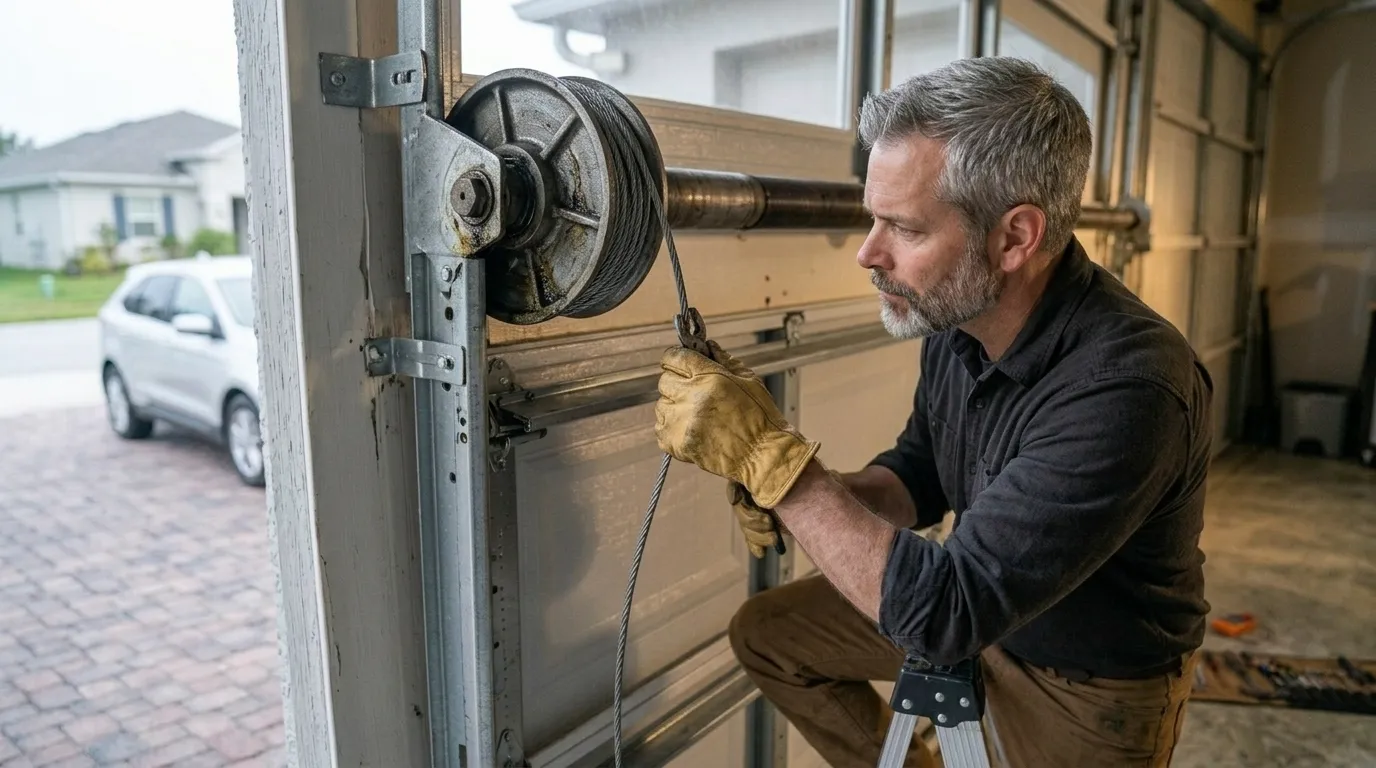
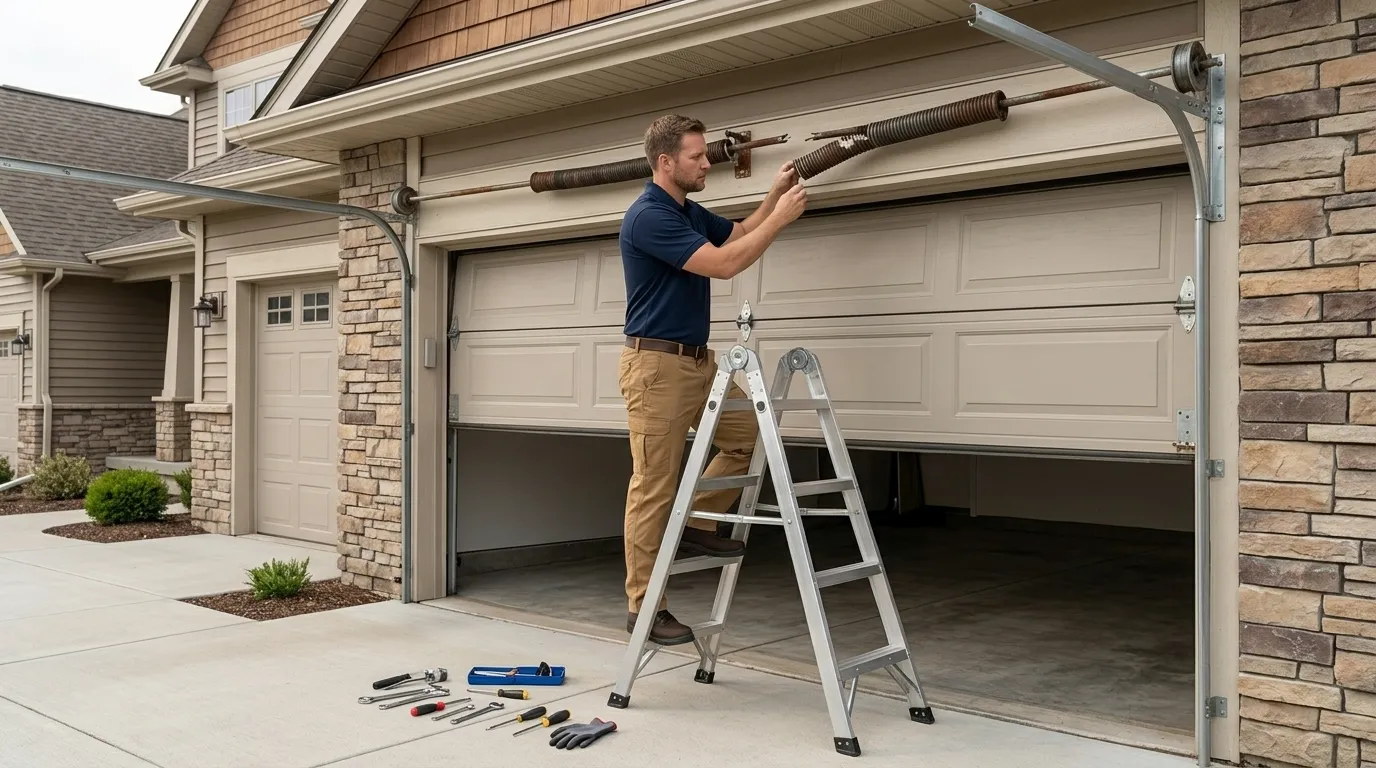
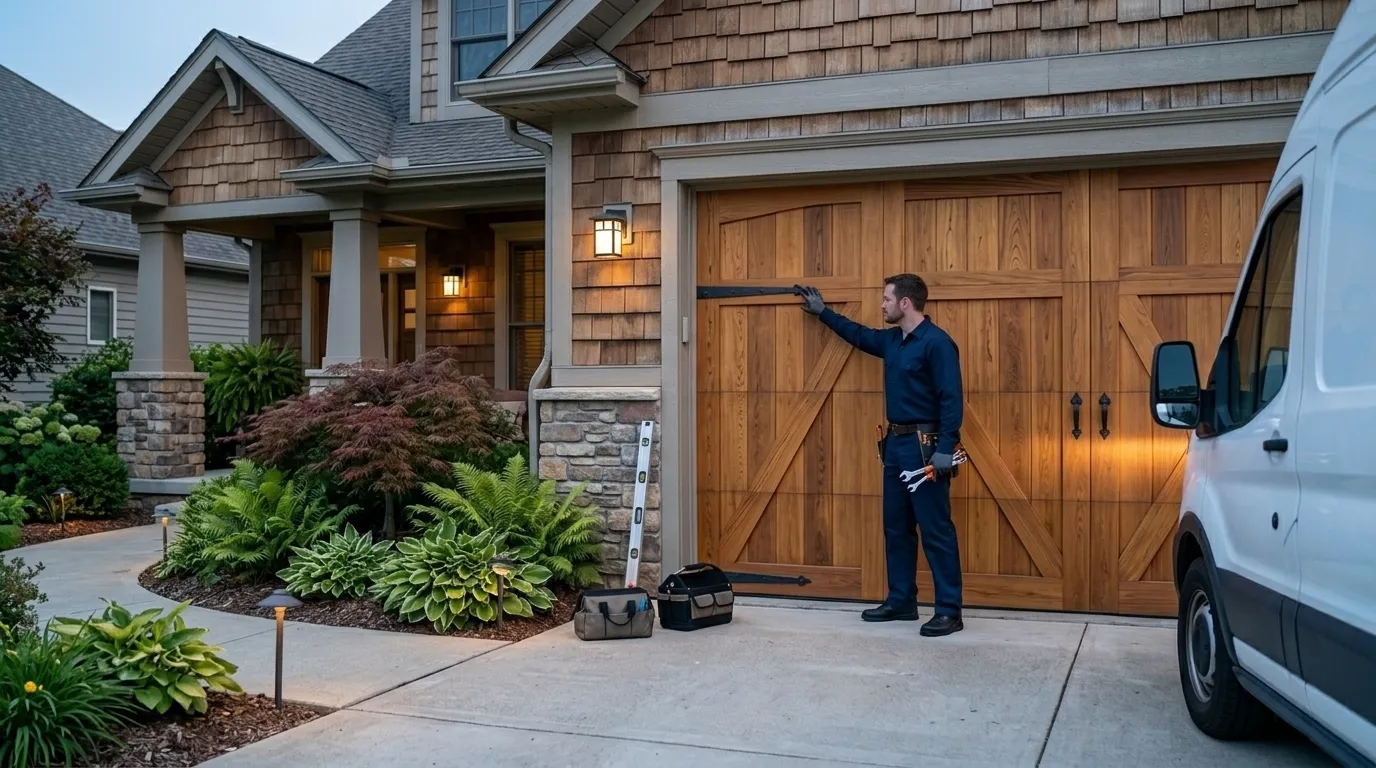
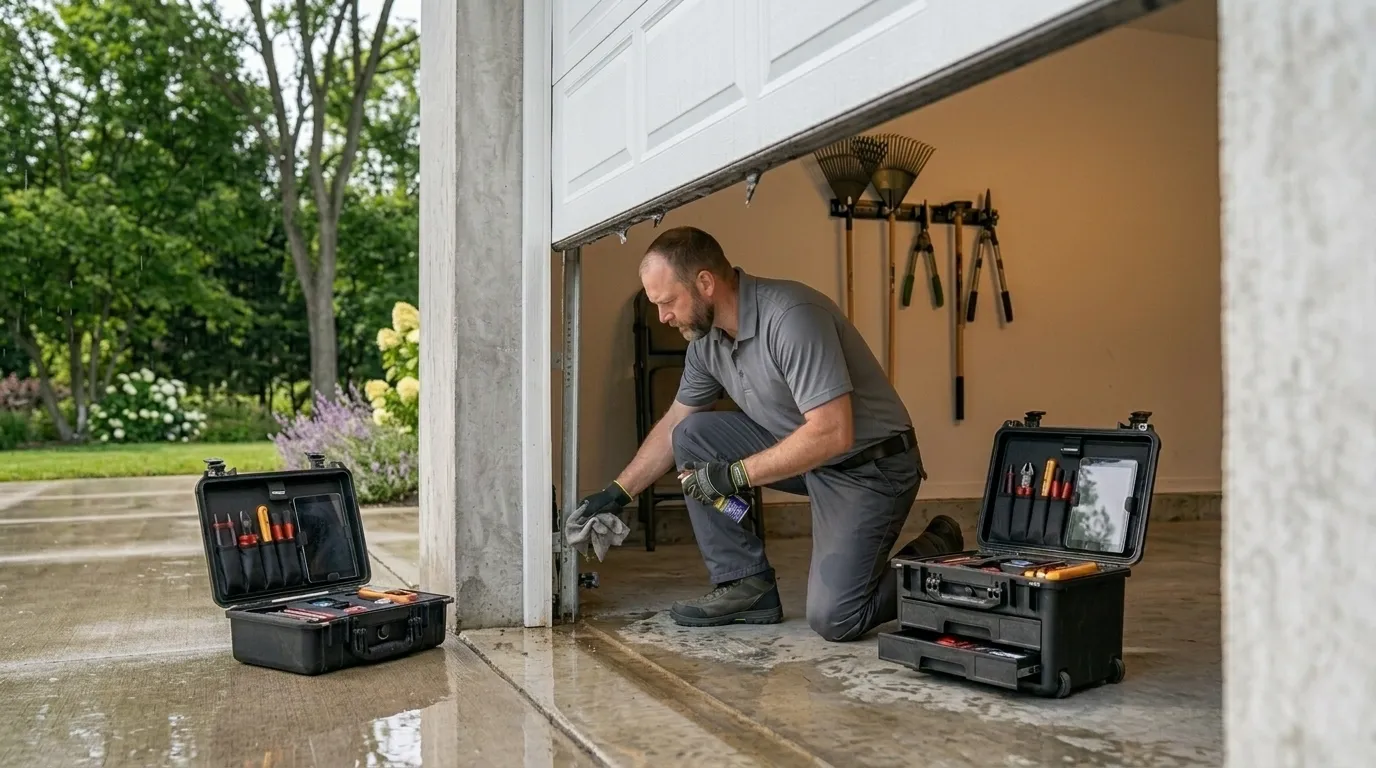
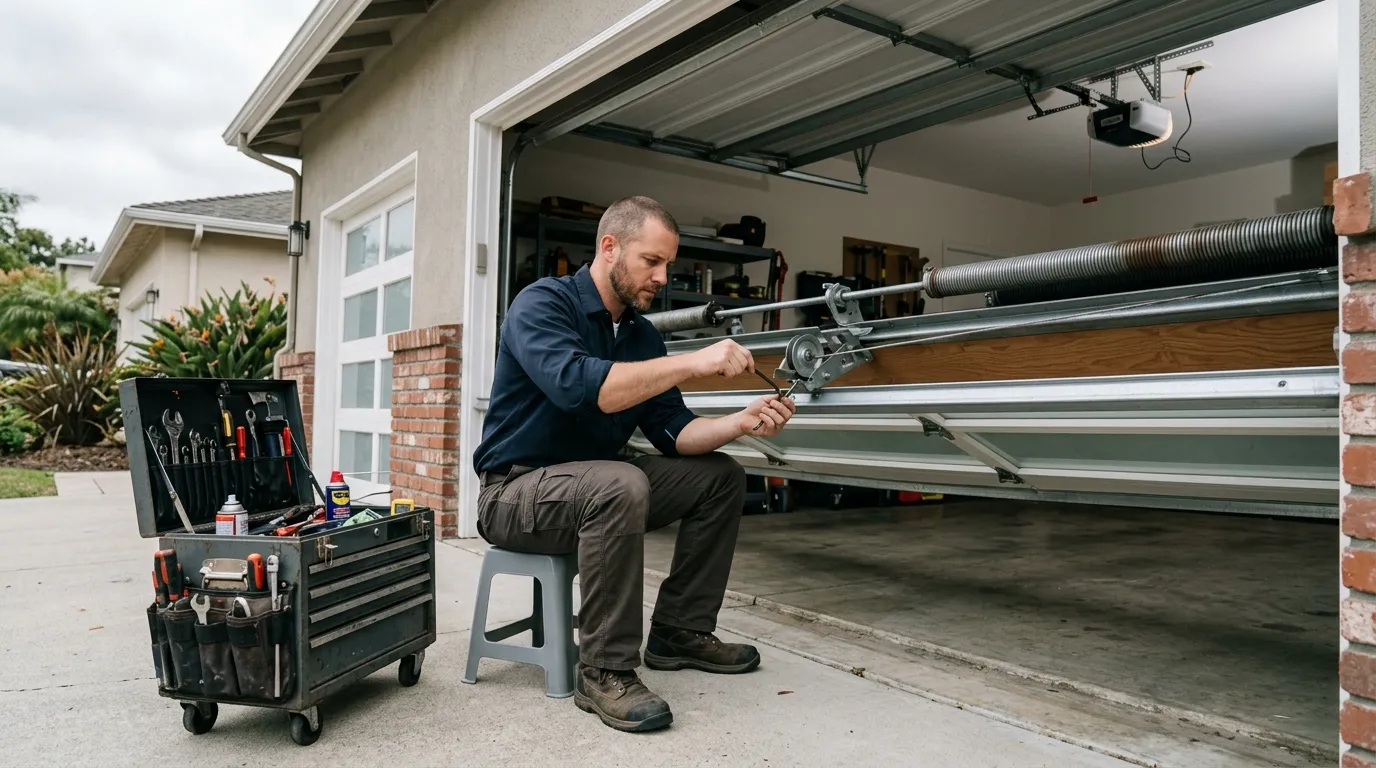
We still see plenty of the basics: a torsion spring that's finally given out after thousands of cycles, a cable that's frayed off the drum, a roller that's worn its track groove wide enough to rattle. What we see less of, compared to older stock, is the odd one-off hardware that forces you to special-order a part. Late-80s installs generally used more standardized torsion setups, so parts availability tends to be better here than it is on the 1960s side of the service area.
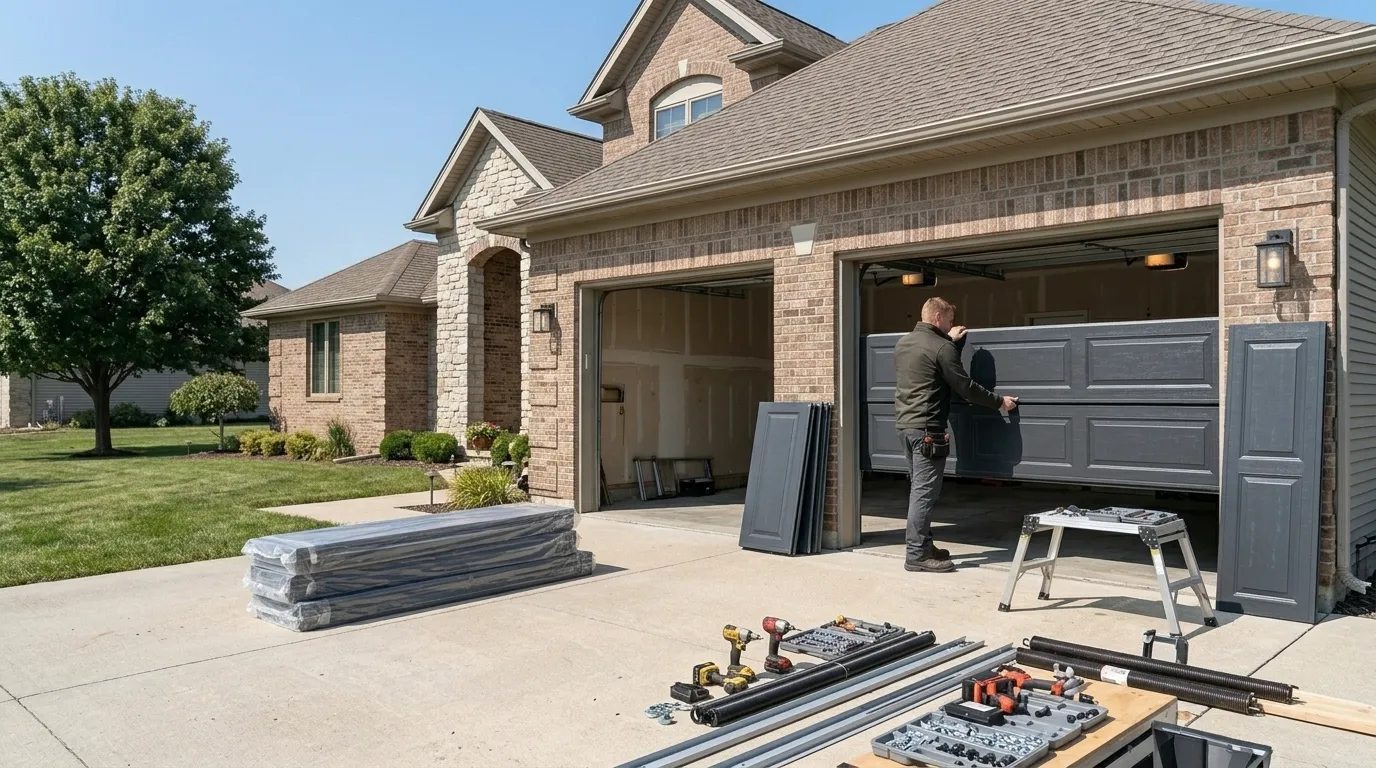
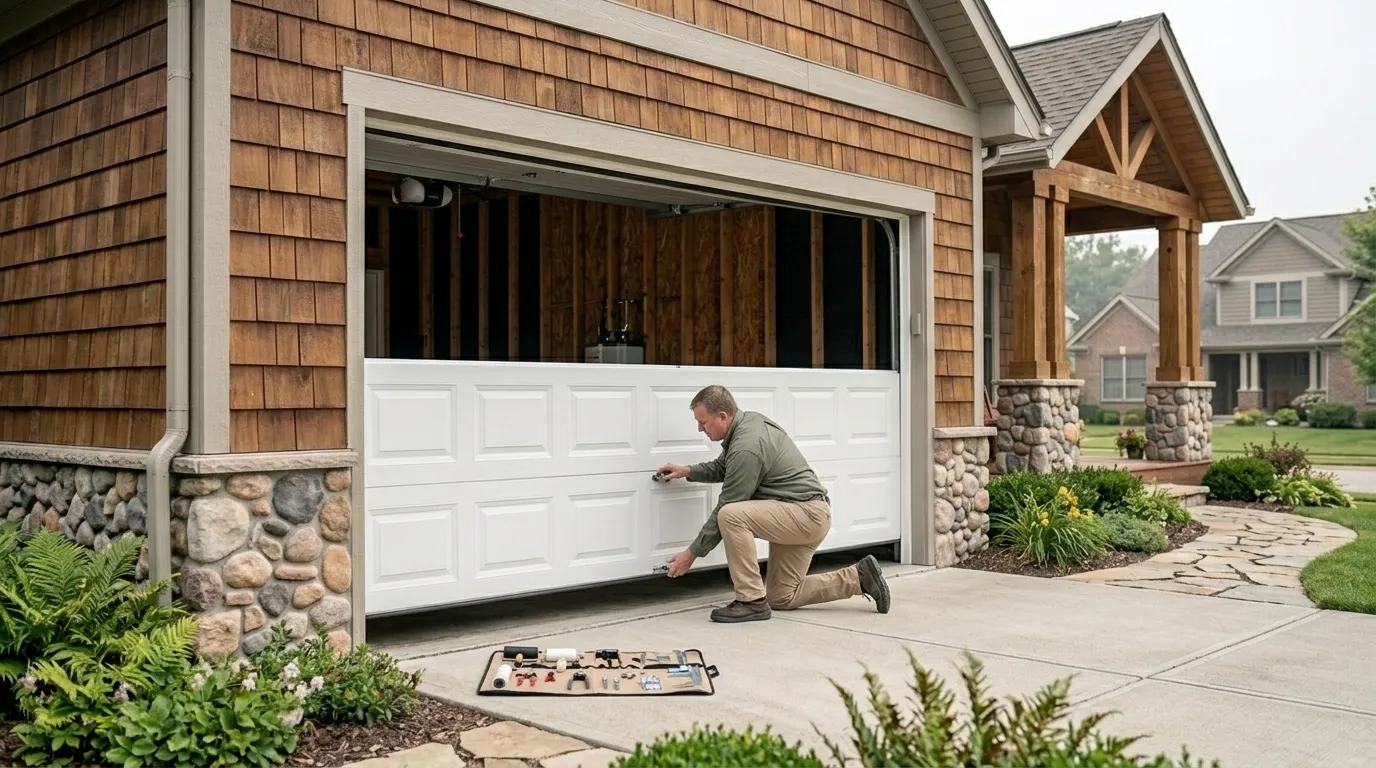
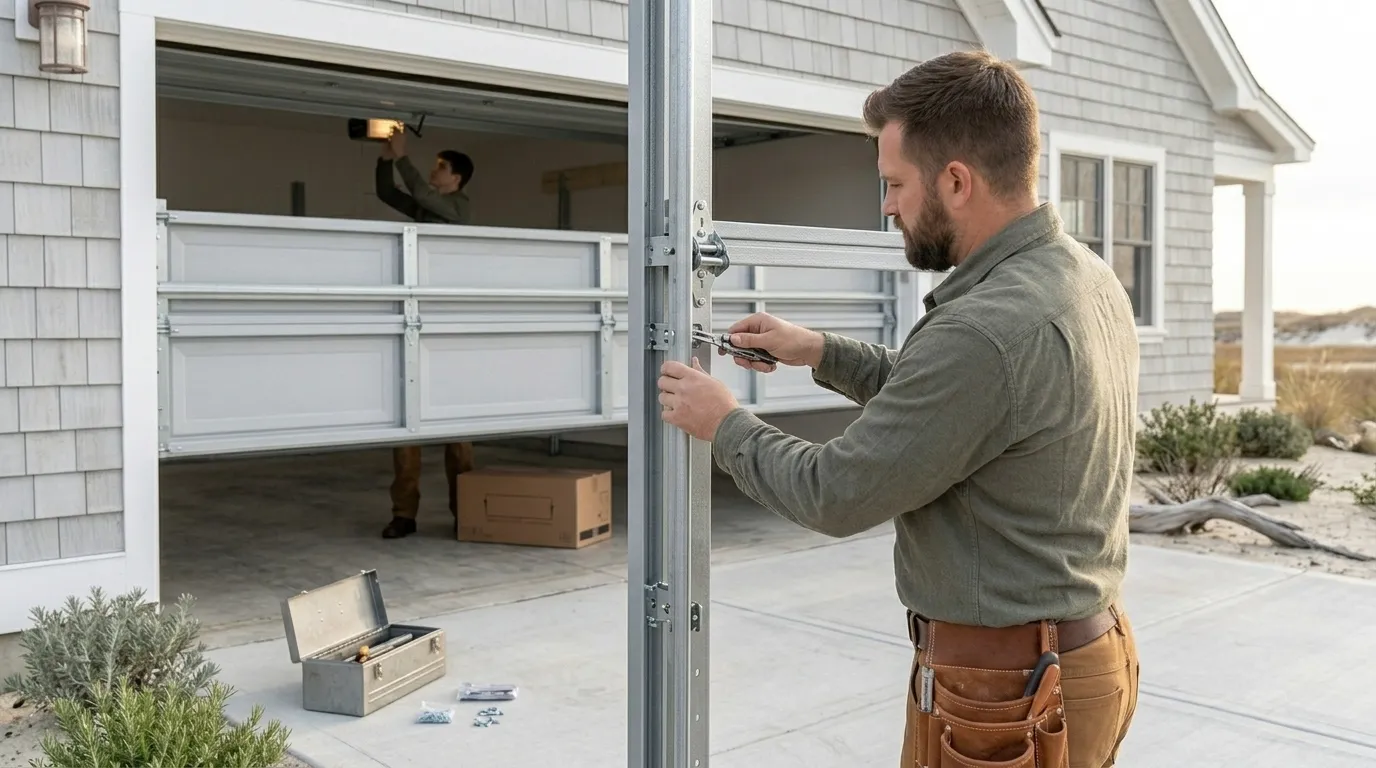
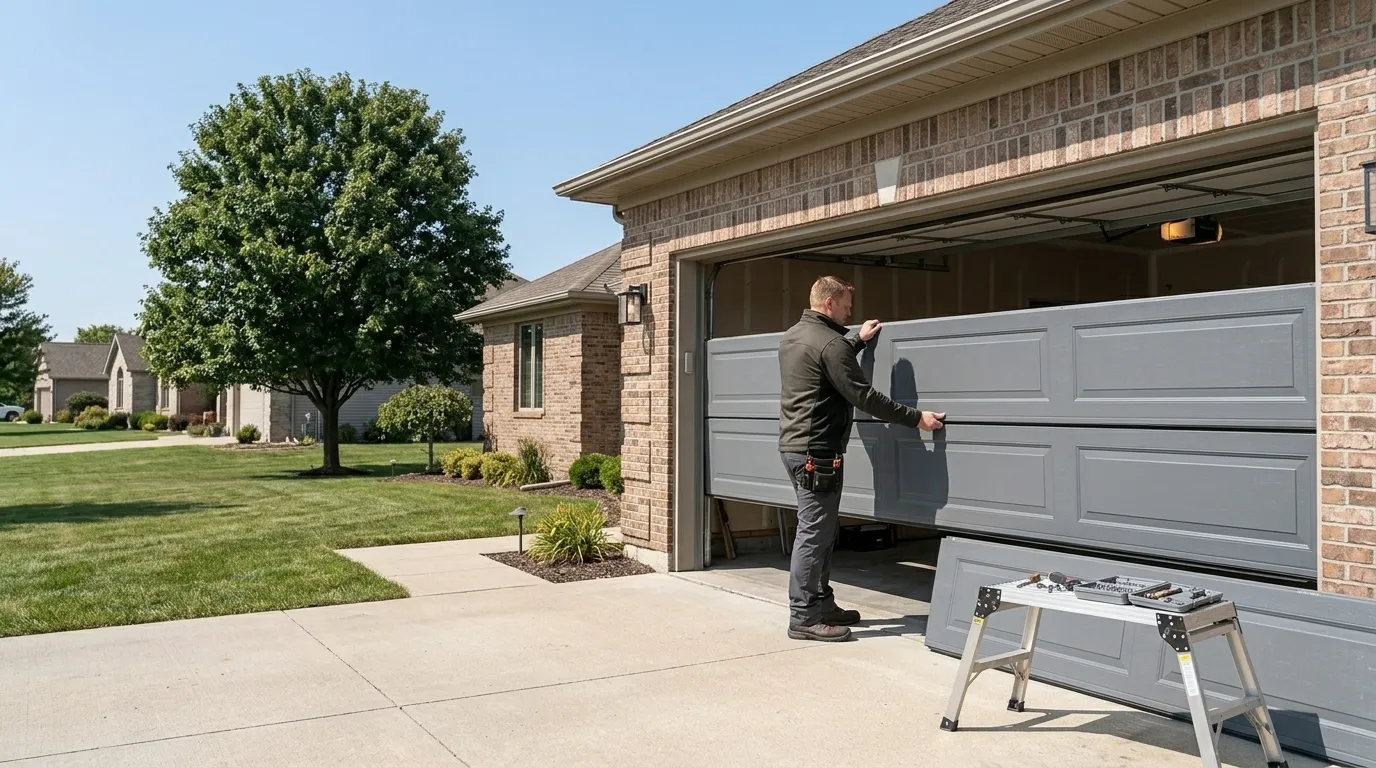
With around 2,651 households in Long Grove, it's not a high-volume area for us, but the jobs are consistent: spring replacement, opener repair or swap, and track alignment after a door's gotten knocked out of true. We don't stock a truck specifically for this area - we bring what the job calls for based on what you tell us on the phone.
What That Means for Doors
A door installed around 1989 is old enough now that its original opener has likely been replaced at least once, and its torsion spring is probably on its second or third set. What we don't usually find here is the older extension-spring, side-mounted hardware that's common on houses built before the 1960s ended - the kind where finding a matching part means hunting rather than picking off a shelf.
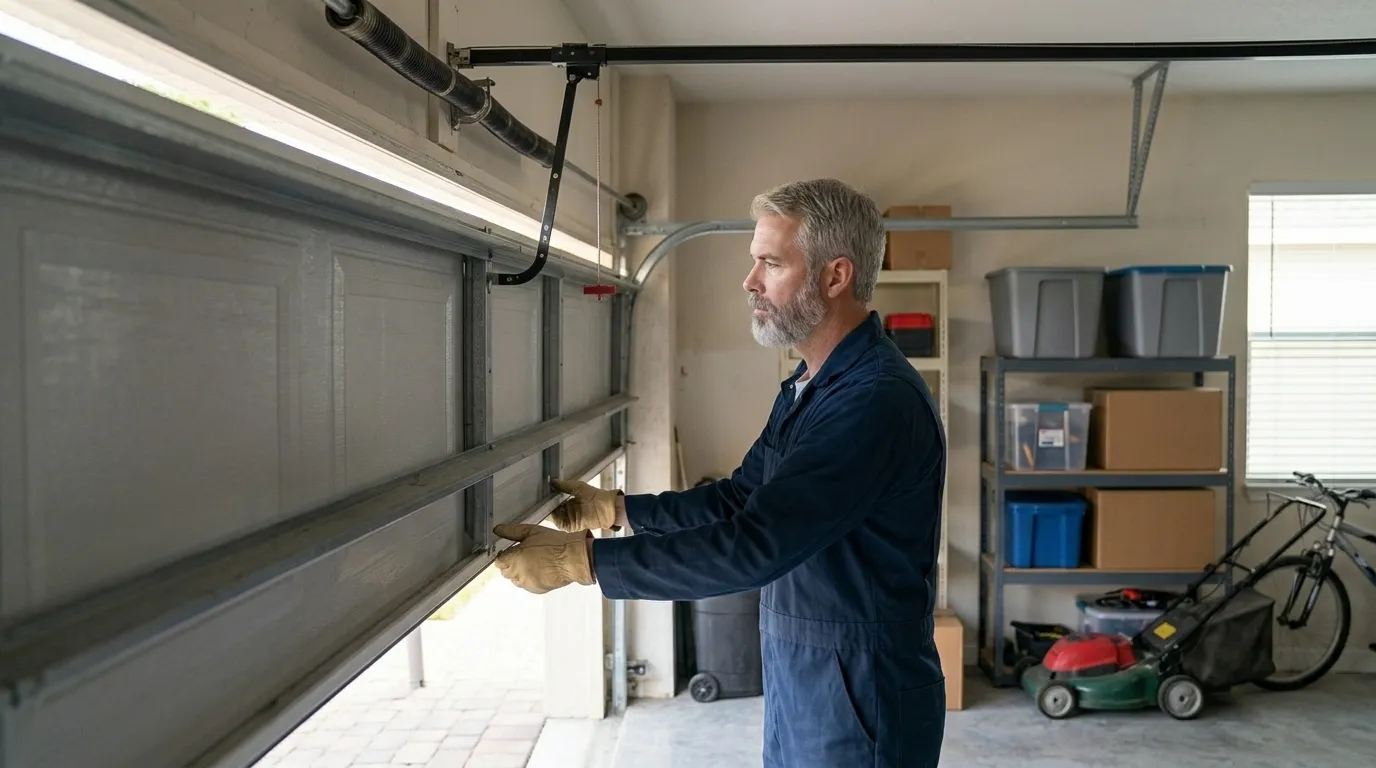
What we do find: openers from the chain-drive era of the late 80s and 90s that are still running but drawing more power and making more noise than they should, torsion springs sized for heavier wood-composite doors that were popular in that build period, and tracks that have shifted slightly out of plumb after years of settling.
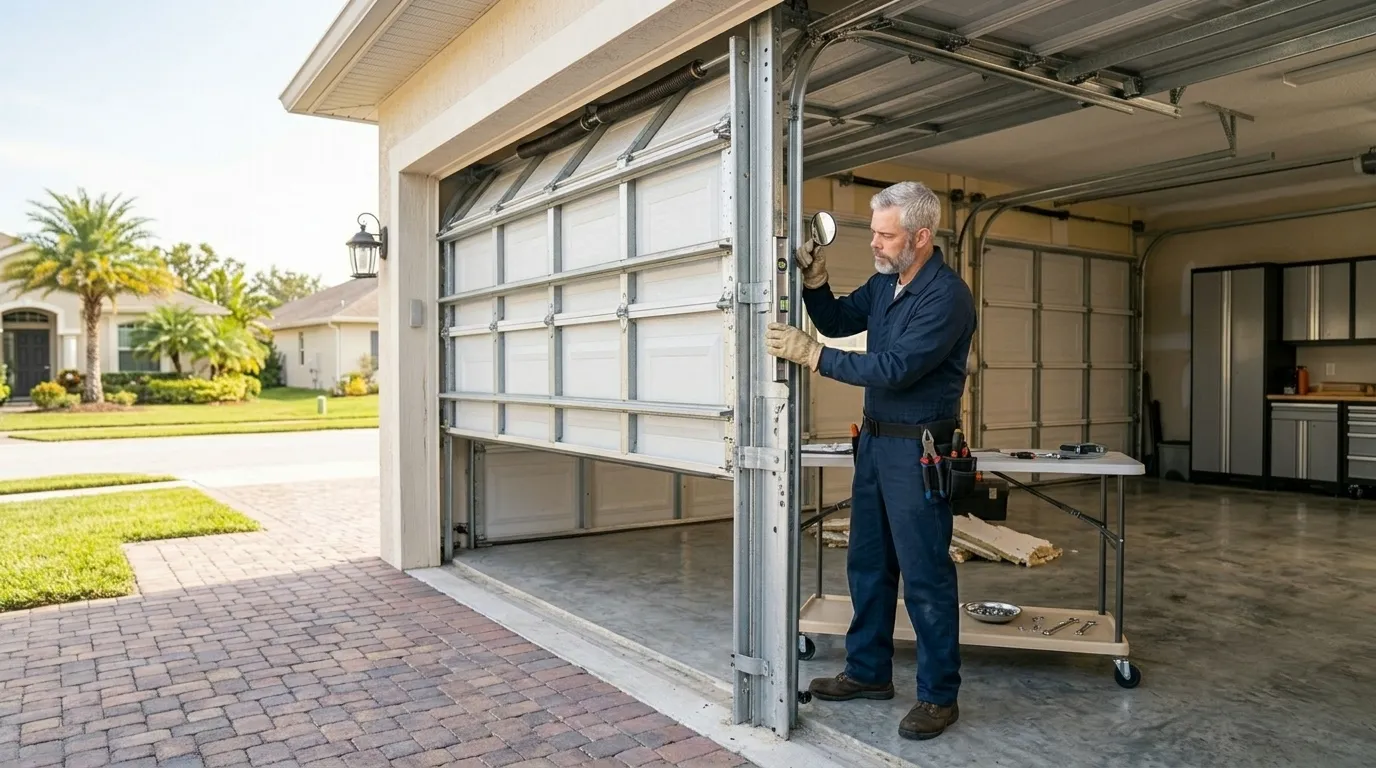
Given the income level and home sizes typical here, we also see more double-wide doors on a single torsion bar, which puts more load on that bar and its center bearing than a single door would. When that bearing goes, the door can bind or drop unevenly on one side - often mistaken for a bad spring when it's actually the bearing plate.
Where We Stop
We travel to Long Grove from Morton Grove, roughly 16 miles each way, so we don't keep a standing presence in the area and we're not the fastest call for an urgent same-hour emergency - we're honest about that up front rather than promising a response time we can't back up from that distance.
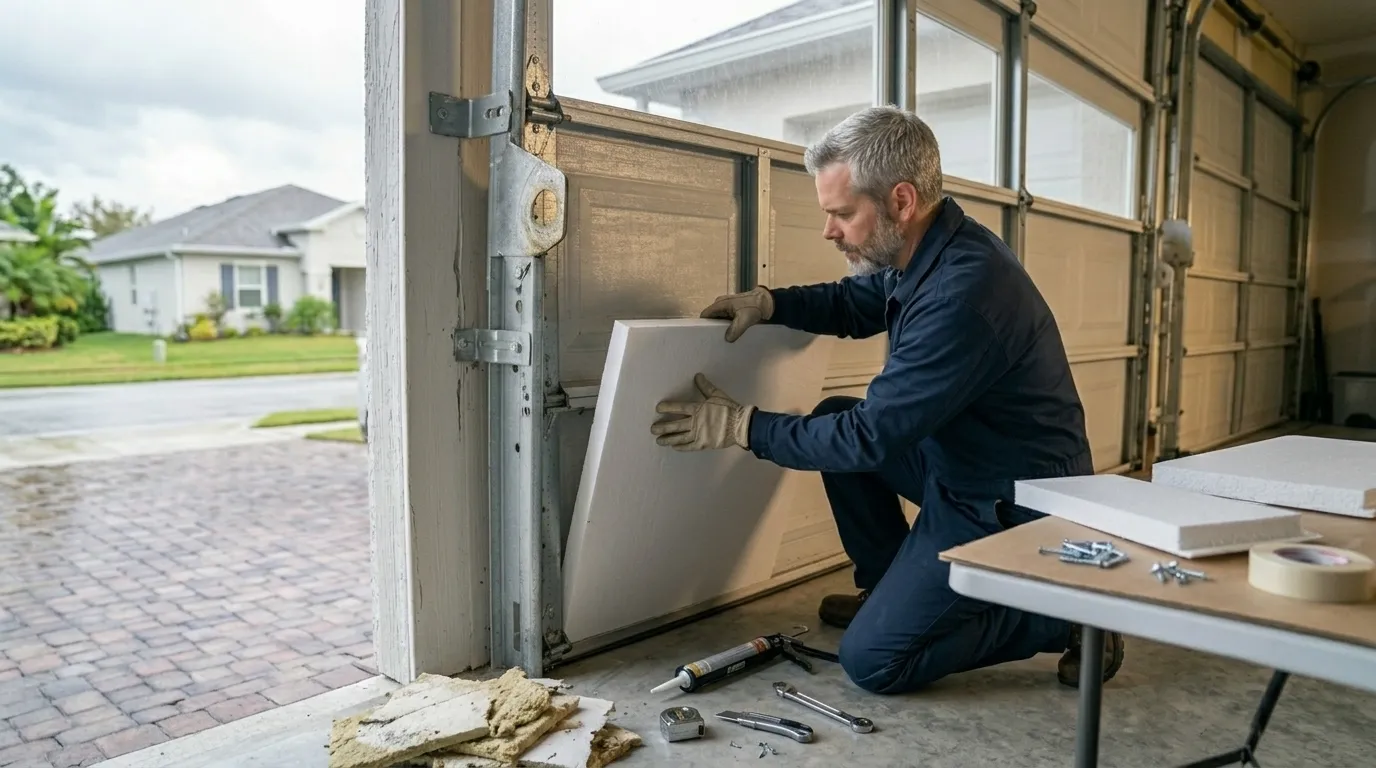
We also won't try to repair a door and opener setup that's cheaper, in the long run, to replace outright. If a torsion spring failure has also cracked an old wood panel, or if an opener from that late-80s installation era is drawing enough current that it's a fire risk, we'll say so and give you the replacement option rather than patch it and have you call again in six months.
What we're good for: diagnosing the actual failure - spring, cable, opener, track, or bearing - and fixing that specific thing when it makes sense to fix it. Call ahead so we can bring the right spring size and opener parts for a door of this era; guessing wastes your time and ours.