The Usual Work Here
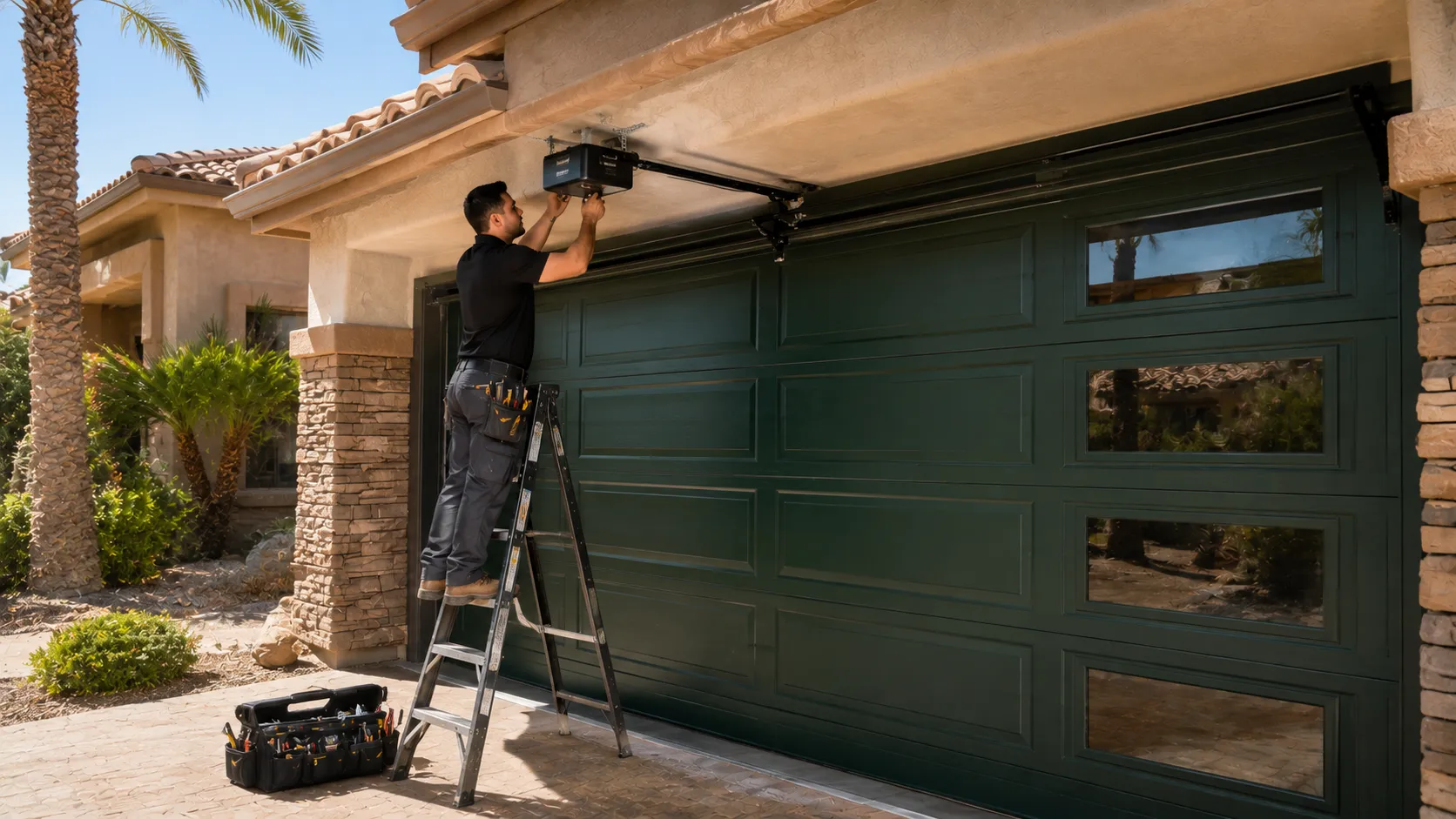
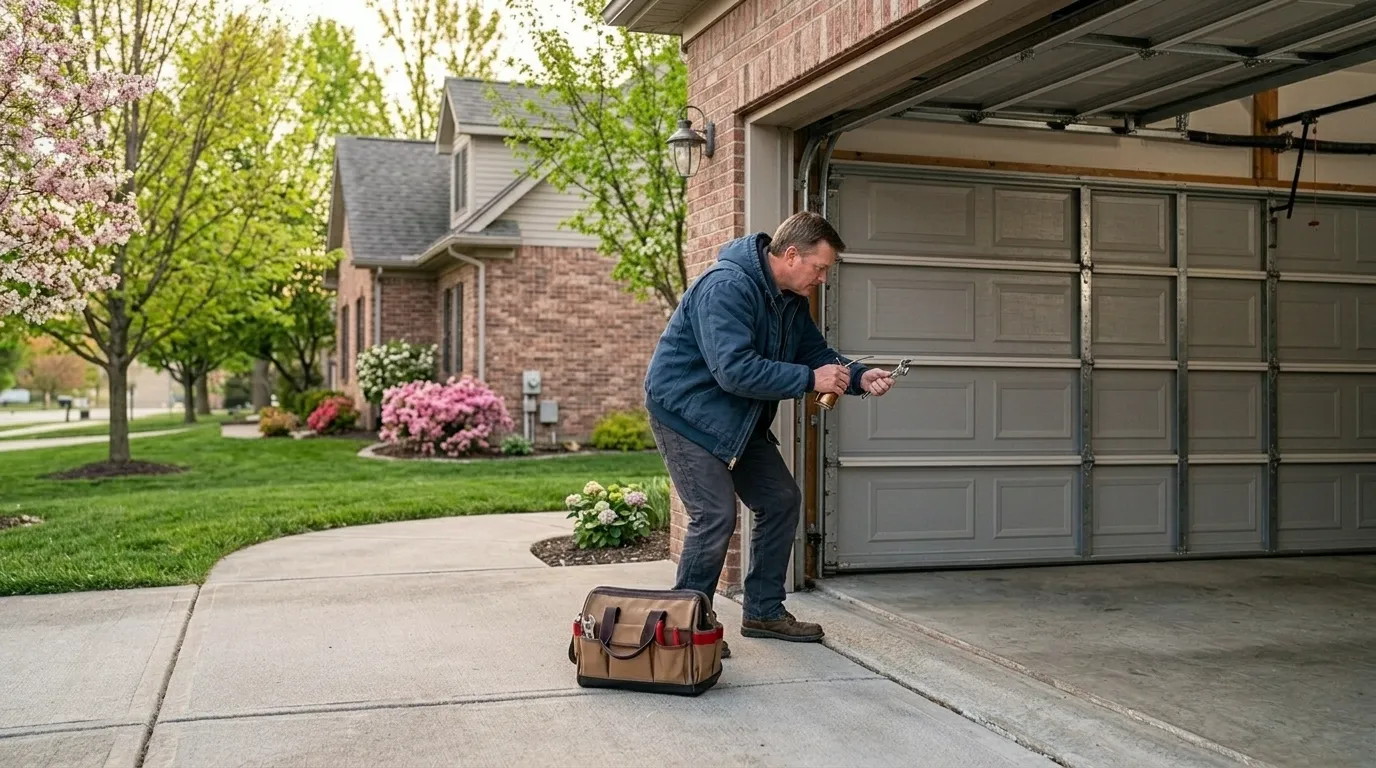
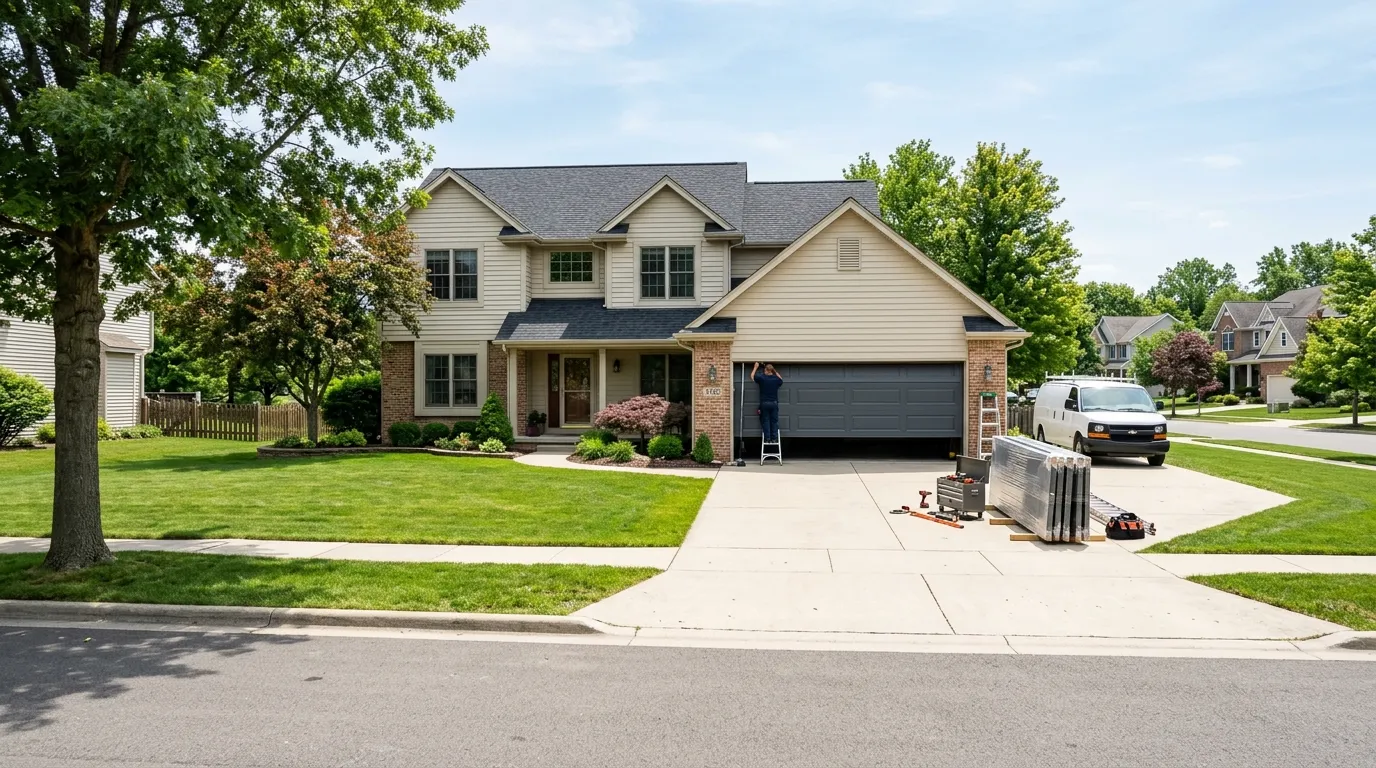
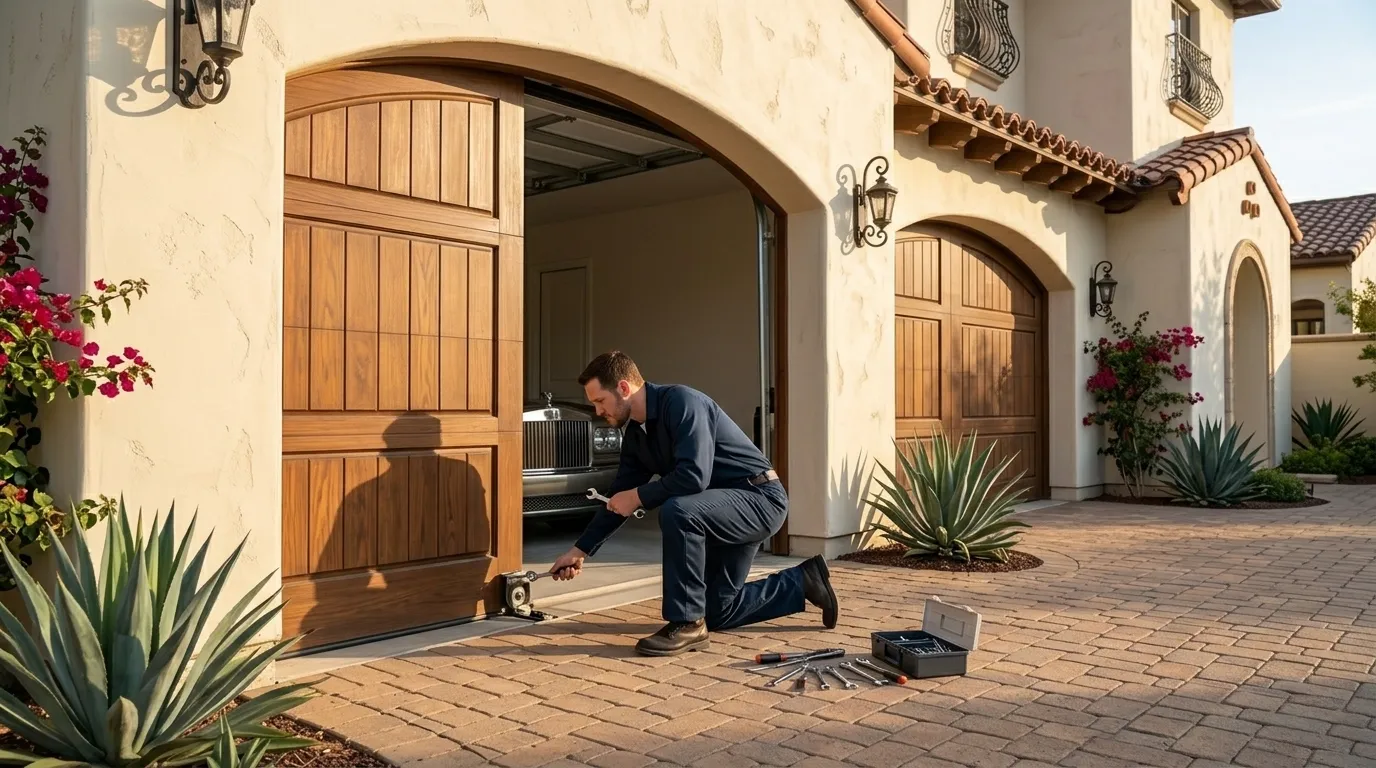
Maywood's median home was built in 1938, which puts most of the garages we see here well ahead of the 1963 median for the wider area we cover out of Morton Grove. That gap matters. A door and opener installed on a house from the late 1930s or 1940s has usually been replaced once or twice already, but the garage itself often kept its original framing and header height, which were sized for cars and doors that don't match what's sold today. We get calls here for doors that bind on narrow tracks, openers bolted to headers that were never built for the weight of a modern insulated panel, and springs that were upsized at some point by someone guessing instead of measuring. None of that is unusual for a town this old. It's just a different set of problems than you'd get from a subdivision built in the 1970s, and it's why we look at the opening itself before we quote a fix.
What That Means for Doors
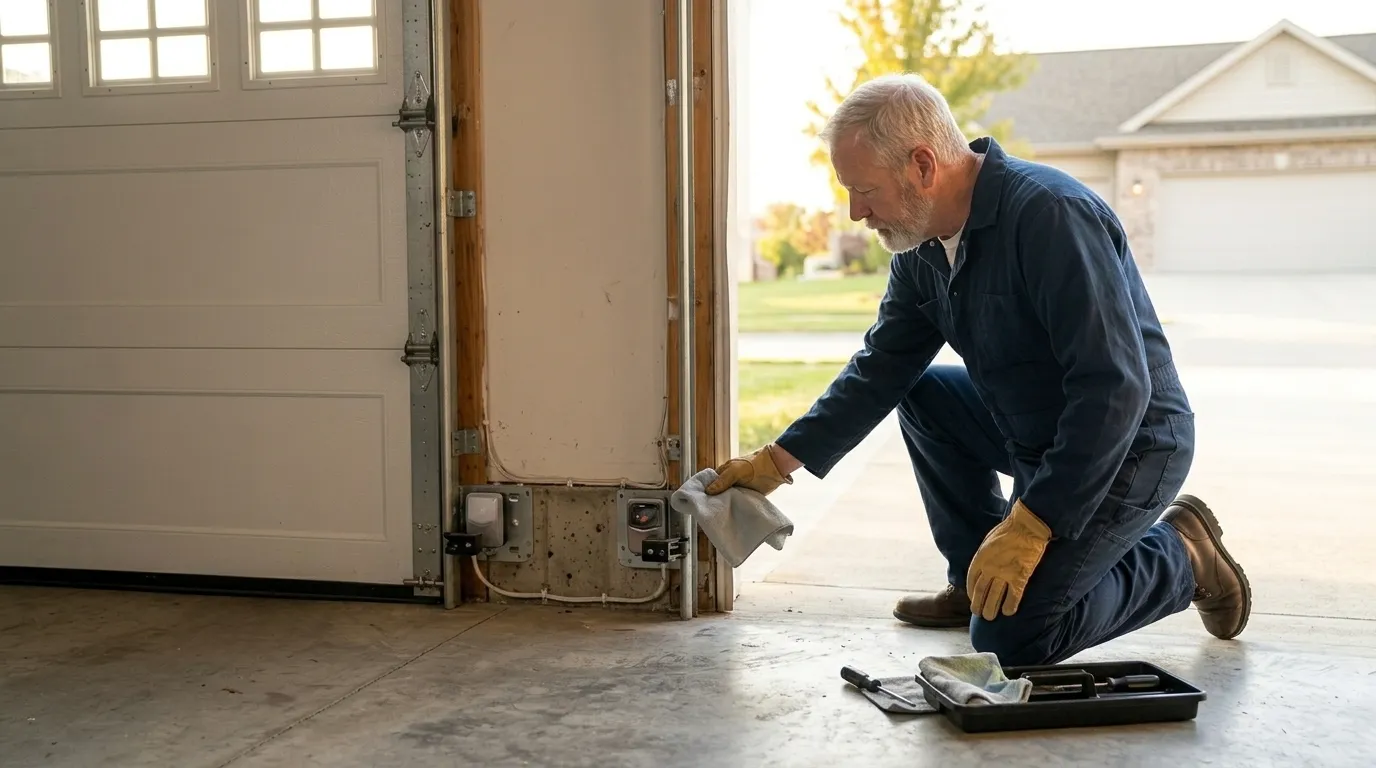
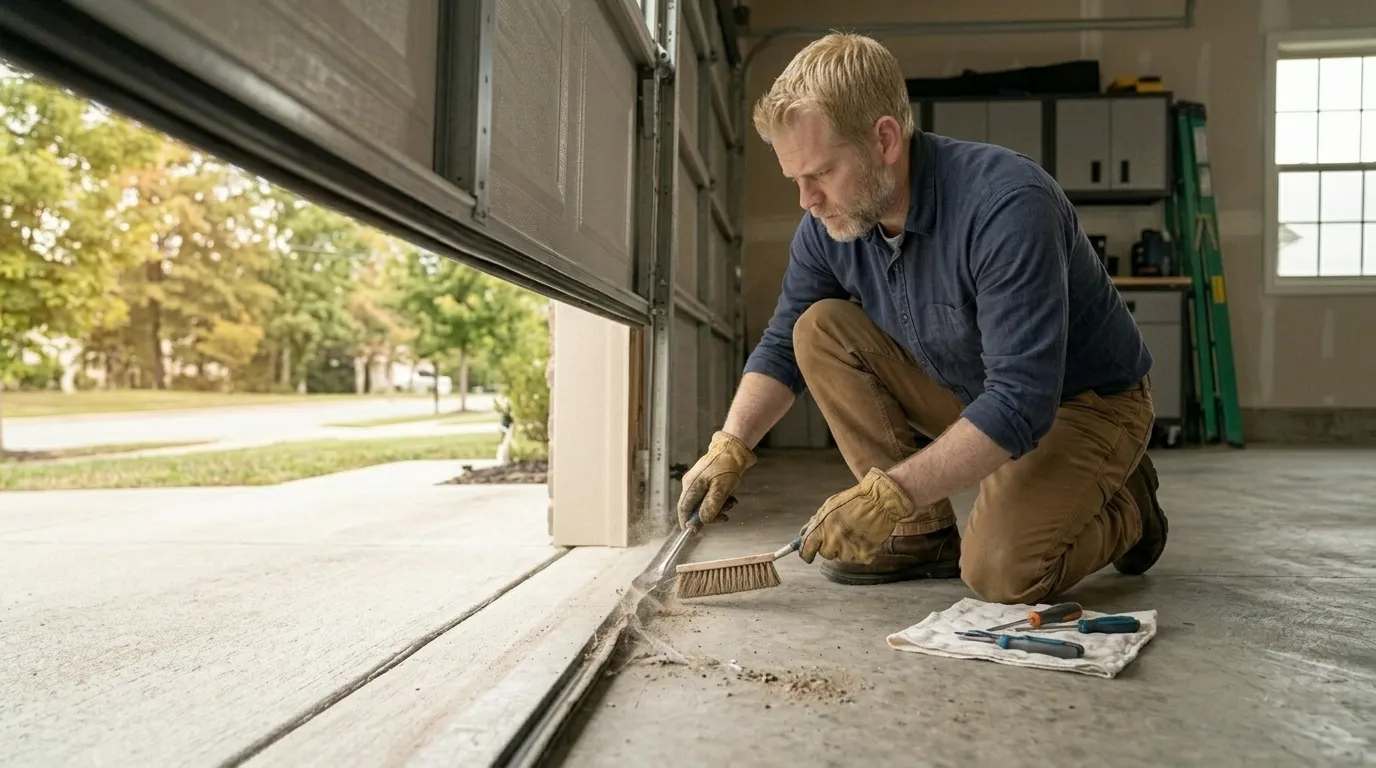
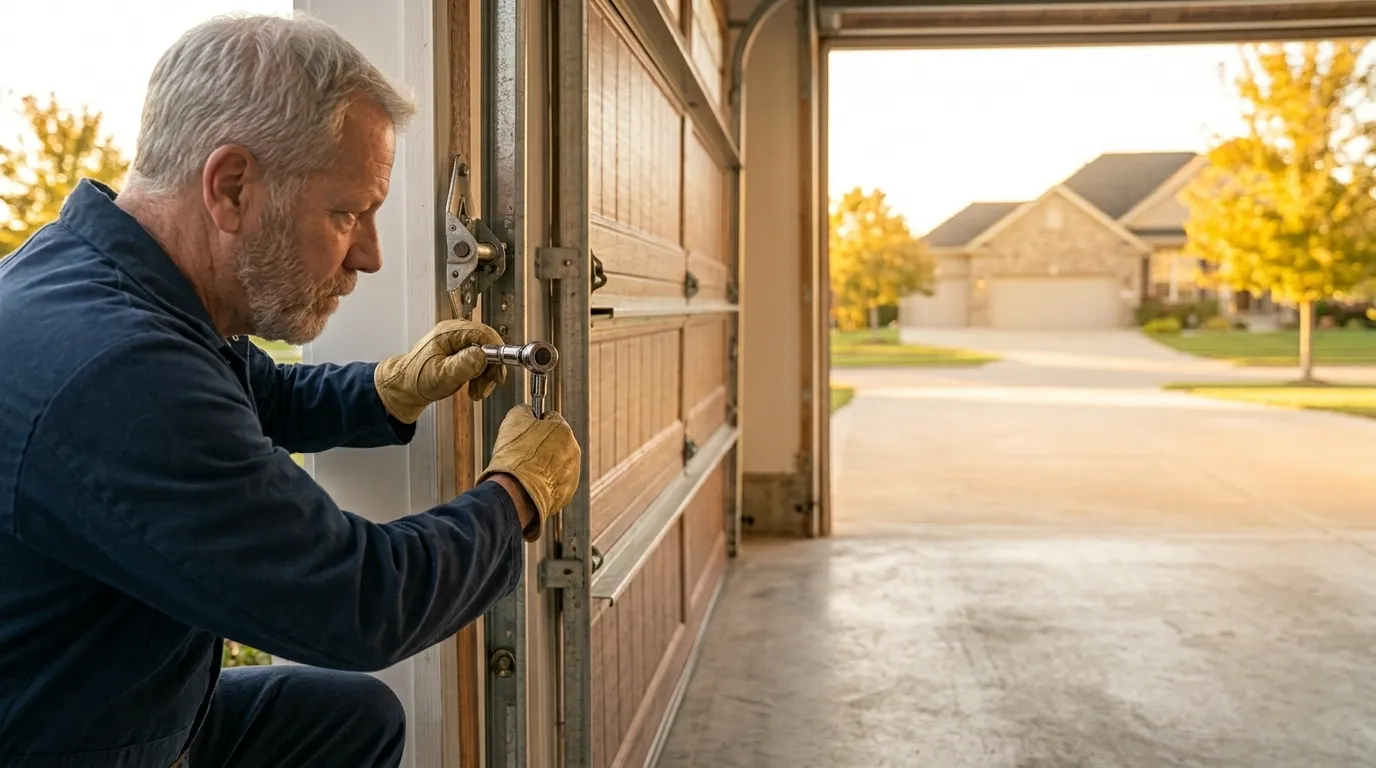
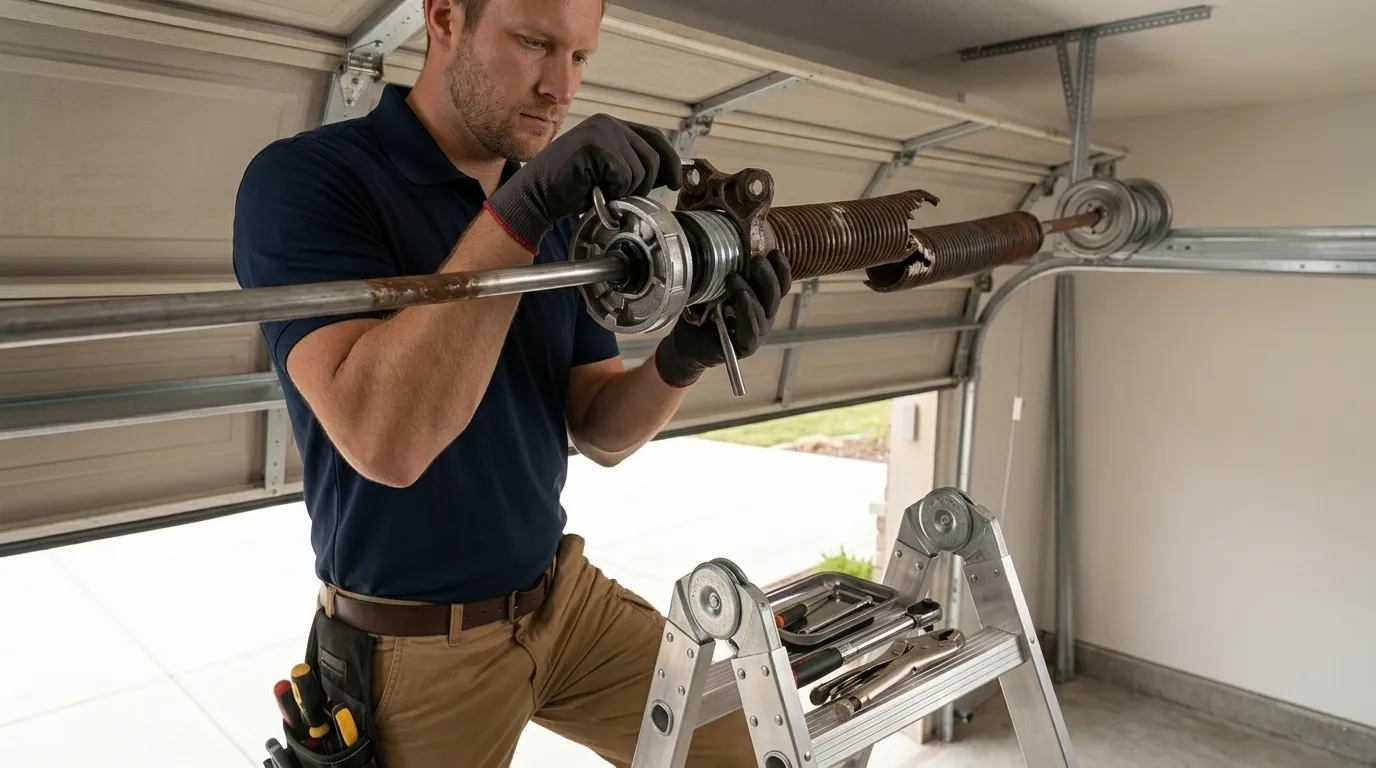
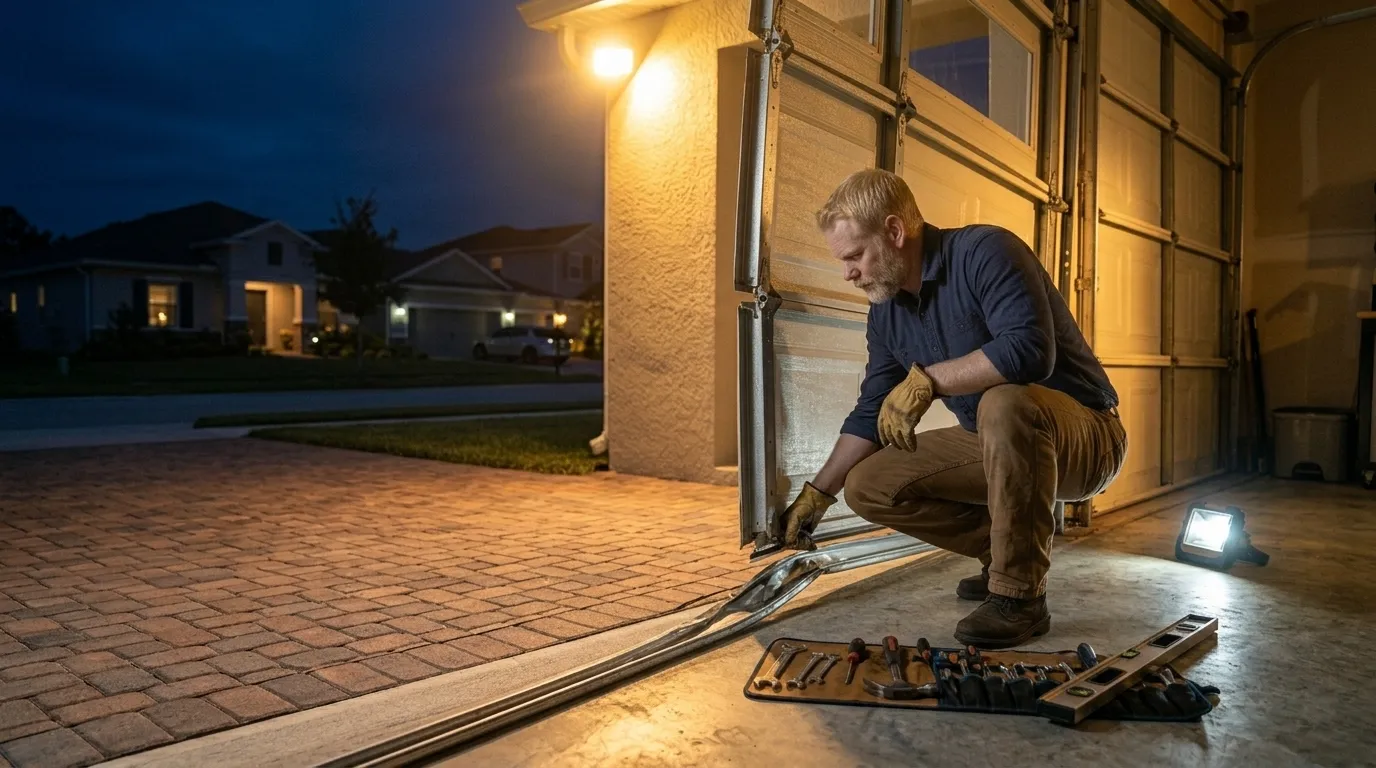
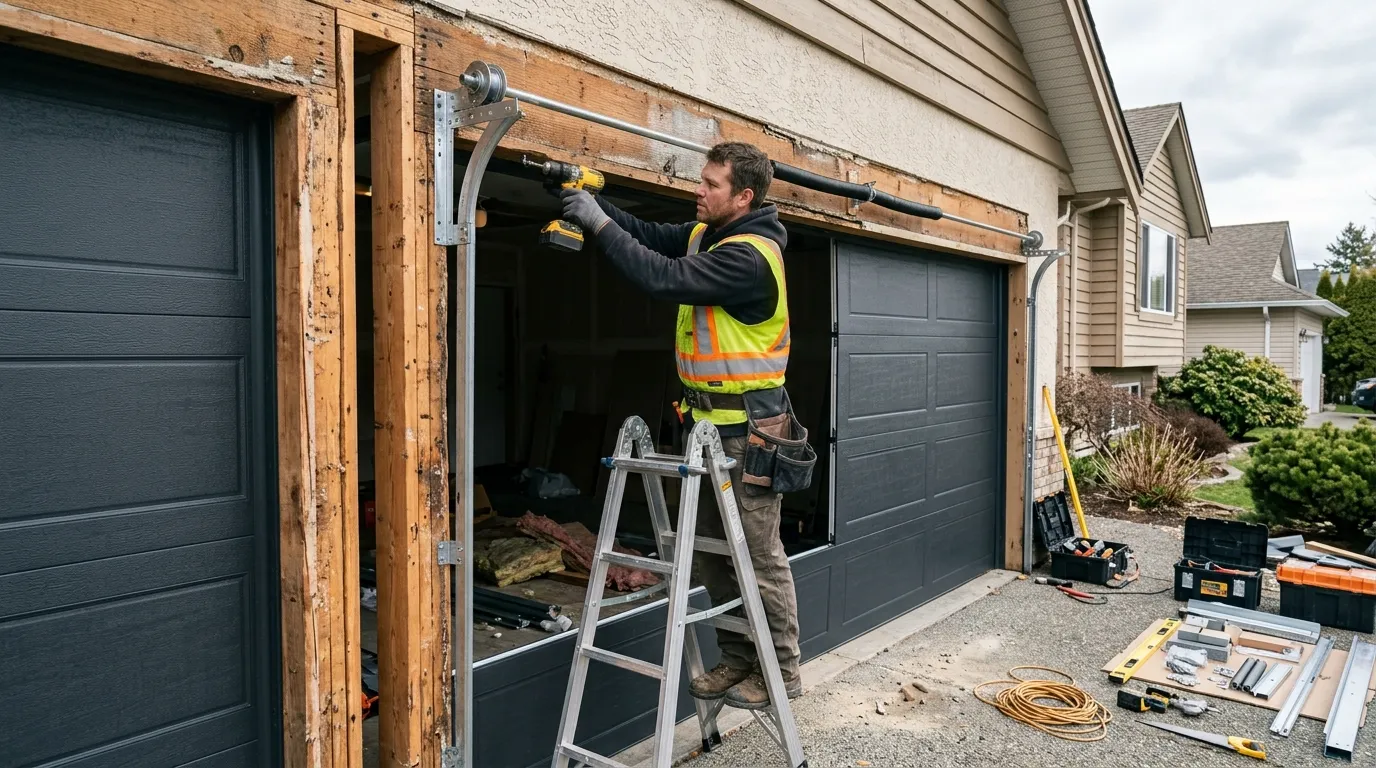
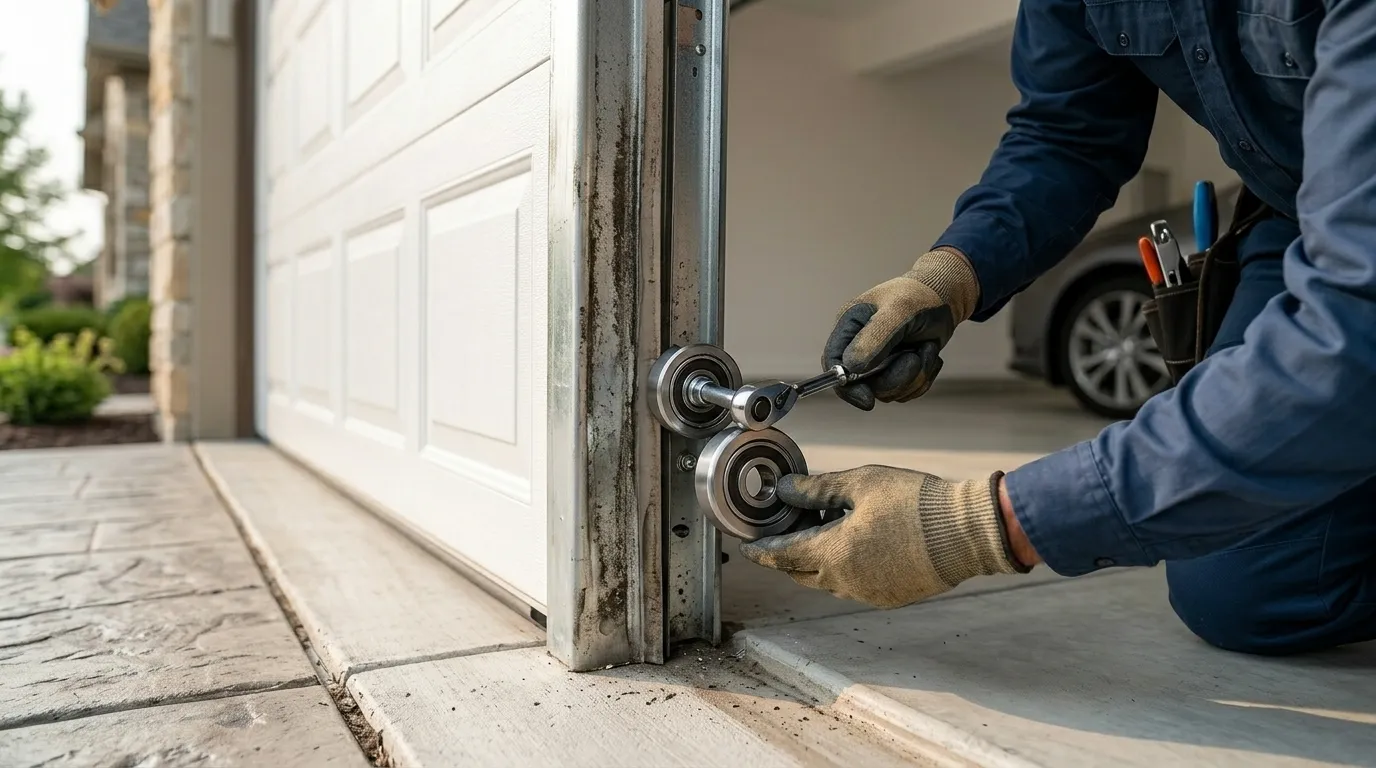
On a house from this era, the door track is often mounted on wood jambs that have shifted over eighty-plus years, so a track that looks straight can still be out of plumb by enough to wear rollers unevenly. We see extension springs more than torsion bars on the oldest of these garages, and when a torsion setup was added later, it's frequently the wrong cycle-rated spring for the door weight, which shortens its life. Cold winters here mean steel contracts and hardware gets brittle - a spring or cable that's already stressed from a mismatched size is the one that lets go on the coldest morning of the year, not gradually. None of this is a reason to panic about an old garage. It's a reason to get the track, jamb, and spring measured together instead of just swapping a part for the same part that failed.
Where We Stop
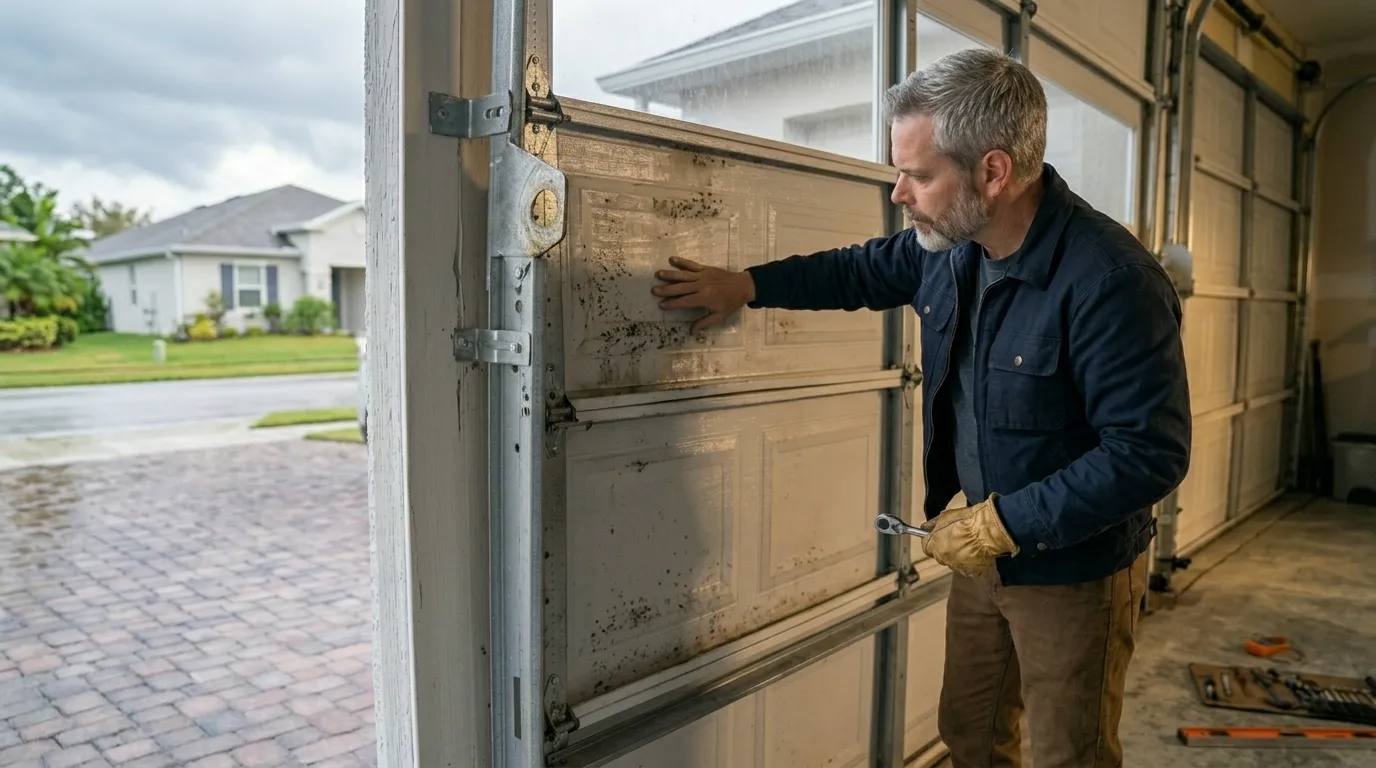
We're honest that Maywood is about 12 miles from our shop in Morton Grove, so we don't carry a stock of odd-sized replacement parts on the truck the way we might for jobs closer to home - a nonstandard torsion spring or an obsolete panel profile can mean a short wait on ordering. We also don't do same-day emergency dispatch to this area; we schedule the visit and we tell you honestly if that means tomorrow rather than tonight. And if a door's wood jamb has rotted past the point where new hardware will hold, we'll say so rather than bolt a new track to a frame that won't hold it - at that point a carpenter needs to go first. We'd rather tell you that up front than have the fix fail in a month.