The Usual Work Here
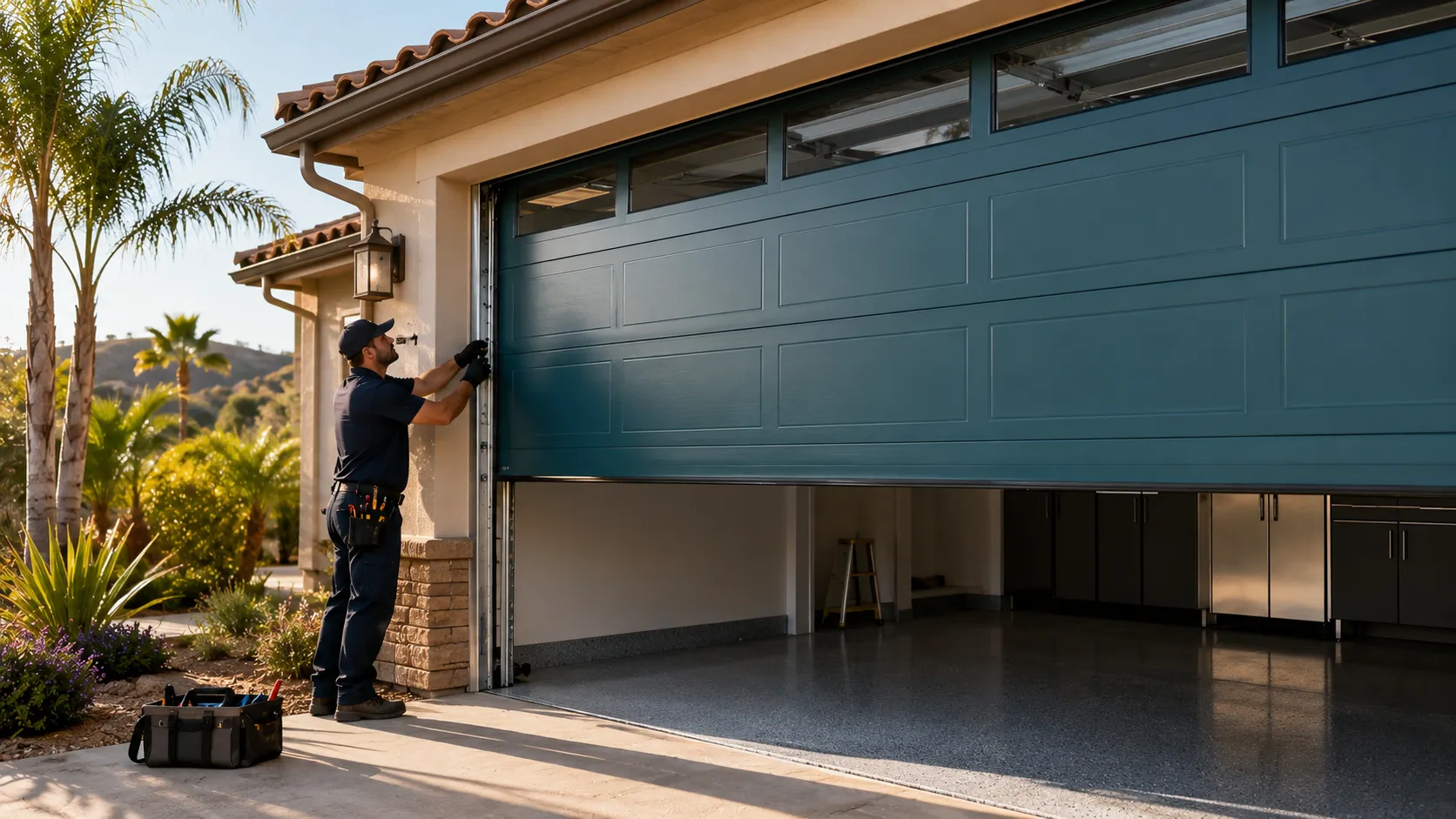
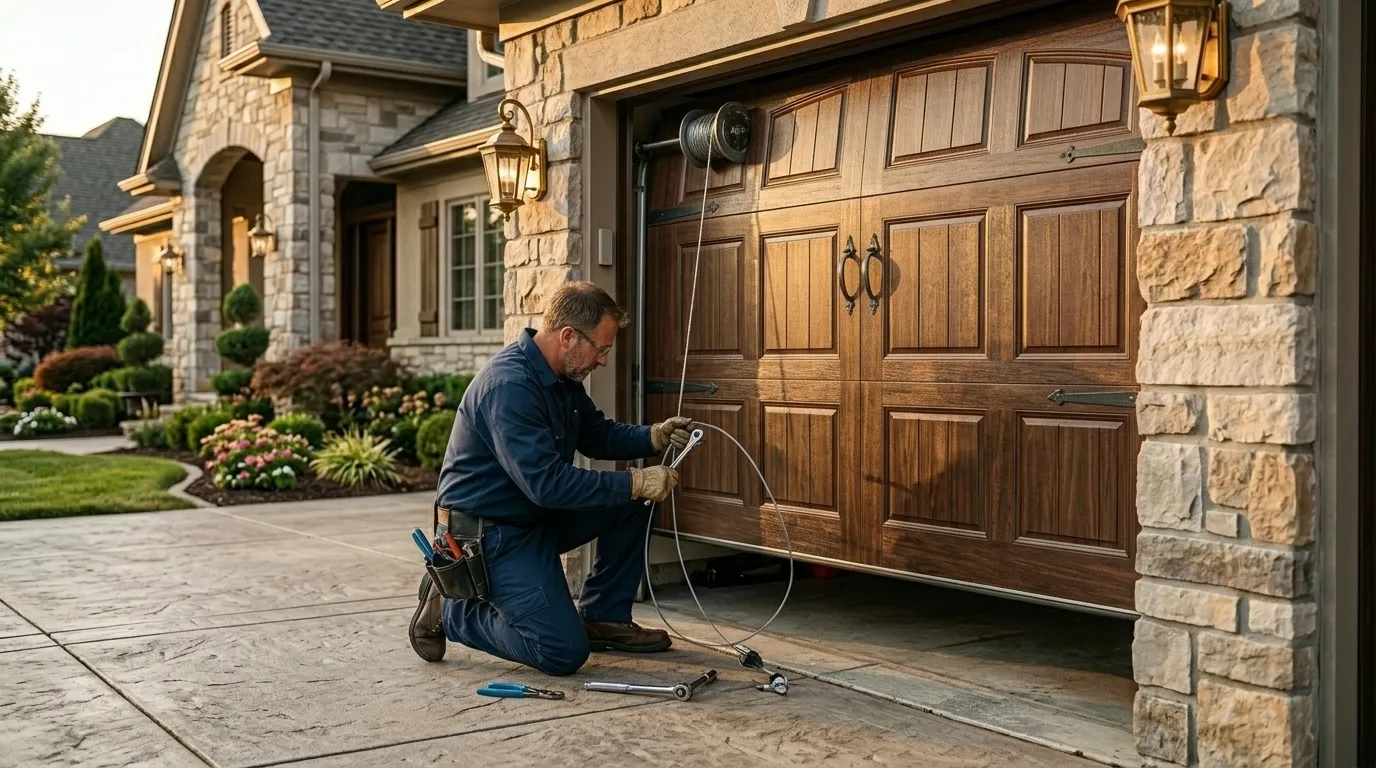
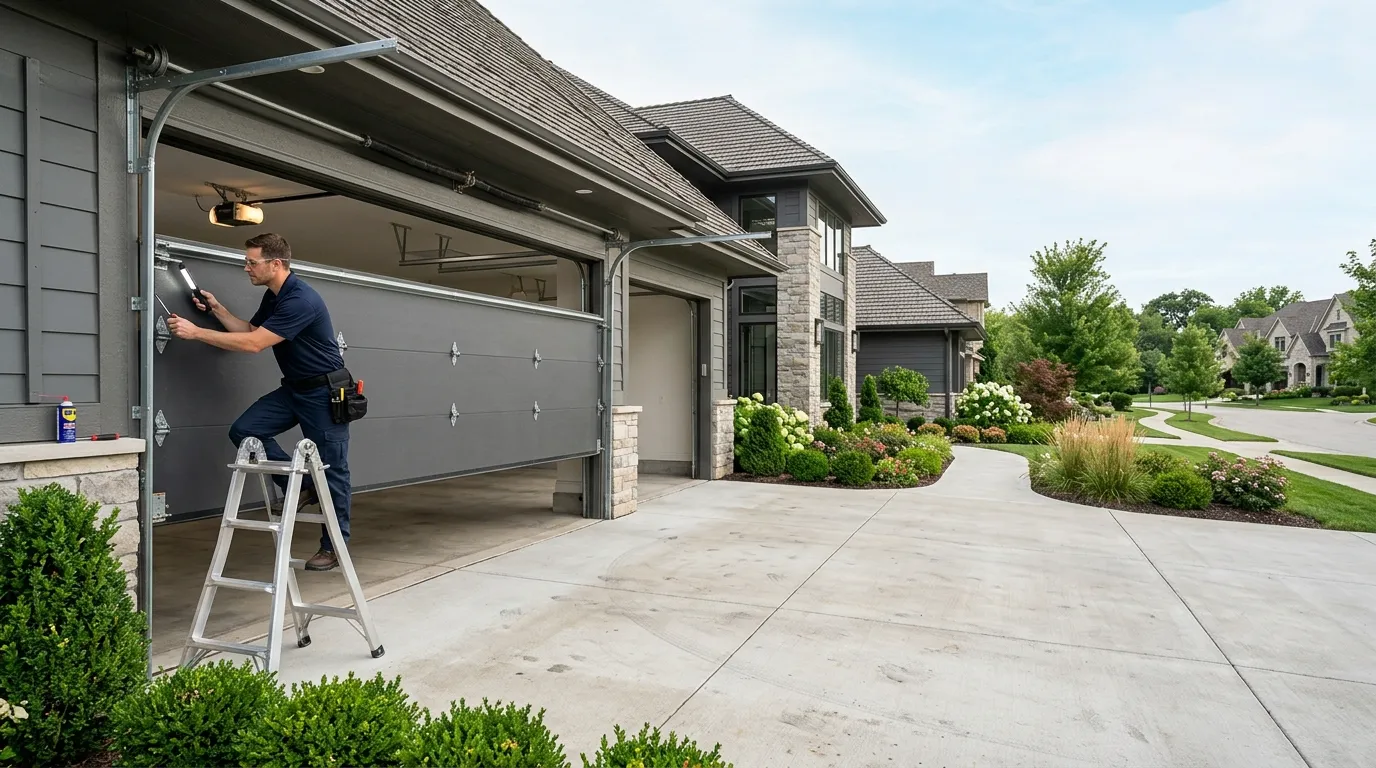
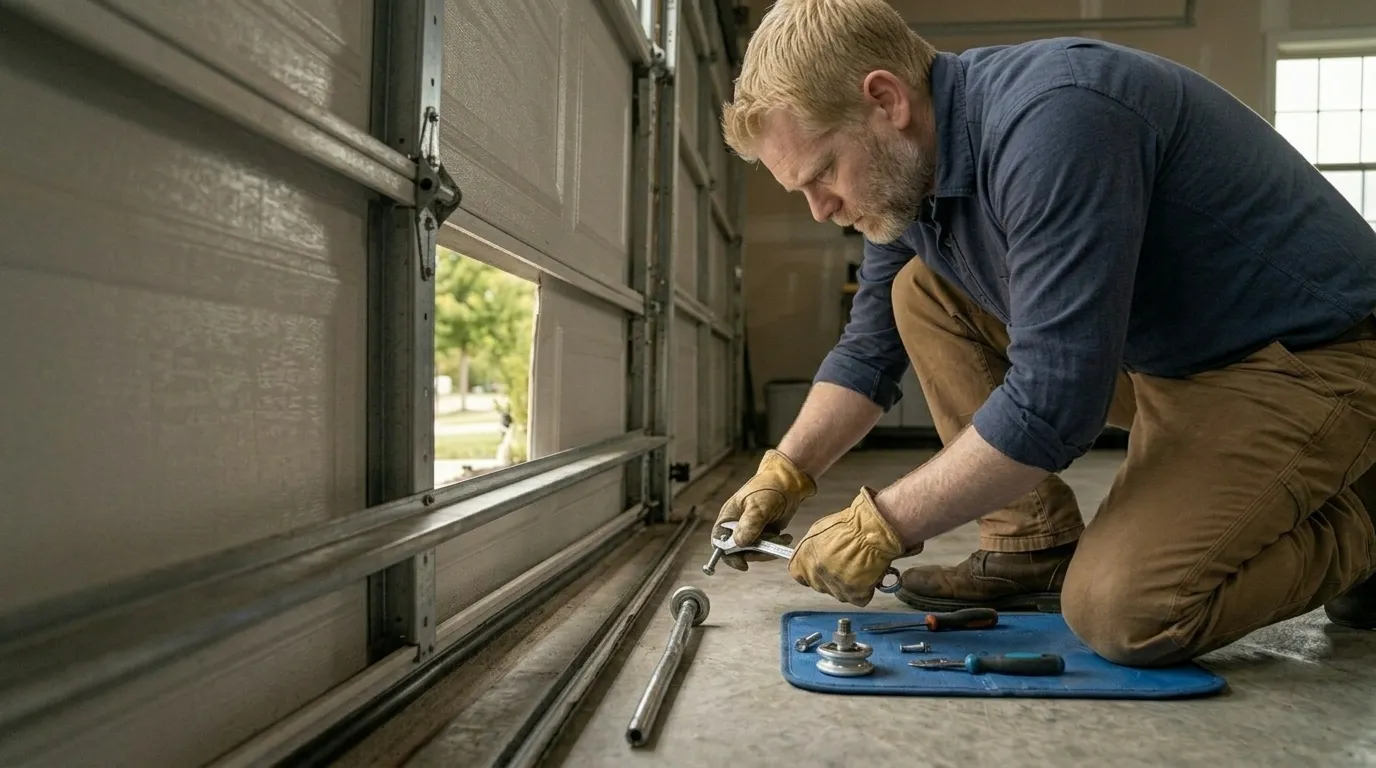
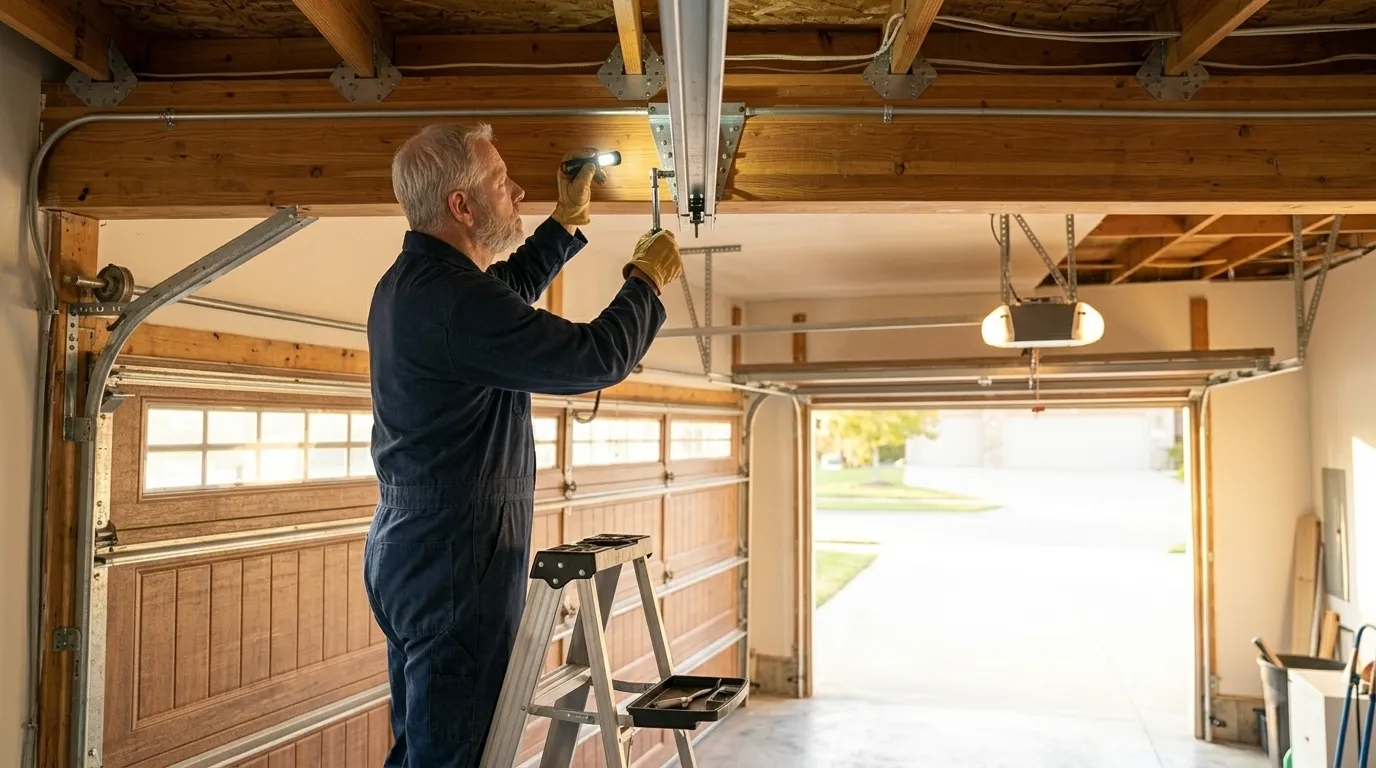
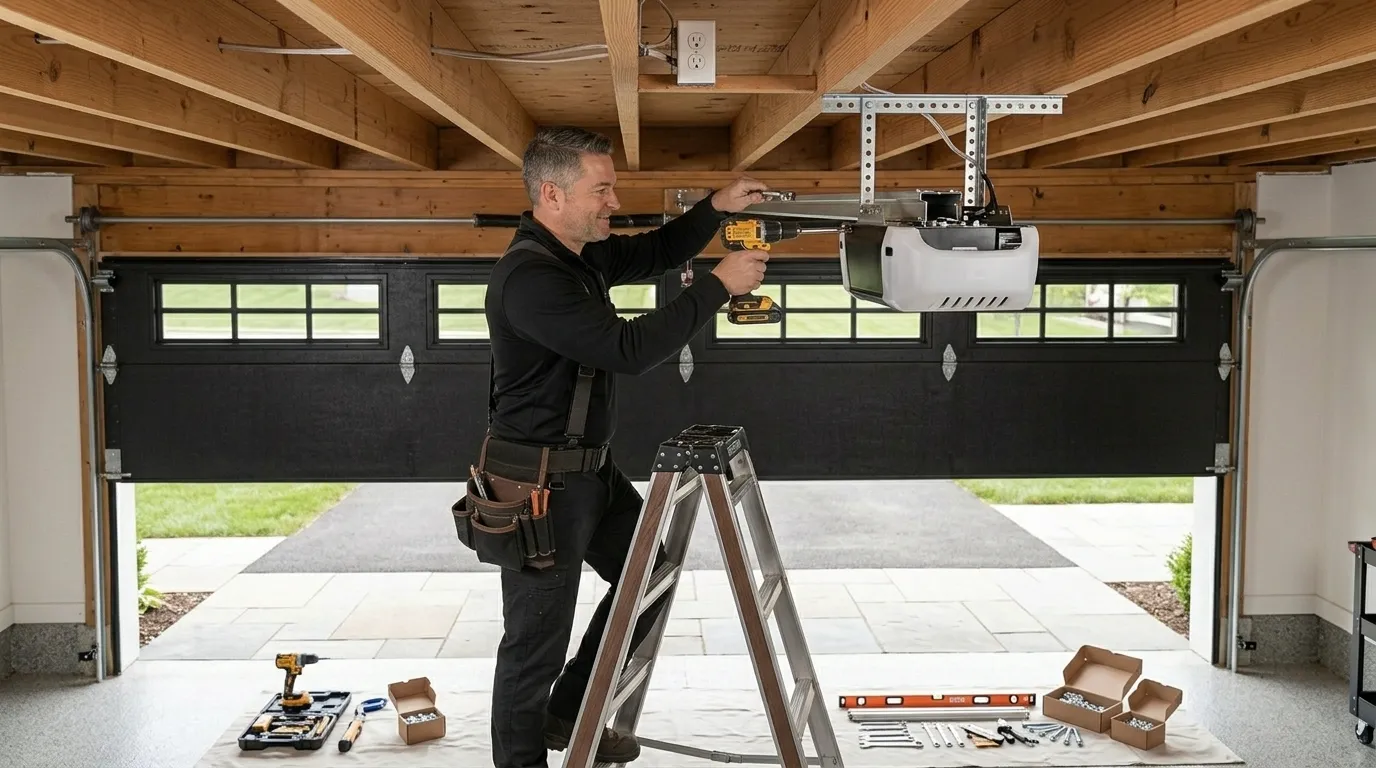
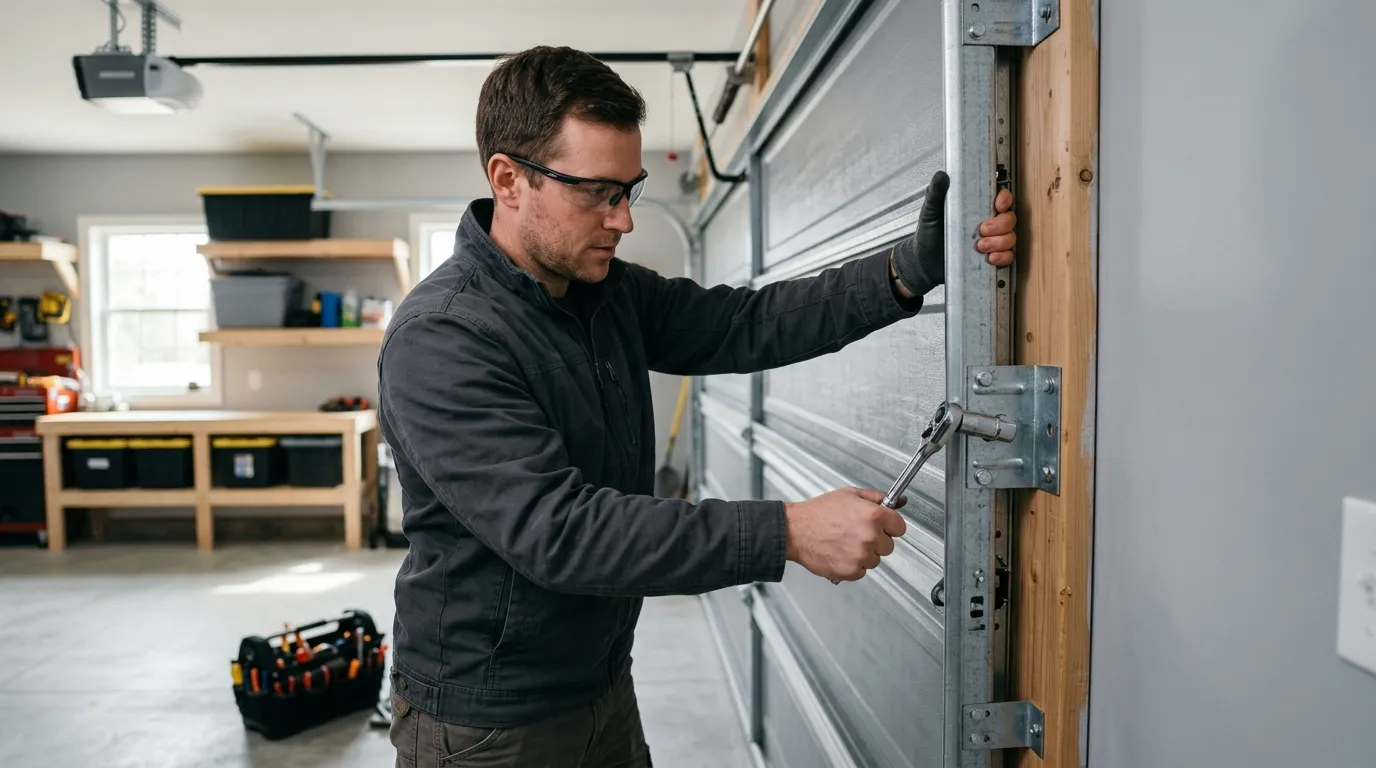
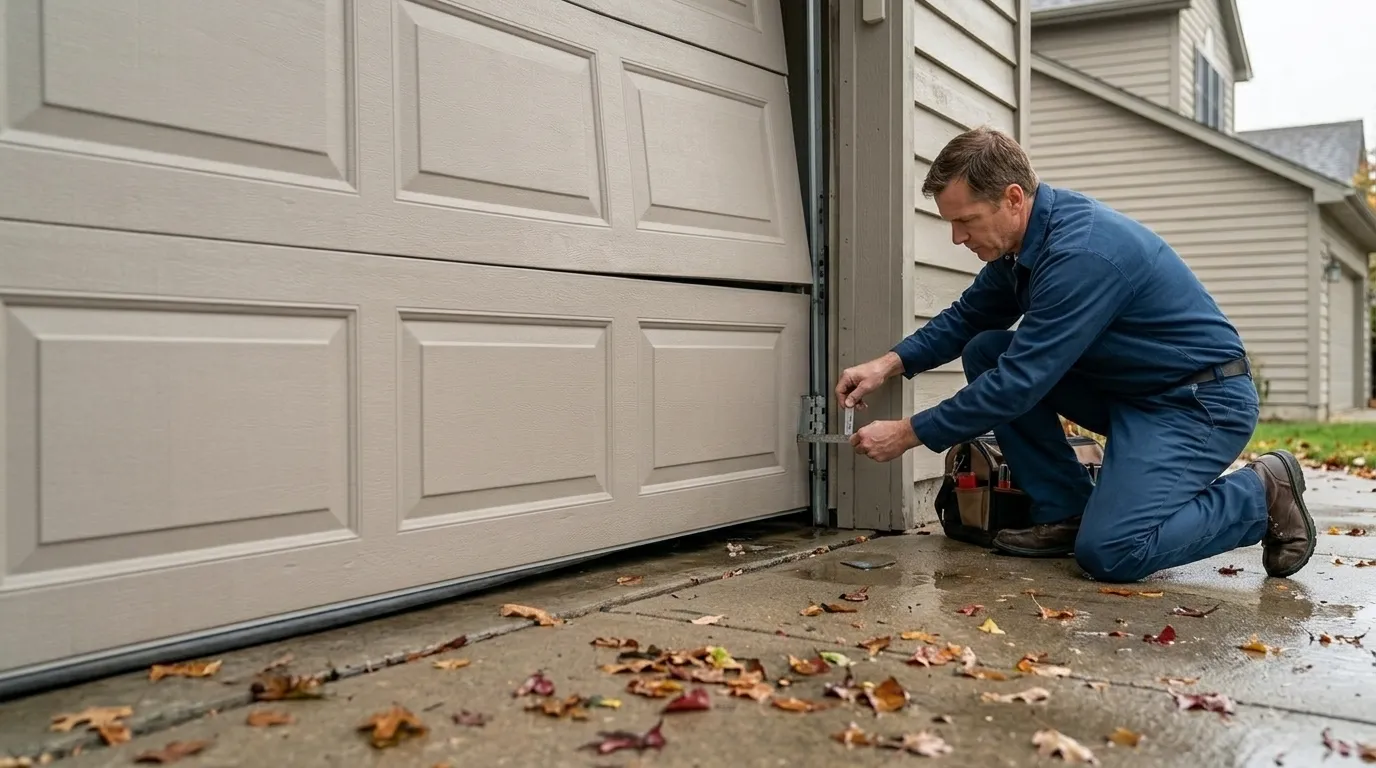
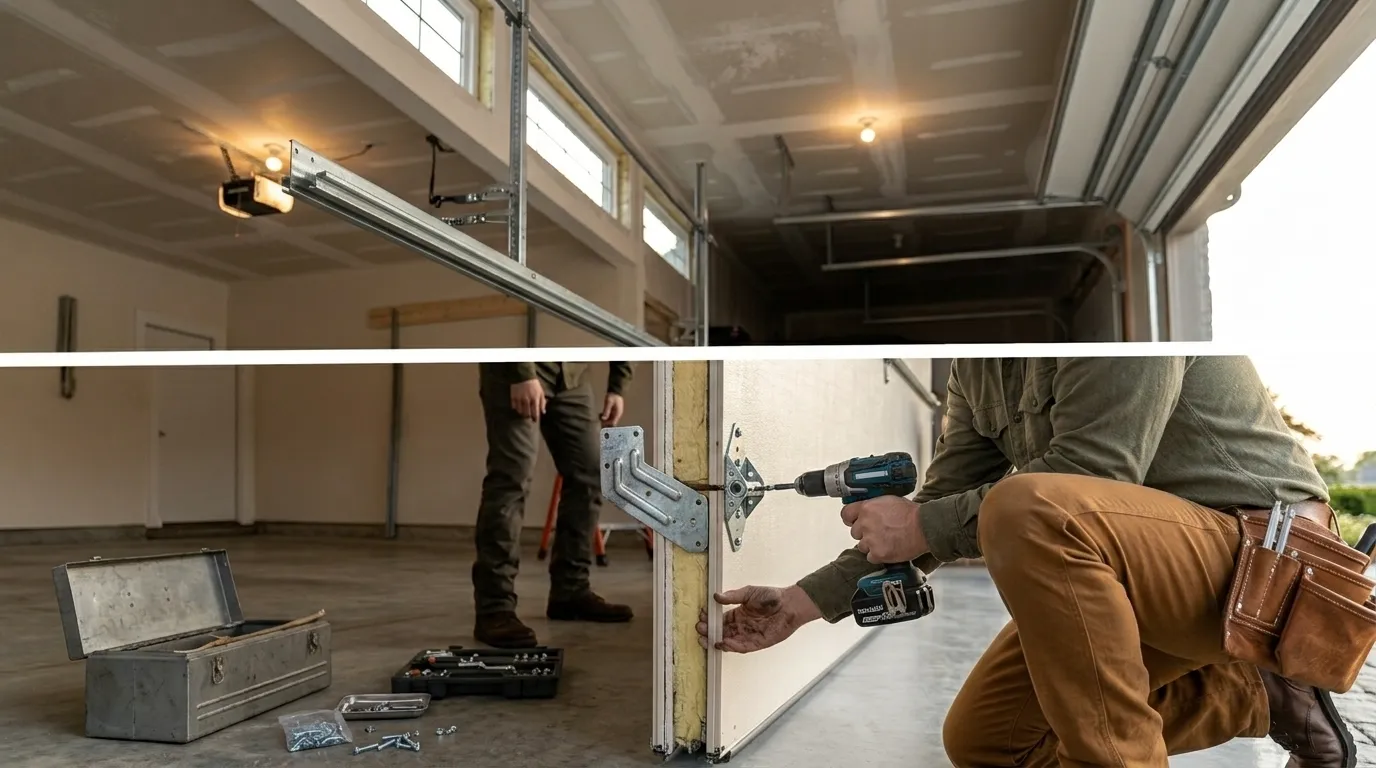
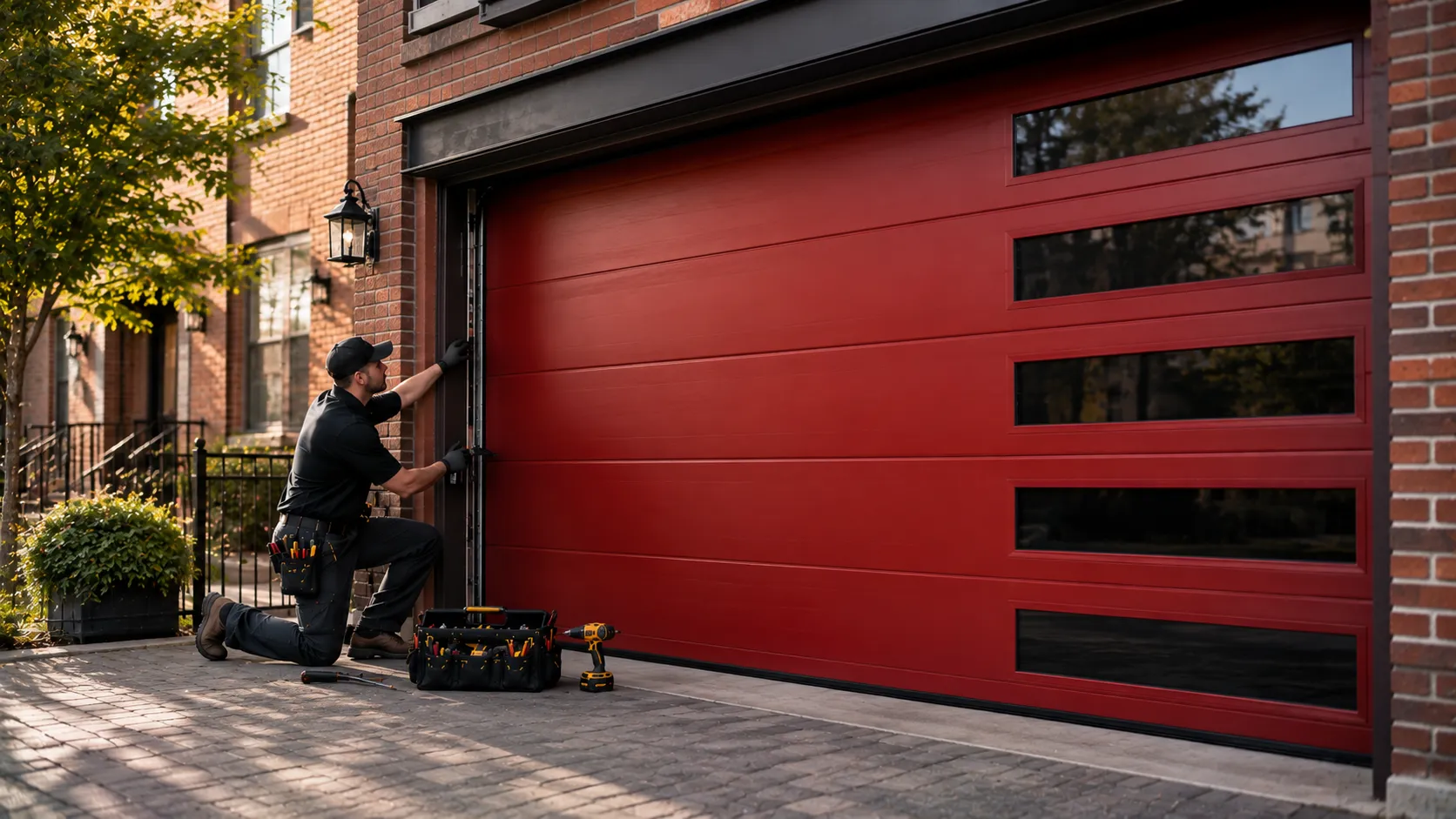
McCook doesn't generate a lot of call volume for us, and that's not a knock on the area, it's just a small place. With only 105 households, the jobs we run here tend to cluster on the same handful of streets rather than spread across a big grid. What we see most is what you'd expect from a residential pocket built around 1961: torsion springs that have finally given out after decades of cycling, rollers worn down to the point the door sounds like a shopping cart, and openers original enough that the safety sensors are an afterthought retrofit rather than built in. We also get the occasional call on a section that's been dented or rusted through at the bottom, which is common once a steel door passes the fifty-year mark.
One honest limit: because McCook is a small stop on our route from Morton Grove, we schedule work here rather than treat it as a drop-everything emergency zone. If your spring lets go on a Tuesday afternoon, we'll get you on the board, but we're not going to pretend we have a truck sitting nearby waiting for the call.
What That Means for Doors
A door from the early 1960s usually means one of two setups: an older wood or early steel panel door on a torsion spring mounted the way manufacturers did it before extension-spring safety cables became standard, or a replacement door installed at some point since without touching the original track and header. Either way, the track width, the spring wind, and the drum sizing on a house this age often don't match what's on the shelf at a big box store, and that's the number one reason a DIY spring swap goes sideways on a house like this.
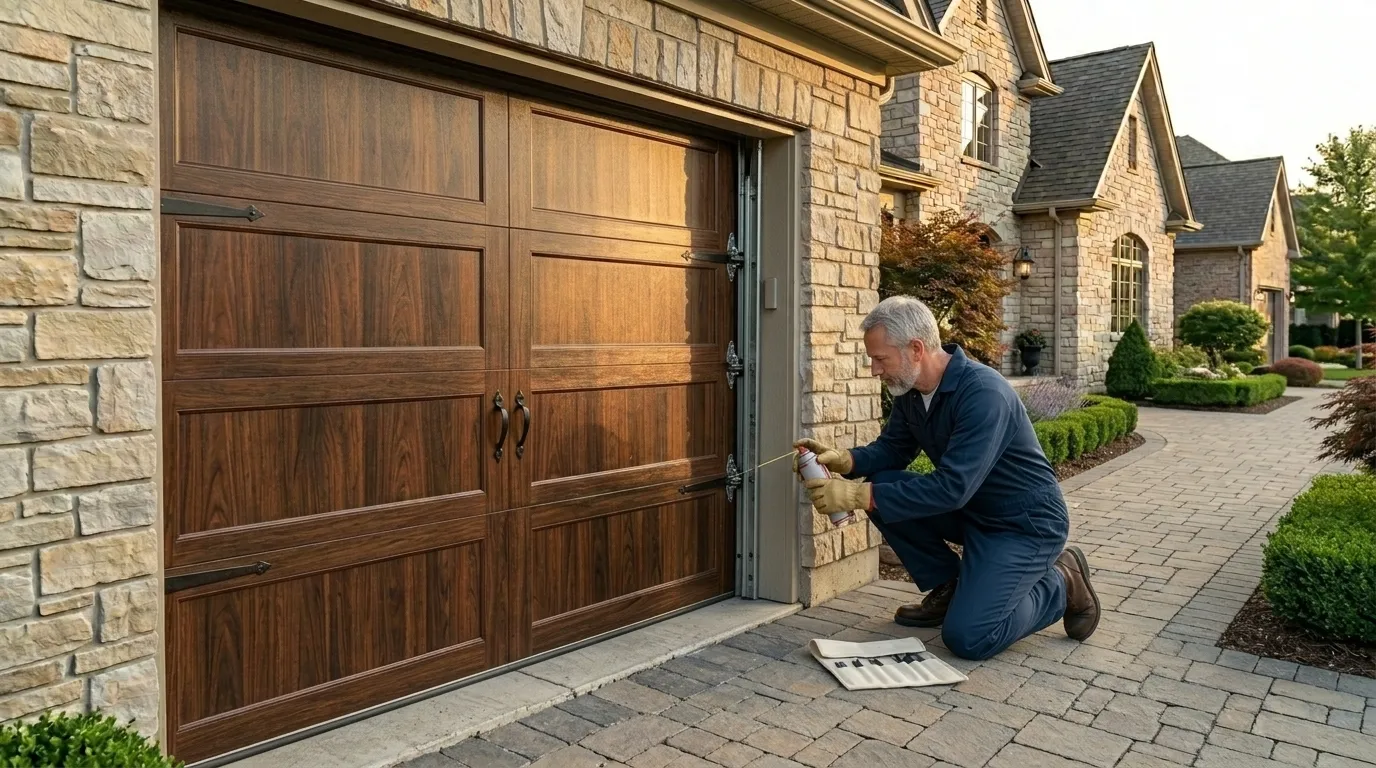
The cold winters typical of this part of Illinois also do their own damage over that many decades: metal fatigues faster with repeated temperature swings, and older lubricant residue on rollers and hinges tends to gum up rather than protect once it's fifty-plus years old. When we're out at a McCook house, we're usually working around at least one of those two things - mismatched hardware or age-hardened lubrication - before we even get to the actual complaint that brought us out.
Where We Stop
We don't keep a depot in McCook, and we're not going to pretend a 17-mile trip from Morton Grove means we can treat it like a neighborhood down the street. That distance is why we schedule rather than promise a same-day swing-by, and why we ask a few more questions on the phone before we load the truck - knowing the door's rough age and symptom ahead of time saves a second trip for a part we didn't bring.
We also won't force a repair that isn't worth it. On a door this old, if the springs, rollers, and opener are all failing around the same time, patching one piece often just moves the next failure a few months down the road. We'll tell you straight when replacement is the better spend rather than running up a repair bill on a door that's already near the end of its working life.