The Usual Work Here
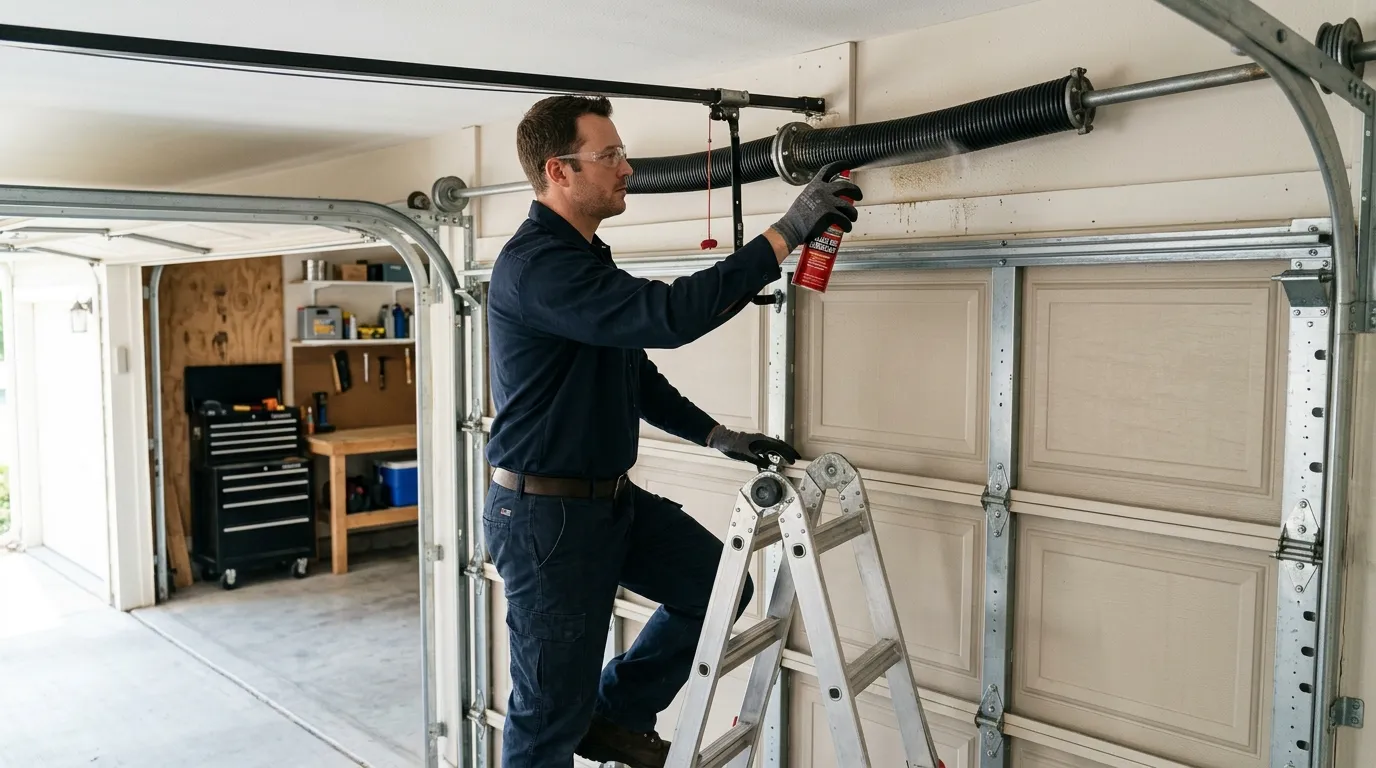
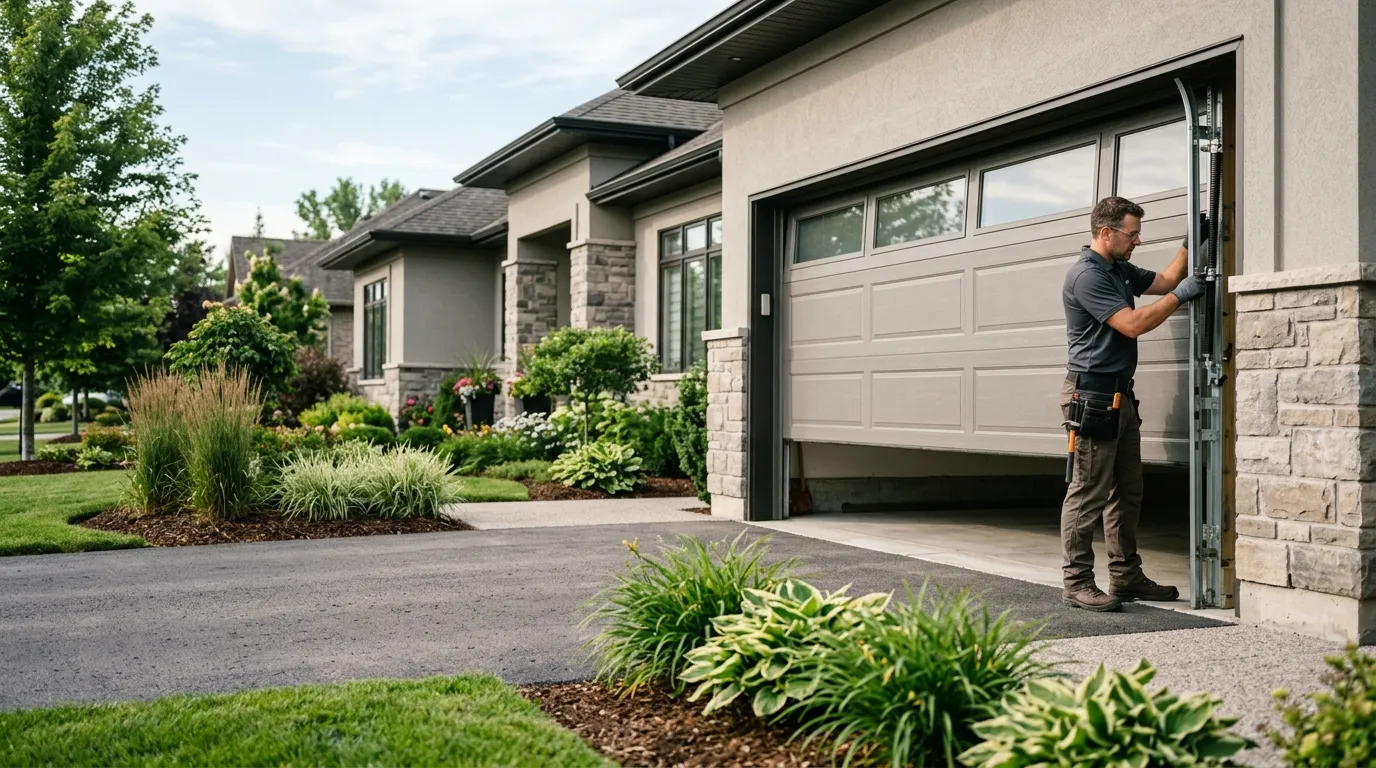
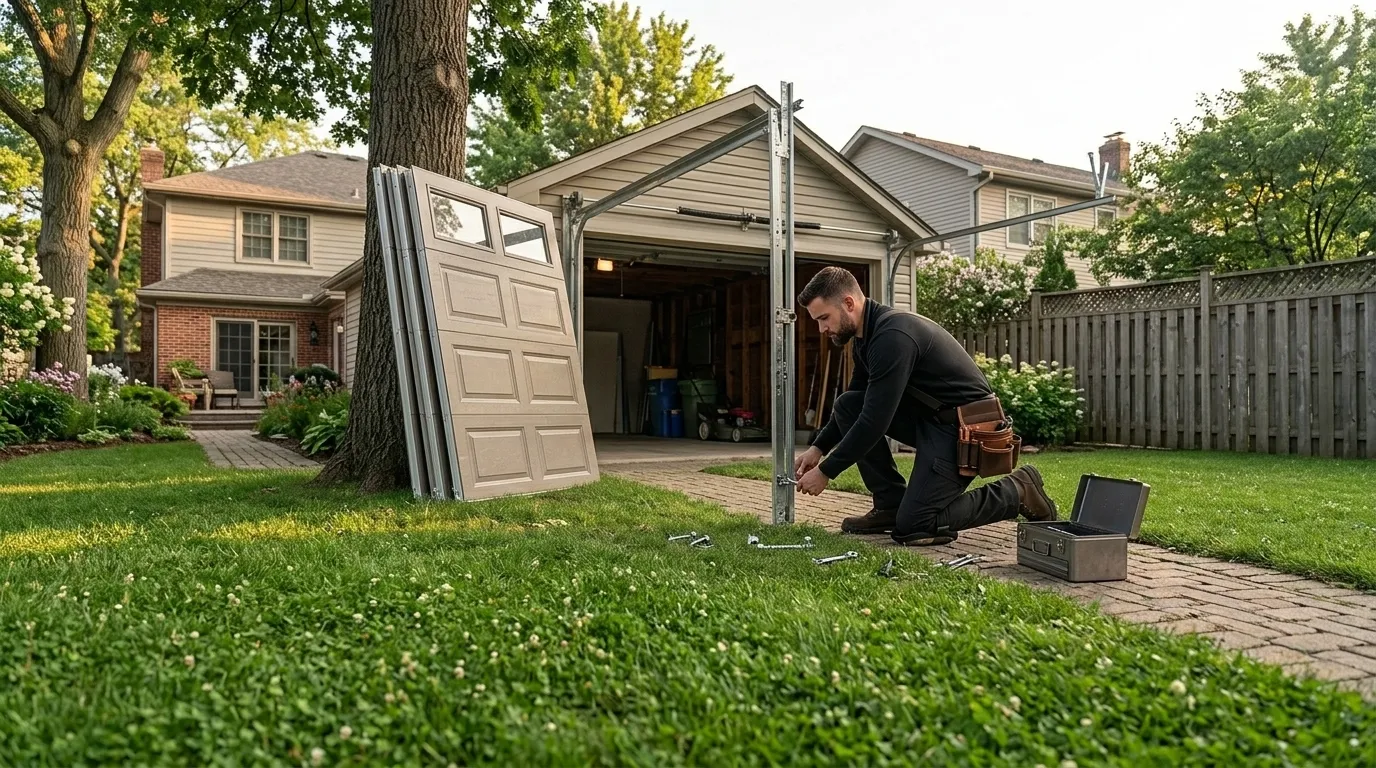
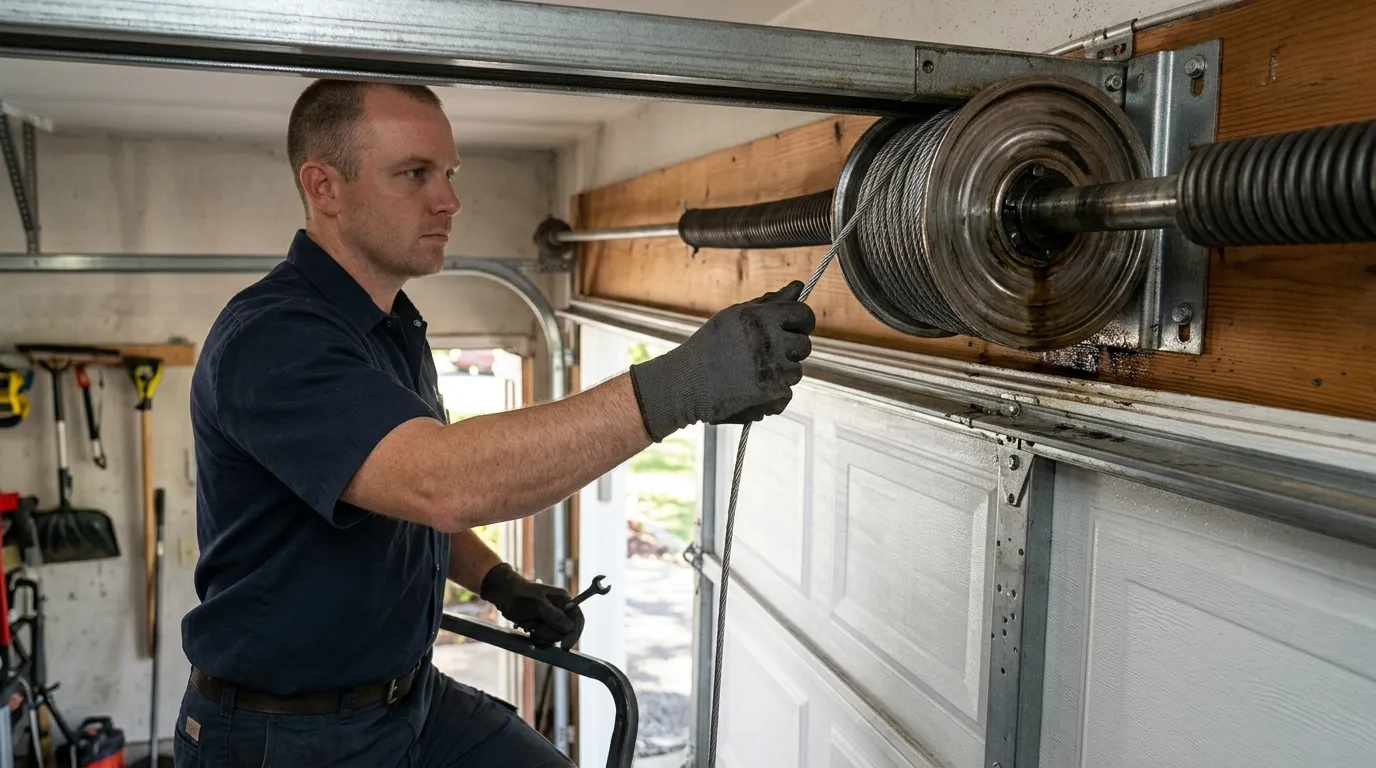
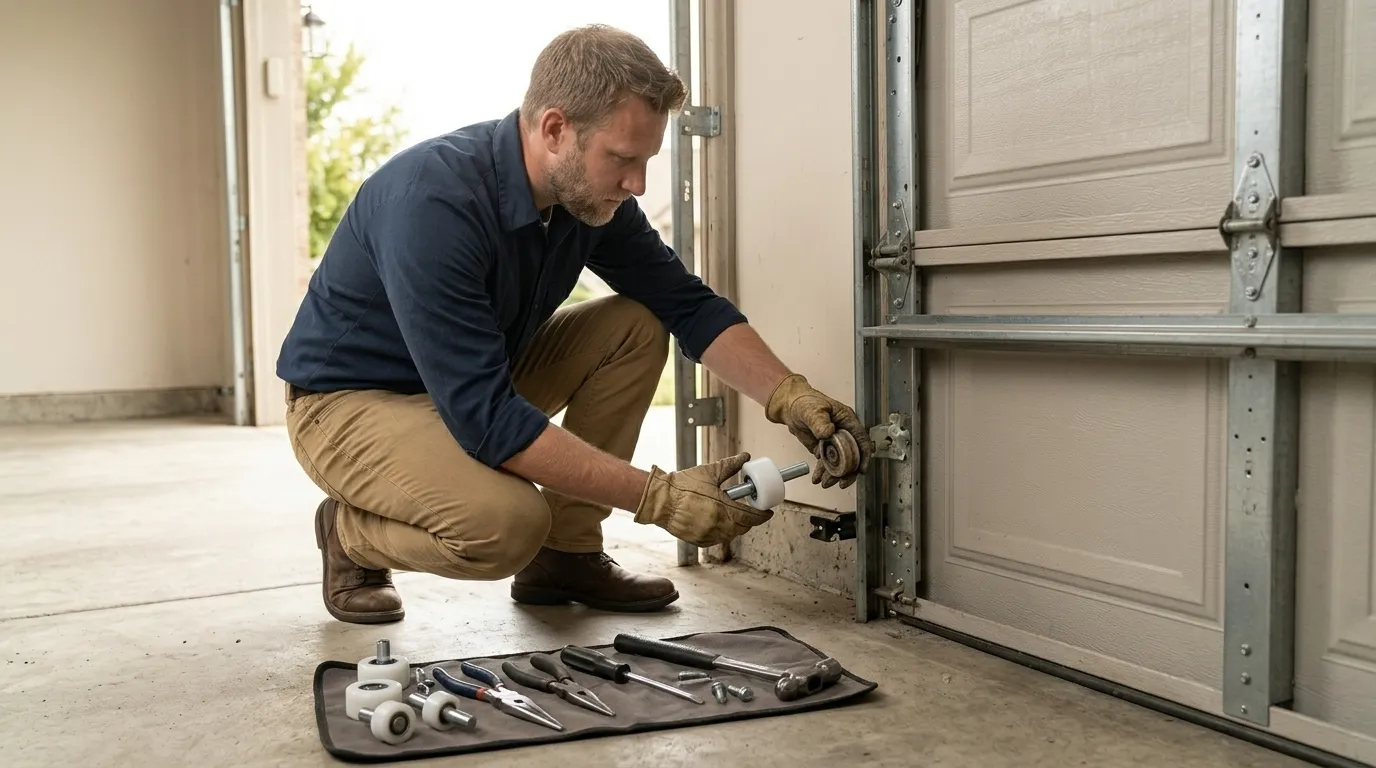
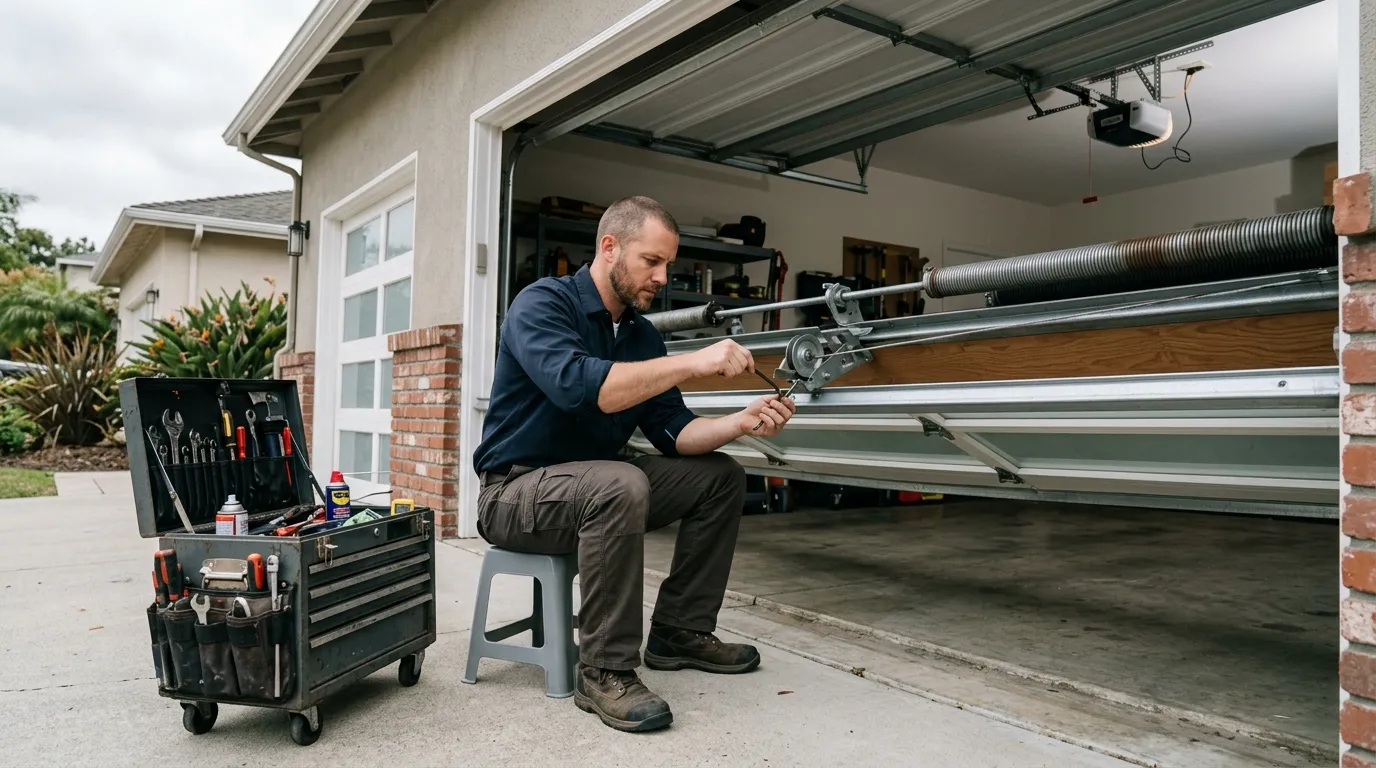
Northlake's housing stock centers on a median build year of 1957, six years earlier than the 1963 median across the wider 62-town area we cover. That six years matters more than it sounds. Doors installed in the late 1950s were almost always steel sectional units on extension springs mounted along the horizontal track, not the torsion setups that became standard through the 1960s and 70s. We still see original jamb brackets and side-mounted spring cones on Northlake garages that never got upgraded, paired with openers added decades later that were never matched to the door weight. The common call here is a frayed extension cable or a bent bottom bracket on a door that's outlived two or three openers already. We also see torsion conversions done at some point in the last thirty years, which is its own category of trouble if the drum size or cable drum was mismatched to the door when it was swapped. Either way, the fix starts with figuring out which era of hardware you actually have, because parts for a 1957 door and parts for a 1975 door aren't interchangeable, even on the same street.
What That Means for Doors
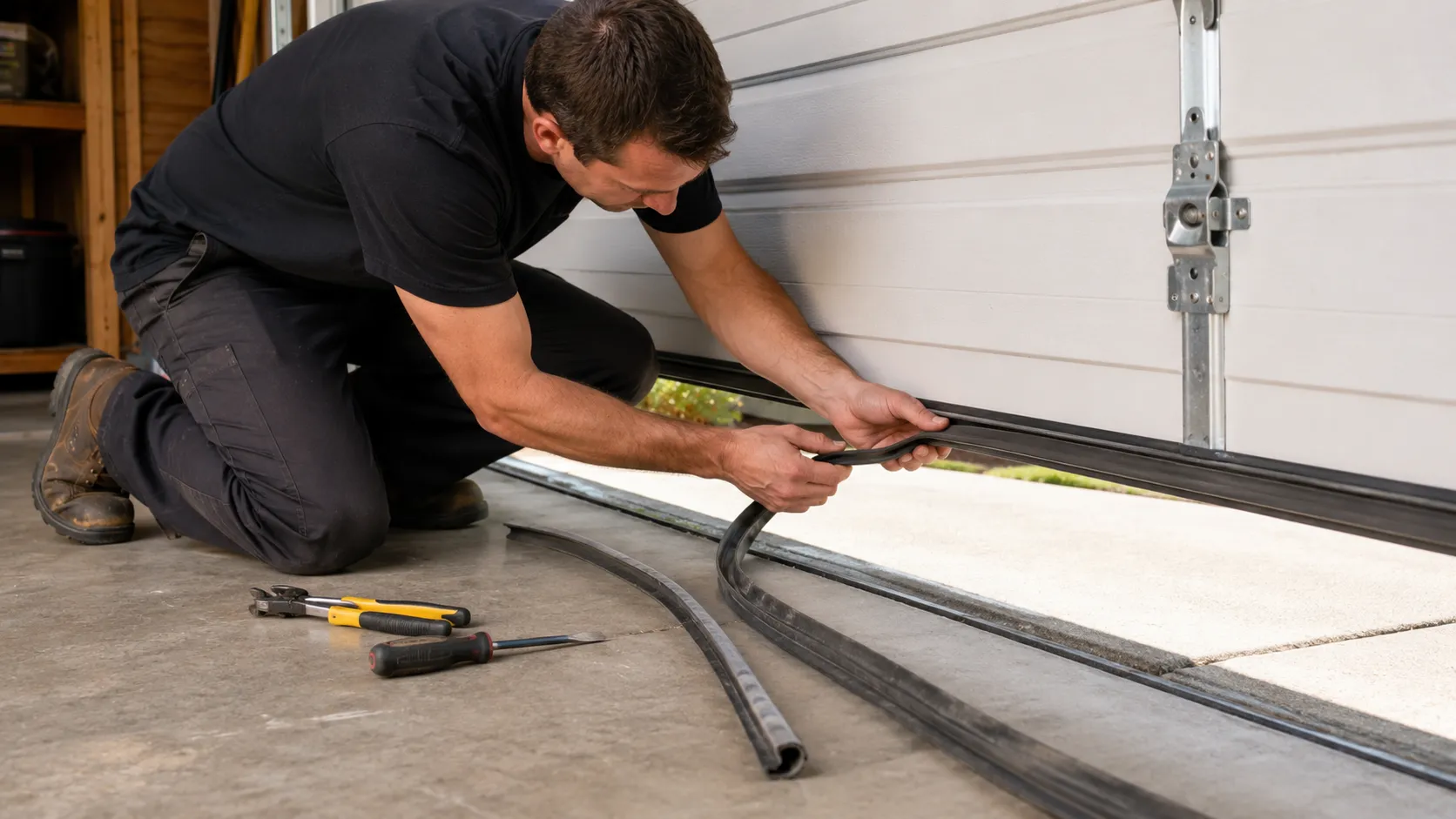
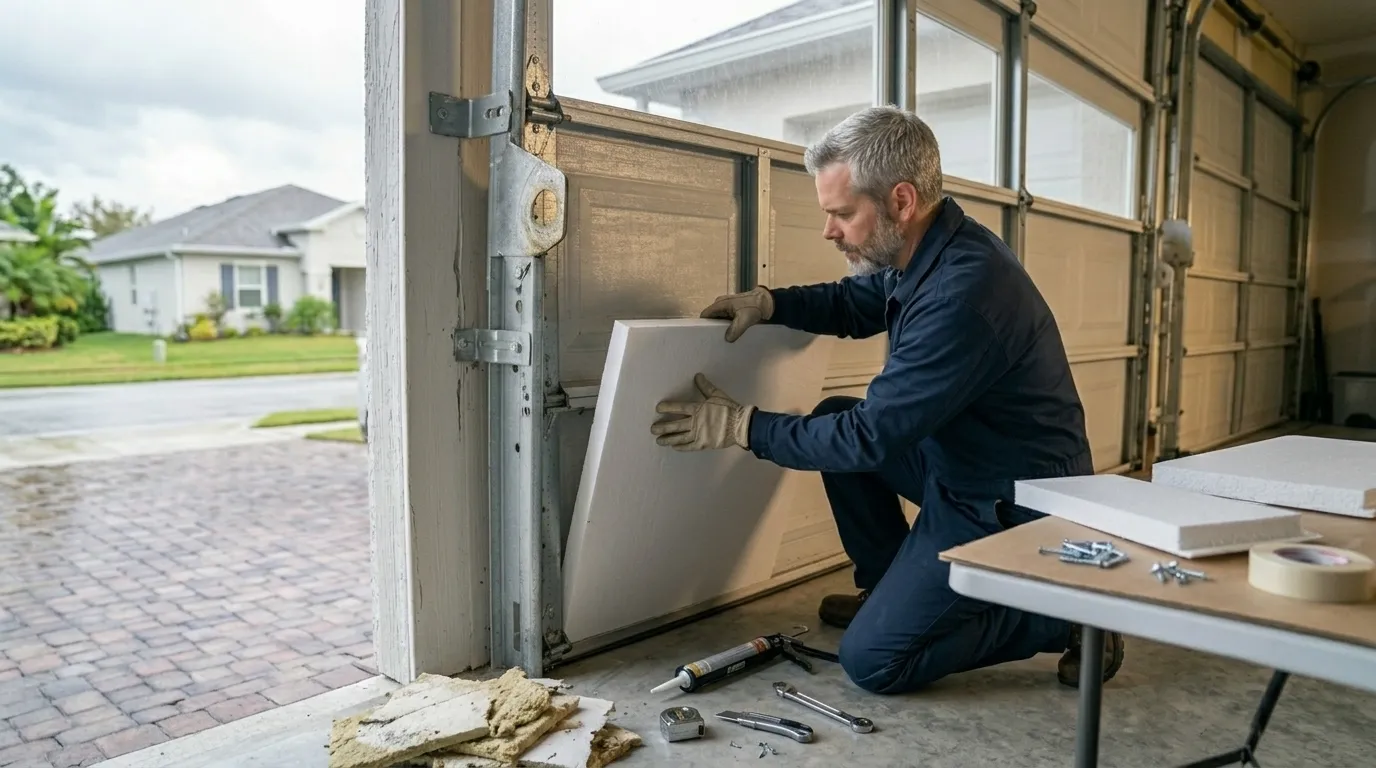
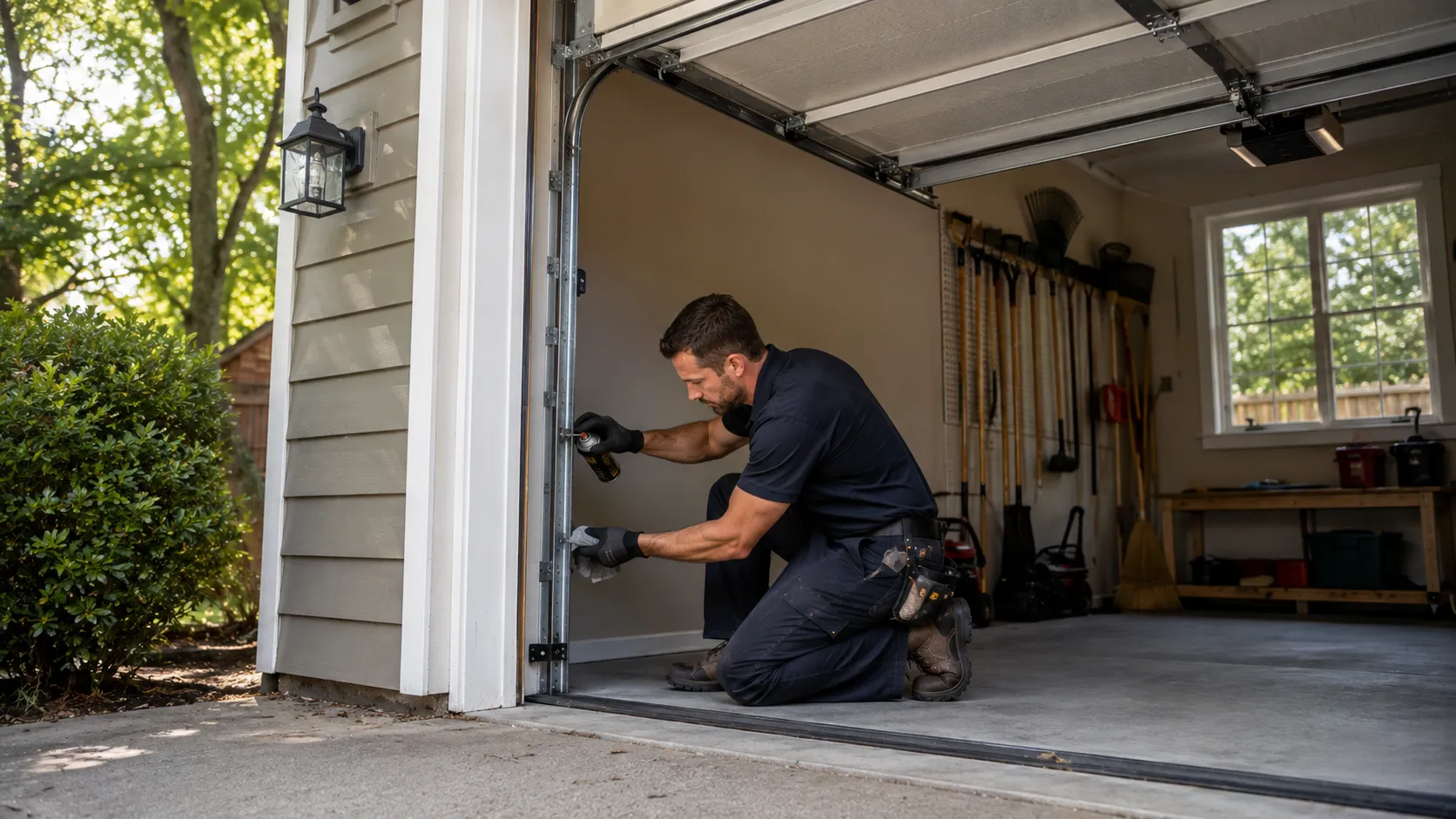
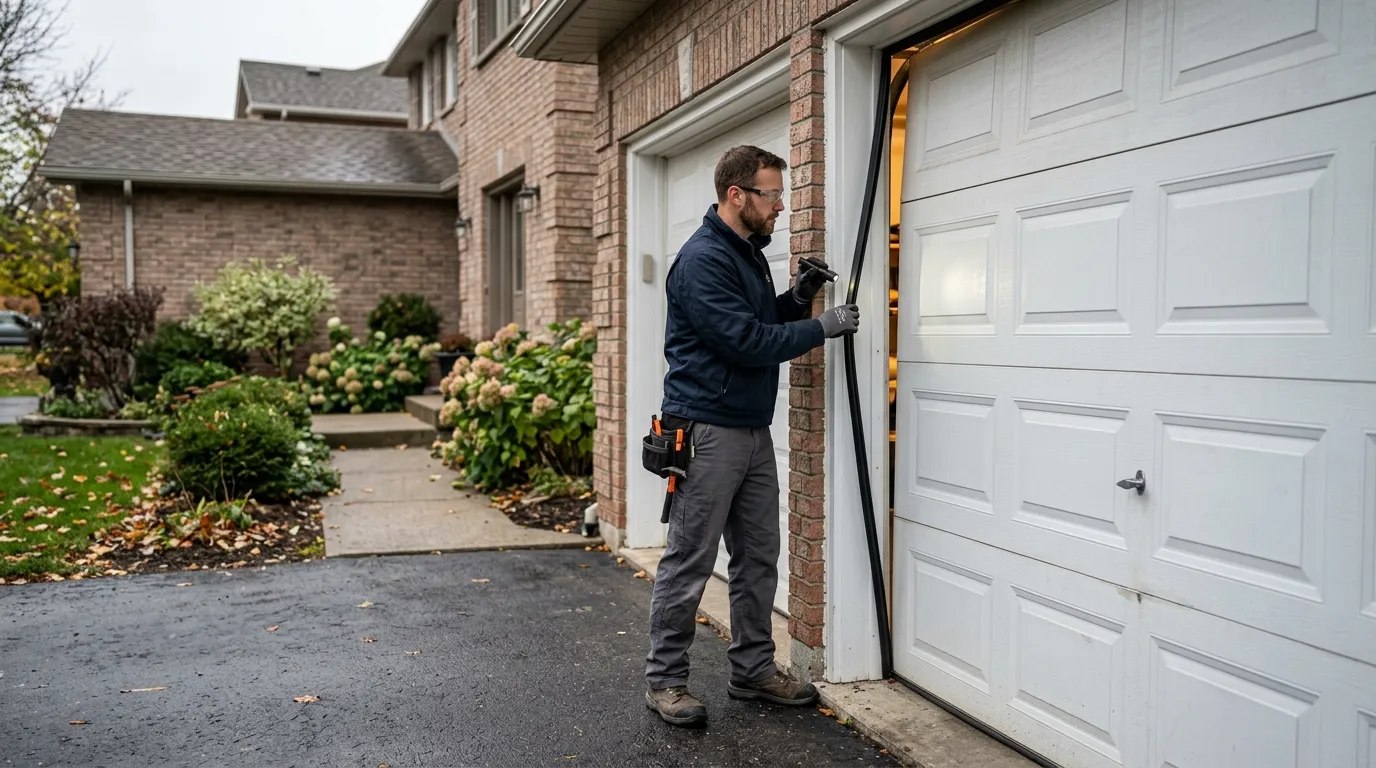
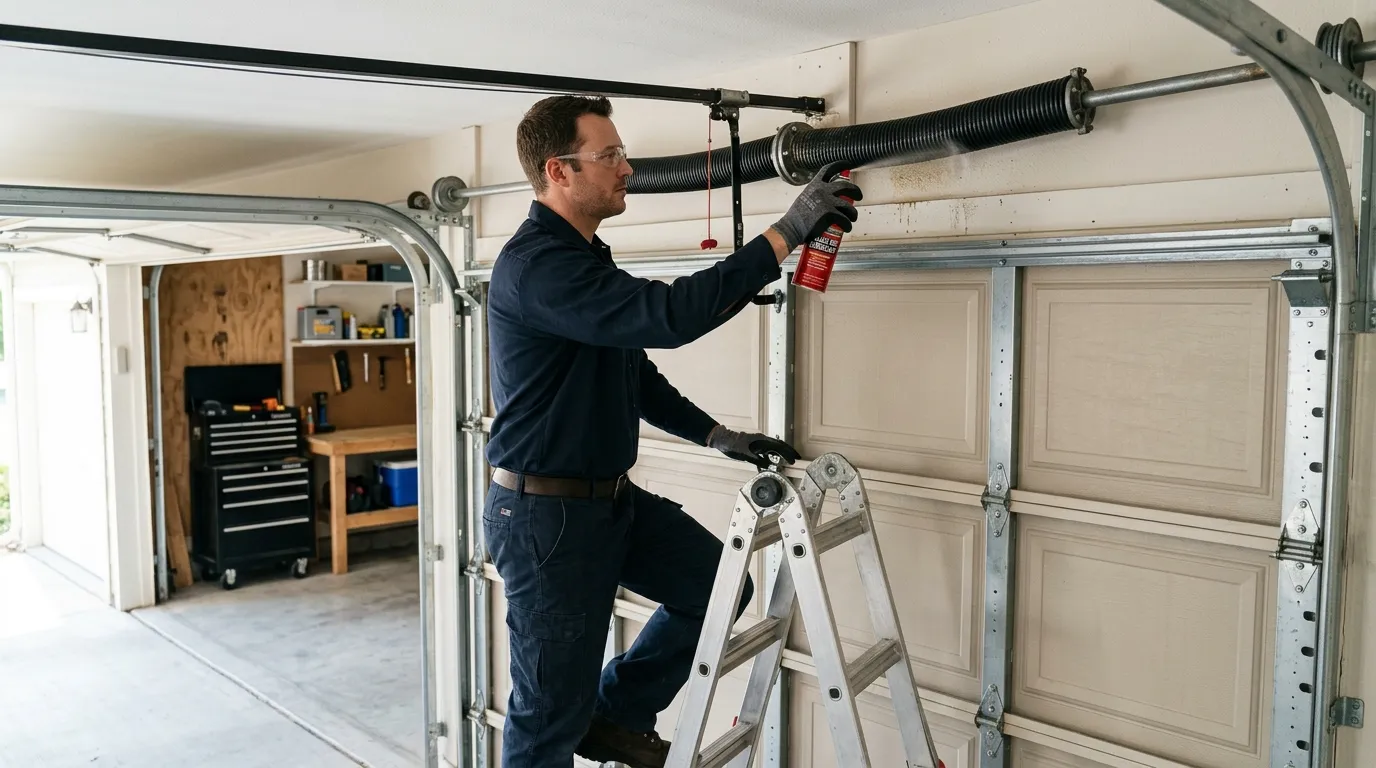
This region sits in a cold, moderate climate band, which for a door built the way Northlake's older stock was built means the garage was never designed to be conditioned space. Original steel panels from the late 1950s often have no insulation core at all, just a single skin, and over sixty-plus winters the seams and bottom seals on those panels give out well before the actual door dies. Extension springs on older tracks also lose tension unevenly - one side sags faster than the other - which shows up as a door that runs crooked in the track and chews through rollers on one rail. On torsion conversions done later, the failure point tends to be the opposite problem: a spring sized for a newer, heavier insulated door installed on an old lightweight panel, which strains the opener gears instead. Knowing which failure mode you're looking at before opening the door up saves a wasted trip.
Where We Stop
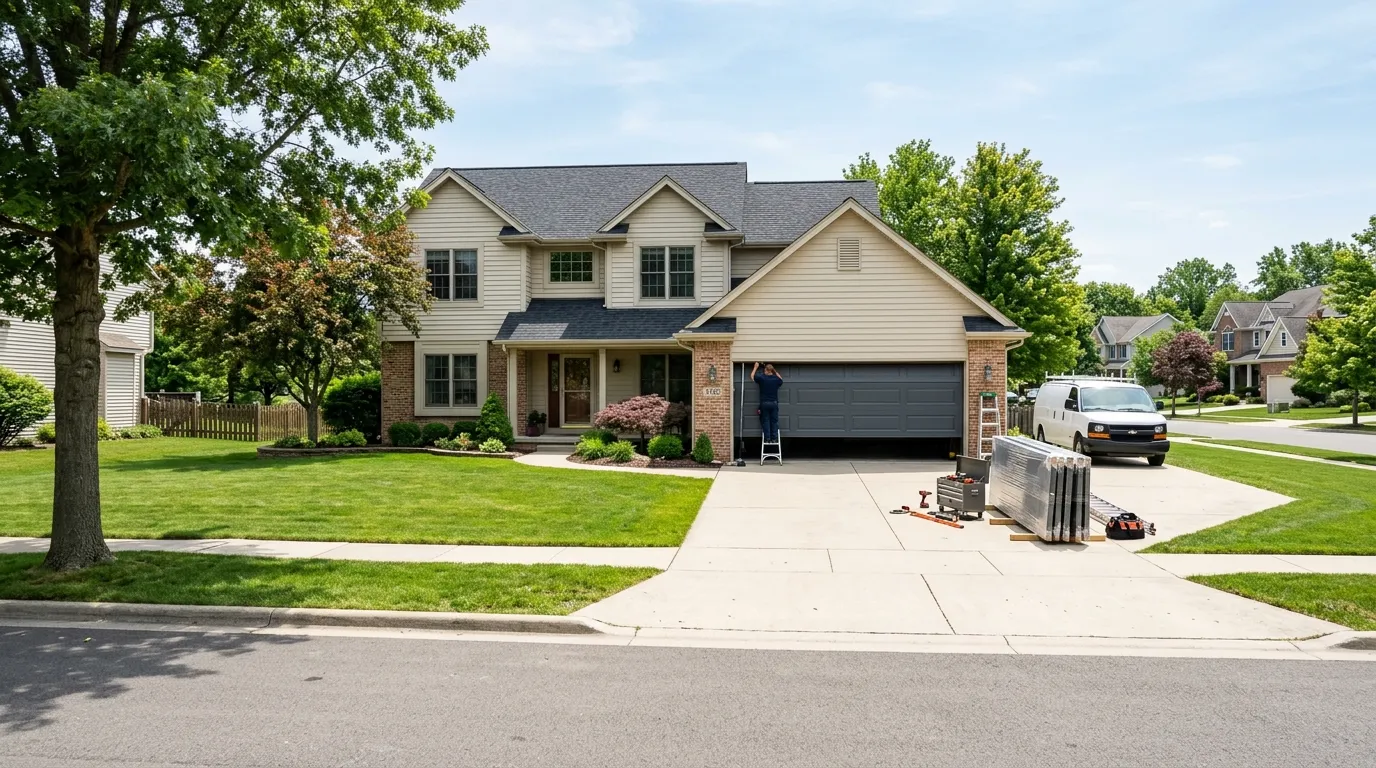
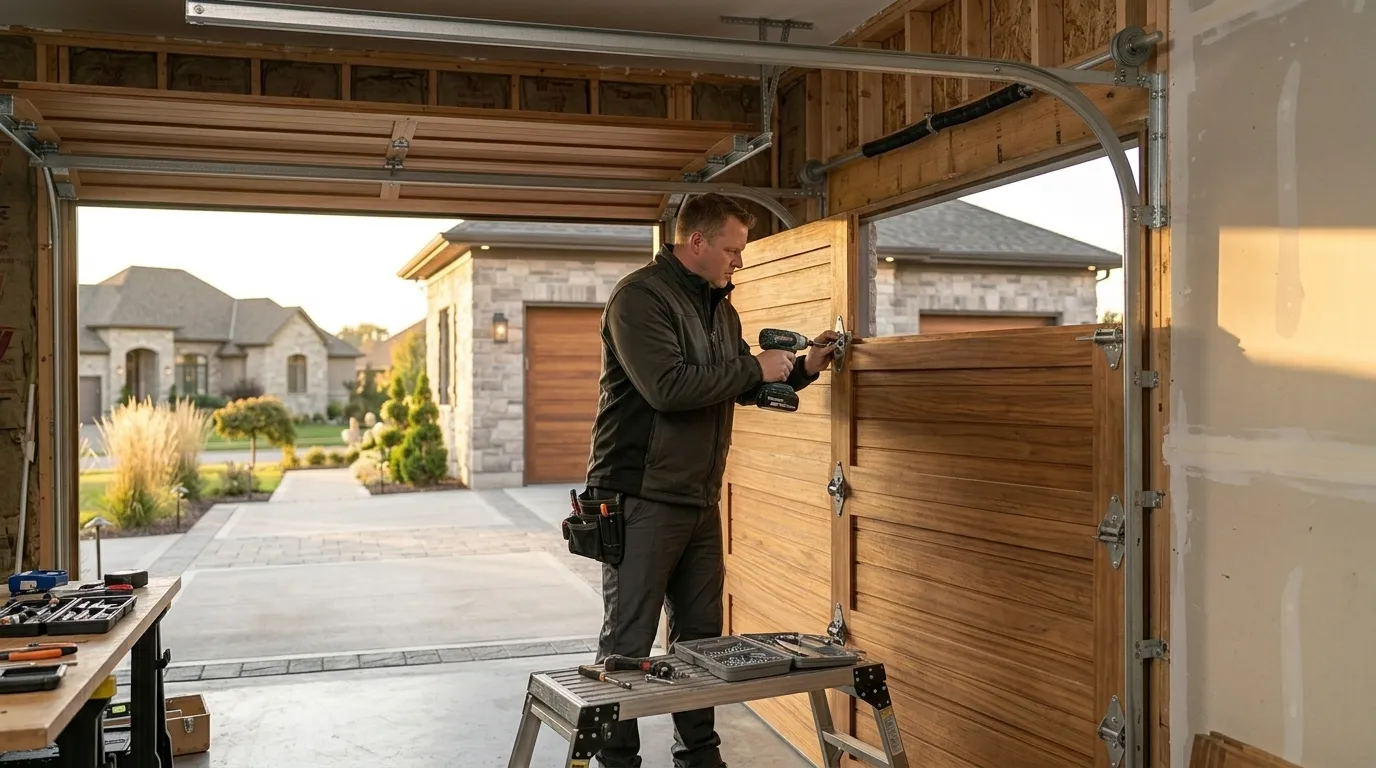
We don't keep a truck or a yard in Northlake - every job starts with the 11-mile drive from Morton Grove, and that means we can't promise the fastest possible response on a Sunday night spring break. We also won't try to force a 1957-era track to accept a modern heavy insulated door without reworking the jambs first; if the opening geometry doesn't match what the new door needs, that's carpentry and framing work outside a door repair, and we'll say so instead of jury-rigging it. Custom wood or carriage-style doors built to a specific look are also outside what we stock and quote fast - those go to a longer order lead time no matter who does the install. If a door's frame or header has rotted from decades of a failed weather seal, that's a repair for someone who does structural work first, and we'll tell you that rather than bolt new hardware to a bad frame.