The Usual Work Here
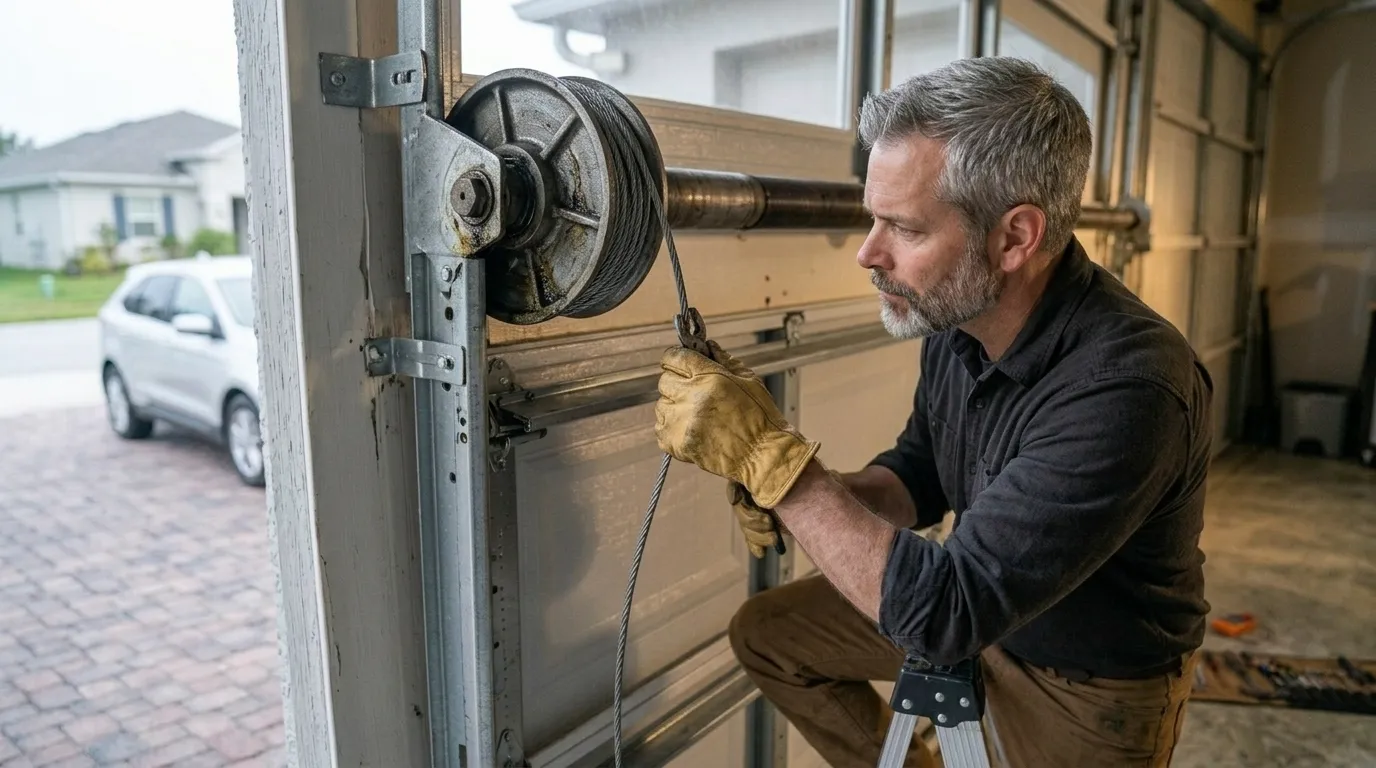
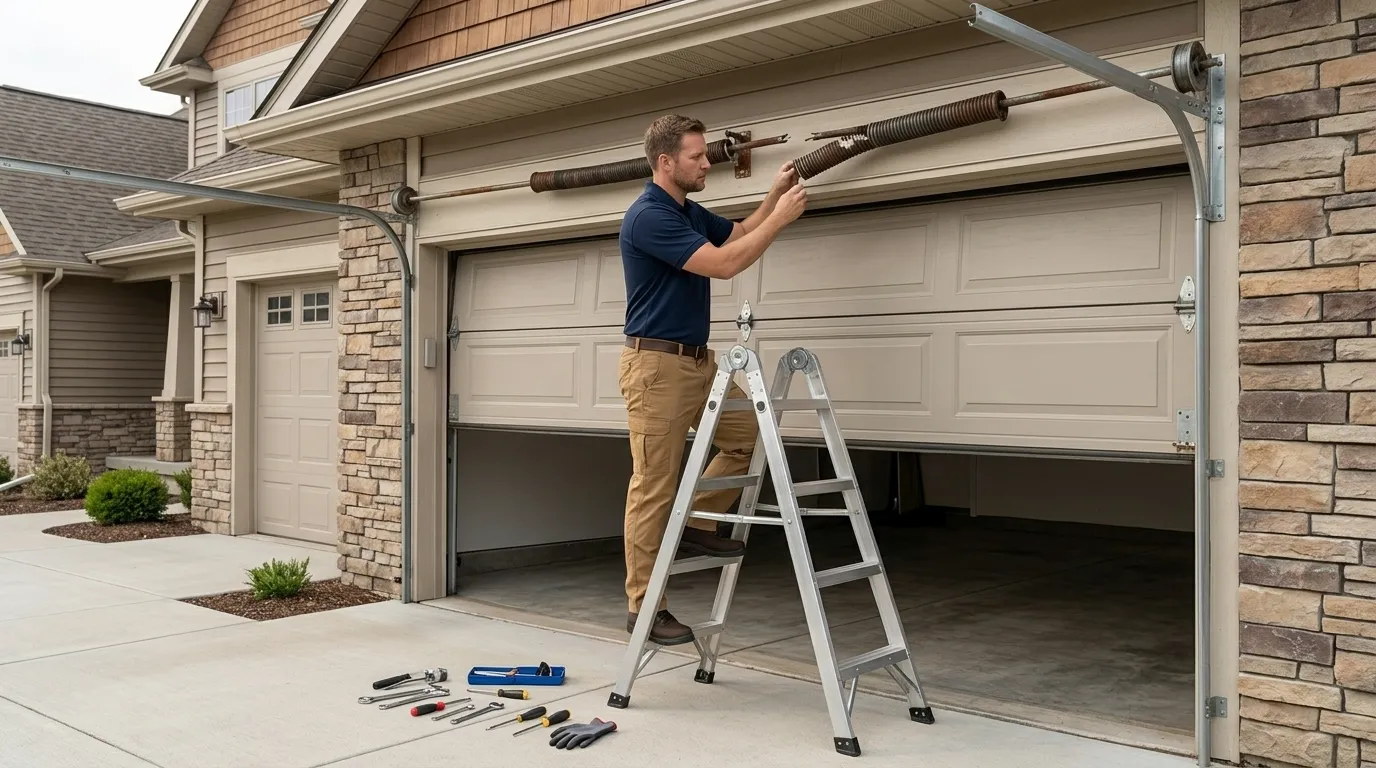
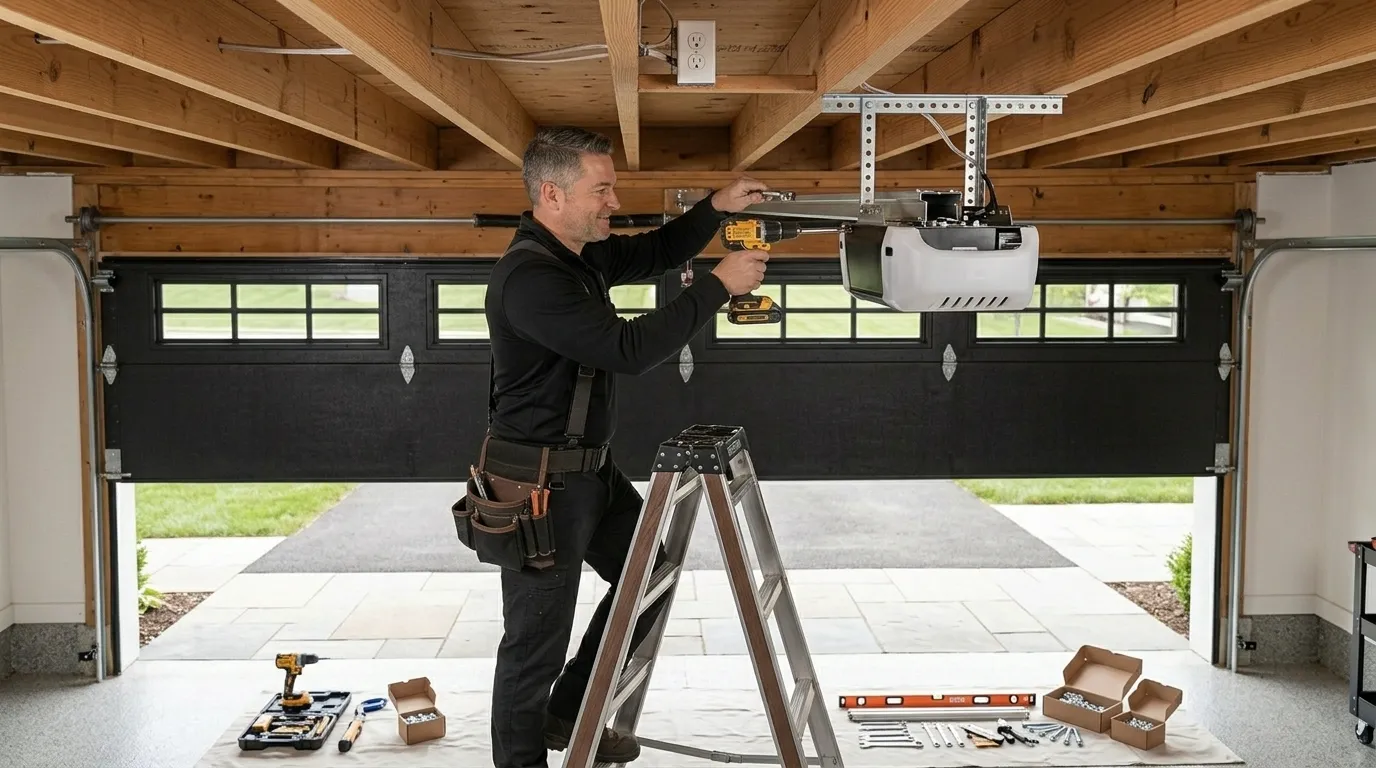
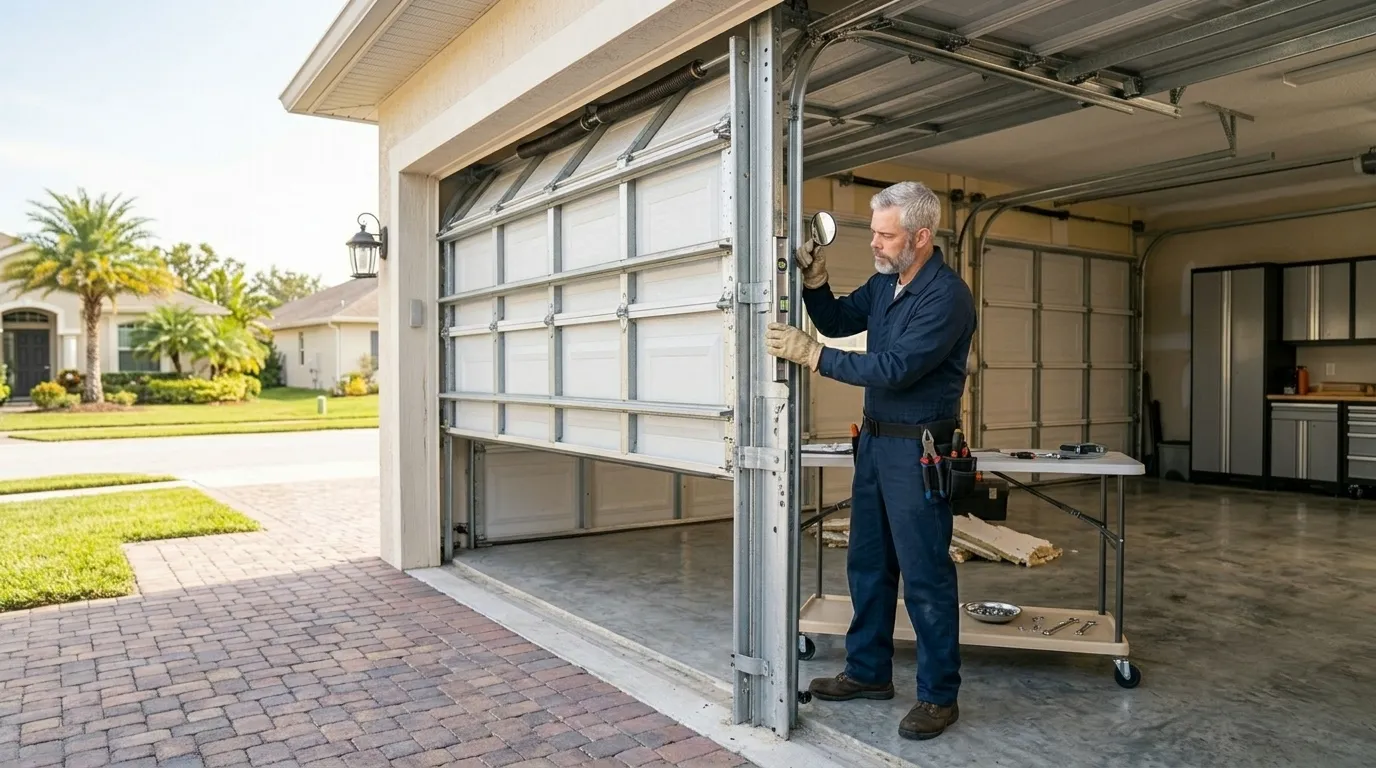
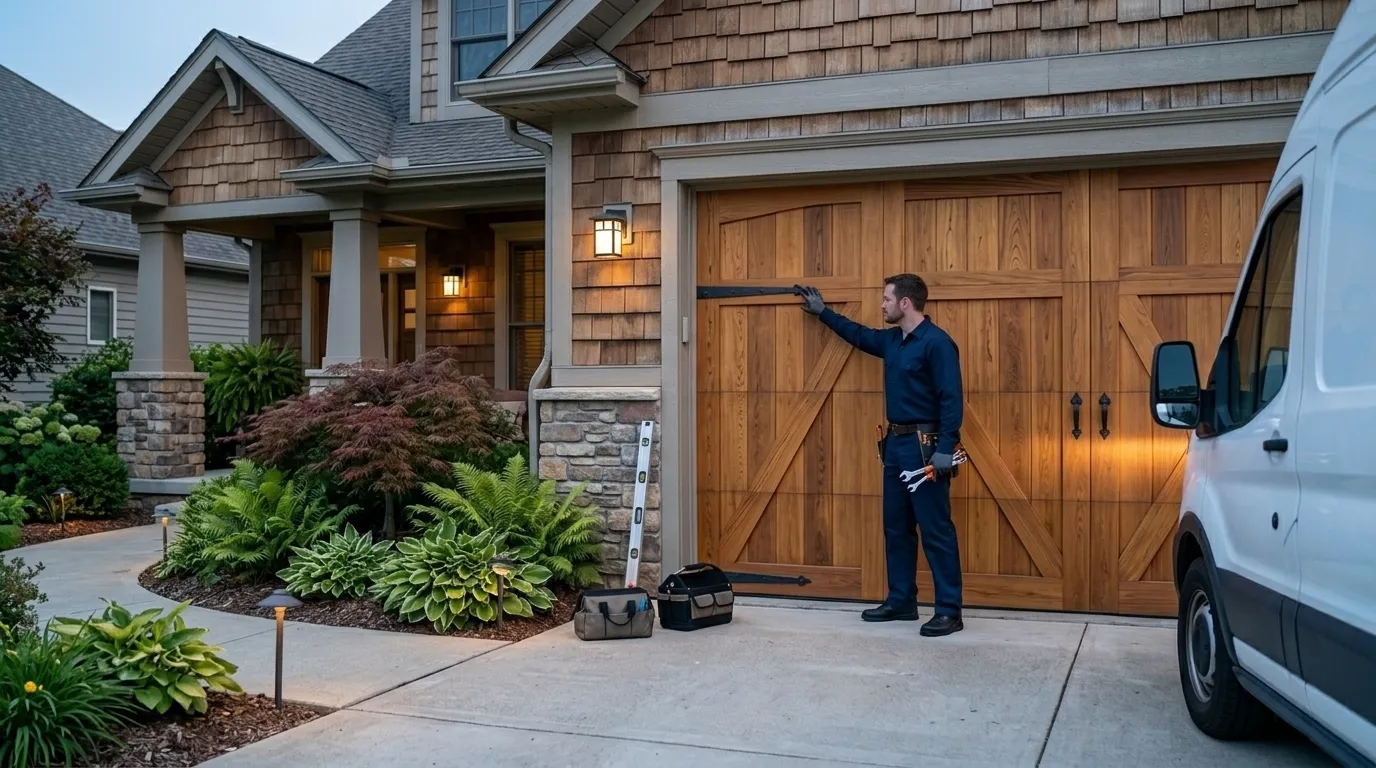
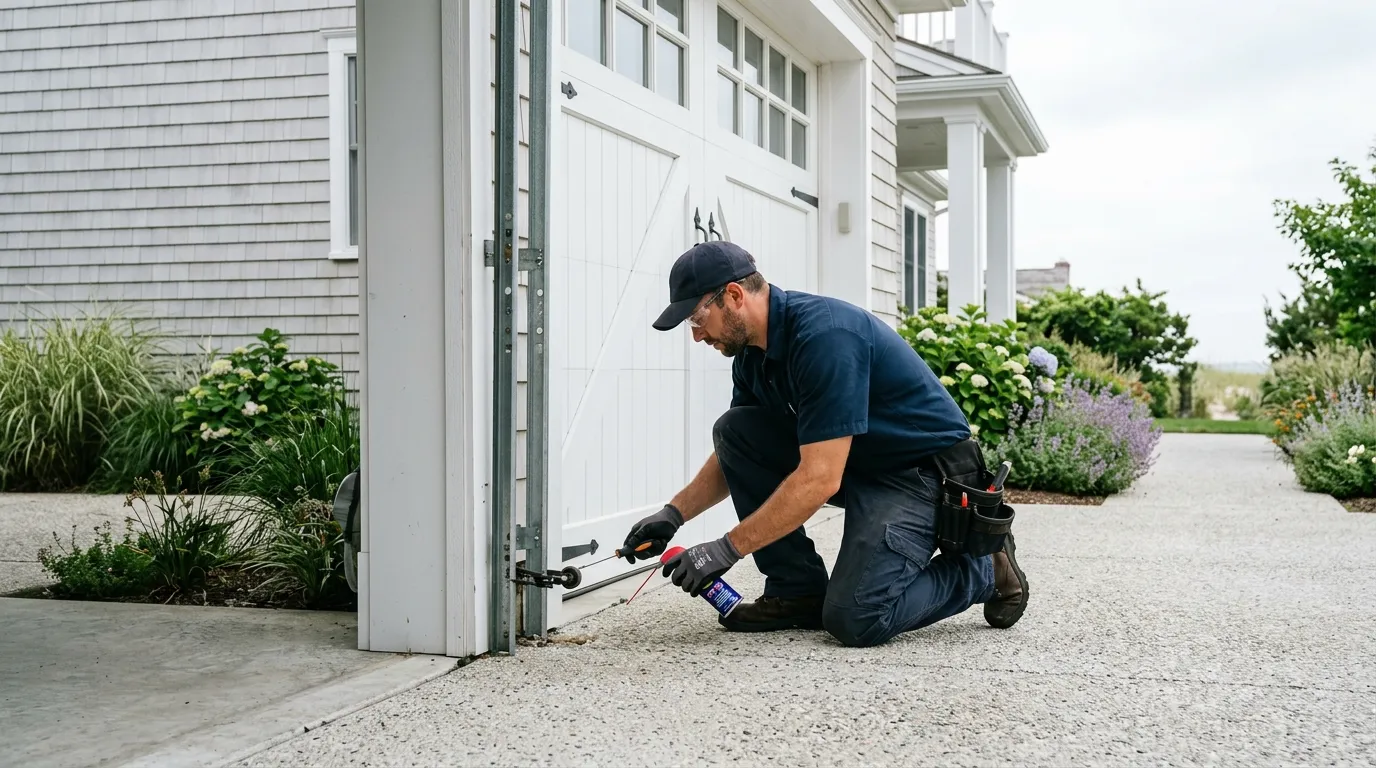
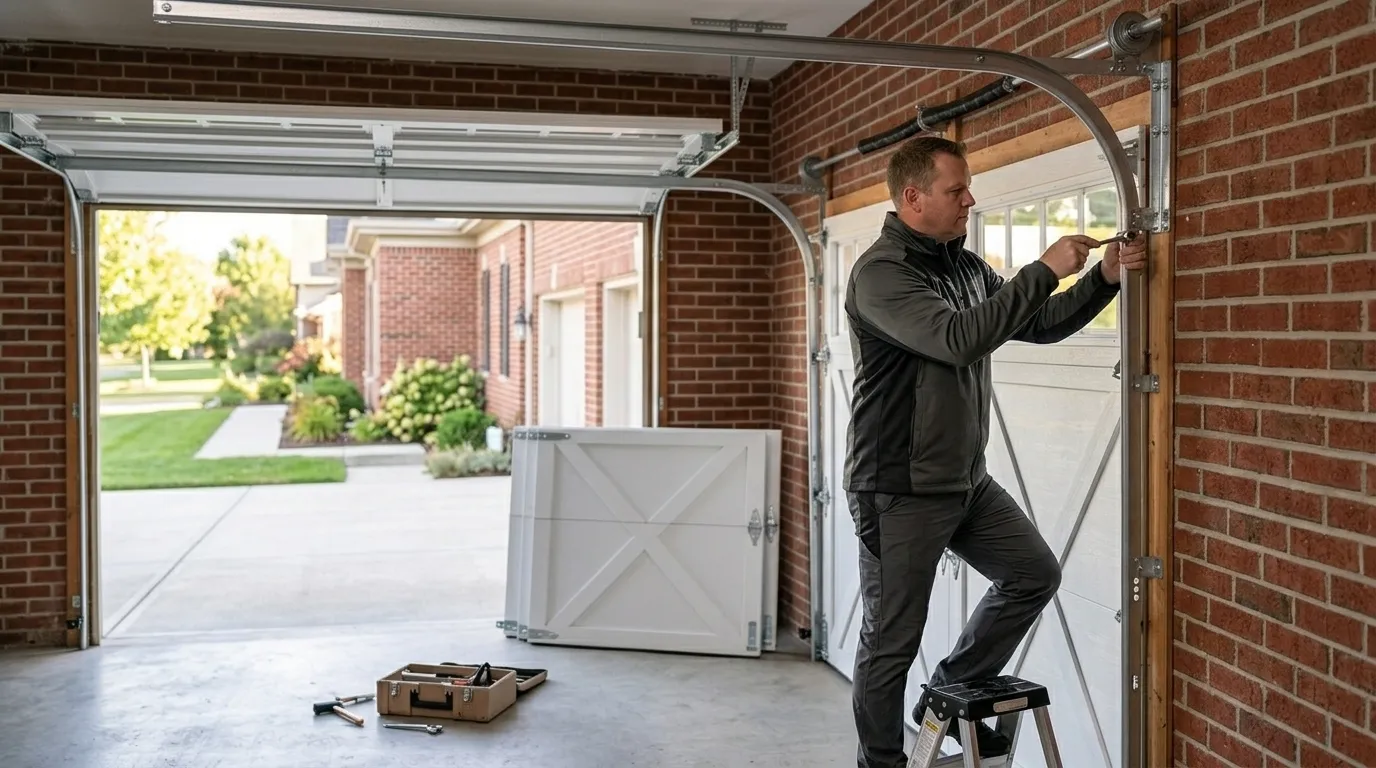
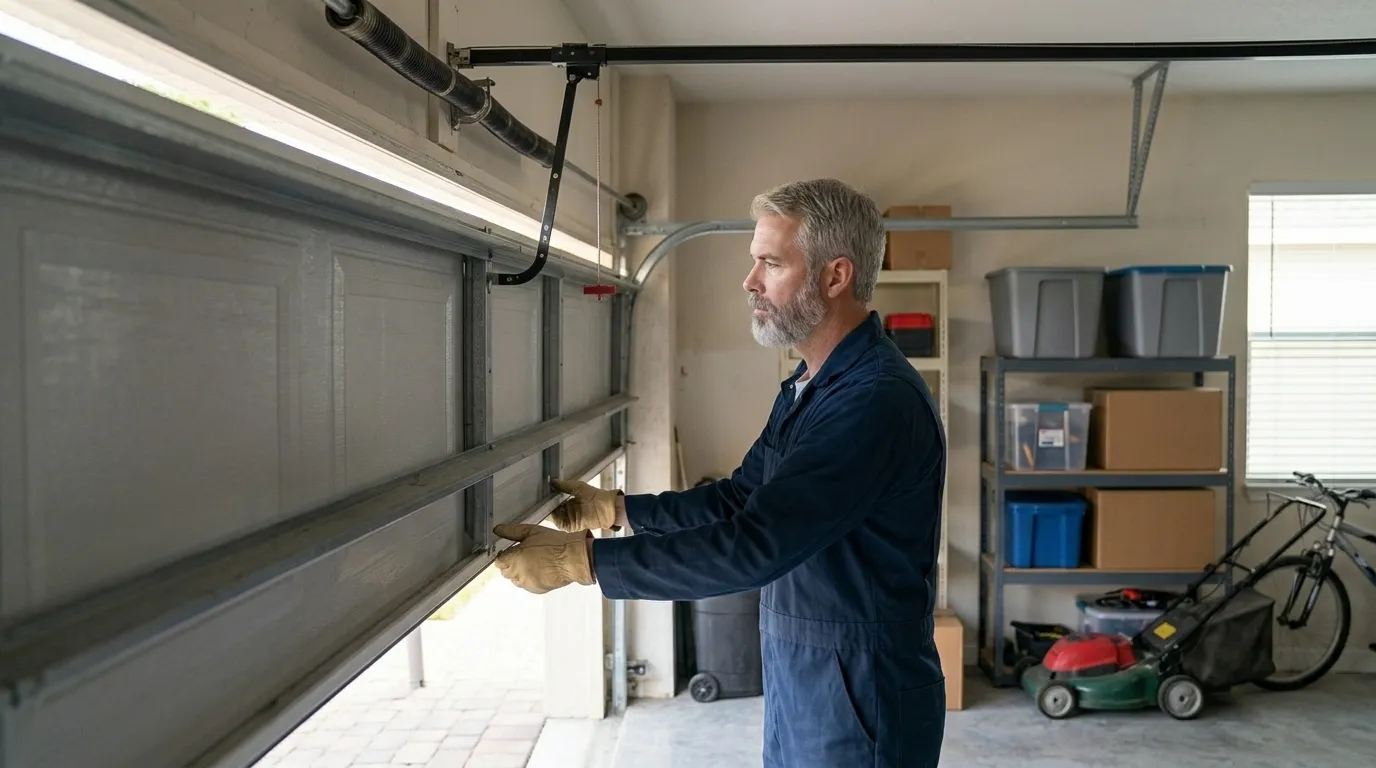
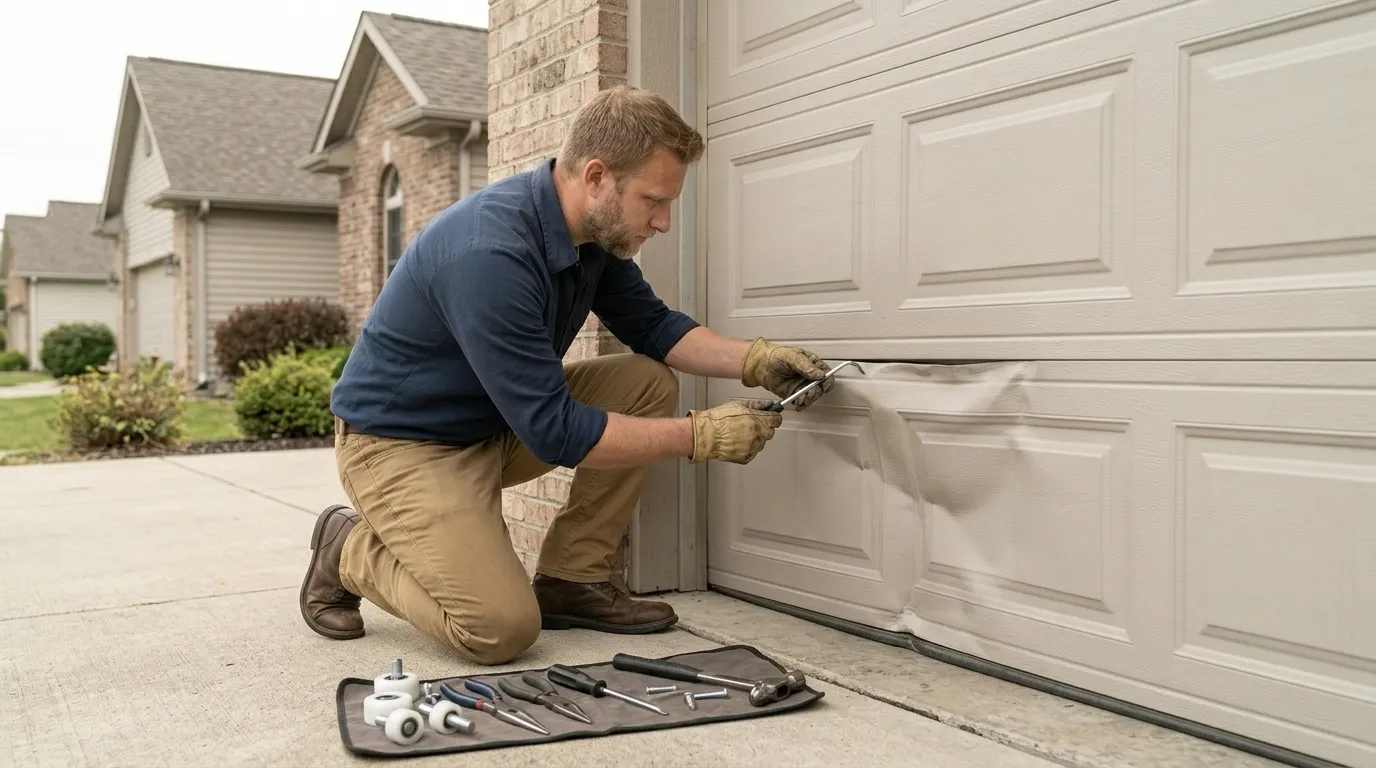
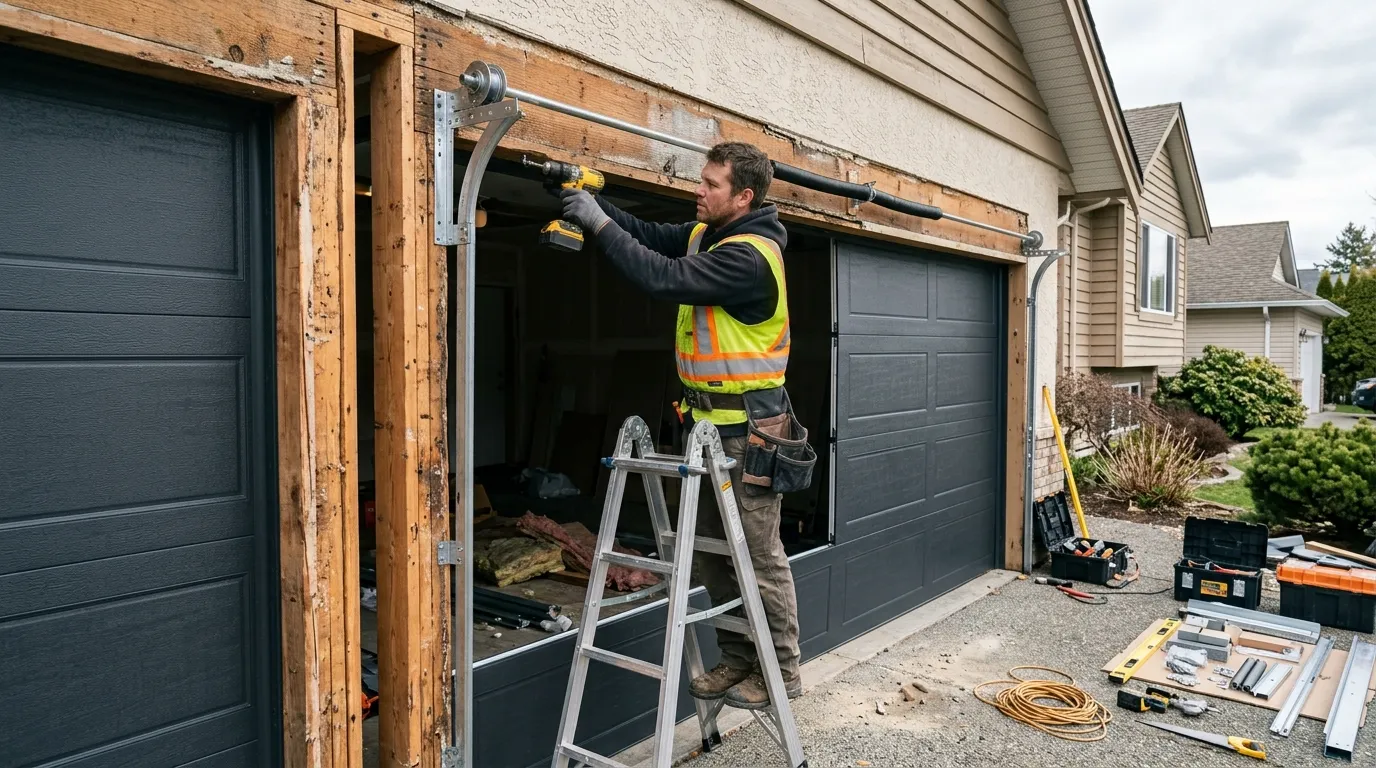
Most of the calls we take in Oak Brook trace back to one number: 1978. That's the median build year here, a good decade and a half newer than the 1963 median across the rest of our coverage area. Homes from that era came with torsion-spring setups as standard rather than the older extension-spring rigs we still see on pre-1960s houses elsewhere. That's good news in one way - torsion hardware is more predictable to service - but these springs are now 40-plus years into a part rated for a finite number of cycles, and a lot of them are original. We get calls for snapped torsion springs, worn rollers on steel sectional doors, and openers that are on their second or third motor since the house was built. With household income here running well above the wider area's median ($171,123 versus $105,995 across our service area), we also see more owners upgrading to quieter belt-drive openers and better-insulated panels rather than patching the original setup.
What That Means for Doors
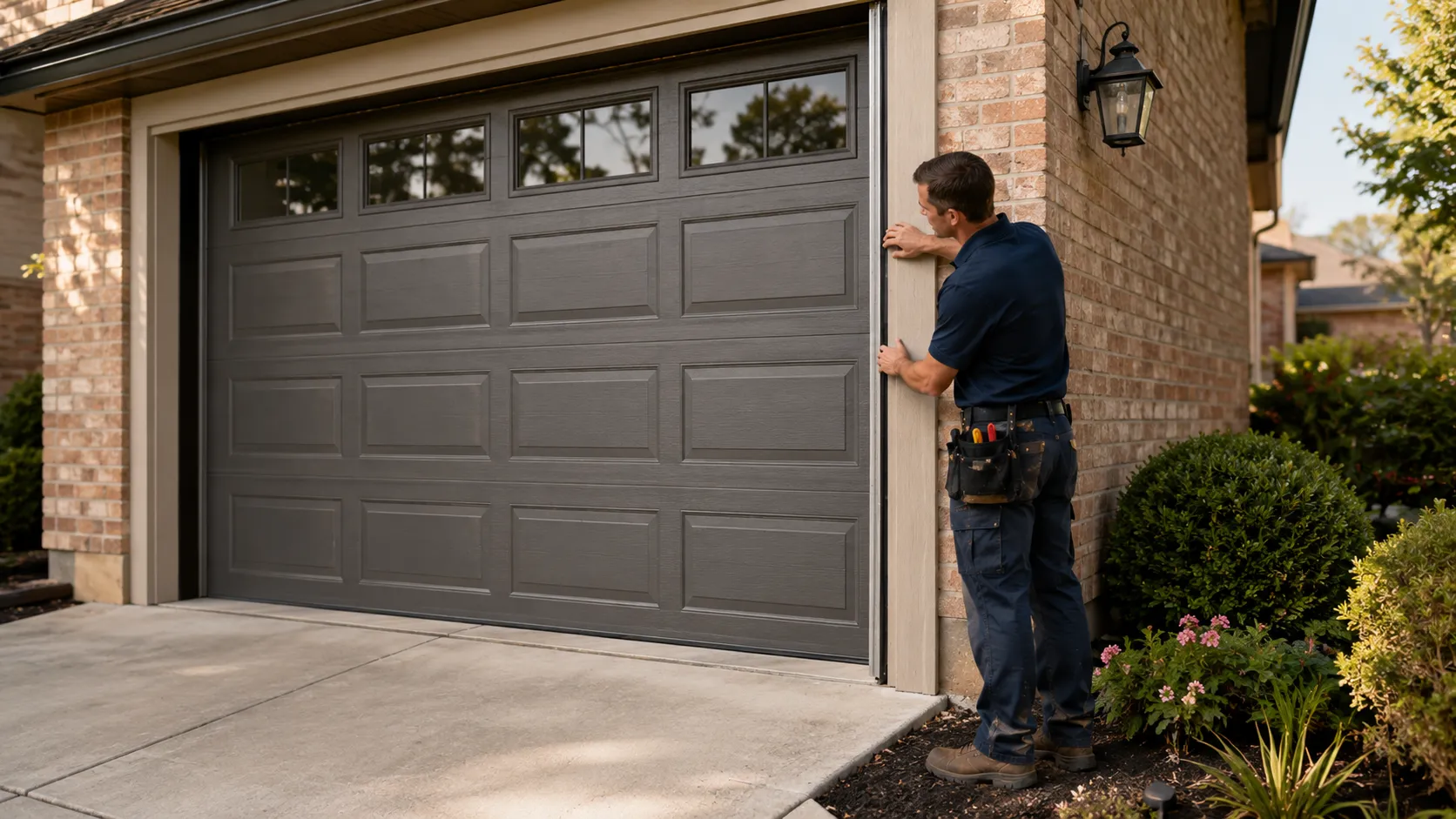
A door built or installed around 1978 was engineered for a colder, more moderate climate band than today's insulation codes call for, which is the band this whole region sits in. Steel sectional doors from that period often have single-layer or lightly insulated panels, and the weatherstripping is usually the first thing to fail - you'll feel it as a draft along the bottom seal or see daylight at the corners. Torsion springs from the late '70s and '80s were sized for lighter doors than the insulated replacements many owners install today, so a straight panel swap without a spring recalculation is a common cause of a door that won't stay up or slams down too fast. Openers from that generation, where they haven't already been replaced, usually lack the modern safety reversal sensors required now, which by itself is reason enough to swap the unit rather than repair it.
Where We Stop
We're honest about the drive: Oak Brook sits about 16 miles from our shop in Morton Grove, and we don't keep a depot or stock out here, so we bring what the job calls for based on what you tell us on the call. If a part turns out to be unusual - an odd-width torsion spring or a discontinued opener logic board from an install nobody remembers - that can mean a second trip. We don't do full custom architectural door fabrication, and if your door's problem is really a foundation or framing issue rather than the door itself, we'll say so rather than bolt hardware onto a bad opening. On a door with a badly rusted track or a cracked panel from this era, we'll usually tell you straight that replacement costs less over time than another repair.