The Usual Work Here
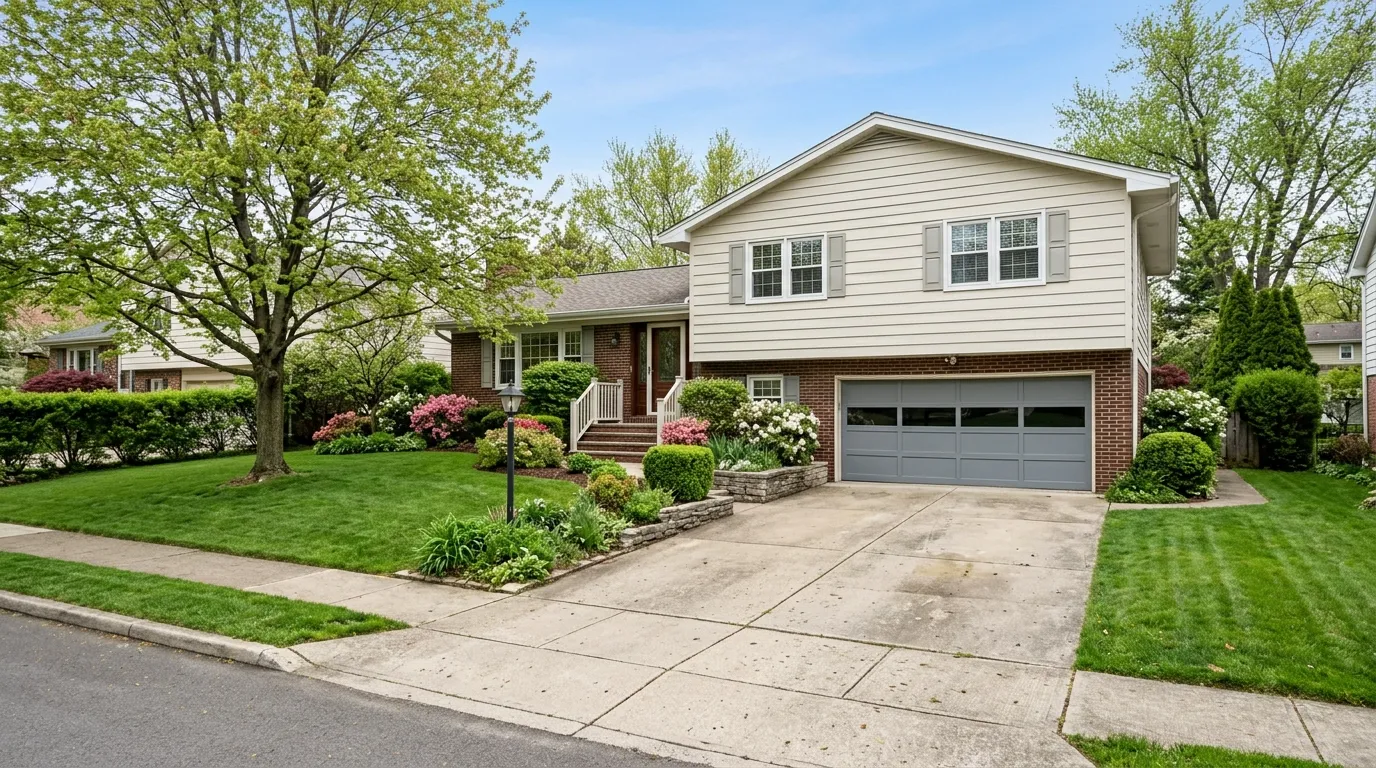
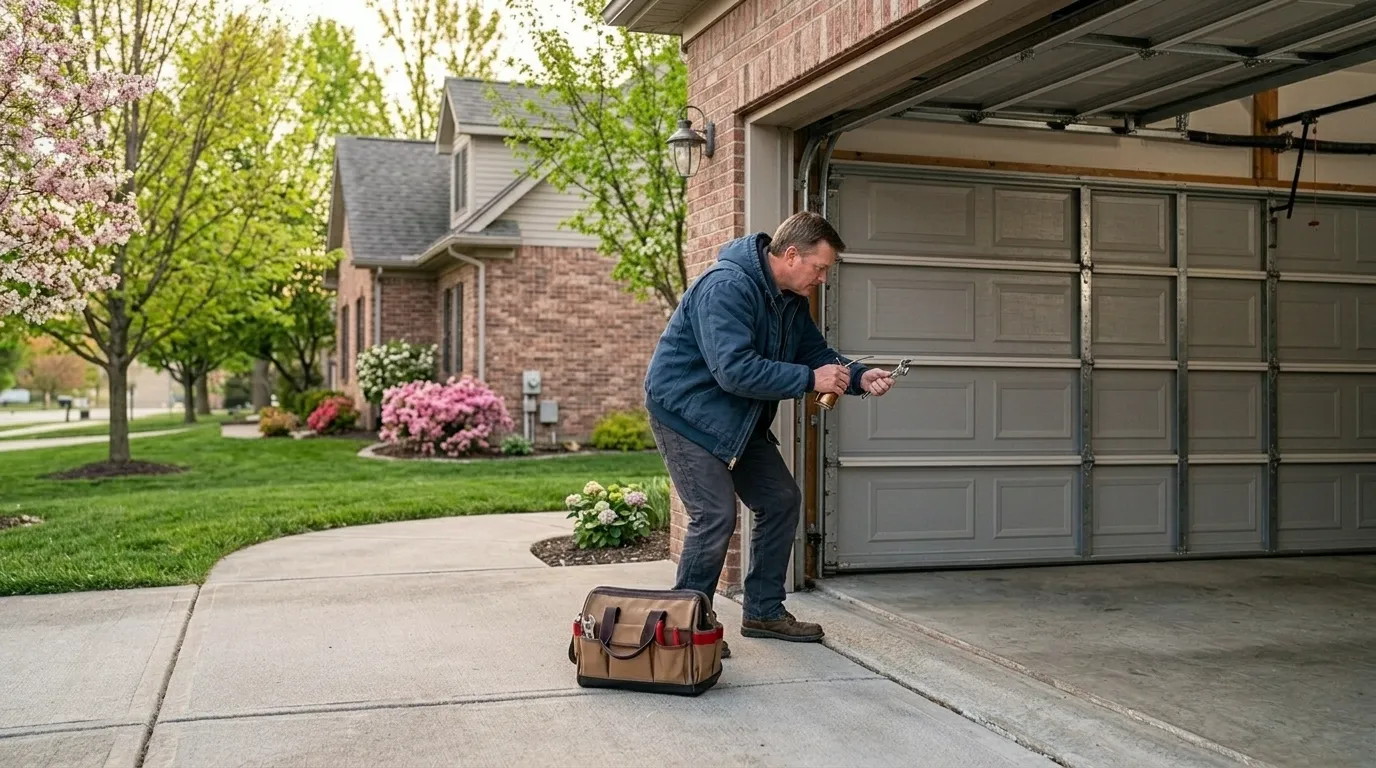
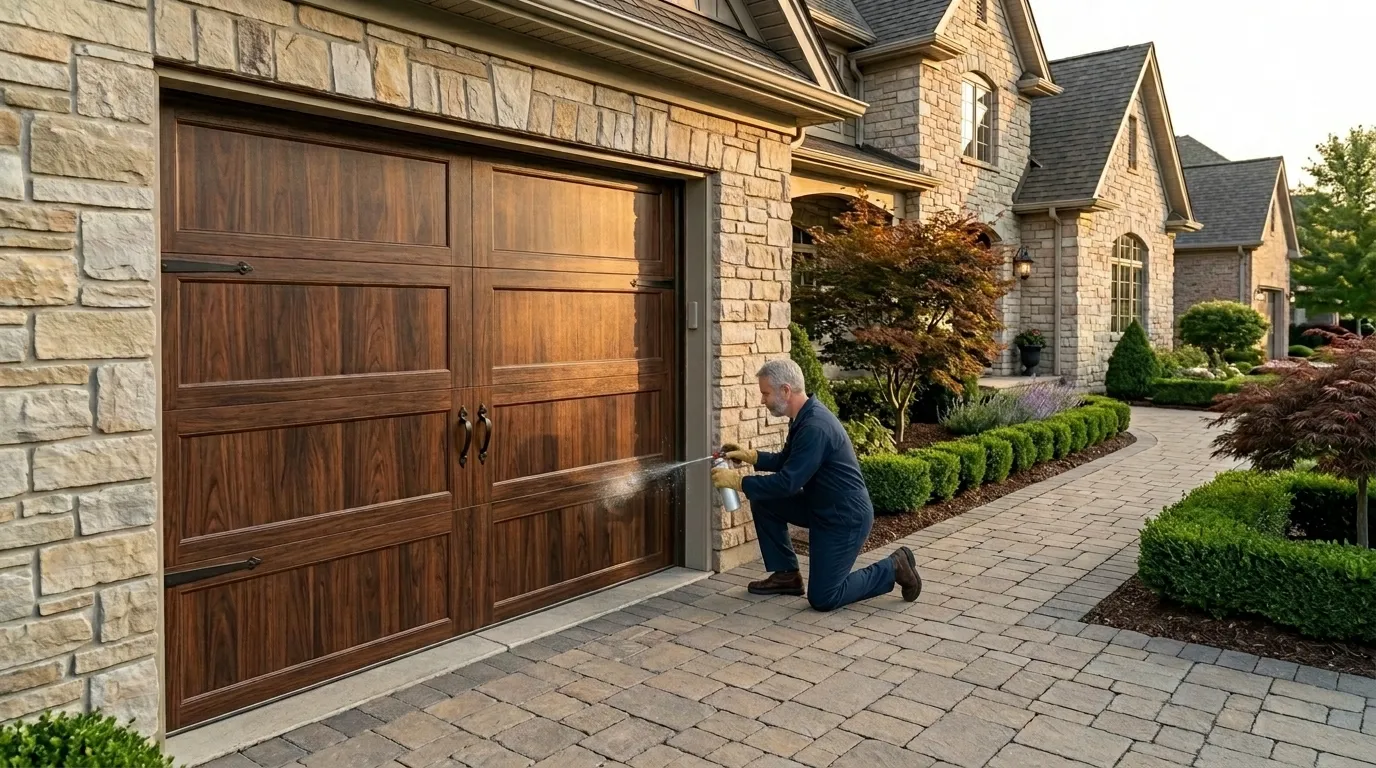
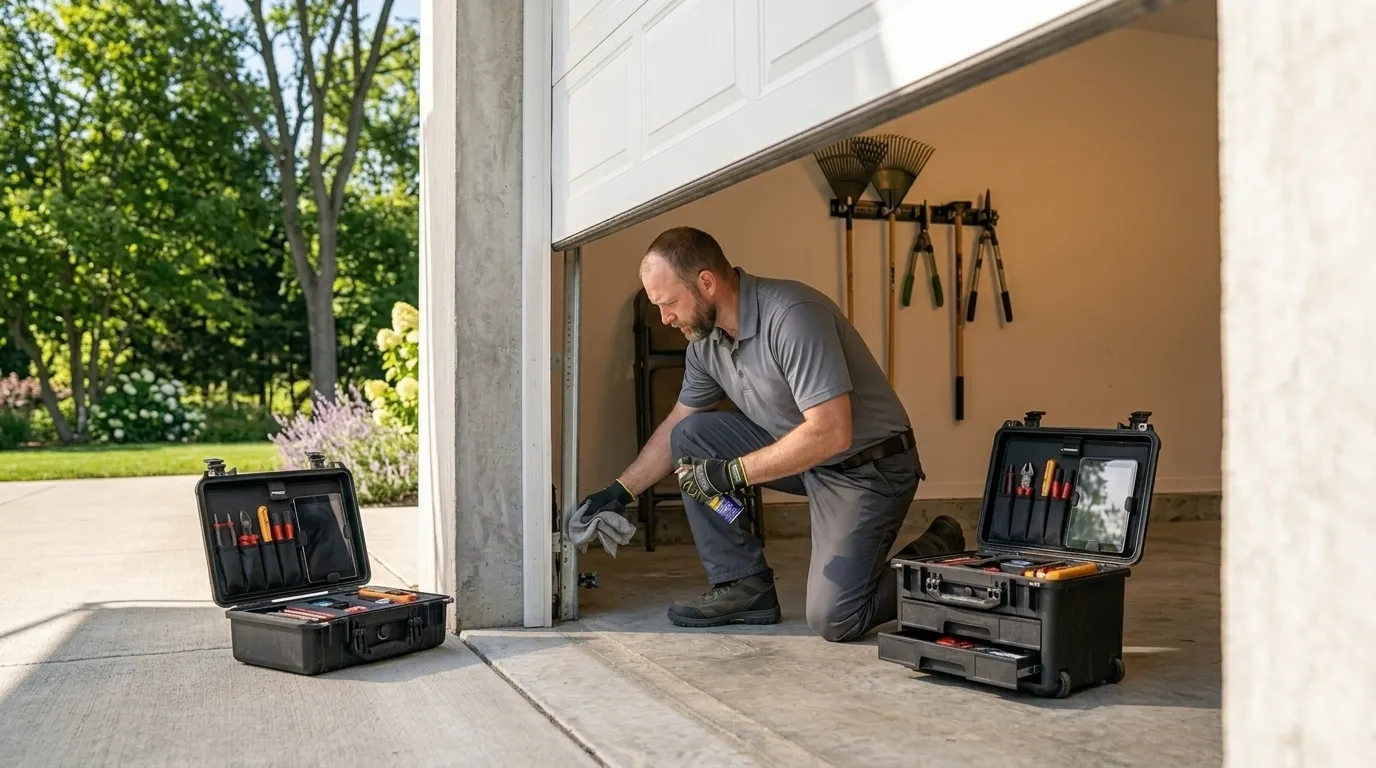
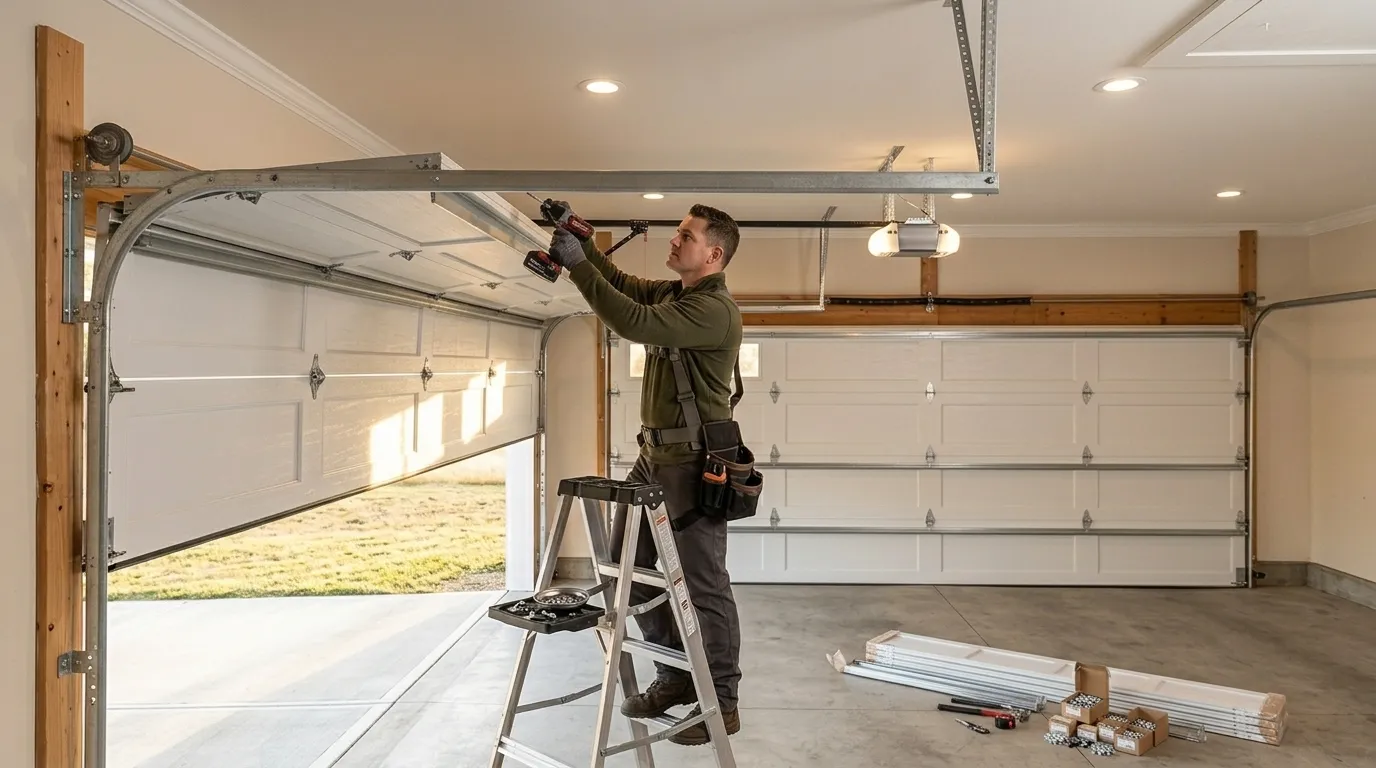
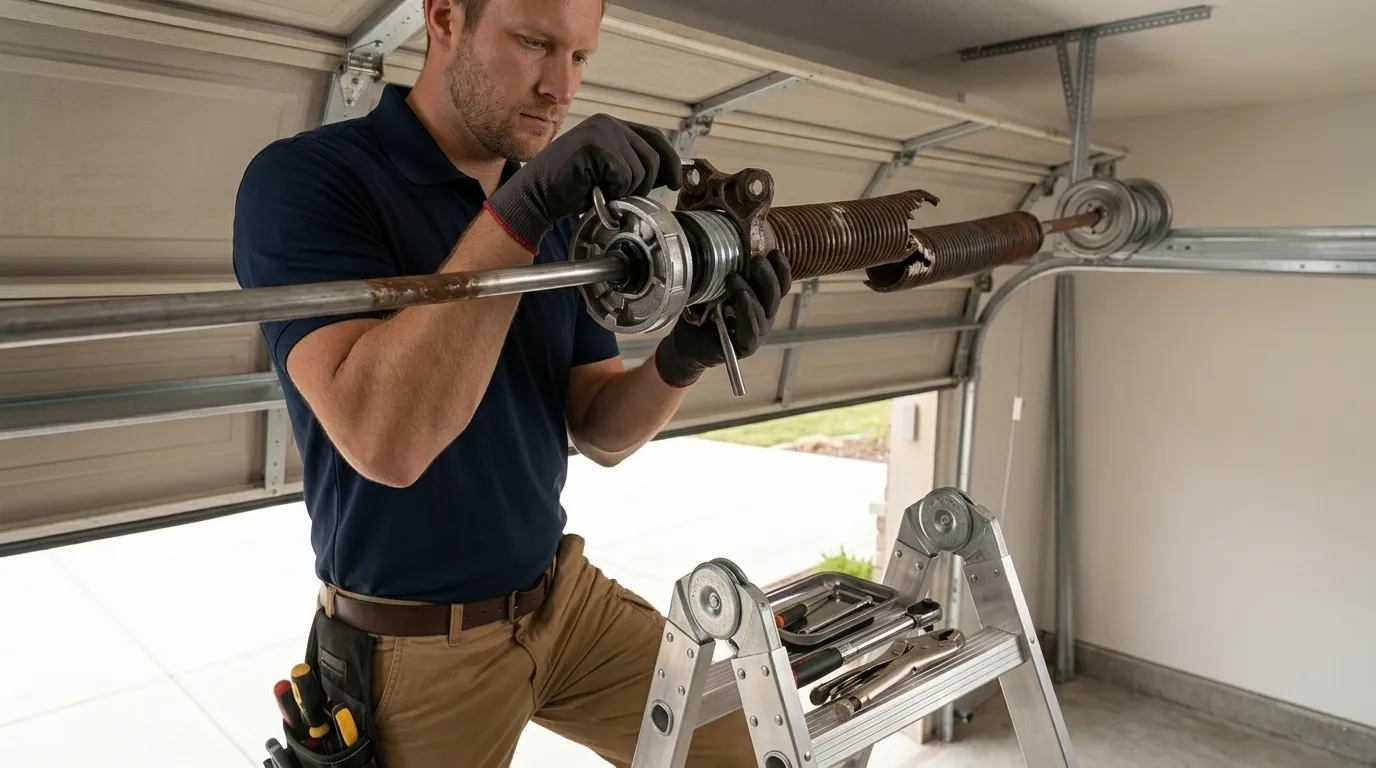
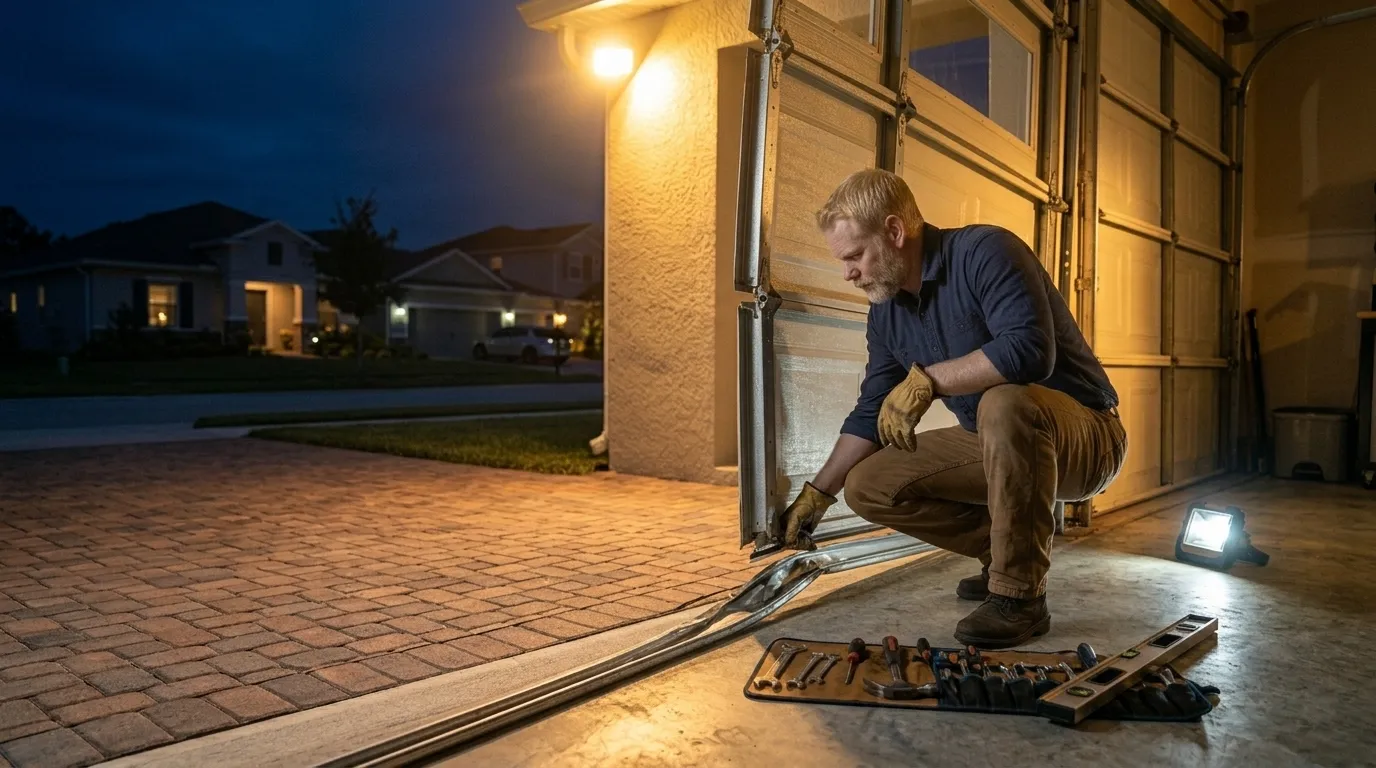
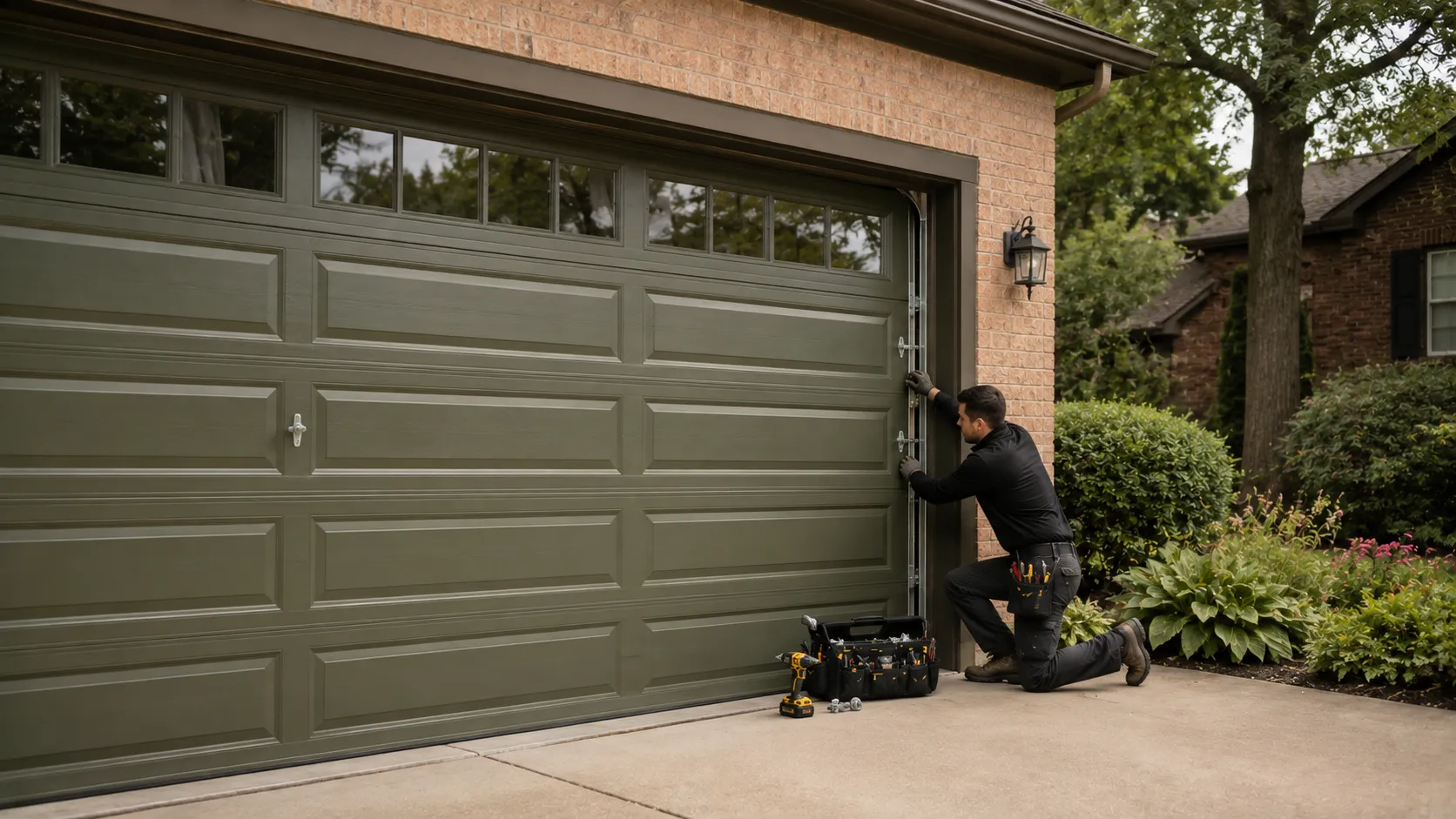
We drive out to Prospect Heights from our shop in Morton Grove, about 8 miles down the road, for the calls that come up again and again in a neighborhood built mostly in the mid-1970s. That's a different job than the older stock closer to home. Houses here went up around a median year of 1976, which puts most original garage doors and openers well past any reasonable service life if they haven't been touched. What we see most: torsion springs that were never rated for the door weight they're carrying, chain-drive openers from a retrofit era that grind and stick, and steel sectional doors with the thin, single-layer panels that were standard for tract construction in that decade. None of this is exotic. It's the predictable wear pattern of a house built when it was built, in a climate that doesn't go easy on hardware. We also get the occasional call for a door that's fine but an opener that's failing - a common pairing when the door outlasts the motor. We don't pad a visit with work that isn't needed. If a spring adjustment fixes it, that's the invoice.
What That Means for Doors
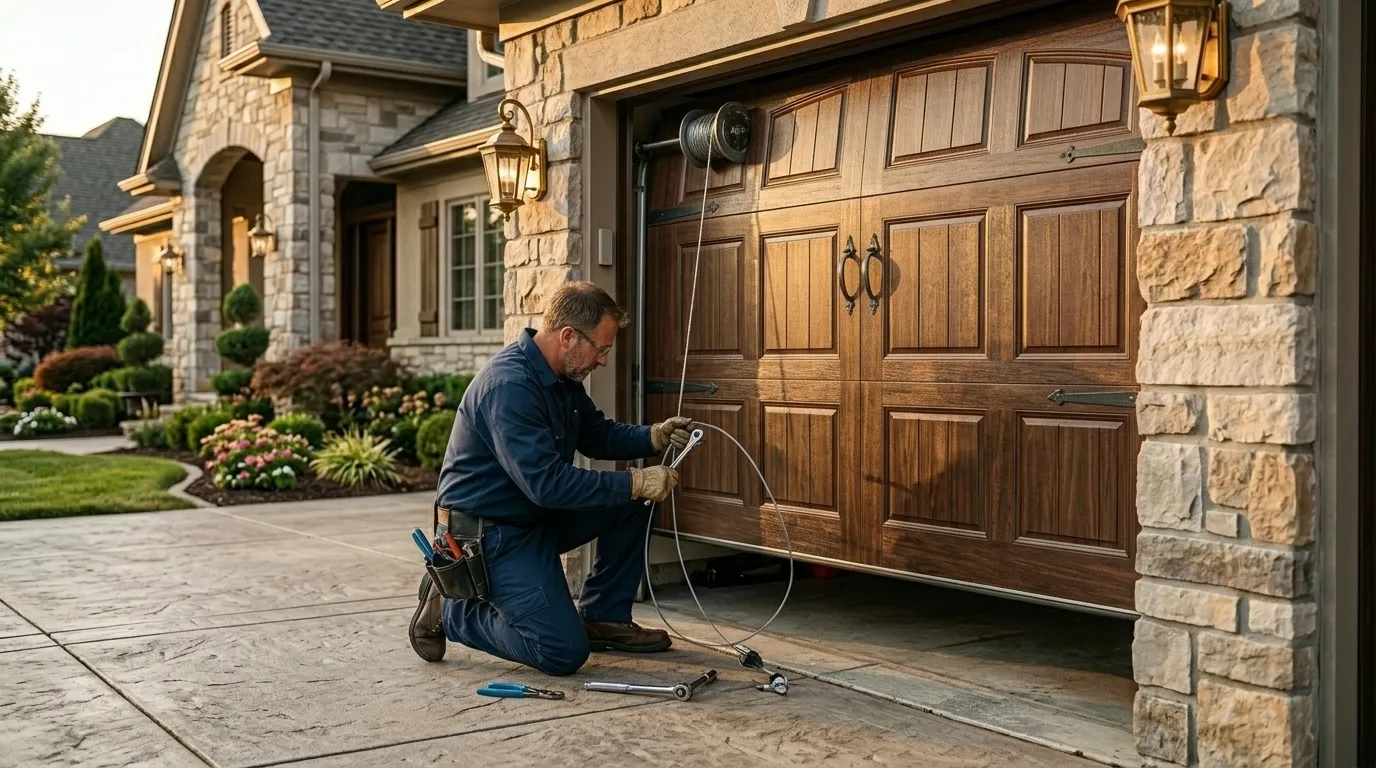
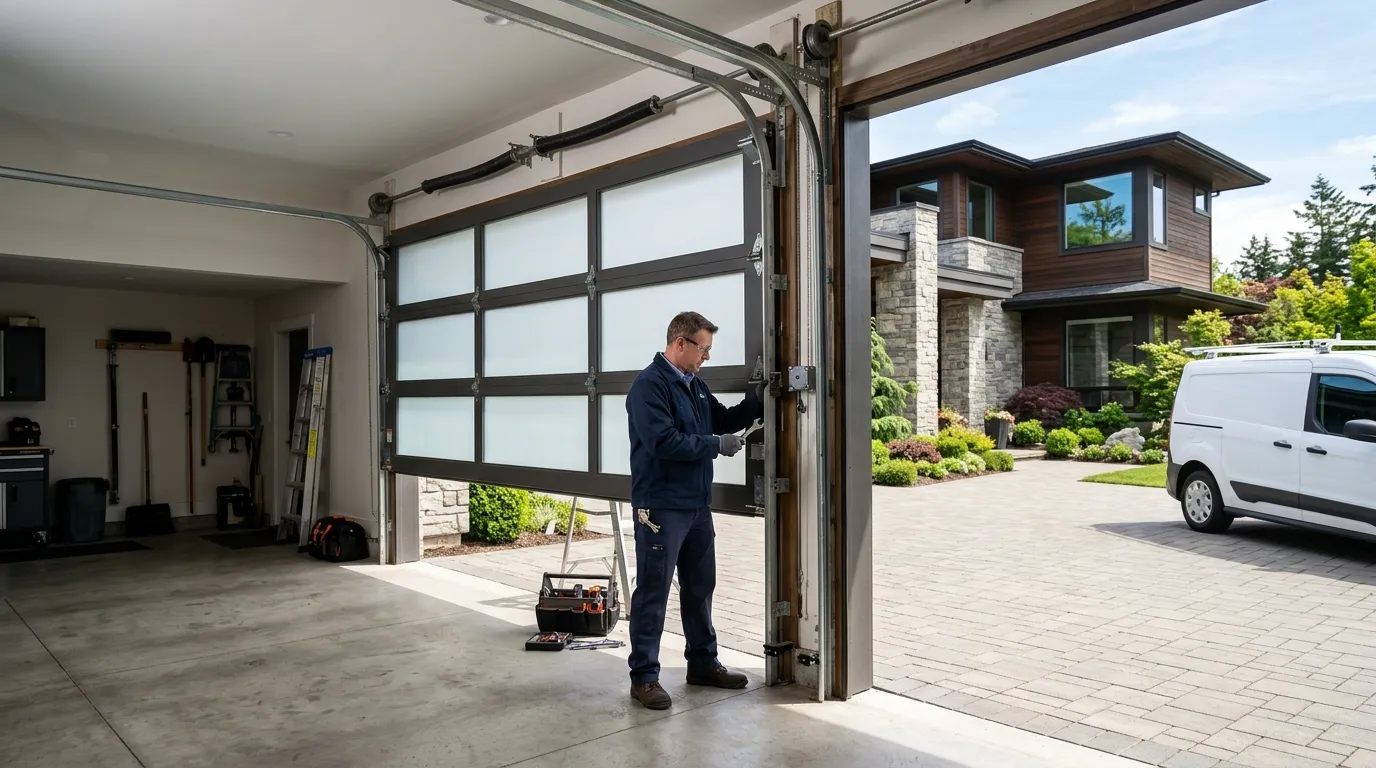
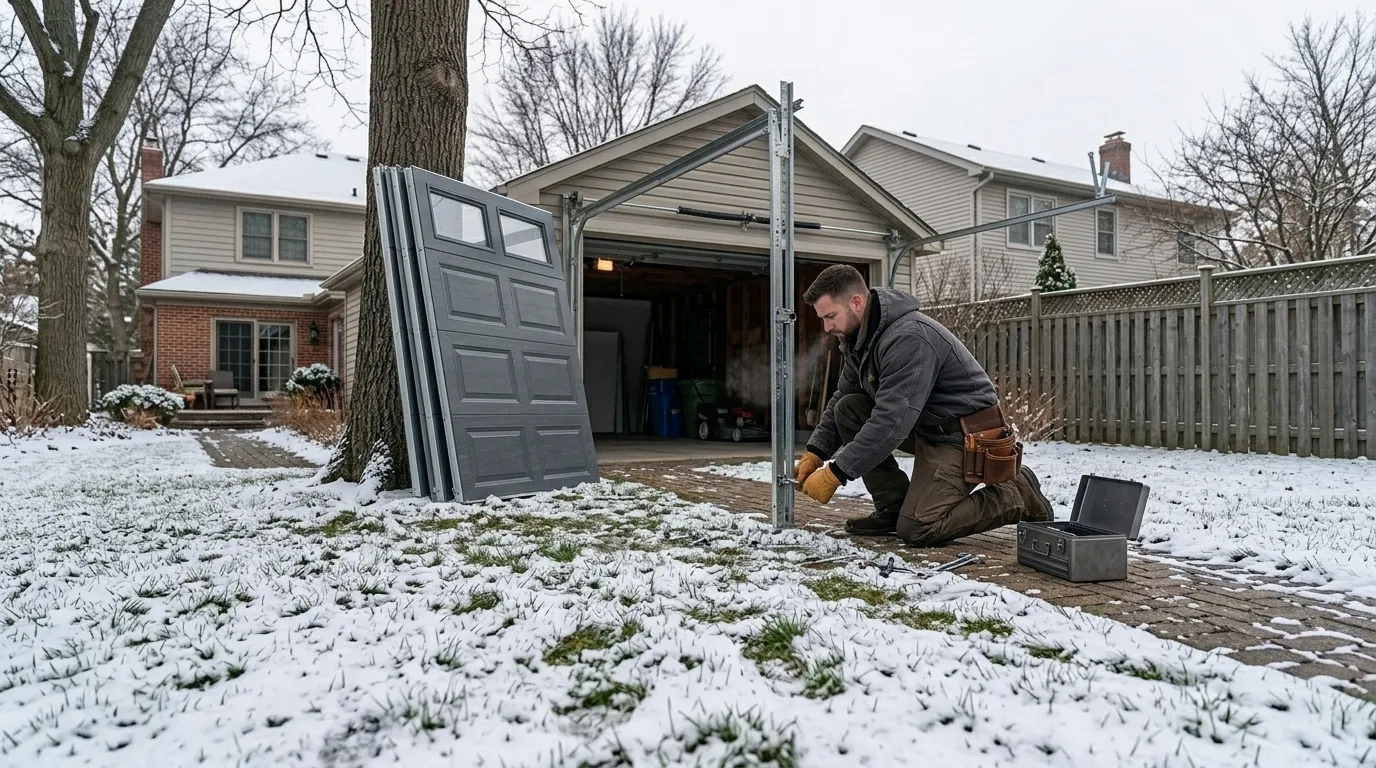
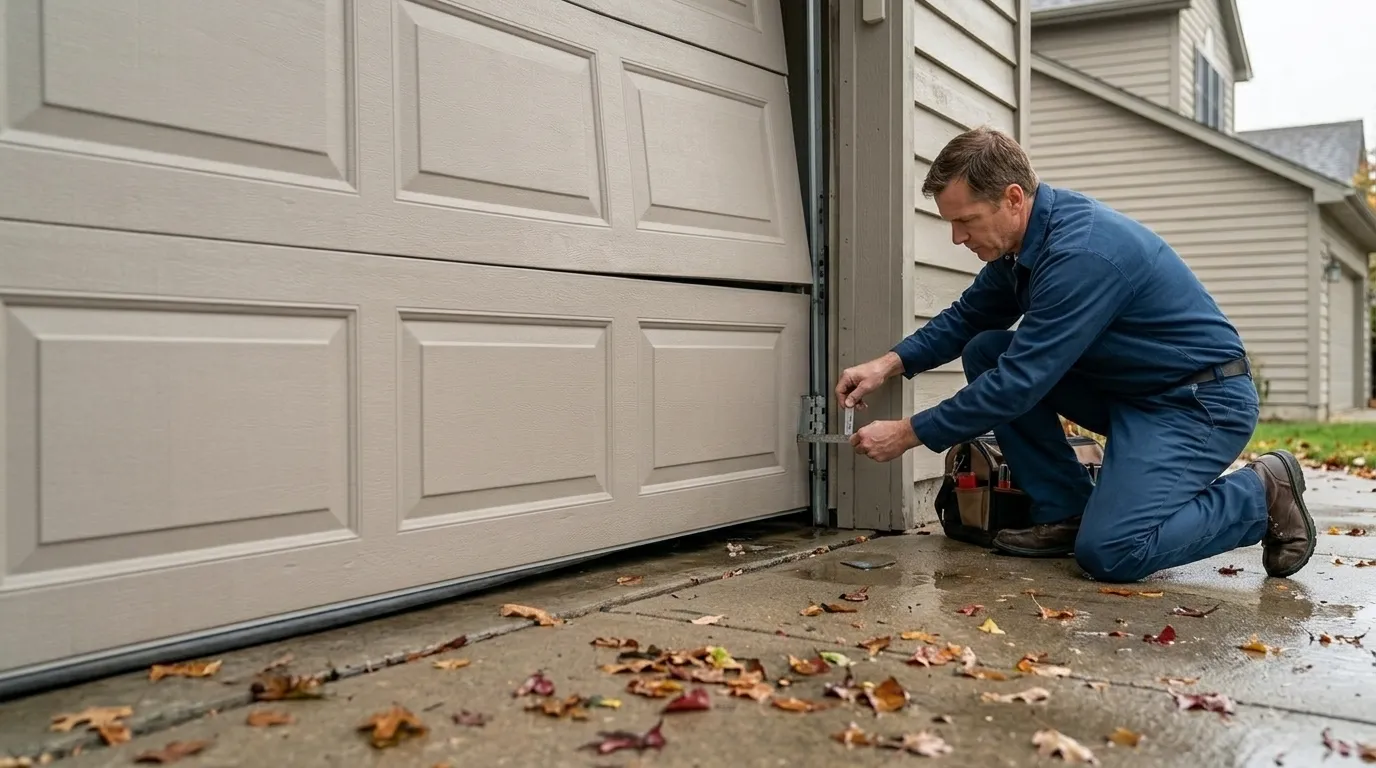
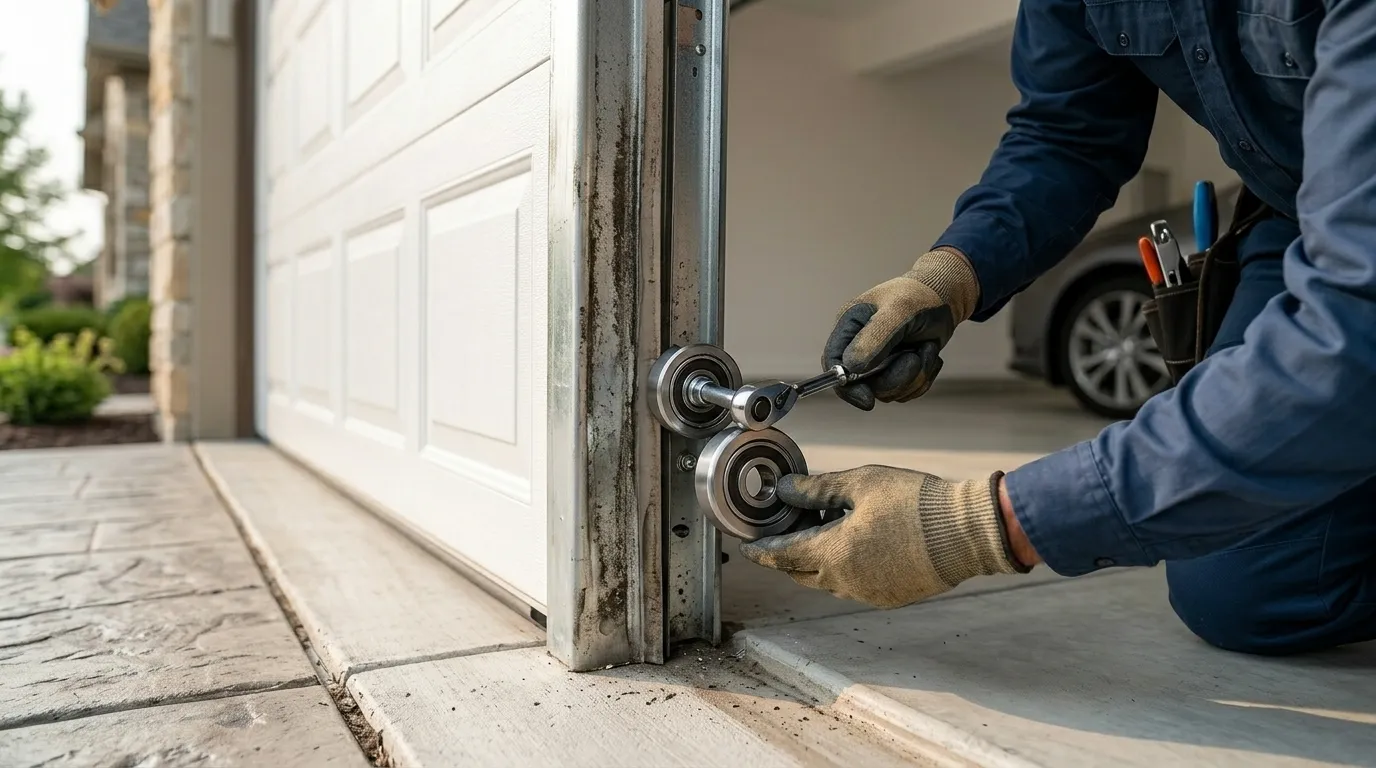
A 1976-era door on original or first-replacement hardware is usually carrying extension springs mounted along the horizontal tracks rather than a torsion bar over the header - a setup that was common in that build era and behaves differently under stress than modern torsion systems. Extension springs age less gracefully: they stretch, they lose tension unevenly, and when one goes the door often drops crooked instead of just refusing to open. In the cold-moderate climate this whole area sits in, metal fatigue in springs and rollers shows up earlier than it would somewhere milder - repeated freeze-thaw cycling is hard on lubrication and hardware tolerances. If your door came with the house or with a builder-grade opener from a decade or two back, we're not surprised when a cable frays or a roller seizes. The fix usually isn't a full door replacement; it's matching new hardware to a frame that's still square and sound.
Where We Stop
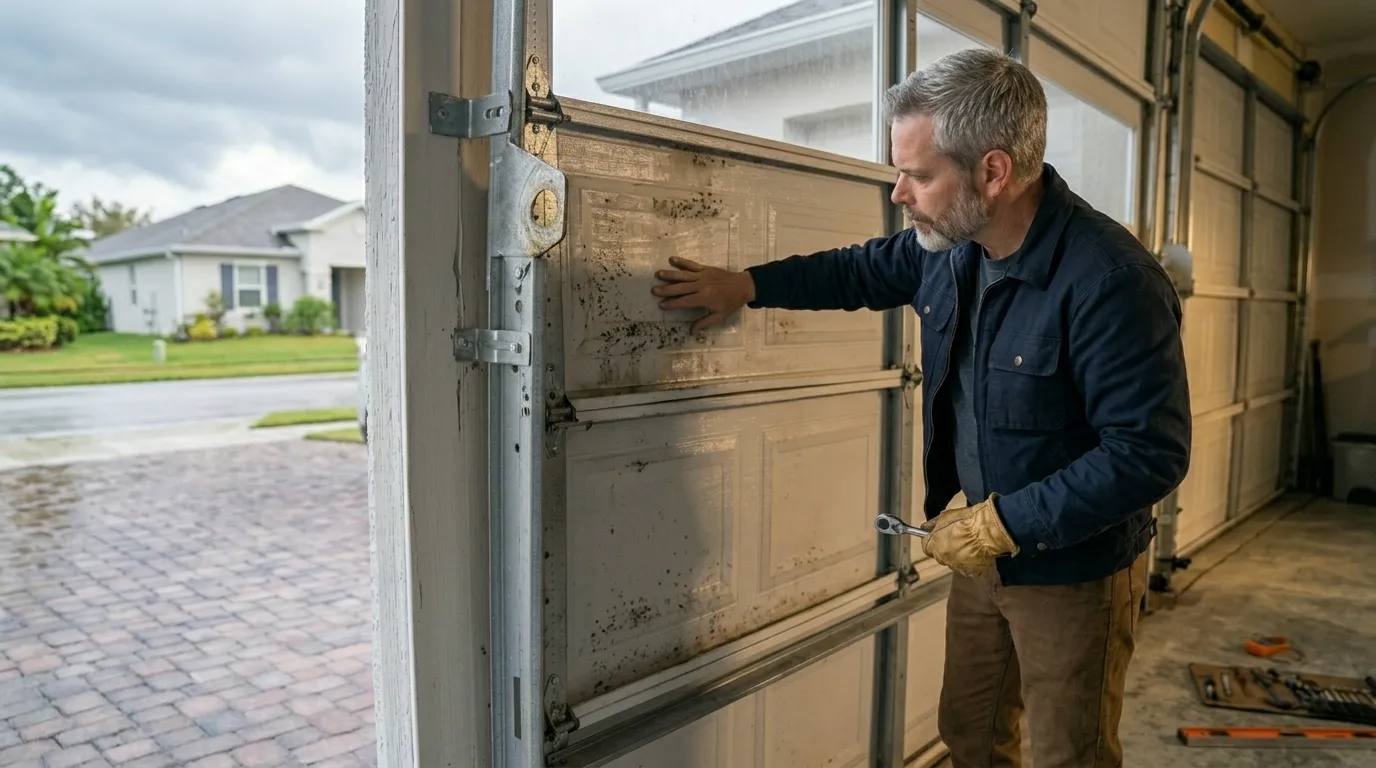
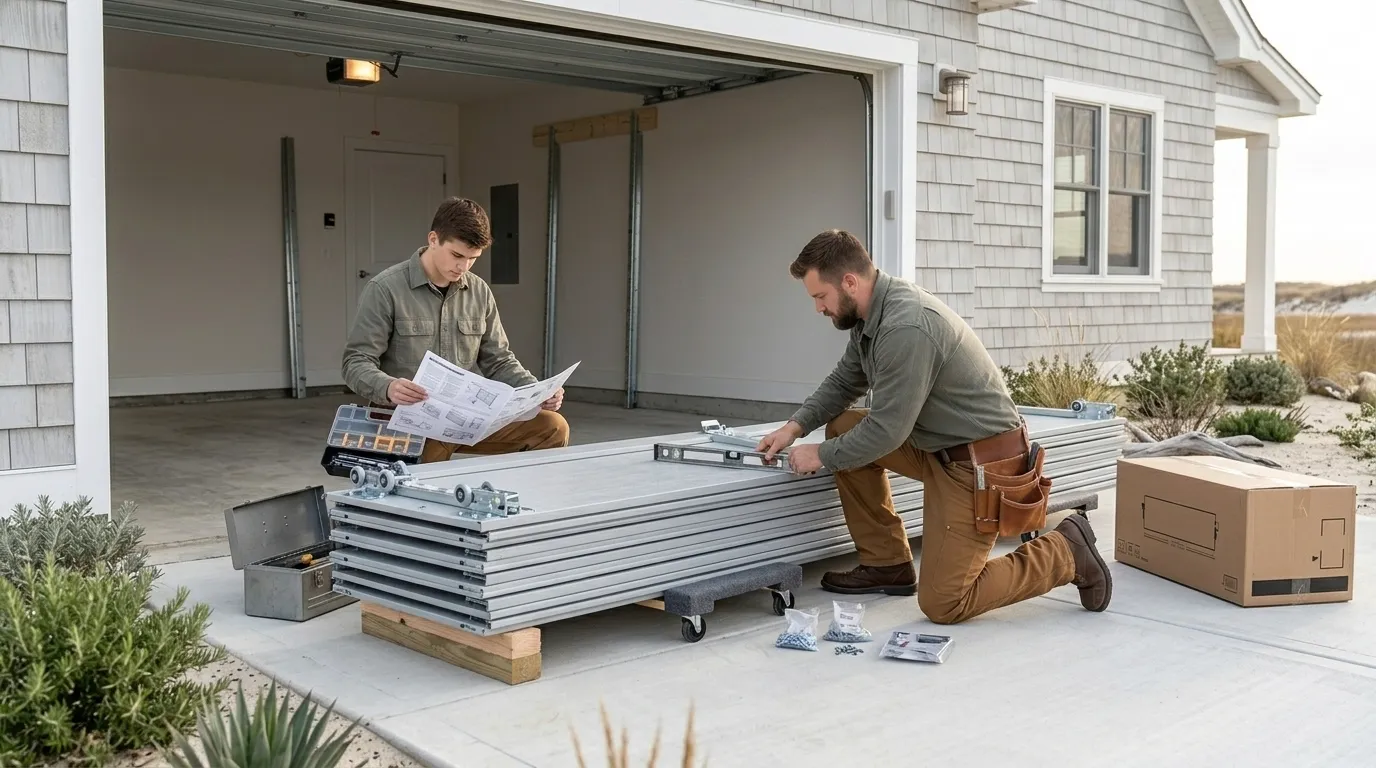
We're honest about what a service call from Morton Grove can and can't cover. We don't keep a depot in Prospect Heights, so same-day emergency response isn't something we promise here - we schedule the trip like any other 8-mile call. We also won't tell you a door needs full replacement when a spring, cable, or opener board swap solves it; and we won't tell you a 1976 door is worth restoring panel-by-panel once the steel has rusted through at the bottom sections, which does happen in this climate. If a door's track is bent beyond a clean realignment, or the frame itself has shifted with the foundation, that's a bigger job than a service call, and we'll say so plainly rather than run up a bill on a door that needs a carpenter first.